Paradigm Shift, now on view, explores new dimensions in moving image and the politics of the screen. Bringing together artists who remix, hack, and reimagine visual culture, the exhibition reflects on how identity, authorship, and imagination evolve through technology. We spoke with curators Jefferson Hack and Susanna Davies-Crook about the show’s origins, the power of screen- based art, and how creativity continues to resist and reinvent in dark times.
Jefferson: I think the artists in this exhibition are the true heroes. For me, it’s always about putting the spotlight back onto them—letting their work speak for itself. In difficult times, artists are our guiding lights. They dare to imagine what we can’t yet see. Their proposals are brave, uncompromising, and fiercely hopeful in envisioning a more equal and just society.
FAD: The exhibition focuses on screen-based art. How did your background in media, particularly with Nowness, shape the curatorial approach?
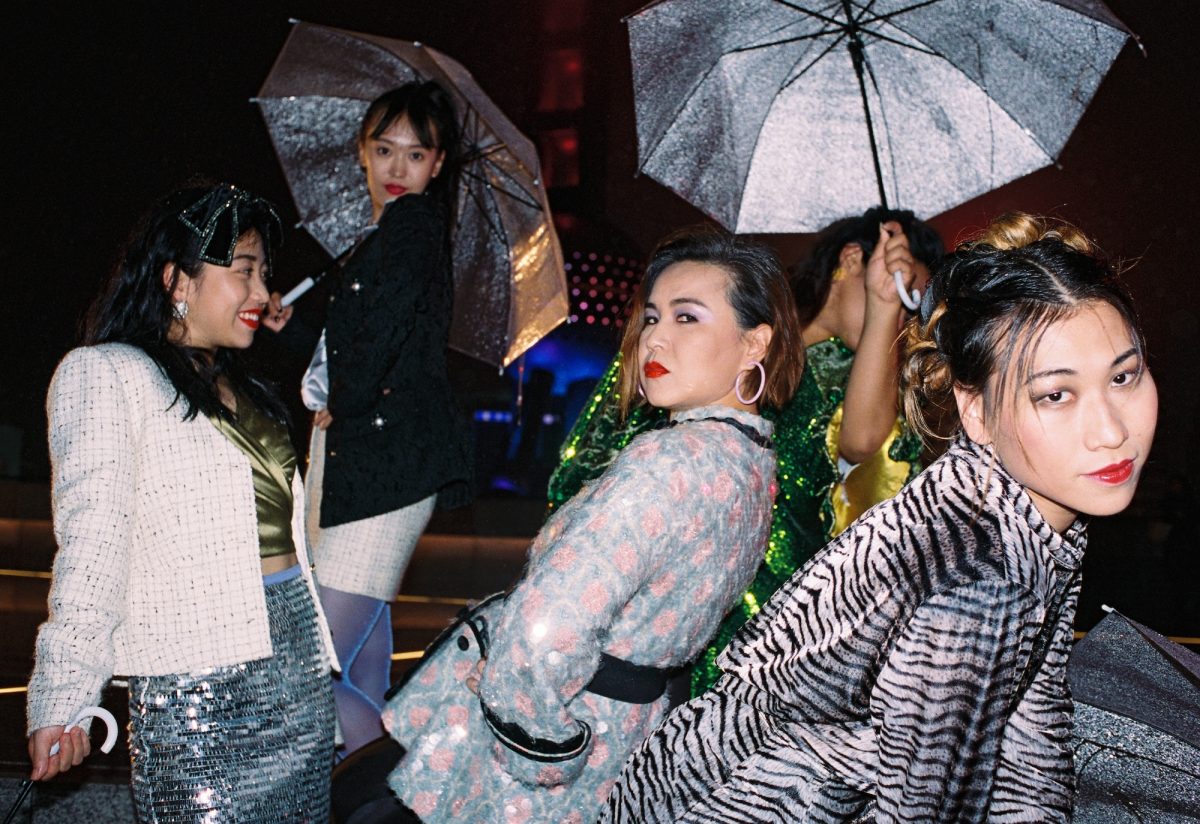
Jefferson: Definitely. There’s even a Nowness-commissioned film in the show— Shanghai Hip Hop by Cao Fei which connects back to that platform. My experience in media gave me a particular way of thinking about how artists use the screen: how they sample, remix, and hijack media, and how they build communities through it.
The idea of “hacking” the system—remixing media as a form of resistance—runs through the show. You see that energy in works by artists like Arthur Jafa, Nan Goldin, Dara Birnbaum Mark Leckey and others.
Susanna: The process also felt quite editorial. We were looking through the lenses of style, subculture, and fashion—how they signal cultural pivots. Each work captures a moment of shift: a change in technology, in social consciousness, in how media itself functions.
There’s a thread from the 1970s to now—Warhol’s experiments with television to today’s social media collectives.
Jefferson: Exactly. Warhol used public access TV to hijack mainstream TV and create community—both in front of and behind the camera. Today, someone like TELFAR does something similar, using digital platforms to build a collective identity.
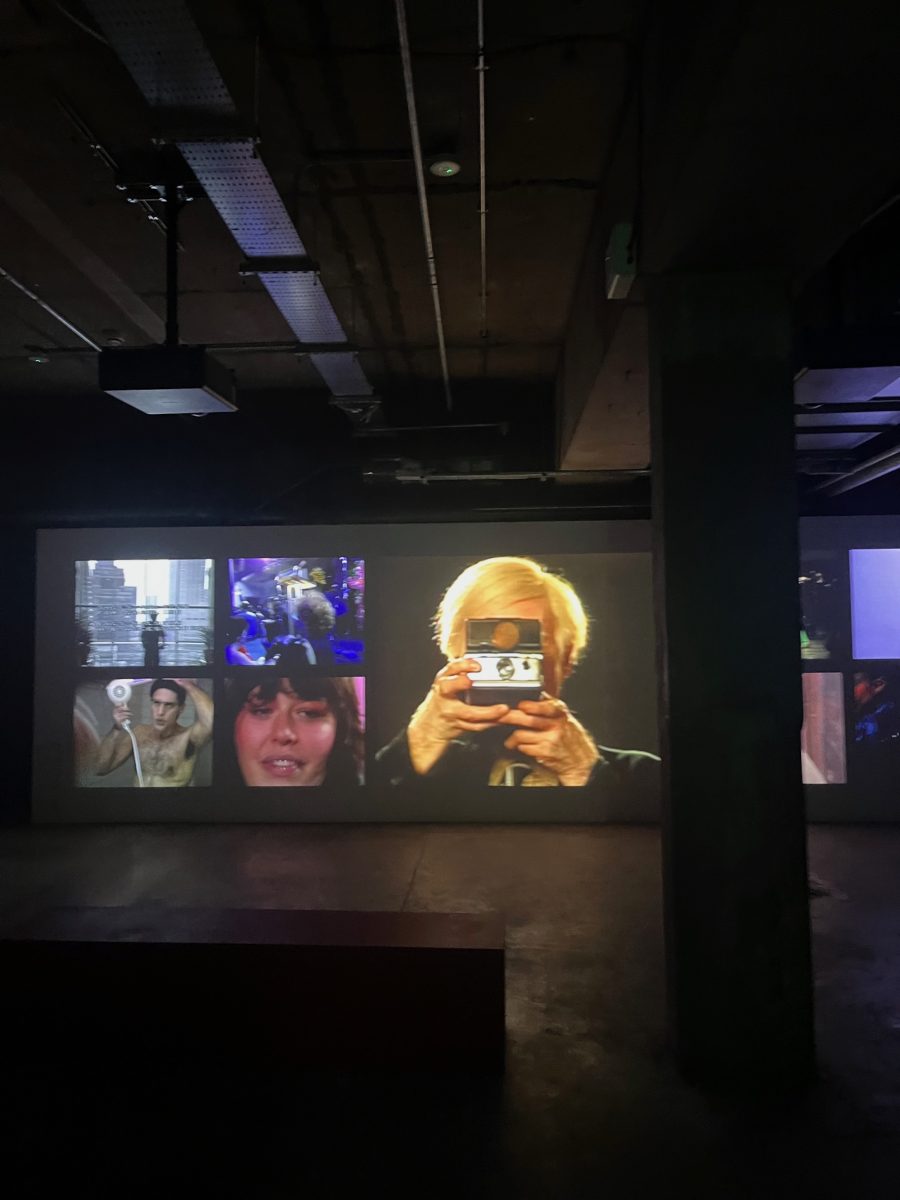
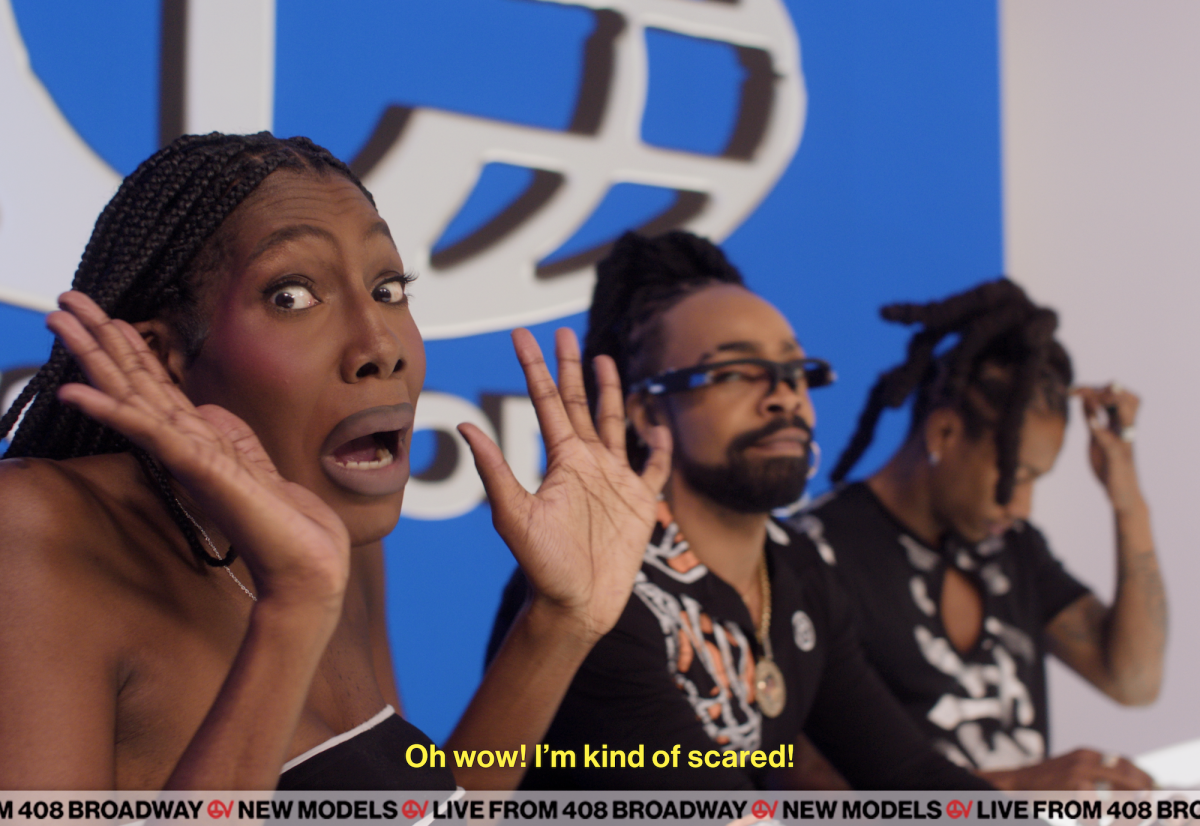
The screen has become a stage where anyone can perform, broadcast, or participate. That acceleration—from cable TV to TikTok—is extraordinary. We wanted to explore that transformation: how our relationship to the screen has become deeply personal, performative, and political.
Mark Lecky’s work in the show captures that spirit of cultural rebellion, too.
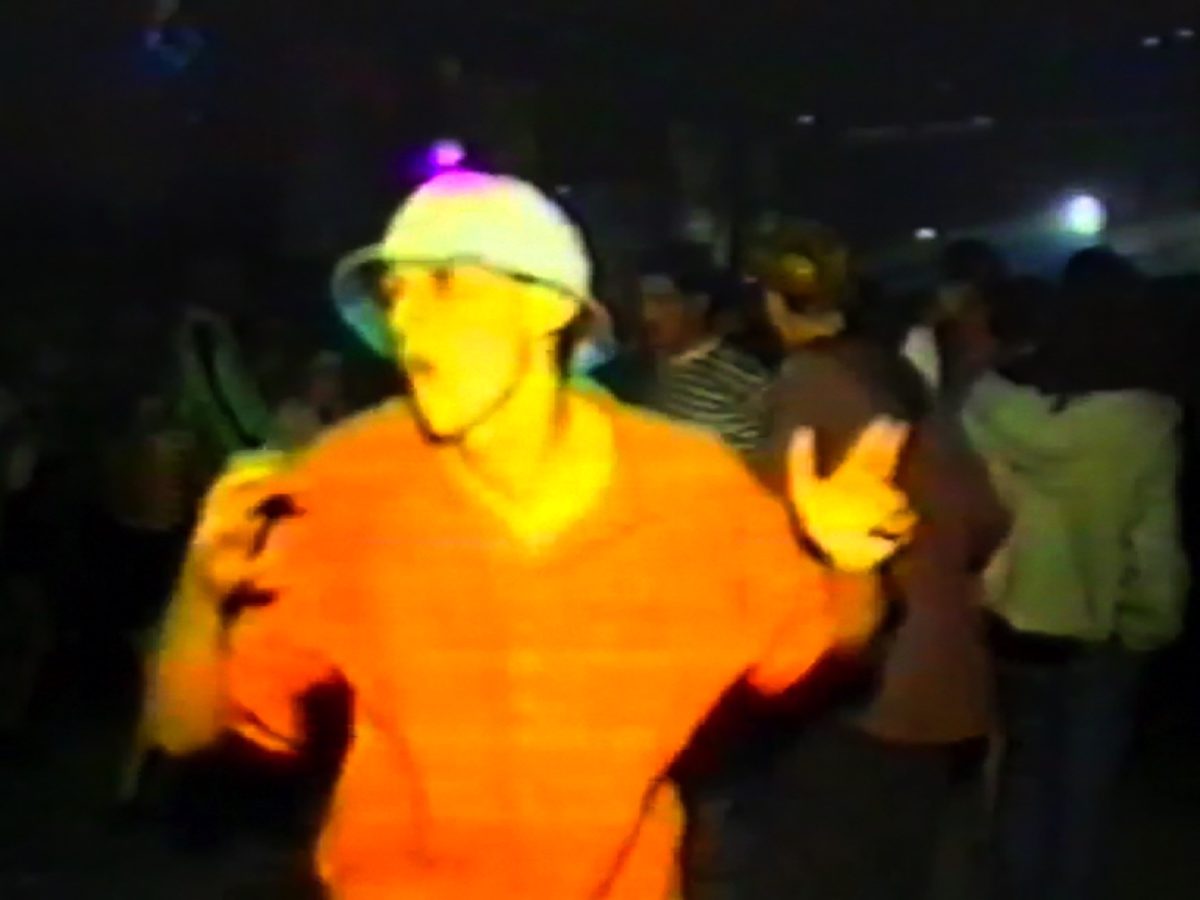
Jefferson: Yes. Mark’s film really resonated with my own memories of London in the ’90s—warehouse parties, rave culture, this feeling of freedom through music and movement.
The “glitch” in his film mirrors the tension between utopia and breakdown—what Mark Fisher called the “ghost in the machine.” You keep reaching for transcendence, even through failure.
Susanna: That connects beautifully to artists like Josèfa Ntjam, whose work reimagines creation myths through AI. She uses technology poetically—to re-envision the past, present, and future as one continuum. Her work, like Jarman’s before her, shows imagination as a form of survival—a way to keep reaching toward hope.
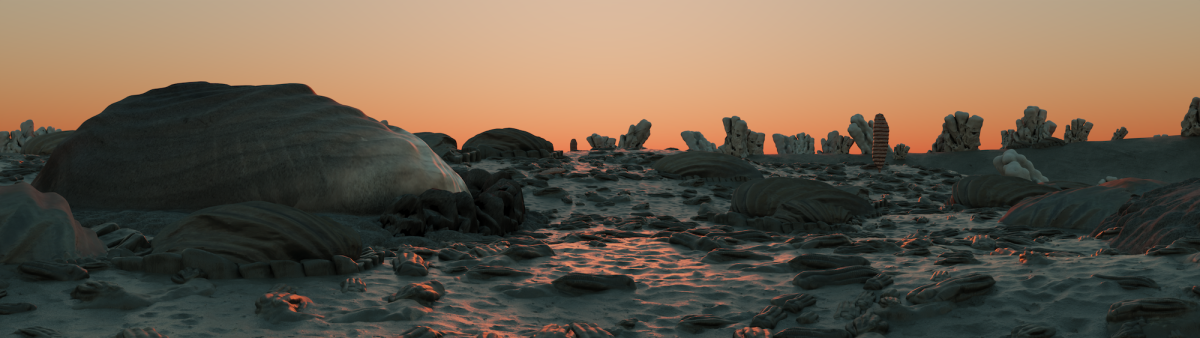
Courtesy of the artist; LAS Art Foundation; and N?COLETT?, London. © ADAGP, Paris, 2024
Jefferson: Exactly. We wanted the show to feel hopeful. There are moments of serious reality check, of course, but there is also humour ultimately it’s about continuing to reach—to imagine.
Do you see this moment as the end of one chapter and the beginning of another, with AI and new forms of authorship?
Jefferson: Perhaps, but Paradigm Shift isn’t an AI show. Some artists use AI as a tool, but our focus was on storytelling—on highly authored works that explore cultural identity and perception. We’re interested in how identity is staged, constructed, and deconstructed on the screen.
Susanna: And fashion, style, subculture—all play a role in that. They act as visual signifiers of identity. Clothing, uniform, performance—they all shape how identity appears and evolves in media.
Jefferson: Identity is fluid, not fixed. That’s what feels liberating about these works—they remind us that reinvention is always possible.
And perhaps that’s what people fear—the power of that fluidity.
Jefferson: Exactly. But the exhibition approaches it in a generous way, a seductive way.
Susanna: Yes—generous and open.
Finally, can you speak to works like Gillian Wearing’s and Martine Syms‘, which anchor the show in personal resistance?
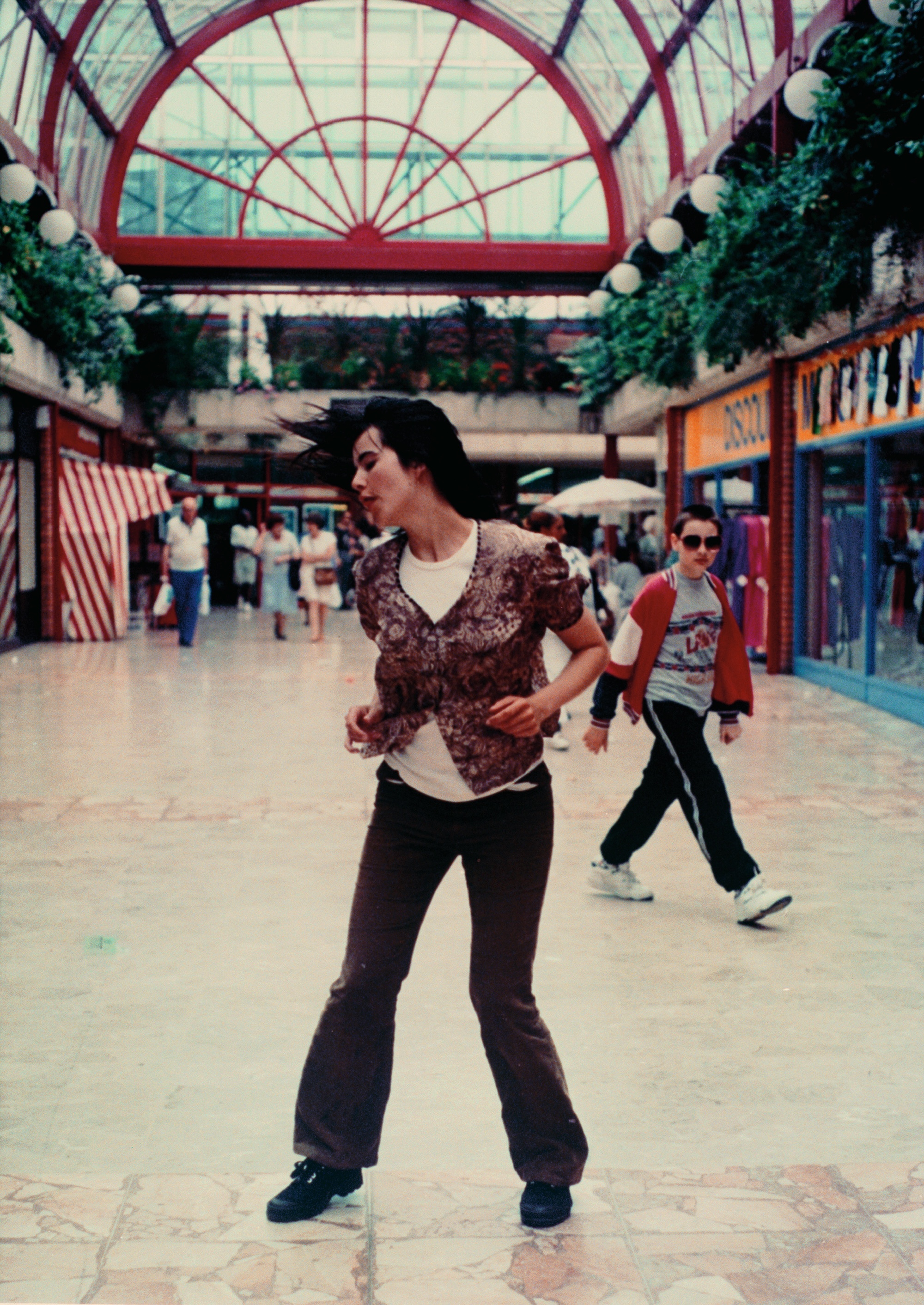
Susanna: Gillian was a lifeline for so many artists in the ’90s—her work still feels vital.
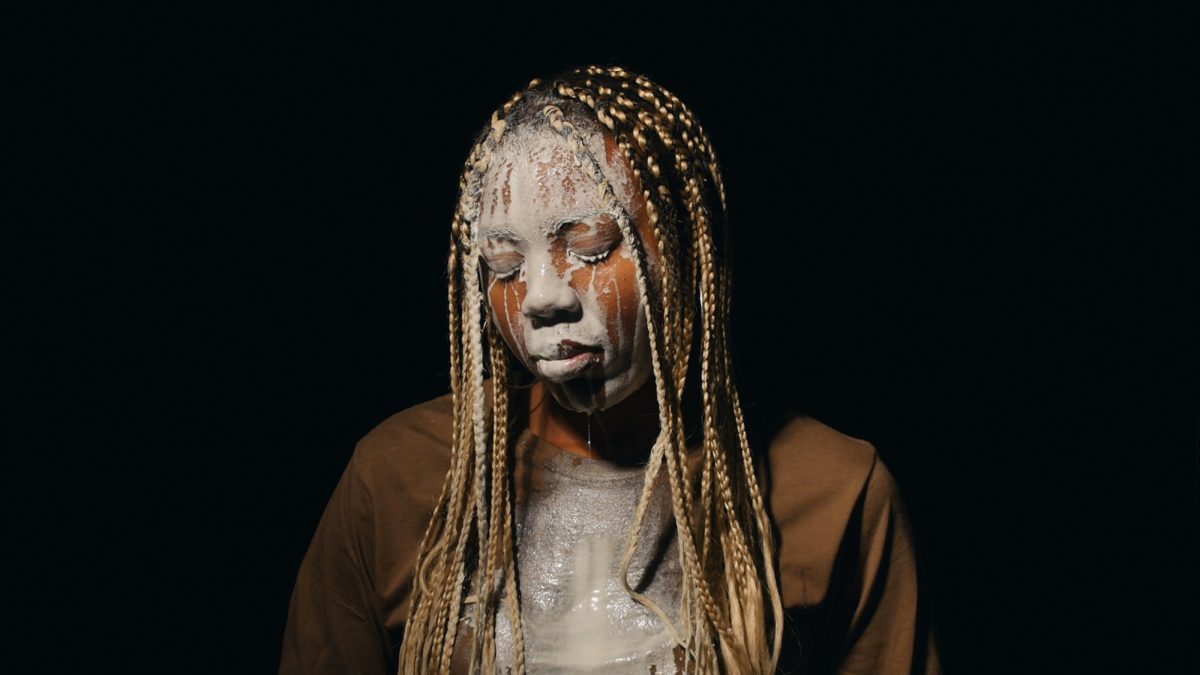
Jefferson: Martine Syms’s looped portrait channels that same intensity. It’s an image of protest and endurance, made during Black Lives Matter. It feels almost like a Caravaggio —monumental, still, and charged with quiet defiance.
Paradigm Shift: New Dimensions in Moving Image, 15th October – 21st December 2025 180 Studios
Curated by Jefferson Hack and Mark Wadhwa Associate Curator: Susanna Davies-Crook Curatorial Advisor: Sean Bidder Designed by Ab Rogers Studio