When I speak with school friends and family, the odd Hinge date, I am often asked two questions: (1) “what makes you like art?” (2) “what makes art good?” To reply with “it’s subjective” is both a truism and a cop out. Really thinking about what I like and value most in ‘good’ artwork is an honest sense of intimacy; when an artist is able to make me feel, without gimmicks or aesthetic trickery, some sort of affinative connection with the stuff on their mind. This isn’t to say that in witnessing a good work of art, I am able to experientially know what an artist is feeling in themselves – we can never experience how another exists in the world. Rather, good art makes me feel a sensation adjacent to that had by the artist, perhaps, something teetering towards universal. Such a relationship is deeply interpersonal, inner and personal; it is a moment when a subject and the subjective align but never quite touch, leaving space for more to be felt, for more to be added over time. It’s rare to encounter this good; most artists are either able to convey the magnitude of a subject or to express a subjective longing through affect… (To note, I will always be partial to a pastel tone painting, but not every pretty pink picture is good art.)
Among the artworks I enjoyed at this year’s Liste Art Fair (Basel, June 15th – 21st), two artists stood out, chiming with my ideal of the honest intimate, with works of art “sooo fucking good.”
Kemil Bekteši, presented by Galerija Manuš (Split / Zagreb, Croatia)
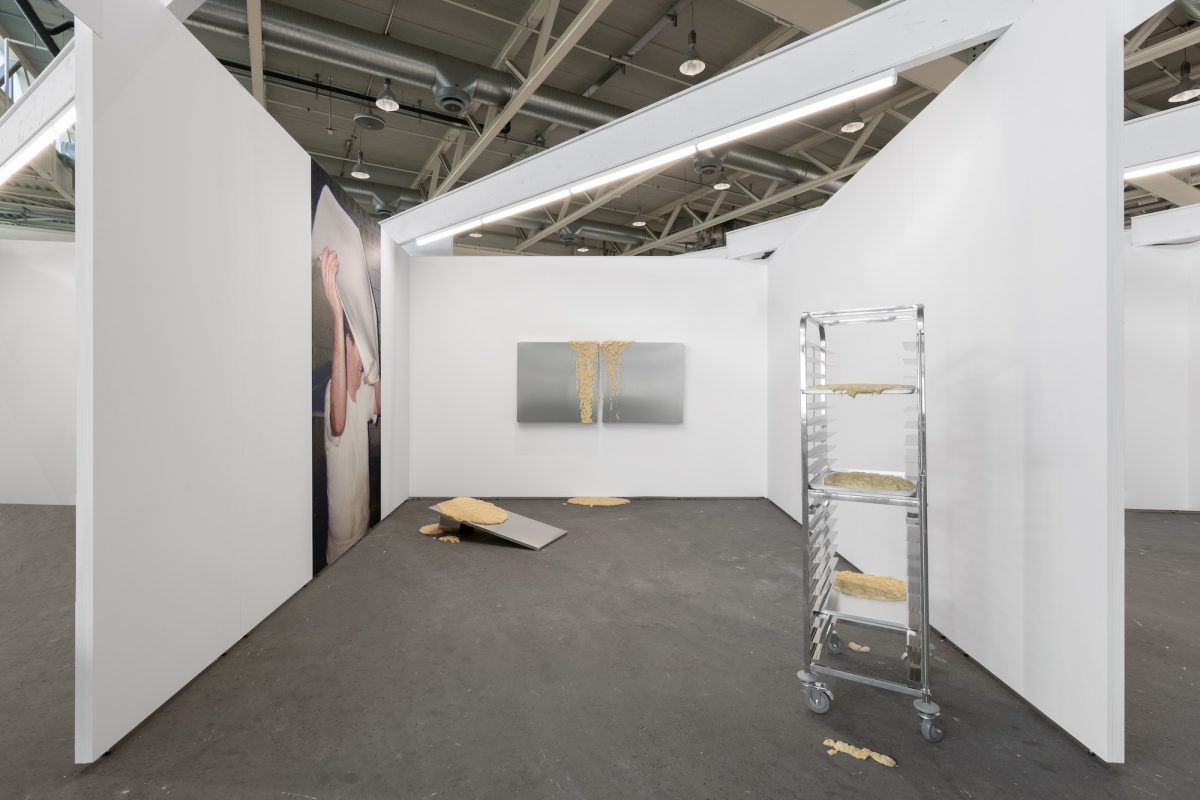
I did not know what drew me to Galerija Manuš’s booth. The works presented by Kemil Bekteši (b.1997) pair stainless steel structures – square slabs of the numbly-reflective metal and a tall roller trolley – with glutinous bread dough pooled over these. Visually, the installation clashes two trajectories in formalism: minimal sparsity and expressionist oozing. It’s an animate meeting. Well worth attentiveness. Peering at Bekteši’s grotesque forms, the artworks literally come to life as the dough grows, dripping and splattering onto the fair’s floor. This material nonchalance made me smile. I had to know more.
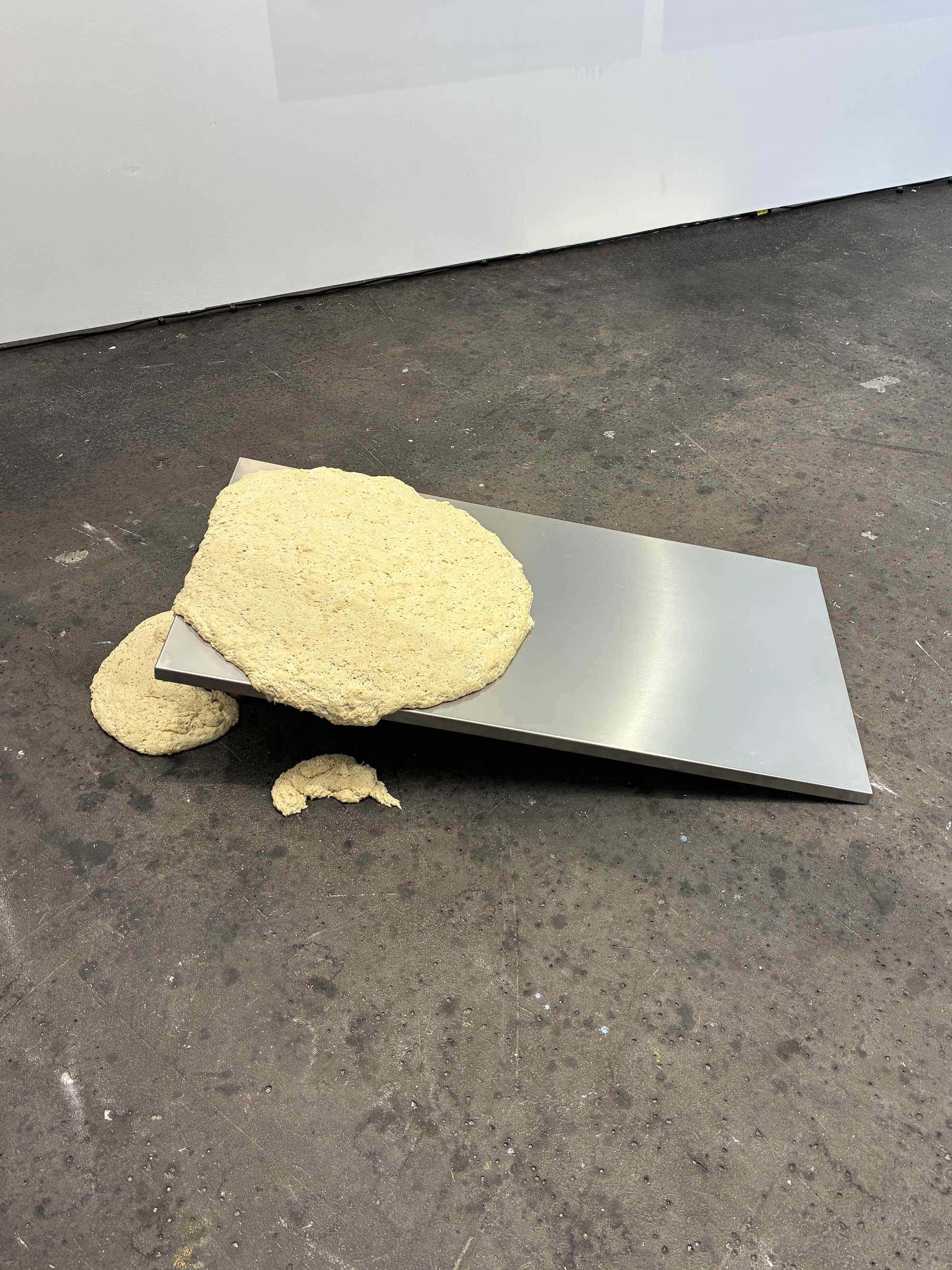
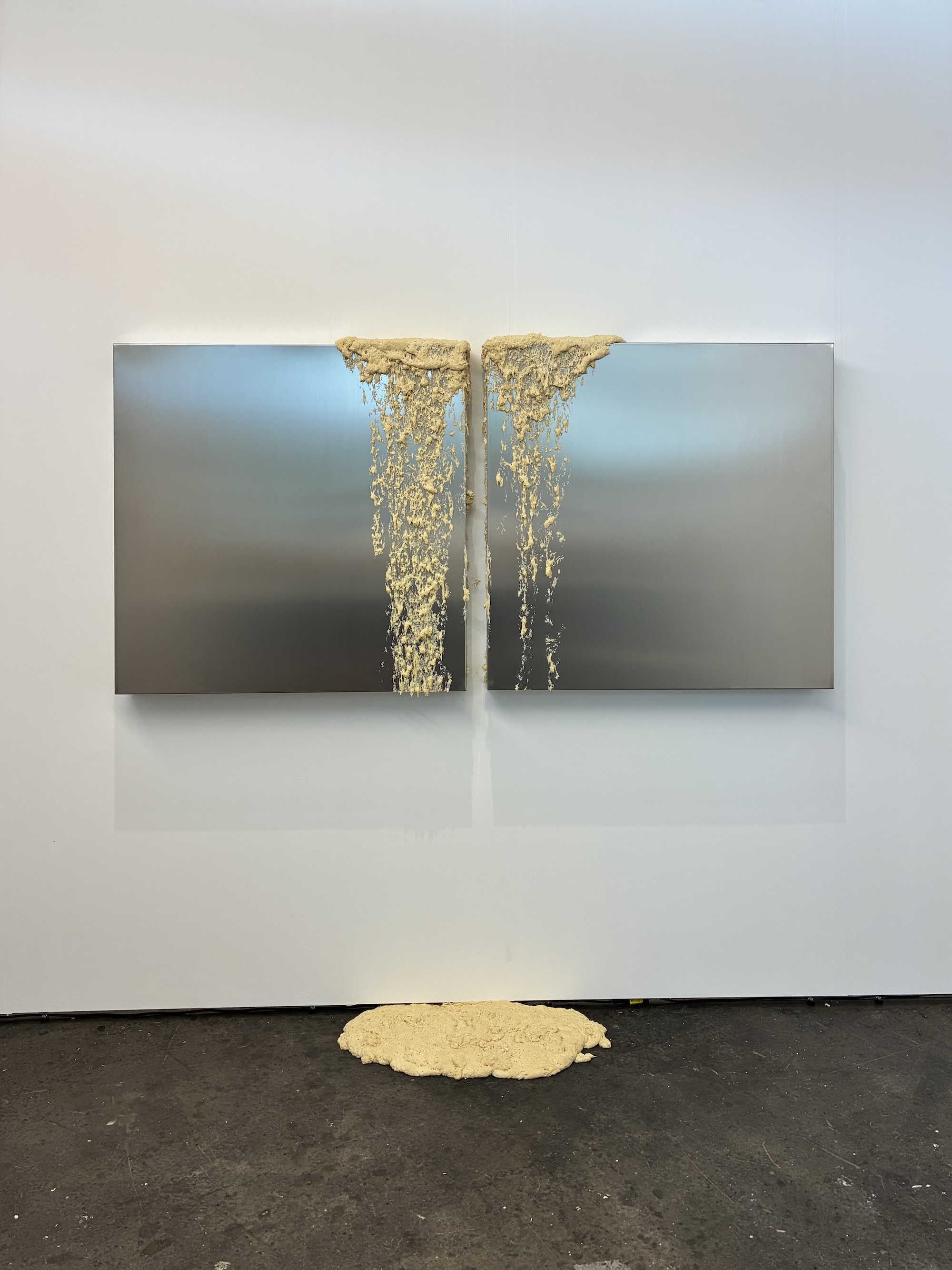
This body of work has grown out of Bekteši’s relationship with his father, Kemil Bekteši, a bakery worker whose labour has allowed the young artist to pursue his artistic practice. For Bekteši, this personal relationship reflects wider socio-economic conditions: how members of the Kosovian labour force have spread throughout the West, often undertaking unseen forms of work (baking, cleaning, driving) in order to nurture their families. It’s of note that such migrant labour underpins daily Western life and the survival of ‘advanced’ economies (in London, for example, over 60% of the catering and hospitality industry’s workforce was born abroad.) We in the West are literally dependent on migrant bodies for our daily bread.
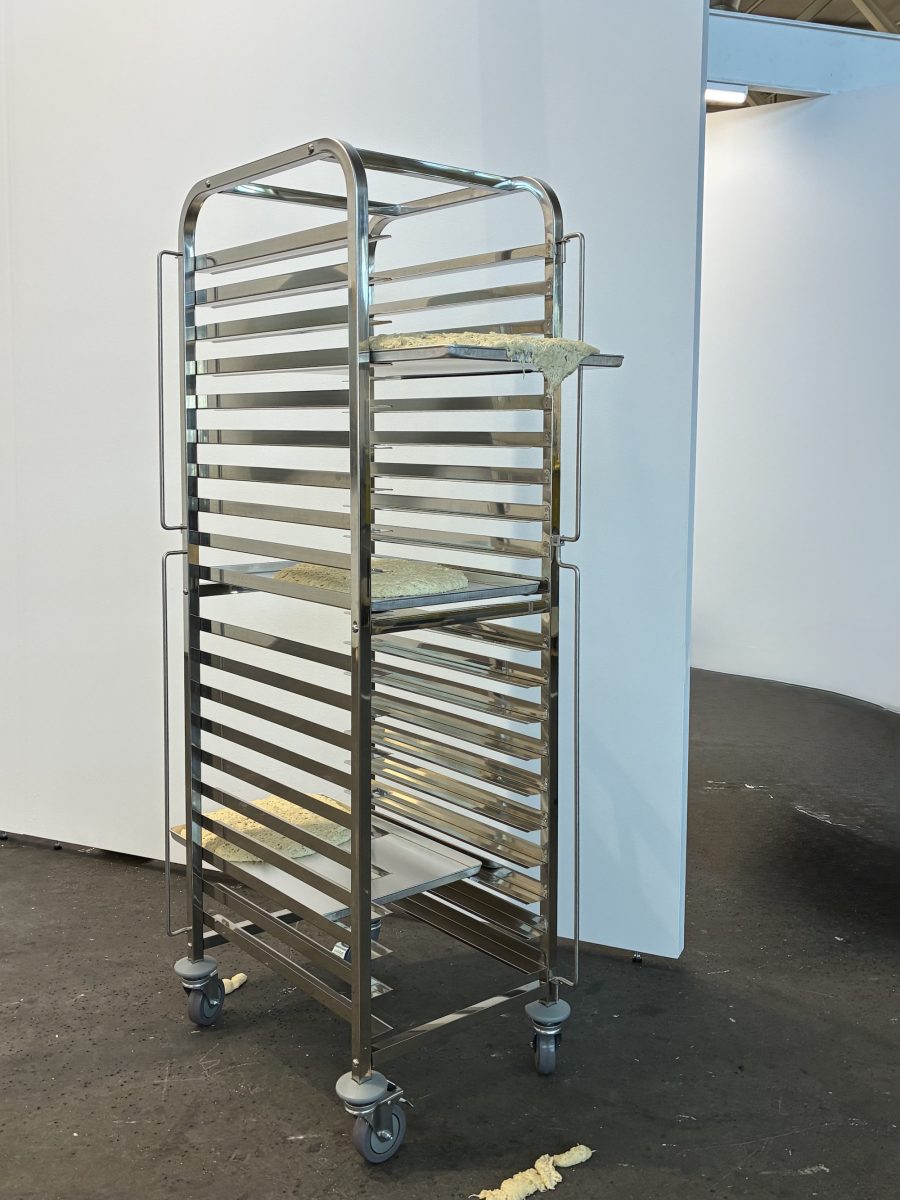
More than a critique of labour politics, how the West try to repress the importance of migrant labour to its daily socio-economic functioning, Bekteši’s work accentuates the emotional conditions that have and will always sustain human life. As Bekteši’s dough bubbles away, the autopoetic goo becomes a metaphor for the support and sustenance his father provided; how his labour and acceptance nourished the artist, allowing him to pursue a life practice beyond the otherwise steely and square. Here, that is, the meeting of flour, water and air, when mixed by the human hand, becomes the alchemical stuff which makes being possible.
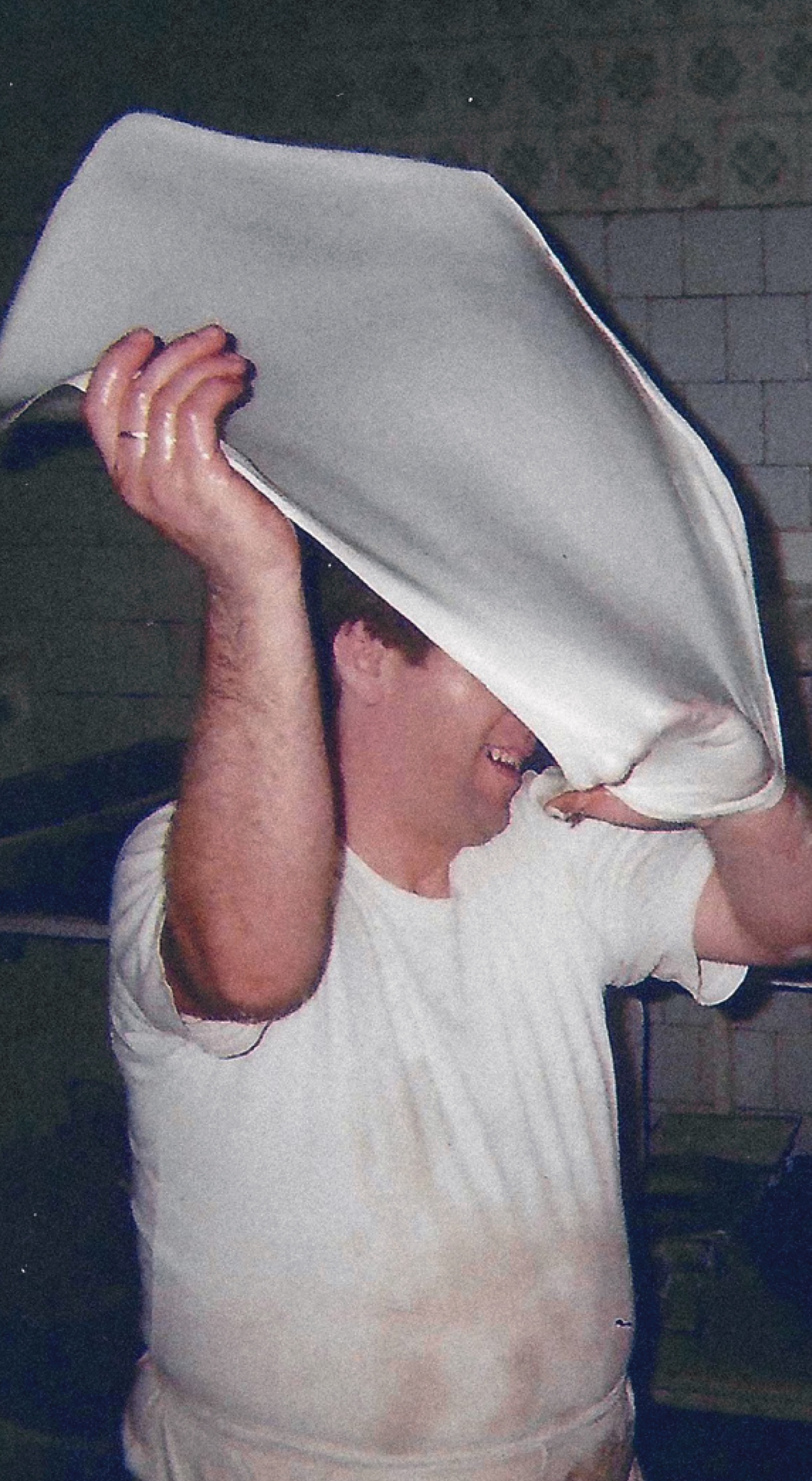
The ‘success’ of Bekteši’s work lies in the fact that it performs this metaphor in its physicality. We do not need to know his personal background to understand what is going on here: the work and its sentiment is animated through a meeting of materials. Indeed, in combining two strands of canonical formalism, Bekteši’s art demonstrates how the very nature of existence is made possible through the pooling of structural and sensorial forces.
Coco Klockner presented by Romance (Pittsburgh, USA)
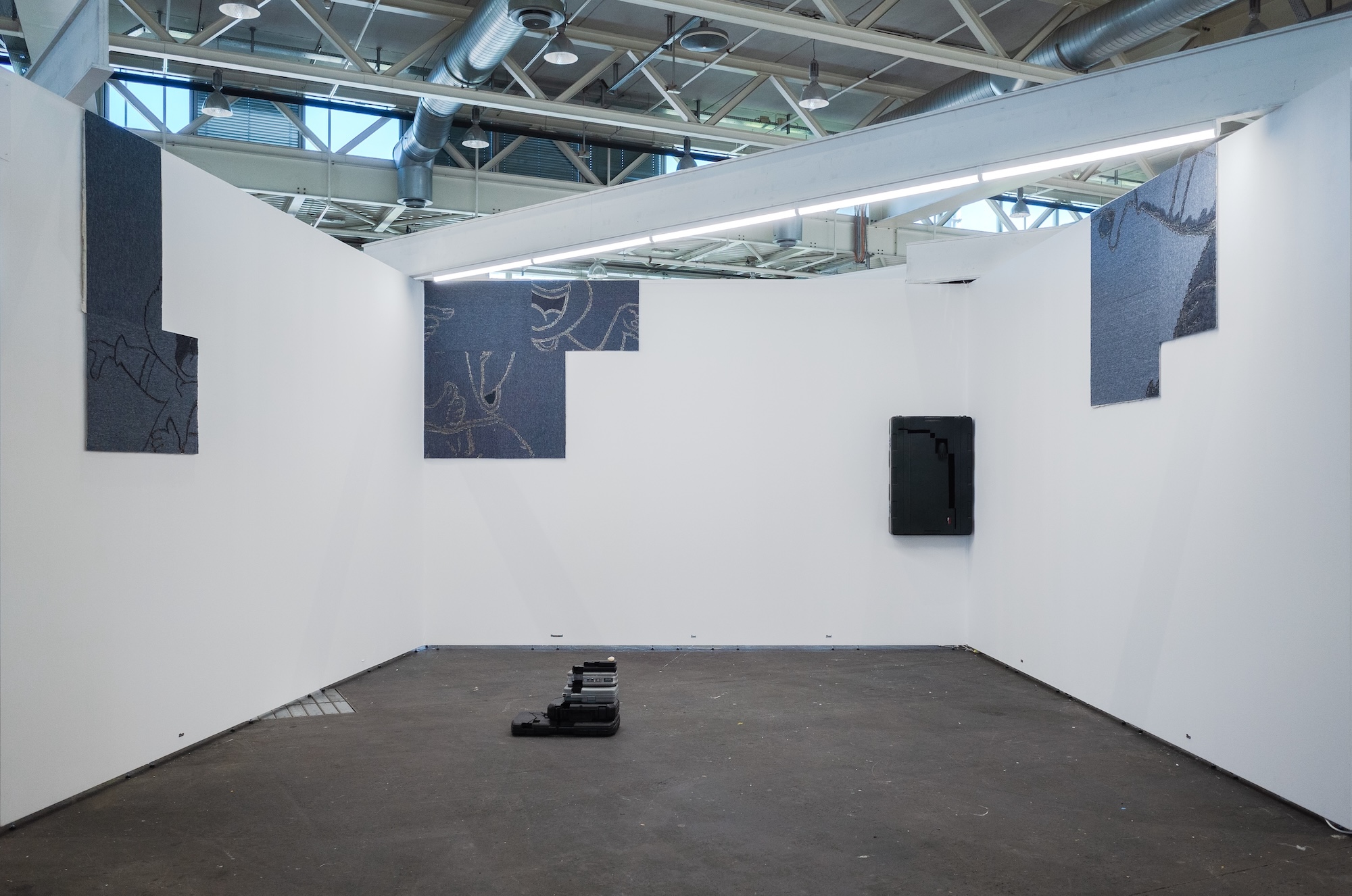
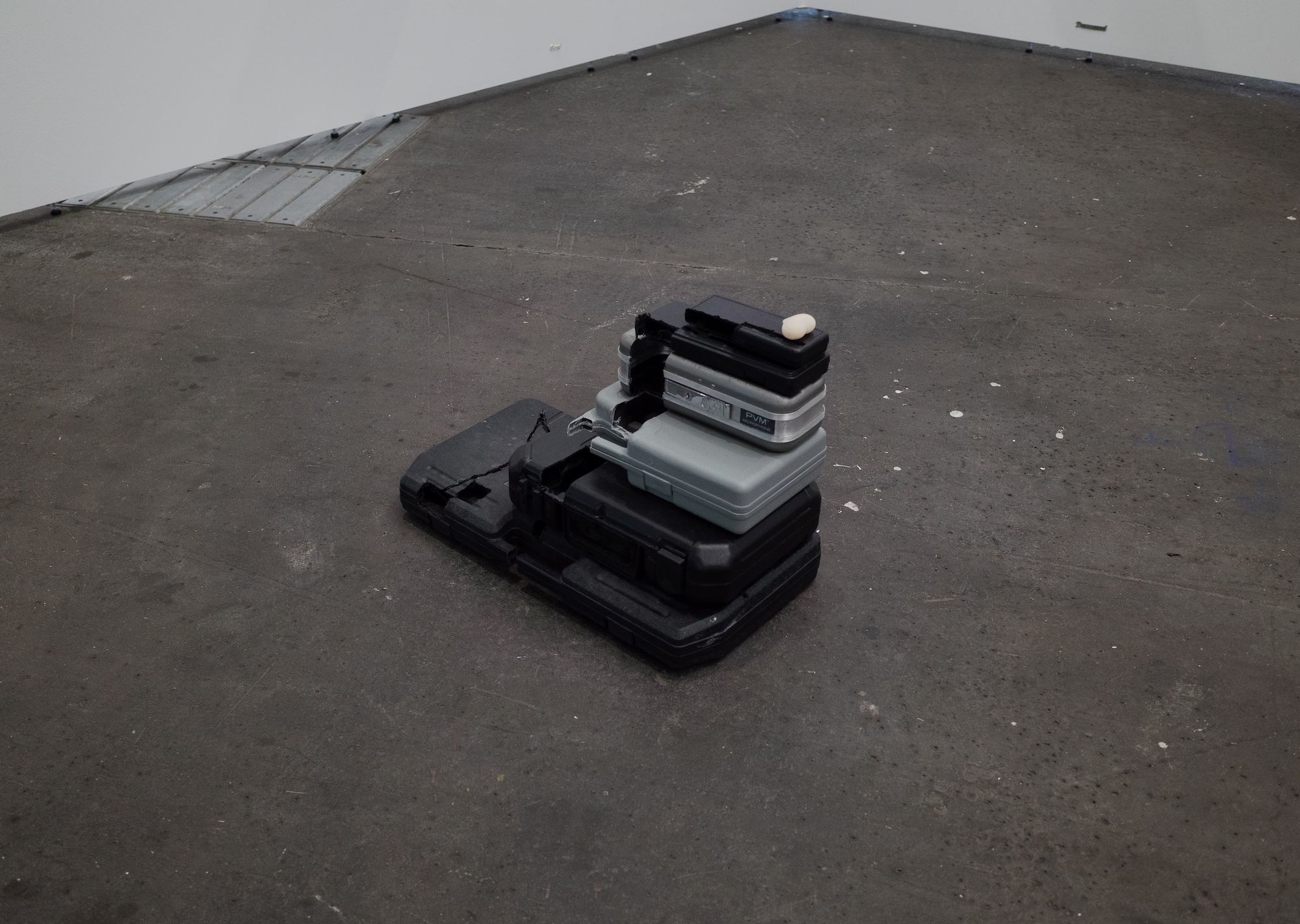
Coco Klockner’s (b.1991) sculpture untitled, 2026 made me gasp audibly. Composed of a range of tool and microphone cases, staked in a tower and with square chunks jaggedly ripped out their sides, the floor sculpture harks to the post modern combines of Robert Rauschenberg, if Rauschenberg were a member of the noughties urban scene that is. Peering into the carcass of untitled, Klockner has precisely placed two wooden covered love hearts. These emoji-like forms have a sly visuality, appearing carved when really they are 3D printed and then coated with wood filler. Such material trickery, forced a second and a third gasp. I felt perplexed as to why the pile resonated with me.
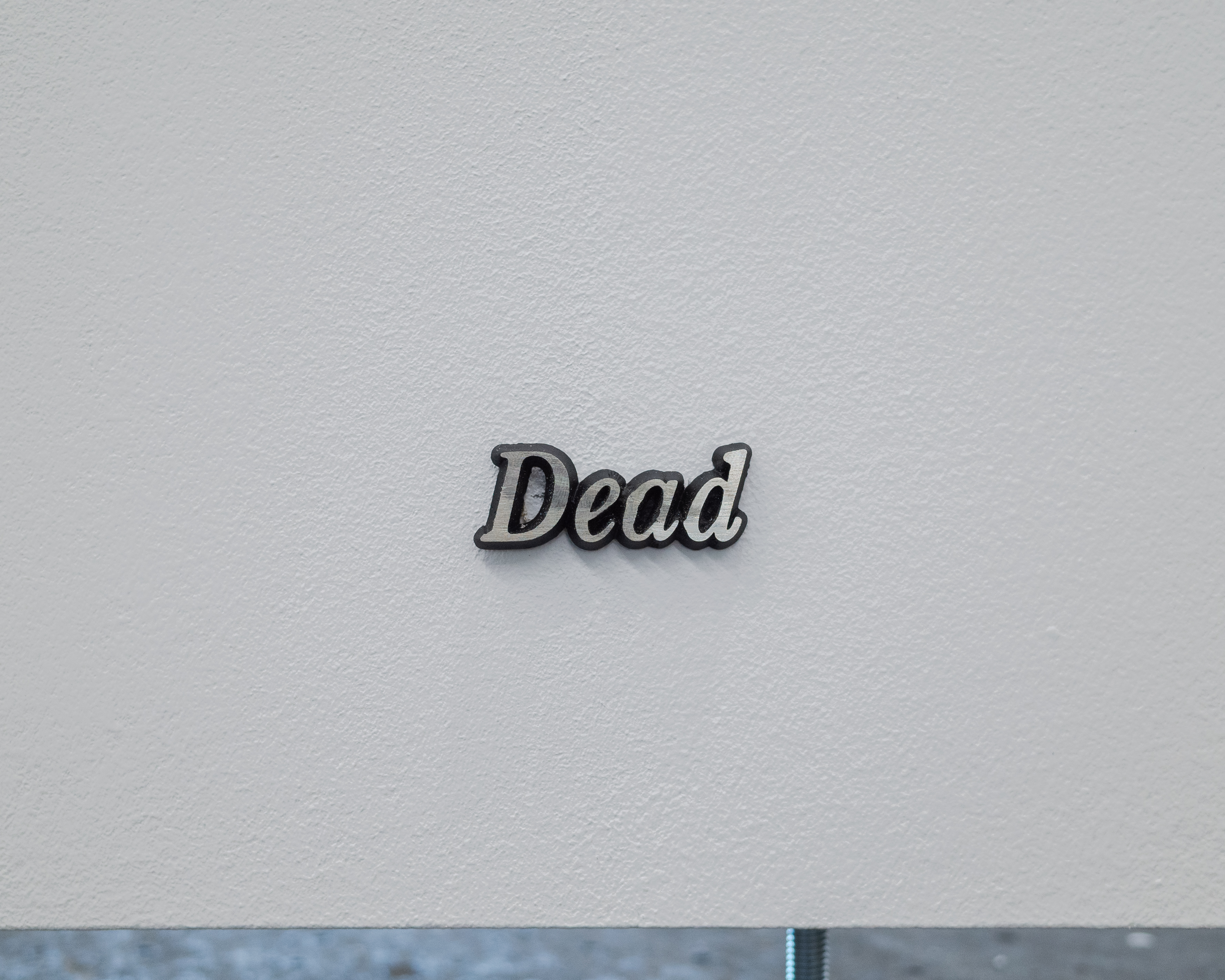
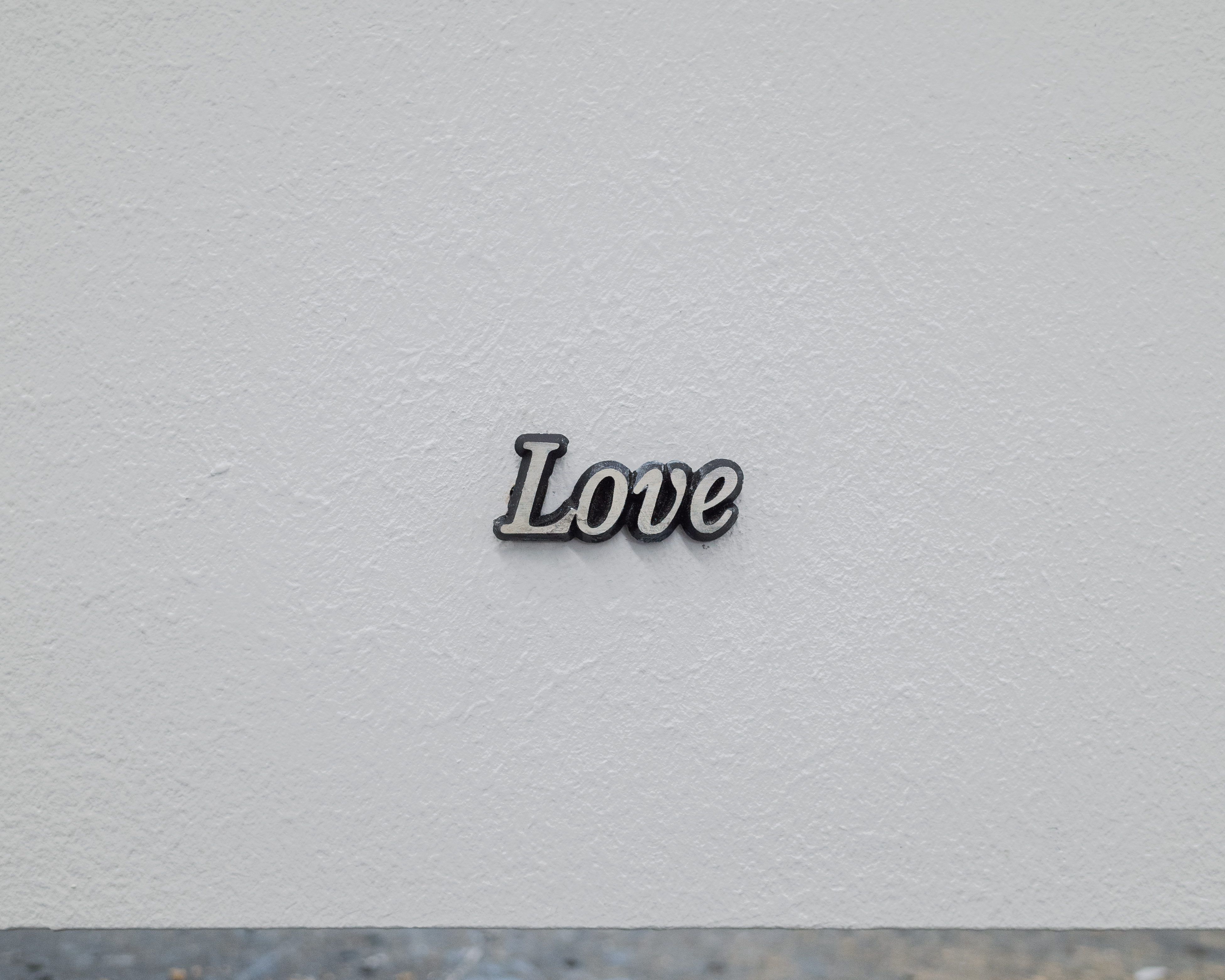
I want to name this confounding sensation ‘material erotics’ – an erotics felt in the way Audre Lorde used the term: an internal stream of emotional and creative energy which allows us to experience the world more fully. This sense resonates through Klockner’s multi-faceted practice, where a form looks to be made from one material, plastic say, when really it’s another, silver (see the minimal text installation Letters of Support 01–07, 2024 – 26, also displayed at Liste). There is something pointed in this veiling; an allusion to the transitory nature of things; to how appearances are deceptive, used as forms of defence as well as defiance.
Klockner is concerned with how forms affect relations. Specifically, how such influences inform systems of representation and in turn our experiences in the social world. Her work toys with transness, making us think double at once – a quality which accentuates the erotic sensibility I feel in experiencing her art. That is, rather than directing us toward a discernible meaning, Klockner’s art presents us with a number of physical prompts; resonant gestures which expose how the systems we have come to believe as materially fact are really relationally made. Representation here is a matter of artifice, a form we can tune into or co-opt this as we wish.
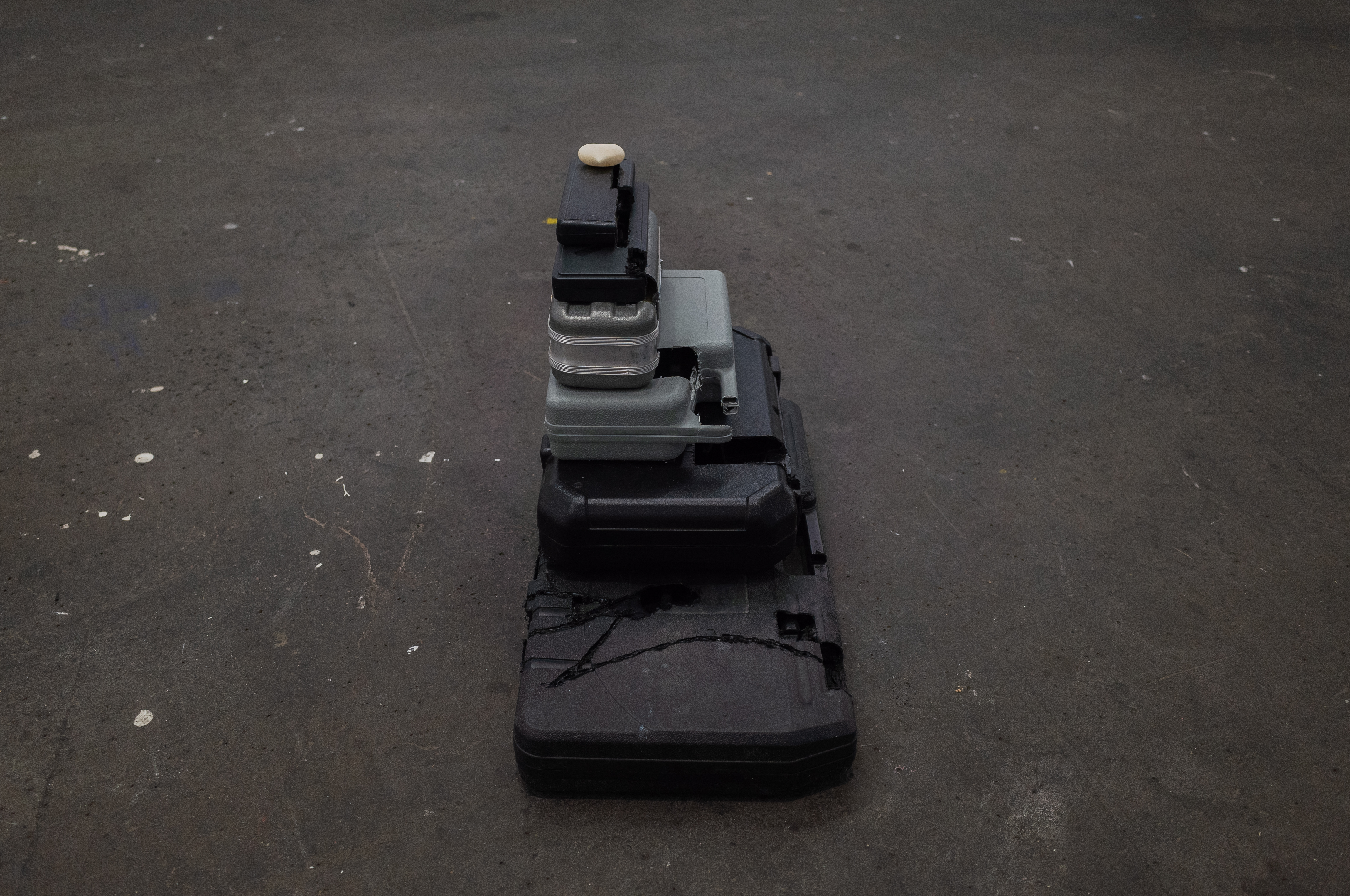
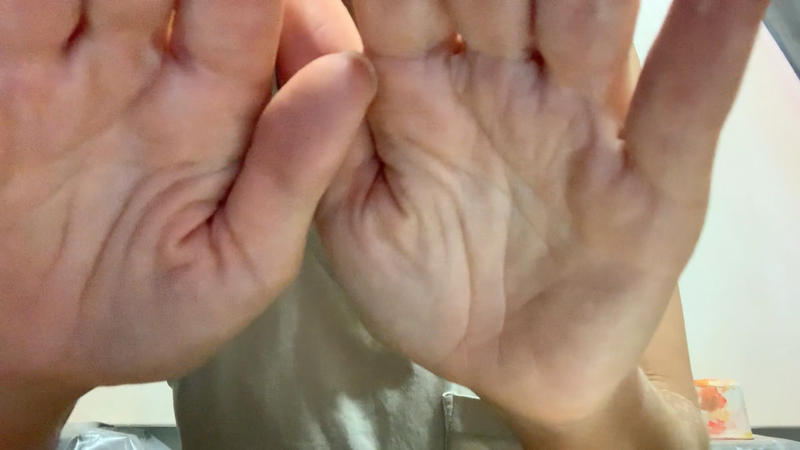
Standing confused yet compelled before untitled, I cannot help feeling a sense of intimacy with Klockner’s DIY assemblage. Here, that is, the life force of Klockner’s materials do not direct me to know her experience of the world but metaphorically reach towards me, almost hand like, beckoning me into an sensorial affinity only expressible of through multiple gasps. Like any good work of art in this regard, Klockner’s work cleaves open a metaphorical space where I can feel and be more over time.
Liste Art Fair Basel, 15th–21st June 2026, Messe Basel, Hall 1.1