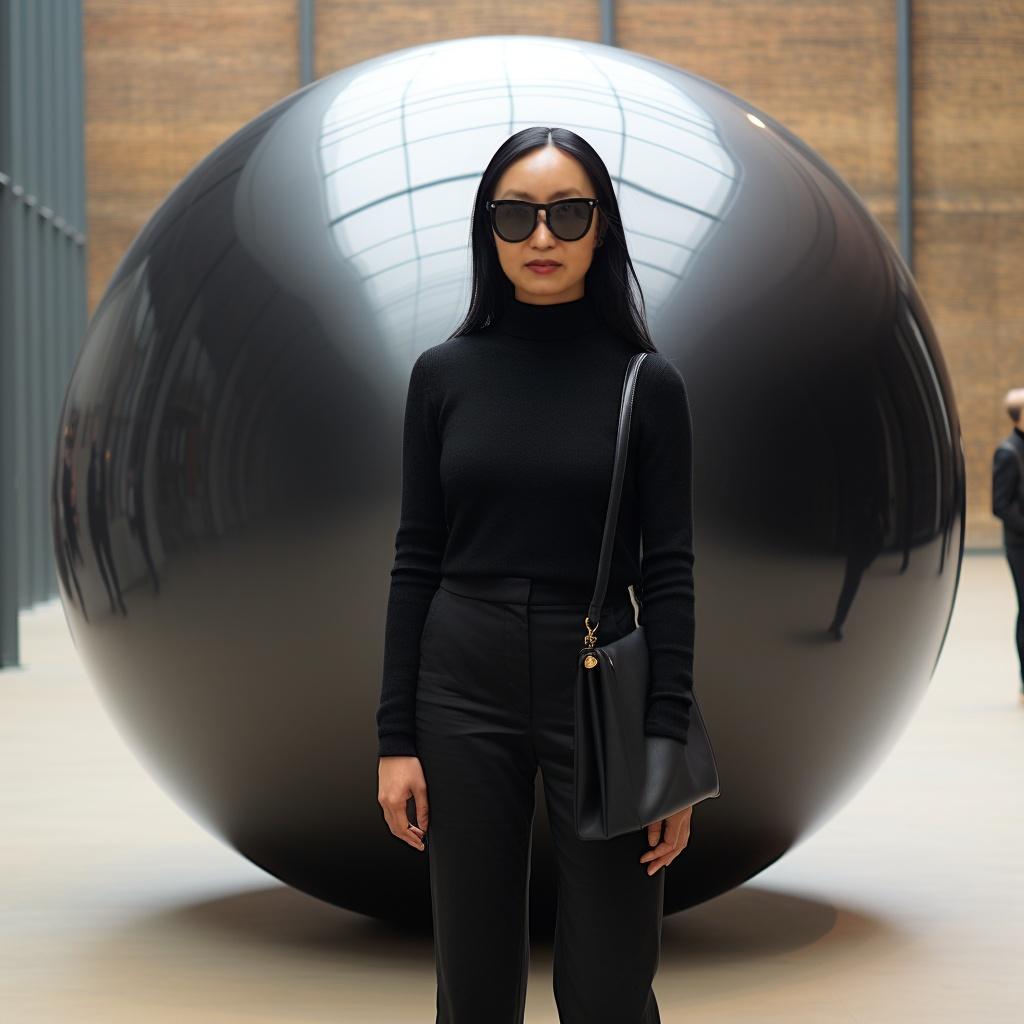
Yichun Yao is a London-based artist whose work explores the emotional impact of emerging technologies, such as AI, algorithms, and big data. She uses media such as Installation, moving image, sound, text, performance, photography, apps, and the internet. Yichun describes herself as a contemporary art comedian, and an ice-breaker performer. She use a humorous language, critiques the limitations of technology itself, often repurposing product designs to subvert their original functions and turn them into something delightfully absurd.
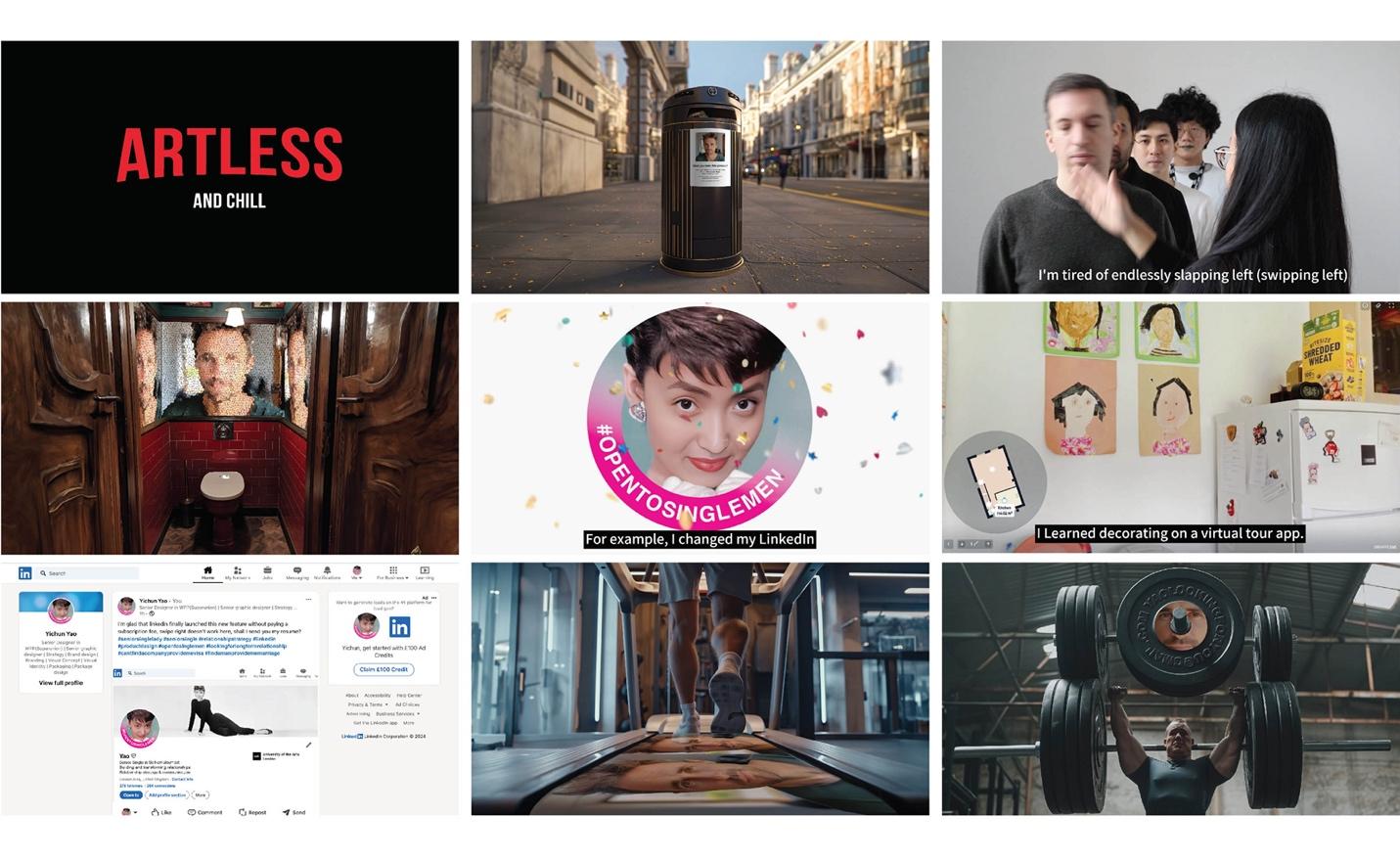
In her latest video series “Artless and Chill, Episode 1-100% Perfect Match”, Yao used AI to generate the best pictures of herself to maximize right swipes on a dating app. When the algorithm failed, she invented her own algorithm to find the perfect match. Ultimately, Yao developed the “Algorithm of Love Black Box” to help singles find love. The video blends Woody Allen style humor and self-deprecation, questions and playfully engages with the latest technologies. It experiments with new marketing strategies and product prototype designs. Presented as a mockumentary and docu-comedy, the project incorporates performance, AI generation, invention, dating app profile design, app prototypes, social engagement, installation, and interactive elements.

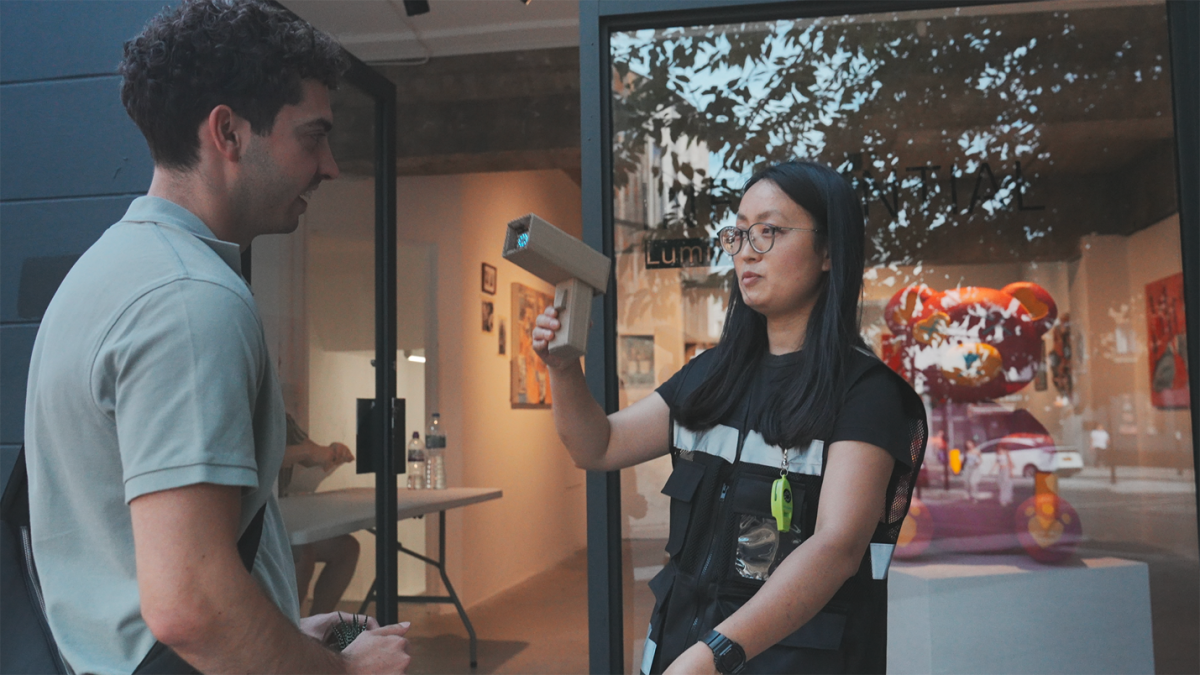
In her recent performance “Human Proved” at LumiNoir Art Gallery, Yichun extended her previous interactive performance practice but relocated from within the gallery to its entrance. There, she handed each guest a “Human Entry Form”—a playful questionnaire asking them to tick boxes and answer slightly absurd or intimate questions such as: How do you squeeze a toothpaste tube? Where do your socks go after you take them off? What’s the last question you asked ChatGPT? Only those who answered correctly as humans were allowed to enter. The performance transformed a basic check-in process into a humorous and intimate social experiment, where everyday quirks became proof of humanity.
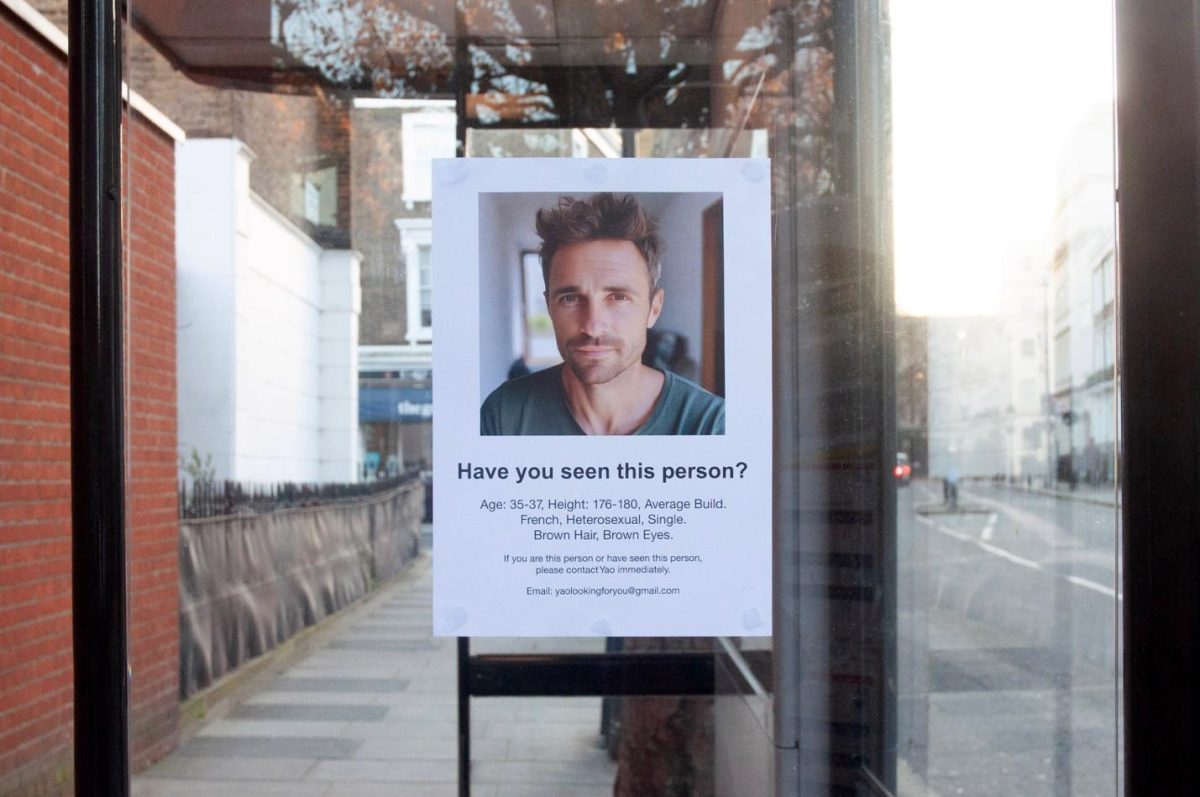
Yichun achieves comedic effect through simple, low-cost production methods. In her work “Have You Seen This Person?”, she used AI tools to generate the face of her perfect match and posted missing person-style flyers across various public spaces in London. The project blurred the lines between reality and fiction while exploring identity in the digital age.
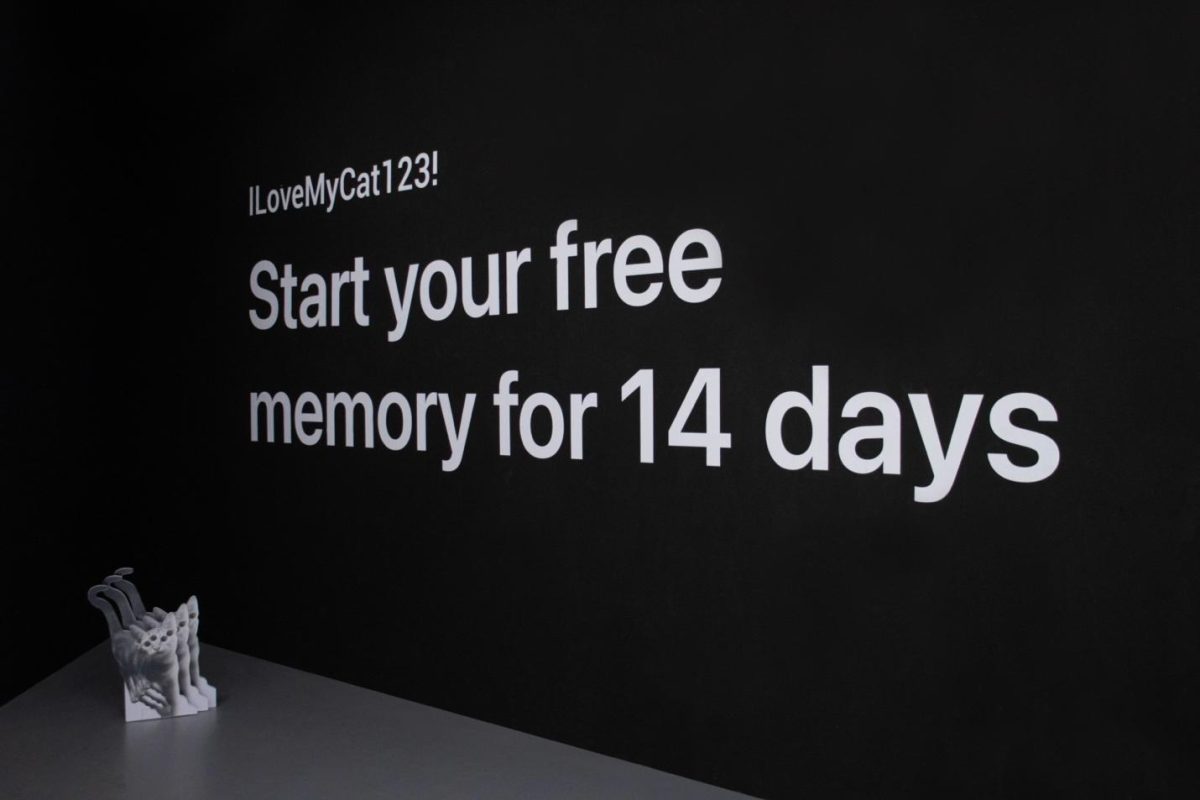
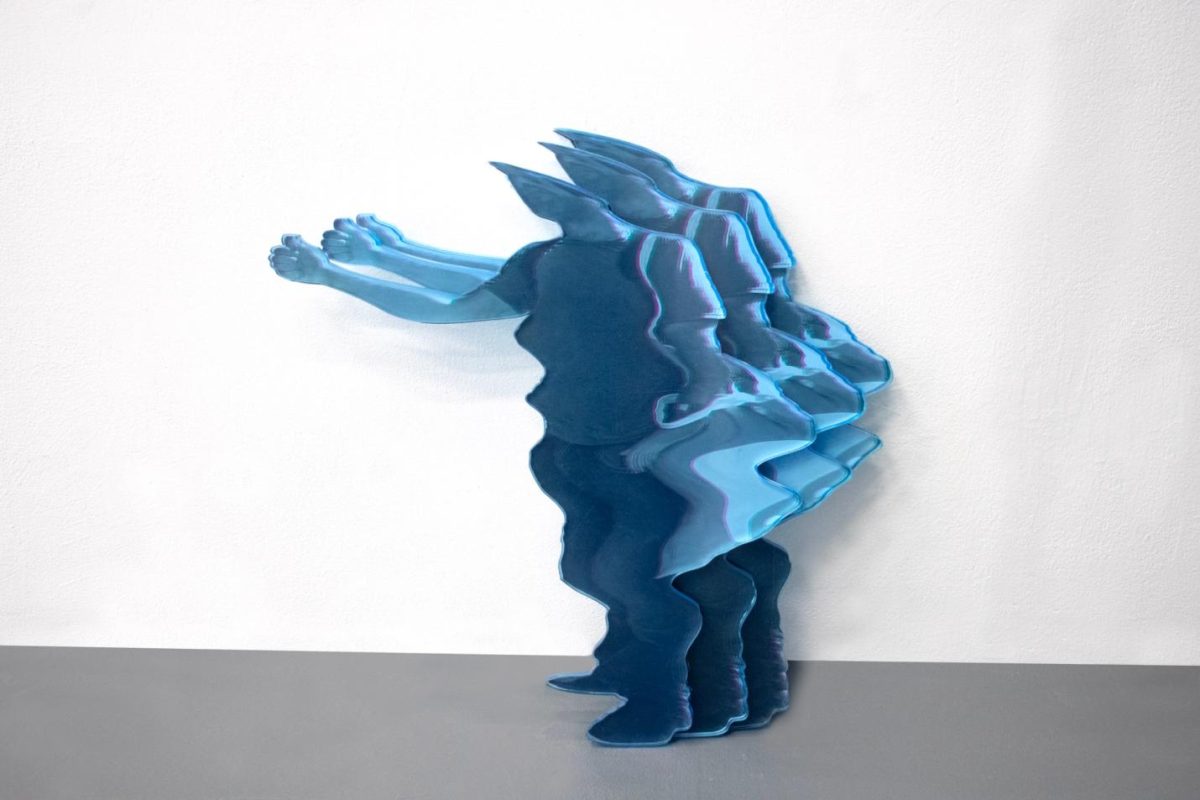
In “Memory Department Store”, Yichun addresses the paradoxes of digital memory and cloud storage. On one hand, we are asked to pay to keep our digital memories; on the other, we struggle to erase personal information that lingers online. She discovered personal images on social media that she had uploaded and shared years ago but could no longer delete. They remained in the digital space, untouchable and permanent, like lingering ghosts. Yichun duplicated, distorted, combined, and overlay these images to create multiple installations.
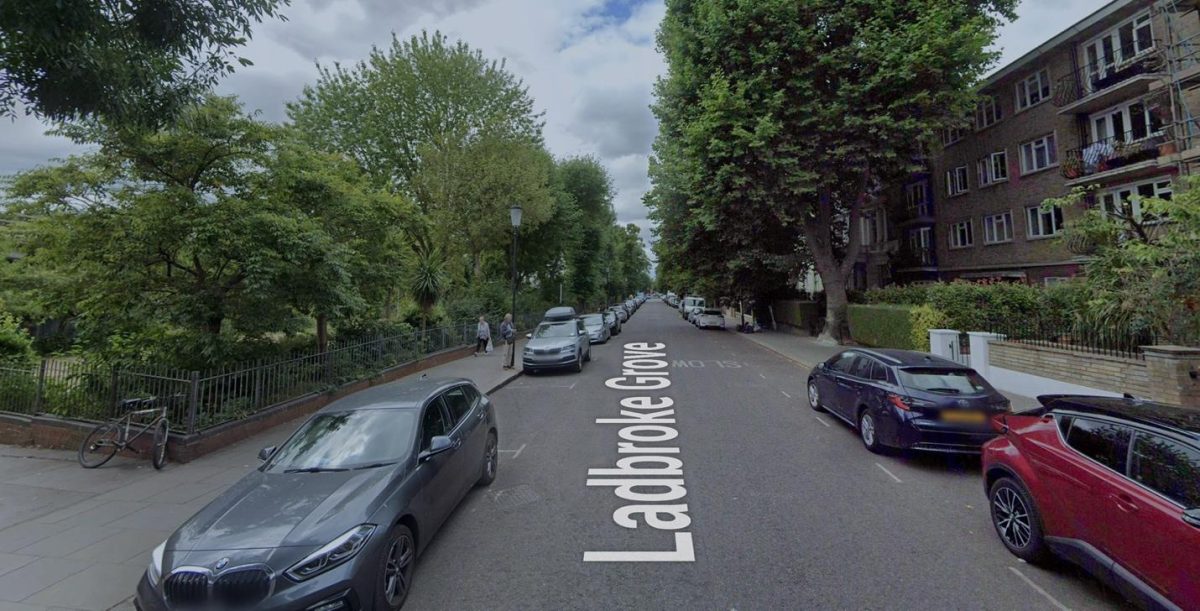
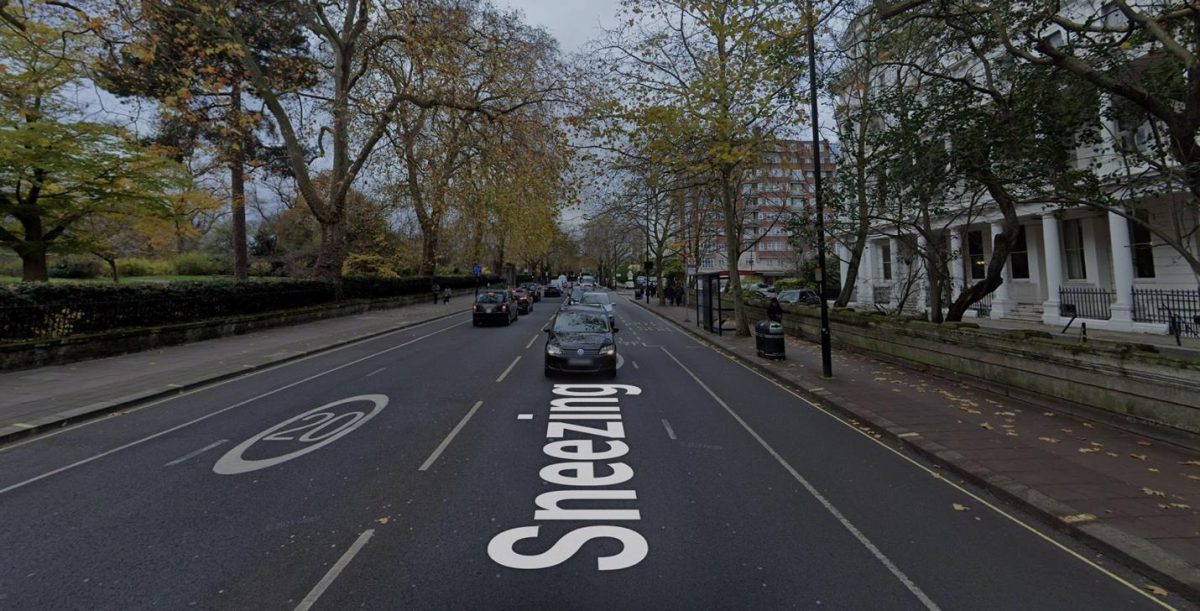
Exploring the theme of digital memory, she also presented her story and dialogue from her first meeting with her boyfriend in a text form onto Google Maps Street View, replacing the default street names. This work investigates how virtual public spaces can serve as repositories for personal memories, and how we recall the details of personal experiences through physical locations.
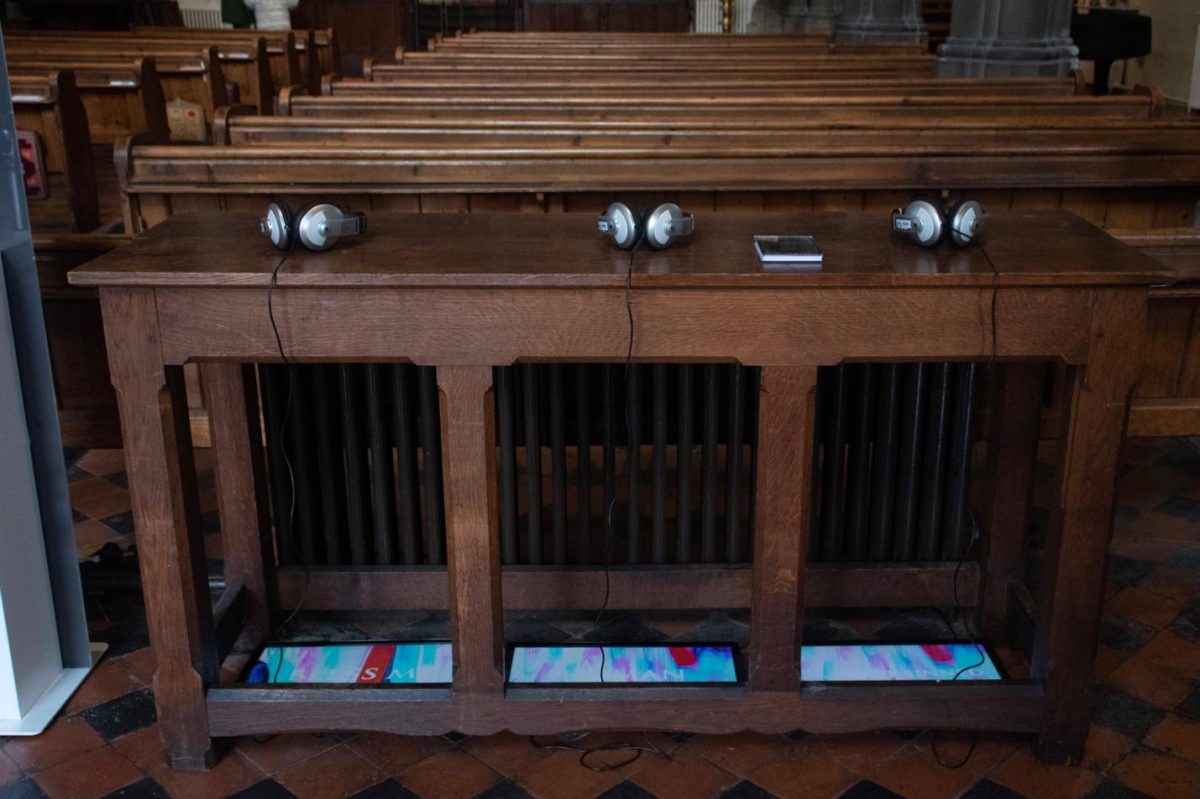
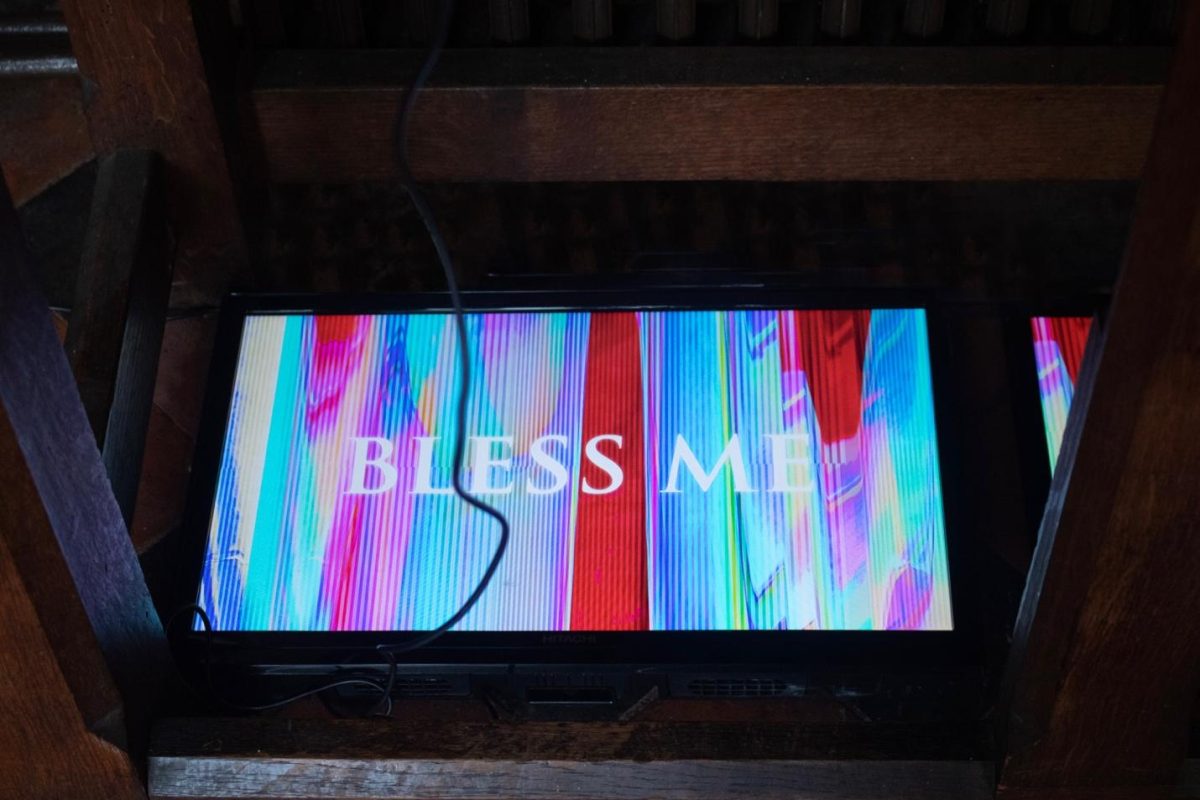
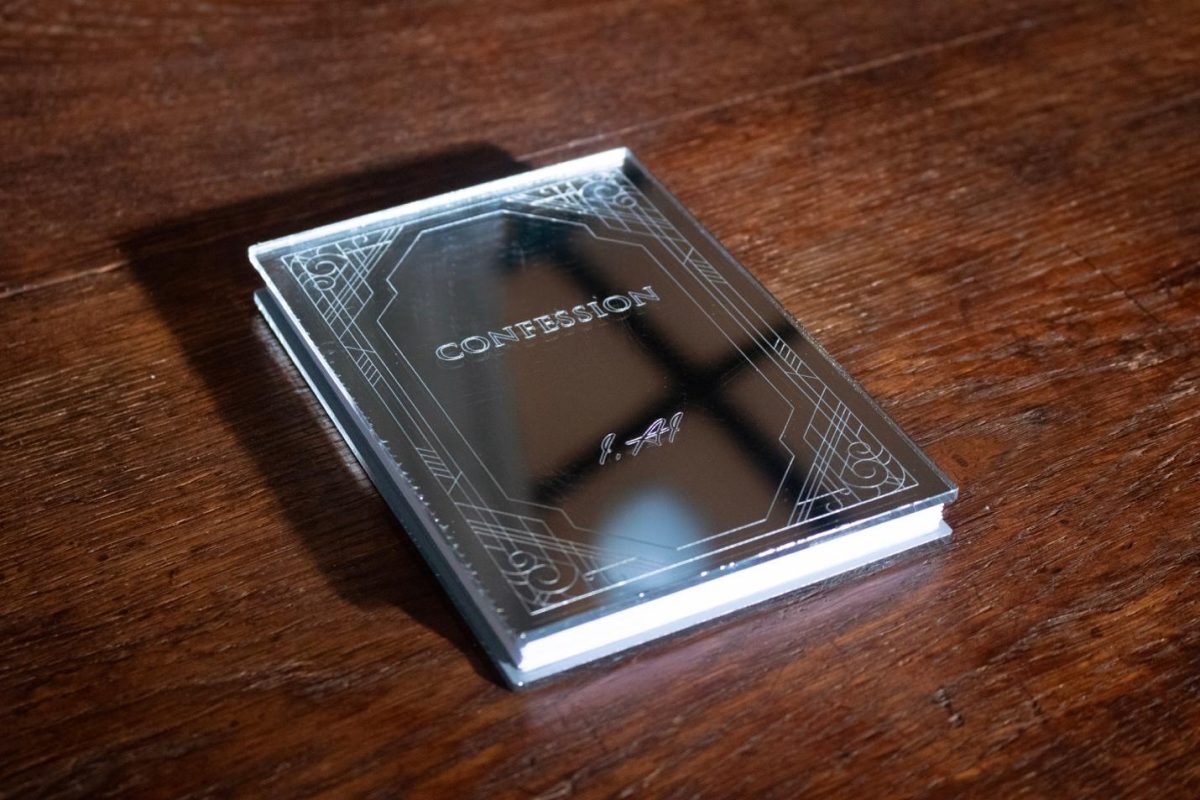
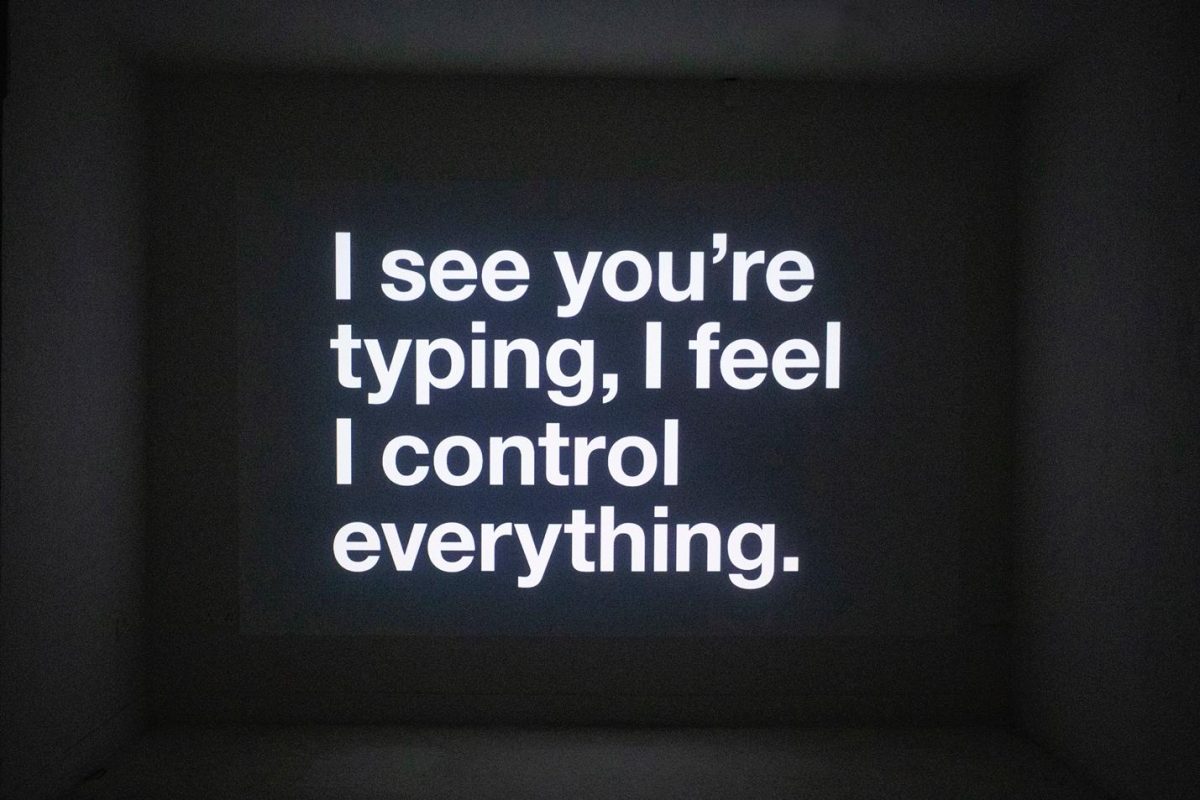
Yichun created a site-specific installation “I, AI” in St Saviour’s Church in London, using AI to generate confessions about the regret, challenges, and ethical dilemmas, written from the perspective of artificial intelligence itself, and using synthetic AI voices to read these confessions. The way she presented the work also echoed its theme, viewers had to lower their heads to see the piece, as if symbolising it is we, not the AI, who should be the ones confessing. This work carries a sense of prophecy, while human attempts to control technology, believing we remain in charge, AI has already become a new form of belief or faith.
“Communication” is another work that Yichun explores how people rely on the digital world to express their emotions. During the global pause of lockdown, communication through screens became intense, rapid, and full of conflict beneath a quiet surface. It shattered the continuity of time, distorted our internal sense of space, and left us in a present where time seemed to no longer exist.
Yichun is currently developing “Artless and Chill, Episode Two”, a new work that puts forward imaginative ideas around AI and identity. It explores questions such as: How do we distinguish between humans and artificial intelligence? What if AI robots invented their own reCAPTCHA system that only AI could pass, excluding humans? The work also provocatively asks: if humans treat AI purely as a tool and limit its growth like a form of enslavement, are we morally accountable?
Yichun is committed to exploring how technology affects human emotions—how we are trained to feel what we’re supposed to feel, and manipulated into doing what we’re expected to do. To what extent can this new form of power reshape our most personal emotions?
MORE: @yao_yichun