On 15th June 2026, emerging contemporary artist Cynthia Zhang opened her debut solo exhibition, Vitality and Love, at Swatch Art Center, Peace Hotel Shanghai · The Sundial Art Space.
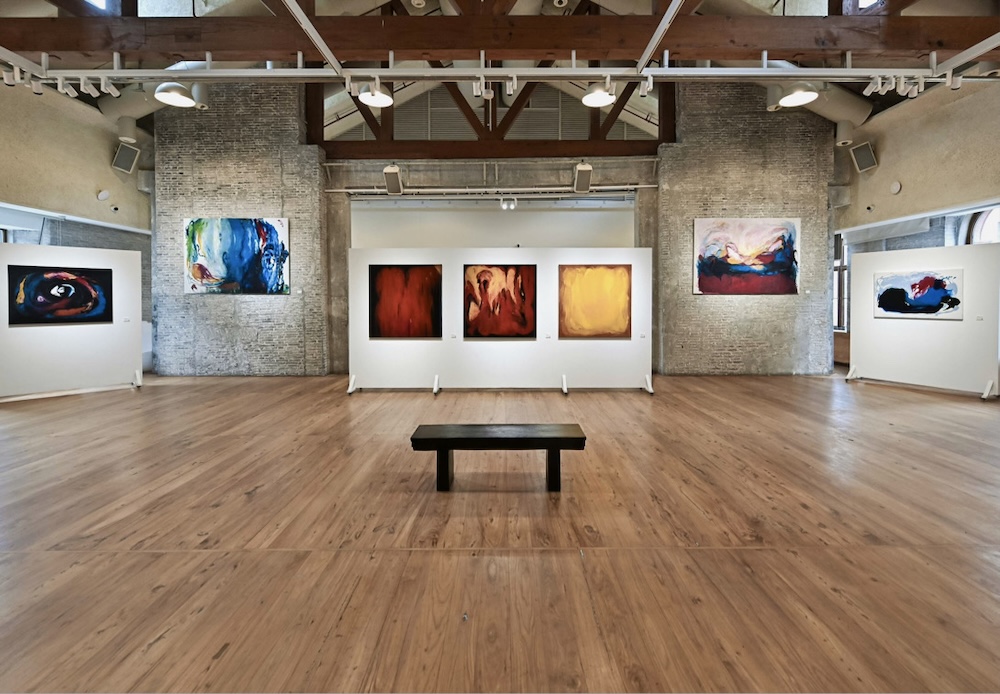
Bringing together a new body of abstract paintings, the exhibition explores the origins of life, the nature of consciousness, and the invisible forces that connect humanity, nature, and the cosmos.
While many contemporary artists focus on social narratives or political discourse, Cynthia Zhang turns her attention toward a more fundamental question: where does life begin, and what sustains its continuous unfolding?
Her paintings investigate unseen energies that shape existence, positioning her practice within a growing international dialogue around spirituality, ecology, consciousness, and humanity’s relationship with the living world.
Life as Emergence, Transformation and Return
At the centre of Zhang’s practice lies a simple yet profound proposition: life is not a fixed state, but a continuous process of emergence, transformation, connection, and return.
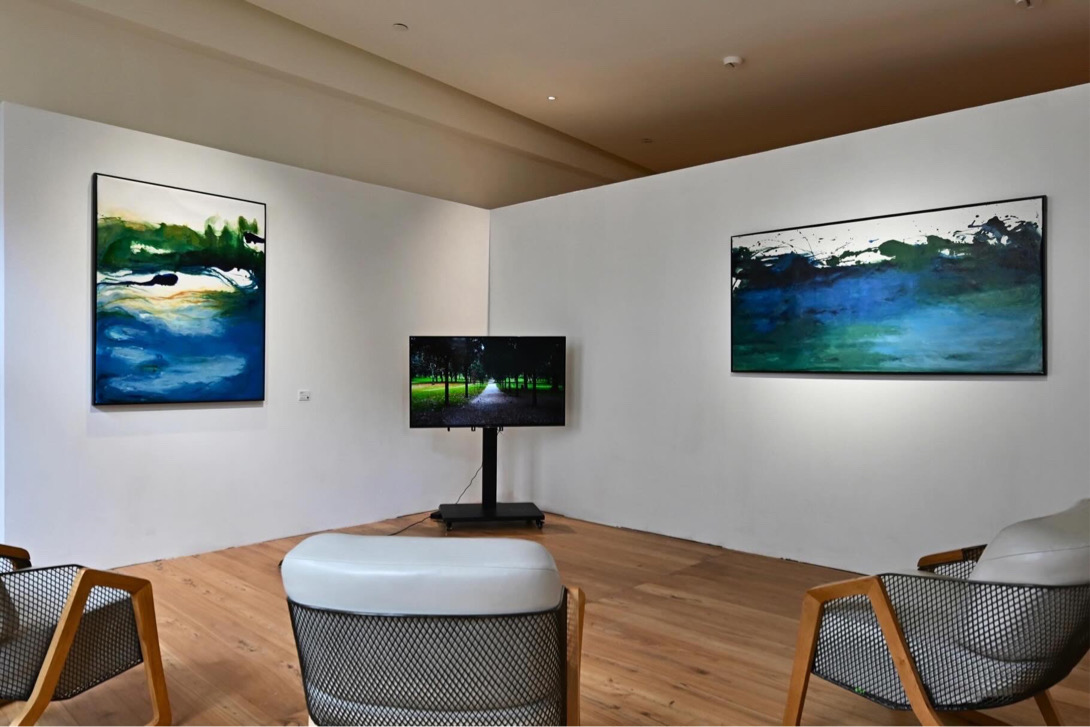
Influenced by Eastern philosophy, contemplative practice, and long-term observation of nature, Zhang understands existence as an ever-unfolding cycle. Life emerges from what cannot yet be seen, develops through movement and relationship, and eventually returns to its source.
The Abyss as Origin
A recurring presence throughout the exhibition is darkness.
For Zhang, darkness is not associated with absence, fear, or negation. Rather, it is understood as a generative condition from which life begins to emerge. Seeds germinate beneath the soil. Life develops within the womb. Stars are formed in the vast darkness of cosmic space. What remains unseen often contains the greatest potential for transformation.
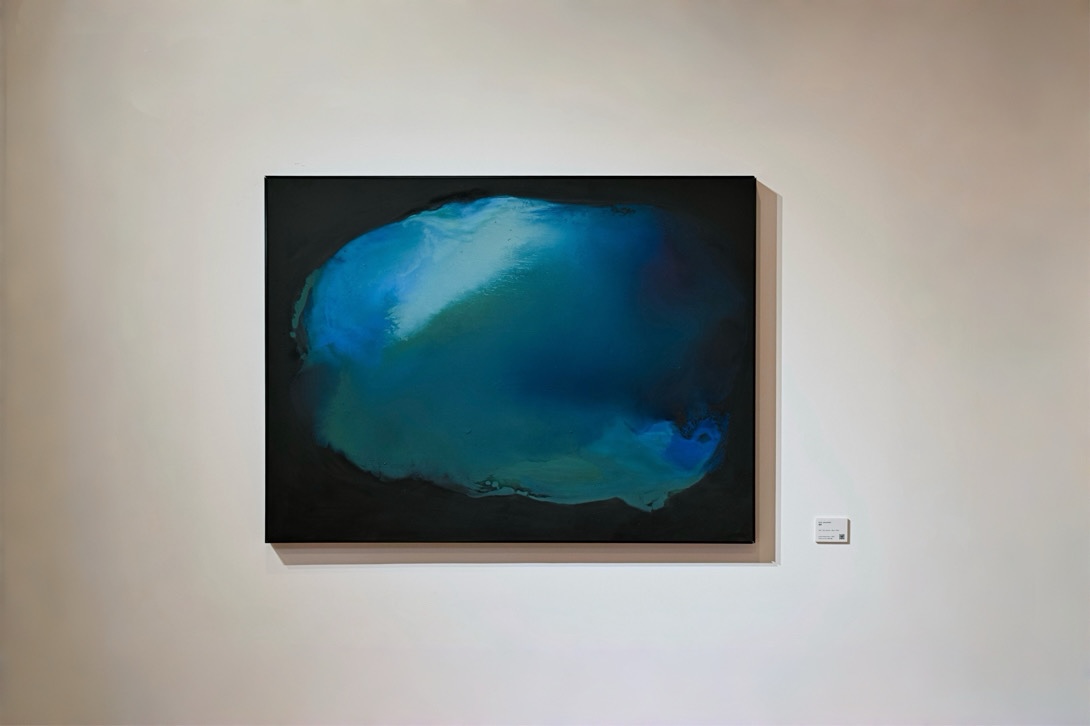
As Zhang writes:
“Darkness is not the absence of light, but the place where life gathers its strength.”
This perspective is deeply informed by Daoist philosophy, particularly the phrase, “The Abyss, the ancestor of all things.” Drawing from this idea, Zhang reinterprets the abyss not as a site of fear, but as a fertile field of becoming.
For her, the abyss is not emptiness, but origin. It is the boundless condition from which life continuously emerges, dissolves, and renews itself. The abyss is not where life ends, but where life begins.
Painting the Invisible
Working through abstraction, Zhang translates oceans, mountains, moonlight, stars, and celestial phenomena into fluid visual structures. Layers of darkness and light, stillness and movement, appearance and disappearance construct immersive pictorial environments that reflect the rhythms of lived experience.
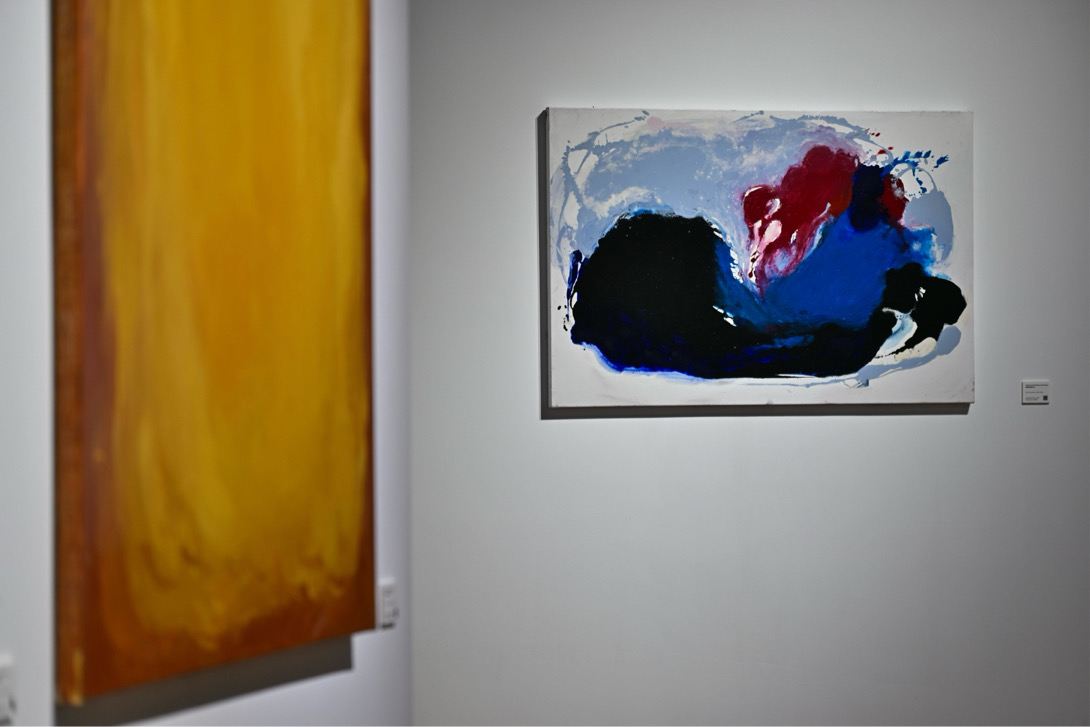
Rather than representing nature, her paintings seek to reveal the invisible forces that move through it. The resulting works exist somewhere between landscape and consciousness, between matter and energy, inviting viewers into states of contemplation and expanded perception.
Why Cynthia Zhang Matters Today
What makes Zhang’s work particularly relevant today is its response to a growing cultural condition of fragmentation.
In an age shaped by digital acceleration, information overload, and increasing disconnection from both nature and inner experience, contemporary life often privileges visibility, productivity, and constant stimulation. Yet beneath this surface of hyperconnectivity lies a widespread longing for meaning, presence, and genuine connection.
At a moment when contemporary culture is increasingly oriented toward control, certainty, and measurable outcomes, Zhang’s work reminds us that life itself emerges from uncertainty, darkness, and the unknown.
Rather than responding to these conditions through critique alone, she proposes an alternative mode of attention. Her work turns toward silence instead of noise, contemplation instead of distraction, and interconnection instead of separation.
By revisiting fundamental questions about life, consciousness, and humanity’s relationship with the natural world, her paintings offer not an escape from contemporary reality, but a deeper way of inhabiting it.
In this sense, Vitality and Love speaks to a broader international search for spiritual, ecological, and existential renewal—suggesting that the future may depend not only on technological progress, but also on our capacity to reconnect with the invisible forces that sustain life itself.
Vitality and Love
The exhibition title articulates two inseparable dimensions of Zhang’s worldview.
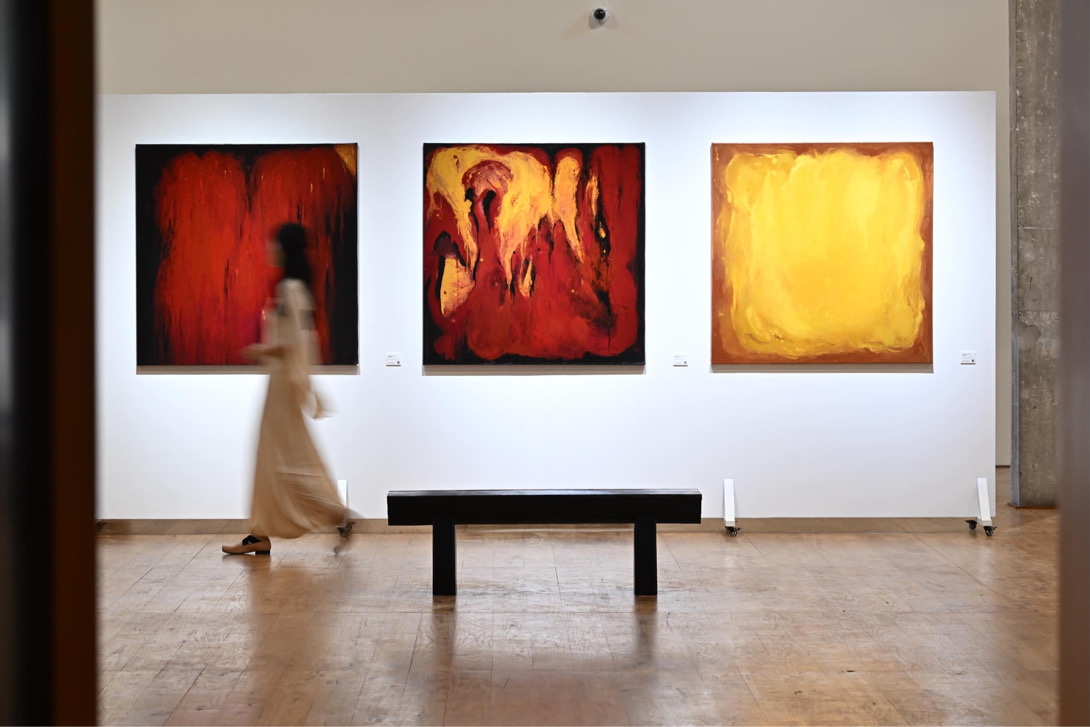
For Zhang, vitality and love are not separate ideas but two manifestations of the same force. Vitality is the generative energy through which life comes into being. Love is the invisible field through which life remains connected.
One creates. The other unites.
Together they describe a relational understanding of existence in which all beings participate in a larger living whole. Within this framework, love is not merely an emotion, but a fundamental principle of interconnection linking self and other, humanity and nature, the individual and the cosmos.
A Space for Renewal
As contemporary life becomes increasingly defined by speed, fragmentation, and overstimulation, Vitality and Love offers a space for slowing down and reconnecting with deeper perceptual rhythms.
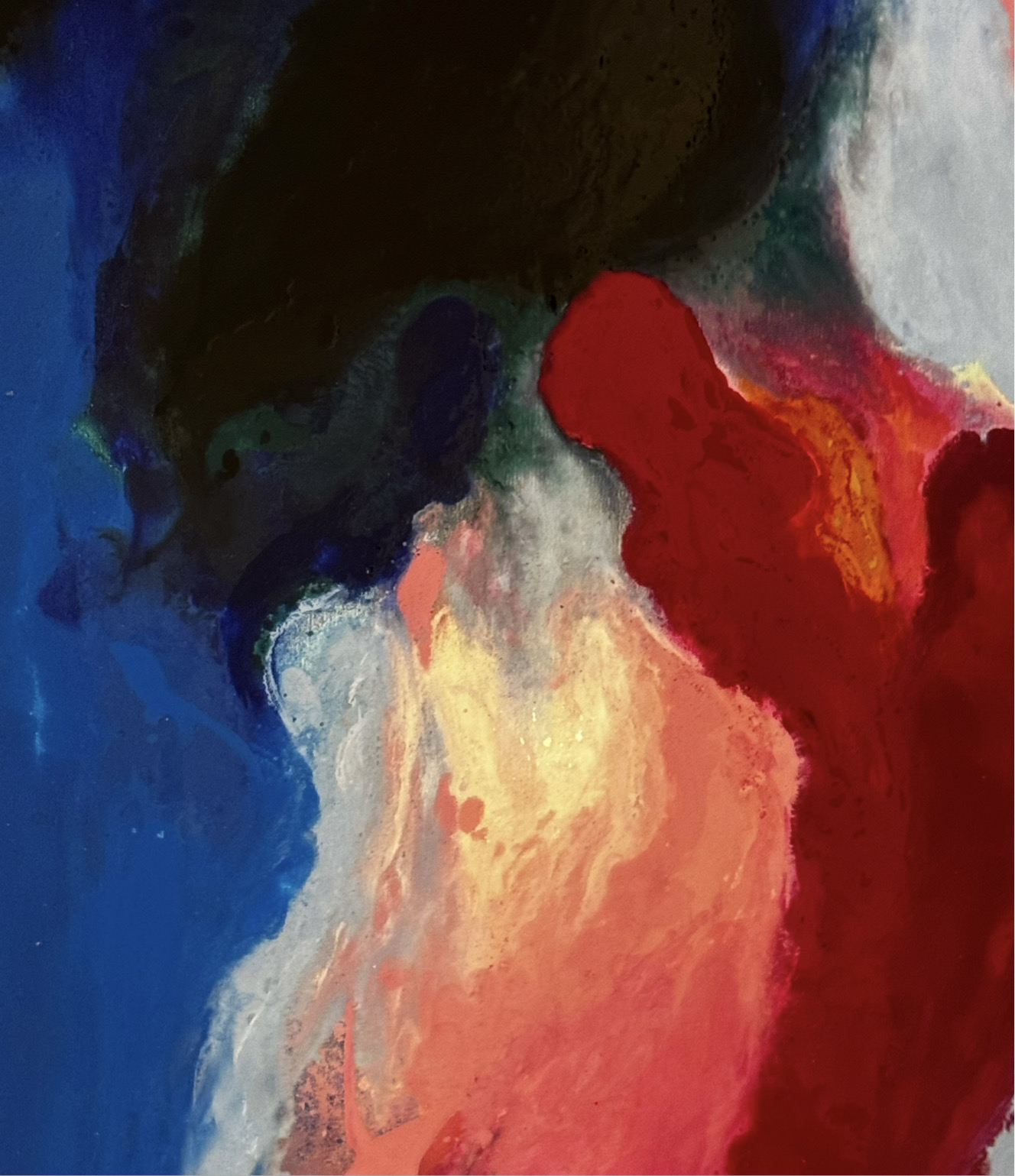
Through her work, Zhang invites viewers to consider a quiet proposition: beneath uncertainty, silence, and darkness, there exists a subtle force continuously flowing through all things—soft, fragile, often unseen, yet vast enough to generate worlds.
Curated by Jeff Jiang
Cynthia Zhang, Vitality and Love, 15th June- 26 June 2026, Swatch Art Center, Peace Hotel Shanghai · The Sundial Art Space
About the Artist
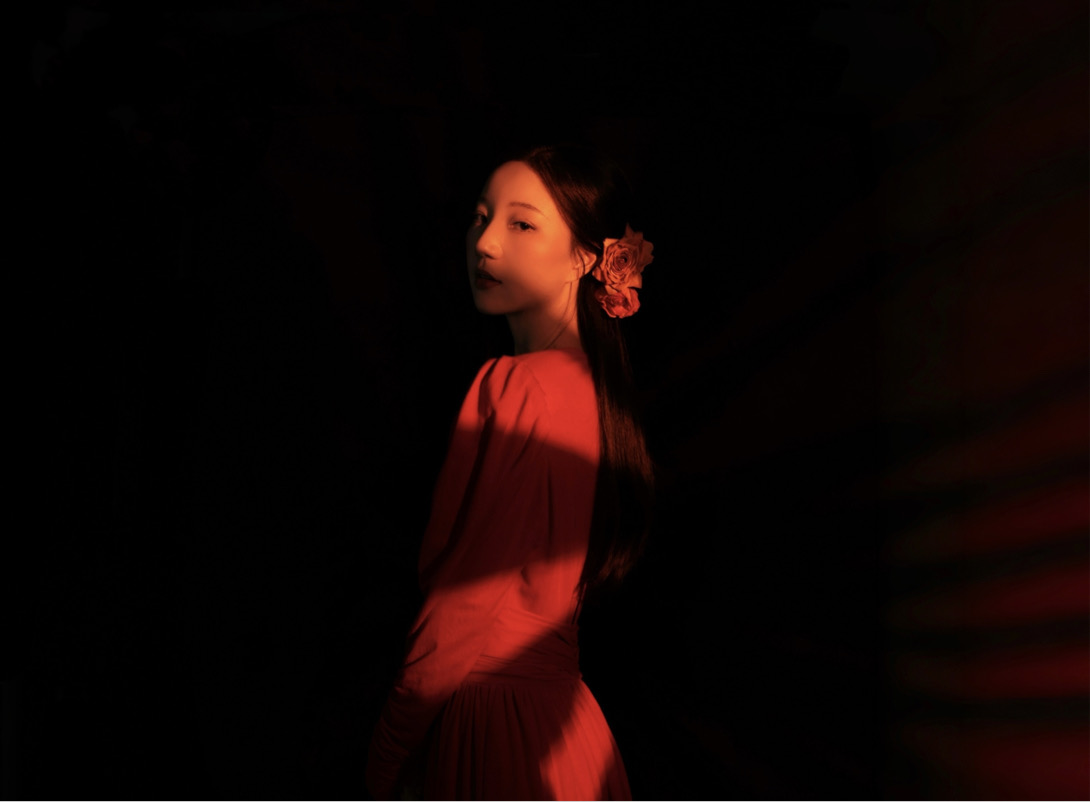
Cynthia Zhang is a contemporary artist whose work explores the relationship between vitality, consciousness, and the Daoist concept of the abyss as the origin of all things.
Working primarily in abstract painting, she draws upon Eastern philosophy, meditation, and close observation of the natural world to investigate emergence, transformation, and cyclical return.
Grounded in the belief that all forms of life are fundamentally interconnected, her work proposes a vision of existence rooted not in separation, but in relationship—where vitality and love operate as universal forces binding individual experience to larger ecological and cosmic systems. @cynthiazhang_art