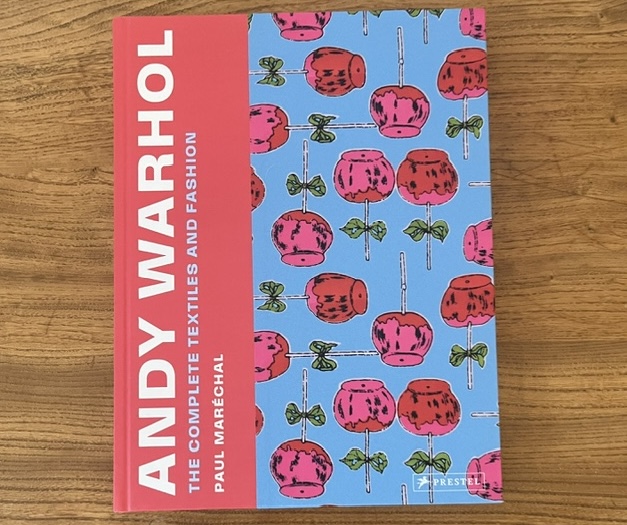
For an artist whose work has been reproduced, analysed and exhibited endlessly, it is remarkable that entire chapters of Andy Warhol’s career can still feel underexplored. Paul Maréchal’s Andy Warhol: The Complete Textiles and Fashion, 1955–1987 sets out to correct one of those omissions, offering the first comprehensive survey of Warhol’s work in textiles, fashion and wearable design.
The result is a book that not only broadens our understanding of Warhol but also reveals how many of the ideas that would later define Pop Art first emerged through fabric.
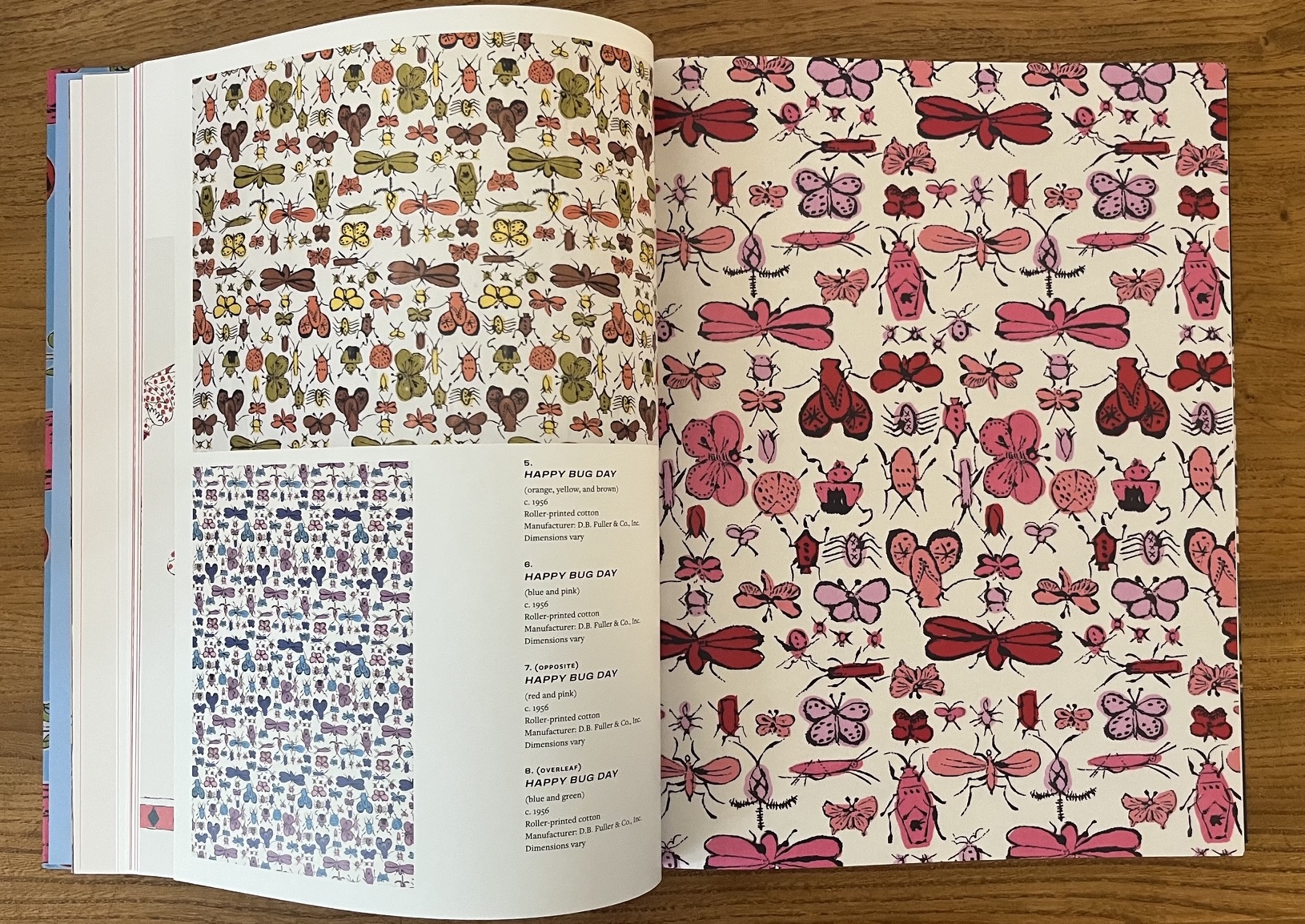
Spanning more than three decades and featuring over 200 illustrations, many previously unpublished, the volume charts Warhol’s journey from commercial illustrator to one of the most influential artists of the twentieth century. Long before the Campbell’s Soup Cans or Marilyn Monroe silkscreens, Warhol was designing repeat patterns for fabric manufacturers, creating playful motifs intended for domestic interiors and everyday fashion.
What becomes immediately clear is that these textile designs were not a side project. They were a testing ground.
The serial repetition that would become synonymous with Warhol’s art is already present in these early works. Flowers, food, fruit, shoes, animals and abstract motifs are repeated across surfaces in ways that feel unmistakably Warholian, even before Pop Art had fully crystallised as a movement. Looking through these pages, it becomes difficult not to see the textiles as a missing link between his commercial illustration work and his later fine art practice.
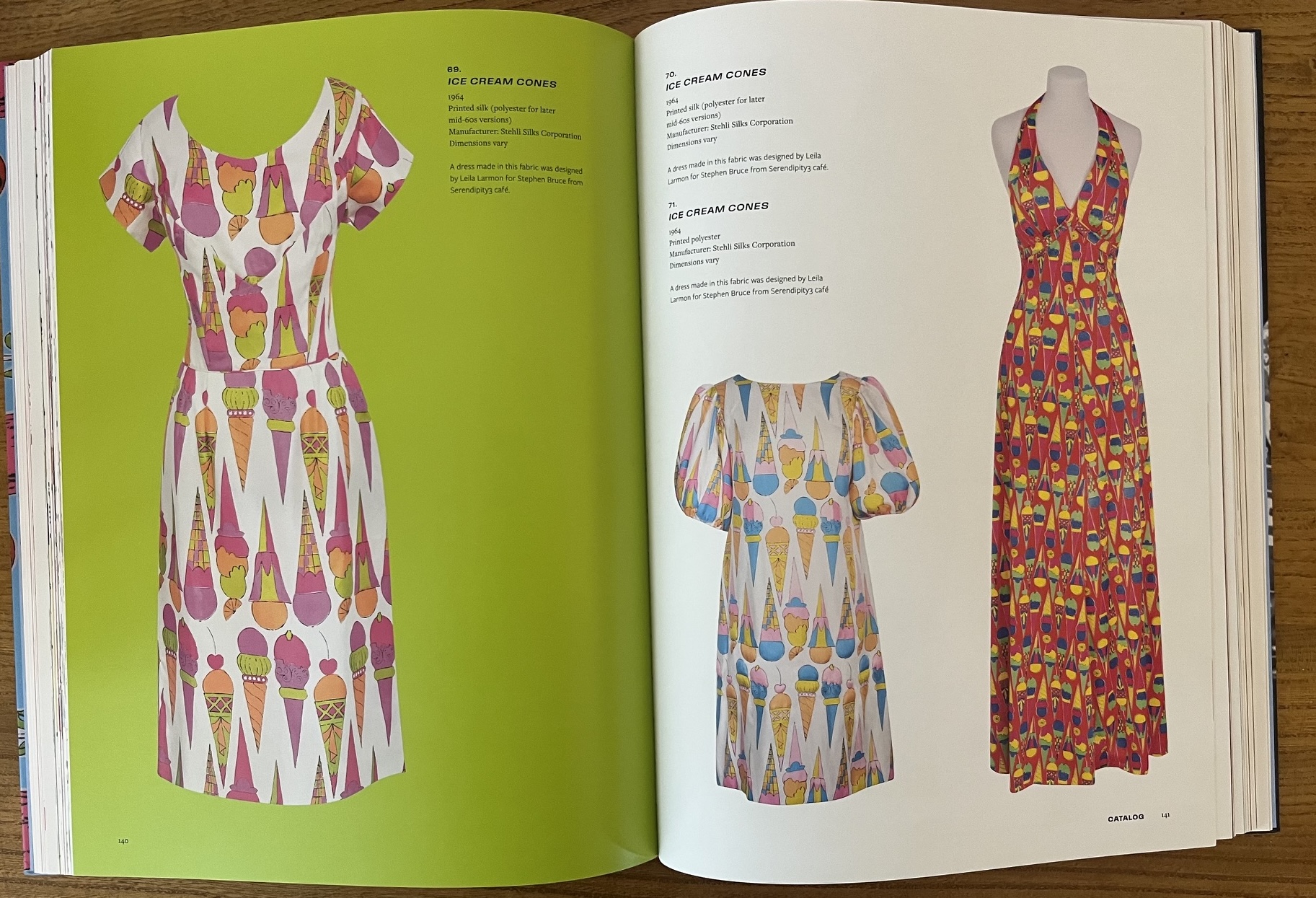
The strongest aspect of Maréchal’s book is its insistence on treating these works seriously rather than as curiosities. Fashion and textiles have often occupied an uneasy position within art history, frequently dismissed as commercial or decorative. Yet the book demonstrates that Warhol understood exactly how images functioned when they moved beyond the gallery and into everyday life. Printed on dresses, scarves, underwear, jackets and handkerchiefs, his designs circulated through culture in much the same way that his later celebrity portraits and consumer icons would.
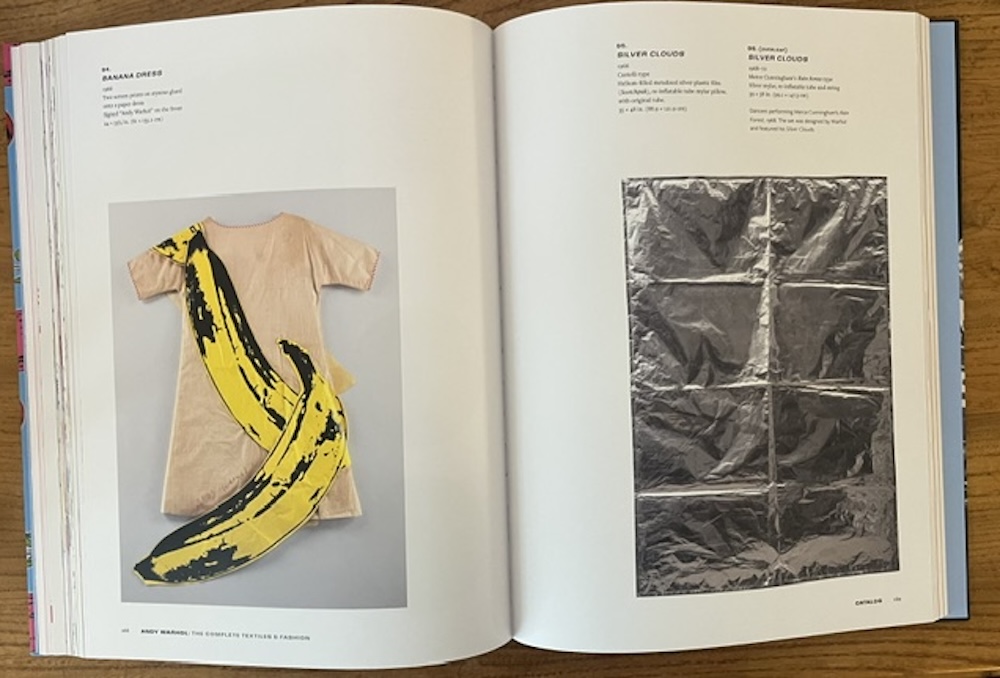
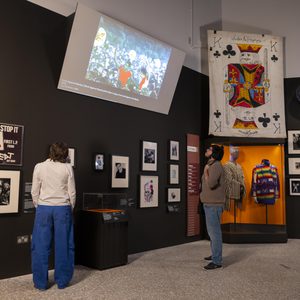
The publication also arrives at a moment when fashion’s relationship to contemporary art is being reconsidered with renewed seriousness. The 2023 exhibition Andy Warhol: The Textiles at the Fashion and Textile Museum helped draw fresh attention to this overlooked aspect of Warhol’s practice, highlighting the importance of his early fabric designs and their connection to the development of Pop Art. Maréchal’s study builds significantly on that renewed interest, providing what is likely to become the definitive reference on the subject.
Visually, the book is a pleasure. Prestel’s large-format production allows the patterns to breathe, while the wealth of archival material, garments, promotional imagery and collaborations provides valuable context. Particularly fascinating are the projects with designers including Stephen Sprouse and Halston, which show how comfortably Warhol moved between art, fashion, publishing and popular culture long before such cross-disciplinary practices became commonplace.
Maréchal is well positioned to tell this story. A longtime Warhol scholar, collector and curator, he has previously documented the artist’s magazine work and record cover designs. Here he brings the same meticulous approach to a field that has often remained in the shadows of Warhol scholarship.
What ultimately makes Andy Warhol: The Complete Textiles and Fashion so compelling is that it challenges the idea that we already know Warhol. The book reveals an artist experimenting with reproduction, surface, branding and image circulation years before those concerns became central to contemporary art. Looking back, these fabrics feel less like footnotes and more like foundations.
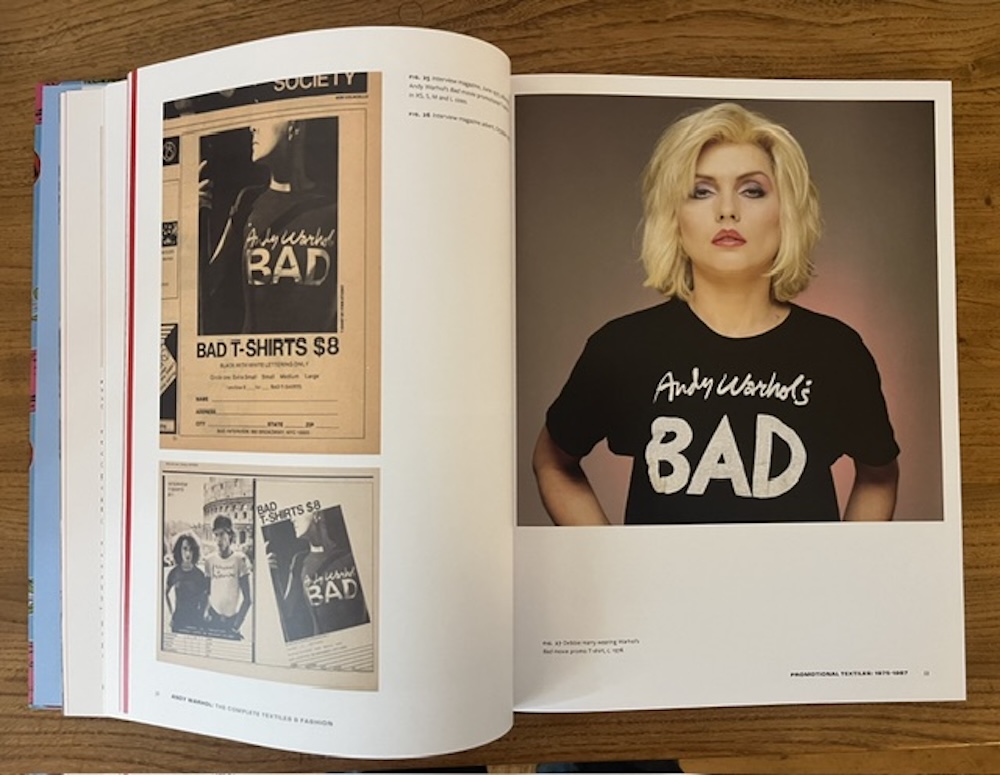
For anyone interested in Warhol, fashion history, design or the origins of Pop Art, this is an essential addition to the bookshelf. More than a catalogue of patterns and garments, it is a reminder that some of the most important ideas in twentieth-century art began not on canvas, but on cloth.
Andy Warhol: The Complete Textiles and Fashion, 1955–1987. By Paul Maréchal. Published by Prestel: 12th May, 2026. Hardcover, 272 pages, 24 x 32 cm, 200 colour illustrations. RRP £45.00, ISBN: 978-3-7913-7654-7