
The National Portrait Gallery is set to mark the centenary of Marilyn Monroe with a major exhibition that reconsiders one of the most photographed—and mythologised—figures of the 20th century.
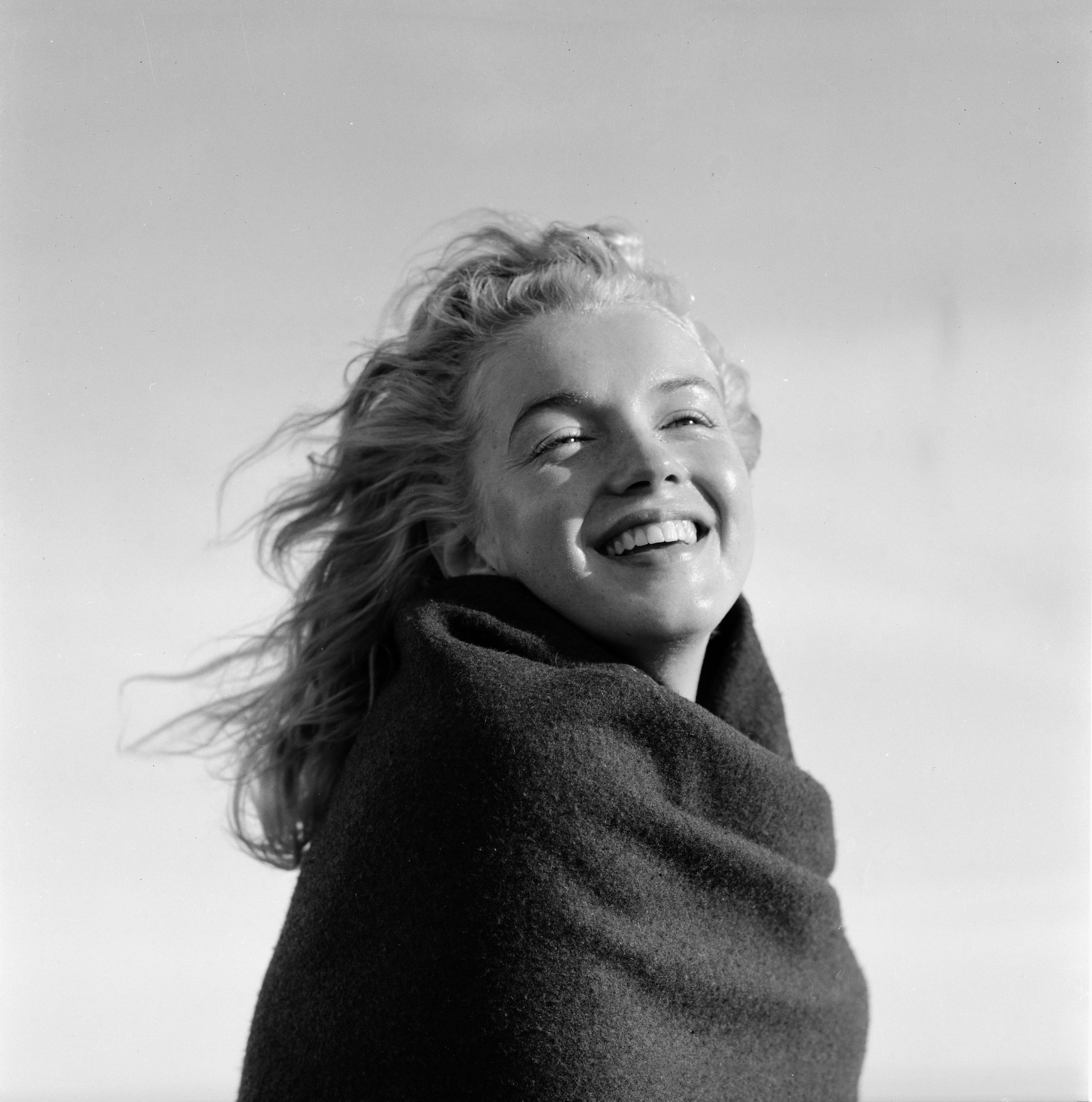
Opening this summer, Marilyn Monroe: A Portrait (4th June – 6th September 2026) brings together an extraordinary constellation of images that chart Monroe’s life, career and enduring cultural afterlife. From early pin-up photographs of Norma Jeane to the intimate final images taken just weeks before her death in 1962, the exhibition unfolds as both a visual biography and a study in image-making itself.
“Marilyn Monroe remains one of the most recognisable people in modern history: a shorthand for glamour, distilled from the films that she appeared in and the wealth of photographs of her, reinforced by the generations of artists she has inspired. We are proud to be staging this exhibition celebrating Marilyn in her centenary year, exploring her extraordinary life and influence as well as her enduring legacy.”
Victoria Siddall, Director of the National Portrait Gallery
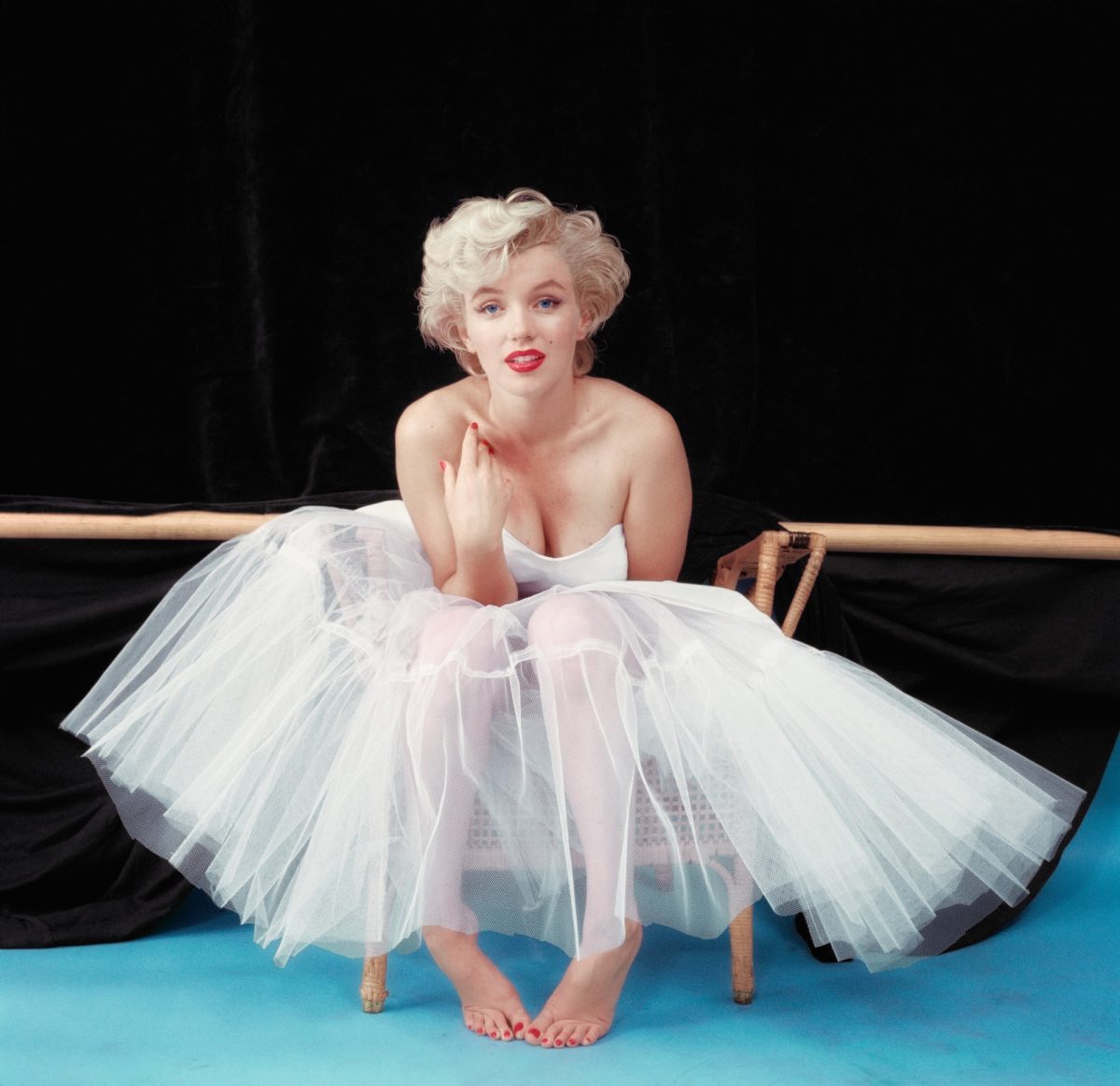
Rather than simply retelling a familiar story, the show positions Monroe as an active collaborator in the construction of her own image. Photographers repeatedly described her as an exceptional subject—not only performing for the camera but directing it, shaping her persona with precision and instinct.
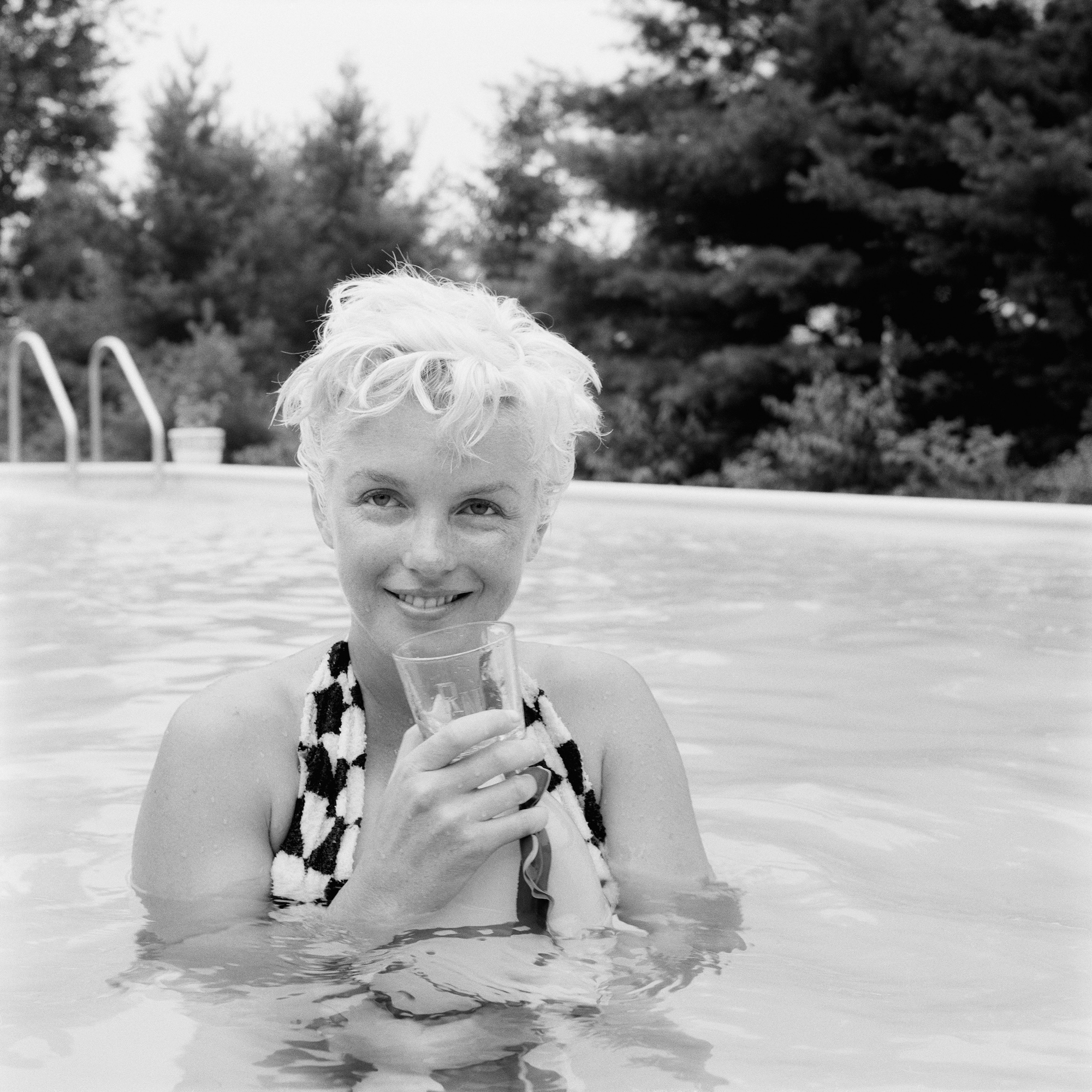
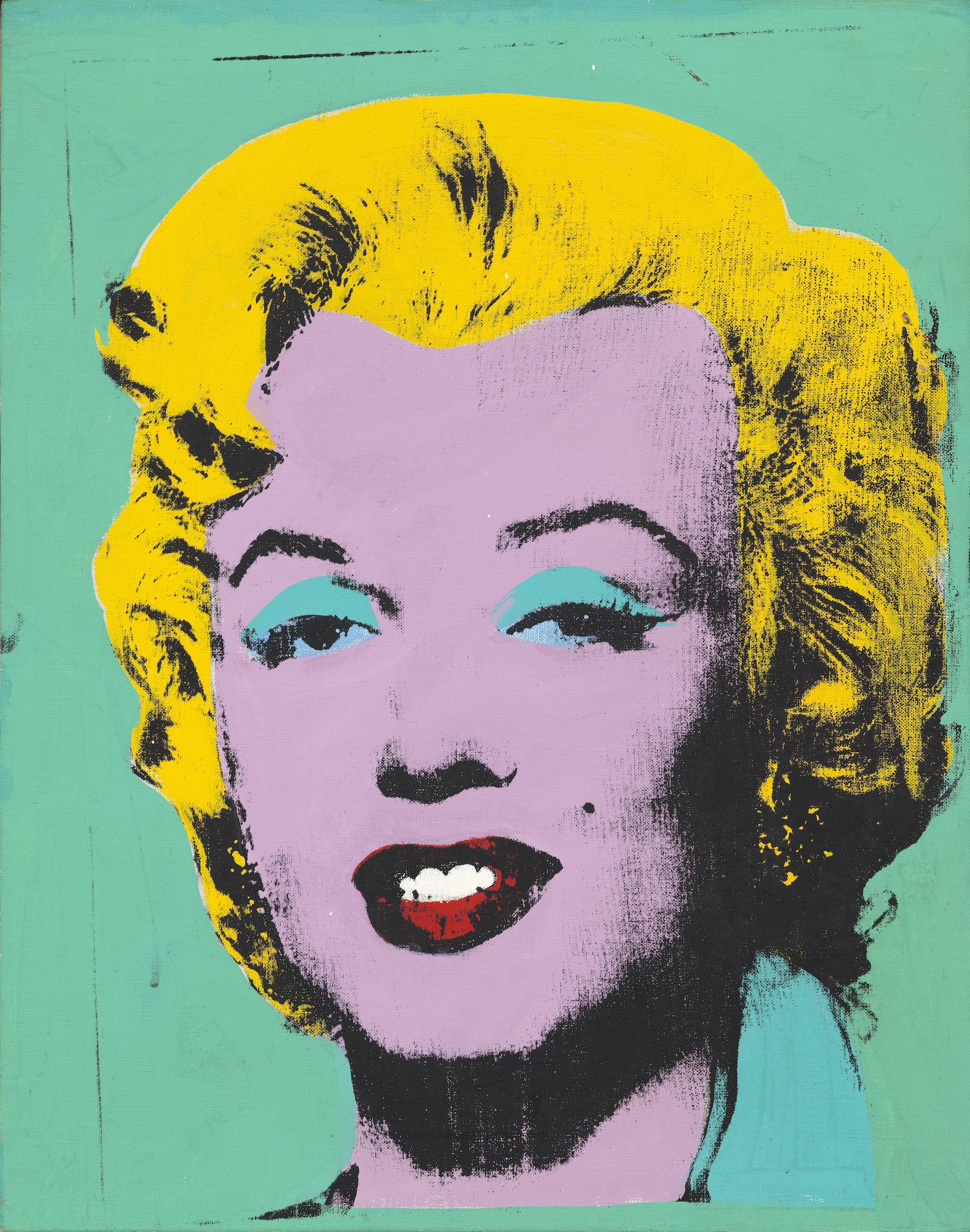
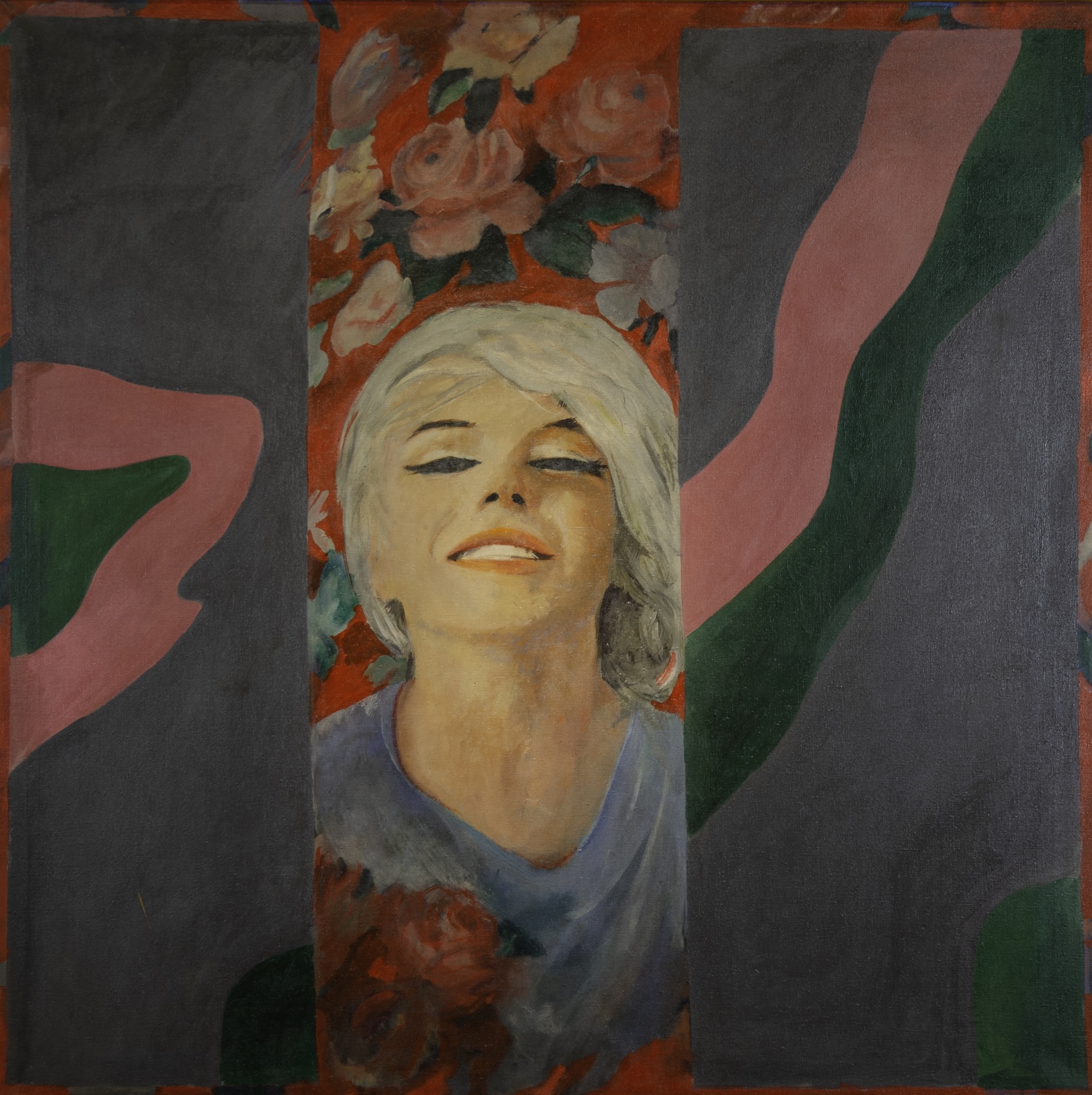
The exhibition draws together works by some of the most influential artists and photographers of the 20th century. Portraits by Andy Warhol, Pauline Boty and Richard Avedon sit alongside images by Cecil Beaton, Philippe Halsman, Eve Arnold and Inge Morath, among many others.
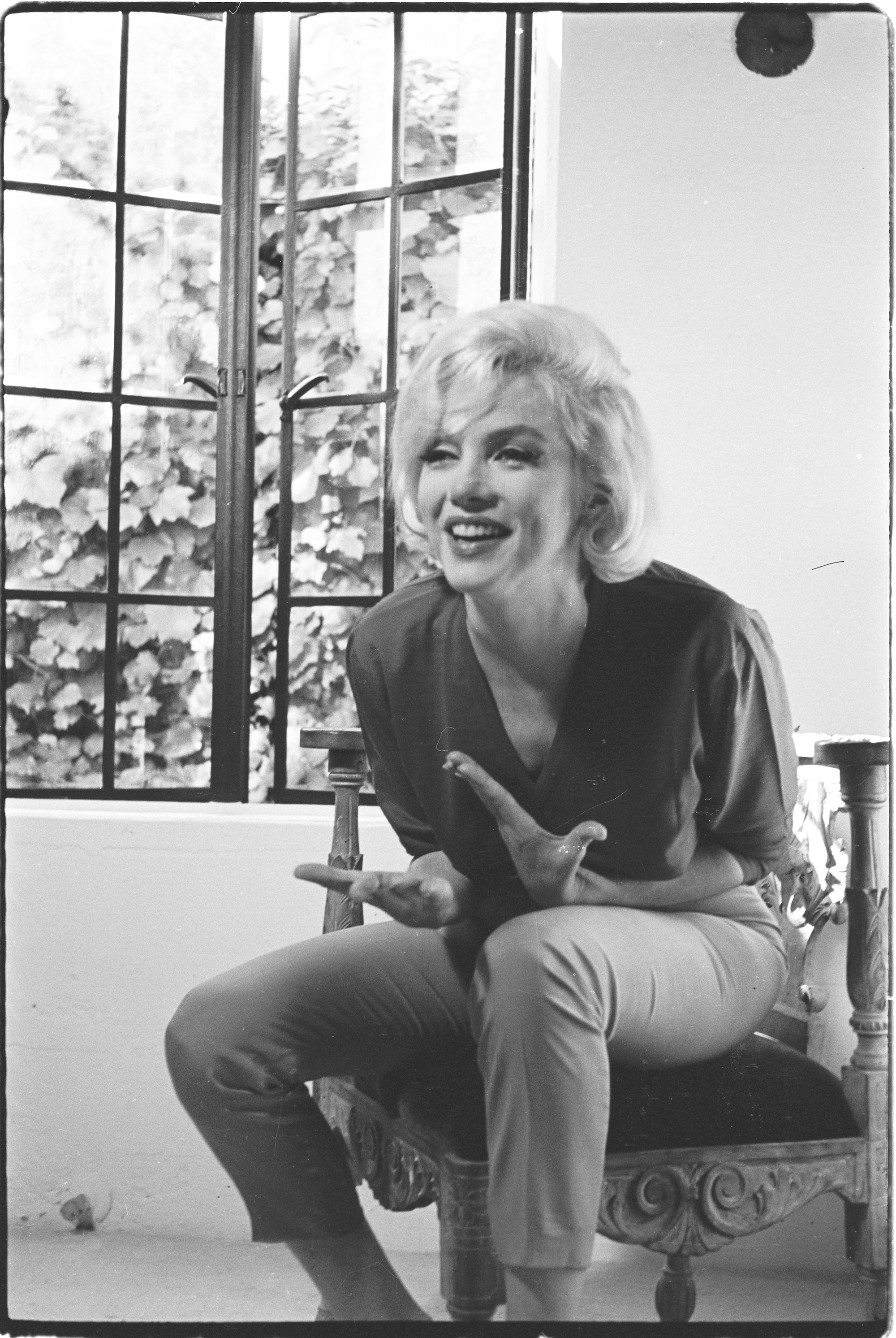
A key highlight is a rarely seen series of photographs taken by Allan Grant at Monroe’s Brentwood home just one day before her death. Originally shot for Life magazine, only a handful of the 432 images were ever published. Here, they appear as something far more intimate—Monroe reading, reflecting, and performing subtle emotional shifts that reveal the complexity behind the icon.
The exhibition also traces Monroe’s transformation into a symbol after her death. Warhol’s now-iconic screen prints—derived from a publicity still for Niagara—elevate her image into something closer to religious iconography, while artists such as Boty, James Gill and Joseph Cornell respond with works shaped by grief, fascination and cultural obsession.
Accompanying the exhibition is a major publication featuring contributions from writers including Lena Dunham, Sarah Churchwell and Griselda Pollock, offering new perspectives on Monroe’s life and legacy.
More than six decades after her death, Monroe remains both image and enigma. This exhibition doesn’t attempt to resolve that tension—instead, it leans into it, revealing how her image continues to shift, multiply and resonate across generations.
“It has been a privilege to spend time curating an exhibition about a woman who both defined and challenged the era in which she lived. In addition to her iconic beauty, Marilyn Monroe had inimitable attitude, intelligence, strength and humanity and it is no surprise that she held such fascination for artists working during her lifetime and in the decades since.”
Rosie Broadley, Joint-Head of Curatorial & Senior Curator of 20th Century Collections at the National Portrait Gallery
Marilyn Monroe: A Portrait, 4th June – 6th September 2026, National Portrait Gallery
Coinciding with Marilyn Monroe: A Portrait, as part of the centenary celebrations, BFI Southbank are presenting a film season, Marilyn Monroe: Self Made Star throughout June and July.