
The Metropolitan Museum of Art and the Neue Galerie New York have announced plans for a landmark merger that will unite one of the world’s most important collections of early 20th-century Austrian and German art under the umbrella of The Met while preserving the Neue Galerie’s distinctive identity.
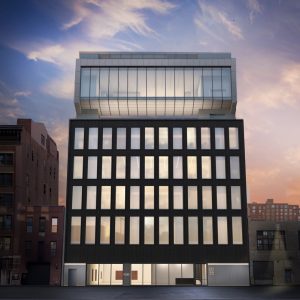
Set to be completed in 2028, the agreement will see the Neue Galerie and its historic Fifth Avenue home become part of The Metropolitan Museum of Art as The Met Ronald S. Lauder Neue Galerie. Timed to coincide with the Neue Galerie’s 25th anniversary, the merger signals a major shift in the cultural landscape of New York and secures the future of the museum’s celebrated collection and programming.
Founded by Ronald S. Lauder and the late Serge Sabarsky, the Neue Galerie has become internationally recognised for its holdings of Austrian and German modernism, including iconic works by Gustav Klimt, Egon Schiele, Oskar Kokoschka, Ernst Ludwig Kirchner, Max Beckmann, Gabriele Münter and Josef Hoffmann. Among its most famous works is Klimt’s Portrait of Adele Bloch-Bauer I, widely known as the “Woman in Gold”.
As part of the merger announcement, Ronald S. Lauder and his daughter Aerin Lauder Zinterhofer also revealed plans to donate a significant group of works from their personal collection to the combined institution. The promised gifts include Gustav Klimt’s Die Tänzerin (The Dancer), Ernst Ludwig Kirchner’s Die Russische Tänzerin Mela, Max Beckmann’s Galleria Umberto, and future gifts including Klimt’s The Black Feather Hat alongside works by Otto Dix, George Grosz and Franz Marc.
In addition to the artworks, the Lauder family plans to establish substantial endowment support for the long-term care of the Neue Galerie and to help fund the integration of the institution into The Met.
The merger has also inspired major financial backing from Met trustees and supporters, including a lead gift from Marina Kellen French alongside significant contributions from numerous members of The Met’s Board of Trustees.
Ronald S. Lauder, Co-Founder, President and Chairman of the Neue Galerie, said:
“For the past twenty-five years, the Neue Galerie’s exhibitions, permanent collection, design and book shops, and Café Sabarsky have created an experience that transports visitors to another time—early twentieth-century Vienna and Weimar Germany. The merger with The Met in 2028 will preserve and strengthen the Neue Galerie’s legacy in perpetuity.”
He added:
“I am especially grateful to Max Hollein for his leadership and deep understanding of the historical importance of this collection. Under his direction, The Met continues to stand not only as one of the world’s great museums, but as a steadfast guardian of culture, memory, and identity. I am confident that Max and The Met are well positioned to help steward this legacy into the future.”
Max Hollein, Marina Kellen French Director and CEO of The Met, described Lauder as “a collector like none other” and said:
“Ronald has established a museum that is itself a work of art, and ultimately a profound reflection of his passion, expertise, and philanthropy. We are deeply grateful to Ronald, Aerin, and their family for their generosity and long-standing commitment to sharing their glorious collection with the world, and honored to carry on their tremendous legacy.”
The merger will preserve the Neue Galerie’s exhibitions, galleries, shops and the much-loved Café Sabarsky while expanding the institution’s research, interpretation and international reach through The Met’s infrastructure and global audience.
Aerin Lauder Zinterhofer, who also serves as a Met trustee, said:
“To see it join The Met is incredibly meaningful. It ensures these works will continue to be preserved, studied, and shared with the widest possible audience for generations to come.”
The agreement will also establish a dedicated Special Advisory Board jointly overseen by both institutions, with Ronald S. Lauder serving as inaugural Chair.
Beyond the institutional significance, the merger marks the culmination of a deeply personal journey for Lauder, who reflected on first imagining a life devoted to collecting while attending a dinner at The Met as a child in the late 1950s. That vision ultimately led to the opening of the Neue Galerie in 2001, just months after 9/11, when the museum offered New York “a sense of renewal” during a difficult moment in the city’s history.
The combined institution will become the newest member of The Met’s family of museums, joining The Met Fifth Avenue and The Met Cloisters, while ensuring that the singular atmosphere and cultural identity of the Neue Galerie remains intact for future generations.
About
Ronald S. Lauder and The Met – Ronald S. Lauder has long been a major supporter of The Met, most notably through his promised gift of 91 works of European arms and armor, one of the most significant contributions to the Museum’s collection in this field in decades, announced in December 2020. In recognition of Mr. Lauder’s philanthropy, the Museum’s suite of arms and armor galleries is named the Ronald S. Lauder Galleries of Arms and Armor. His support has strengthened The Met’s ability to present this material at the highest level of scholarship and public engagement.
The Neue Galerie was originally conceived by art dealer and museum exhibition organizer Serge Sabarsky and businessman, philanthropist, and art collector Ronald S. Lauder. After Sabarsky died in 1996, Lauder not only carried forward their shared vision, but realized it in full, founding and shaping the Neue Galerie as a singular institution devoted to early 20th-century Austrian and German art and design. The museum opened to the public in 2001 in the historic William Starr Miller House on Fifth Avenue following a renovation led by celebrated architect Annabelle Selldorf. The Neue Galerie also operates the acclaimed Viennese restaurant Café Sabarsky, Design Shop, Book Store, and more.
The Neue Galerie’s remarkable collection features art from Vienna circa 1900, exploring the special relationship that existed between the fine arts and decorative arts of the period, alongside works from the major German art movements of the early 20th century, including the Blaue Reiter, Brücke, Bauhaus, and Neue Sachlichkeit.
The Neue Galerie will proceed with planned renovations of its building over the summer, closing for construction on May 27, 2026, and reopening to the public in Autumn 2026 with its 25th Anniversary Exhibition. The six-story Beaux-Arts mansion designed by Carrère & Hastings was constructed in 1914, and this project will help ensure the longevity of the Neue Galerie’s historic home.
The Met is currently ushering the Museum into the future by renovating one-quarter of its two-million-square-foot building on Fifth Avenue galleries. These reimagined spaces will tell new stories through the breadth of the collection, while improving visitor experience, infrastructure, and sustainability. This remarkable $1.5 billion capital campaign includes: the acclaimed Michael C. Rockefeller Wing for the arts of Africa, Oceania and the Ancient Americas (opened summer 2025); the new Condé M. Nast Galleries (opened May 10, 2026, with the inaugural exhibition Costume Art); new galleries for the Arts of Ancient West Asia and Ancient Cyprus (opening 2027); reimagined spaces for dining and retail inside a newly reactivated entrance off The Met’s plaza (opening 2027); and the transformative Tang Wing for Modern and Contemporary Art (opening 2030). Learn more here.
The Met was founded in 1870 by a group of American citizens—businessmen and financiers as well as leading artists and thinkers of the day—who wanted to create a museum to bring art and art education to the American people. Today, The Met displays tens of thousands of objects covering 5,000 years of art from around the world for everyone to experience and enjoy. The Museum lives in two iconic sites in New York City—The Met Fifth Avenue and The Met Cloisters. Millions of people also take part in The Met experience online. Since its founding, The Met has always aspired to be more than a treasury of rare and beautiful objects. Every day, art comes alive in the Museum’s galleries and through its exhibitions, events and educational programs, revealing both new ideas and unexpected connections across time and across cultures. The Met presents over 29,000 educational events and programs throughout the year to make art accessible to everyone, regardless of background, disability, age, or experience.
Categories
Tags
- Aerin Lauder Zinterhofer
- Annabelle Selldorf
- art collections
- art institutions
- Art News
- art philanthropy
- Austrian Art
- Café Sabarsky
- contemporary culture
- cultural heritage
- cultural philanthropy
- Egon Schiele
- Ernst Ludwig Kirchner
- FAD magazine
- fin de siècle art
- Gabriele Münter
- German Art
- German Expressionism
- Gustav Klimt
- Josef Hoffmann
- Marina Kellen French
- Max Beckmann
- Max Hollein
- Metropolitan Museum of Art
- Modernism
- museum collections
- museum merger
- Museum news
- Neue Galerie
- Neue Galerie New York
- New York art scene
- New York museums
- Oskar Kokoschka
- Portrait of Adele Bloch-Bauer I
- Ronald S Lauder
- the Met
- Vienna Secession
- Woman in Gold