Art Fund has announced the five finalists for the 2026 edition of Art Fund Museum of the Year, the world’s largest museum prize, celebrating institutions that are redefining what a museum can be today.
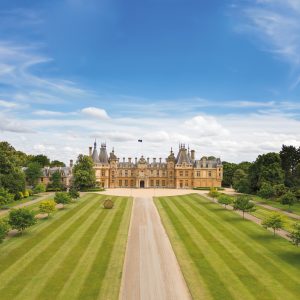
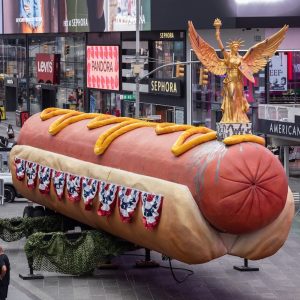
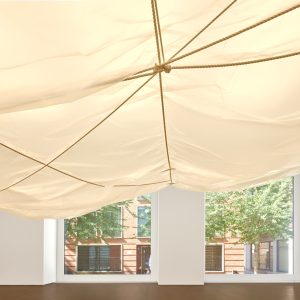
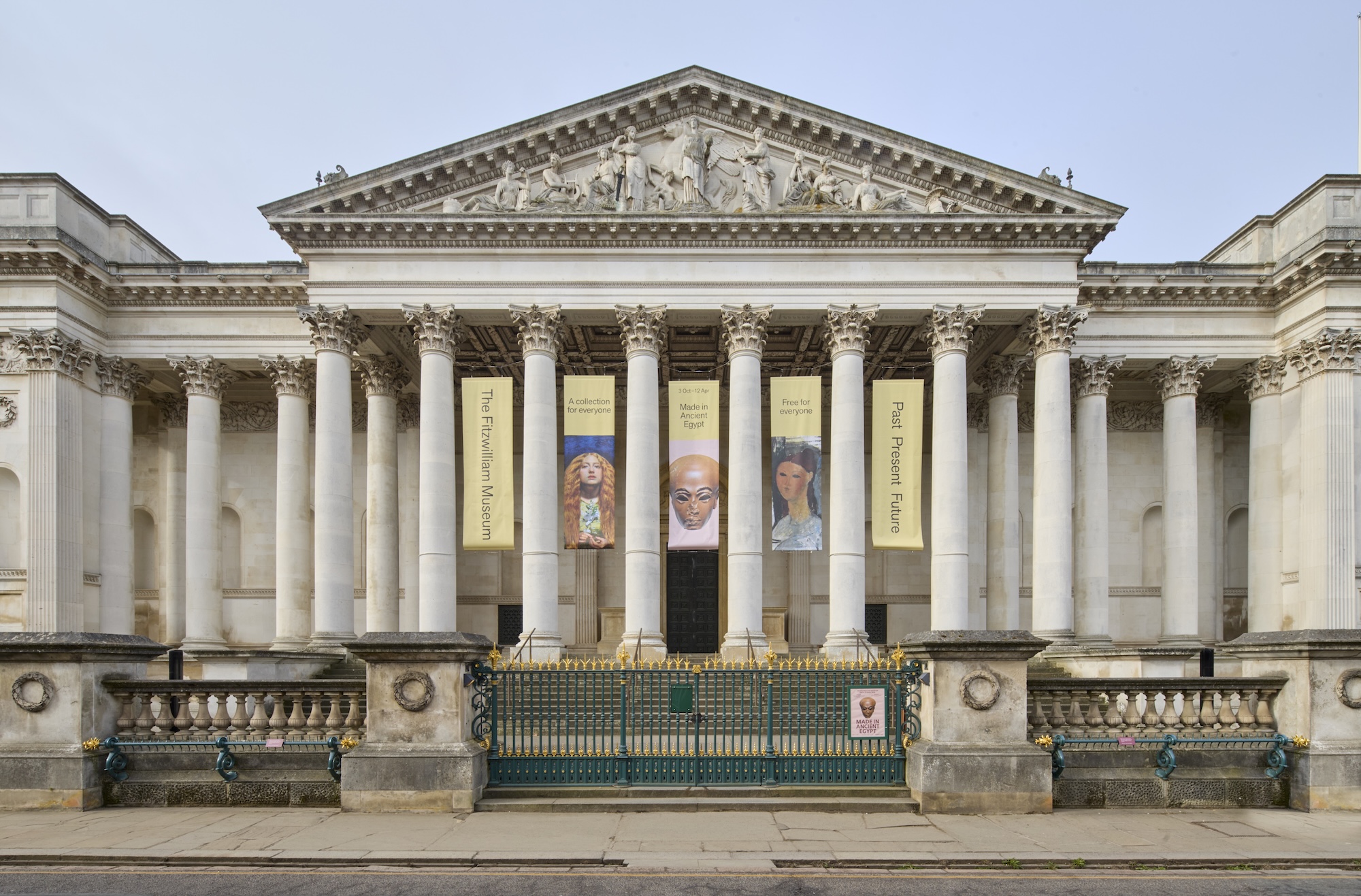
The shortlisted museums span the UK, bringing together historic institutions, newly transformed spaces and ambitious contemporary programmes. They include The Box, The Fitzwilliam Museum, The National Gallery, Norwich Castle Museum & Art Gallery and V&A East Storehouse.
Together, they reflect a sector in transformation — one that is expanding its audiences, rethinking collections and experimenting with new ways of presenting culture.
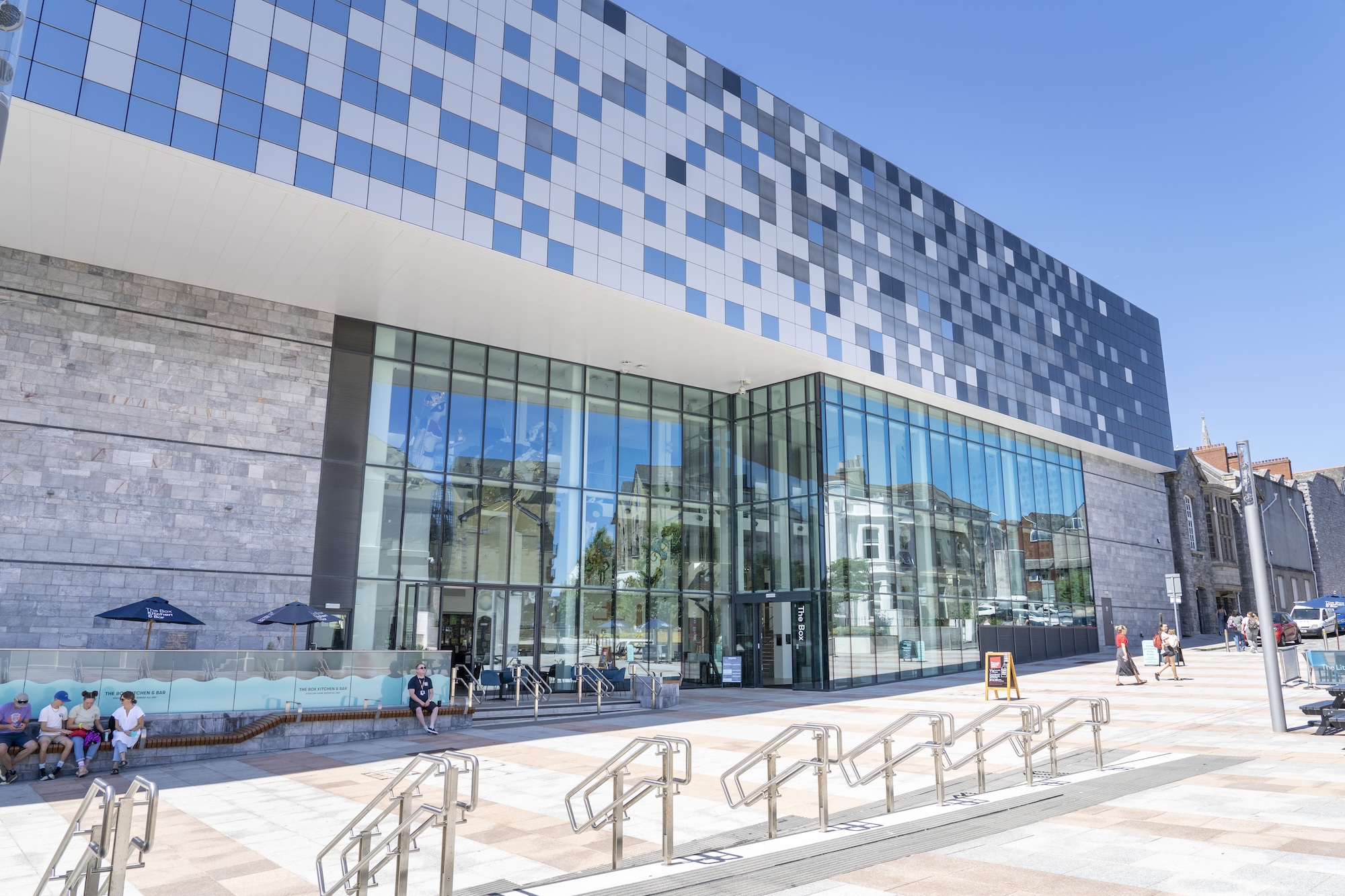
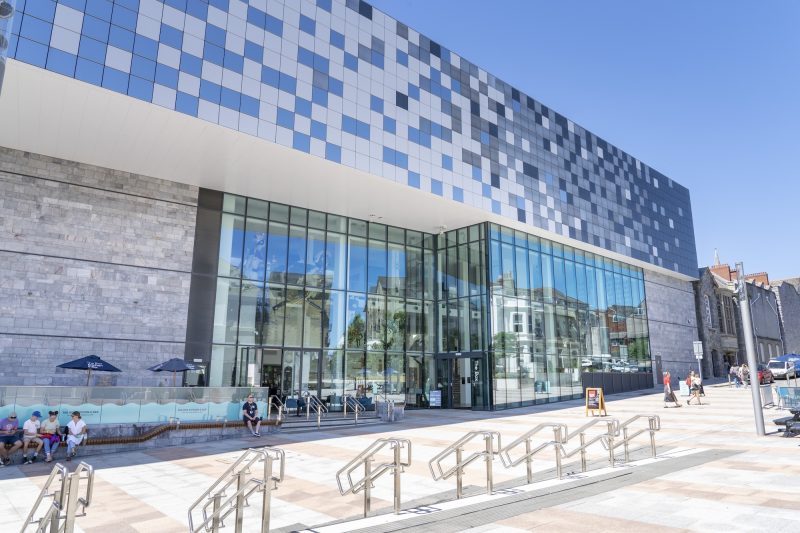
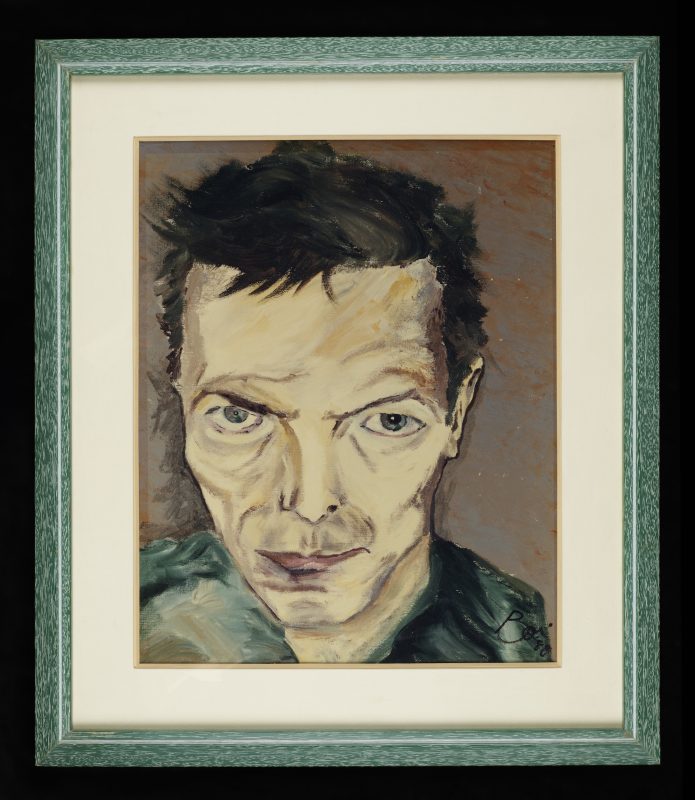
In Plymouth, The Box has quickly established itself as a major cultural hub, bringing together museum, gallery and archive functions while narrating the city’s history through a collection of more than two million objects. In Cambridge, the Fitzwilliam Museum continues to evolve its historic role, reworking its displays and programming to create a more inclusive and dialogic space, with record visitor numbers reflecting this shift.
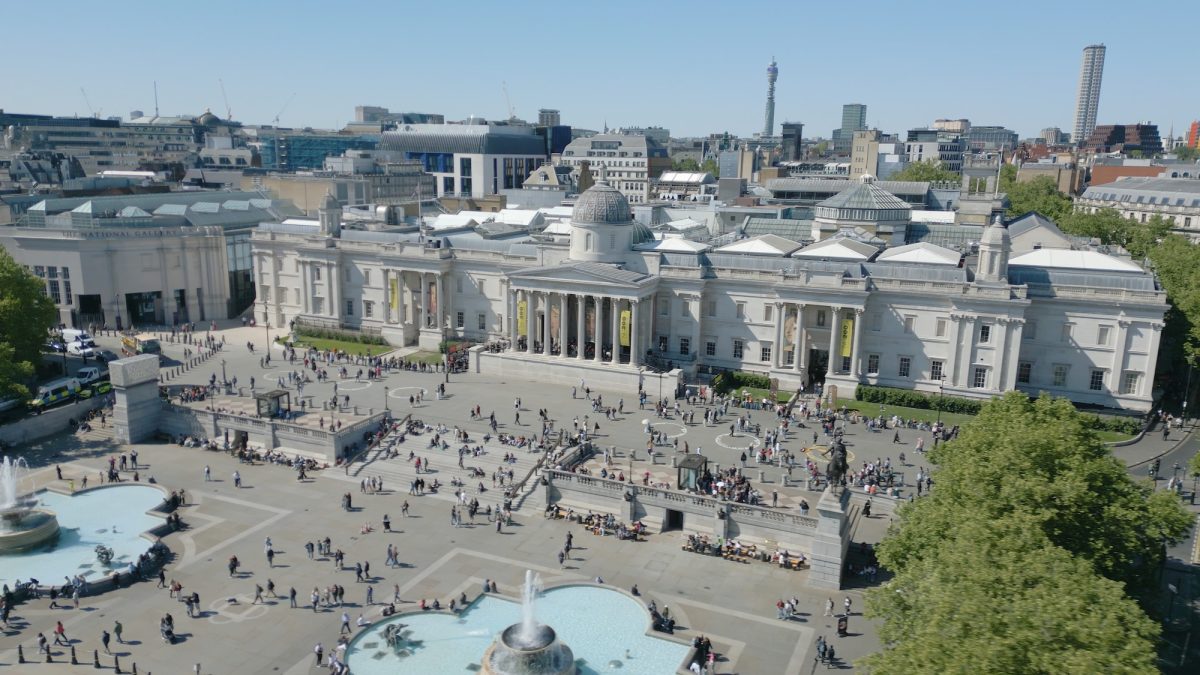
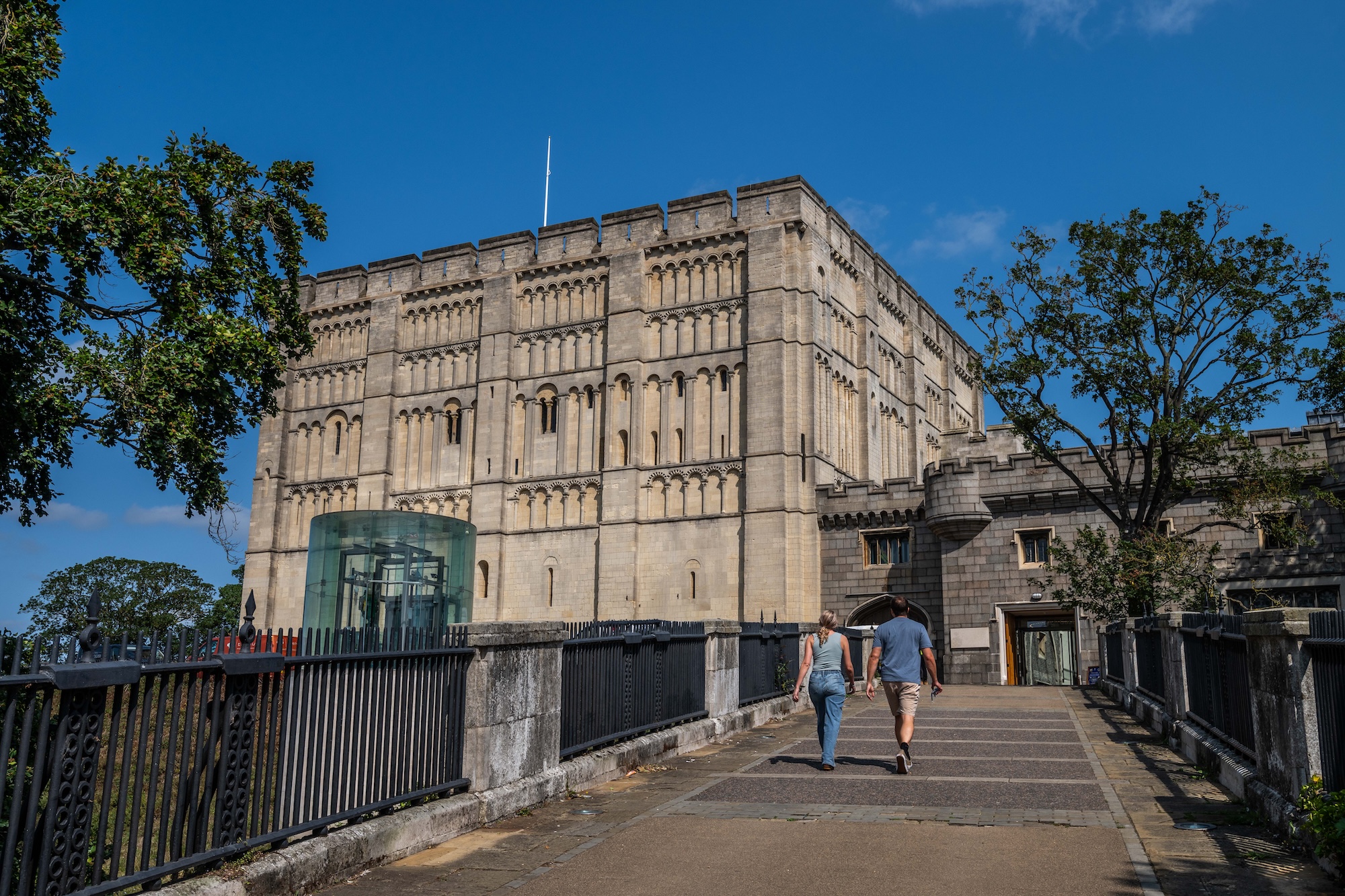
In London, the National Gallery enters the shortlist following its 2025 bicentenary celebrations, which included a nationwide programme and a complete rehang of its collection, reaffirming its place at the centre of the UK’s cultural landscape. Meanwhile, Norwich Castle Museum & Art Gallery has undergone a major redevelopment, reopening its Norman Keep as the most accessible castle in the UK, combining historical reconstruction with immersive storytelling.
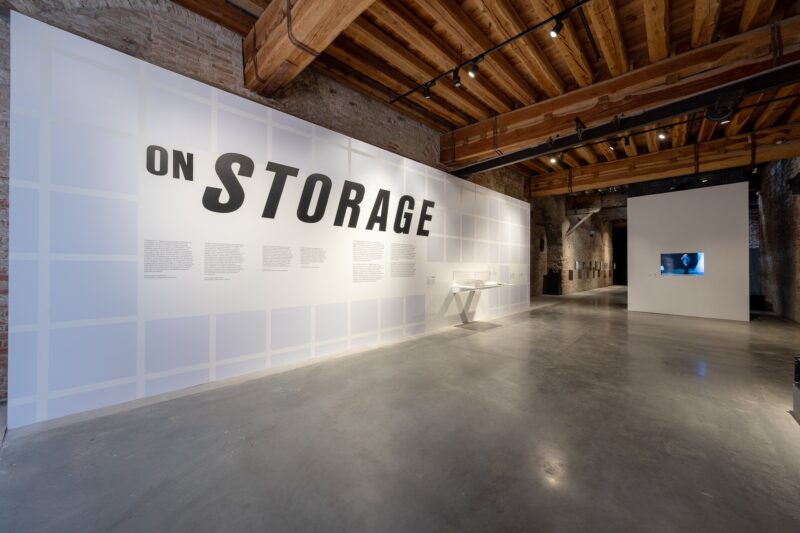
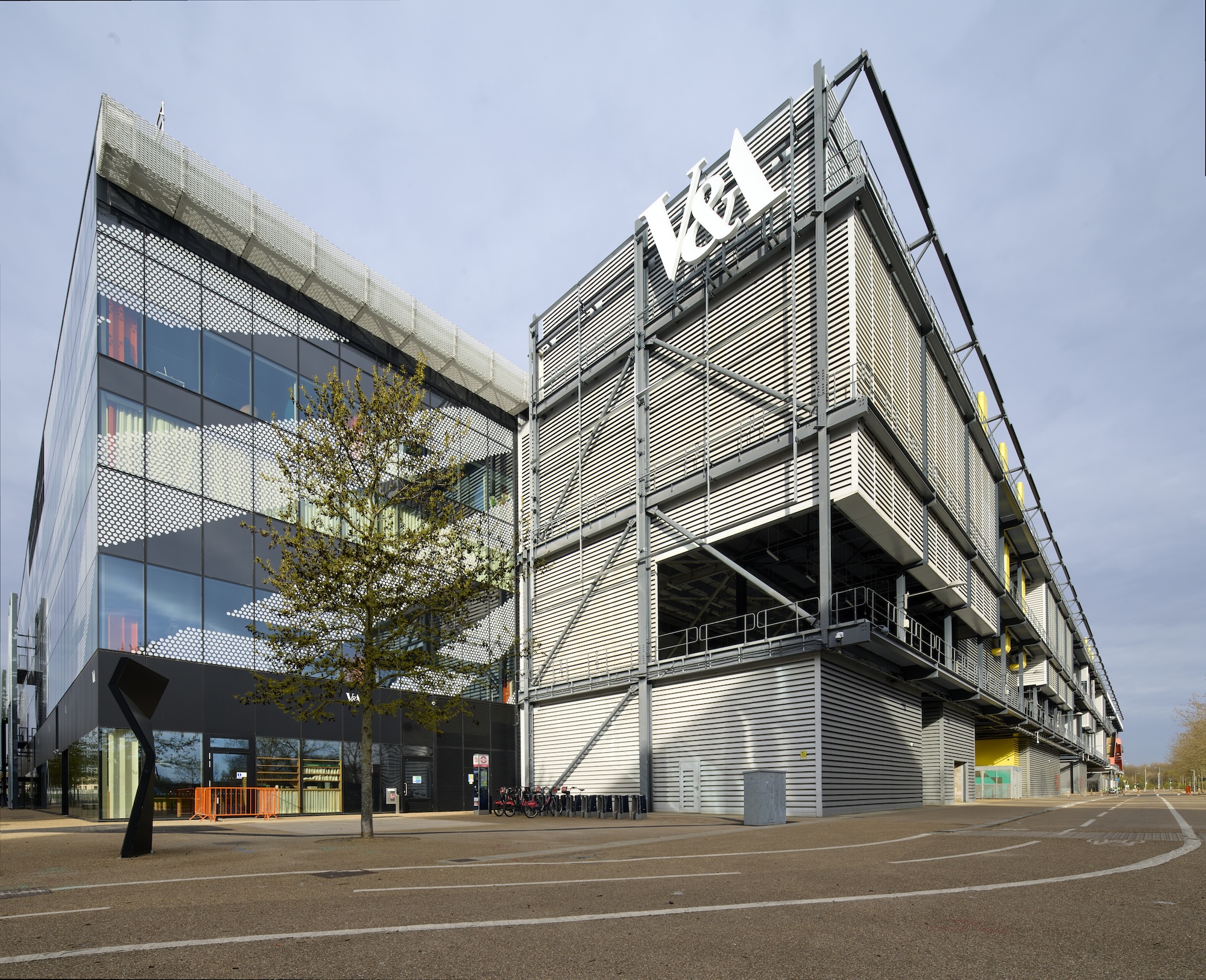
Also in London, V&A East Storehouse represents a radically different model — a newly opened, large-scale storage and display facility where visitors can move freely among half a million objects, offering unprecedented access to national collections.
The winning museum will be announced on 25th June at Cutty Sark, with a top prize of £120,000. Each of the four remaining finalists will receive £20,000, bringing the total prize fund to £200,000.
Each year, the prize recognises museums that push boundaries through innovative and forward-thinking practice. For 2026, the judging panel — chaired by Jenny Waldman and including Yinka Ilori, Alice Loxton, June Sarpong and Tony Butler — will assess projects and activity from autumn 2024 through to winter 2025, visiting each shortlisted institution over the coming months.
Speaking on behalf of the judges, Jenny Waldman said:
“The five shortlisted museums this year showcase the extraordinary creativity and innovation that make museums such vibrant and essential places. From opening up world-leading collections to connecting with communities of all ages through ambitious exhibitions and programmes, each one offers something special.
“We are thrilled to celebrate their achievements as finalists for Art Fund Museum of the Year, thanks to our National Art Pass members who make the prize possible. We hope people everywhere will be inspired to explore the finalists and their local museums, to see firsthand the treasures and experiences that are open to everyone.”
Funded by Art Fund’s National Art Pass members alongside a network of supporters, the prize continues to highlight not only excellence, but the evolving role of museums as places of access, participation and cultural exchange.
About Art Fund Museum of the Year
The first ‘Art Fund Museum of the Year’ was awarded in 2013 to the William Morris Gallery in Walthamstow. Its forerunner was the Prize for Museums and Galleries, administered by the Museum Prize Trust. Art Fund supported this prize between 2008 – 2012, when it was known as the ‘Art Fund Prize’. It was sponsored by the Calouste Gulbenkian Foundation from 2003-2007, when it was known as the ‘Gulbenkian Museum Prize’.
There is a rich history of prizes for museums, the first running from 1973-2003, called ‘The National Heritage Museum of the Year’.
Art Fund Museum of the Year champions what museums do, encourages more people to visit and gets to the heart of what makes a truly outstanding museum. The judges present the prize to the museum or gallery that has shown how their achievements of the preceding year stand out, demonstrated what makes their work innovative, and the impact it has had on audiences.