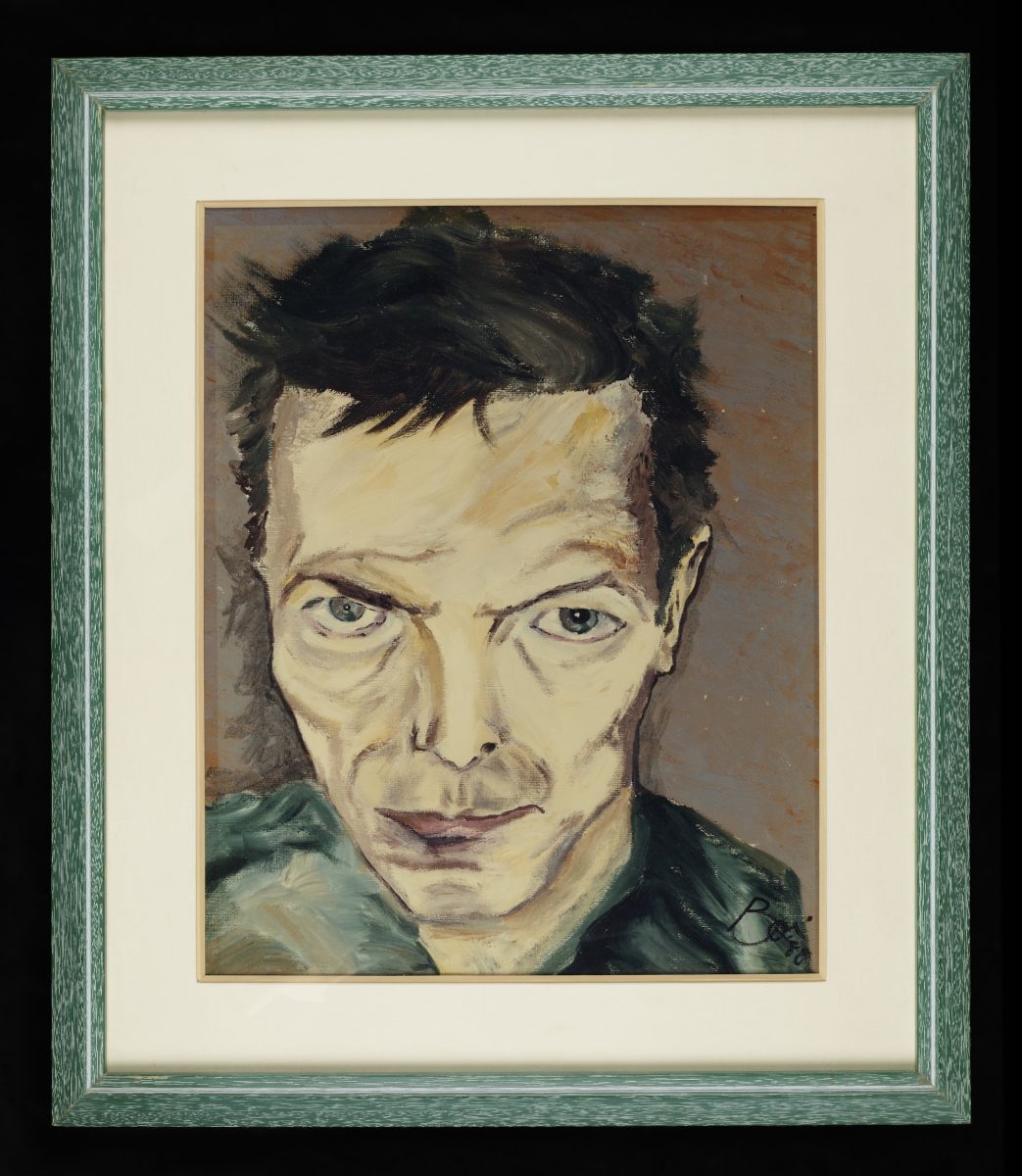
This weekend (from Saturday 13th September), the V&A East Storehouse opens its doors to the much awaited David Bowie Centre. Tucked inside the Storehouse, as part of the cultural quarter rising on East Bank in Queen Elizabeth Olympic Park, the centre – designed by London and Paris-based architecture company, IDK – is the first permanent home for Bowie’s vast archive: more than 90,000 items tracing five decades of relentless creative reinvention.
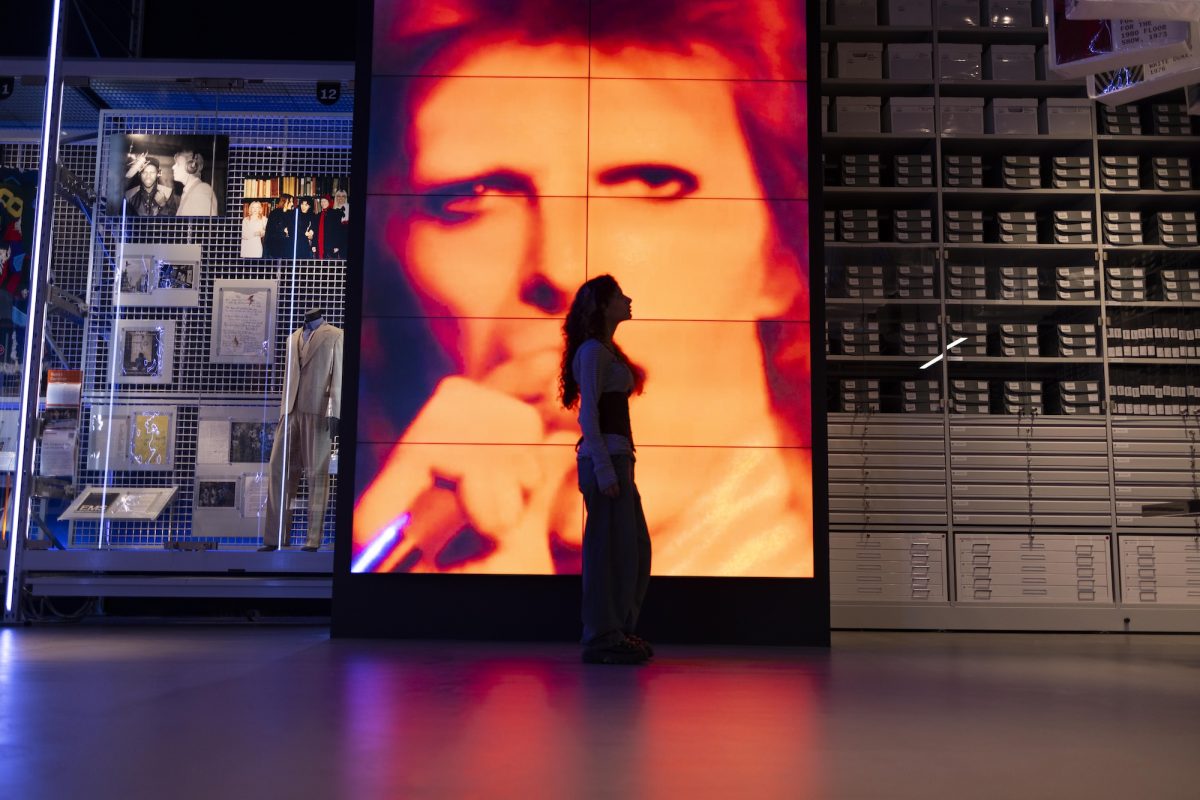
For the first time, the full archive is public. In the same philosophy that grounds the V&A Storehouse, it’s part working store, part living laboratory: a place where visitors can request to see anything from a hand-scrawled lyric to a stage-worn Ziggy catsuit, and study it up close in the reading rooms: depending on the ‘fragility level’, some items may be allowed to be handled (with gloves) and others will be shown by the expert hands of the curators, right in front of you, without protective glass or much distance at all.
More than 500 appointments were snapped up within days of launching the centre’s experimental “Order an Object” system. The most requested item so far is the gold threaded frockcoat Bowie designed with Alexander McQueen for his 50th birthday show in 1997. My money would have been on Tokyo Pop (the wide leg jumpsuit designed by Kansai Yamamoto).
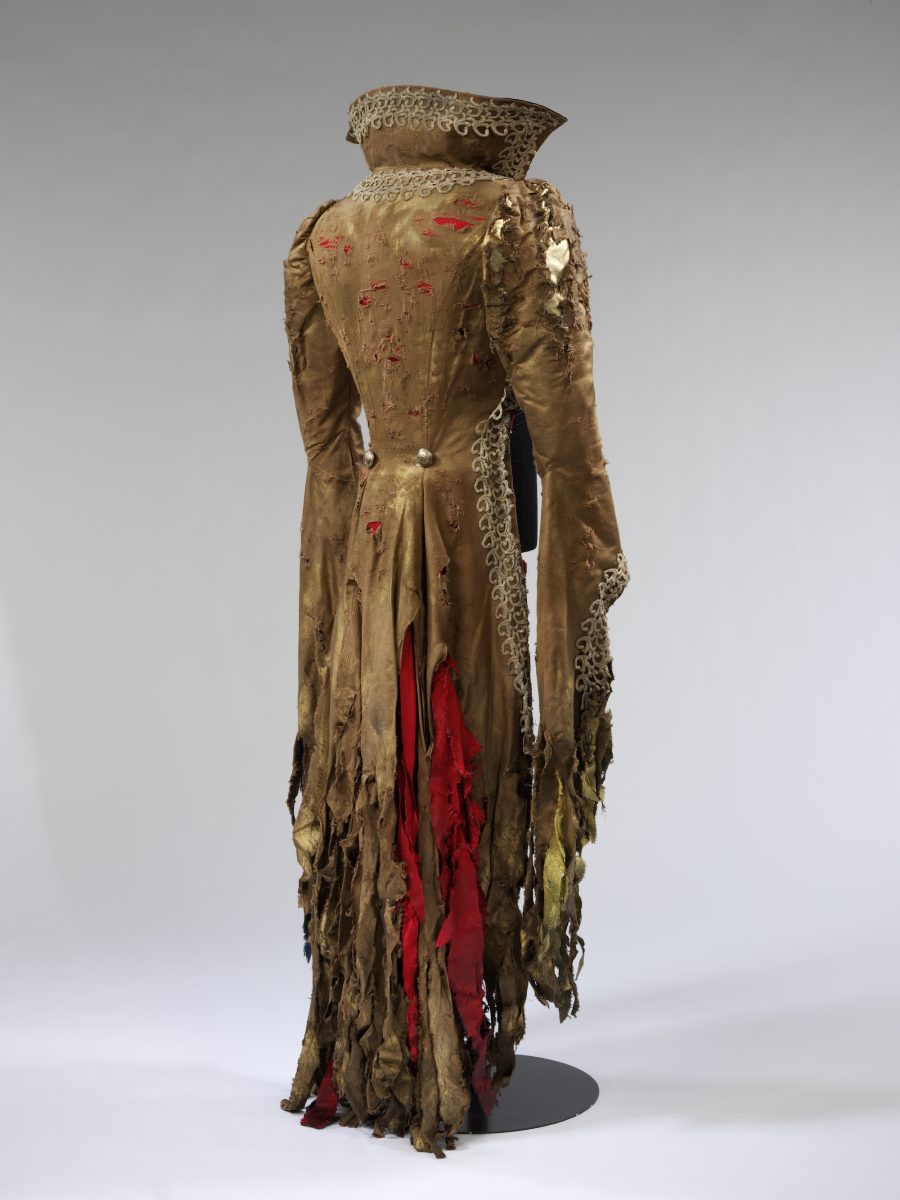
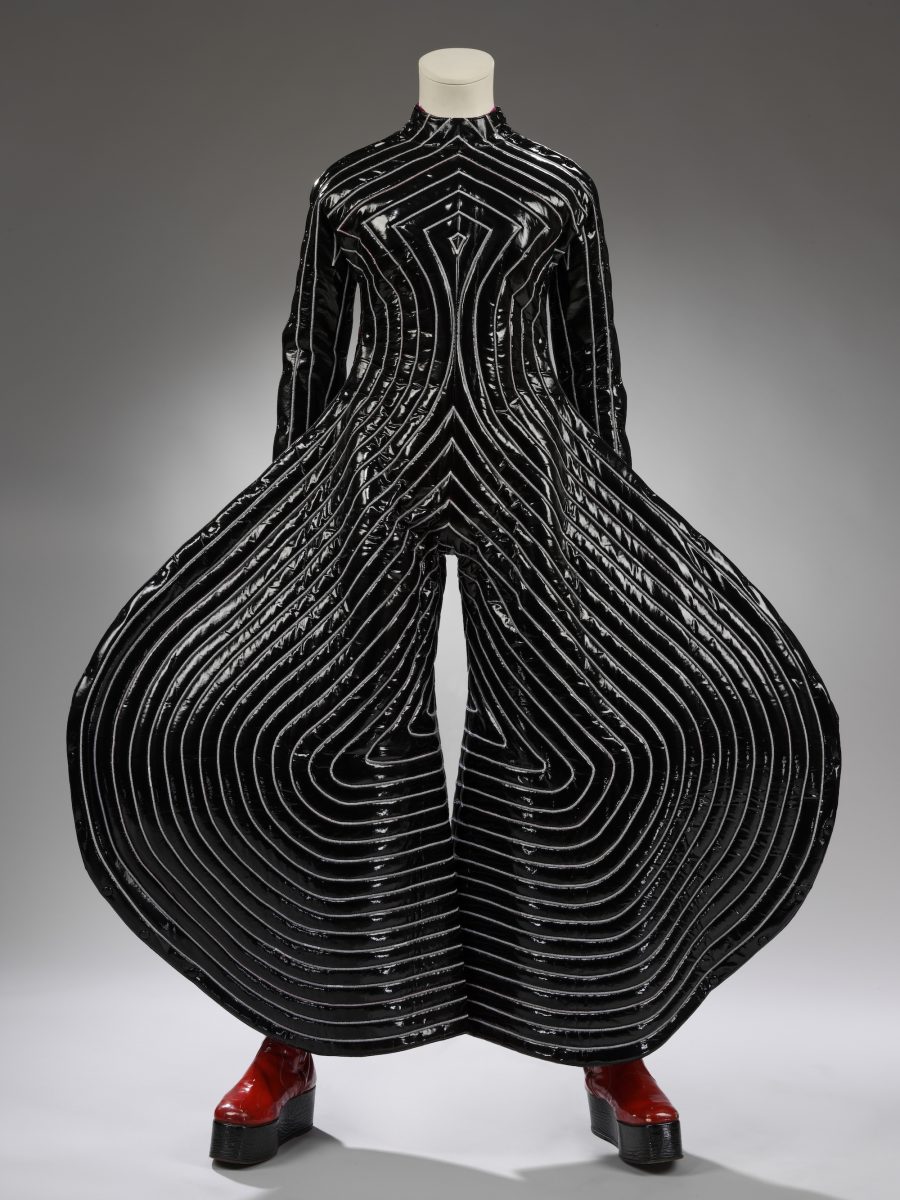
The centre was made possible through a landmark gift from the David Bowie Estate, alongside support from the Blavatnik Family Foundation and Warner Music Group, who brought the archive to the UK (from New Jersey, where it had been kept by David Bowie in museum-like condition, with a full archive system, since the 90s) in 2023 – 10 years since the V&A’s (South Kensington) pivotal – and most visited exhibition – David Bowie Is. It now sits alongside the V&A’s collections, but in sheer scale, it’s unlike anything the museum has handled before.
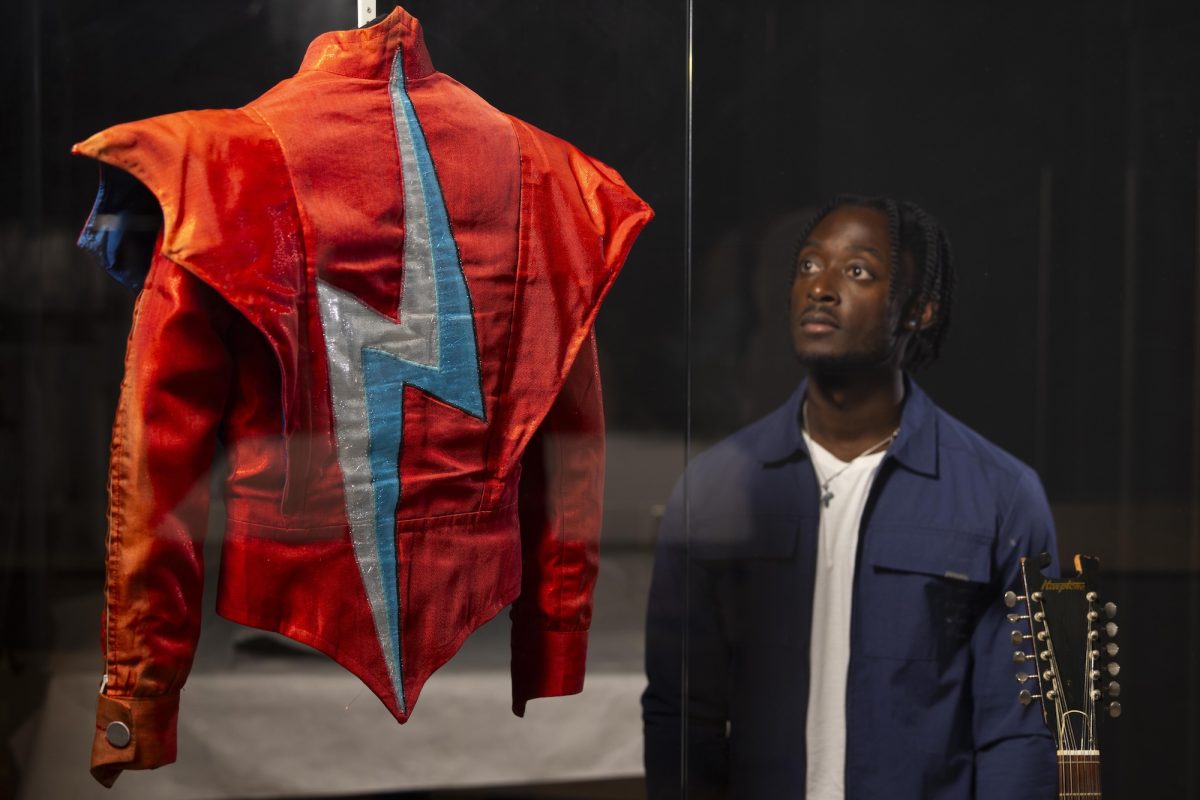
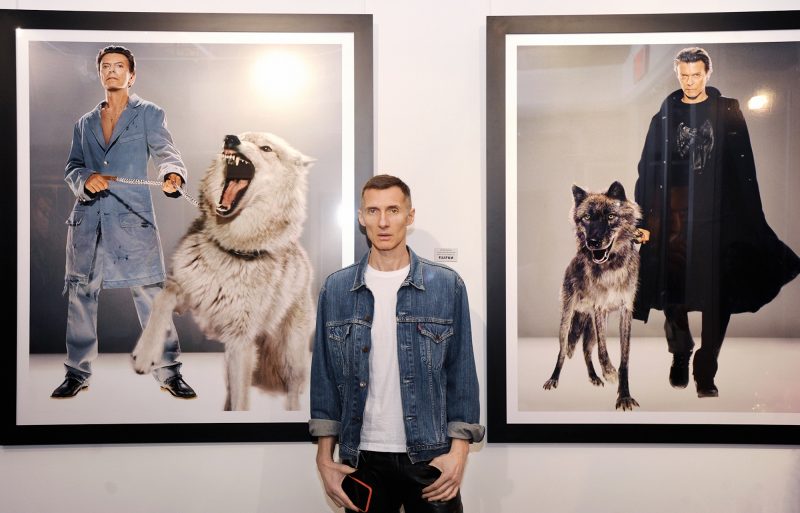
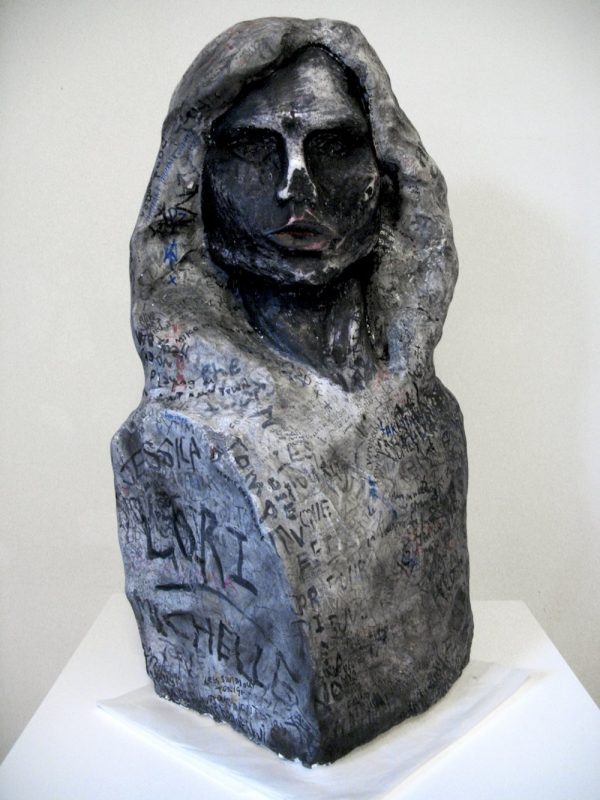
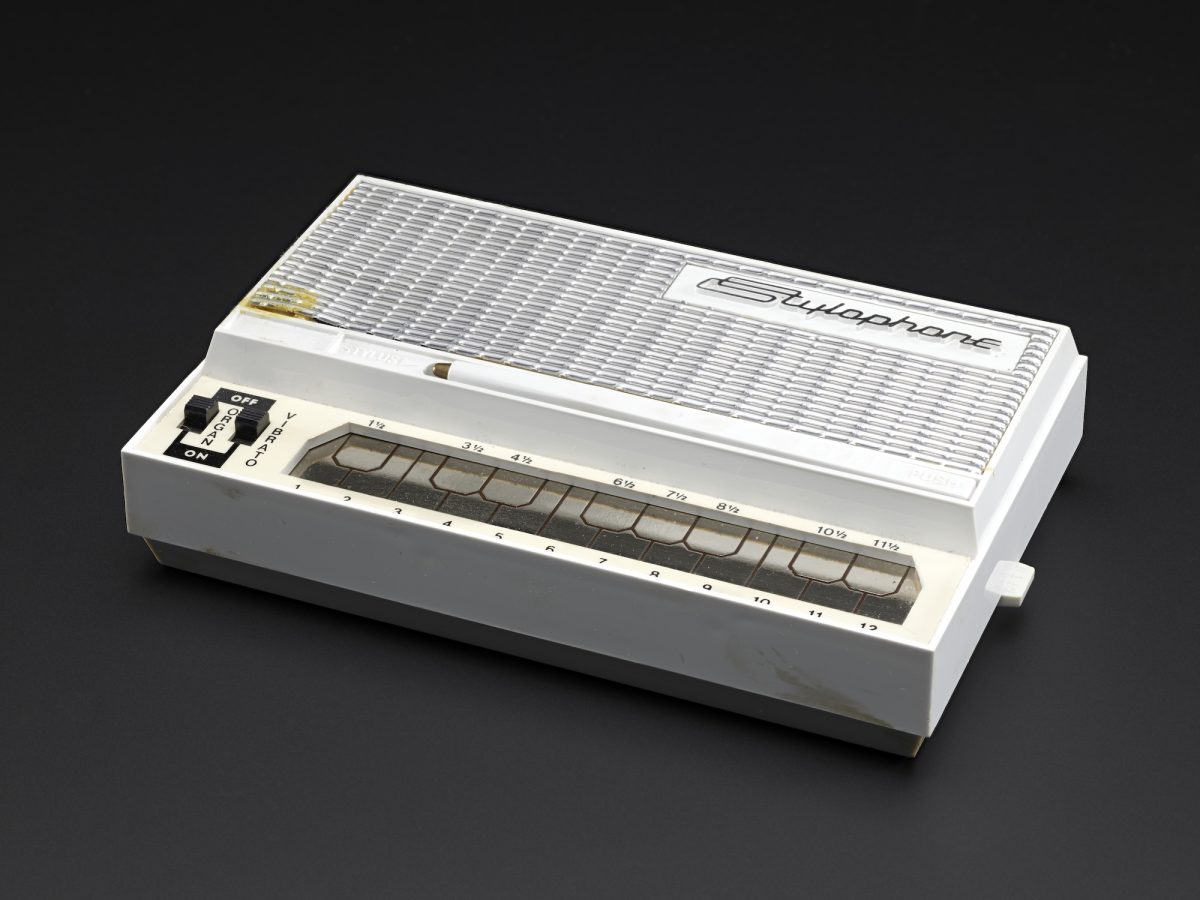
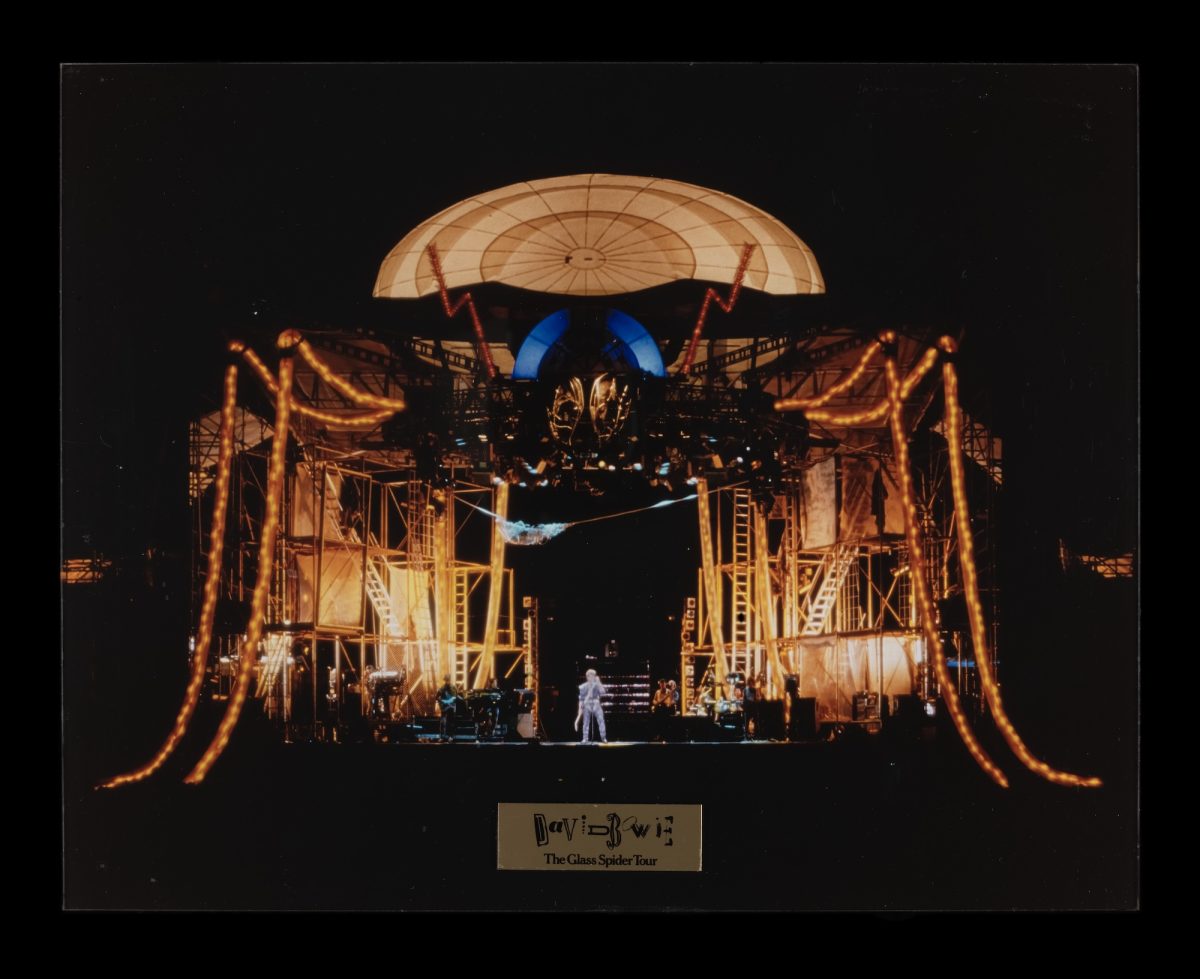
The numbers alone are staggering: nearly 500 costumes (including 414 full ensembles), 147 instruments, over 70,000 photographs, 9,000 notebooks, scripts and project files, 200 awards, plus stage sets, props and even Bowie’s childhood saxophone. It’s all here, from the Dubreq stylophone that chirped through Space Oddity to the clapperboard from The Man Who Fell to Earth, and the set model for his spectacular 1987 Glass Spider tour. And more, as Bowie catalogued and collected 228 artworks and fan tributes, from letters to drawings, t-shirts and portraits, and many more.
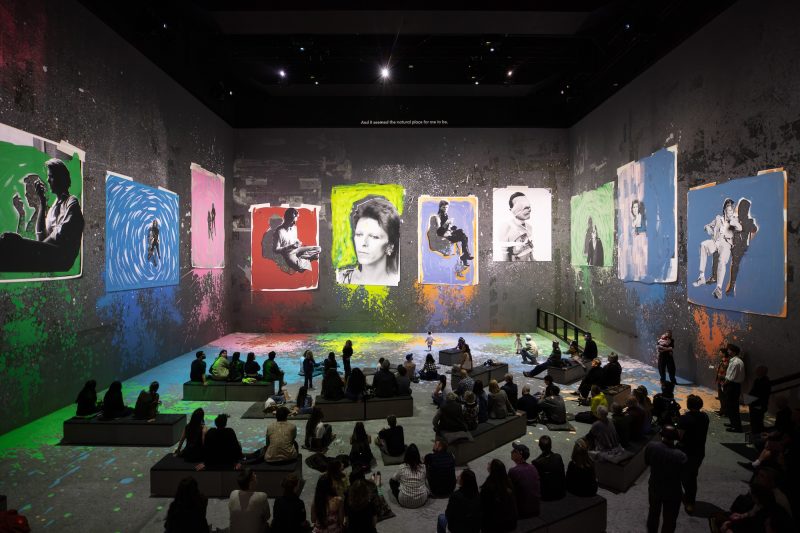
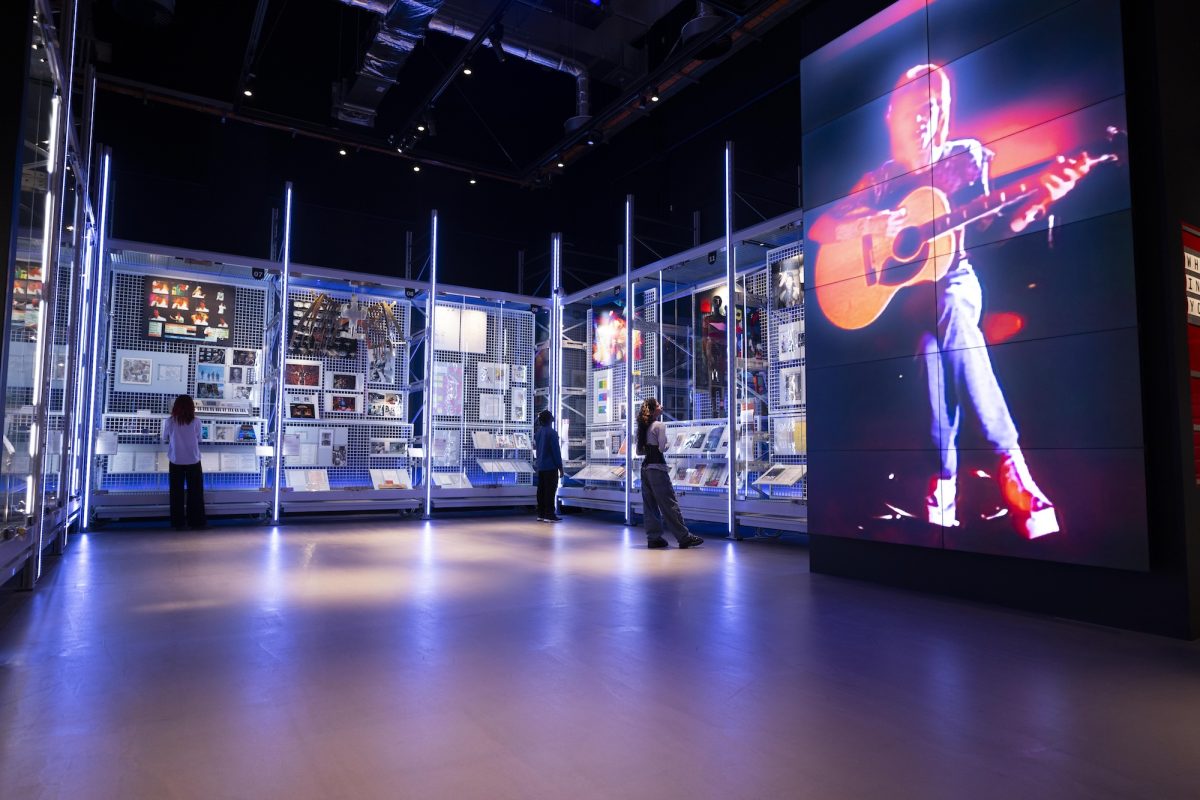
In the main display area – which employs the same industrial warehouse gridled look as the rest of the Storehouse, balancing storage with stagecraft, are eleven ‘bays’ of a rotating 200 key objects, offering glimpses into Bowie’s creative process, personas and collaborators, while overhead, twenty of his most iconic costumes hover in their translucent storage bags, like pandora’s boxes ready to unleash an entire emotional universe. A new film loops through moments from Bowie’s music videos and performances, and an interactive installation, The Library of Connections, traces the wild constellation of his influence, from Friends to Issey Miyake, from Charli XCX and Beyonce, to Kendrick Lamar.
It’s here, among this juxtaposition of creative chaos and orderly archive, between patent jumpsuits and silk embroidered costumes, that red leather jacket, winged boots and painted platforms, sequins and feathers, sketches, photographs and an array of musical instruments that we meet with Ben Selig, Assistant Curator at V&A East, to walk through the main display and to trace the many selves of David Bowie.
“We wanted to open with the idea of rejection and perseverance,”
Selig begins, pointing to a rather harsh rejection letter, displayed beside Bowie’s first record contract.
“It shows how, despite the knock-backs, he just kept going.”
This opening bay sets the tone: Bowie as a model of creative resilience for younger generations.
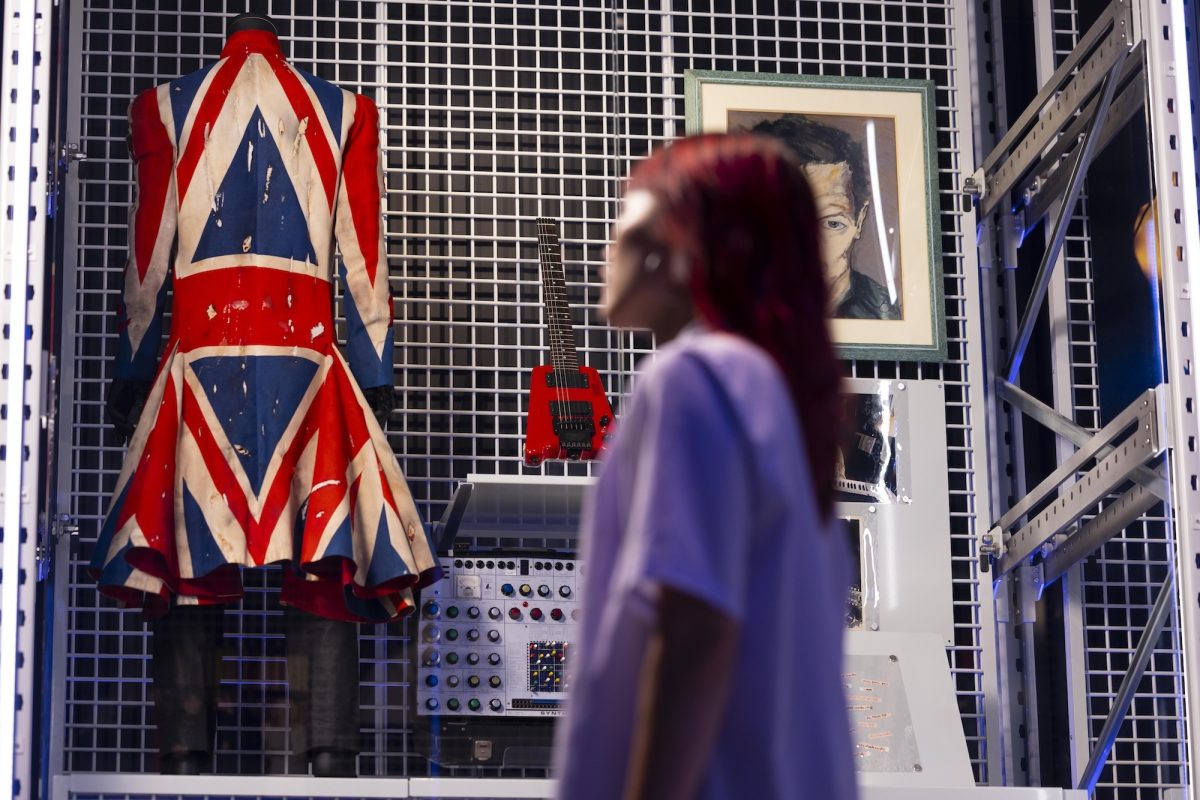
From here, the displays unfold like a map of his creative methods. There’s the Earthling Union Jack coat created with Alexander McQueen, fan letters from Lady Gaga, his paintings, and examples of his lyric-writing tools from 1970s cut-up techniques to the 1990s Verbasizer, a random sentence generator Bowie used while writing Outside. “He was constantly trying to break his own patterns,” Selig explains. “That restlessness is part of his legacy.”
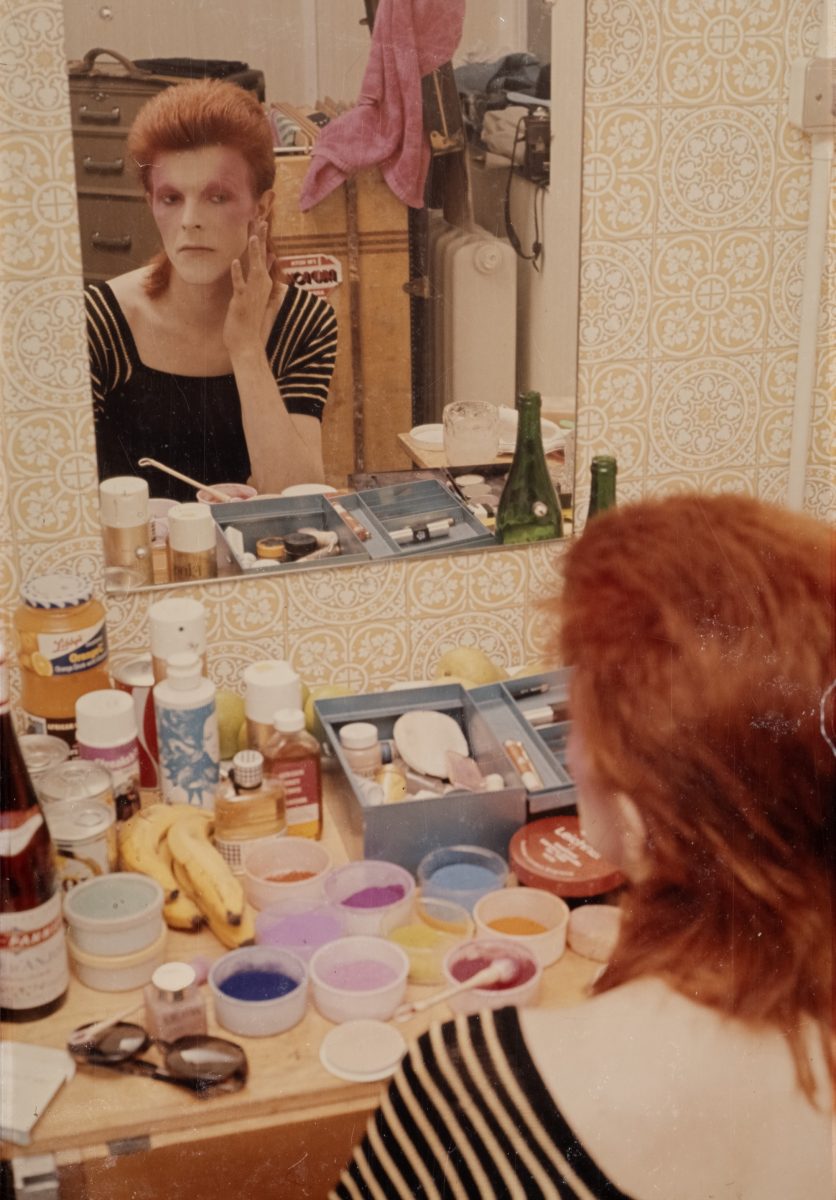
Moving into the next bay, the story turns to how Bowie built his own mythology. We see the influence of Japanese Kabuki make-up, his mentorship under mime artist Lindsay Kemp, and the striking stagewear he developed with designers like Kansai Yamamoto and Freddie Burretti. “These were deliberate acts,” Selig notes. “He created personas that inspired people who felt like outsiders, who were defying gender norms during a very political 1970s. These were carefully researched, with incredible depth and layers.”
The neighbouring cases trace Bowie’s rise to American stardom in the Young Americans era: behind-the-scenes studio photos with Ava Cherry, Luther Vandross and Geoff MacCormack, handwritten notes for Fame, and early set lists. It’s here that Bowie becomes both global pop figure and meticulous planner, refining every element of his shows.
Bay seven jumps to Futurism, a major thread in Bowie’s work. There’s his first stylophone used on Space Oddity in 1969, material from The Man Who Fell to Earth and the Omikron video game, alongside digital-era experiments like Hours, the first album released solely online. “He embraced new technologies instinctively,” Selig says. “From oblique strategy cards with Brian Eno to the Verbasizer, he was always pushing beyond his own limits.”

The next bay explores Bowie’s social and political impact, anchored by two iconic tracks: Let’s Dance and Heroes. We see notes, menus and maps from his Berlin years, costumes from the Glass Spider Tour, and the set design drawings that framed his performances. The Heroes section shows Bowie’s 1987 concert by the Berlin Wall, broadcast across to East Berlin and later hailed by Germany’s Foreign Office as a cultural moment that helped hasten the Wall’s fall. “He really believed lyrics could empower people,” Selig says. “He saw influence as a responsibility.”
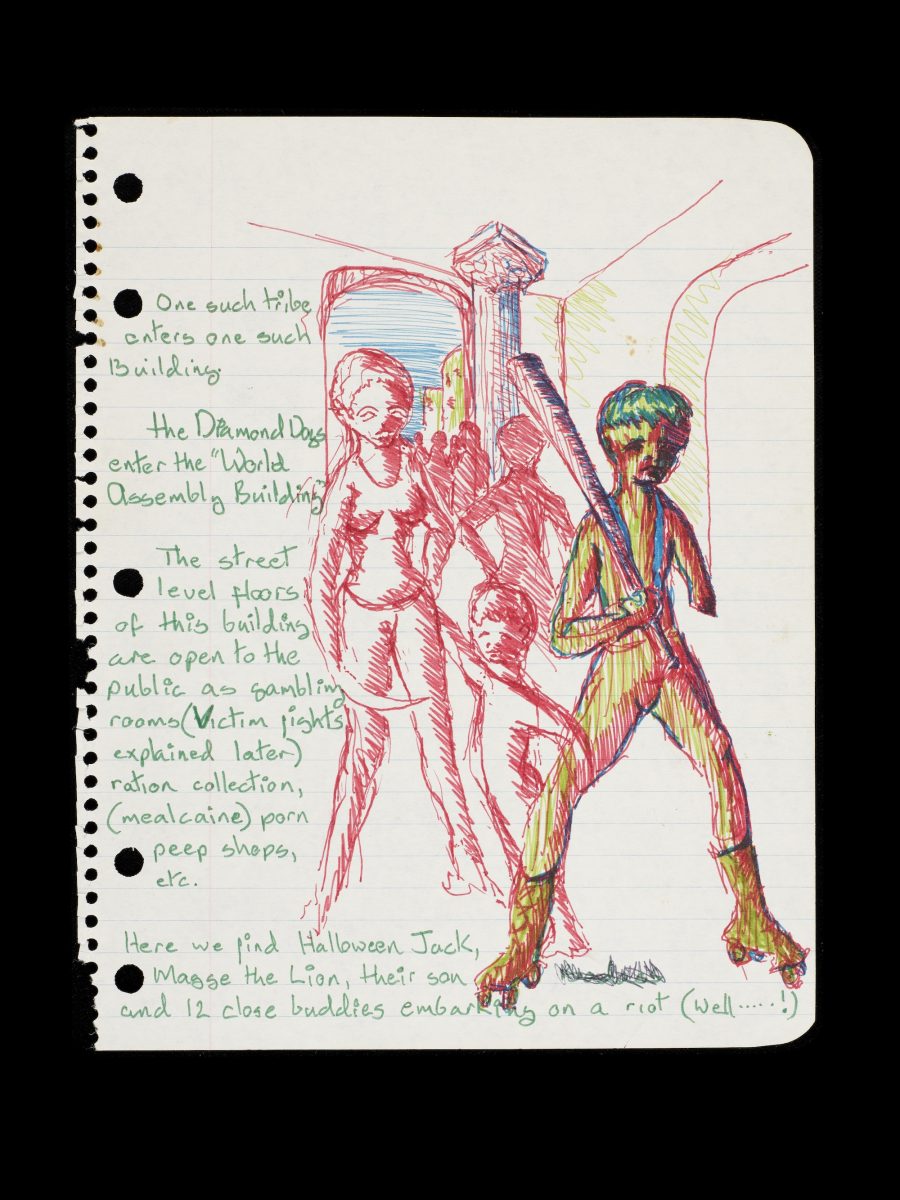
The neighbouring display reveals projects that never made it to fruition, showing Bowie as relentless researcher, even in his final months. Post-it notes found in his office after his death sketch out an abandoned 18th-century musical, full of references to Alexander Pope, Hogarth and Reynolds showing how he was drawn to rebels throughout history. Nearby are storyboards and characters from an unrealised 1984’s inspired musical – the seeds of which he turned into Diamond Dogs – a reminder that Bowie was always creating, whether or not the work saw daylight.
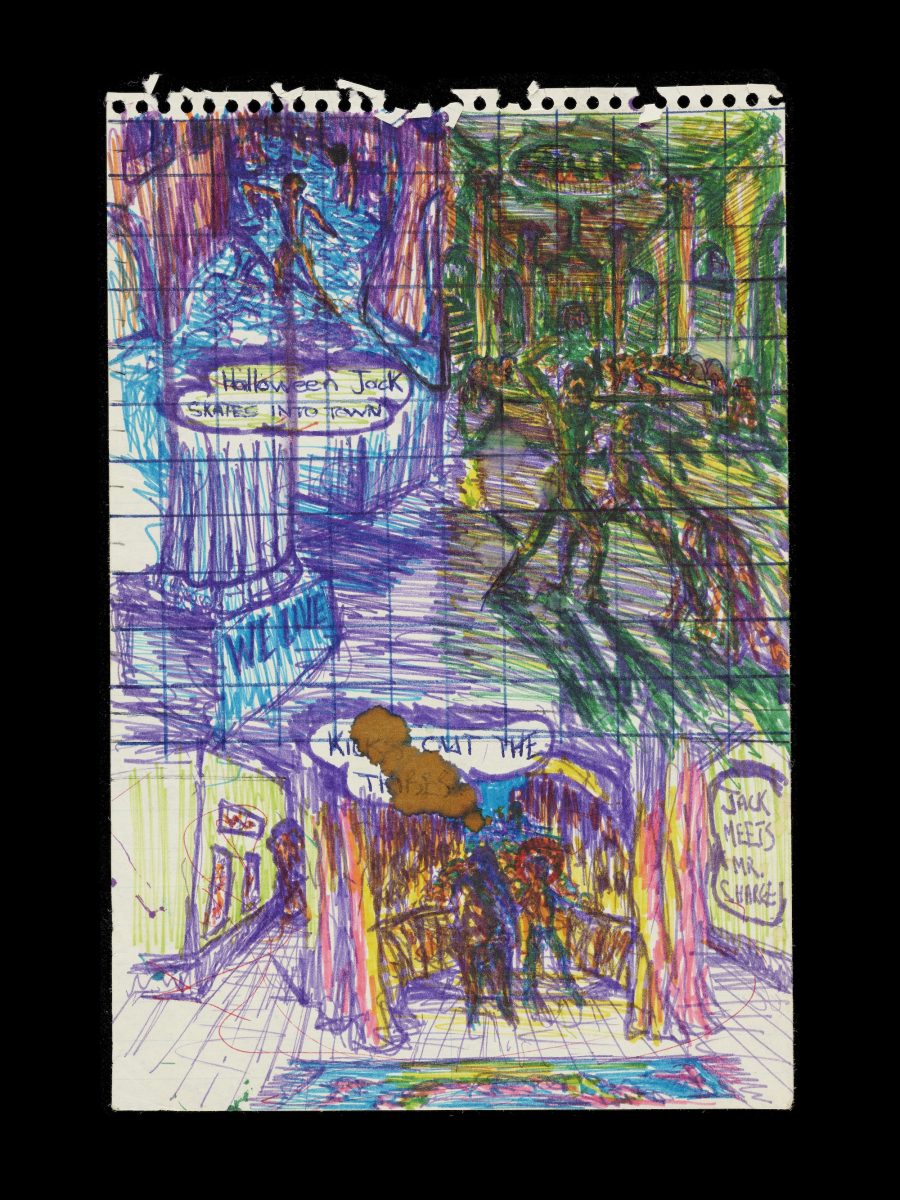
The final stretch – Bays 10 and 11 – form part of the Centre’s rotating display programme, refreshed every two years. Their current focus ties into the V&A’s wider exhibition The Music Is Black: A British Story, tracing 125 years of Black British music. Here, Bowie’s deep ties to 1990s jungle and drum’n’bass culture come through: photographs from Hoxton’s Blue Note club, where he was a regular, and memorabilia from his collaborations with Goldie (including their gangster film Everybody Loves Sunshine). Selig smiles describing Bowie’s fascination with this music scene:
“He absorbed that energy completely: you see it filtering through his music and even the characters he imagined.”
Another section celebrates Bowie’s long collaboration with bassist Gail Ann Dorsey, featuring behind-the-scenes material from their Dead Man Walking video. “Bowie once said he’d never had a bass player who understood him so well,” Selig adds. “It shows he wasn’t just influencing others, he was constantly drawing from the people around him.”
The rotation ends with a guest-curator bay, currently shaped by The Last Dinner Party’s Nile Rodgers, exploring Bowie and Rodgers’ work together on Black Tie White Noise and beyond. There are letters, personal notes and images that reveal their mutual admiration. “It brings new voices into the archive,” Selig says. “It shows the human side of collaboration.”
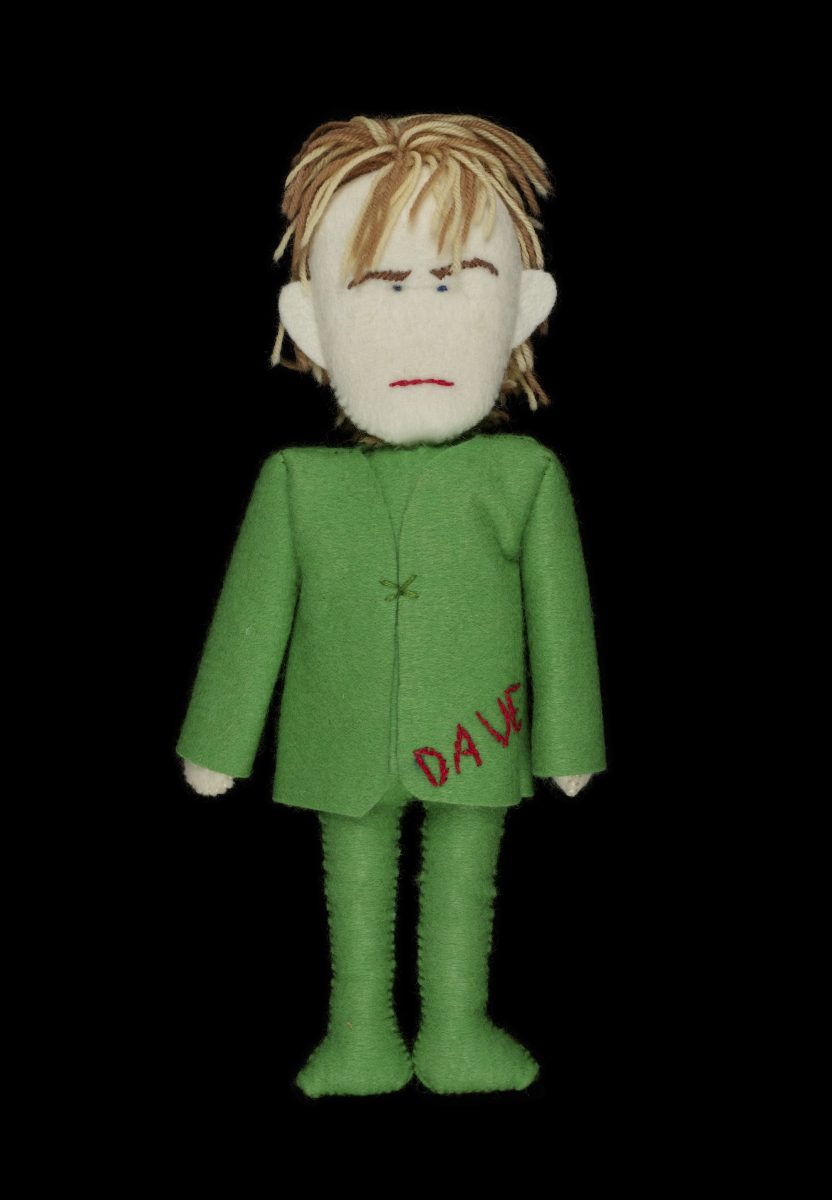
This is not just a public display, but a living resource – the result of years of collaboration – and a brilliant space for research and inspiration for generations to come.
So what does the V&A most want people to take away? Selig pauses.
“That Bowie was never static. He was always seeking inspiration, and inspiring others.”
Asked if he has a favourite piece, Selig grins. He mentions Bowie’s imagined meeting with Tricky for Q Magazine and the dense research notes for the abandoned 18th-century musical. But it’s the juxtapositions that stick with him: the rejection letter beside the first record deal, the intimate letters from Bowie’s father next to Lady Gaga’s, the meticulous rehearsal plans behind those seemingly spontaneous performances.
“He was methodical, and he was never afraid to step outside his boundaries,”
Selig says as we finish.
“That’s what this place celebrates.”
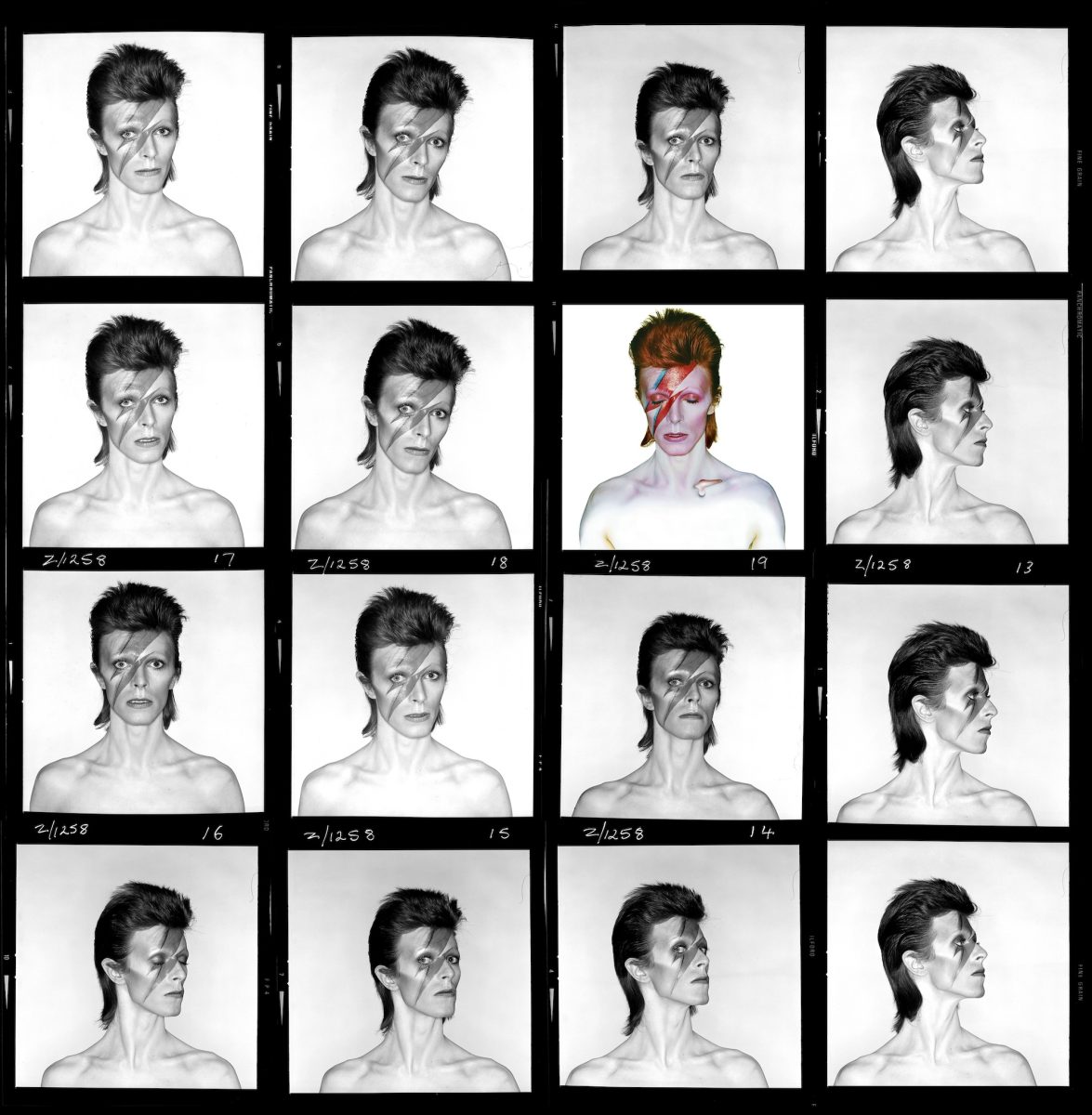
The David Bowie Centre is at the V&A East Storehouse, London