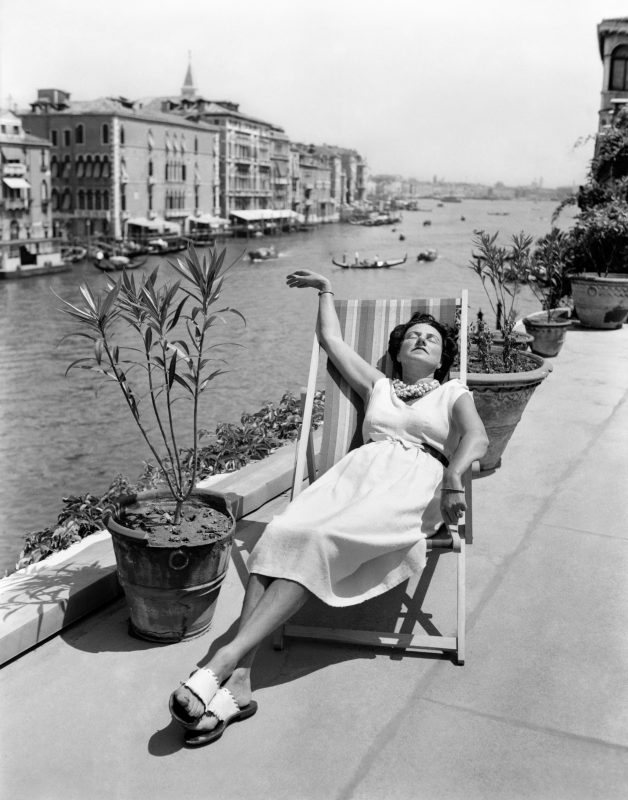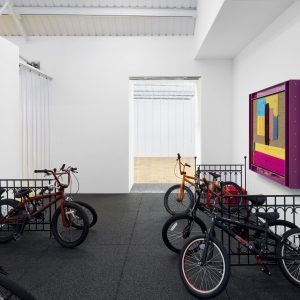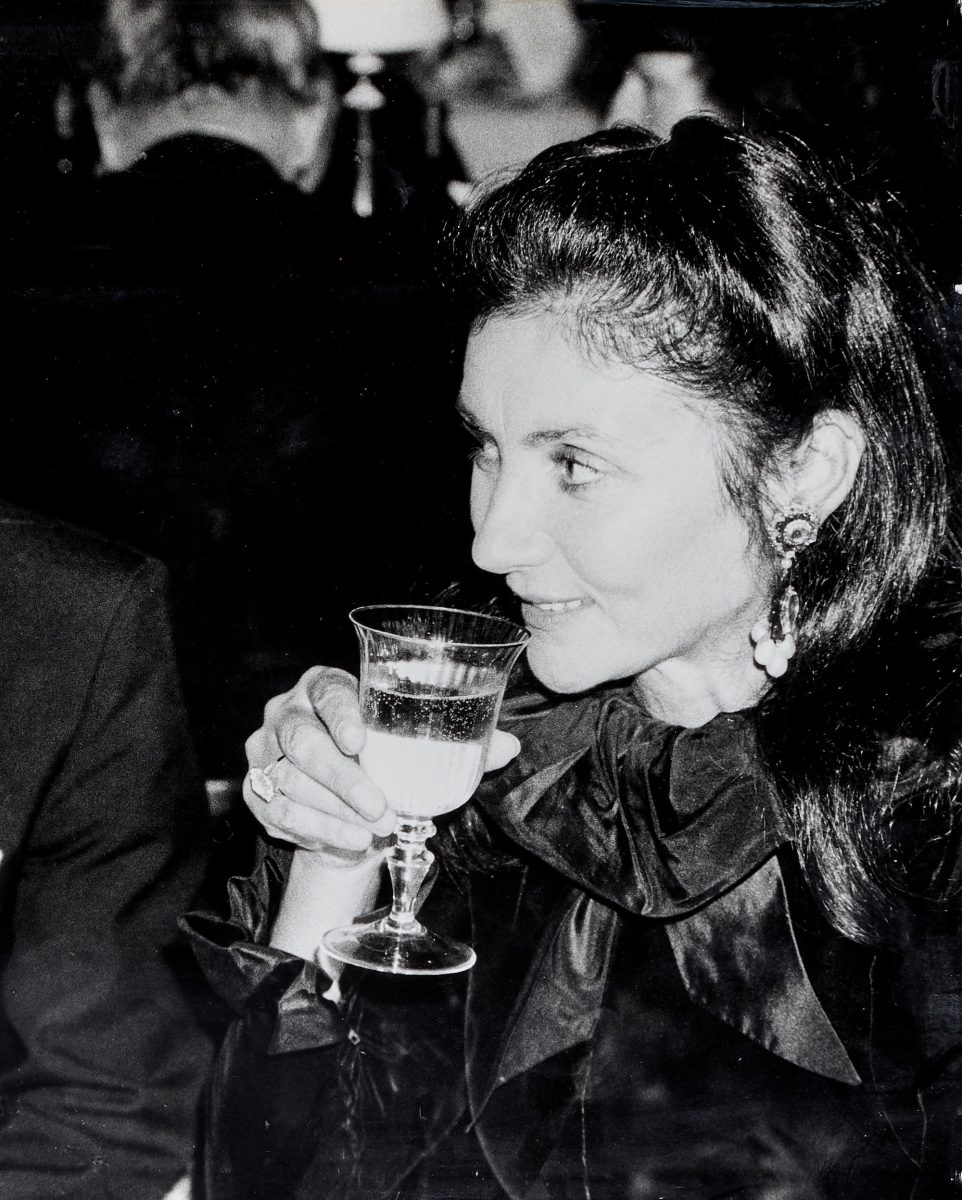
Pauline Karpidas belongs to the great 20th century tradition of the Grande Dame, collectors whose devoted patronage, indomitable spirits and irrepressible intellectual curiosity shaped the appreciation of the art and artists of their time. Her one-of-a-kind London home was the epicentre of her residences, where the Surrealist heart of her collection was housed.
“Ever since my journey into the arts began, I have had the great honour of meeting a world of wonderful
Pauline Karpidas
individuals who have made this collection possible—from Alexander Iolas, who opened my eyes and was
my mentor, and many of the incredible artists themselves. I have always seen myself as a temporary custodian for their creations, and it feels like the right moment for the pieces that make up my London home to find their next generation of custodians. This is by no means an ending, as I will continue to
live among art, read books, collect new works and support artists, as I have done for so many years now.”
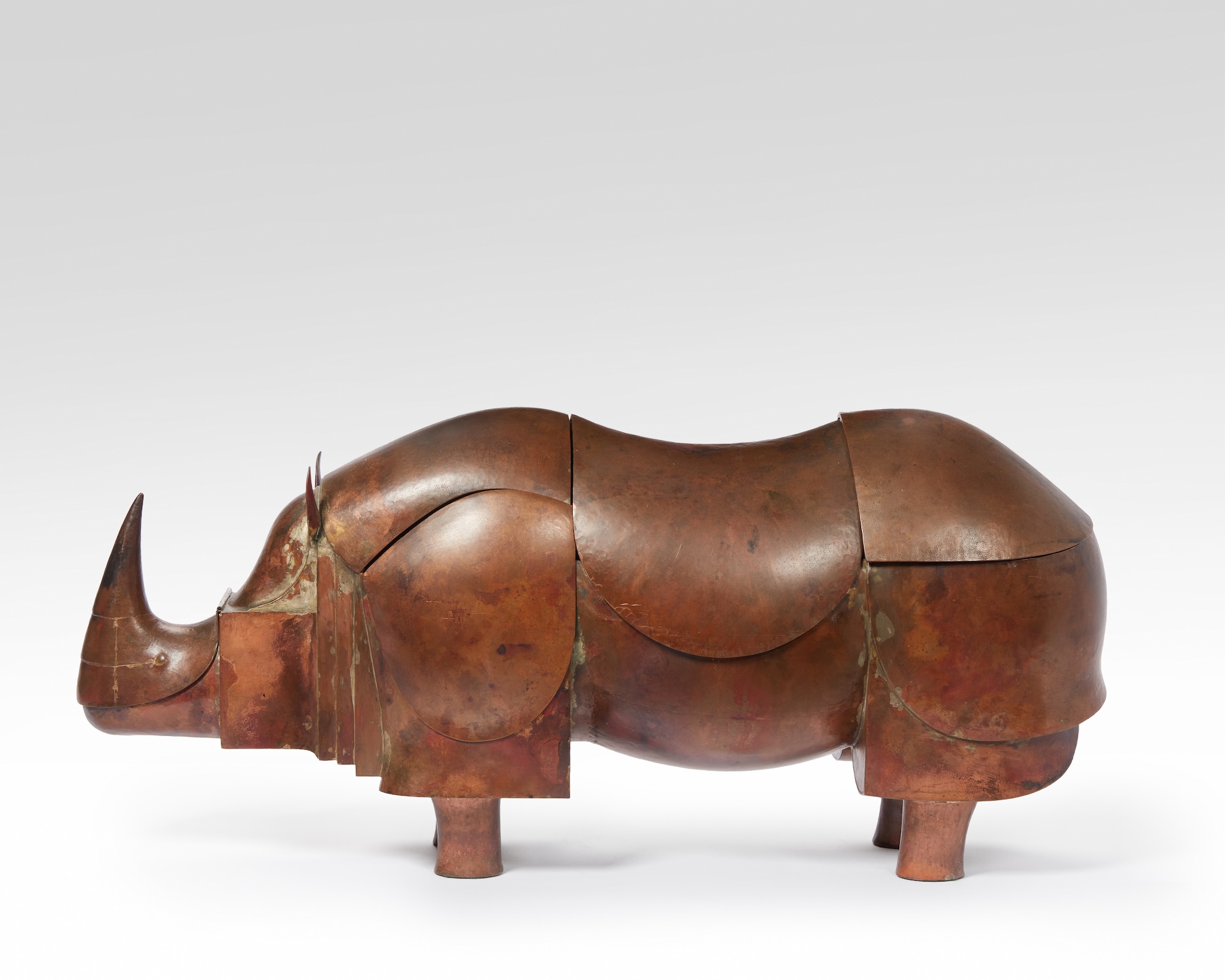
This September, Sotheby’s auctions of the London collection will tell the story of a journey of collecting over the course of half a century and beyond. Masterpieces by Hans Bellmer, Max Ernst, Yves Tanguy, René Magritte, Leonora Carrington, Salvador Dalí, Pablo Picasso, Andy Warhol and Jeff Koons will be offered alongside unique furniture personally imagined and crafted for Pauline by Claude and François-Xavier Lalanne, Mattia Bonetti and André Dubreuil. With 250 lots together estimated in the region of £60 million, the landmark auction series is the most valuable designated collection ever to be offered in Europe.
Pauline’s collection also presents an opportunity to explore the history of patronage more widely, with a litany of extraordinary names emerging from the provenances of almost every artwork and object. The sale offers pieces that have gone through the hands of legendary collectors including: the founding father of Surrealism André Breton, poet Paul Éluard, artist William Copley, pivotal supporters of the movement such as Edward James (a close friend of Dalí who amassed one of the world’s most important modern art collections), Sir Roland Penrose and Julian Levy, as well as the family of Pablo Picasso.
Inside the collection
René Magritte
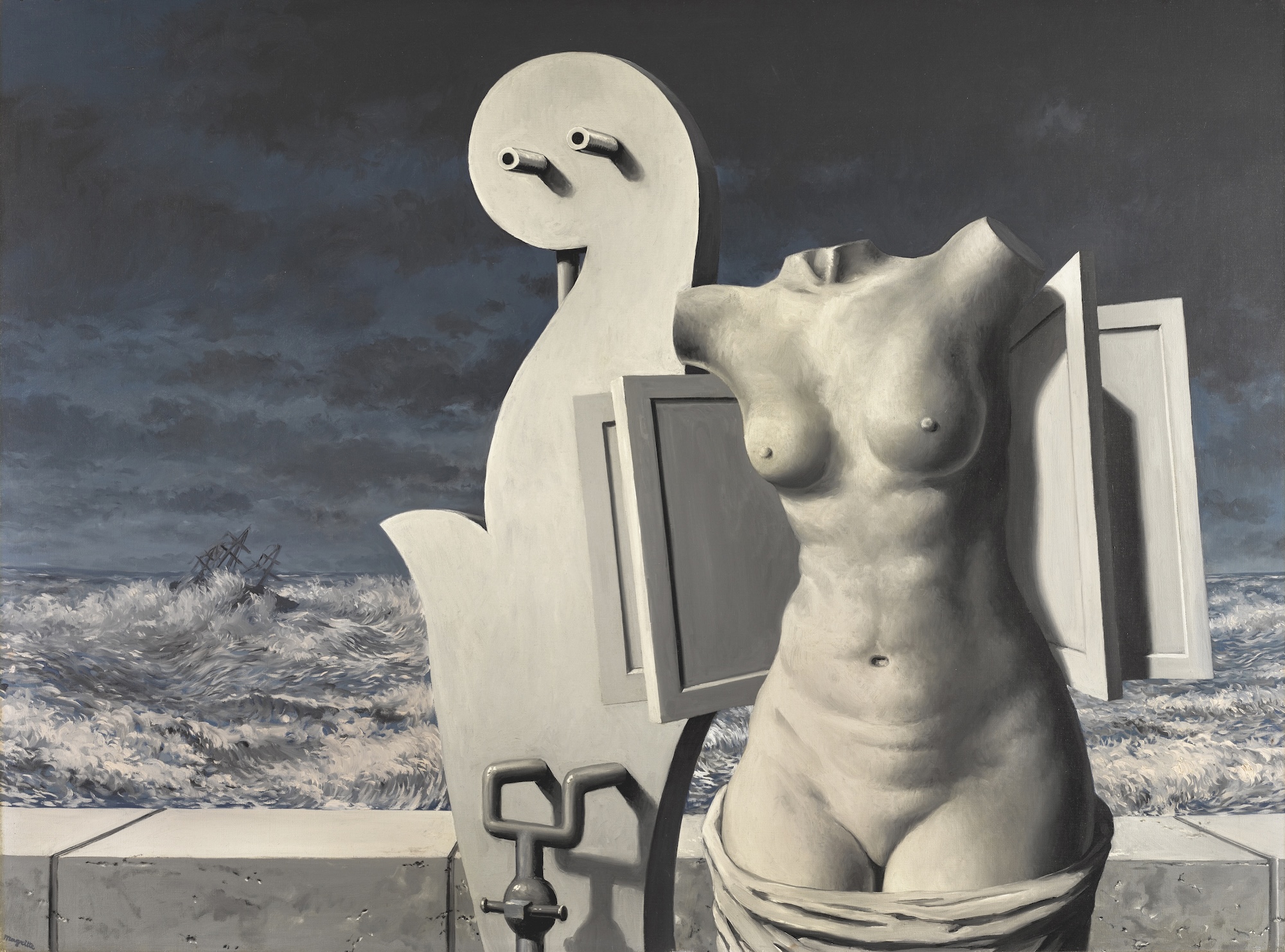
La Statue volante (estimate: £9-12 million) is one of René Magritte’s most enigmatic paintings from the pivotal final decade of his career. Revisiting a theme first explored in 1927—the dawn of the artist’s engagement with the Surrealist movement—the work offers a fascinating insight into the evolution of his thought. Magritte hones in on two central elements: the iconic Venus de Milo sculpture and a carved architectural moulding, both dramatically enlarged and cropped, and set against a turbulent seascape (a reference to marine painter Vartan Makhokhian, a postcard of whose Sea View painting Magritte kept in his studio). La Statue volante also evokes a key metaphysical work by Giorgio de Chirico, La Chant d’amour, which had a profound impact on Magritte after he first saw it around 1923-24—leading him to “question everything that had concerned him until then.”
The painting was first acquired directly from the artist by Iolas, who represented Magritte throughout
his lifetime. Prior to entering Pauline’s collection in 1985, it featured in two exhibitions that were instrumental to Magritte’s international success: at Iolas’s New York gallery in 1959 and as part of
Magritte’s first-ever museum retrospective in the US, at the Dallas Museum of Art, in 1960.
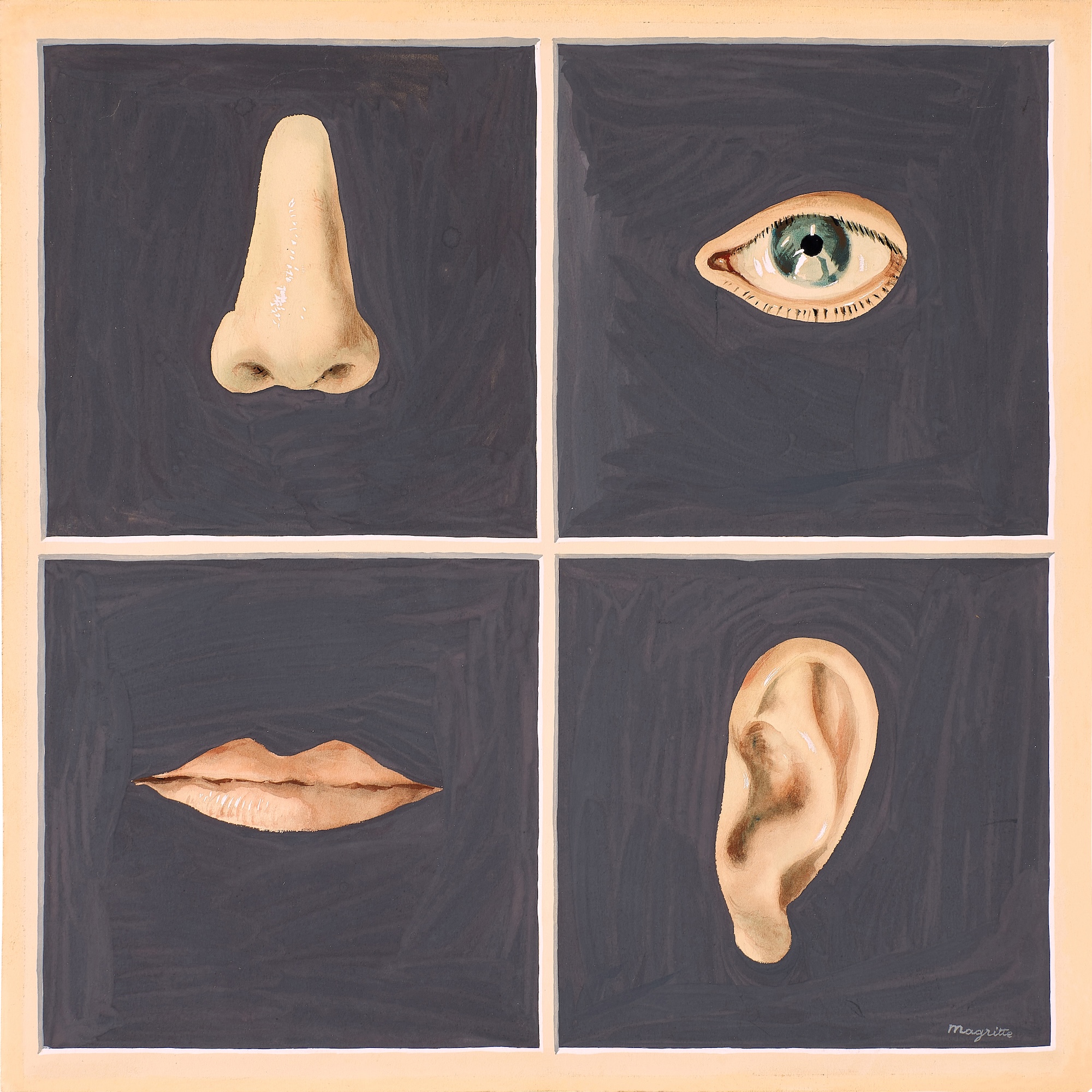
A further ten works by Magritte will be offered, including La Race blanche (estimate: £1-1.5 million), in which Magritte explores one of Surrealism’s most enduring fascinations: the fragmented human body.
In this striking gouache on paper, Magritte depicts an eye, ear, nose and lips, each isolated within its own compartment. Magritte’s vision of the human visage is contemplative—transforming facial features into
sculptural forms. Boasting exceptional provenance, La Race blanche was formerly in the collections of E.L.T. Mesens, the Belgian poet and Surrealist impresario who championed Magritte’s work in Britain, and
Dmitri Mitrinovi?, the philosopher and cultural critic whose circle spanned Europe’s avant-garde.
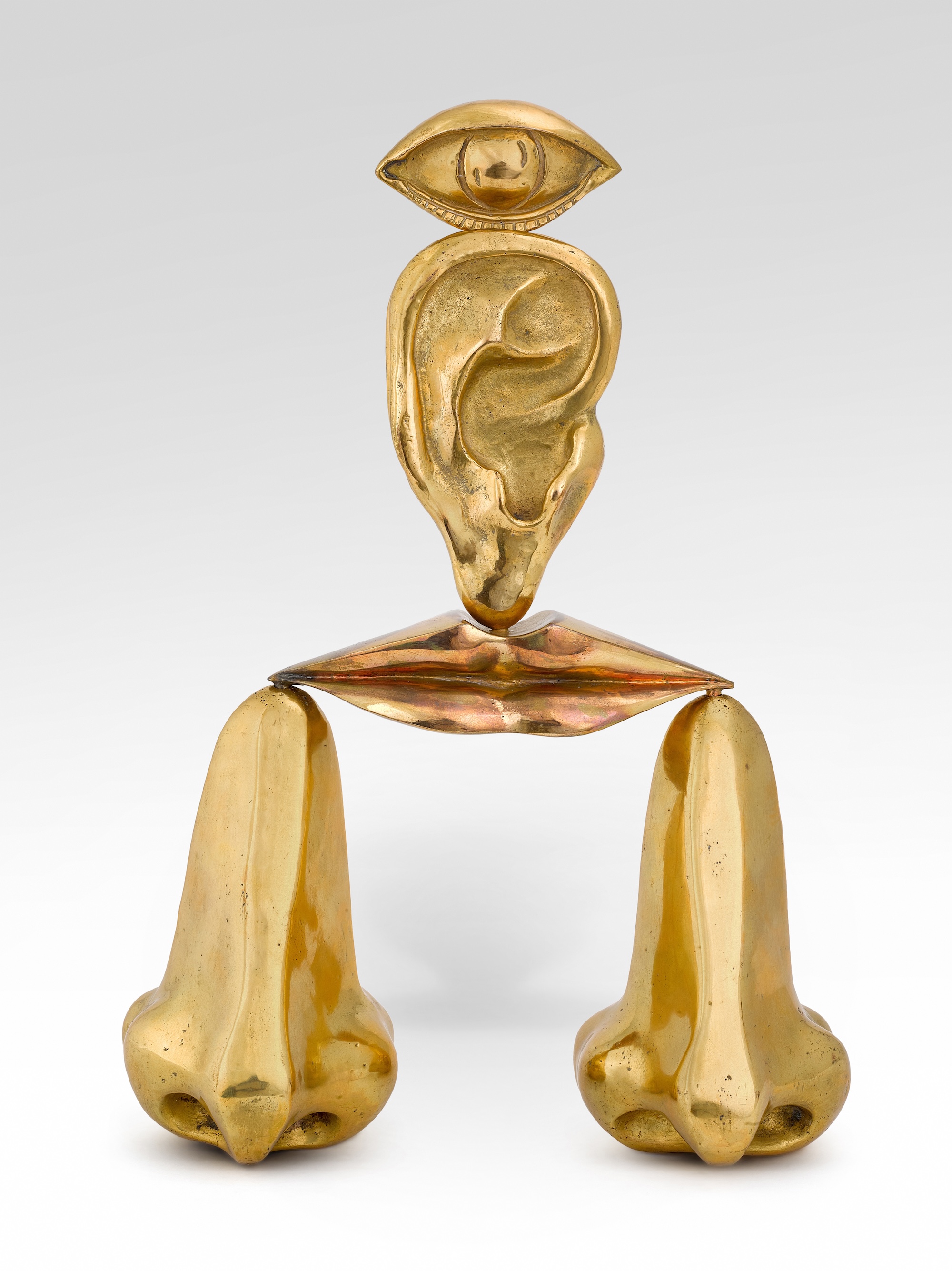
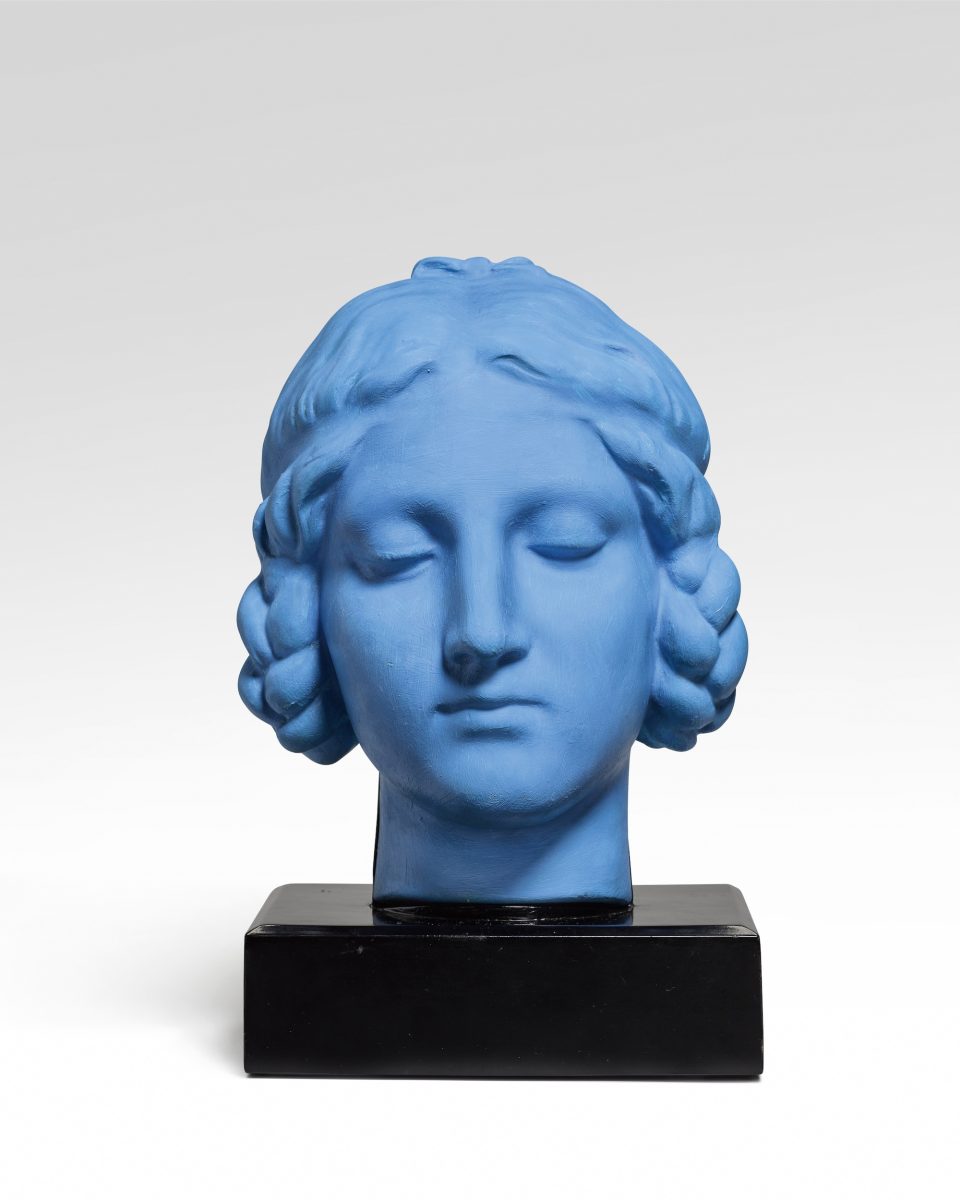
This composition marked the beginning of Magritte’s exploration of fragmented anatomies across different formats, including a polished bronze sculpture (estimate: £250,000-350,000), which will also be offered in the sale. Also nestled within Pauline’s eclectic bookshelf lived Tête (estimate: £300,000-500,000), a vibrant blue head, which she acquired from Sotheby’s London in 1987—as part of the Magritte studio sale of pieces from the artist’s widow’s estate.
They will be joined in the Evening Auction by Les Menottes de Cuivre (estimate: £300,000-500,000), a reproduction of the Venus de Milo, which was likely created for inclusion in the seminal “Surrealist Exhibition of Objects” held in 1936.
Magritte spoke of the sculpture in a letter to André Breton:
“The object is reminiscent of the masks on which I used to paint the sky, or a forest. Here, the head is white, the body is flesh coloured, the drapery is blue, the base and the arms and the feet sections are black. In my opinion this gives the Venus new and unexpected life.”
Andy Warhol
An artist that played a central role in Pauline’s journey, and who became a close personal friend, was none other than Andy Warhol. Their first encounter came courtesy of Iolas in 1978, who took Pauline and Dinos to meet Warhol in New York, to ask him to do their portrait. However, it was Pauline and Warhol’s mutual love of the ostentatious jewellery designs of Belperron and JAR that cemented their bond.
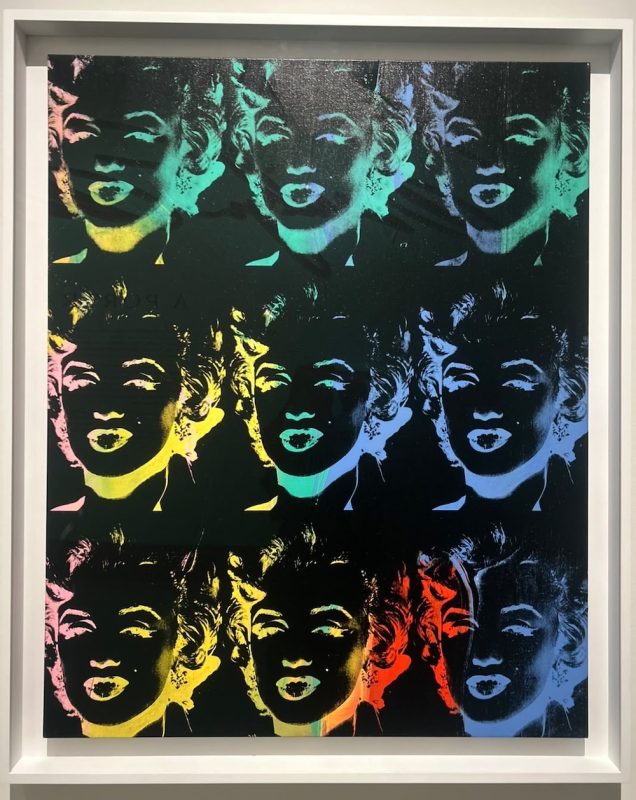
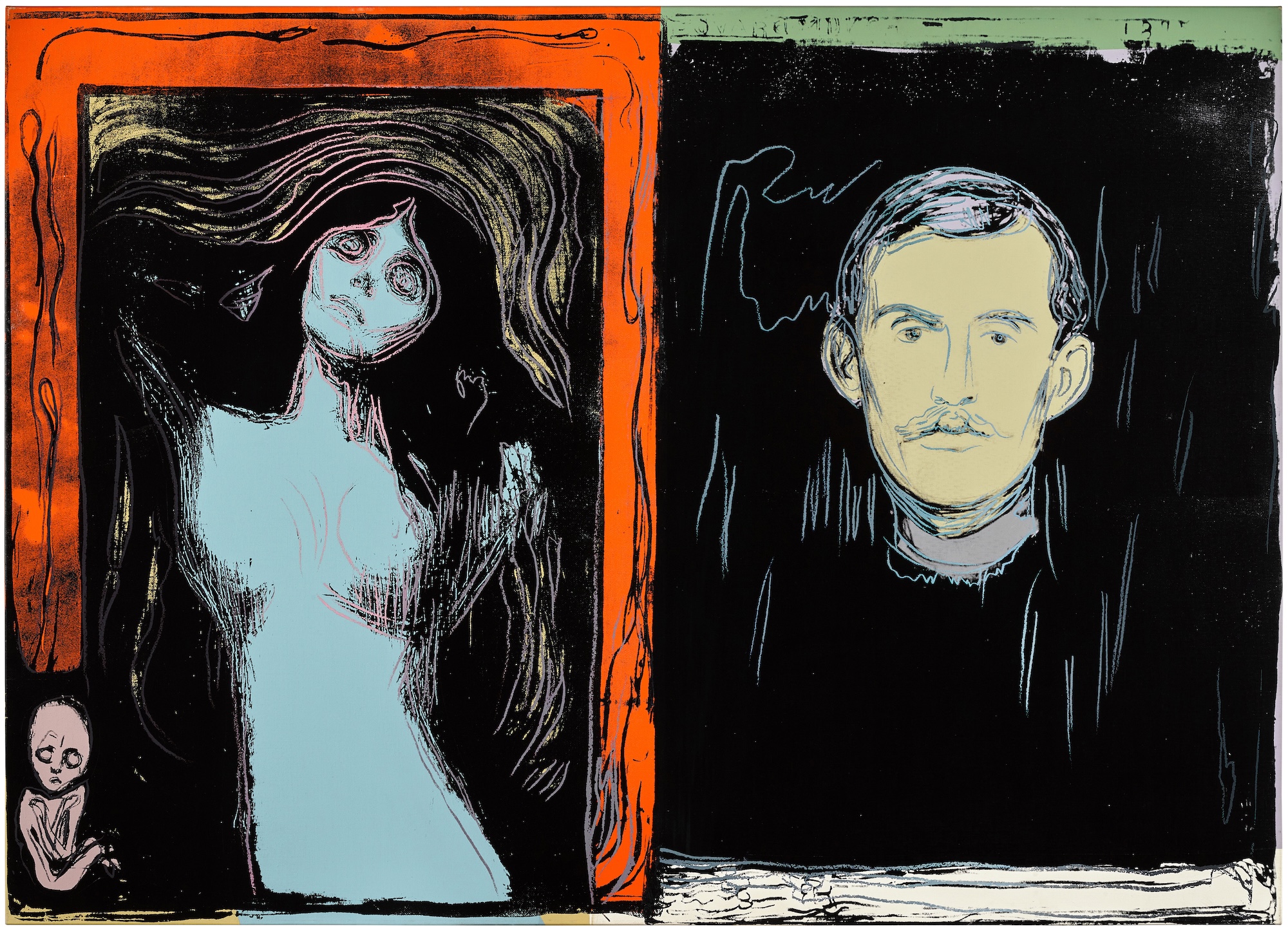
The auction offers four major paintings by the artist. Among the top lots are two works inspired by Edvard Munch, his favourite artist alongside Henri Matisse: Madonna and Self-Portrait with Skeleton’s Arm (After Munch) (estimate: £1.5-2 million) and The Scream (After Munch) (estimate: £2-3 million). These paintings hail from Warhol’s Art from Art series, where he transformed some of art history’s most recognisable and iconic images to become unmistakably his own through his signature Pop aesthetic—from Botticelli’s Birth of Venus to Leonardo da Vinci’s The Last Supper.
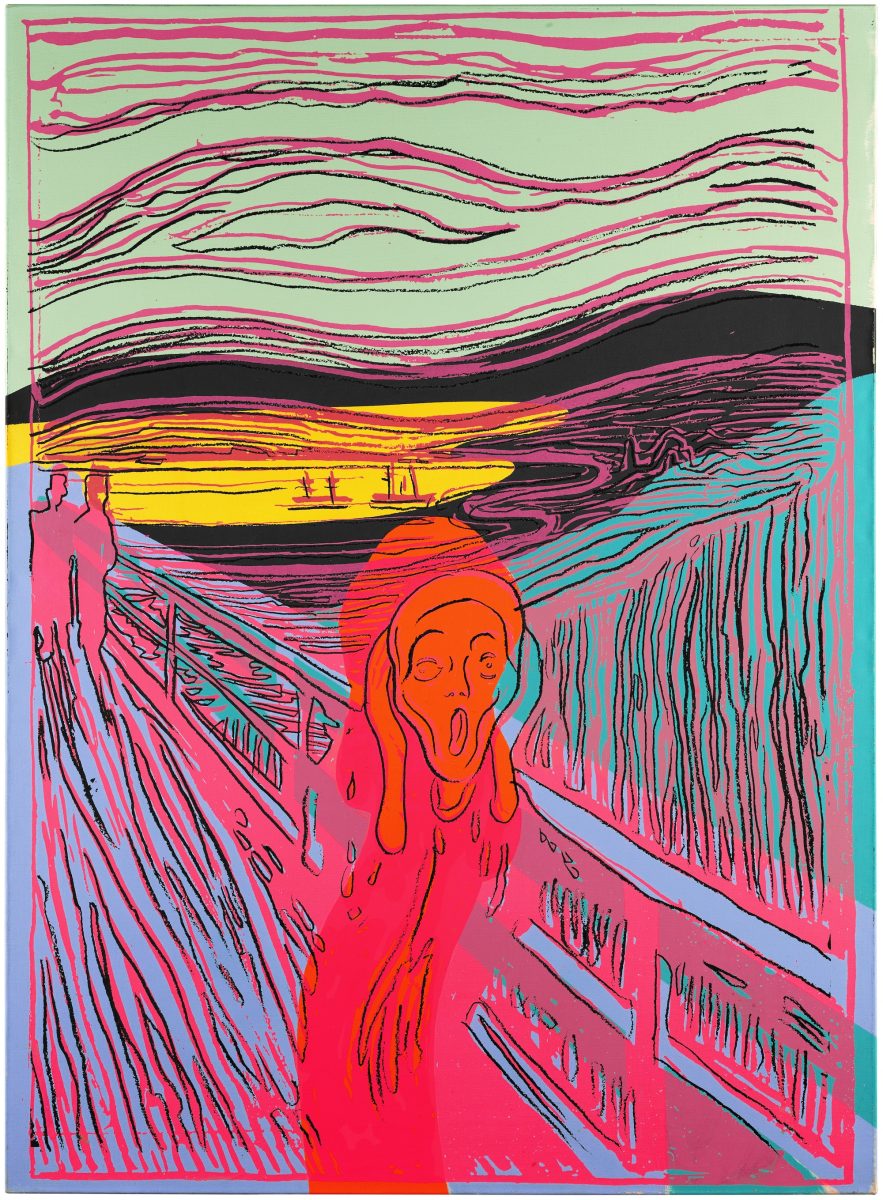
In 1982, Warhol became captivated by Munch, having visited an exhibition of 126 paintings and prints at Galleri Bellman several times. The following year, the gallery’s owners commissioned Warhol to produce a series of fifteen paintings inspired by what he had seen. Madonna and Self-Portrait with Skeleton is one of only five known examples from this series to feature the enigmatic pairing of Munch’s paintings. Here, Munch’s haunting Madonna becomes an emblem of powerful femininity akin to Warhol’s Marilyns and Jackies. The Scream is also one of only five canvas versions created, and this example is distinguished by its incredibly vibrant and fluorescent palette.
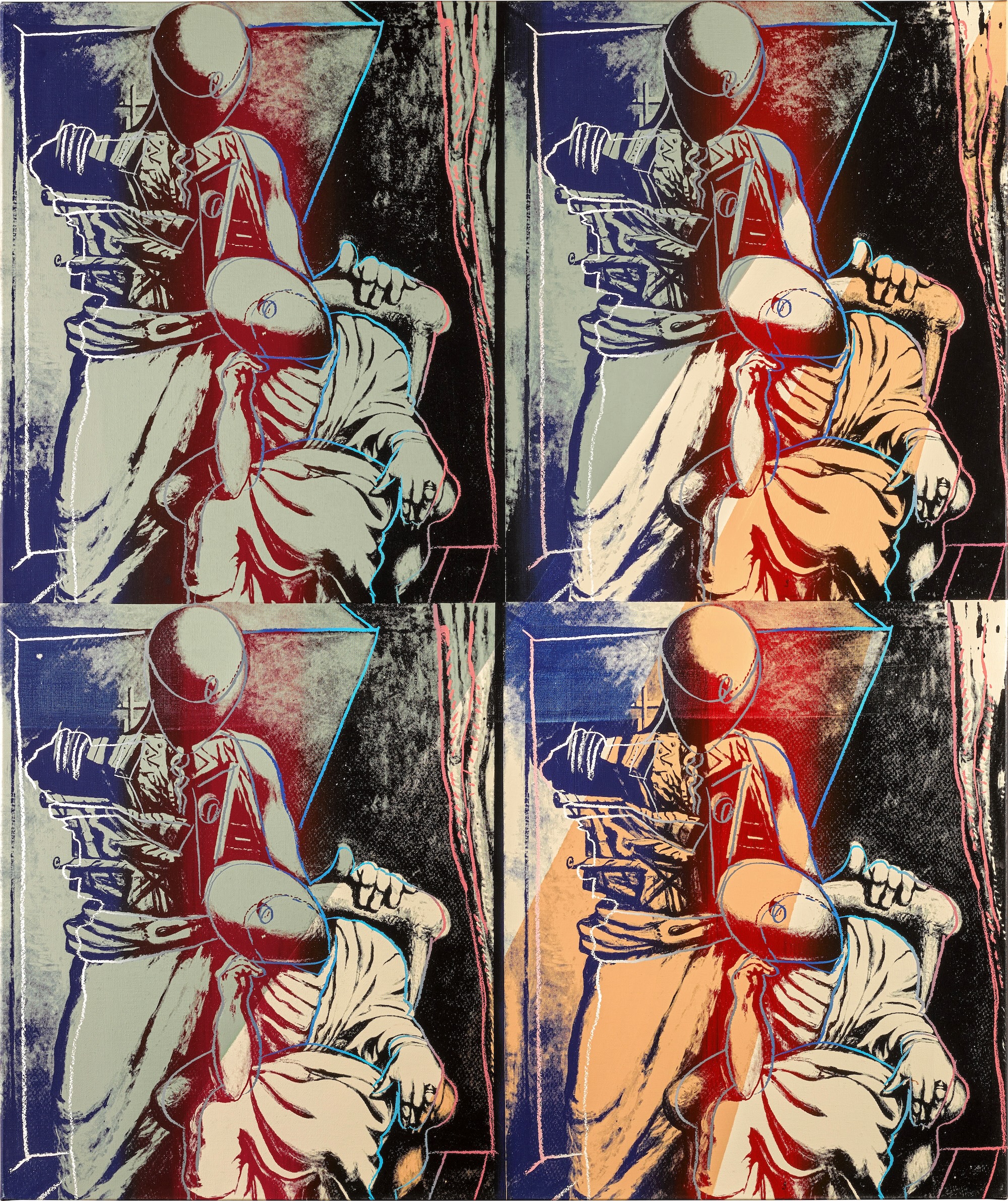
Another example of Warhol taking inspiration from other artists is The Poet and His Muse (After de Chirico) (estimate: £600,000-800,000): a collision between the king of Pop art and the father of the Surrealist idiom. Warhol and Giorgio de Chirico first met in 1970 before the latter’s retrospective
exhibition at the Museum of Modern Art in 1982, and Warhol found an affinity with the Italian artist’s serialisation and repetition. For De Chirico, it was his metaphysical vision—classical allusions, mannequins, trains and empty cityscapes—or Warhol, it was his nostalgic mythologising of signs, symbols and celebrities. Here, Warhol transforms one of De Chirico’s most recognisable works into a
mosaic of four repeated images. The original image from 1925 depicts robed and faceless mannequins, with a poet standing and a muse sitting in an empty space. Warhol’s tight cropping of the image accentuates the claustrophobia of de Chirico’s dreamlike composition, and his signature screenprinting casts an incandescent vitality across the canvas.
Few figures in twentieth-century art are as steeped in legend as Man Ray, the visionary Surrealist whose photographs defined the avant-garde artistic circle of Paris before the war. Andy Warhol’s Man Ray (estimate: £400,000-600,000) enshrines the artist as a Pop Icon infused with a defiantly eccentric Surrealist mystique. In 1973, Warhol travelled to Paris to meet an eighty-three-year-old Man Ray at his studio—a day that would prove to be huge fun for both artists. Armed with his signature Polaroid,
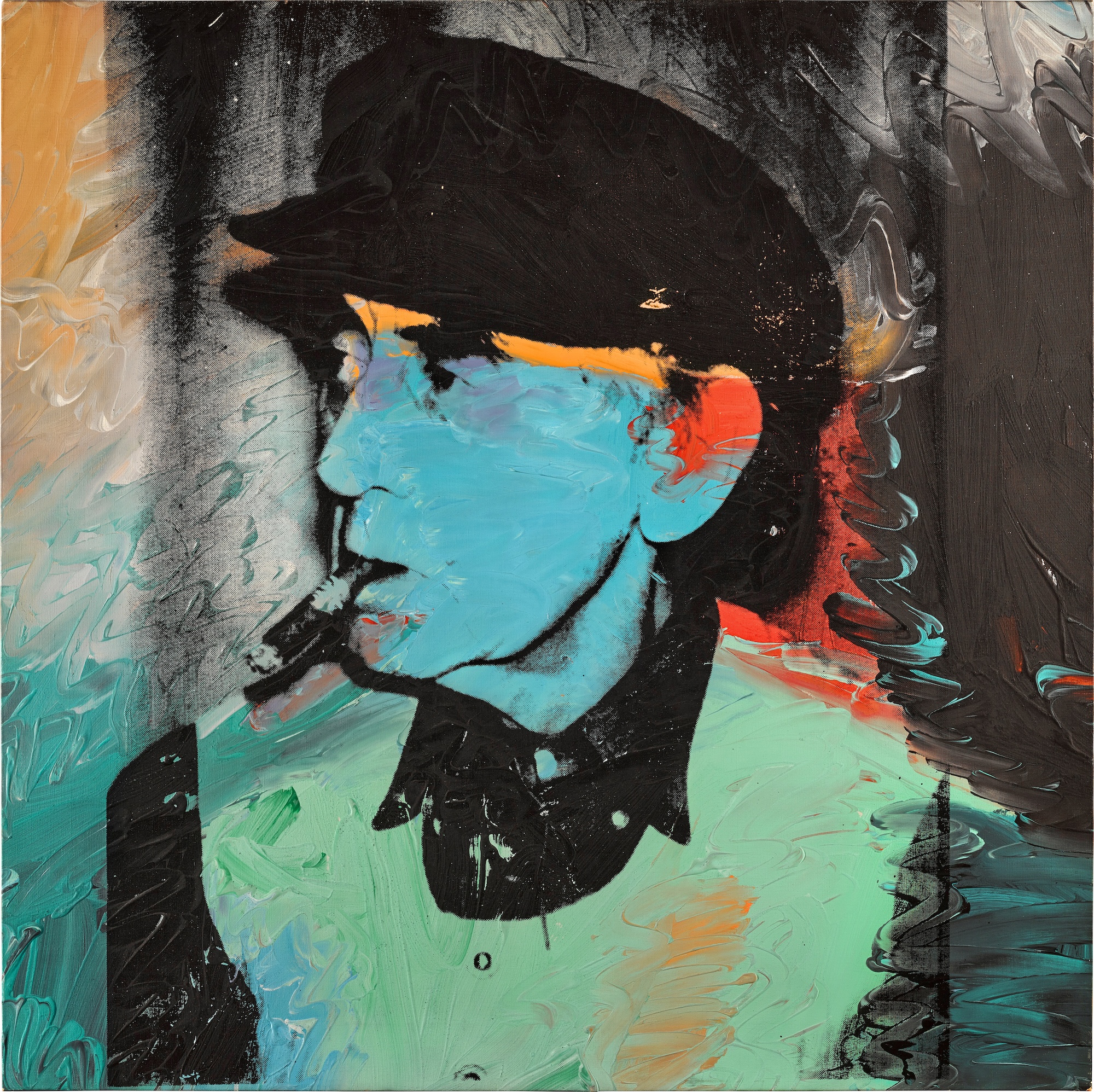
Warhol obsessively photographed Man Ray, capturing him in various guises and moods and with props such as a seaman’s cap and cigar. Warhol had a deep reverence for Man Ray, avidly collecting his photographs, over 25 of which were included in Warhol’s estate sale when he died. He was naturally drawn to the enigmatic societal portraits Man Ray made of the celebrities and socialites such as Pablo Picasso, Dora Maar and Kiki de Montparnasse. This painterly image is a souvenir of a meeting of two artistic greats whose legacies shaped the course of Modern art in the twentieth century.
Jeff Koons
Pauline first met Jeff Koons in the 1980s, when he was among the shining lights ascending in the New York art scene, his beguiling and provocative works taking on the mantle that the Surrealist artists had left. At once endearing and uncanny, Poodle (estimate: £1-1.5 million) lived for many years in Pauline’s
entrance way, gracefully tucked under a Lalanne console, greeting visitors with its stately Sphinx-like
pose and intricate curls. The surreal life-size work— which boasts lavish craftsmanship conjuring the grand tradition of Baroque sculpture—encapsulates Koons’ ongoing challenge to conventional notions of image, taste and consumerism in twentieth-century America.
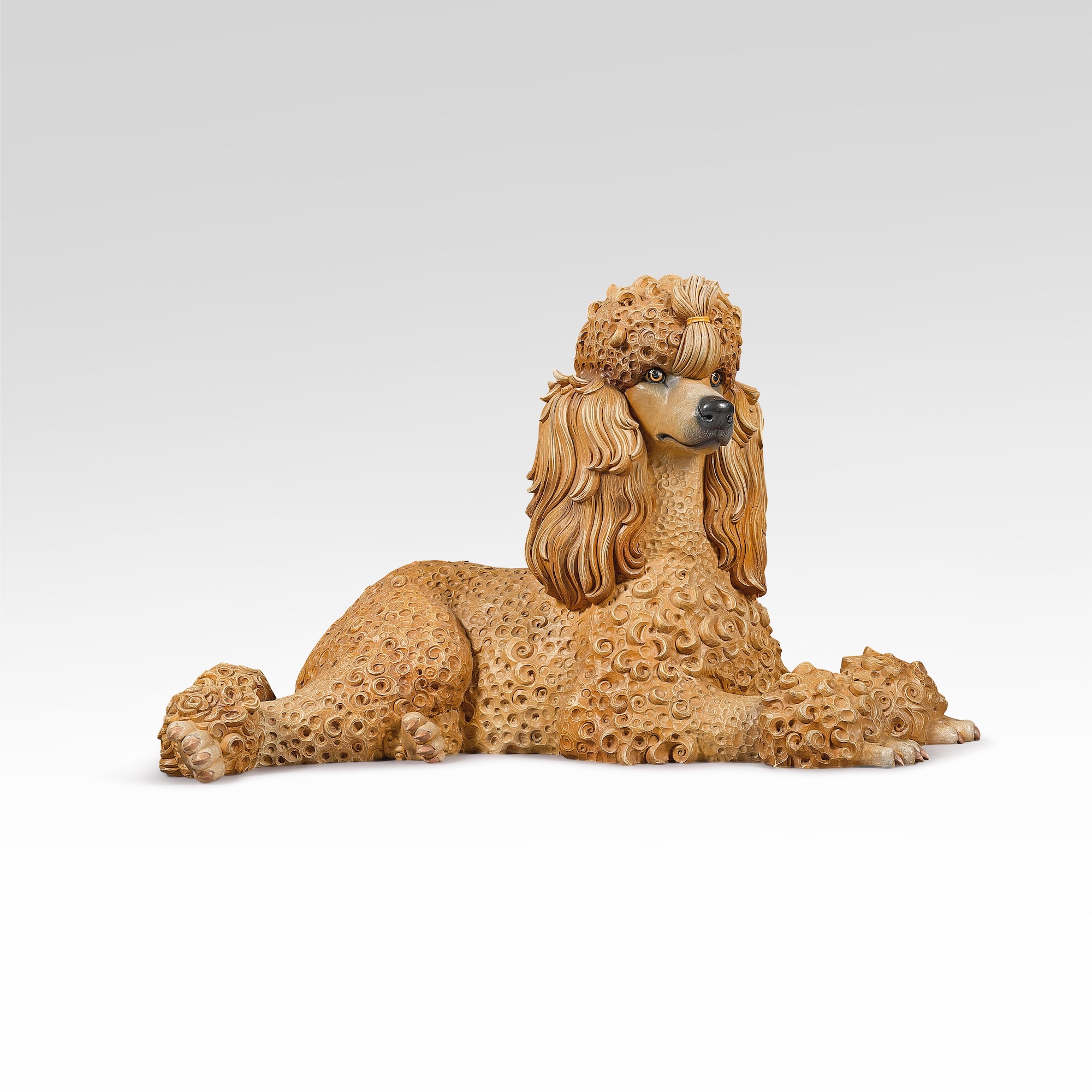
Once a utilitarian breed of working dogs, poodles became the companion of choice to royalty and nobility in France, declared the ‘national dog’ by Louis XVI, and so they have been steeped with associations of elegance, frivolity and decadence for centuries. By the time Koons created Poodle, the breed had become a visual shorthand for a particular kind of the urban upper-class—an accessory of Park Avenue refinement. The sculpture, then, operates as a double signifier: both dog and artwork serve as emblems of cultural capital that signal success, gentility, and class.
This work has been included in many of the artist’s most important exhibitions, from the Stedelijk Museum in 1992 to the Whitney Museum of American Art in 2014, and editions reside in the permanent
collections of both the Whitney and the Berardo Collection in Lisbon. The auction also offers French Coach Couple (estimate: £500,000- 700,000), one of the first examples in Koons’ practice to directly
question the concept of ‘high art’ whilst exploring class hierarchies and cultural capital.
The auctions will take place on 17th, 18th and 19th September, across an Evening and a Day sale, as well as an accompanying online sale. These will be preceded by a public exhibition, opening on 8th September, that will transport visitors into the magical realm of Pauline’s London home, via a journey through the history of Surrealism, a language of art that remains highly pervasive in contemporary culture. The thoroughly immersive exhibition will be brought to life by the same designer who conceived the blockbuster Freddie Mercury exhibition in 2023, which attracted an all-time record of over 140,000 visitors from around the world in just four weeks.
View the full catalogue online at: sothebys.com/Karpidas
PAULINE KARPIDAS: THE LONDON COLLECTION, Sothebys New Bond Street
Exhibition: 8th–17th September, opening times may vary
EVvening Auction: 17th September, 6pm BST
Day Auction: 18th September, 12 noon BST
Online Auction: 8th–19th September, with bidding closing from 12 noon BST
To celebrate the collection, Sotheby’s will publish a collection book, Pauline Karpidas: The London Collection, which will be available to purchase for a limited time only at Sotheby’s New Bond Street and Hatchards.com. £60.