The Stephen A. Schwarzman Centre for the Humanities opens to the public this weekend, marking one of the most significant cultural developments in the University of Oxford’s recent history — and a major new destination for contemporary art, performance and interdisciplinary research in the UK.
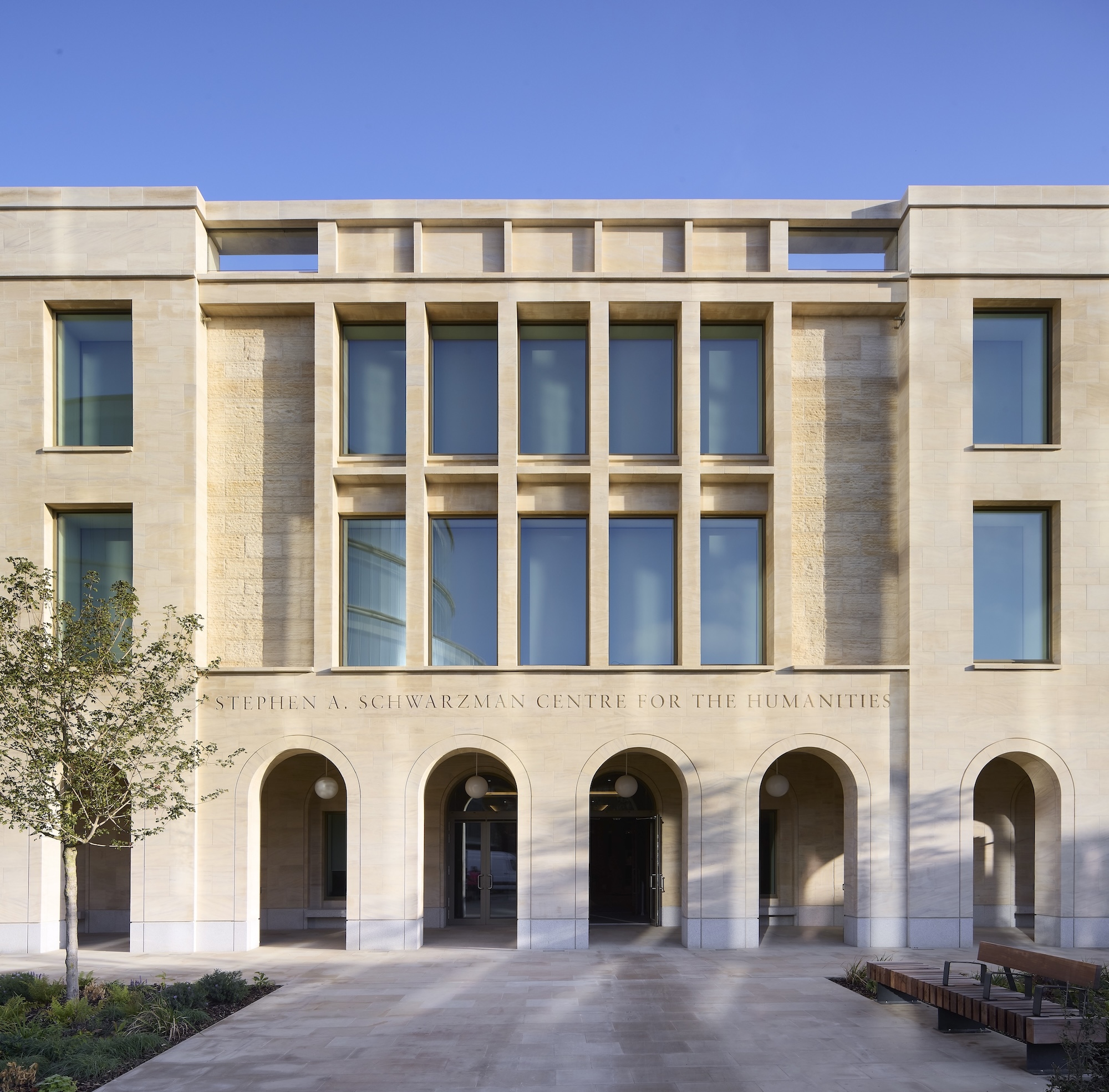
Designed by Hopkins Architects and funded by the largest single philanthropic gift in the university’s modern era, the new centre brings together seven humanities faculties, performance spaces and public-facing cultural programming within a single, purpose-built building. Opening on 25th April 2026, it launches with a free, day-long Open House festival that signals both its ambition and accessibility.
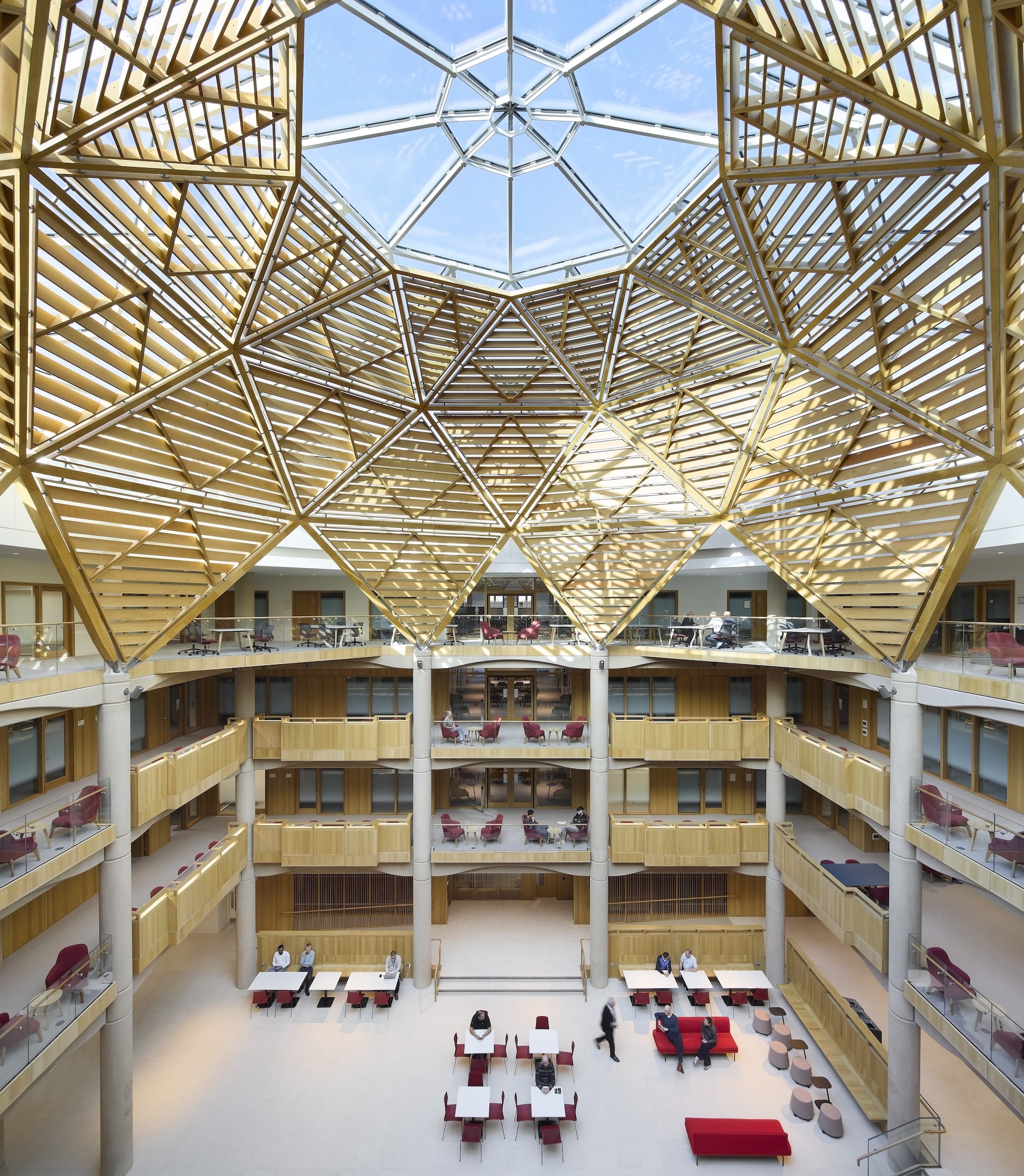
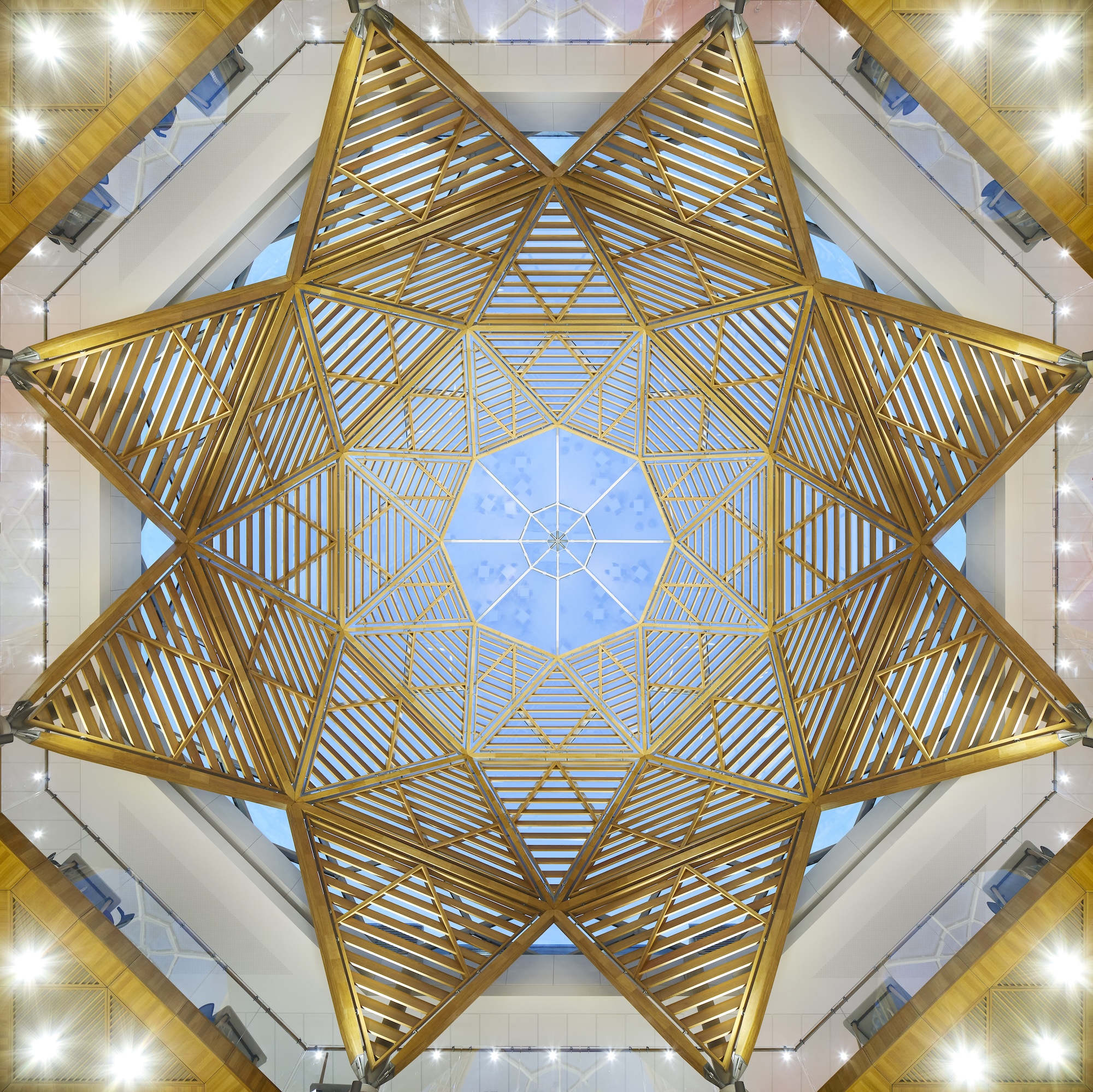
The building itself is as much a statement as the programme it houses. Positioned as a new architectural landmark for Oxford, it is also the largest Passivhaus-certified university building in Europe, combining environmental sustainability with large-scale cultural infrastructure. Within it sits the world’s first Passivhaus concert hall — the 500-seat Sohmen Concert Hall — alongside a 250-seat theatre, a black box performance space, exhibition galleries, a cinema, a dance studio and the Great Hall, which will also house the Bate Collection of musical instruments.
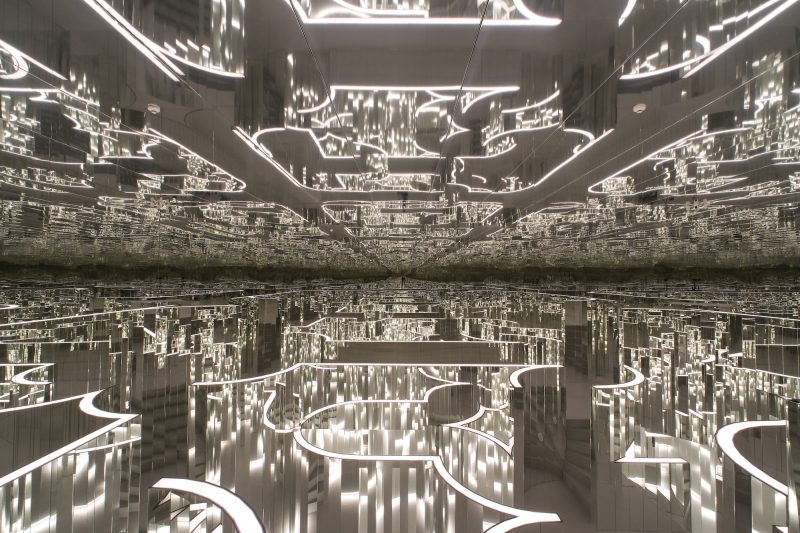
The opening programme unfolds across these spaces, blending performance, installation and live encounter. At its centre is the world premiere of 360 Vessels, a new choral installation by Es Devlin and Nico Muhly, performed beneath the glass dome of the Great Hall by Schola Cantorum. The work brings together sound, architecture and movement in a fully immersive environment — setting the tone for a programme built around collaboration and experimentation.
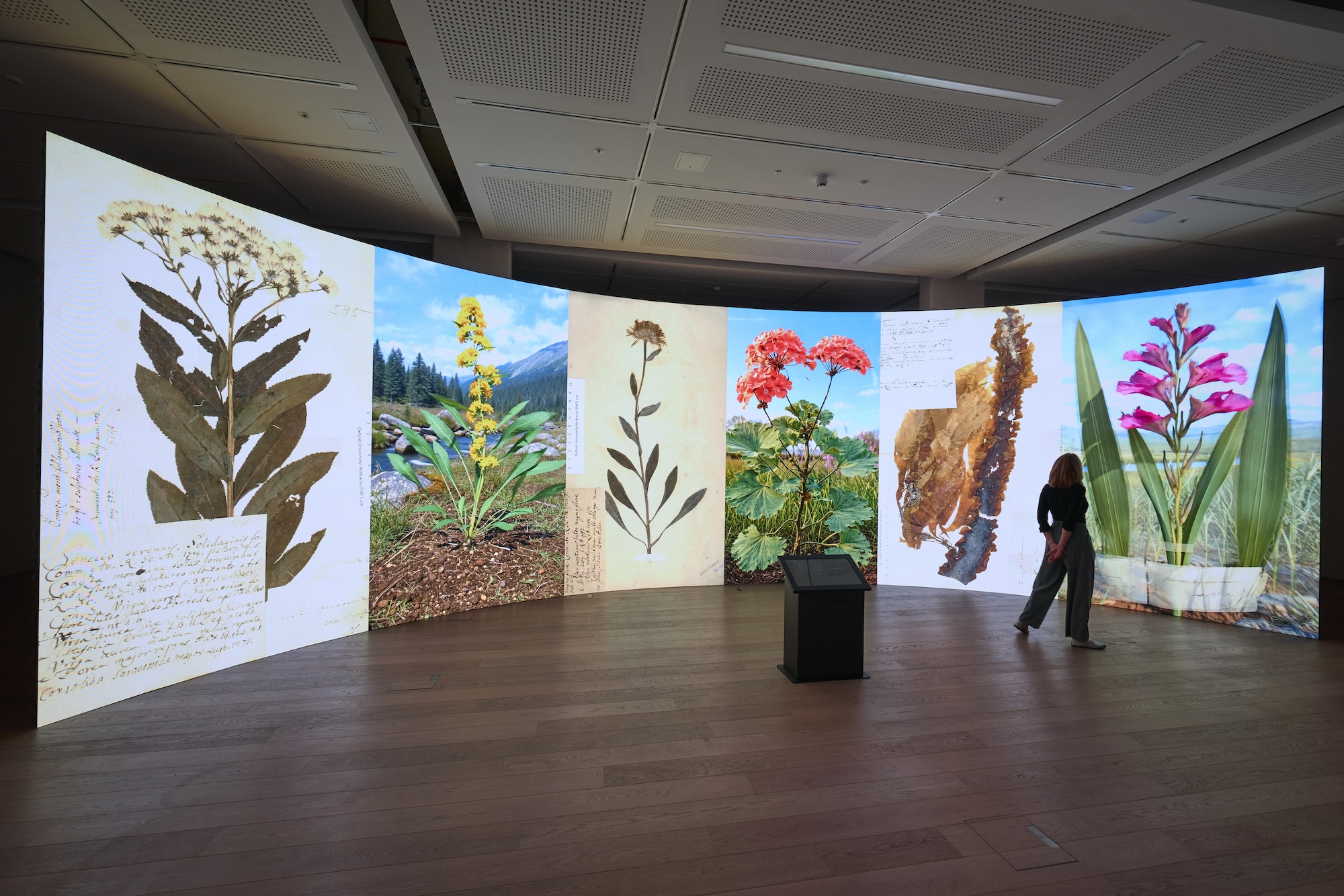
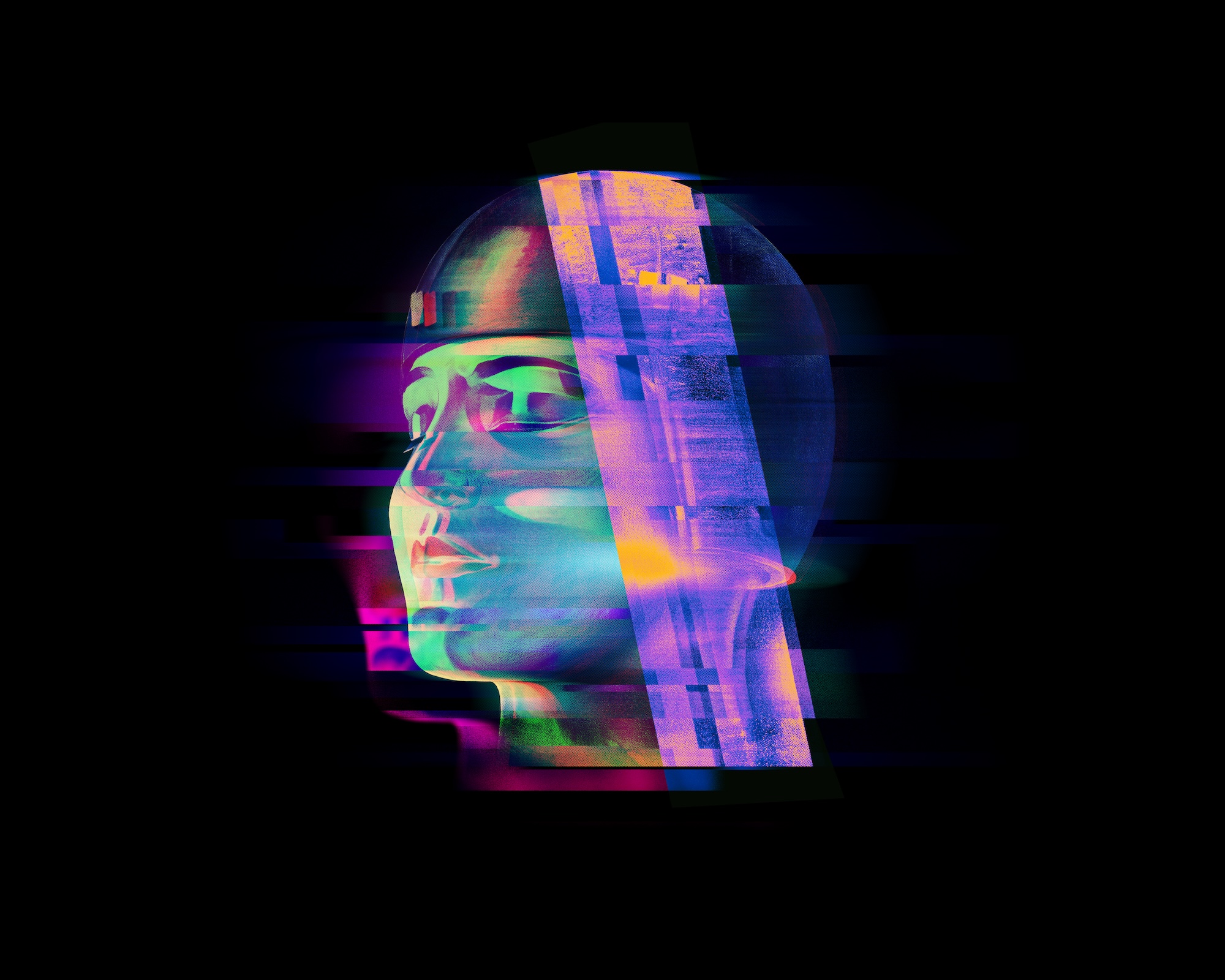
Elsewhere, new digital works by Refik Anadol and Anna Ridler explore the evolving relationship between art and artificial intelligence, while the Scottish Ensemble inaugurates the Sohmen Concert Hall. In the theatre, ZooNation presents an excerpt from The Mad Hatter’s Tea Party, bringing a different kind of energy into the newly opened performance space.
Throughout the day, the building activates in multiple directions: spoken word curated by Yomi ?ode, pop-up performances across the Great Hall, and appearances from companies including Head over Wheels, Justice in Motion, Body Politic YOUTH and The Cocoa Butter Club. A specially commissioned sketch by Richard Curtis — performed by Tim McInnerny — adds a reflective note, asking what role the humanities play in contemporary life.
Alexandra Vincent, Managing Director of the Schwarzman Centre, describes the opening as both a beginning and an invitation:
“We are thrilled to welcome audiences into the Schwarzman Centre to experience the building alongside students and academics of the University. Our incredible performance spaces will create a stage like no other to present our rich and varied cultural programme, drawing inspiration from the work of our world-leading academics, and welcoming audiences of all ages and backgrounds to the Centre throughout the year.”
That emphasis on openness carries through into the wider programme. Directed by John Fulljames, the Schwarzman Centre’s 2026 season moves fluidly across disciplines — from music and theatre to literature, visual art and public debate — bringing together a global roster of artists and thinkers.
Audiences can expect appearances from Cynthia Erivo, Nitin Sawhney, Brian Eno, Kae Tempest, Edmund de Waal and Lil Buck, among many others — alongside new commissions, performances and conversations that reflect on the role of culture in shaping contemporary life.
John Fulljames explains the thinking behind the programme:
“I’m delighted to see audiences engaging with such a breadth of work by internationally renowned artists. At the Schwarzman Centre, we bring together researchers, artists, and public communities to spark new collaborations that open up and deepen the University’s research, and help us explore what it means to be human today.”
A key structural element is the Schwarzman Centre Cultural Fellows programme — a cross-disciplinary group of artists working in collaboration with Oxford academics. The inaugural cohort includes figures such as Refik Anadol, Es Devlin, Hans Ulrich Obrist and Marshmallow Laser Feast, alongside musicians, choreographers and writers, all contributing to an evolving programme of new work.
Two major themed seasons anchor the year. Unfinished Revolutions (May–June) examines the legacy of the 1776 US Declaration of Independence through performance and discussion, while Utopia Now! (October–November) looks forward — exploring speculative futures through projects led by artists, including Brian Eno and writers such as Kim Stanley Robinson.
For Lord Hague, the opening arrives at a moment of particular urgency:
“This extraordinary investment by Stephen A. Schwarzman represents an enormous vote of confidence in the humanities. The launch of the Schwarzman Centre comes at a time when the perspectives of humanities experts have never been more important in confronting the big challenges facing the world, including AI, human rights and the environment. The benefits… will be felt for generations to come.”
That sense of long-term impact is echoed by Stephen A. Schwarzman himself, whose funding made the project possible:
“I’m deeply proud to see students and faculty from across disciplines bring this incredible Centre to life. Its impact will further grow with the launch of the cultural programme… The pace of change since then has only made those questions more urgent and reinforced the importance of Oxford’s global leadership in navigating today’s dynamic world.”
Beyond its public-facing programme, the Schwarzman Centre is also a working academic hub, bringing together departments spanning music, literature, history, philosophy and languages, alongside the Institute for Ethics in AI and the Oxford Internet Institute. The result is a space where research, performance and public engagement operate side by side.
What emerges is less a traditional arts venue and more a hybrid model — part university building, part cultural institution — designed to reflect the increasingly interconnected nature of knowledge, creativity and public life. With its opening weekend, the Schwarzman Centre sets out its position clearly: not just as a new building, but as a platform for exchange, experimentation and the ongoing question of what the humanities can be.
MORE: schwarzmancentre.ox.ac.uk
LISTINGS INFORMATION: OPEN HOUSE LAUNCH
SATURDAY 25th APRIL 2026– Open House Launch: 25th April 2026
This free-entry celebration brings the Schwarzman Centre to life with pop-up performances and events, from chamber choir Schola Cantorum with Nico Muhly and Es Devlin, poetry and spoken word from Alice Oswald and Yomi ?ode, and more, taking place across the building.
Scottish Ensemble: Rising Sound with The Choir of Keble College, Oxford 25th April 2026: 11am, 12.30pm, 2pm Sohmen Concert Hall Free, ticket required
The Scottish Ensemble perform music for strings from memory, including an excerpt from Tchaikovsky’s much-loved Serenade for Strings. The Choir of Keble College join Scottish Ensemble for Caroline Shaw’s And the swallow which explores antiphonal textures and imitative effects. From moments of despair to euphoria, this music embraces the full spectrum of human emotions.
ZooNation: The Mad Hatter’s Tea Party, 25th April 2026: 11.30am, 1.15pm, 4pm, 5.45pm Theatre, Free, ticket required
Step into the enchanting world of ZooNation’s The Mad Hatter’s Tea Party, a high-energy, 20-minute adaptation of the acclaimed production. Highlights of its original, hip-hop inspired numbers include “Wonderland”, “M.A.D”, “Hatter’s House” and “Funk It Up”. This vibrant remix of Alice in Wonderland reimagines Lewis Carroll’s classic with the Queen of Hearts battling anger issues, Alice navigating her ever-changing size, and the Mad Hatter lost in an endless tea-time frenzy. Created by ZooNation’s Founder and Artistic Director, Kate Prince, this family-friendly showcase celebrates individuality through electrifying choreography and original music by Josh Cohen and DJ Walde.
Great Hall Stage 25th April: 12pm Great Hall Schwarzman Centre
Featuring pop up performances throughout the day, the Great Hall Stage is at the heart of Open House. Professor Jieun Kiaer will explore the cultural world behind the story of KPop Demon Hunters, while award-winning poet Yomi ?ode curates a series of live spoken word performances. Throughout the day, Head over Wheels, Justice in Motion, Body Politic YOUTH and The Cocoa Butter Club will perform special extracts, marking a display of culture, creativity and shared experience.
Is there such a thing as ethical AI? 25th April 2026: 4pm, Cinema, Schwarzman Centre
The Institute for Ethics in AI brings together leading voices to explore what ethical AI mean in practice, inviting visitors to engage with one of the most pressing questions shaping technology and society. The panel includes Kenneth Cukier (Deputy Executive Editor, The Economist), Ray Eitel-Porter (Senior Research Associate for Responsible AI, Intellectual Forum, University of Cambridge), Edward Harcourt (Director (Interim), Institute for Ethics in AI, University of Oxford), Philipp Koralus (McCord Professor of Philosophy and AI, Institute for Ethics in AI, University of Oxford), Amanda Stent (Head of AI Strategy and Research, Bloomberg).
Scottish Ensemble: Impulse, Music in Motion, 25th April 2026: 5pm, Sohmen Concert Hall, Free, ticket required
The Scottish Ensemble perform music for strings from memory, Tchaikovsky’s much-loved Serenade for Strings and Shostakovich’s Chamber Symphony, in a unique, personal, and deeply human performance. Playing from memory, the musicians are unleashed through choreographed movements, devised in collaboration with choreographer Örjan Andersson. The emotional power of the music and the expressive gestures of the musicians will create an exhilarating experience that will make you see and hear these two iconic works afresh.
Es Devlin in Conversation, 25th April 2026: 7.15pm, Sohmen Concert Hall, Free, ticket required
As part of 360 Vessels – A Choral Installation, artist Es Devlin convened a day-long studio encounter with leaders across technology, academia, media, culture and policy. In this conversation Es Devlin reflects on the ideas and provocations that emerged from working hands-on with earth and clay, exploring the ethical and creative questions of what remains uniquely human in the act of creation amidst the rise of artificial intelligence.
Es Devlin and Nico Muhly with Schola Cantorum: 360 Vessels – A Choral Installation, 25th April 2026: 8.30pm, Great Hall Free, Ticket Required
Artist Es Devlin, who is a Bloomberg-Oxford Fellow, and composer Nico Muhly join forces for 360 Vessels, a new choral installation created for the Schwarzman Centre’s launch day. Beneath the Great Hall’s glass dome, 360 hand-made clay vessels will form a circular landscape amidst the audience as Schola Cantorum, the Oxford University Chamber Choir, conducted by Stephen Grahl, perform a specially commissioned choral work by American composer Nico Muhly. The texts within Muhly’s choral work are drawn from the Dominican roots on which the study of humanities at Oxford University is founded, as well as the words of Thomas Traherne, 17th century theologian and poet who graduated from Brasenose College in April 1652. The vessels were shaped in a series of workshops developed by Es Devlin in collaboration with the Institute for Ethics in AI as part of her Bloomberg-Oxford Fellowship.
Anna Ridler: A Perfect Language of Images, 25th April – 25th May 2026, Open daily, Great Hall
For nearly a decade, Anna Ridler has explored the creative and societal possibilities of artificial intelligence, building her own datasets to ask questions about how knowledge is made and shared. For her latest commission, Ridler draws on cutting-edge scientific research happening at Oxford to create a new screen-based work for the Great Hall, continuing her exploration of natural history, science, and society. An Oxford University alumna, her work has been shown at major institutions worldwide, from the V&A to the Centre Pompidou, and she has been recognised by Ars Electronica and by Artnet as one of nine “pioneering artists” exploring AI’s creative potential.
Refik Anadol: Archive Dreaming: Large Nature Model — Oxford, 25th April – 6th June 2026, Open daily, White Box
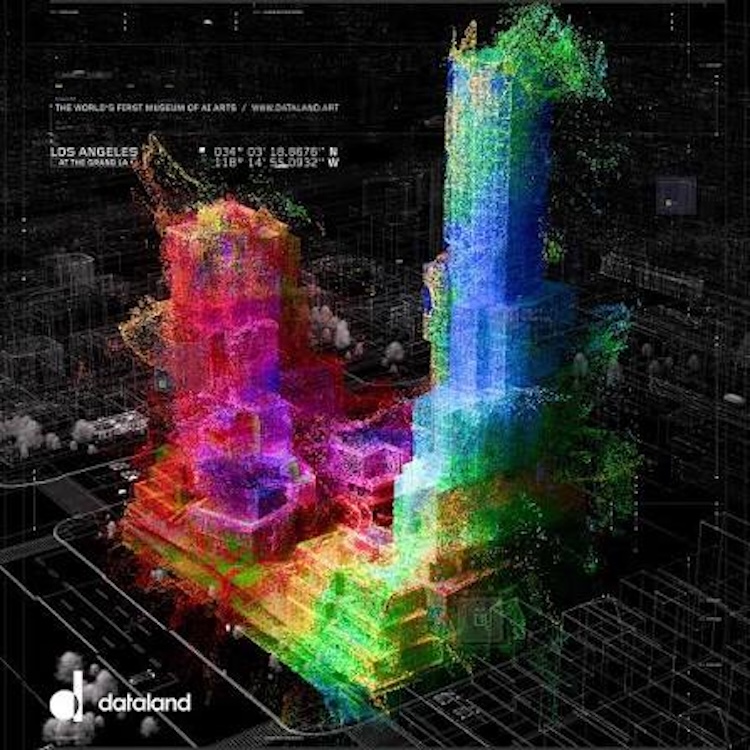
Archive Dreaming: Large Nature Model — Oxford is an immersive fusion of data and machine intelligence. This installation transforms a vast digital archive into a dynamic, dream-like experience, using AI algorithms to reimagine millions of documents in real time. As viewers enter the space, they are surrounded by a flow of visuals, constantly shifting patterns, text, and images that evoke the sensation of walking through a living, thinking mind. The work uses Refik Anadol Studio’s Large Nature Model, the first generative AI model dedicated entirely to nature. It reflects on how archives are no longer static repositories, but living entities that can be explored and visualised through technology. Anadol’s use of machine learning turns raw data into a poetic experience, challenging the boundaries between human memory and artificial intelligence. Refik Anadol is a Schwarzman Centre Cultural Fellow.
Stephen A. Schwarzman Centre for the Humanities, University of Oxford, Radcliffe Observatory Quarter Oxford OX2 6AH @SchwarzmanCentre