In the multilayered ecosystem of contemporary art, Jiayi Yu—an artist born in Shenzhen and currently based in London—has emerged as a sharp and sensitive voice whose work consistently navigates the complex overlaps between body, memory, and moving image. Her solo exhibition Touch Me in China stands not merely as a culmination of early thematic development, but as a crystallized poetic system that resonates far beyond cultural or geographic boundaries. Her language is experimental, her vision is sensorial, and her commitment to the metaphor and politics of touch is both radical and intimate.
From “Do Not Touch” to Echoes of the Tactile
The Touch Me series marks the genesis of Jiayi’s ongoing project. Across its layered cinematic structure—from the introspective “Darkroom” that traces memory through projections, to the open-air “Park” where the body chases intangible affection, and finally to the solitary introspection of “Inner Mind”—she weaves a narrative that meditates on distances: between touch and non-touch, between desire and access. Her reference to “Noli me tangere” is not dogmatic but structural; it is the hinge upon which the emotional rhythm swings.
Touch, for Jiayi, is not described—it is enacted. “Touch floats between the artwork and the viewer,” she writes, “and the distance sharpens the sensation.” In doing so, she choreographs the absence of touch as a presence unto itself.
Scanner as Skin
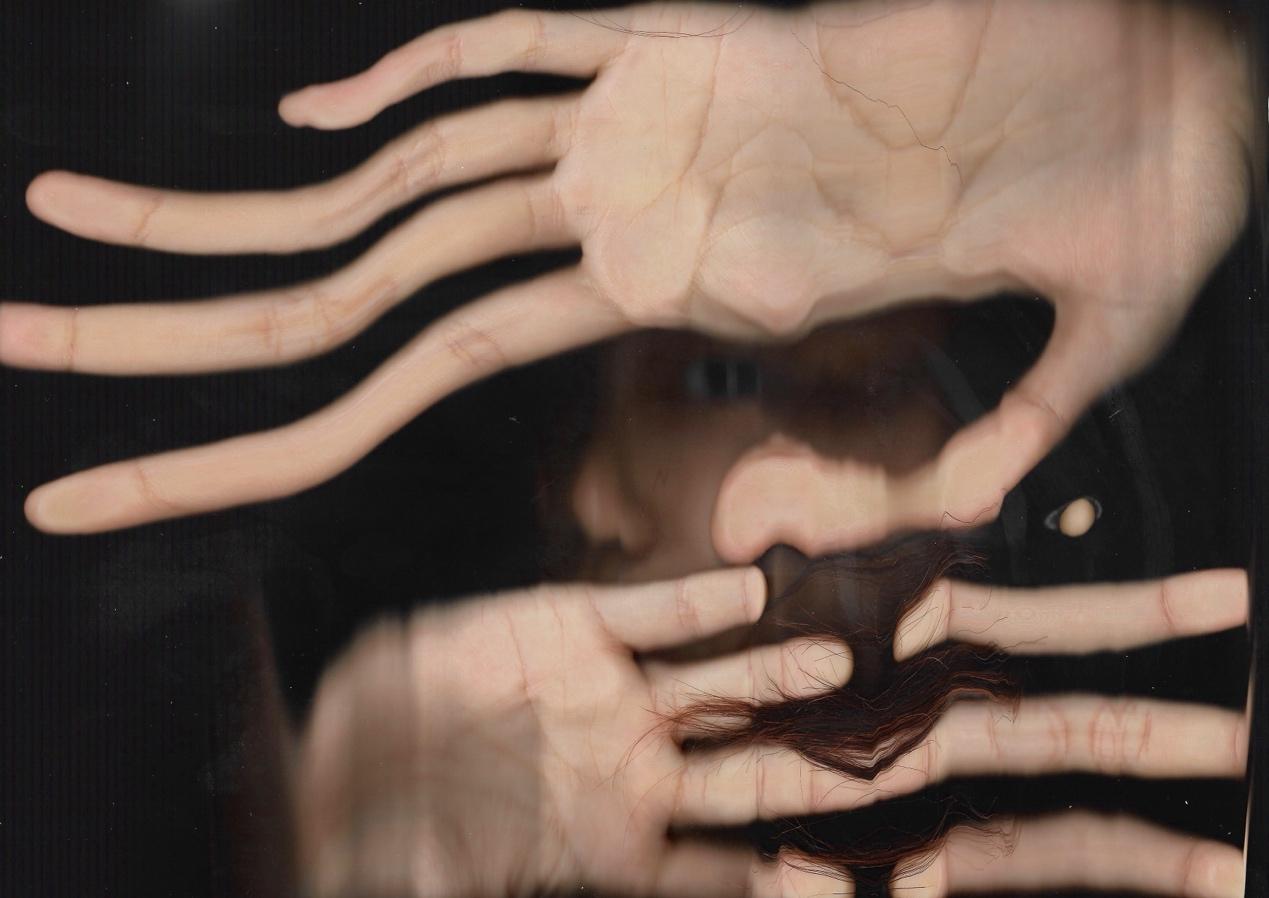
In the Scanning series, Jiayi transforms a technical apparatus into a poetic surface. The scanner, typically understood as a dry tool for replication, is reimagined here as a prosthetic skin. The artist places her face, hands, and emotions against the glass, and the distortions that result are not glitches, but scars—wounds visualized in pixels. This act collapses the boundary between vision and tactility.
She writes, “there is no distance between scanner and object,” and thus what emerges is not imagery but residual intimacy. The work presents a critique of visual supremacy in digital culture, offering instead a flattened, unguarded emotional surface that confronts the viewer. This series has earned her a place in exhibitions like Tactile Presence at Tate Modern, as well as acclaim across European platforms.
Hugs, Imprints, and Emotional Feedback Loops
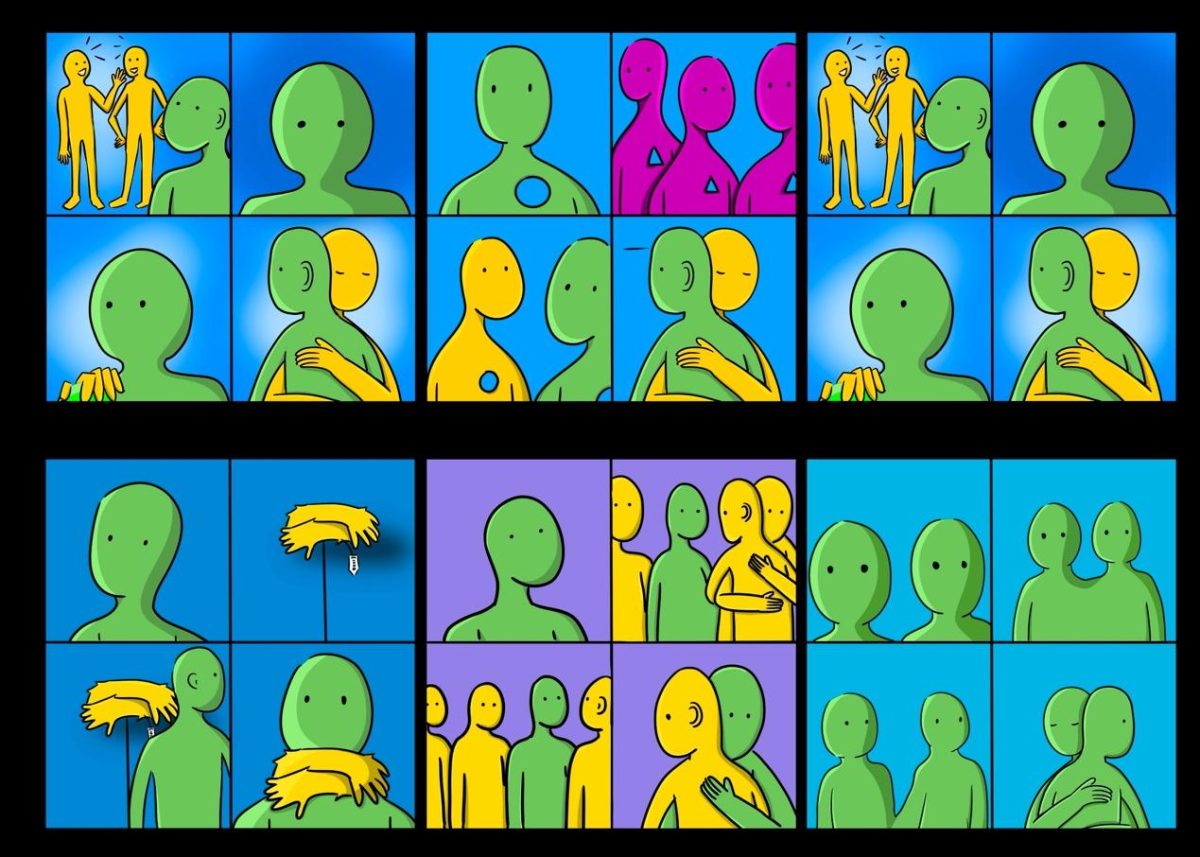
With A Hug Without Reason and Marks, Jiayi shifts from introspection to collective engagement. In the former, a whimsical green cartoon figure becomes the protagonist of spontaneous, inexplicable affection. These gestures—often absurd, occasionally profound—gesture toward what theorists call “affect before cognition”: a childlike return to gesture as pure impulse.
Marks, by contrast, is participatory. Viewers are invited to touch others using pigment, leaving visible records on the skin. These works offer subtle critiques of bodily politics and the visibility of interaction. Jiayi blurs the roles of observer and participant, turning touch into a shared authorship.
Emotional Architecture: YOU
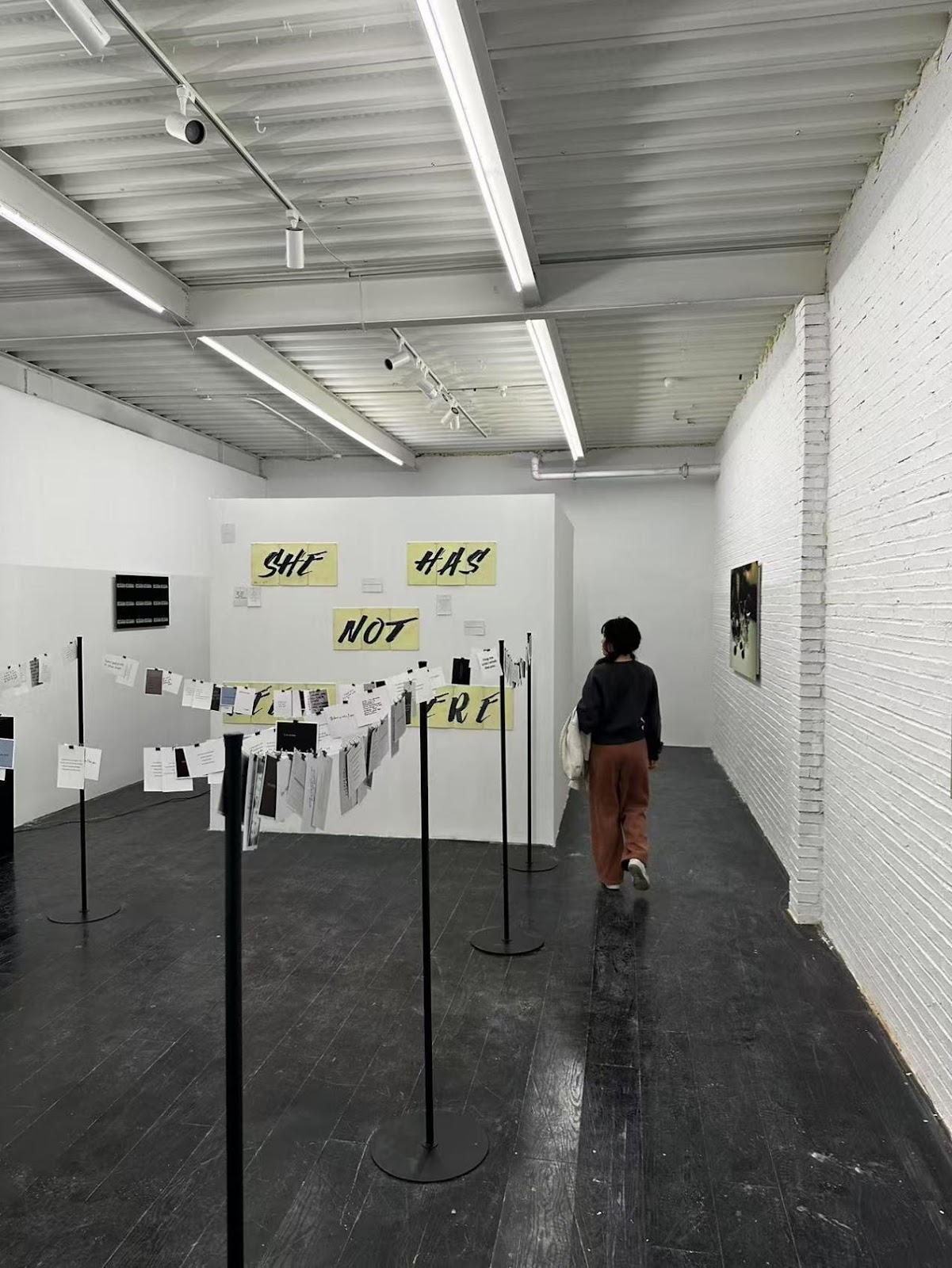
In the installation YOU, Jiayi constructs an ambient darkroom filled with suspended cards. On one side: concrete details about an anonymous figure. On the other: poetic, ambiguous phrases—“she has not been here”—etched into artificial skin.
The space feels suspended, both physically and emotionally. Visitors are invited to touch the cards, and yet the paper lacks the warmth of skin. That insufficiency becomes meaningful: the gap between touch as concept and sensation becomes the emotional engine of the installation. Here, Jiayi makes the leap from sensory to architectural language. She builds emotion spatially.
Eastern Tactility on the Global Stage
In the past two years, Jiayi has exhibited widely across Europe and China, weaving her practice through both grand institutional showcases and more intimate, concept-driven venues. Her exhibition La beauté du petit in Paris showcased a minimalist adaptation of TOUCH ME, where suspended cards carried textual traces of desire and waiting. The work unfolded a poetic spatiality rooted in East Asian conceptual restraint and was met with strong curatorial praise.
At Italy’s LECCE ARREDO National Fair of Art & Interior Design, her Scanning series stood out amidst object-focused design displays by presenting touch not as function, but as emotional material. Here, digital technique met poetic vulnerability—an uncommon language for a fair grounded in form and material.
In London’s Graffik Gallery for Urban Scream and in Cannes’ Celluloid Dreams, Jiayi inserted her language of haptics into cinematic and urban contexts, presenting scanning not as mere aesthetic but as a critique of contemporary sensory dislocation. She interrogated how personal intimacy could be conveyed through compressed surfaces and constrained gestures.
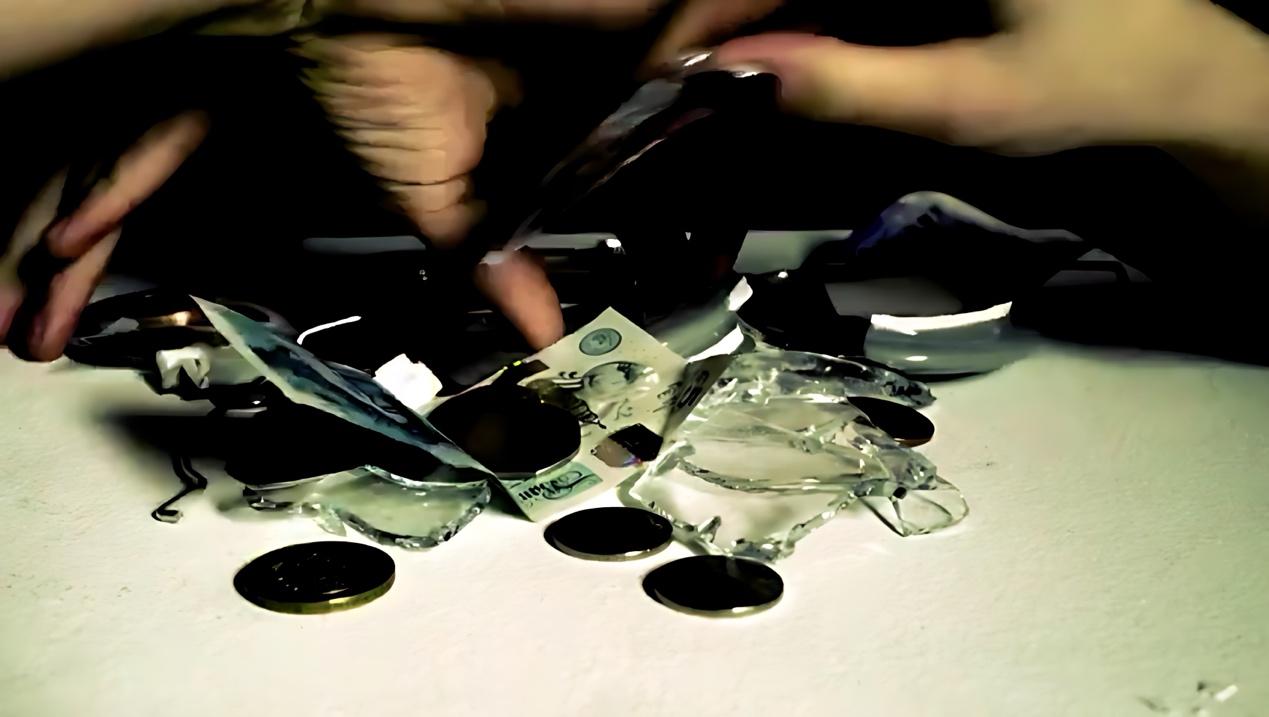
Back in China, however, Jiayi’s solo exhibition Touch Me became the most comprehensive articulation of her vision. Organized in five core projects—Touch Me, Scanning, A Hug Without Reason, Marks, and YOU—the exhibition offered a layered, deeply personal cartography of emotional tactility. Unlike her international exhibitions, this show did not have to explain itself through translation. Instead, it resonated from within, presenting a uniquely rooted yet globally relevant voice.
Additionally, Jiayi has actively engaged with online platforms such as Fusion Art, Art Collide, and Las Laguna Art Gallery, presenting works that traverse physical and digital borders. Her presence across in-person and online contexts demonstrates a practice equally attuned to tactile immediacy and mediated distance.
Toward a Poetics of Future Sensation
At a time when digital media saturates all levels of perception, Jiayi’s work reminds us that sensation must be earned, not simulated. She offers scanning not as surveillance, but as tenderness; touch not as spectacle, but as structure.
Her work does not explain—it murmurs. It does not present—it invites. As reality becomes increasingly virtual, Jiayi’s practice offers a quiet but radical resistance: a return to the body, to feeling, to the near-forgotten poetry of contact.