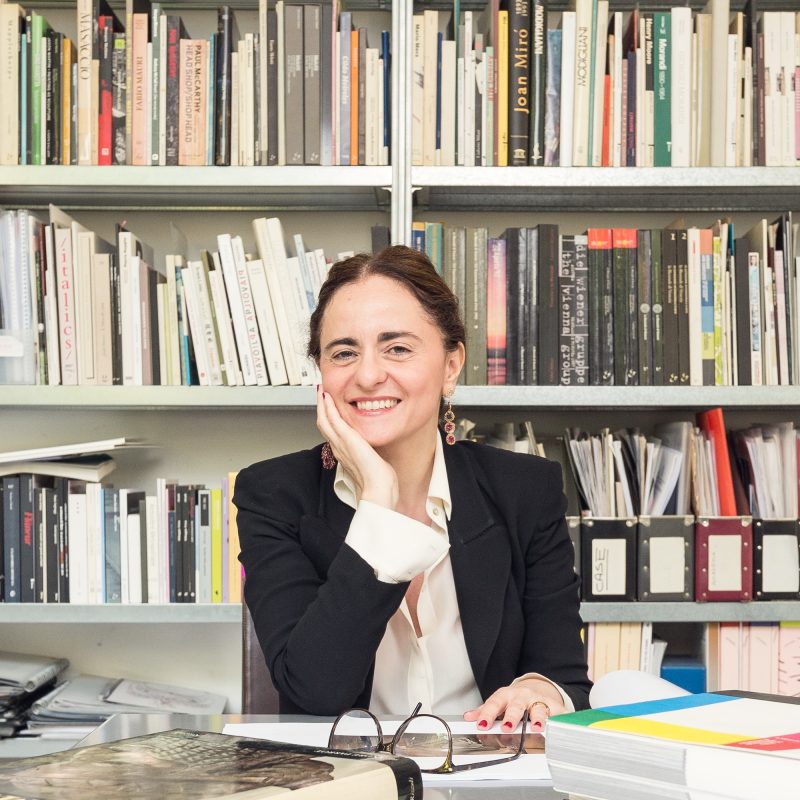
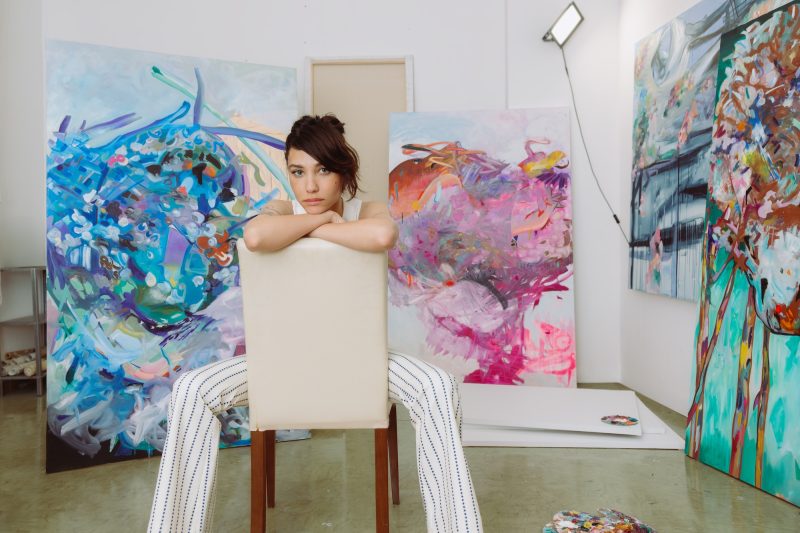
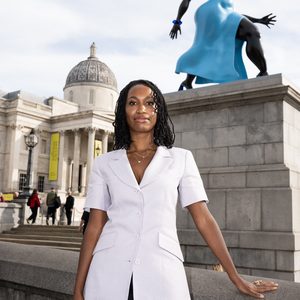
Ting Xu is an internationally recognised curator and calligraphy artist, celebrated for her creative leadership in connecting Chinese and British art. Her projects and exhibitions foster cross-cultural dialogue, seamlessly blending tradition with contemporary innovation.
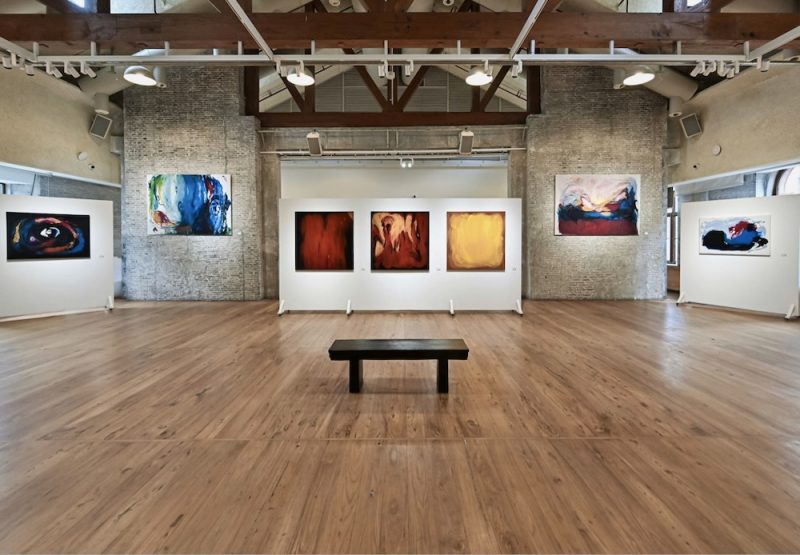
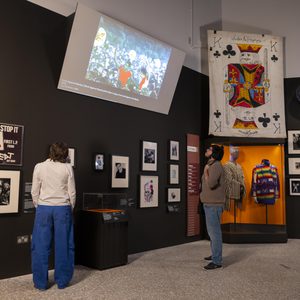
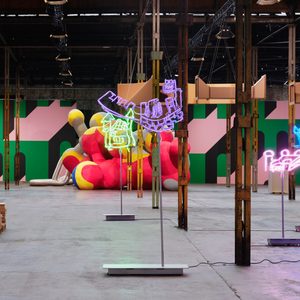
Ting’s recent curatorial project, ‘When Spring Returns,’ serves not only as a striking exhibition but as a cultural conversation – an exchange carefully orchestrated across UK-China artistic practices. With precision and vision, Ting transformed this showcase into more than a display; she made it a living dialogue. Her curatorial choices reveal a deep understanding of intercultural exchange: the exhibition layout builds tension and harmony alike, as traditional materials meet contemporary installations, and silence punctuates bold visual statements. Ting’s curatorial intelligence lies in discovering resonance – when, say, a minimalist ink abstraction echoes a neighbouring Western mixed-media piece, creating fresh layers of exploration for an audience attuned to nuance rather than novelty.
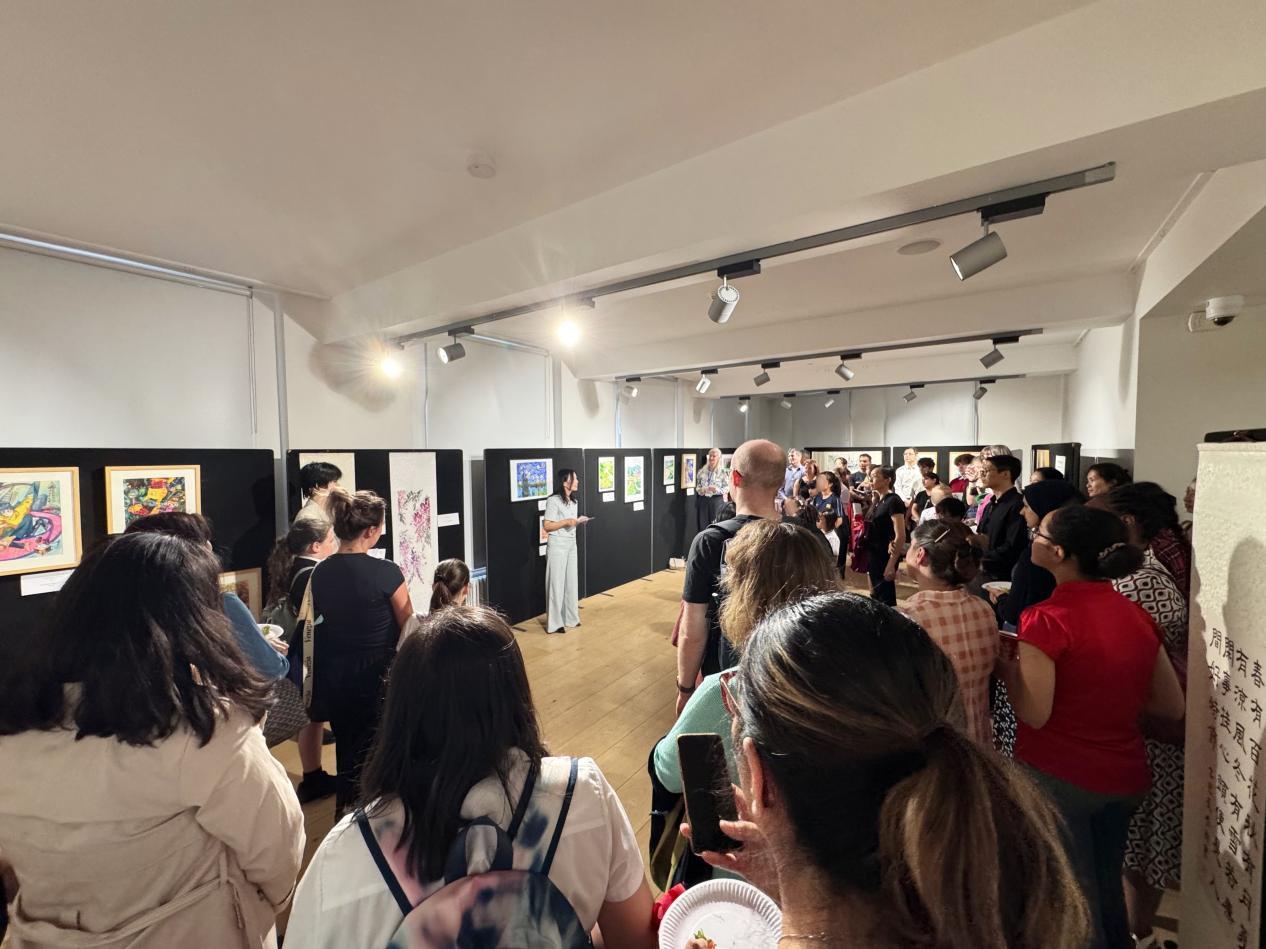
Removing expectations of spectacle, Ting invites a subtler engagement with each work. As she stated at the opening, art ‘can speak without language,’ and here, each piece is a voice. She lets the art meet the viewer on equal terms: no didactic wall text crowds the space, but the dialogue unfolds naturally through the works’ material presence-paper, ink, glass, textile-speaking across cultural registers. The result is a curated space that encourages reflection rather than instruction.
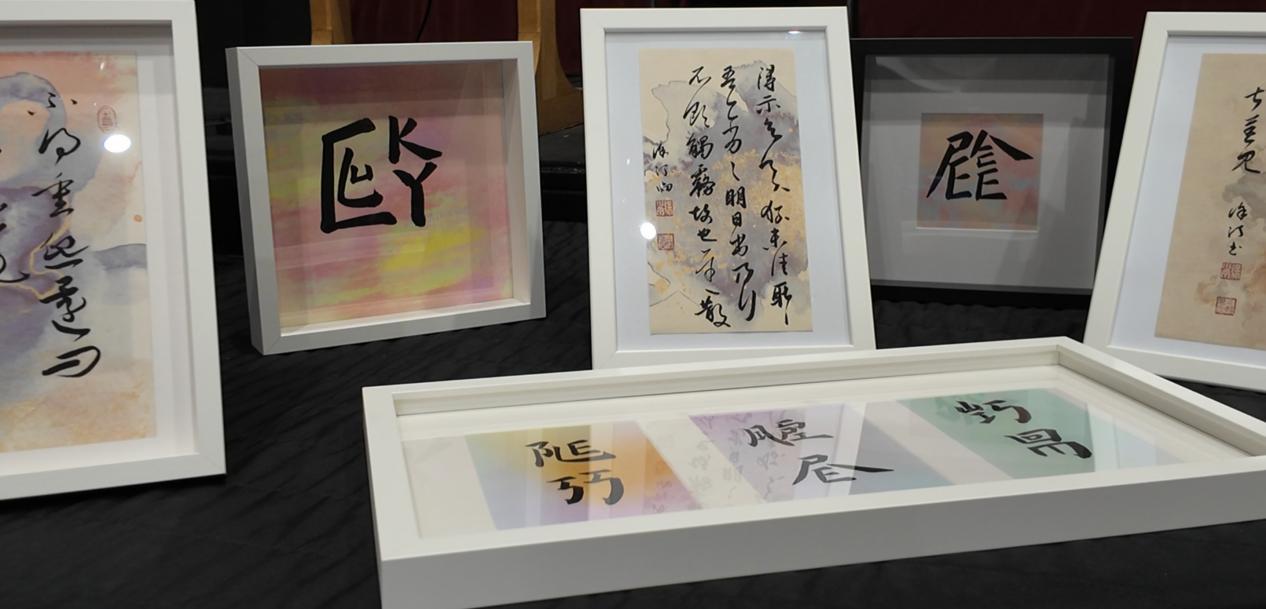
Ting’s curatorial vision was also powerfully realised in her recent solo exhibition at Kingston. This event did not simply present Chinese calligraphy as a visual spectacle, but created an immersive, participatory encounter between Eastern and Western traditions. Through live demonstrations and interactive workshops, local audiences engaged directly with the materiality and gesture of calligraphy – an approach that transformed passive spectators into active cultural participants. The project was described by many audience members as an inspiring and original contribution to Kingston’s creative community. Audience feedback highlighted the show’s role in deepening appreciation for oriental aesthetics and fostering genuine cross-cultural understanding. In many ways, the exhibition set a new standard for creative community engagement in the region, demonstrating how contemporary curatorial practice can have a tangible, positive impact on British cultural life.
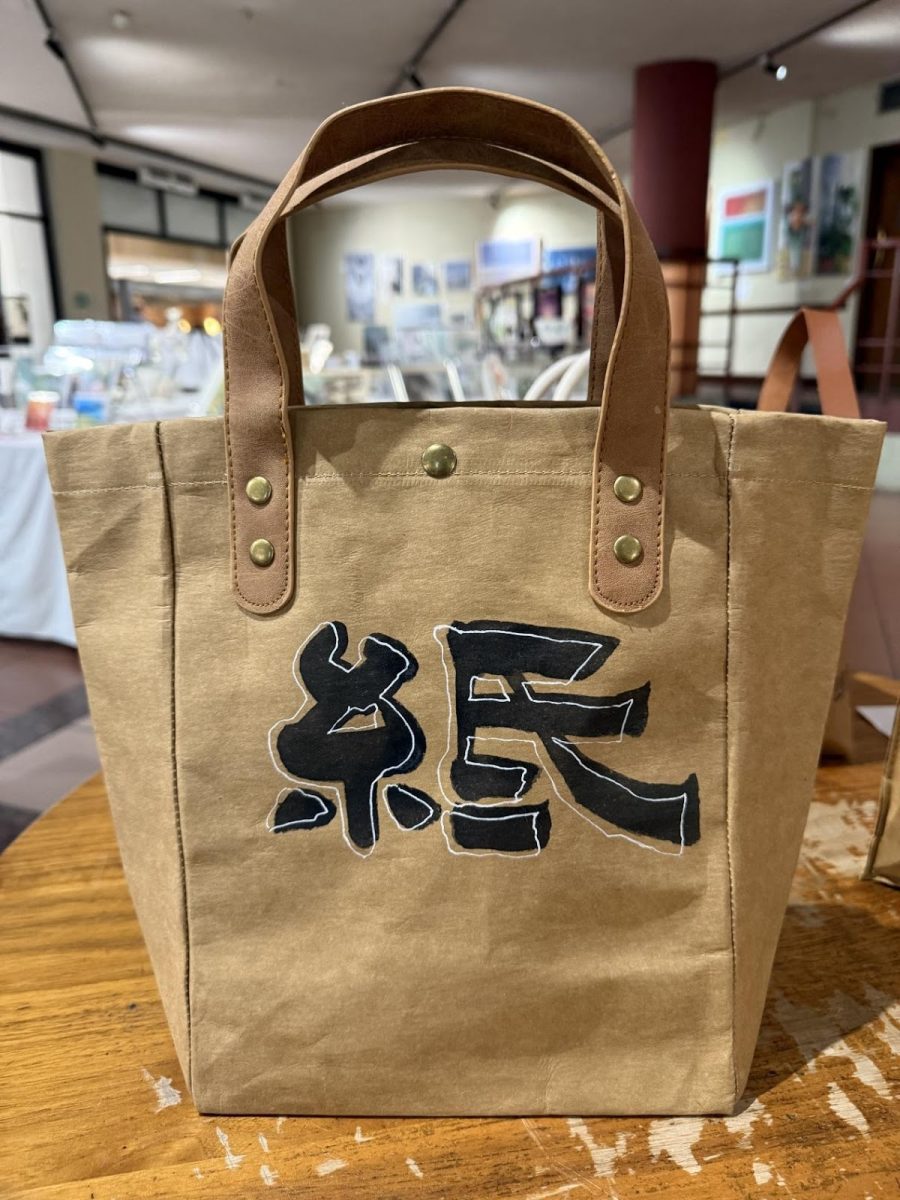
Complementing her exhibition practice, Ting’s own artwork marks a contemporary inflection point in Chinese calligraphy. Her eco-conscious ‘Paper’ series redefines how we read brushwork: bold sweeping strokes carved into recycled fiber paper in embedded ridges and grooves. These are not merely aesthetic forms, but tactile narratives – tactile enough that light and shadow gather in the texture, creating an effect often reserved for sculpture. Ting doesn’t simply write; she sculpts with ink and fiber, giving each piece spatial dimension and environmental resonance. This materially grounded strategy positions calligraphy within conversations about sustainable art-making and expanded definition of drawing in the 21st century.
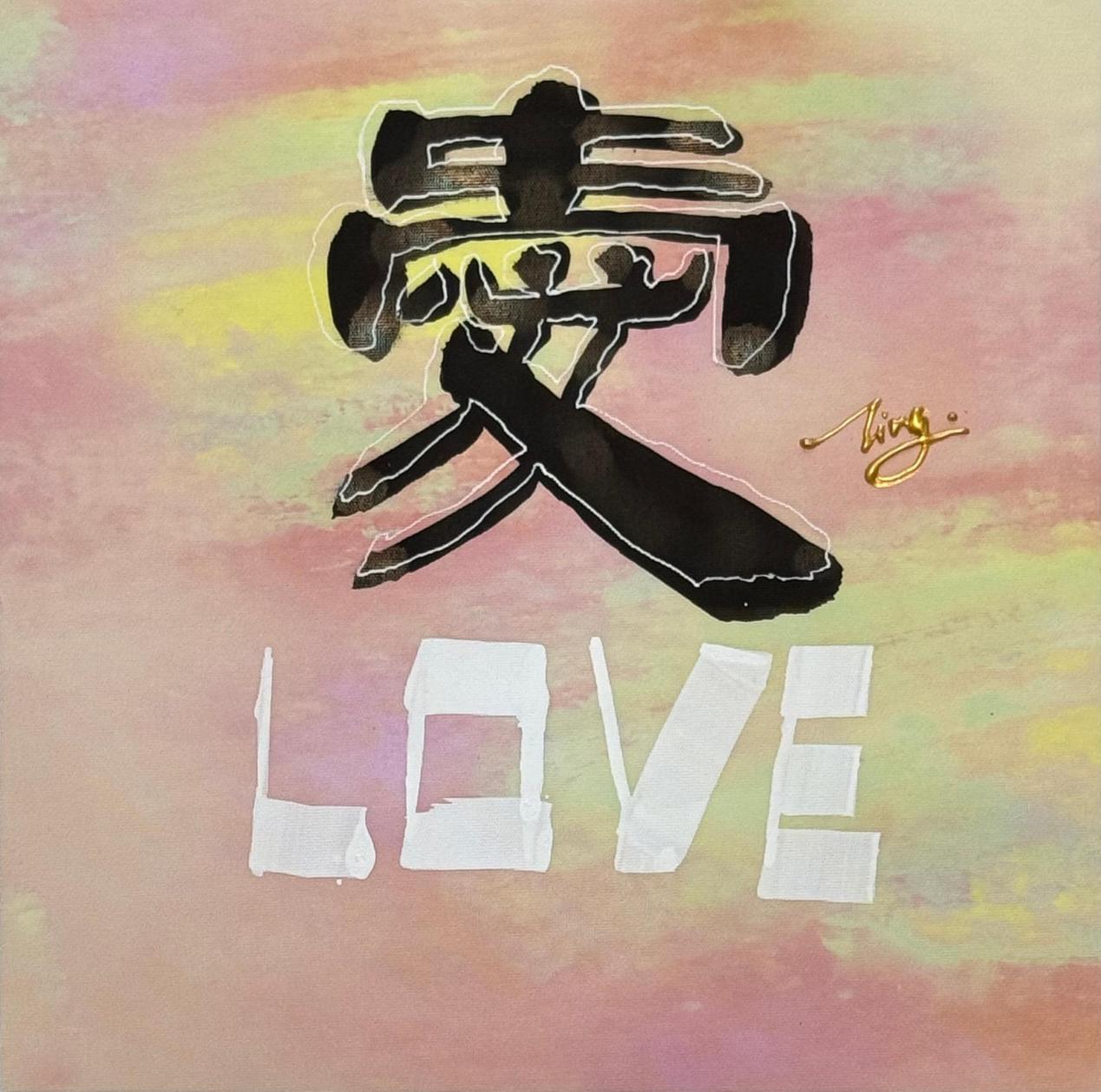
Her ‘Calligraphy Meets Canvas’ series offers another layer: here, Ting layers classical calligraphy onto crisp, modern palettes. While she draws on line and structure, she eschews ornamental flourish in favour of a deliberate, restrained geometry. The result feels poised – stroking a boundary between East and West, discipline and freedom, history and abstraction. The canvas becomes a site of gentle tension, where viewers sense that tradition is present yet never dominant.
Further exploration emerges in her dynamic calligraphy, where Ting synthesizes spontaneity with control. The resulting pieces possess rhythm, an essential quality of calligraphy, but rendered with contemporary confidence. These works whisper of rivers and wind, of time captured and paused. The dialogue between rapid execution and considered composition speaks to Ting’s ability to see tradition not as constraint but as invitation: to bend, to question, to reinterpret.
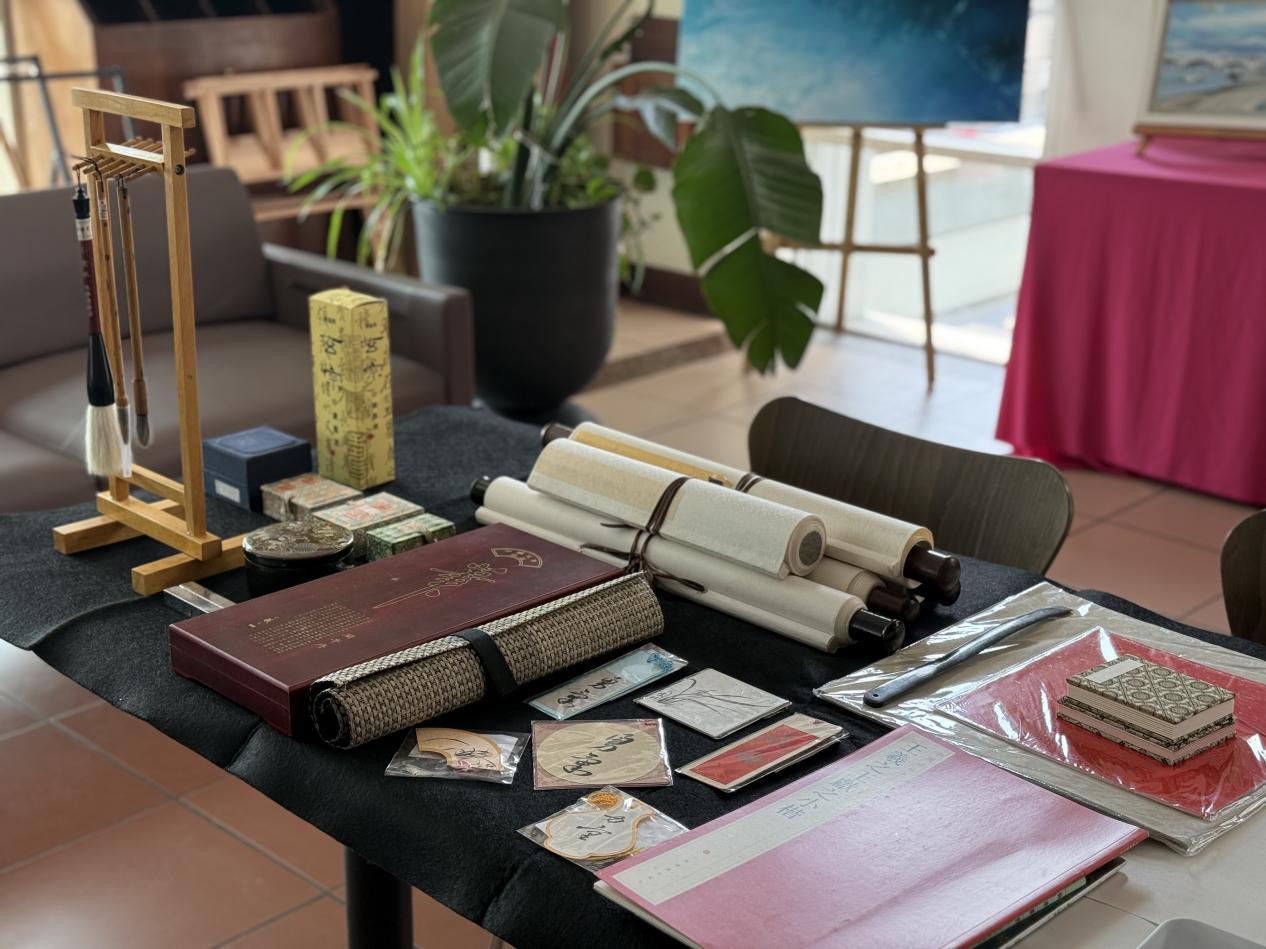
Ting has also established presence in the UK art scene through her workshop at the Society of Fulham Artists and Potters. In that session, she lead participants through brush technique, paper selection, and the relationship between hand and meaning.These moments exemplify Ting’s strength – her workshops are intimate, generative spaces where calligraphic form prompts deeper reflection. Her recent appointment as International Events Organizer at SoFAP recognizes this capacity; she is now a key figure in bringing sustained cultural programming to the UK public.
What’s so compelling is how Ting’s curatorial and artistic practices inform each other – each positively refracts the other. The exhibition demonstrates possibilities for intercultural co-production. Her own calligraphy exemplifies how ancient art forms can be reactivated in contemporary settings – whether through literal material innovation or scaffolded cultural connection. Ting is not a caretaker of tradition; she is a creative agent reimagining it for new audiences and purposes.
As a fusion of curator, artist, and cultural connector, Ting Xu stands at a vital intersection for the contemporary art world. Her practice challenges us to rethink calligraphy beyond ink on paper – as ecological project, sculptural form, social catalyst. Meanwhile, her curatorial work consistently creates platforms where nuance can be experienced, and where art becomes a device for respectful and meaningful cultural conversation. In a time when global art often risks becoming performative or tokenistic, Ting offers a practice that is thoughtful, grounded, generative.
For those tracking contemporary art’s true capacity to bridge culture, tradition, and sustainability, Ting’s ongoing projects will remain essential. Her work speaks not only in the language of brush and space but in the shared gesture of creative listening – an act that ultimately defines what art can achieve across both script and space.
As Ting’s practice continues to evolve, her role in the UK’s cross-cultural art dialogue will no doubt remain essential – a development worth watching for all engaged in contemporary visual art.