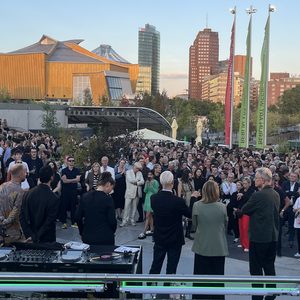
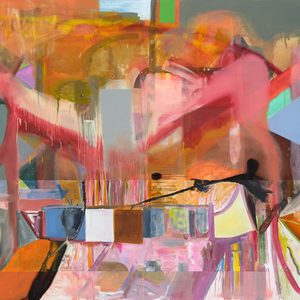
Amar Kanwar brings together three interconnected moving-image works at Serpentine North, including the world premiere of The Charcoal Man, a major new seven-screen installation shaped by memory, violence and the enduring legacy of Partition.
Serpentine has opened a major solo exhibition by New Delhi-based artist and filmmaker Amar Kanwar, transforming Serpentine North into a darkened visual and sonic environment built around three immersive film installations.
And dark really does mean dark. Light levels are kept deliberately low throughout the building, and this isn’t an exhibition to rush through. Kanwar’s films ask for time and attention: you need to be prepared to slow down, let your eyes adjust and open yourself up to the rhythm of the images, sound and text.
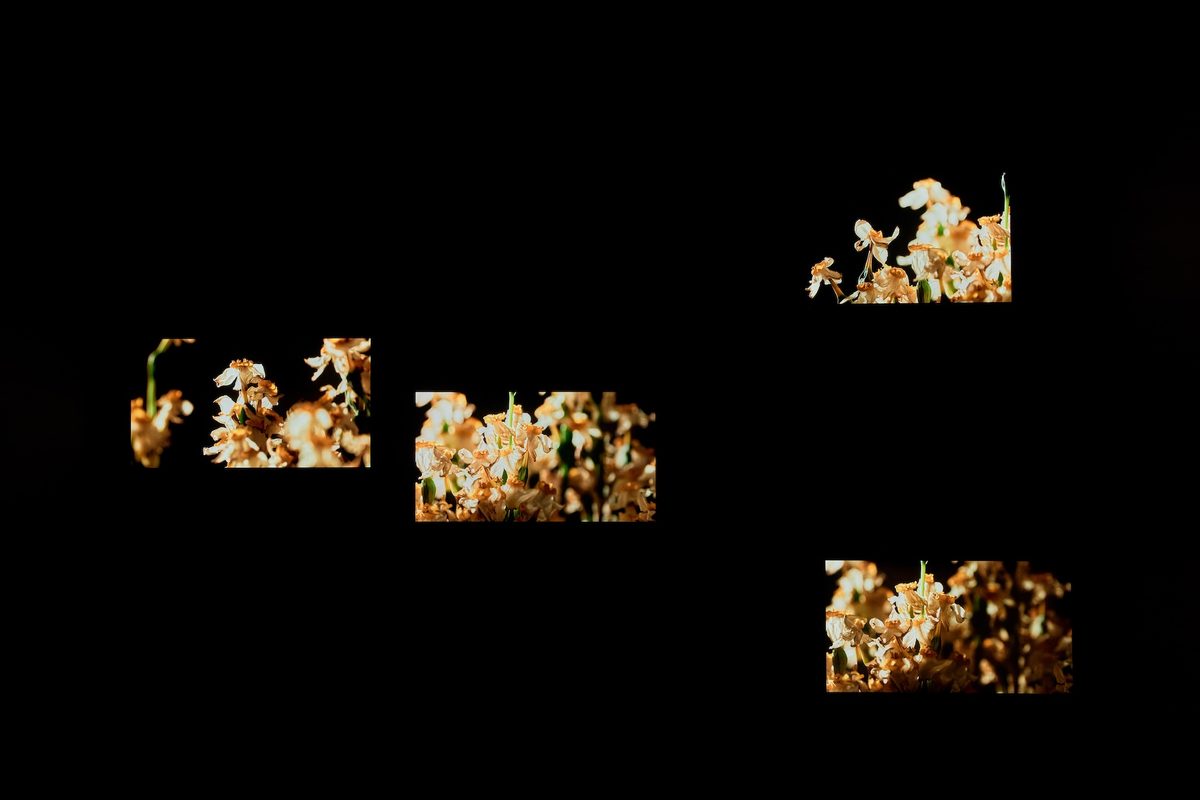
Running from 23rd September 2026 to 31st January 2027, the exhibition brings together Such a Morning (2017–19), The Peacock’s Graveyard (2023) and the newly commissioned The Charcoal Man (2026), receiving its world premiere in London.
For more than three decades, Kanwar has developed a distinctive form of moving image that moves between documentary, fiction, visual essay and poetry. Rooted in the history and politics of the Indian subcontinent, his films explore power, violence, displacement, justice and memory, frequently returning to the legacies of decolonisation and the 1947 Partition of India.
Rather than presenting the three films as separate works, Kanwar has conceived the exhibition as a site-specific installation. Together they turn Serpentine North into a space where images, sound, text and darkness unfold at a deliberately different pace.
The exhibition begins with The Peacock’s Graveyard, shown in London for the first time. Originally commissioned for Sharjah Biennial 15, the seven-screen installation weaves together five stories drawing on ancient and contemporary fables, oral histories and Kanwar’s own experiences.
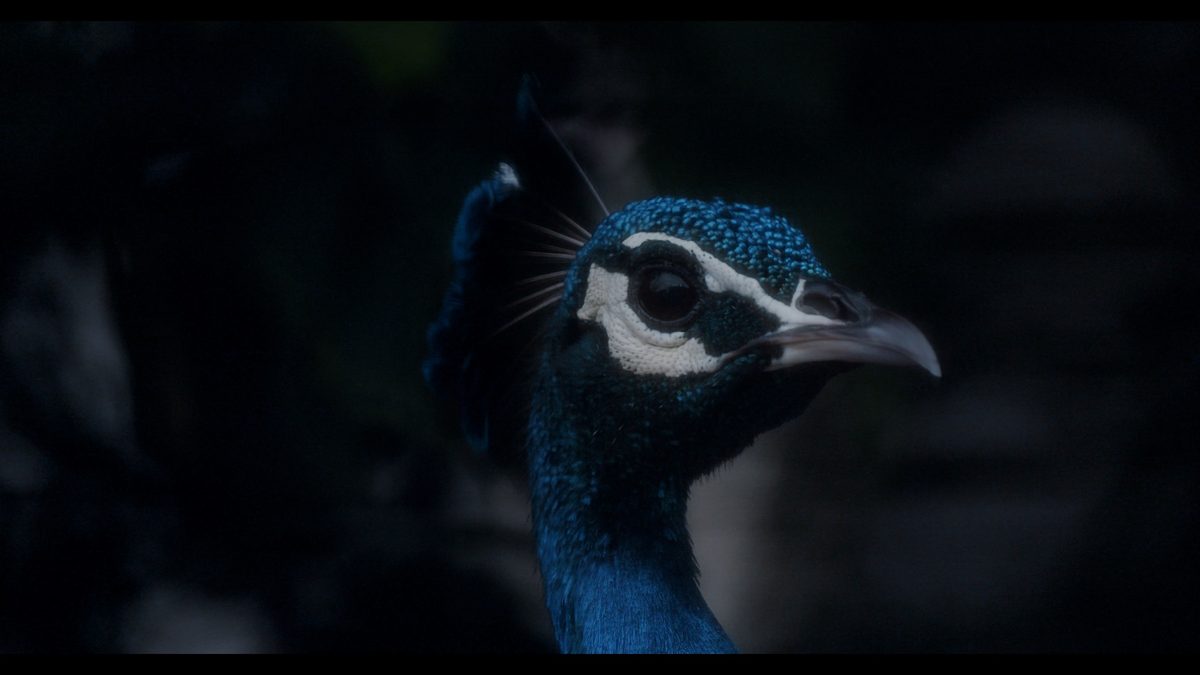
Images and texts appear and disappear across the screens, circling the fragility of human existence and our capacity for violence while looking towards the possibilities of reconciliation and transformation. Kanwar describes the stories as something that might help us “reconfigure life, ideologies, politics and solidarities.”
At the centre of the exhibition is the 85-minute Such a Morning, first presented at documenta 14. Conceived as a modern parable, the film follows a renowned mathematician and professor who suddenly abandons his career and retreats to an old train carriage in a forest.
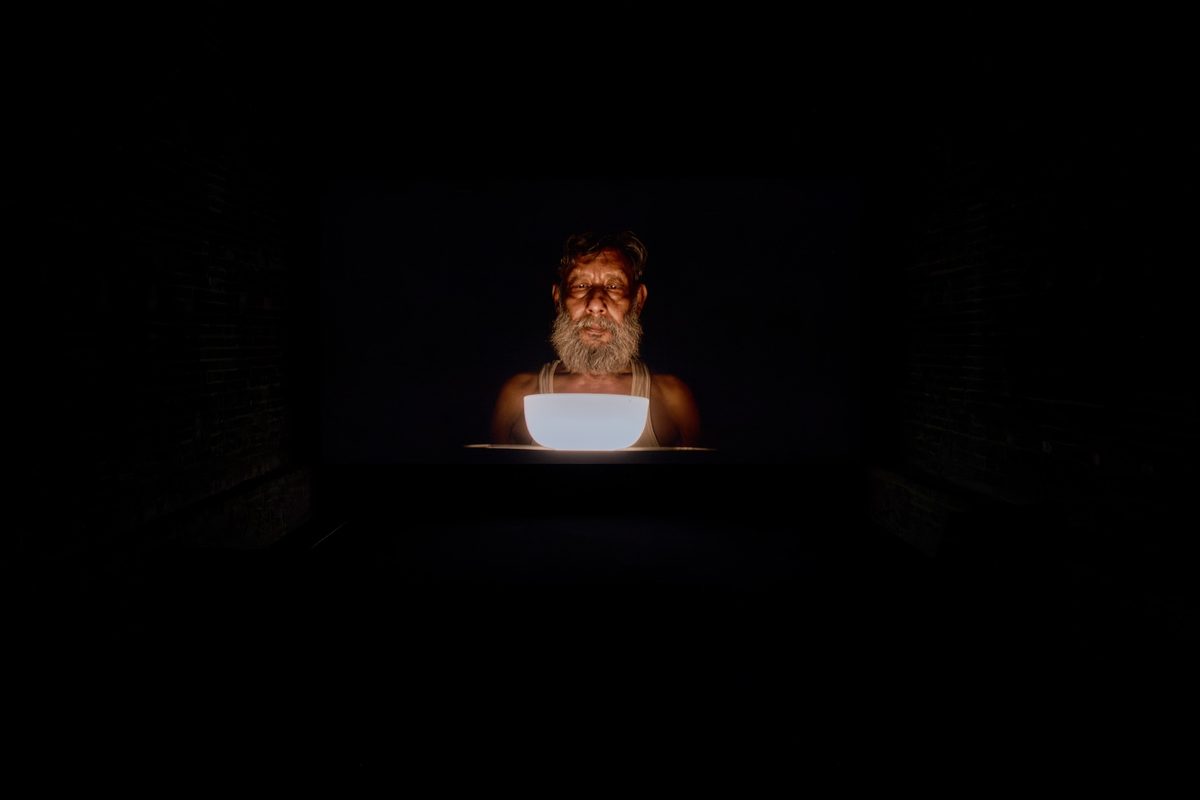
As he blacks out the carriage windows and moves progressively into darkness, the professor begins to experience visions and writes a series of letters examining 49 different types of darkness. Those letters move beyond the film and into Serpentine’s surrounding galleries through text, video and light projections on handmade banana, ramie and cotton-fibre papers.
The exhibition culminates in the world premiere of The Charcoal Man, a new seven-screen installation commissioned by the Kiran Nadar Museum of Art in Delhi.
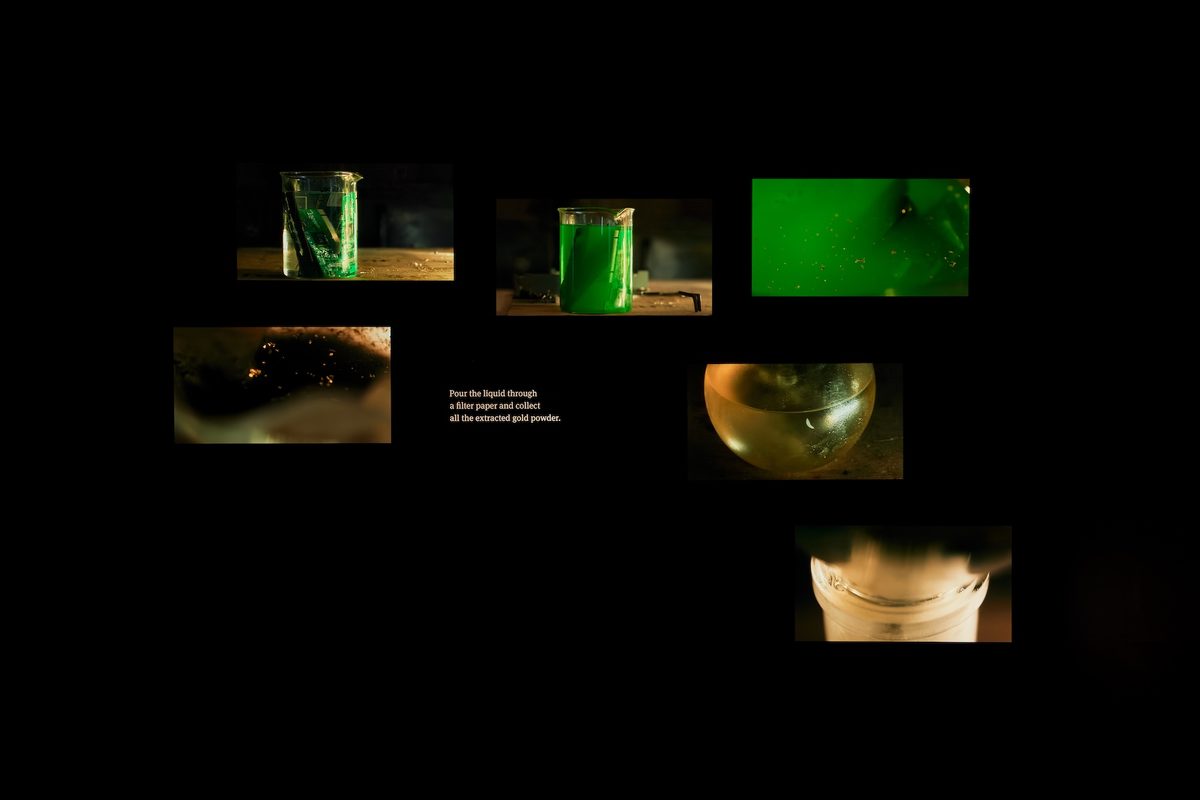
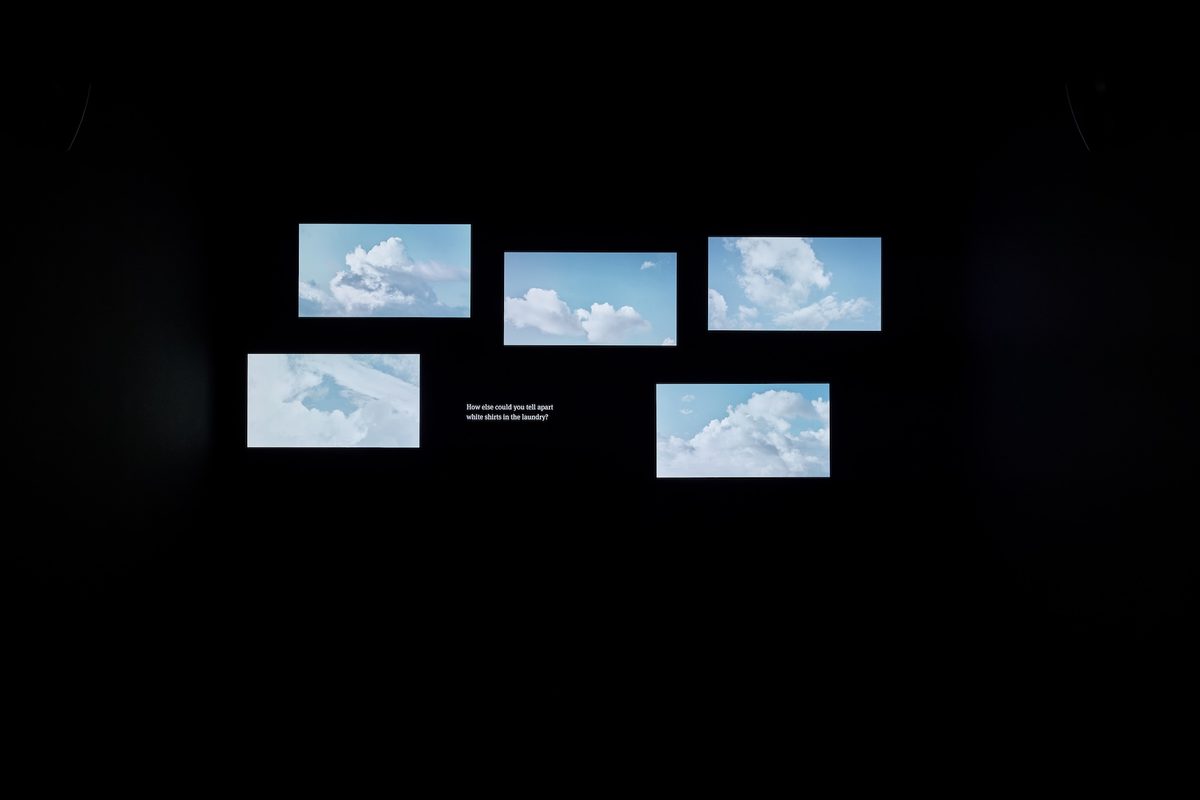
Developed by Kanwar over three years of research, filming, writing and listening, the work returns directly to the 1947 Partition. Family memories, oral narratives, biographies, archival newsreels, cinema and historical and legal documents are folded together with fiction, creating a work in which historical fragments continually collide and reform.
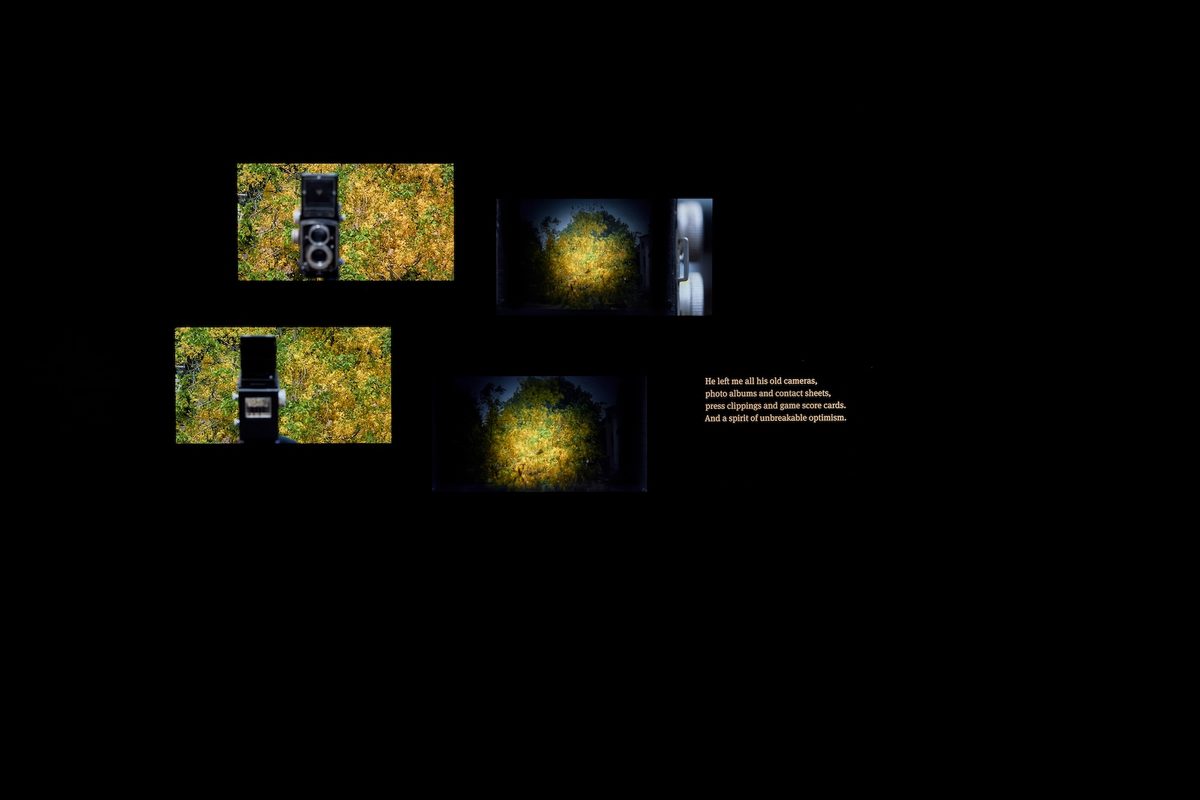
Kanwar describes it as an attempt to find “coherence from disintegration, insight from fusion and stories within stories.” The work moves through cycles of betrayal, vengeance, illusion, passion, jealousy and rage, using Partition not simply as a historical event but as something whose consequences continue to move through the present.
The exhibition continues a relationship between Kanwar and Serpentine stretching back almost two decades. His work first appeared there in the 2008 group exhibition Indian Highway, followed by contributions to the Map Marathon in 2010 and the cinema programme On Earth, Structure and Sadness in 2018.
Kanwar’s return feels substantially different in scale. Three films made across almost a decade now occupy the entire building, connected by recurring questions around truth, memory, violence and how histories are carried forward.
It rewards giving yourself over to it. This is a show that needs time: slow down, adjust to the darkness and allow the films to unfold rather than trying to move quickly through them. Such a Morning alone runs for 85 minutes, while The Charcoal Man is almost 62 minutes and The Peacock’s Graveyard just over 28 minutes.
As Kanwar puts it:
“Sometimes the future is the past and the past is the present.”
Amar Kanwar, 23rd September 2026–31st January 2027, Serpentine North
Categories
Tags
- 1947 Partition
- Amar Kanwar
- contemporary art
- Contemporary Indian Art
- Decolonisation
- documenta
- Film
- Indian art
- Indian artists
- installation art
- Kensington Gardens
- Kiran Nadar Museum of Art
- london art
- London exhibitions
- London exhibitions 2026
- moving image
- Partition of India
- Serpentine
- Serpentine North
- Sharjah Biennial
- Such a Morning
- The Charcoal Man
- The Peacock’s Graveyard
- Video Art
- Video Installation