Serpentine is opening up more than a decade of pioneering work at the intersection of contemporary art and advanced technologies with processing…, a new archive display that charts the gallery’s evolving engagement with AI, blockchain, game engines and digital culture.
Opening today, 20th July, in Serpentine South’s Education Space, the free exhibition transforms the gallery into an active archive, listening room and research space, bringing together photographs, publications, audio recordings, digital commissions and archival material that document Serpentine’s influential role in shaping conversations around art and technology.
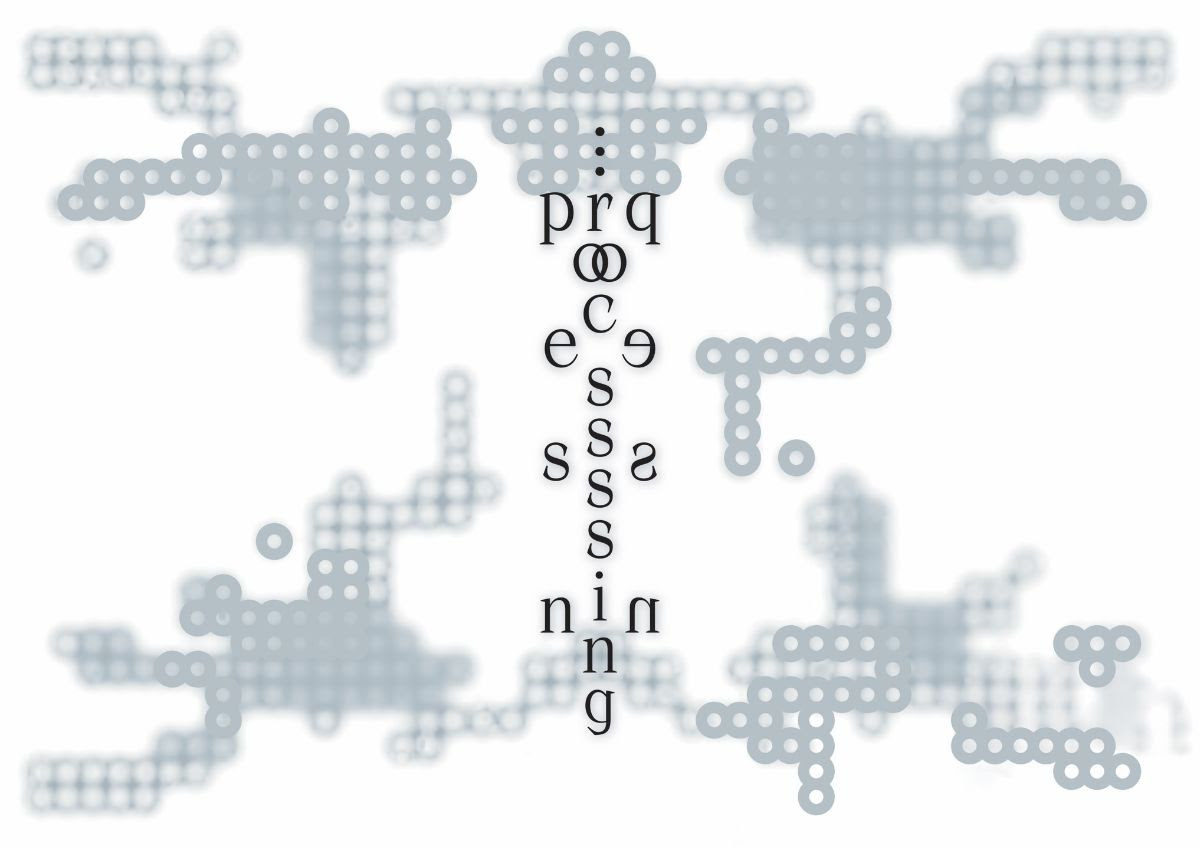
Rather than presenting a static institutional history, processing… has been conceived as an evolving archive. Its title references the familiar message displayed while a computer completes a task, reflecting an exhibition built around continual experimentation, exchange and the idea that cultural knowledge is always in development.
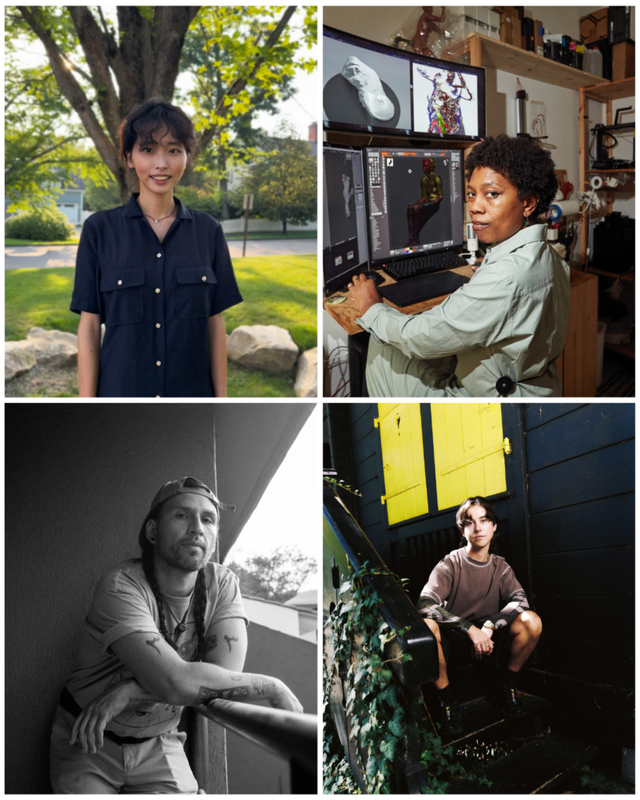
The display traces a lineage stretching back to landmark exhibitions including The Video Show (1975) and Take Me (I’m Yours) (1995), before following Serpentine’s increasingly ambitious engagement with emerging technologies through projects such as Cécile B Evans’ AGNES (2014), Ian Cheng’s BOB and Emissaries (2018), Gabriel Massan’s Third World: The Bottom Dimension (2023) and Danielle Braithwaite-Shirley’s The Delusion (2025).
Visitors can explore Serpentine’s forthcoming Future Art Ecosystems digital platform, browse publications and archival material, listen to recordings from across the gallery’s programmes and experience Danielle Braithwaite-Shirley‘s latest interactive commission, I DIDN’T REALISE YOU THOUGHT LIKE THAT (2026).
An intervention by Artdao, developed with writer Henry Bruce-Jones, will transform each visitor’s journey through the exhibition into a personalised receipt-style printout—part data poem, part speculative record—that can either be taken away or added to a growing archive generated throughout the summer.
The display also reflects the evolution of Serpentine’s Arts Technologies department, originally founded by Ben Vickers, whose research has helped establish the gallery as one of the leading institutions exploring how artists engage with rapidly developing technologies while producing influential sector guidance through its Future Art Ecosystems publications.
Bettina Korek, CEO of Serpentine, and Hans Ulrich Obrist, Artistic Director, said:
“For over a decade, Serpentine has worked at the frontier of art and advanced technologies, not only exhibiting this work but pioneering how institutions, artists and society engage with it. processing… reflects on the achievements of this innovative research.”
They added that the display is “both a reflection and a beginning,” revealing that Serpentine will soon announce a new initiative supporting artists working at the forefront of art and advanced technologies.
processing… runs from 20th July to 6th September 2026 at Serpentine South and forms the first public programme of Activating Serpentine’s Archive, an ongoing National Lottery Heritage Fund-supported initiative dedicated to preserving and activating the institution’s history while opening it to future research and new audiences.
About
The Serpentine’s Arts Technologies department was founded by Ben Vickers (Serpentine CTO, 2013-20). Its establishment was critical in shaping and cementing the gallery’s present-day commitments and pioneering work at the intersection of art and advanced technologies. For over a decade, the department has championed artist-led experimentation through groundbreaking commissions, experimental cultural projects, and research.
Building on this legacy, today’s team has expanded to enable a sustained and increasingly ambitious programme of artist-led commissions, creative research and development (R&D), and collaborative projects supporting an unwavering commitment to the continued exploration of this discipline.
By bringing artists and audiences together, it explores how advanced technologies can become tools for new possibilities. Operating as both a studio and a research lab, Arts Technologies’ production-led model enables artists, curators, producers, researchers, strategists, and technologists to experiment with emerging systems as pathways for world-building and critical inquiry. Working with technology in real time, the department asks and tests the urgent questions of our era.