I mentioned last week that there was a lot of art in Basel. Some of it was bad – step forward, the Volta fair and the Kunsthalle. Much of it was mixed, such as a somewhat underpowered edition of Art Unlimited; the new digital hall of Art Basel; the round-the-city Art Parcours projects; the upcoming galleries of Liste; the chaotic Basel Social Club; Photo Basel; group shows at Kunsthaus Basell and the Tinguely Museum that mixed the wondrous and the mundane. Three were predictably outstanding: the main sections of Art Basel itself, the Beyeler Foundation, and the Kunstmuseum, with major surveys of Helen Frankenthaler and Cao Fei. That leaves two brilliant surprises:
Frank Stella and the destroyed wooden synagogues at the Jewish Museum
Frank Stella (1936-2024) had a Catholic background, yet his hundred-strong series ‘Polish Village’ (1970-73) refers to some 70-odd of the many wooden synagogues to be found in East European villages before the war. Almost all were destroyed by the Nazis, along with most of those who worshipped in them. An evocative display at Basel’s Jewish Museum (to 21 Jan 2027) tells the story through four components:
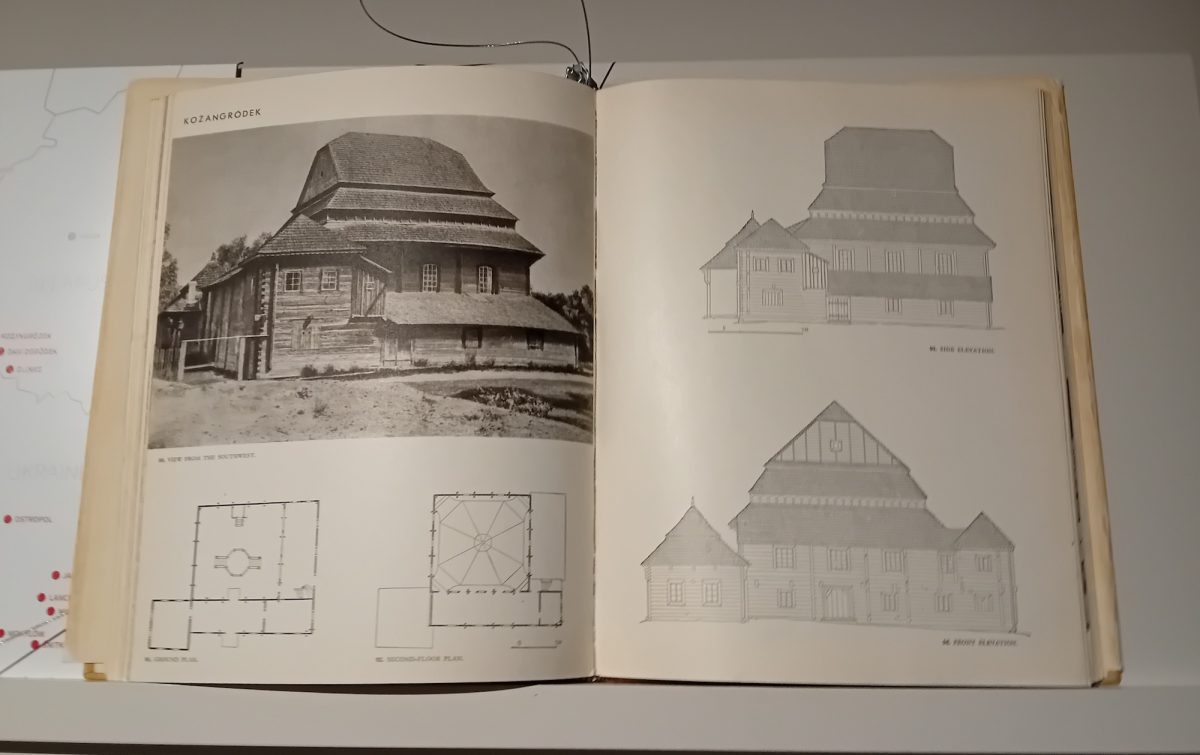
A book from 1959 by the Polish architect couple Maria and Kazimierz Piechotka, who documented the destroyed synagogues by sourcing pre-war photographs and architectural sketches – it’s now the primary evidence of the synagogues’ existence.
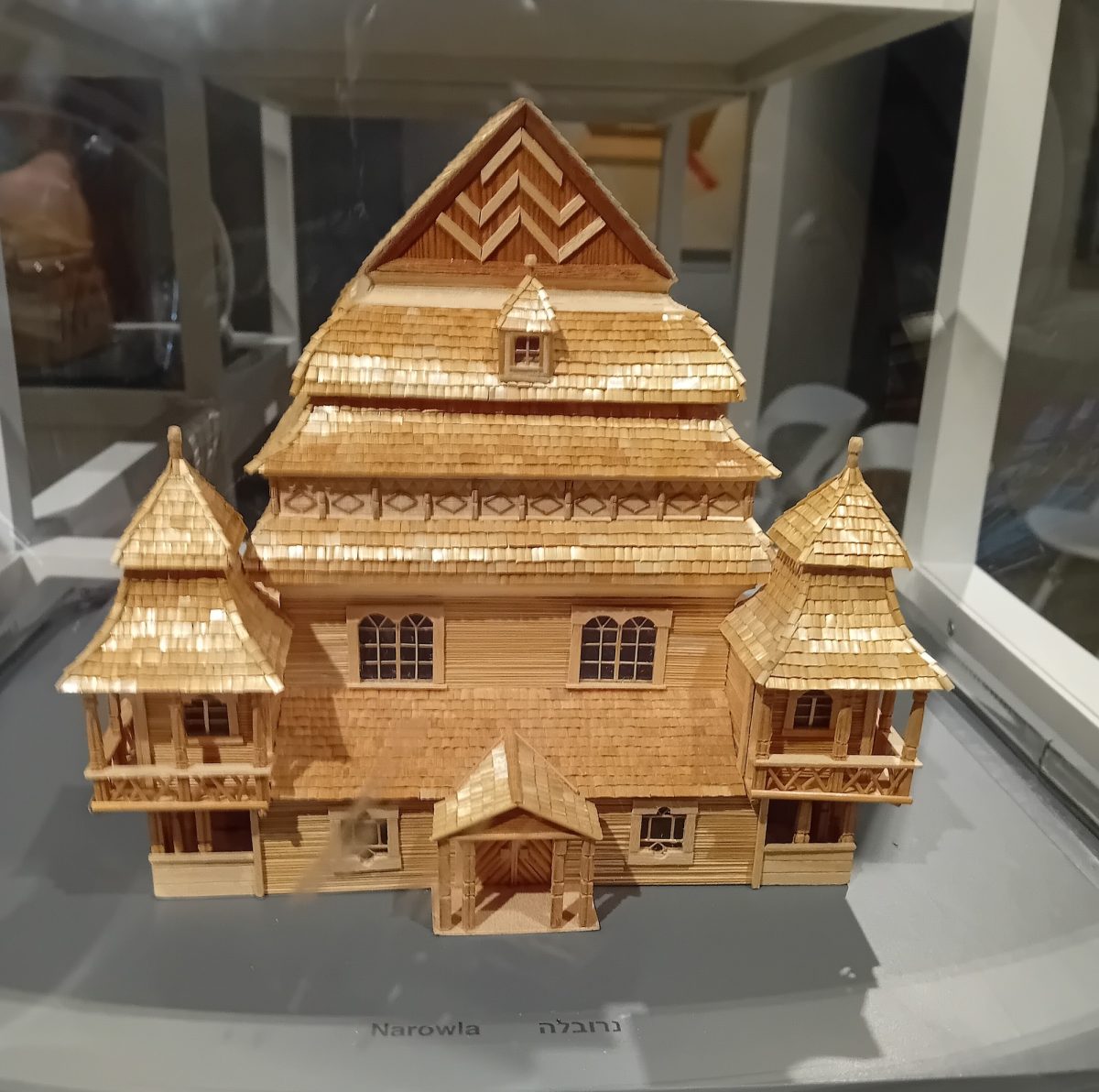
Miniature versions of the synagogues, as built at 1:100 scale by Moshe Verbin, a Polish Jew who left for Israel at age 16 in 1936: he used the book as his means of making models to activate his memories from childhood.
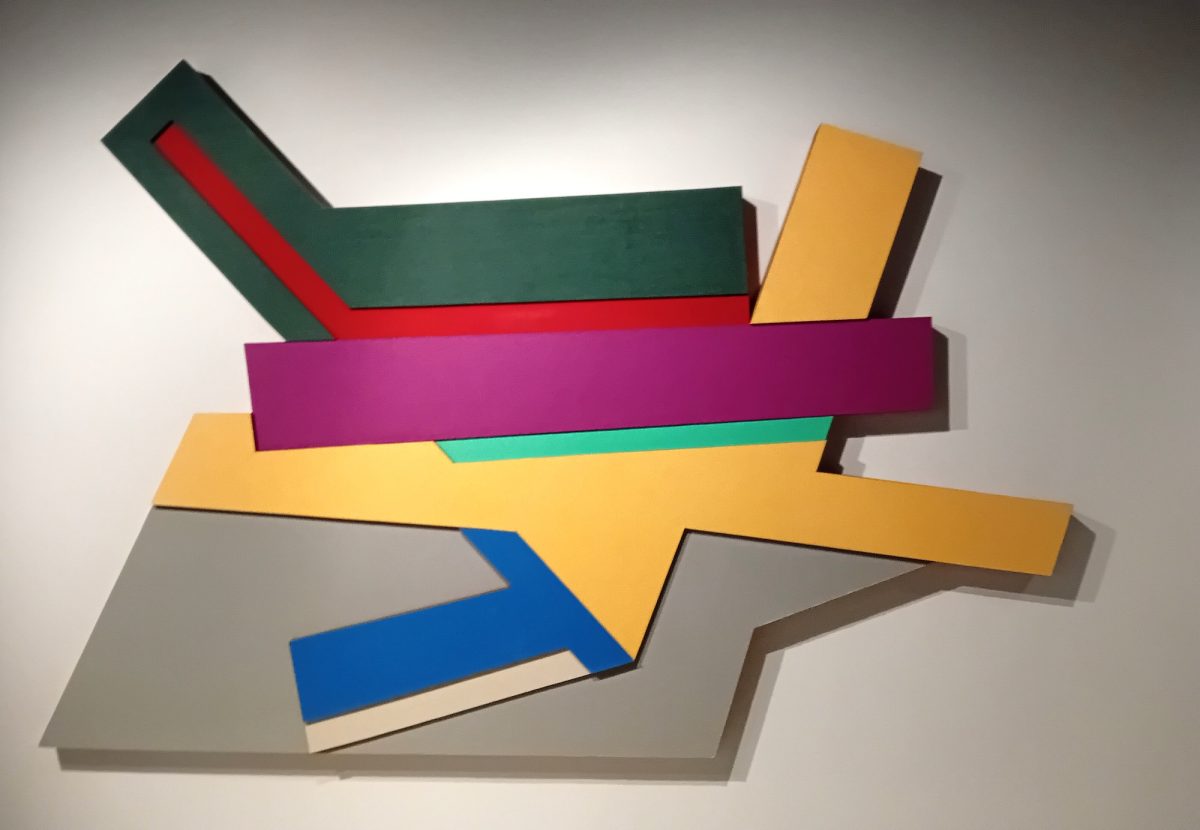
Examples of Stella’s work, derived from his discovery of the same book. There is also site-specific relevance, as the museum itself has a related Stella permanently integrated into its frontage.
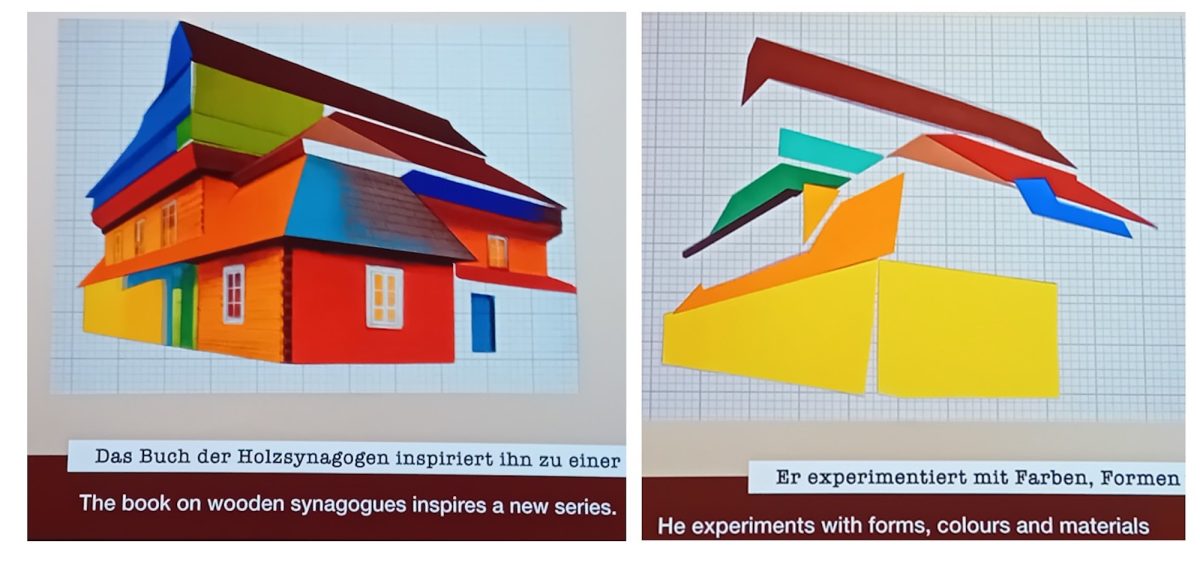
A film which tells the stories of those three productions, and includes animated sequences showing how the structures of the synagogues lead to the structures in Stella’s sculptural paintings. That’s helpful, because it isn’t obvious if you just look at a model and a Stella: he manipulated selected shapes and added colours of his own so they look more as you expect of Stella than of a synagogue.
Chloe Wise: ‘Extrasensory’ at the Kulturstiftung Basel H. Geiger
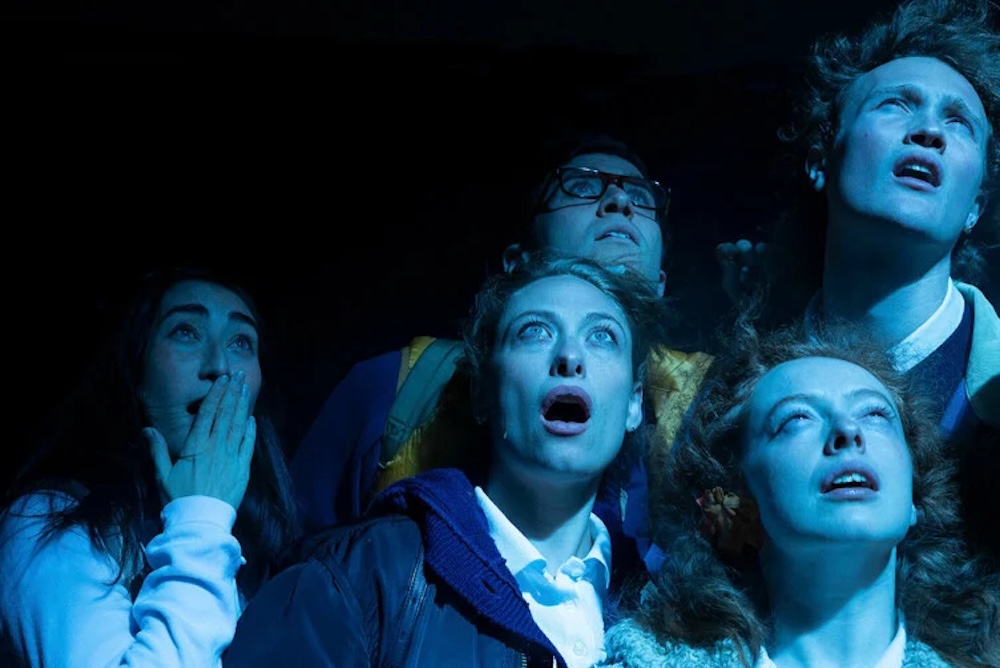
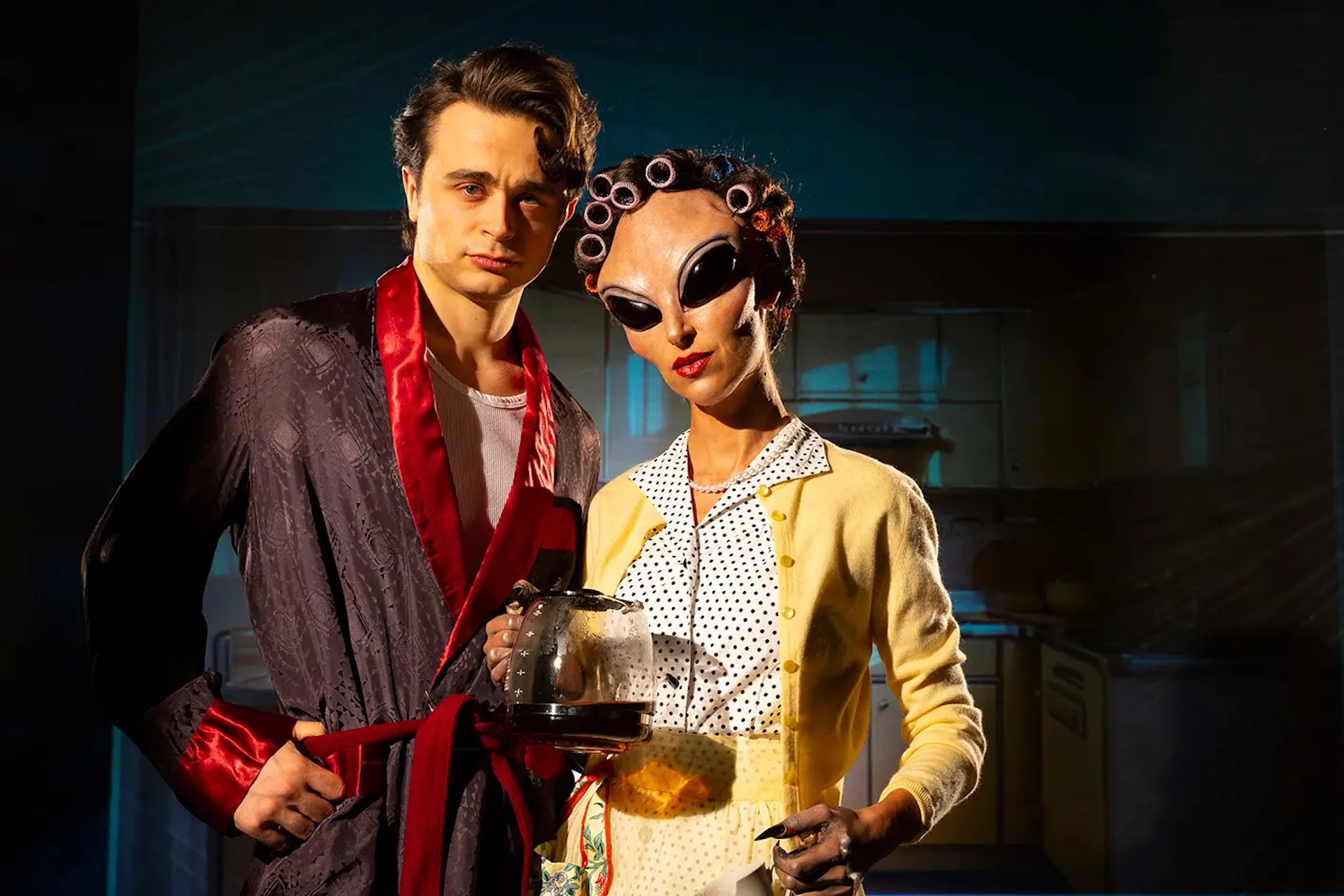
I’m a long-time admirer of Chloe Wise’s paintings, and as they’re often performatively based on the people in her circle, it makes sense that she has also worked in video – but not on the ambitious scale of the three-screen installation of ‘PsyFi’, a 35-minute loop, making for 105 minutes of footage. Her subject is belief and how it might be formed or grasped: a cast of characters who might have wandered out of ‘Twin Peaks’ feature in fractured narratives connected by gnomic yet memorable – often recurring – thoughts on the basis for trusting in science, capitalism, other worlds, religion… That makes it sound confusing, yet it’s a weirdly compelling triumph of cinematic style, linguistic sharpness and philosophical suggestion. Wise says she ‘wanted to make a work about “angels = aliens?” and explore the parallels between divinity, UFOs, and belief.’ The script comes from phrases she has overheard or collected over the years, a few of which may serve to give a flavour.
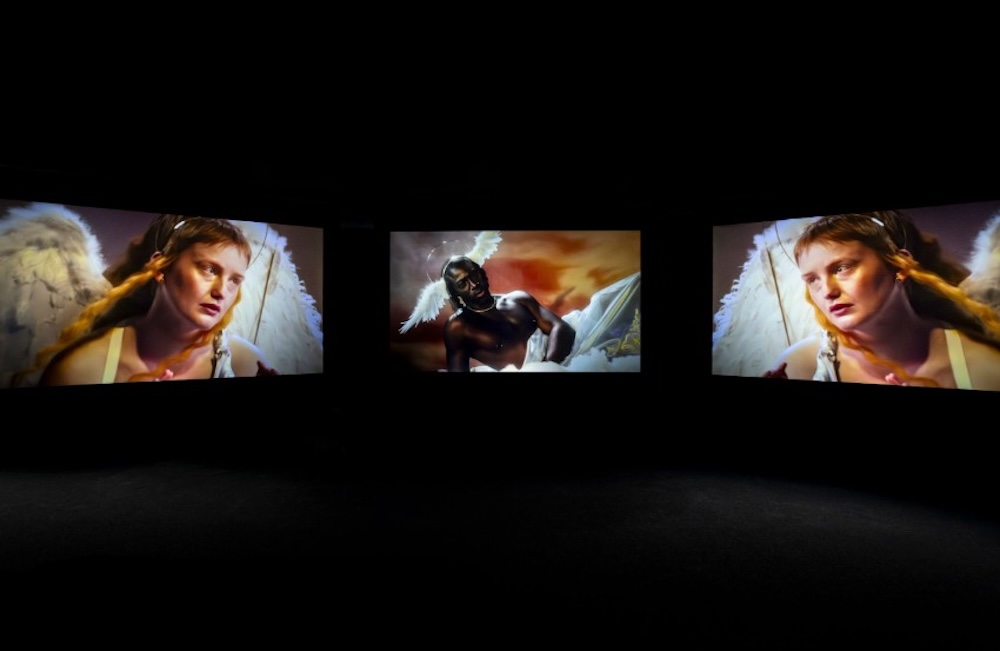
‘I want world peace…. but for myself’ – ‘The body is a situation’ – ‘There’s a hell of a good universe next door’ – ‘Spare us from loveliness’ – ‘Oh, give me your forever and ever’ – ‘Maybe even a yes to the end of the world’ – and most often, ‘The dog died again?’ – a play on ‘God is dead’. ‘You try to understand them, and you kind of can’t’, says Wise in an excellent interview with Anika Meier, ‘but they’re also not nonsensical… Take, “I want world peace for myself.” It’s so selfish. But sometimes I just want world peace for me. I want to have world peace. Can I just have peace in my world?’
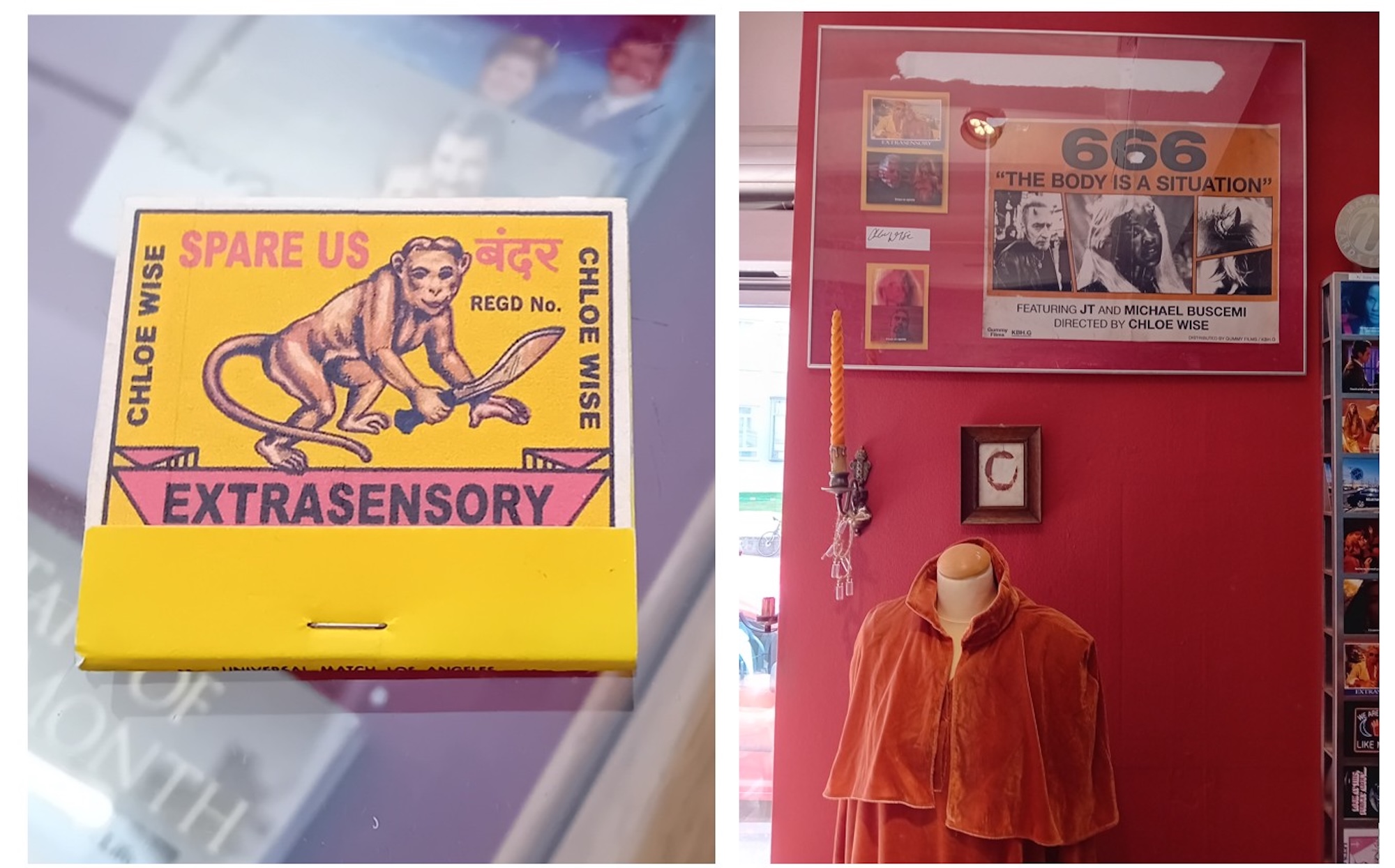
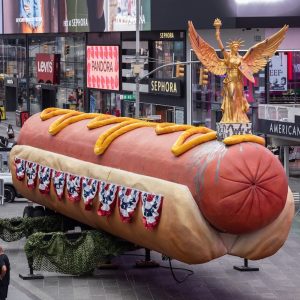
The film is shown alongside a futuristic green room and a fake gift shop, with all sorts of apparent merchandise picking up phrases and scenes from the film. None of that is for sale – and nor is an accompanying, stimulating 240-page publication – you just have to ask for it.
London (and New York, I guess) needs this exhibition!
Paul Carey-Kent selects a ‘Gallery of the Month’, a ‘Show of the Month’, a ‘Work of the Month’ and a ‘Book of the Month’ for his weekly column in FAD. A collection of previous gallery columns, ‘Paul’s Galleries To Go’, is available from FAD Bazaar.