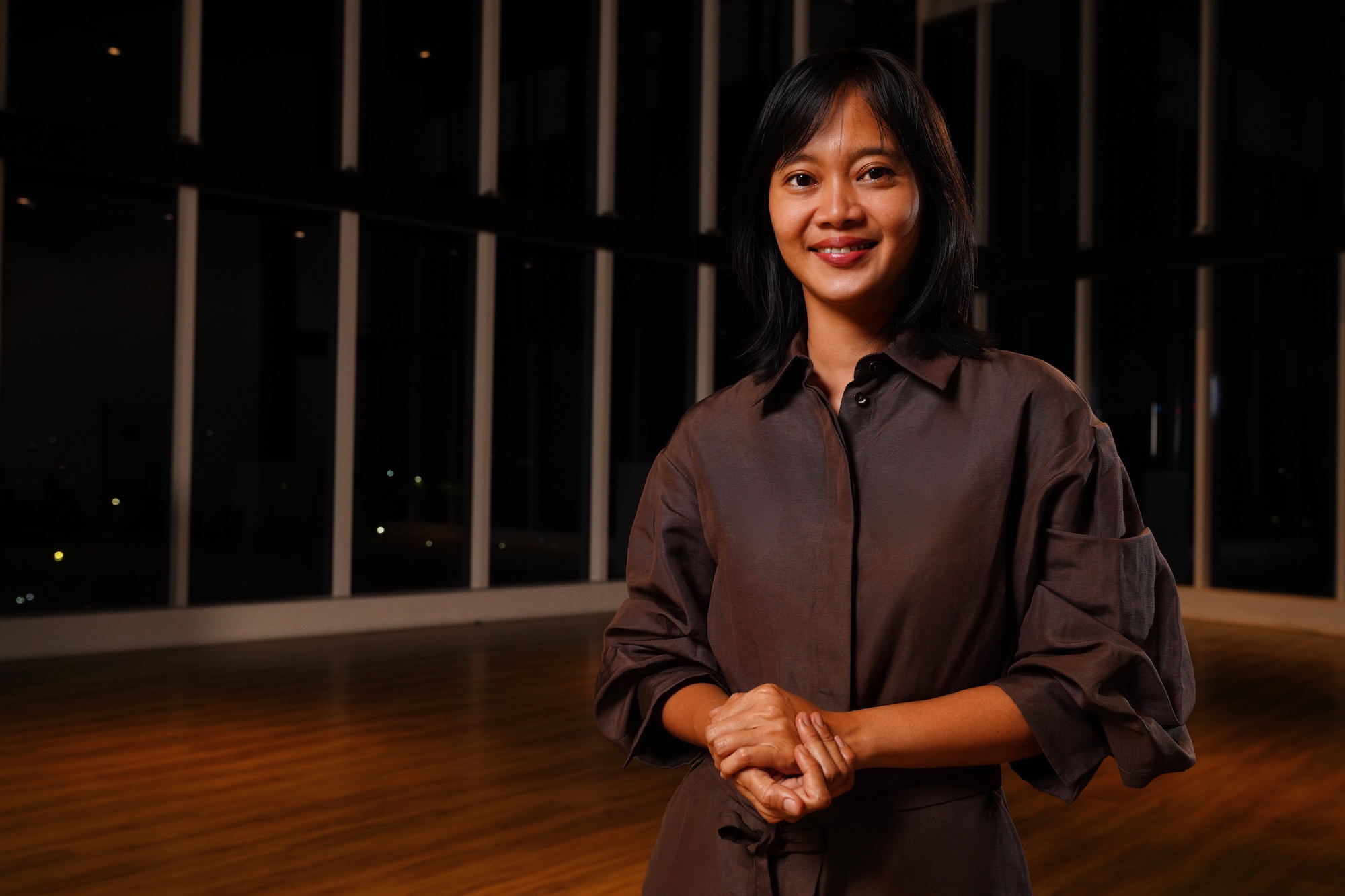
Dian Suci has been named the winner of the tenth edition of the Max Mara Art Prize for Women, securing a six-month travelling residency across Italy that will culminate in a major new body of work and solo exhibitions in Jakarta and Reggio Emilia in 2027.
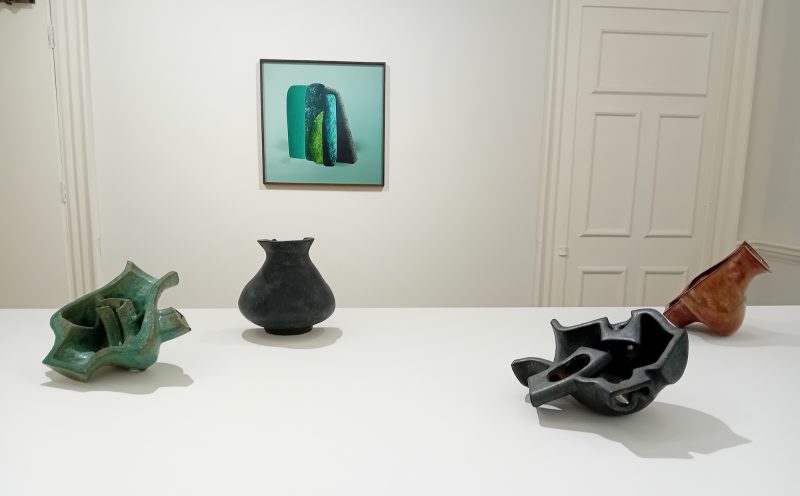
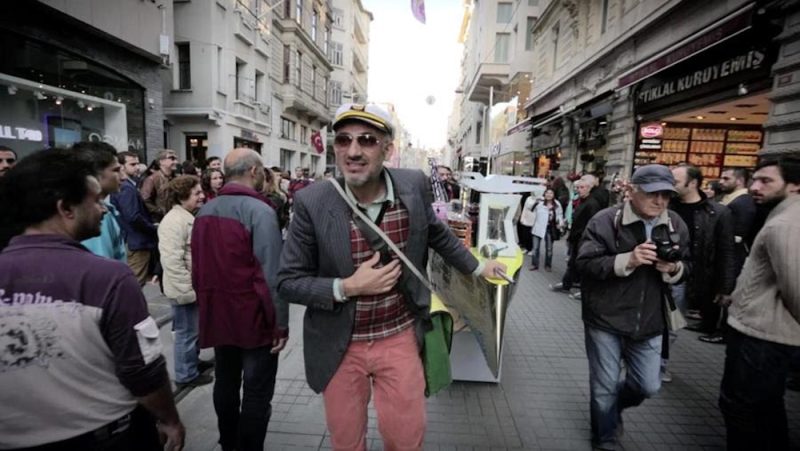
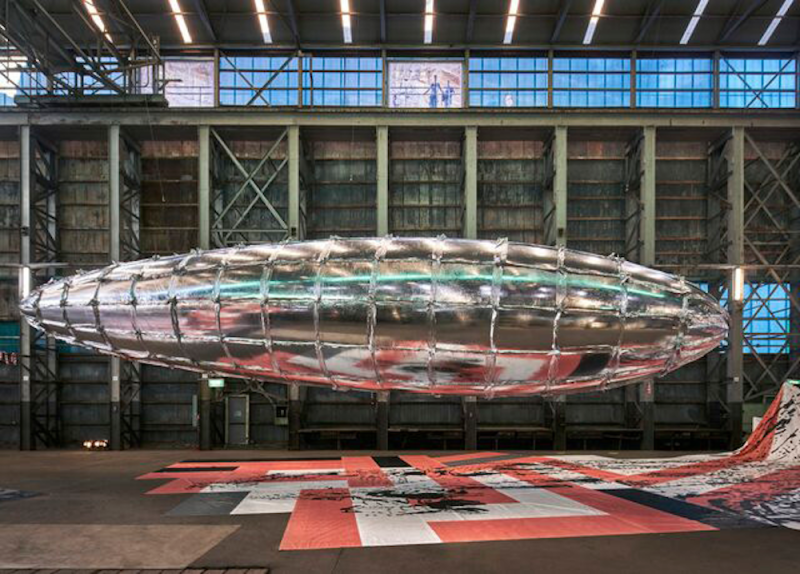
Announced in conjunction with the opening of the 61st International Art Exhibition – La Biennale di Venezia 2026, the award marks a significant moment for the Indonesian artist, whose multidisciplinary practice explores domestic narratives, political power, patriarchy, authoritarianism and capitalism through installation, sculpture, painting and video.
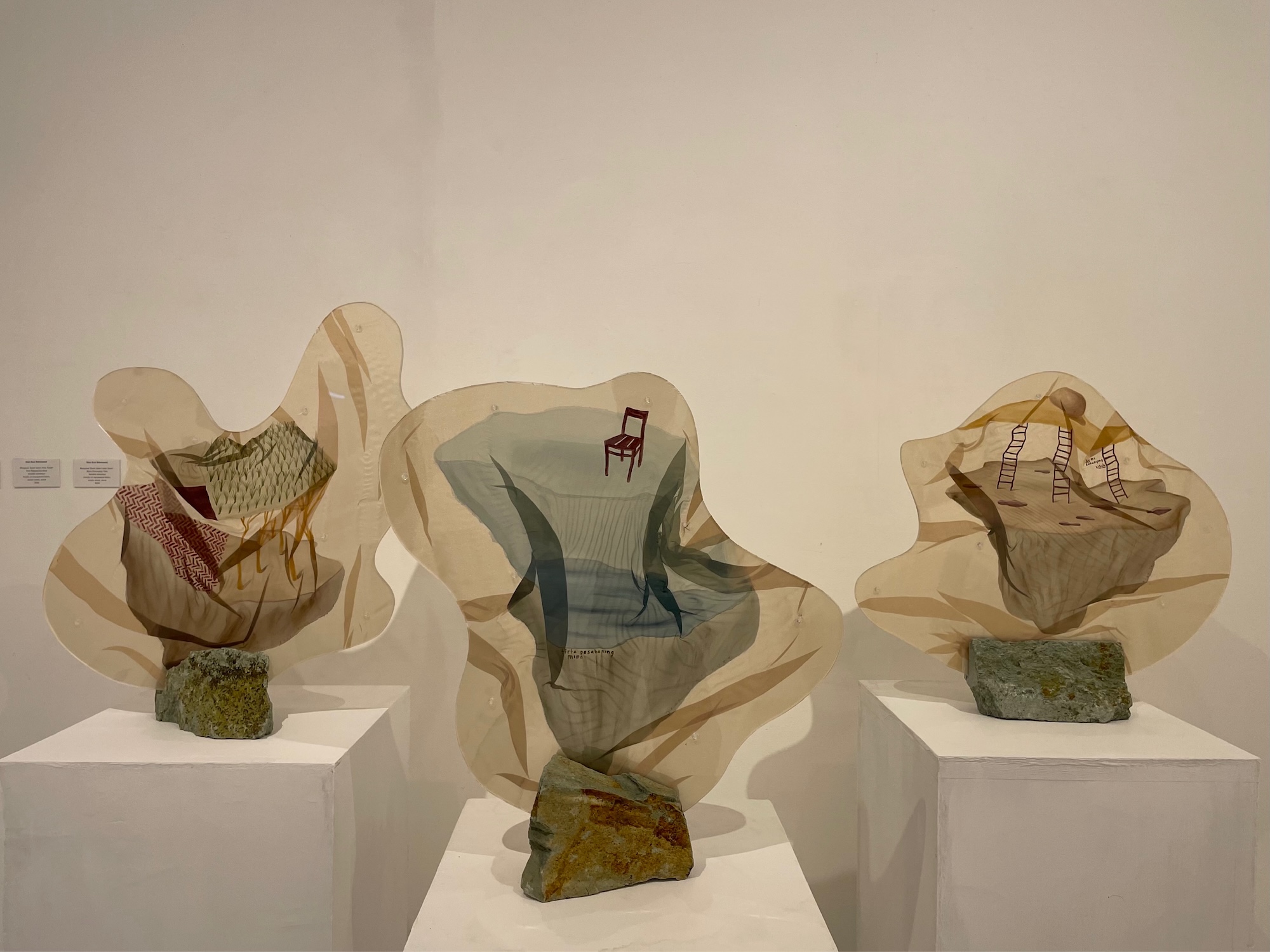
“I am deeply honored to be selected as the recipient of the Max Mara Art Prize for Women,”
said Suci.
“My proposal, Crafting Spirit: Cultural Dialogues in Heritage and Practice, emerges from stories of the body and memory within the lives and gestures of women artisans, whose work often exists between devotion and survival. This recognition offers me the opportunity to expand my research between Indonesia and Italy, and to learn from traditions and rituals that hold spirituality within the bodies that create.”
Suci was selected from a shortlist that included Betty Adii, Dzikra Afifah, Ipeh Nur and Mira Rizki, by a jury chaired by curator Cecilia Alemani alongside Venus Lau, Amanda Ariawan, Megan Arlin, Evelyn Halim and Melati Suryodarmo.
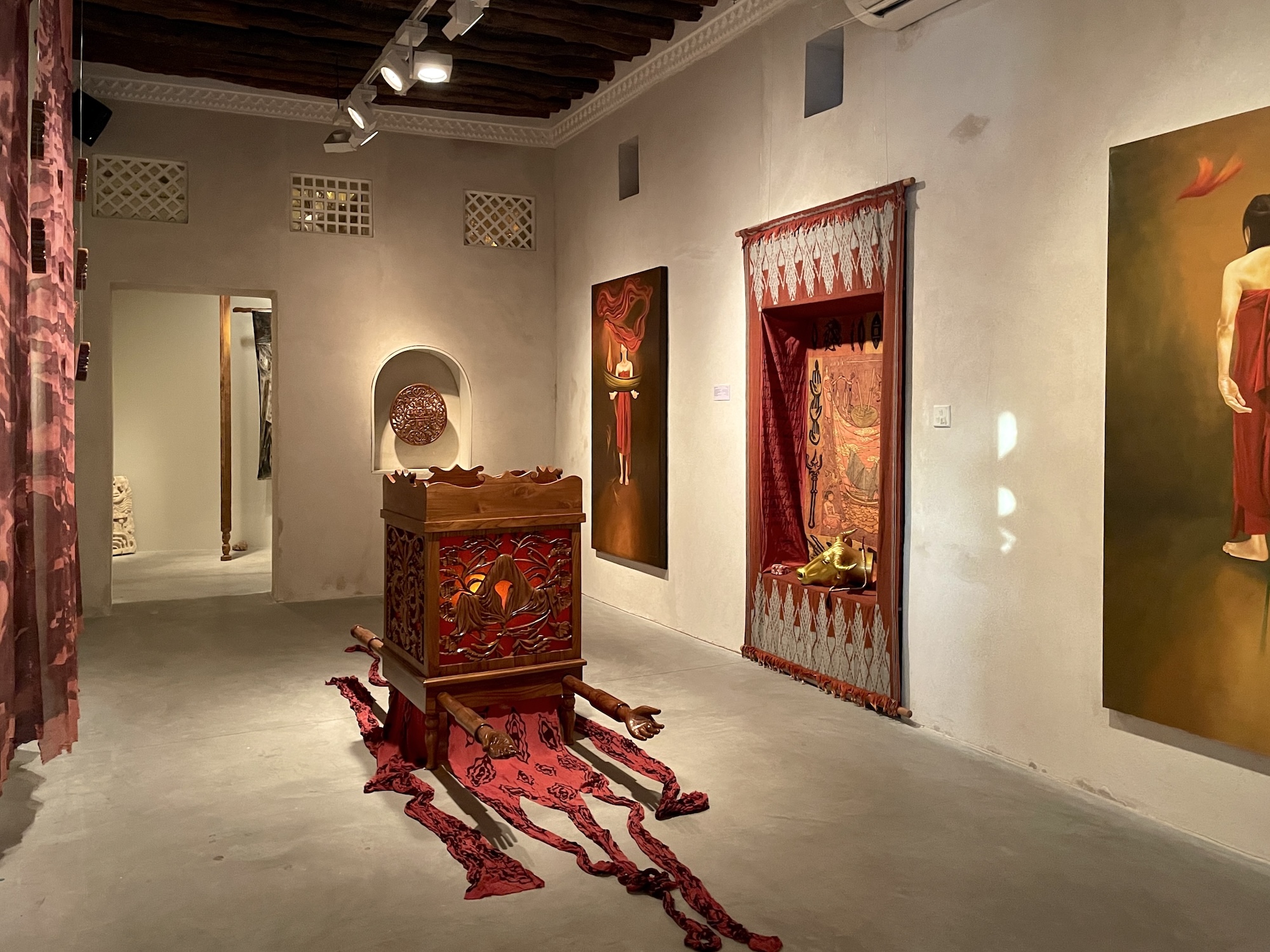
At the centre of Suci’s winning proposal is Crafting Spirit: Cultural Dialogues in Heritage and Practice, a project that will investigate the relationship between spirituality, labour, craft and commodification through a comparative study of religious artisan traditions in Italy and Indonesia. Her research will examine how handmade devotional objects, ritual gestures and embodied forms of making continue to carry cultural memory and meaning, even within systems shaped by profit, mass production and globalisation.
“Dian Suci’s promising project… explores the realms of ritual and gesture, intertwining them with ancient craft techniques and their history, in an ongoing dialogue between East and West,”
said Luigi Maramotti, president of the Max Mara Fashion Group.
“The rich tradition of Italian craftsmanship, in all its many facets, lies at the very heart of the Max Mara Art Prize.”
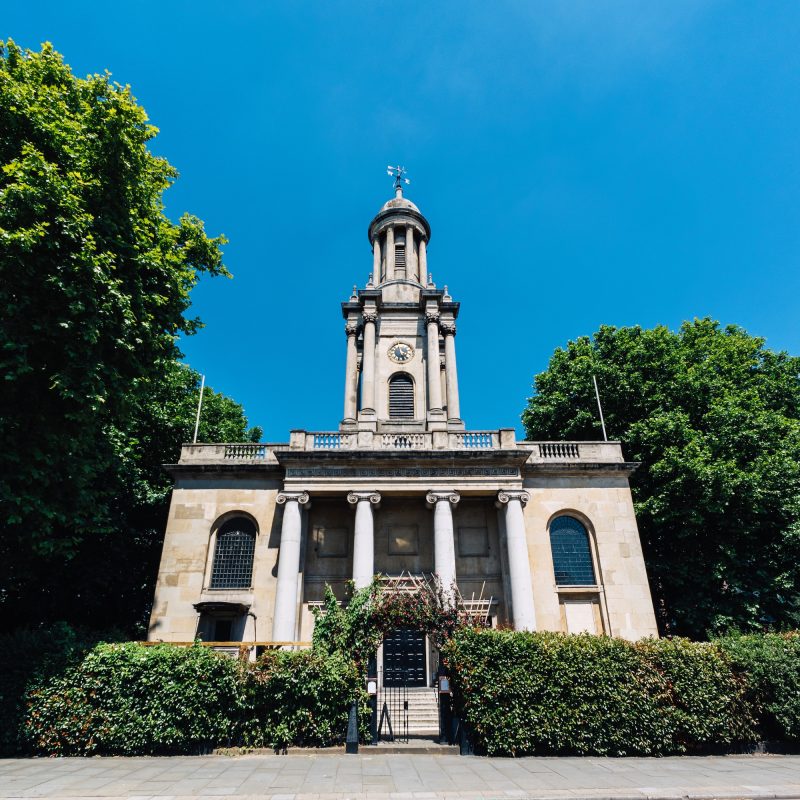
Her residency will begin in Assisi, where she will stay at the Monastery of San Masseo and engage with Catholic craft traditions and monastic life. From there, she will continue to Rome, Lecce and Florence, working with historians, artisans, conservators and religious communities to deepen her technical and conceptual research — from papier-mâché traditions in Puglia to egg tempera painting and handweaving techniques rooted in ecclesiastical practice.
Alemani described Suci’s work as possessing
“an extraordinary capacity to transform the realm of everyday domestic life into a realm of political resistance,” adding that her project approaches spirituality “not as an escape from reality, but as resilient response to the invasive influences of capitalism and mass production.”
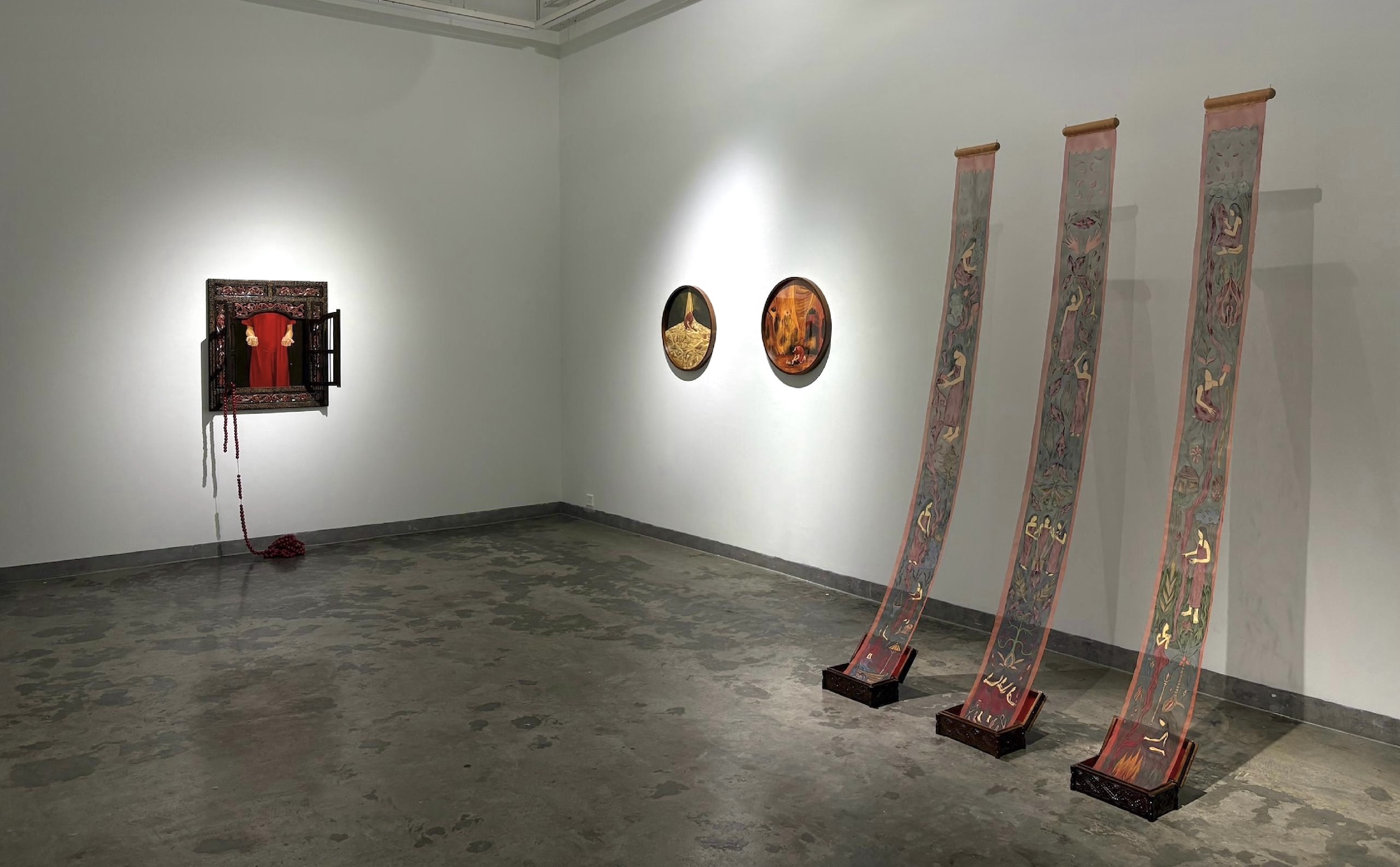
The resulting body of work will be unveiled in a solo exhibition at Museum MACAN in summer 2027 before travelling to Collezione Maramotti in autumn, where the works will enter the collection — extending the legacy of a prize that continues to champion women artists at pivotal moments in their careers.
About
The Max Mara Art Prize for Women is the only award of its kind. Established in 2005 by Max Mara, it was the first visual arts prize for emerging and mid-career female-identifying artists, aimed at spotlighting and supporting them at a crucial stage in their careers by offering time and space for the creation of an ambitious new project. After its fruitful collaboration with Whitechapel Gallery in London, the Max Mara Art Prize for Women will now expand its geographic reach and become a travelling event, starting with its tenth edition (2025 – 2027). The nomadic prize will move to a different country with each edition, under the guidance and curation of Cecilia Alemani, Director and Head Curator of High Line Art in New York. Each winning artist, chosen by a jury chaired by the curator and made up of women active on the contemporary art scene in that country (a gallerist, art critic, artist and collector), is given the opportunity to spend a six-month residency in Italy, organized by Collezione Maramotti and tailored to her personal and professional needs. The purpose of this residency is to provide the winner with the time and space to focus on the creation of a new artistic project, which will then be exhibited in two solo shows: one at the partner institution for that edition, and the other at Collezione Maramotti, which will acquire the works.
For the twentieth anniversary of the Max Mara Art Prize for Women, the anthological exhibition Time for Women! Empowering Visions in Twenty Years of the Max Mara Art Prize for Women was presented in Florence in collaboration with Palazzo Strozziat La Strozzina, the institution’s space for experimental contemporary art.
Collezione Maramotti is a private contemporary art collection which opened to visitors in 2007 at the historic former headquarters of the Max Mara company in Reggio Emilia. In addition to a permanent collection of more than 200 works from 1950 to 2019, it regularly presents new projects and commissioned pieces by international mid-career and emerging artists. collezionemaramotti.org