

Written by Valentina Shaeva
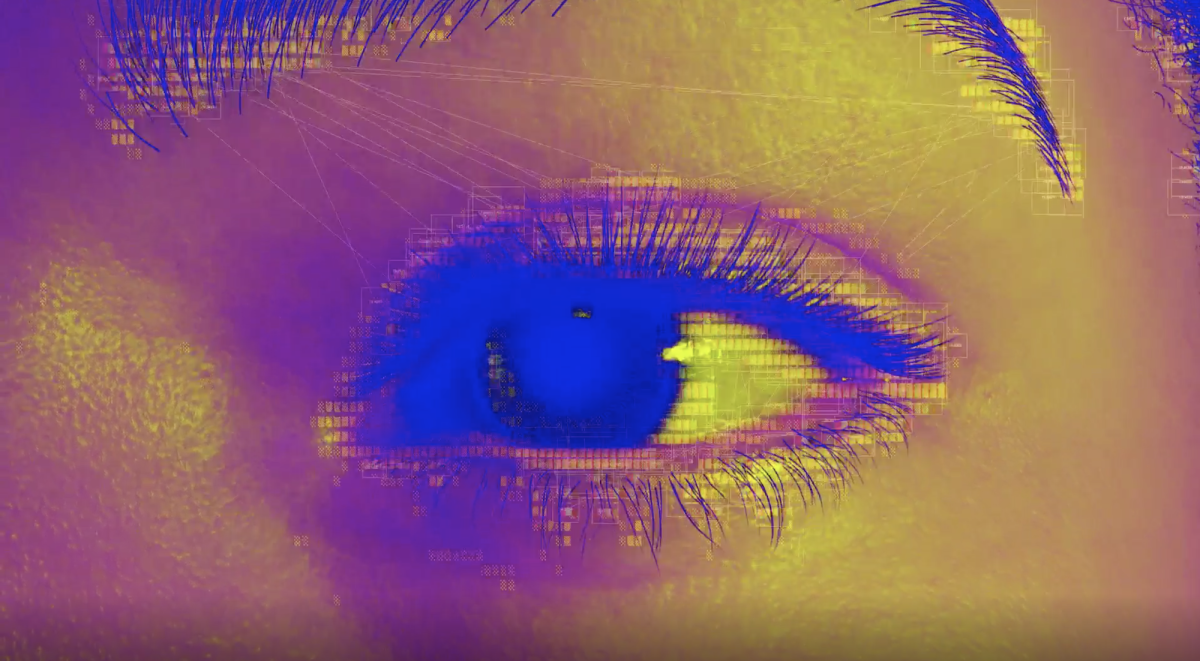
The video art Emotional Algorithm, completed by Yaxuan Liao in 2025, is not simply an attempt to visualise digital code but an exploration of how computer data can shape the experience itself. The work is based on a machine analysis of emotional lexica. However, its key gesture lies not in the technology, but in the method of translation: from language to rhythm, from rhythm to sensation.
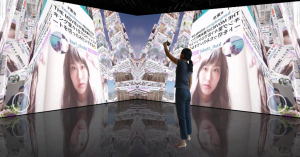
Yaxuan Liao avoids exemplariness and visual representation. Light, harmoniously interacting with sound, does not represent emotions but functions as their equivalent. The changing light intensity and sound frequency are not deliberately decoded by the viewer, but experienced sensually. The artist intentionally renounces the visual distance between the viewer and the computer algorithm. Observers do not analyse the information flow; they are immersed in it.
The internal structure of Emotional Algorithm is based on the interaction of fluctuations between positive and negative emotional signals. Yaxuan Liao, however, strives not to reduce them to a binary opposition. Instead, the artist demonstrates the instability and impermanence of any emotion. We see frequent transitions: sometimes abrupt, sometimes almost imperceptible, and in some cases, overly active. This creates the feeling of an environment in which there is no stable state, but only a constant alternation of emotions.
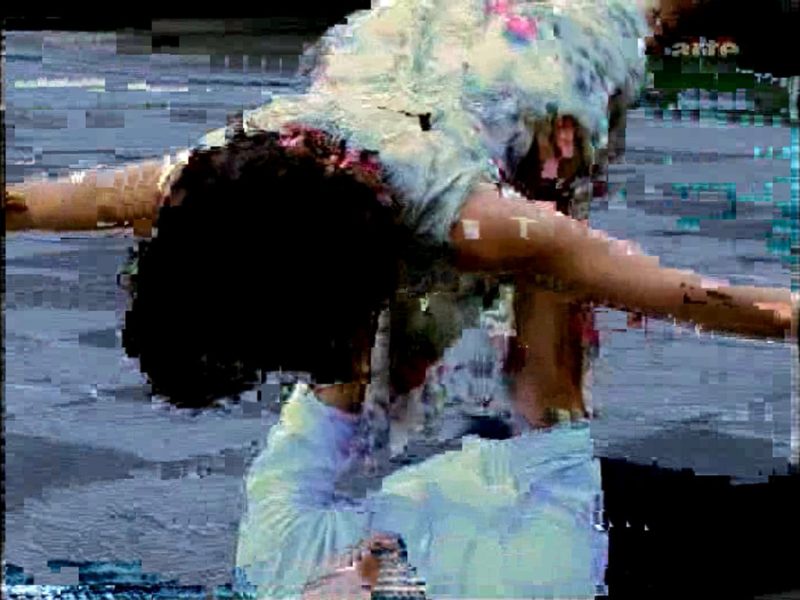
Yaxuan Liao’s artistic method is consistent and recognisable within the context of her practice. She examines technical data not as material for analysis, but as a medium of transformation. The artist’s key approach is that she doesn’t capture reality with data, but rather produces it. In her solarisation videos, the algorithm is not hidden. Instead, it manifests itself through the rhythmic organisation of shifting images and sound. Repetition and disruption become the primary artistic language.
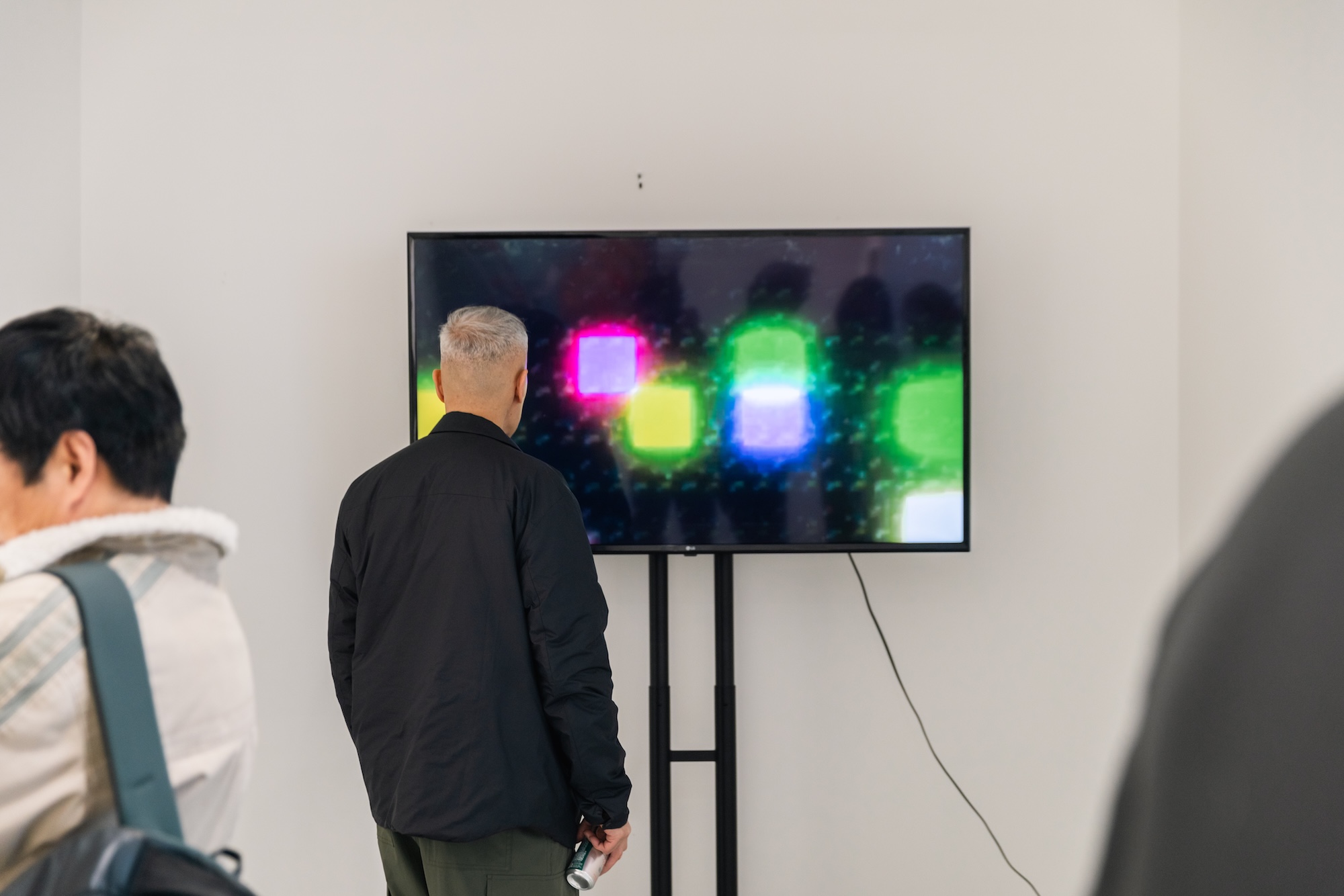
The artist quite accurately depicts Emotional Algorithm as a holistic system, composed of interconnected elements of light and colour that form a unified whole. The visual language is appropriately supported by sound. Furthermore, in this context, the artist is interested not in the technology as an object, but in the human state within this system. This is demonstrated in this work through changing scale. The stream of emotions loses its individual anchor and transforms into a shared flow. At the same time, the viewer, located within the video art, inevitably relates this emotional flow to their own state.
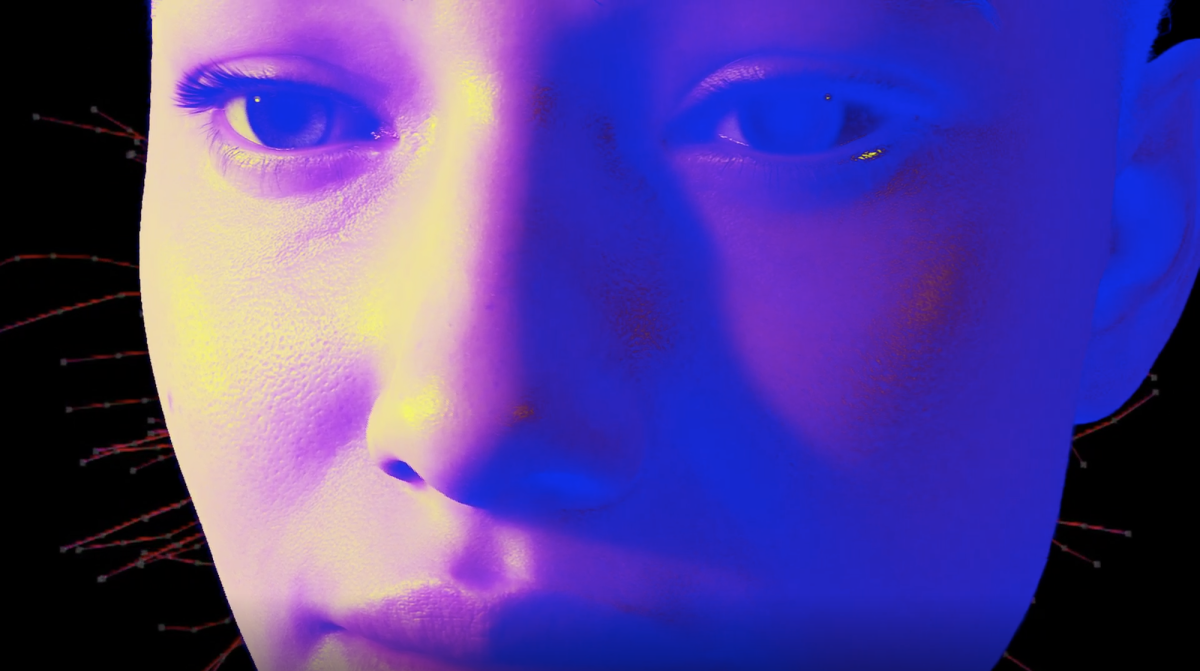
The critical question posed by this work is “Is empathy possible in the face of algorithmic emotion processing?” Yaxuan Liao does not provide a direct answer, but rather poses a problem for the observers, which can be summarised as follows: “When emotions become digital, they are simultaneously generalised and amplified.” This dual movement evokes both a sense of loss and a new form of sensuality. Overall, in her artistic practice, Yaxuan Liao strives not to depict information technology itself, but rather focuses on human sensory experience, situated between measurability and perception.
Emotional Algorithm is a mature work by the artist, in which the technological tool is entirely subordinated to the artistic task. One could say that Yaxuan Liao demonstrates artistic discipline. She avoids overloading the visual language or unnecessarily complicating the form, thereby achieving clarity. There is no effect for the sake of effect, but rather, the artist offers a precise statement about how emotional experience is shaped today.