Frieze New York 2026 expands beyond the fair with a citywide programme of performances and installations at the Whitney Museum of American Art, The Shed and Dia Art Foundation.
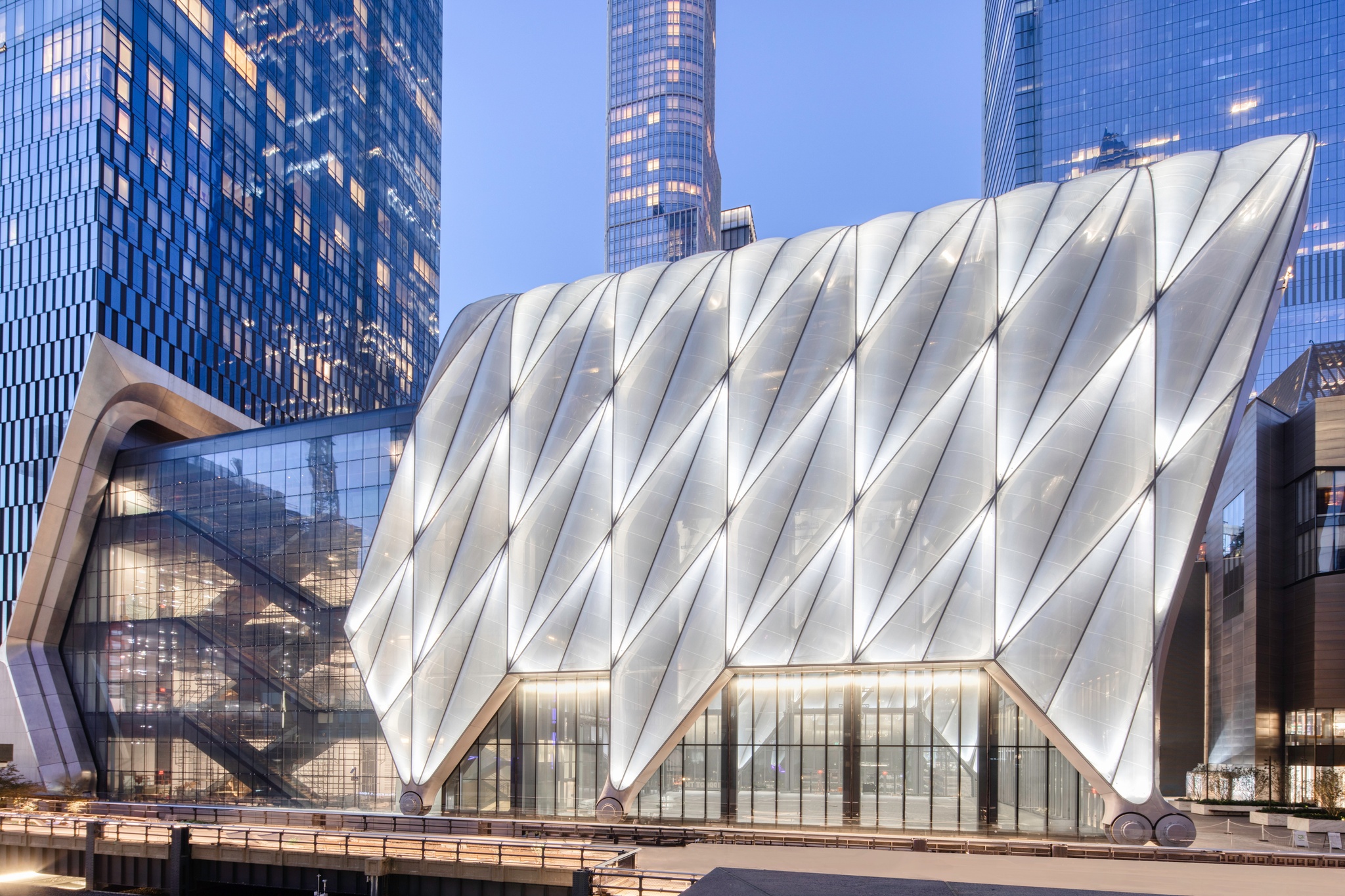
Frieze New York returns this May with a programme that stretches well beyond the fair itself—spilling into institutions, public space and the wider fabric of the city. Running from 13th–17th May 2026, the fair activates venues including The Shed, the Whitney Museum of American Art and Dia Art Foundation, foregrounding performance, moving image and site-responsive installation.
Rather than treating the fair as a contained marketplace, this year’s programme leans into duration, embodiment and perception—placing the viewer inside works that unfold across time and space.
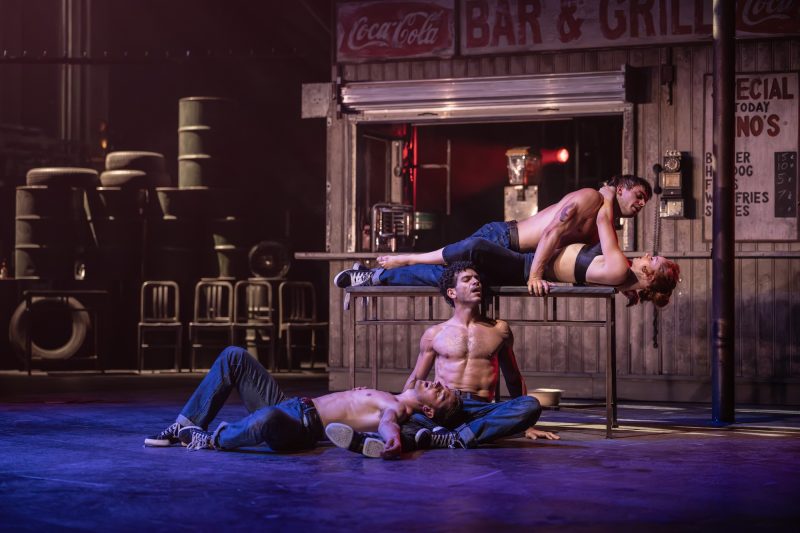
At the centre of this expanded approach is Jonathan González, whose dual presentations bridge the Whitney Biennial and Frieze itself. At the Whitney, magic hour–golden time unfolds across three days as a series of durational performances that move between terraces, the High Line and the surrounding waterfront. Drawing on the Japanese concept of shakkei (borrowed scenery) and the Romantic device of the Rückenfigur, the work choreographs shifting perspectives—inviting viewers to reconsider their own position in relation to landscape and architecture.
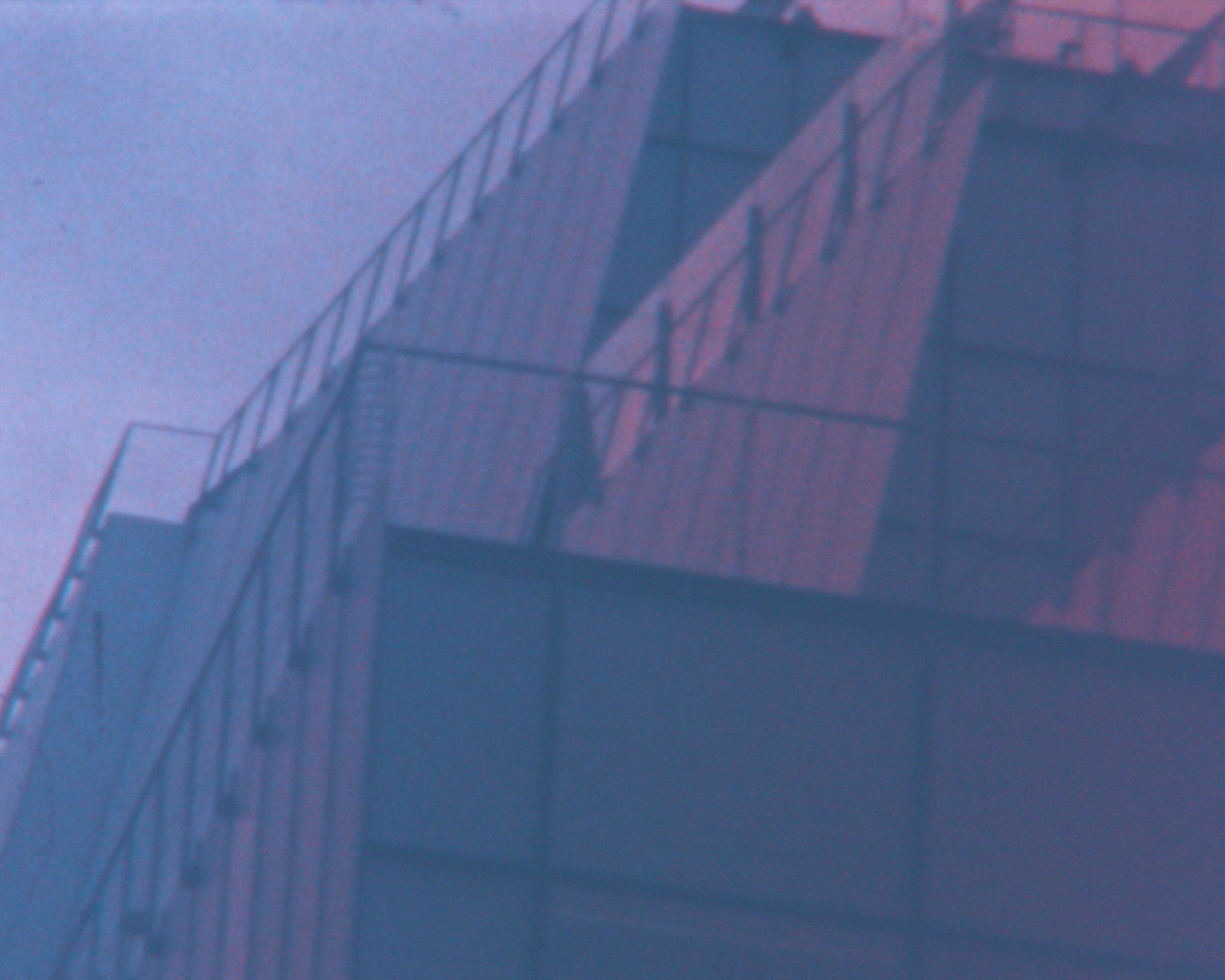
Running in parallel at The Shed, González’s Body Configurations (2023–2025) translates this inquiry into photographic installation. Combining Super 8 transfers with digital imagery, the work centres on performer Alexis De La Rosa, whose closed-eye improvisations activate a choreography of intuition and internal sensation. Engraved prompts extend the work into the viewer’s own body, encouraging movement, attention and participation.
“An important and compelling young voice in contemporary performance, Jonathan González creates durational works that often engage architecture and environment,” said Drew Sawyer. “It is especially exciting to present his new work in the Biennial… Co-presented with Frieze New York, the work extends the exhibition beyond the gallery into a shared encounter on the Museum’s balconies.”
Elsewhere, David Lamelas’s quietly rigorous investigations into time and perception unfold through a focused presentation at The Shed, organised by Dia. Anchored by To Pour Milk into a Glass (1972), the works strip action back to its essentials, using repetition and duration as conceptual tools. Presented alongside selections from his ongoing Time as Activity series, the films trace lived time across cities, positioning the camera as both observer and participant.
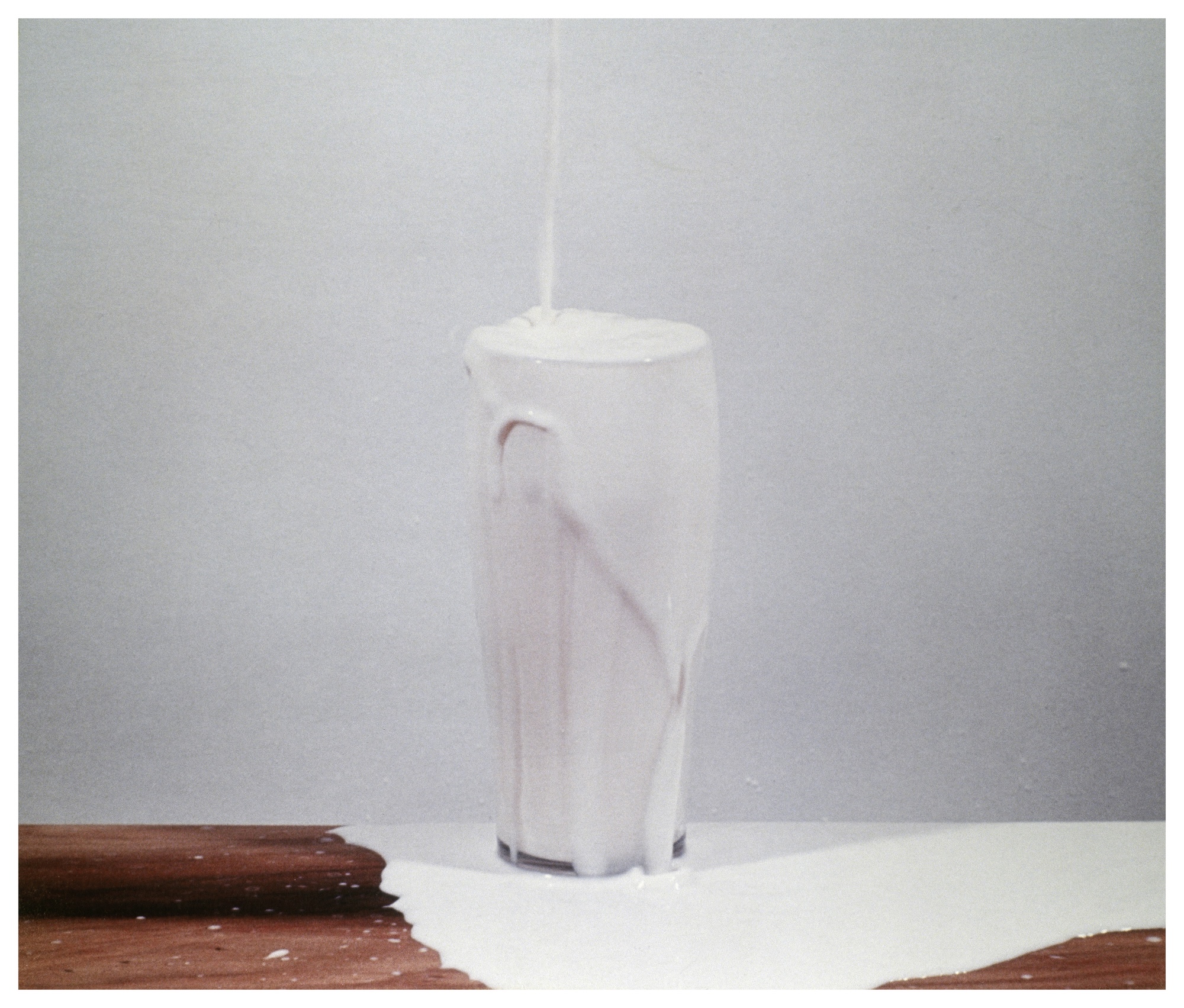
“David Lamelas is one of the most important international Conceptual artists, whose work has continually examined how time, language, and context shape our understanding of reality,”
said Humberto Moro.
“Presenting these moving-image works at Frieze expands the resonances of both the works and the exhibition at Dia Chelsea…”
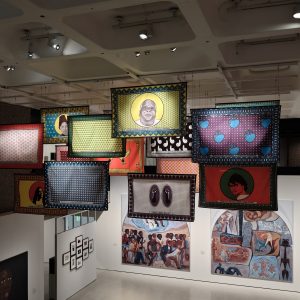
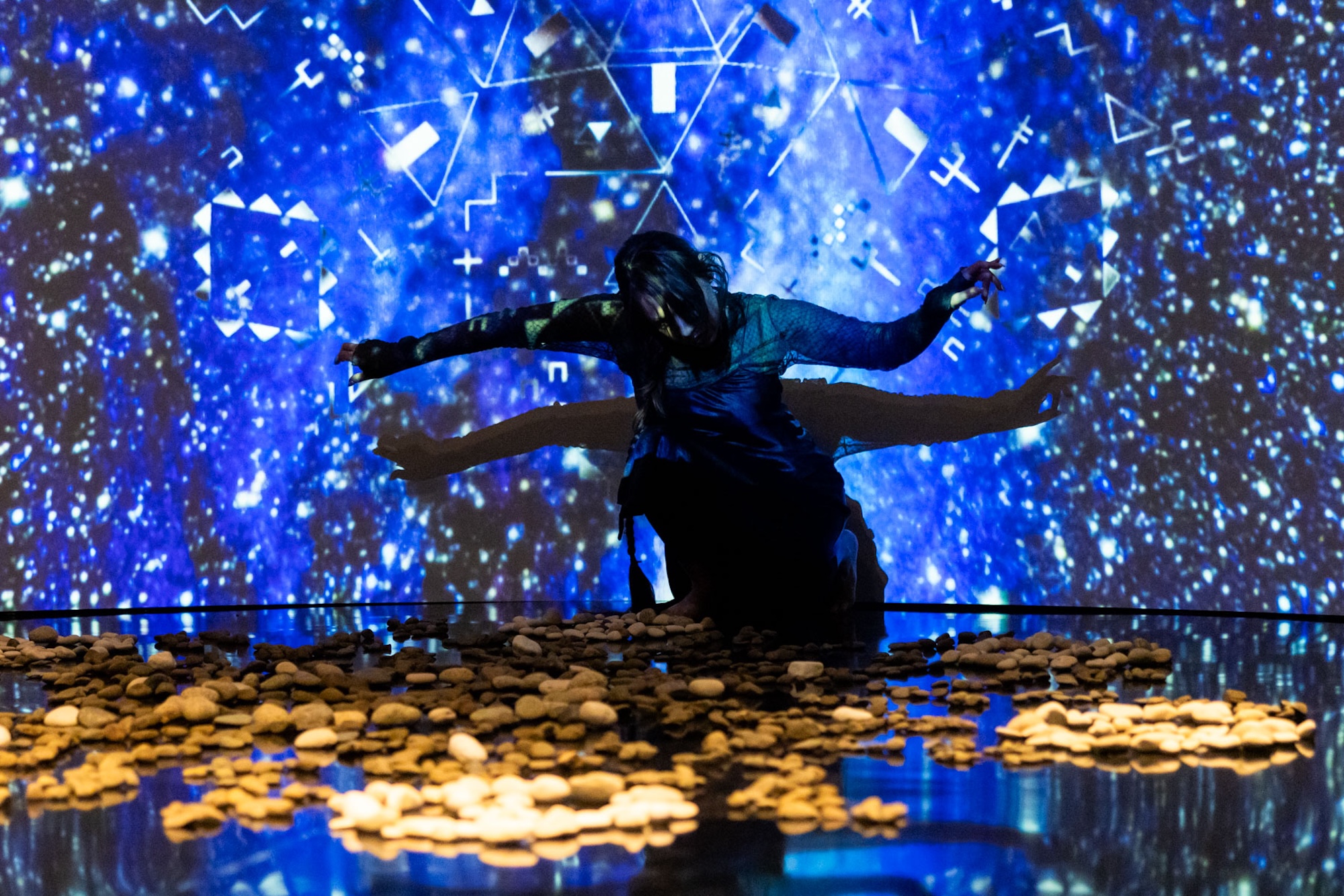
The programme also extends into public and collective space through a new commission by Kite in collaboration with Counterpublic. Wíhanyablapi (of St. Louis) (2026) transforms The Shed into a layered field of visual scores derived from Lak?óta cosmology and AI-informed translations of participants’ dreams. Activated through live performance, the work unfolds across multiple sightlines—its geometry shifting as viewers move through the space.
Alongside these institutional presentations, Frieze introduces new forms of support and circulation. The Sherman Family Foundation launches a five-year acquisition fund, committing $50,000 annually to acquire works from the fair’s Focus section for the Baltimore Museum of Art and the Brooklyn Museum. The initiative positions collecting not as an endpoint, but as part of a longer institutional dialogue.
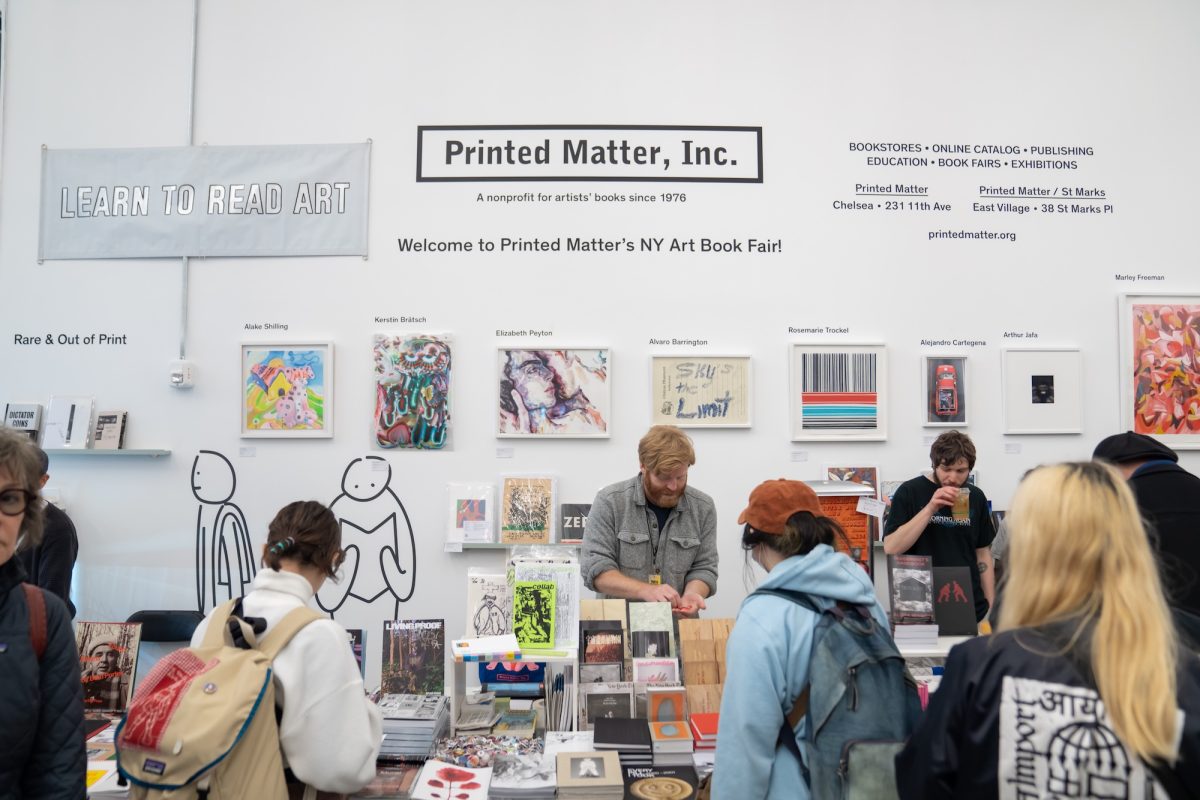
Meanwhile, Printed Matter, Inc. marks its 50th anniversary with a new artist edition by Deanna Templeton and Ed Templeton, alongside a curated presentation of historic works. The Frieze Library—developed with the Metropolitan Museum of Art’s Thomas J. Watson Library—continues to expand, forming a living archive of contemporary publishing that will outlast the fair itself.
“Building on our ‘Contemporary Catalogues Project’, this initiative continues our goal to document and represent a broad range of emerging and contemporary artists worldwide,”
said Holly Phillips.
Taken together, Frieze New York 2026 feels less like a singular event and more like a distributed condition—one that unfolds across institutions, disciplines and temporalities. From durational performance to conceptual film and collective making, the programme positions the city itself as both stage and medium.
Frieze New York, 13th–17th May 2026, The Shed