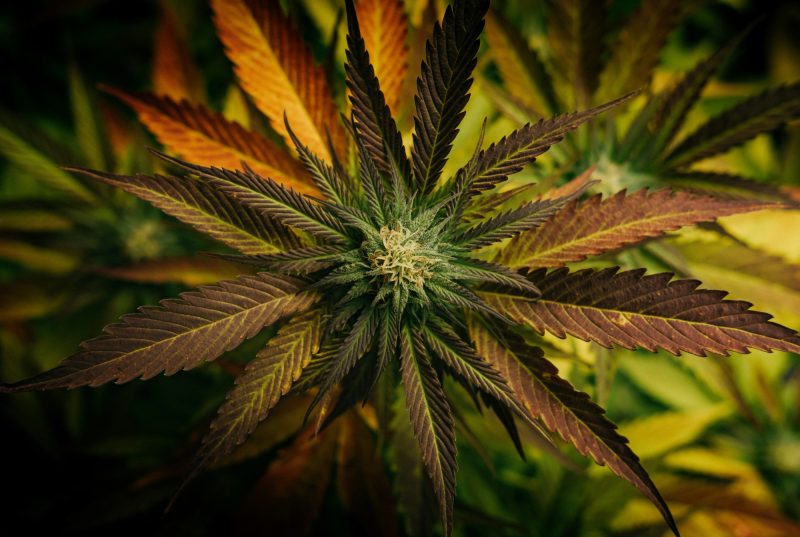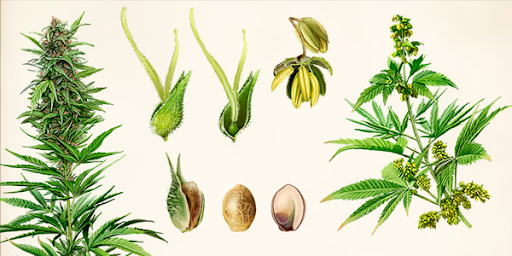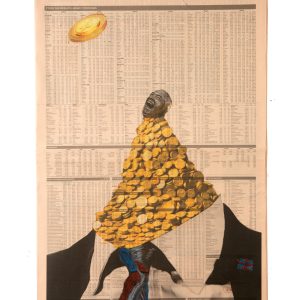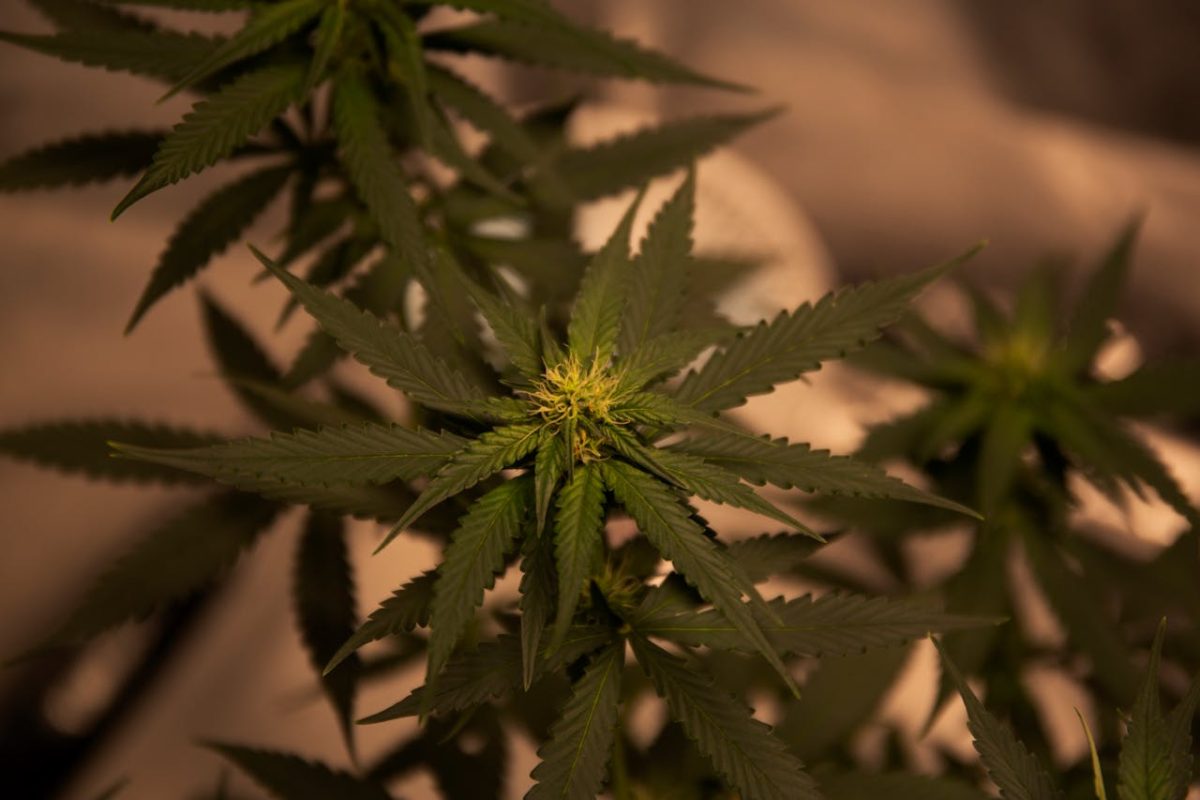
Walk through any contemporary art fair in a major city and the shift becomes clear. Cannabis imagery now appears in painting, sculpture, photography, and textile work far more than critics expected. The plant has moved from counterculture symbol to a recognized subject in mainstream visual art. That change did not happen apart from the broader culture and commerce surrounding it.
This shift also reflects how people now access cannabis and talk about it openly across North America. More Canadians order weed online through licensed platforms as legal frameworks have expanded since 2018. That normalisation feeds back into creative output and shapes what artists choose to examine. Artists who take cannabis seriously as subject matter find their audiences have grown alongside the market.
A Long History Between Artists and Cannabis
Cannabis and creative communities have crossed paths for centuries across many cultures and regions. Historical records place the plant in gathering spaces from Moroccan kif cafes to Beat Generation lofts. These connections sat at the center of how artistic ideas moved between people and communities. That legacy still informs how contemporary artists position themselves in relation to the subject today.
By the 1960s, cannabis was openly embedded in psychedelic and pop art movements on both continents. Artists in poster art and experimental film used heightened color and fragmented imagery to reflect altered perception. The plant was not just consumed in those spaces but became a visual language audiences could read. Contemporary artists carry that lineage forward with more direct social commentary behind their work.
The Visual Identity of Cannabis Culture
One of the less examined outcomes of legalization involves its effect on product design. Legal markets in Canada and the United States have produced cannabis brands that invest heavily in design. These brands pour resources into typography, illustration, and spatial work. Some of this work holds up well next to fashion or premium food branding.
Packaging as a Form of Visual Art
Dispensary interiors in cities like Toronto and Vancouver treat spatial experience as seriously as any gallery installation. Collectors now acquire limited edition cannabis packaging the same way they buy art prints. That cross pollination shows how functional objects carry genuine cultural weight beyond their commercial purpose. A well designed glass jar can communicate values, humor, and visual literacy to its audience.
What This Signals for the Creative Industry
This commercial aesthetic has itself become a subject for visual artists working across different media. The lines between product design and fine art have grown less defined in cannabis related work. That blurring tells you something real about where the culture is headed and why it draws artists in.
Galleries and Institutions Taking Notice
A growing number of galleries and cultural institutions have mounted exhibitions that address cannabis directly. Museums in Los Angeles, Amsterdam, and Berlin have shown work using cannabis imagery and hemp materials. Some of these shows place the history of prohibition at the center of the work. These are not novelty shows, and they engage with real curatorial questions about how stigma shapes what gets exhibited.
Following contemporary exhibition programs reveals how quickly institutions can shift when public attitudes change around a contested subject. Research at Washington State University has examined how cannabis affects divergent thinking. Divergent thinking is the cognitive process most closely tied to creative problem solving. The findings are nuanced rather than conclusive, but they establish that this relationship deserves serious attention.
Spaces run by artists have been quicker than major institutions to act on this cultural opening. Popup exhibitions in legal cannabis cities have drawn audiences who rarely step inside galleries. That is a clear sign of how the subject pulls new people into art spaces.
Digital Access and the Expanding Audience
The same period that saw cannabis legalization grow also saw art consumption shift substantially online. Both changes have affected who participates and how communities form around shared subjects and tastes. Someone following cannabis artists on social media can be as informed about a new show as a print critic.
Coverage of emerging and counterculture art shows how fast new subjects can find informed audiences. When information access opens up, even contested subjects can attract large and engaged audiences fairly fast. Cannabis commerce has followed a similar pattern and widened access for people outside major urban centers. People in smaller communities can now reach licensed products that once required a nearby retail store.
That access carries a real cultural side to it. It draws people into conversations about quality, origin, and brand values. These conversations parallel how buyers think about artists and their practice. Neither shift is purely transactional because the commerce and the culture inform each other at every level.
Artists Shaping the Conversation
Several contemporary artists have built notable bodies of work that engage cannabis as direct subject matter. Their approaches vary in medium, intention, and how directly cannabis functions as social critique. Each brings a perspective shaped by their own cultural context and relationship to the plant.
A few artists worth knowing are doing strong work in this area right now.
- Tajh Rust creates paintings and digital work that examine Black cannabis culture and the racial history of prohibition in America.
- Smokus Focus, photographer David Dow, produces botanical cannabis photography that reads as nature study as much as product documentation.
- Cali Thornhill DeWitt uses text focused work across multiple formats to place cannabis inside broader social and political commentary.
- Sofia Souza works in textile and print, weaving cannabis plant forms into geometric patterns that reference traditional craft techniques.
These artists are not making work to push a lifestyle or promote a product category. They examine what the plant means and why it still holds a complicated social position. Their combined output makes a solid case that cannabis has earned real space in critical discussion.
Where This Conversation Goes Next
Cannabis and contemporary art connect because both sit in spaces where social norms get regularly contested. As legal frameworks keep shifting, institutions need to keep pace with what independent spaces are already doing. The National Endowment for the Arts reports that funding for socially engaged creative work has risen steadily for a decade. That creates real room for art that addresses contested cultural subjects head on. Cannabis culture deserves the same critical attention given to any other social force shaping what artists make today.