There’s a new trend in art and design – the move toward self-sustaining systems and working directly with living things, like soil, plants or water. More and more artists decide to step outside of the traditional studio, which reflects a wider cultural movement, the one of ecological awareness and a desire for long-term resilience. Rather than producing static objects, many artists are now interested in different processes that evolve in time. Innovative gardens, regenerative installations, and bio-based projects allow creativity to unfold in a completely new way, reshaping the way we think about art. Shaped as much by nature as by human intentions, the act of making becomes collaborative, a work done between the artist and his environment.
Cultivation of Art
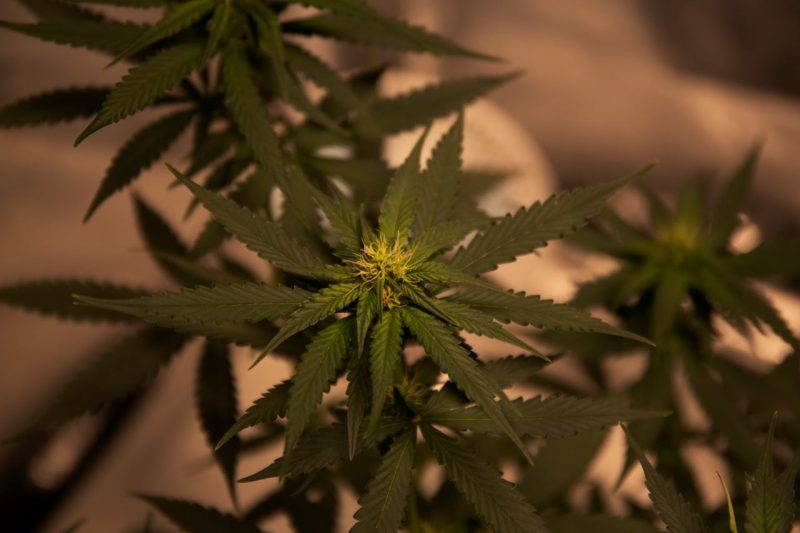
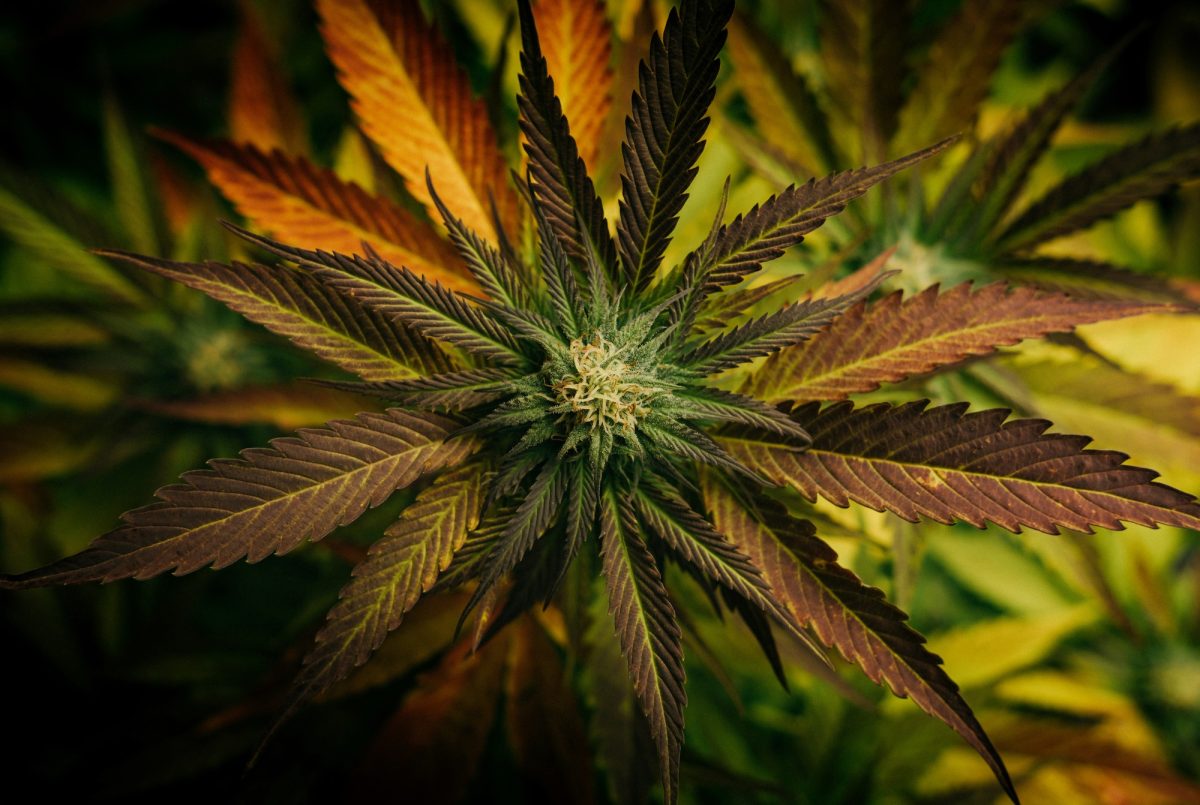
For some, this process of creation begins as early as cultivation. Working with plants introduces a completely different rhythm into the practice, one ruled by seasons, light and care. Certain artists have been drawn to resilient fast-cycling plant varieties that allow for much more experimentation. One of the best examples is cannabis autoflower seeds. Their predictable growth patterns and general adaptability make them a great “starter plant.”
Rooted in Process
Self-sustaining systems appeal to artists because they emphasise process over outcome. A living installation or garden artwork will never be fully controlled, because we can never control the weather, the subtle shifts in soil conditions, or the plants’ responses. For many, though, this uncertainty is not a limitation – it’s an invitation to experiment even more. What can be more creative than a work of art to which even the designer themselves doesn’t know the answer? They ask viewers to engage directly with the process of creating, instead of consuming art in a single moment, often without reflection. Growth, decay and regeneration become aesthetic elements rather than just background conditions. This approach also aligns with modern concerns about the environment and sustainability. Rather than illustrating these issues symbolically, artists prefer to work with actual plants.
Redefining the Studio
As artists turn towards the soil, the concept of what “studio” is has to expand. Creative spaces now have to include gardens, rooftops, allotments, and outdoor installations. This often brings new collaborators into the creative process, such as horticulturists or even scientists. The studio becomes open to influence from the outside world, beyond what was until now considered “art.” Knowledge flows between disciplines, and the boundaries begin to blur. For many artists, this new, hybrid space feels more honest; it’s closer to the real world we all live in, rather than a fake, designy space they worked in before. There’s also a practical side to this. Self-sustaining systems can reduce waste, reuse materials, and rely on sustainable cycling. For those questioning the environmental footprint of their work, these systems offer alternatives that are both ethical and creatively rich.
Letting Go of Control
Working with living beings requires a different mindset. You can’t bend a plant to your liking. It’s not metal or plastic. You have to be more flexible and adaptable in your work, rely less on planning and more on accepting whatever outcome may appear on your “canvas.” In embracing these conditions, artists challenge the idea of what mastery is and instead highlight cooperation, be it with nature, time, or pure luck. The result is a work of art that feels alive, responsive and yes… Grounded.
The turn towards self-sustaining systems reflects a wider cultural desire to reconnect with nature. From studio to soil, this movement signals what’s important to us as society in this time and age – finding a system that sustains us all.