Early March brings another sharp run of openings across London, where photography meets artificial intelligence, portraiture turns tactile, abstraction brushes up against belief systems, and corporate architecture becomes painterly code. From intimate annex shows to major gallery statements, these five exhibitions trace how artists are reworking image-making — reviving extinct flowers, reframing the human face, and testing what painting can still hold in an age shaped by technology, systems, and spectacle.
Wednesday 4th March
The approach 6PM -9PM
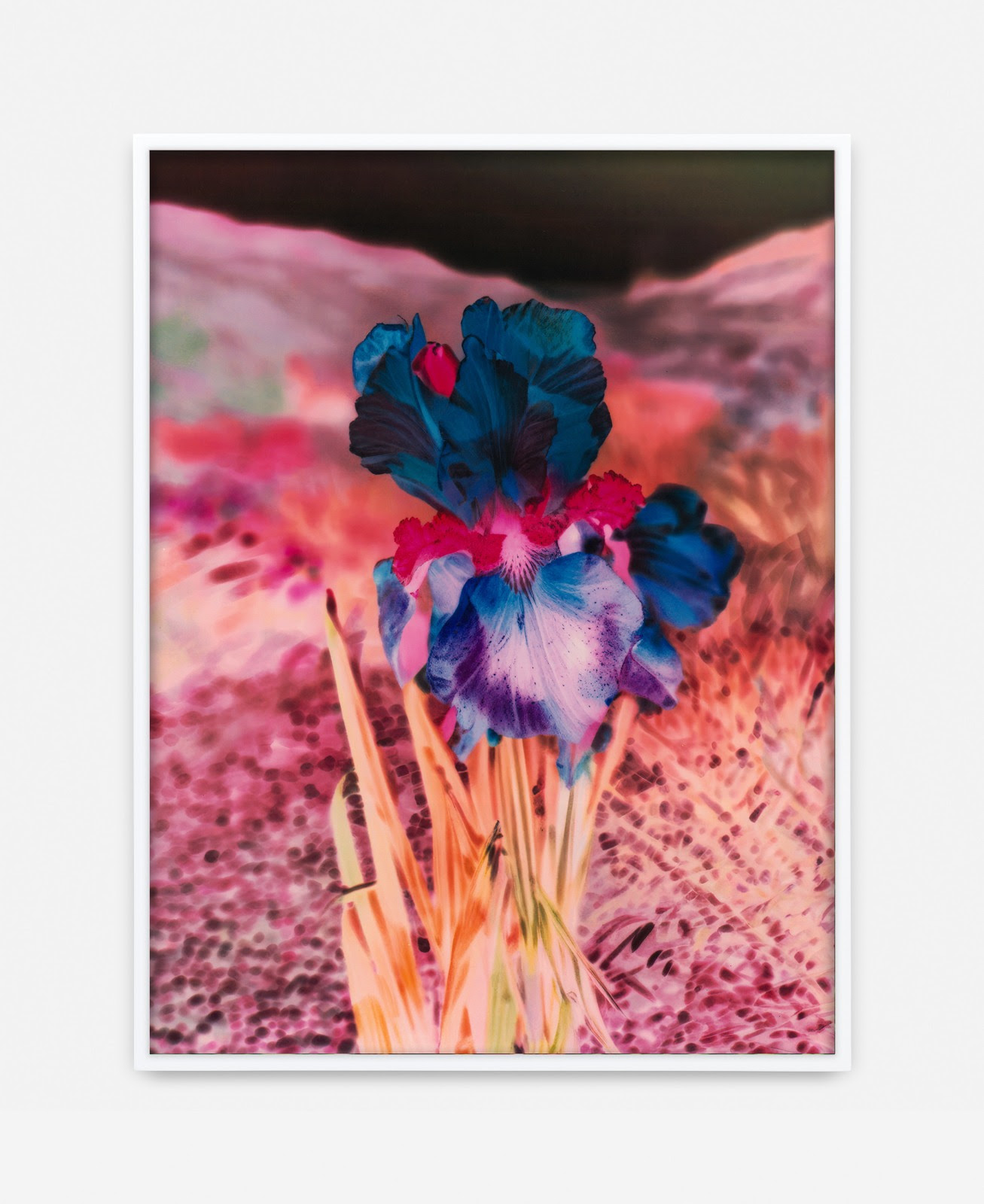
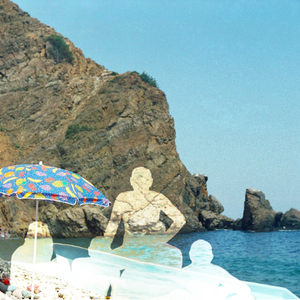
The Approach present Portraits/Hybrids by Lisa Oppenheim in The Annexe. Over the last two decades, Lisa Oppenheim has developed a body of work that is rooted in the photography while expanding the medium in order to examine its other material, media and their corresponding histories. For her most recent body of work, Oppenheim transforms and embodies the practice of one of the twentieth century’s most well-known yet enigmatic artists whose multifaceted career spanned nearly eighty years: Edward Steichen (1879-1973).
Steichen, a photographer, designer, curator, and flower hybridiser, viewed his flower cultivation on the same level as his photographic practice, on par with his work producing and designing exhibitions, books, watches, textiles and in 1928, a piano.
In a new series of photographic prints, Oppenheim revives a now- extinct variety of iris named Monsieur Steichen, which was created in 1910 by an amateur botanist as a tribute to Steichen. There are no known photographs of Mons. Steichen, nor extant examples of the flower. Oppenheim’s works bring this flower back to life using photographic techniques from two very different eras: dye transfer, which Steichen himself used in the 1930s and 40s, and artificial intelligence. Through AI technology, Oppenheim created images of hypothetical hybrids by merging images of the two varieties of iris that were originally used to create Mons. Steichen, creating possible offspring from each parent variety. She then produced analogue prints of the AI generated images using the labour–intensive and almost entirely extinct process of dye transfer printing. Using her own ‘incorrect’ colour combinations, Oppenheim creates a vast range of possible Mons. Steichen that explores the concepts of both genetic and photographic verisimilitude. @furryteacup @approachgallery
Thursday 5th March
Bobinska Brownlee New River 6PM-8PM
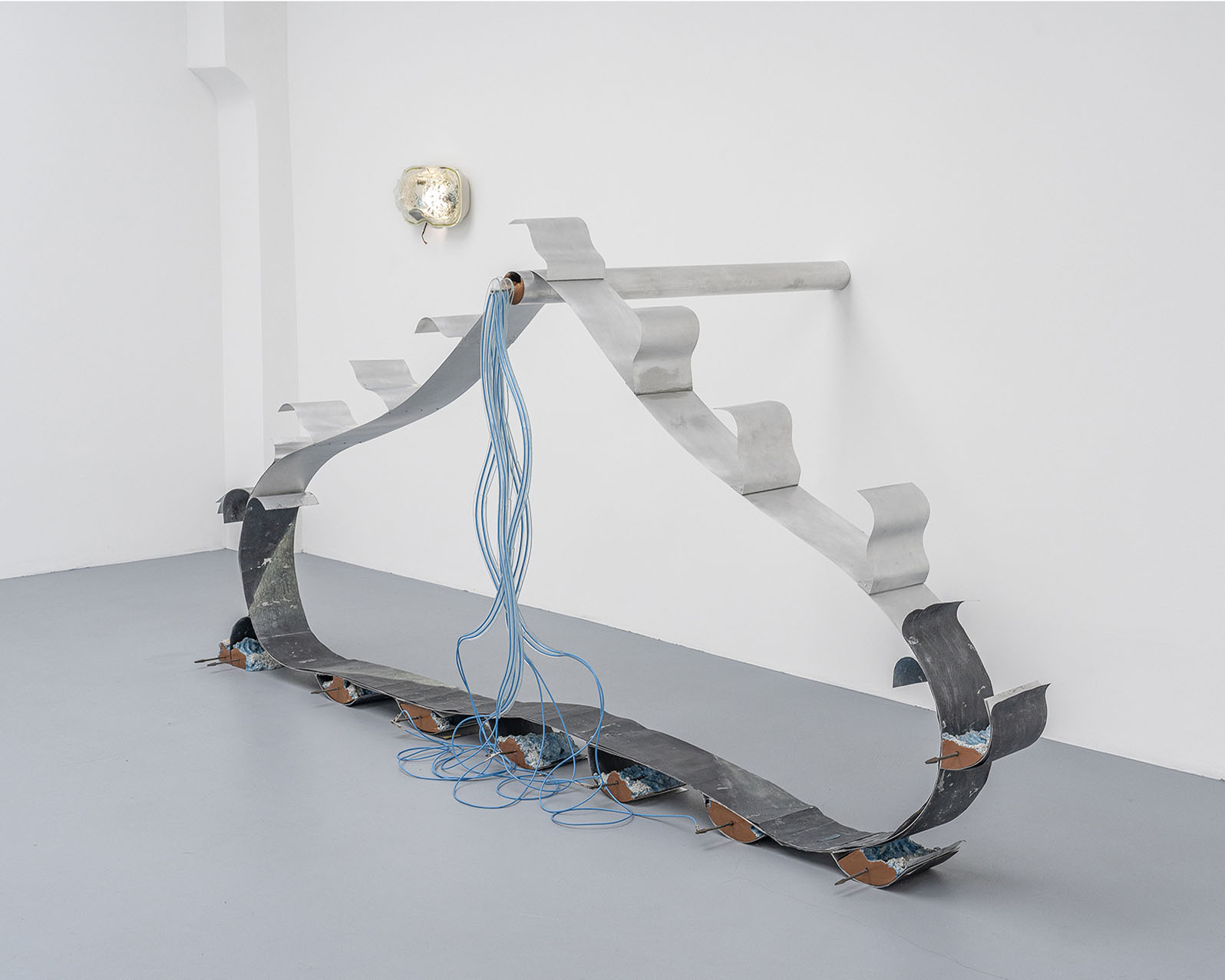
Bobinska Brownlee gallery to present Fuzzy Logic, a group exhibition curated by Alexander
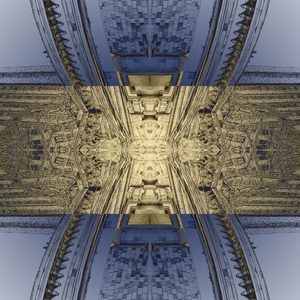
Harding, featuring Josephine Baker, Tobias Hauswirth, Antonio Parker-Rees and Jack Roberts. The exhibition’s title borrows from the mathematical concept of fuzzy logic, a system that operates through degrees of truth rather than the conventional binaries of true or false. Originating in mid-20th-century mathematics, fuzzy logic has since been absorbed into fields such as machine control, image processing and artificial intelligence, technologies that depend on interpreting signals which are never wholly clear or fixed. @bobinskabrownlee
Cob Gallery 6PM-8PM
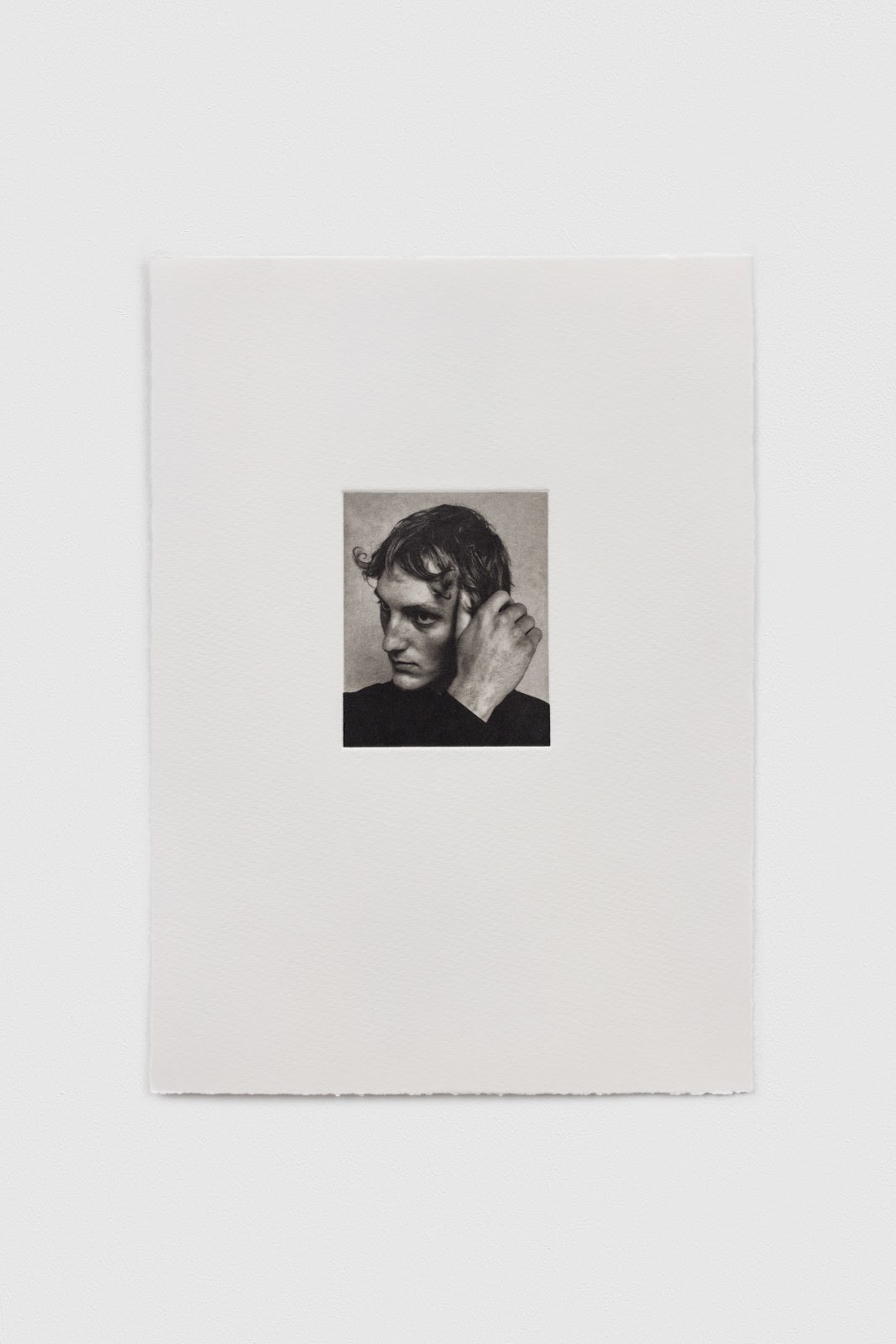
29.7 x 21 cm
Portrait photography has always been at the core of Jack Davison’s practice, the subject he returns to most instinctively amid his many photographic experiments. Portraits: 14 – 16 November, represents a deliberate effort to reclaim space for his enduring fascination with the human face, approached with renewed restraint and intensity.
Cob Gallery will present the work in its entirety: all ninety portraits from the series, shown in the gallery and in the city where the project was first conceived. This body of work unites Davison’s lifelong commitment to portraiture with his recent exploration of photopolymer gravure printing, a process that brings tactile depth to the photographic object.
Conceived as the first chapter in an ongoing series, the project began in London, where Davison, in collaboration with casting director Coco Wu, street-cast individuals from across the city and photographed them over three days. What emerges is not a portrait of London, but a more intimate, personal register of encounter and presence. The presentation coincides with the launch of a new publication, self-published by Davison’s print press Helions and designed by Matt Willey. The book captures the full scope of the project and marks the first volume in an evolving series, produced annually in different cities. @jackdavisonphoto @cobgallery
GRIMM 6PM -8PM
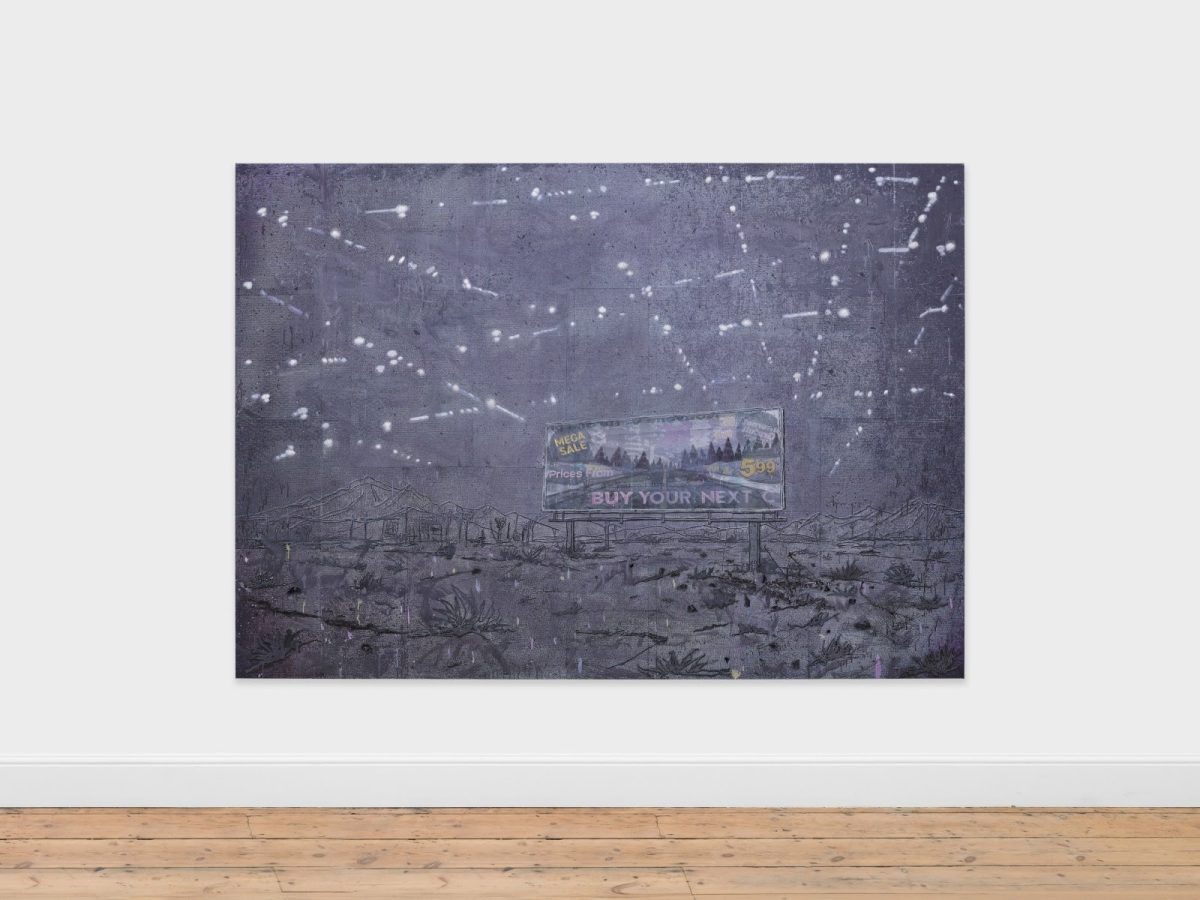
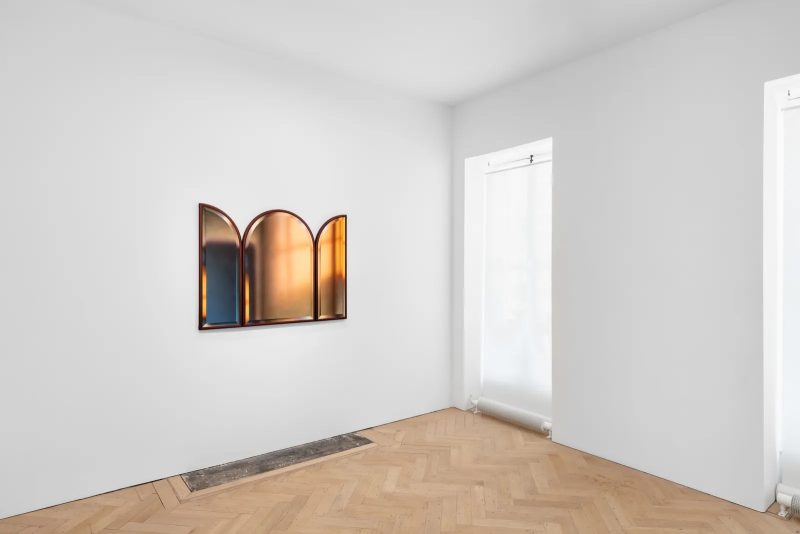
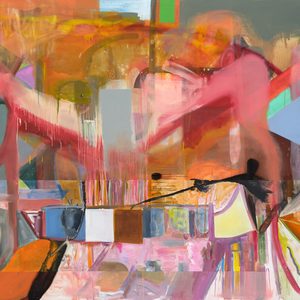
GRIMM present placebo drive, an exhibition of new work by Michael Raedecker. This will be his second exhibition with the gallery in London, and his largest show in the city in over ten years.
Michael Raedecker’s work seeks to make sense of the symbiotic and often parasitic relationship between nature and humanity. Staged at the nexus between the natural world and the urban environment, Raedecker sustains and interrogates this unresolved relationship, using the medium of painting as the means of understanding how this aspect of the human experience can be communicated and questioned.The title of the exhibition placebo drive sits at the intersection of expectation, belief and desire. In medicine, a placebo works not because of its material properties but because of the trust in a system and the desire for an effect. In the context of painting, the placebo drive could therefore be taken as the drive to experience meaning or affect, a performed belief that something is happening. @michaelraedecker @grimmgallery
Tuesday 10th March
One for next week, White Cube Mason’s Yard 6PM – 8PM
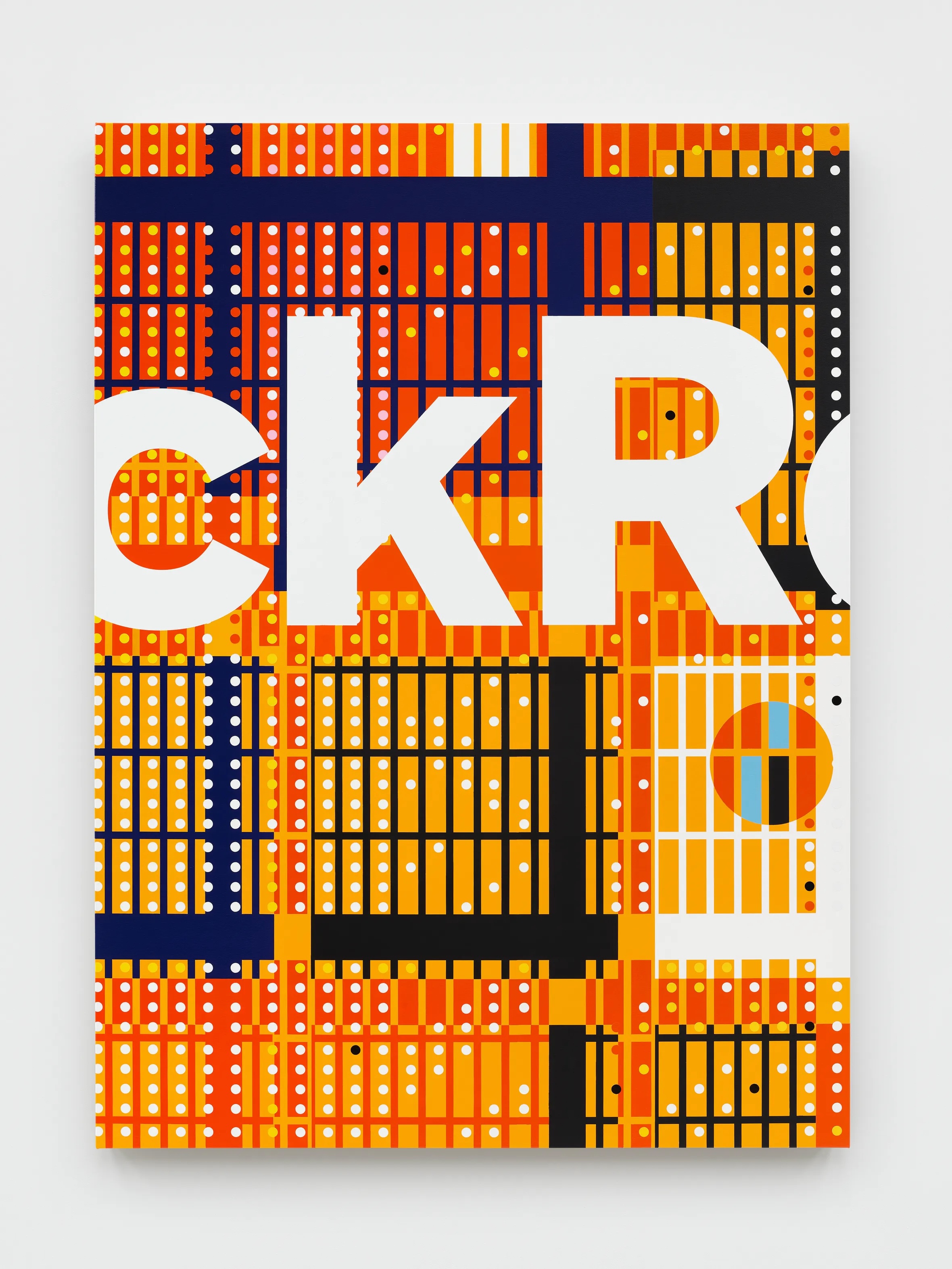
White Cube Mason’s Yard opens a solo exhibition of works by Sarah Morris, celebrating 30 years of collaboration with the gallery.
The exhibition features a series of new paintings that examine global corporations alongside two films set in New York: her latest, Chris Rock (2025), focusing on the American comedian, and her first film, Midtown (1998).
Titled ‘Snow Leopards and Skyscrapers’, the exhibition takes inspiration from the 1978 book by the American writer Peter Matthiessen, ‘The Snow Leopard’. Documenting his two-month search for the infamous creature, Matthiessen references an invisible quest through travel to find an elusive force.
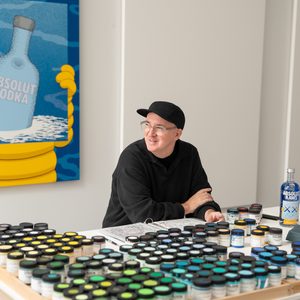
An exploration of globalisation inspired by artists such as Andy Warhol – who blurred the boundary between the commodity form and art during a time of political, technological and social shifts – as well as the minimalism of Donald Judd, the exhibition premieres a new body of vibrant paintings executed in Morris’s ready-made household gloss paint. Comprising diagrammatic architectural motifs, the works evoke the structures and language of international corporations, including Johnson & Johnson, Lilly, Cambridge Analytica, JPMorgan Chase and BlackRock. @sarahmorris @whitecube