Southampton City Art Gallery will present a major exhibition of more than 100 works exploring how British artists absorbed, resisted and ultimately transformed the modern art revolution that swept across Europe in the early 20th century.
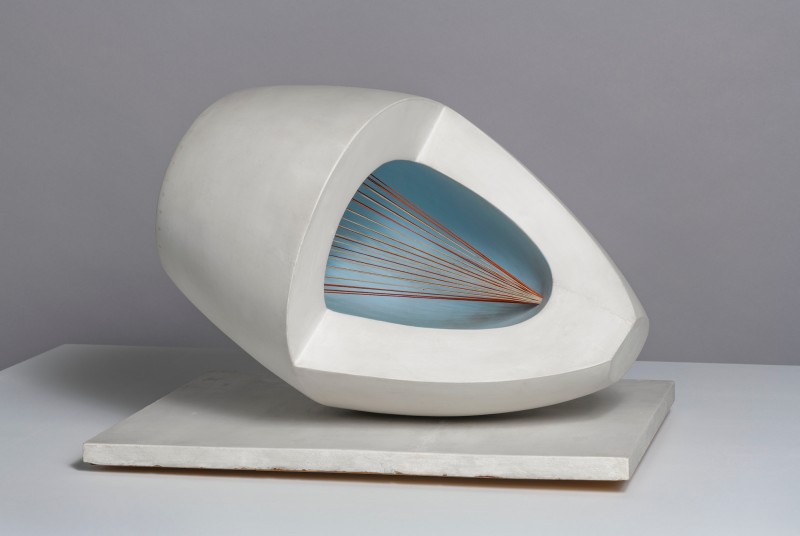
Over a century after Roger Fry’s landmark 1910 exhibition Manet and the Post-Impressionists stunned British audiences, and decades after Herbert Read’s influential book Art Now assessed the impact of the continental avant-garde, Art Then! British Painting, Sculpture and Drawing, 1910–1960 picks up the story. Bringing together paintings, sculpture and works on paper by more than 100 artists — including Paul Nash, Barbara Hepworth, David Bomberg, Henry Moore and Lucian Freud — the exhibition reveals how that pivotal moment reshaped artistic practice on these shores and produced some of the most daring work of the century.
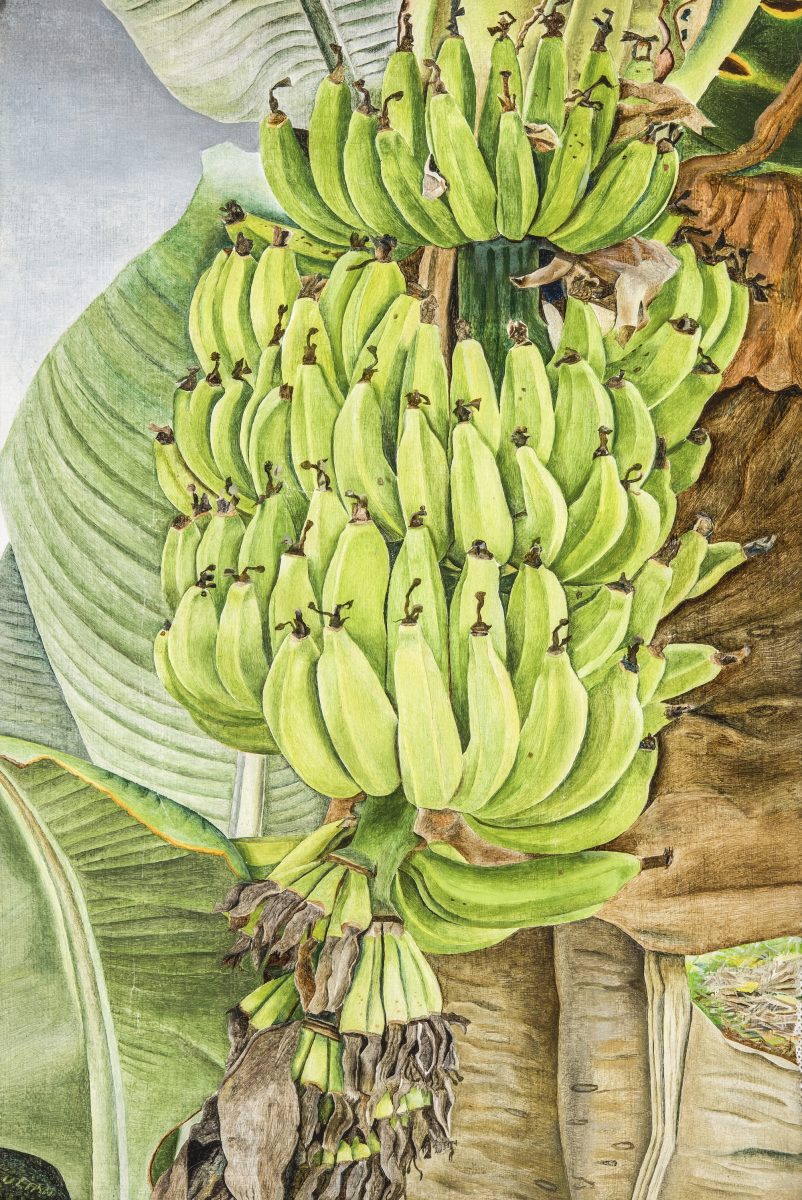
Drawing on the outstanding holdings of the Ingram Collection alongside Southampton’s own internationally renowned collection — including rarely seen works — the exhibition is curated by Dr David Boyd Haycock, author of A Crisis of Brilliance: Five Young British Artists and the Great War. Together, the works chart a period of extraordinary experimentation, reinvention and visual intensity.
From canonical figures to rediscovered names now being reassessed for their influence, Art Then! functions both as an accessible introduction to Modern British art and as a chance to encounter overlooked gems.
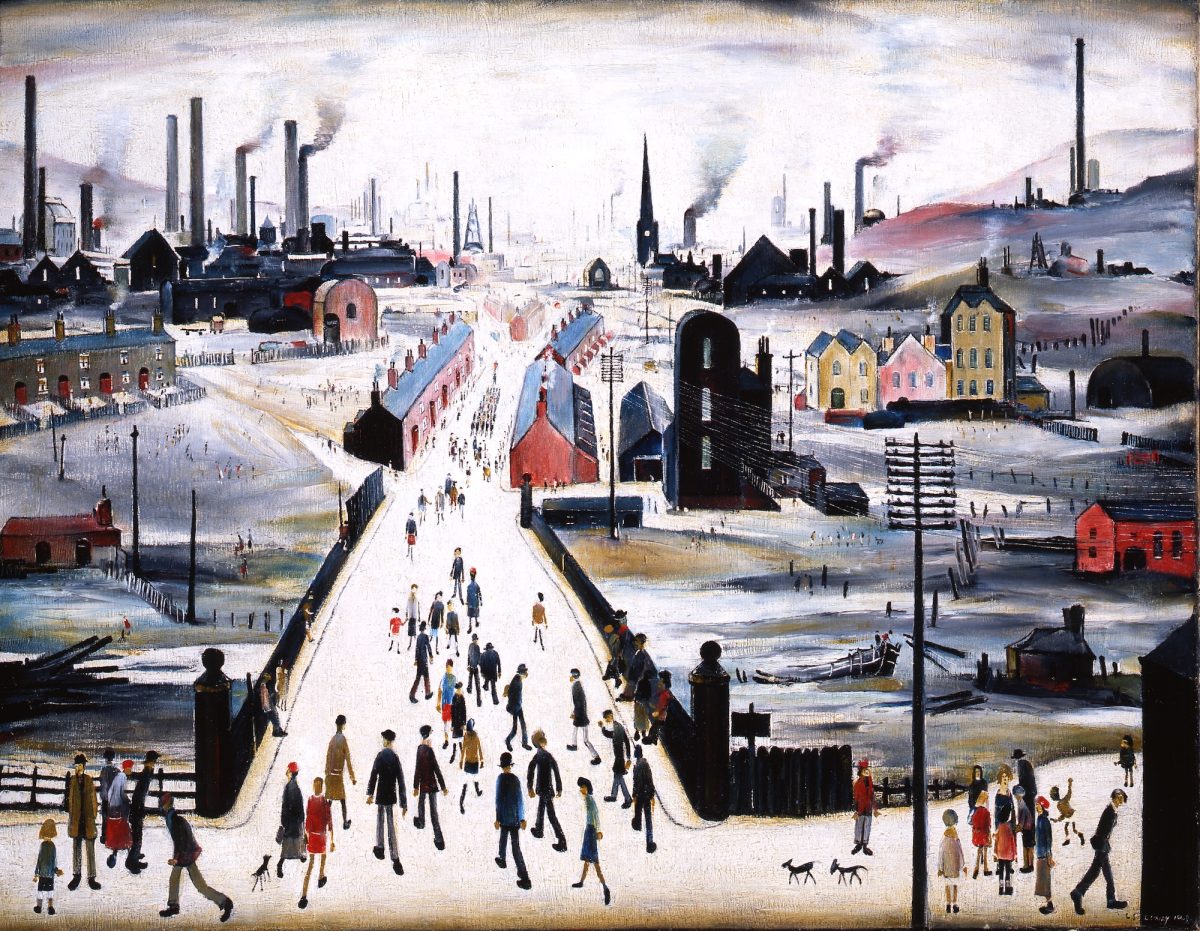
Opening with Duncan Grant’s luminous Parrot Tulips (1910), the exhibition traces the emergence of modernist techniques across genres. Landscapes reveal new ways of seeing light and atmosphere: Eric Ravilious’s Rye Harbour (1938) uses his distinctive “starved brush” technique to create a bleached, radiant surface, while Graham Sutherland’s Red Landscape (1942) dissolves the Welsh hills into visceral fields of colour.
Post-Impressionist influence appears in Cedric Morris’s bold The Jay (1924) and Robert Duckworth Greenham’s stylised seaside scene On the Beach (1934), where figures become almost graphic motifs. Portraiture likewise evolves into something more psychological and charged — from Nina Hamnett’s intimate study of Howard Brodzky (1915) to Stanley Spencer’s unsettling Patricia Preese (1933), a work that merges spiritual intensity with raw figuration.
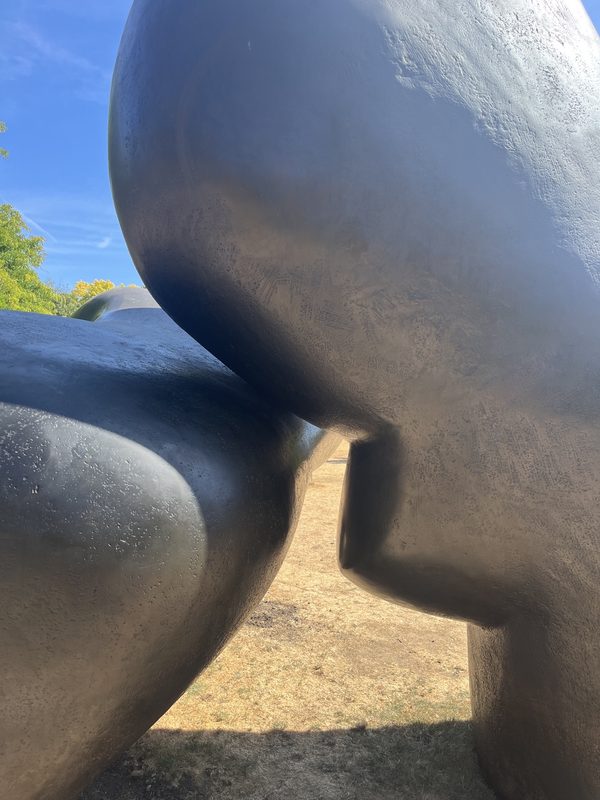
Sculpture forms a powerful counterpoint. Elizabeth Frink’s menacing Bird (1958) radiates tension and latent violence, while Leon Underwood’s The Birth of Eve (1929) draws on non-Western sources, reflecting the period’s complex entanglement with global influences.
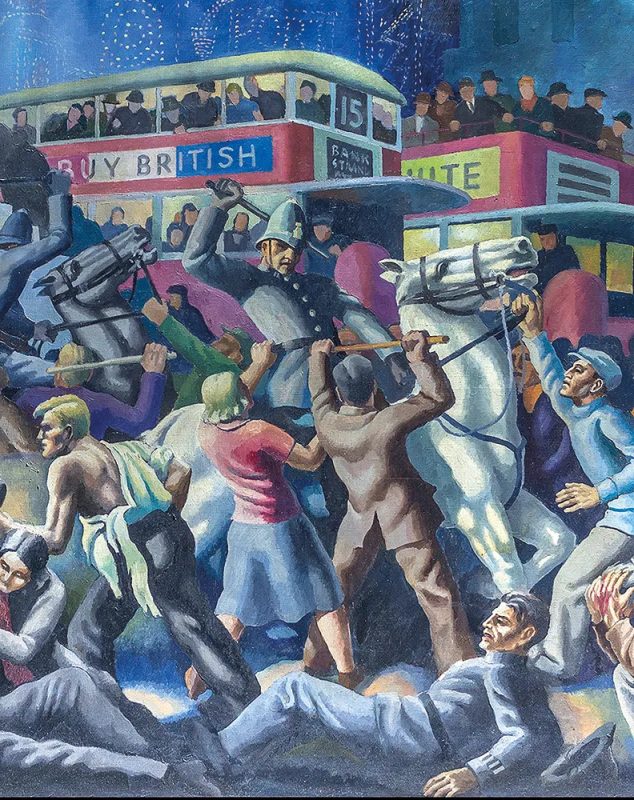
Across the exhibition, the sheer range unleashed by modernism becomes clear: Impressionism, Expressionism and Fauvism sit alongside Social Realism, Surrealism and post-war figurative painting, revealing a culture in rapid transformation.
Curator Dr David Boyd Haycock notes:
“I am delighted to be working with two exceptional collections of Modern British Art in gallery spaces purpose-built to show modern work at its best.”
Jo Baring, Director of the Ingram Collection, adds:
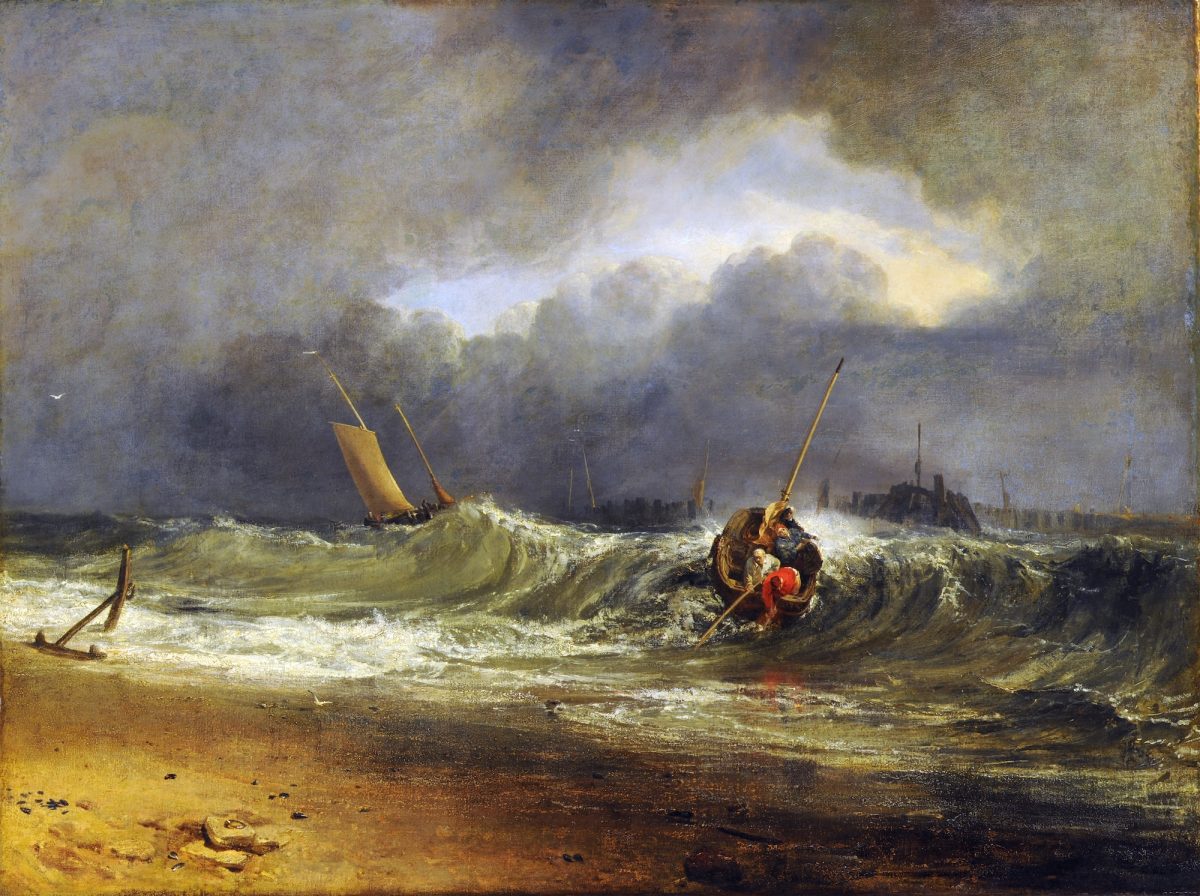
“Southampton City Art Gallery holds one of the most remarkable collections of 20th-century British art in the UK. Bringing it into dialogue with the Ingram Collection is an exciting opportunity to show the richness and diversity of this period.”
Councillor Alex Winning, Leader of Southampton City Council, describes the exhibition as a cornerstone of the gallery’s reopening programme, positioning the institution — and its collections — as a destination for national and international visitors.
Art Then! British Painting, Sculpture and Drawing, 1910–1960, September 2026 – February 2027, Southampton City Art Gallery
About
Southampton City Art Gallery holds an internationally-renowned fine art collection often described as one of the best outside London. Its nationally important collection comprises artworks spanning eight centuries of European art from the Renaissance to the present day. The core, however, is British 20th century and Contemporary art.
Alongside displays of the collection, the gallery features a regular programme of temporary exhibitions in collaboration with leading artists and arts institutions in its stunning art deco building, opened in 1939. Admission is free. southamptoncityartgallery.com
The Ingram Collection is one of the largest and most significant publicly accessible collections of modern British art in the UK, available to all through a programme of loans and exhibitions. Founded in 2002 by serial entrepreneur and philanthropist Chris Ingram, the majority of the collection was donated by Chris in 2016 to the Ingram Art Foundation, which was established and funded by Chris to assist in fulfilling his ambition to make such works widely available for public display. The collection now spans over 100 years of British art and includes over 600 artworks. More than 400 of these are by some of the most important British artists of the twentieth century, amongst them Edward Burra, Lynn Chadwick, Elisabeth Frink, Barbara Hepworth and Eduardo Paolozzi. The collection’s main focus is on the art movements that developed in the early and middle decades of the twentieth century, and there is a particularly strong and in-depth holding of Modern British sculpture.
The Ingram Collection also holds a growing number of works by young and emerging artists, and in 2016 established the Ingram Prize, an annual purchase prize created to celebrate and support the work and early careers of UK art school graduates. ingramcollection.com