
LAS Community is a charitable organisation that supports emerging and marginalised artists in London. The space was built with extensive in-kind labour from those involved, creating a foundation rooted in collaboration rather than commercial priority. While these structural details offer context, the focus of Km Zero remains the work and the relationships that make it possible.
Km Zero is the first time the artists who built LAS Community stand together in public, and it arrives with the force of a project that has grown faster and further than anyone imagined.
What began as a year of building, making, and problem-solving has become a fully formed creative engine. The shared labour and collective instinct behind LAS have shaped a microcosm of London’s art scene, with Km Zero offering the first glimpse of a much larger ecosystem taking shape beneath the surface.
In the past six months, the space has welcomed more than 500 exhibiting artists, hosted four exhibitions and received over 2,000 visitors during our private views alone. This momentum has been shaped by those who work within the community and those who intersect with it.
Km Zero marks the first time this activity has been brought into a single shared frame, arriving ahead of a broader programme for 2026 focused on collaboration, public engagement, and the creation of new institutional dialogues.
At the centre of the project is the community itself. LAS Community is shaped as much by in-kind labour as by the artworks on the walls. Its strength lies in the ways artists learn from one another, share resources, borrow practices and build structures that allow creative life to continue in a city where time and space remain increasingly limited. Km Zero gathers these relationships into a moment of visibility.
For this exhibition, curator Rosalita Baldassin has shaped the works into a narrative that moves between memory, speculation, intimacy and shared ground.
Written by Guest Author: LAS Community
Curatorial Section
Being invited to curate Km Zero – Living ground was a great honour and an exciting challenge. The exhibition brings together all in-house artists in conversation for the first time: each presenting their unique aesthetics and conceptual research.
The curatorial adventure began with what was only a general idea, but at the same time an incredibly heartfelt and shared objective: to shift the attention back to where it all began a year ago, the first nucleus of artists that built LAS from the ground up.
At the time – now a couple of months ago, I realised that despite having gravitated around LAS for the past year (filling administrative tasks, and helping out here and there) I was only really able to scratch the surface of what the artists could offer and what was it that really mattered to them. And so it began. We organised crits and studio visits, talked about our current interests and practices, our future collectively and individually, and looked back at the values that drive us, and that led us to jump on this adventure.
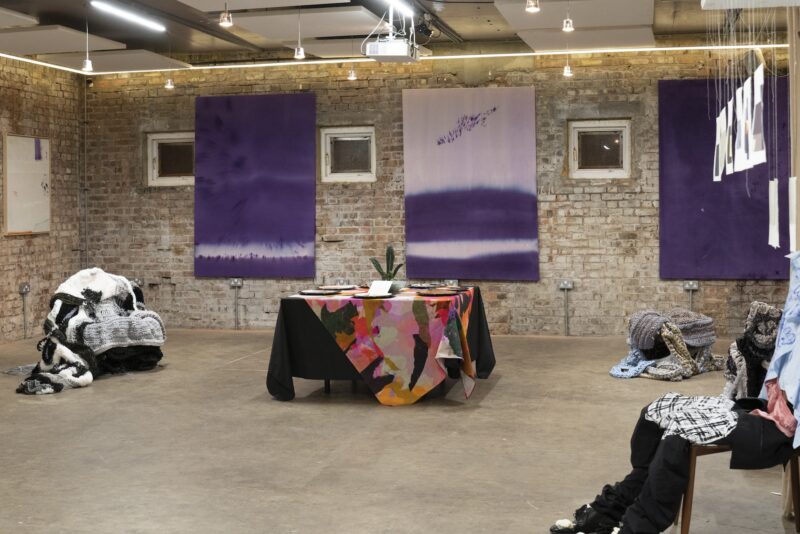
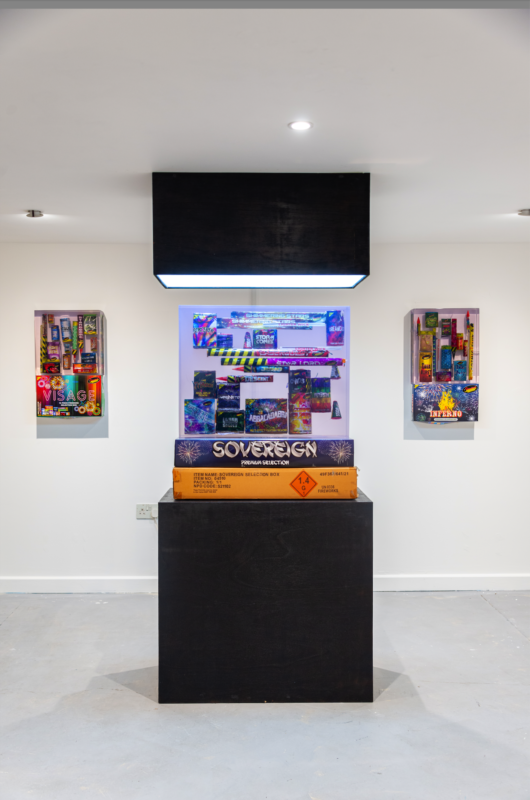
The final selected works explore precisely these themes, which are as individual as they are universal: self-discovery, memory, collaboration, belonging, storytelling, and speculation about what the future holds. Km Zero – Living ground foregrounds the relationships and connections that intertwine and evolve from these themes, offering a glimpse into the ever-expanding microcosm of LAS Community, and highlighting how diverse methodologies and practices, including photography, video art, illustration, painting, textile, site-specific installation, writing, and more coexist, overlap, and thrive in togetherness.
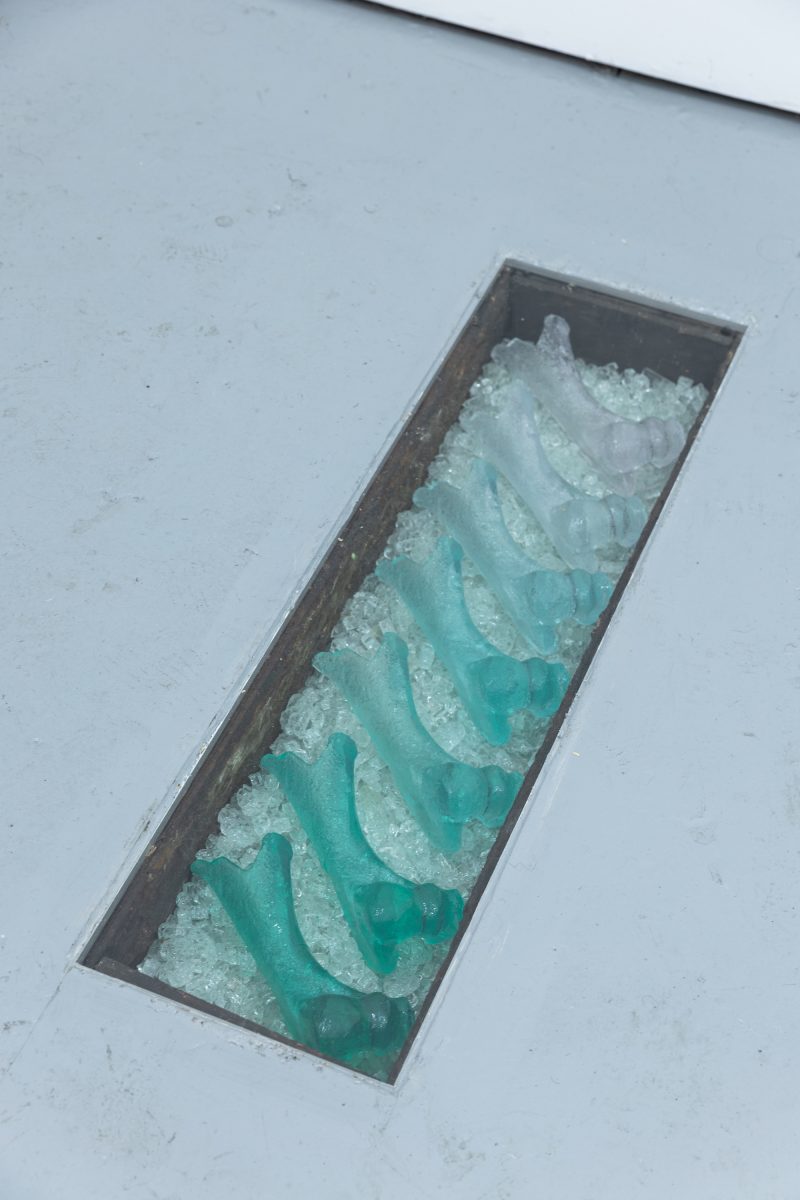
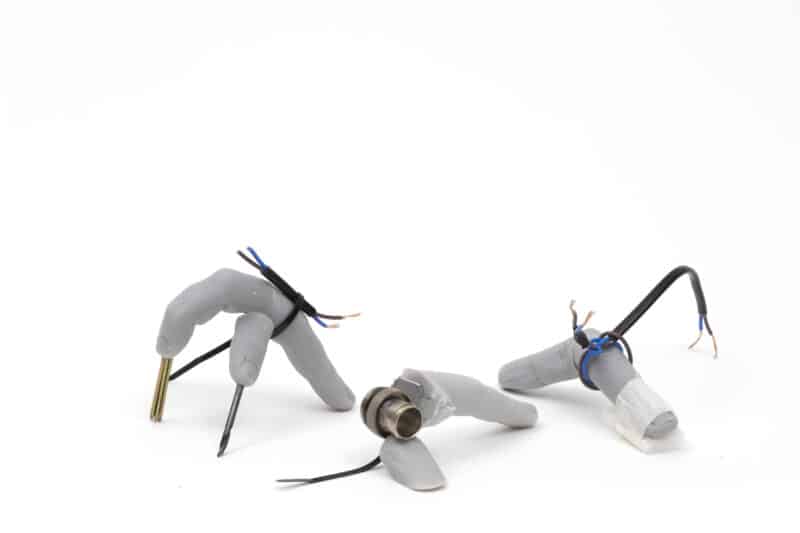
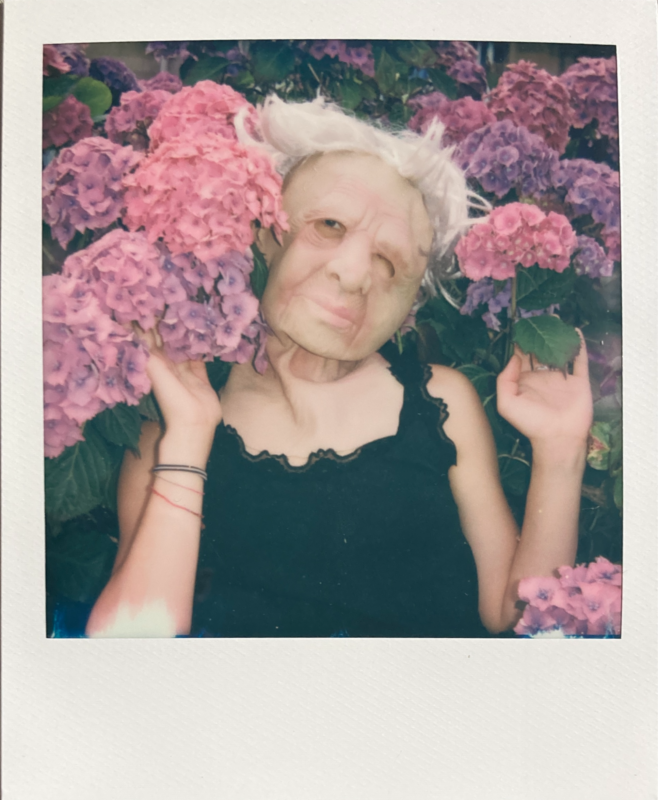
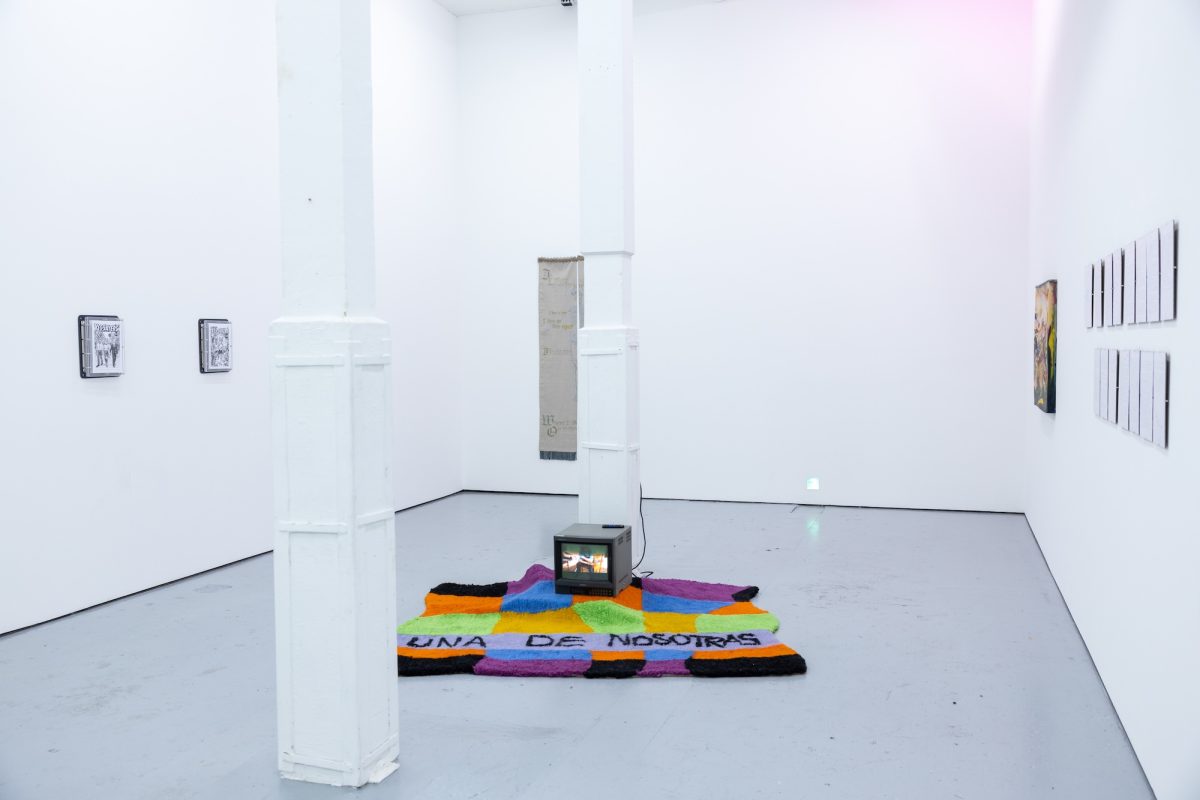
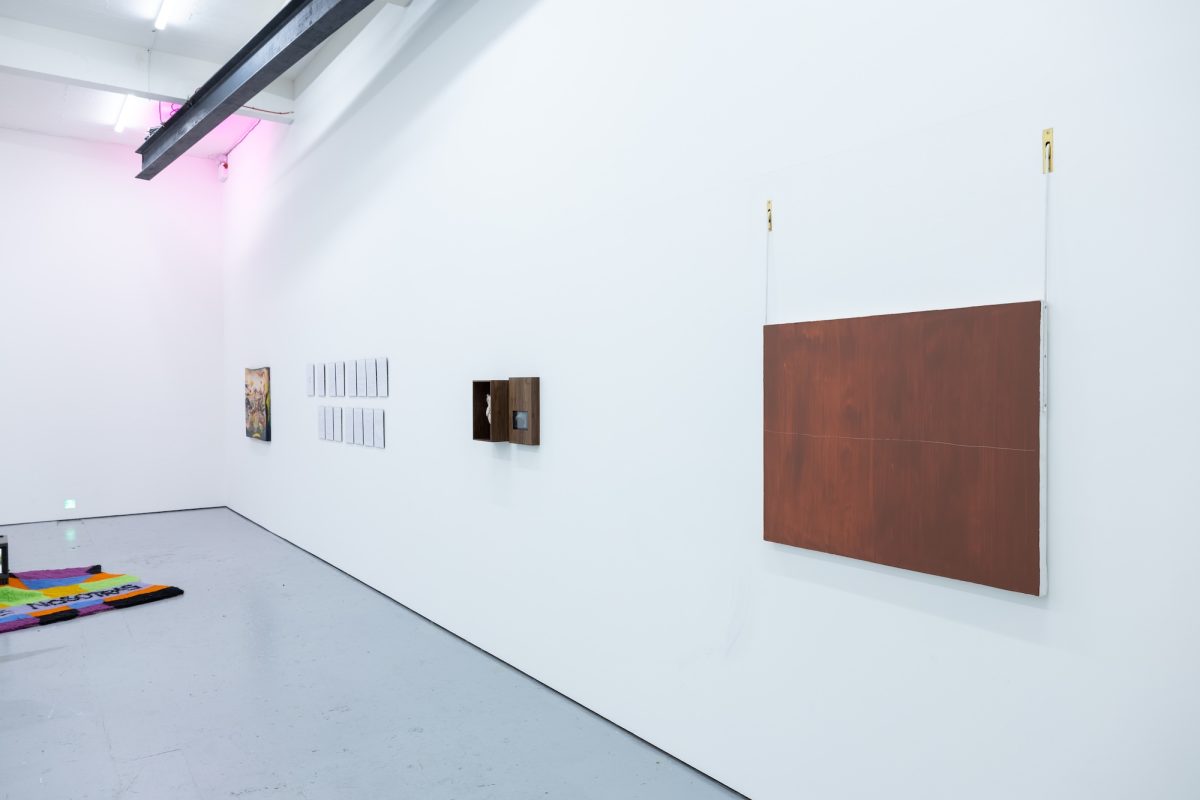
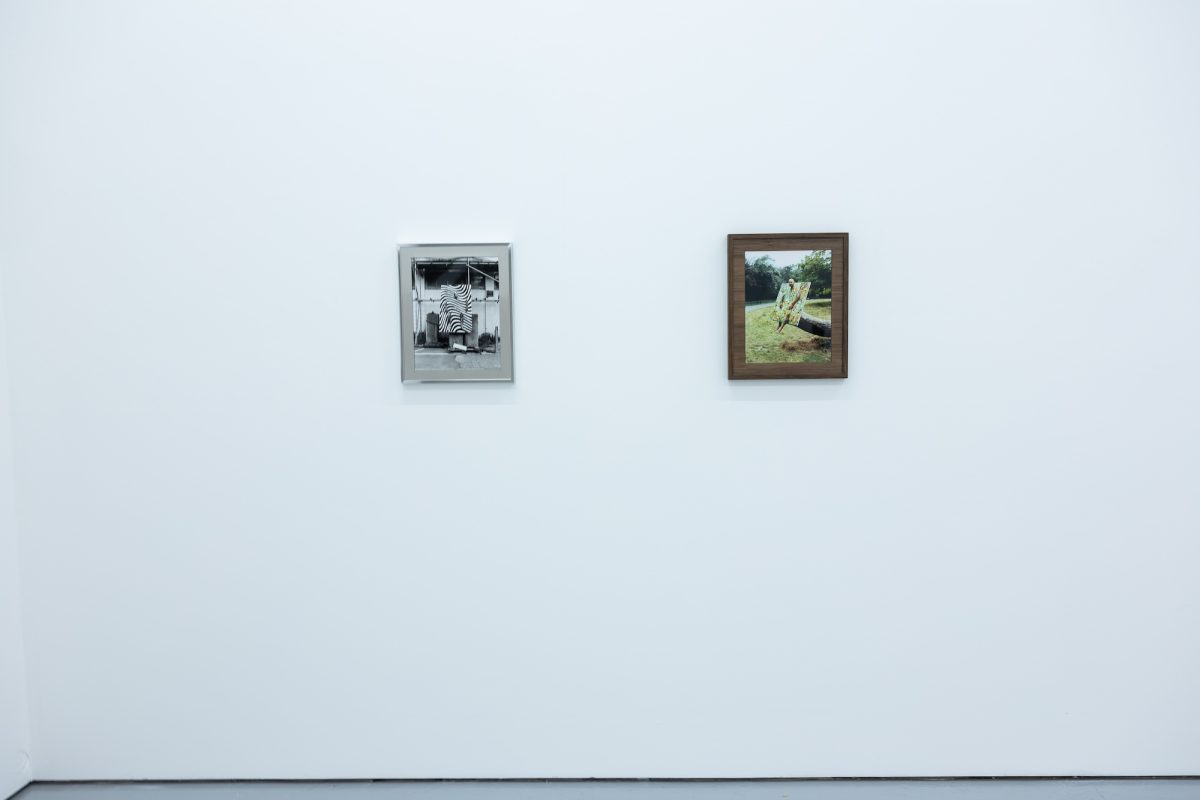
As you enter the gallery, resin fossils and shattered glass unearthed through the floor by LAS Founder Billy Fraser invite viewers to reflect on our collective past, present, and the foundations we lay for the future. Gianna-T portrays the unusual life of a work of art set free in the wild, presenting a series of photographs where he sits on a tree and poses on a flowerbed dressed as a colourfully painted human canvas. Walking further in, Carmen Gray streams sequences of footage found in a second-hand camera in which three kids drink straight vodka and vomit in a bucket through a CRT TV. This odd-yet-relatable coming-of-age experience is paired with a cosy carpet reciting ‘una de nosotras’ (‘one of us’ in Spanish), as an invitation to come together and pause to reflect on friendship and relationships.
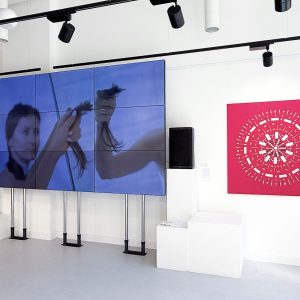
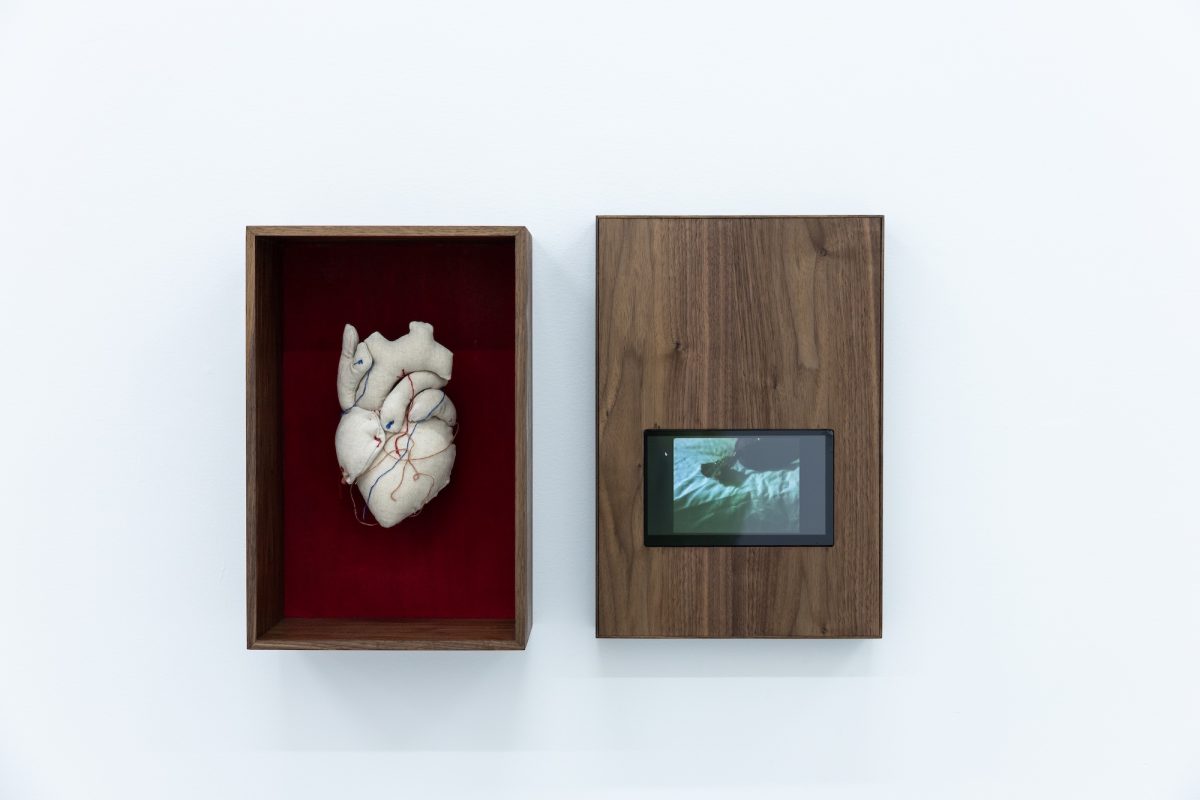
On the right-hand side of the entrance, an interactive sliding-sash installation by Bobby Heffernan suggests shifting perspectives while inviting participation through audience engagement. The abstract work continues Heffernan’s interest in material experimentation and was created by priming the canvas with numerous layers of gesso to achieve an extra-smooth surface. To the left-hand side, two new works by Florence Sweeney spark reflection on themes of personal history, intimacy and vulnerability: in ‘Chamber’ (2025), a soft anatomical heart rests in a wooden case, while the video work ‘7AM’ shows the artist holding and caressing a family heirloom, a small red, glittering fabric heart. Framed pages from an original short story by LAS Writes’ founder Fabrizio Previti recount the mysterious, ominous events surrounding several chicken shops in Deptford. The investigation unfolds through the individual perspectives of different characters, revealing an uncanny truth.
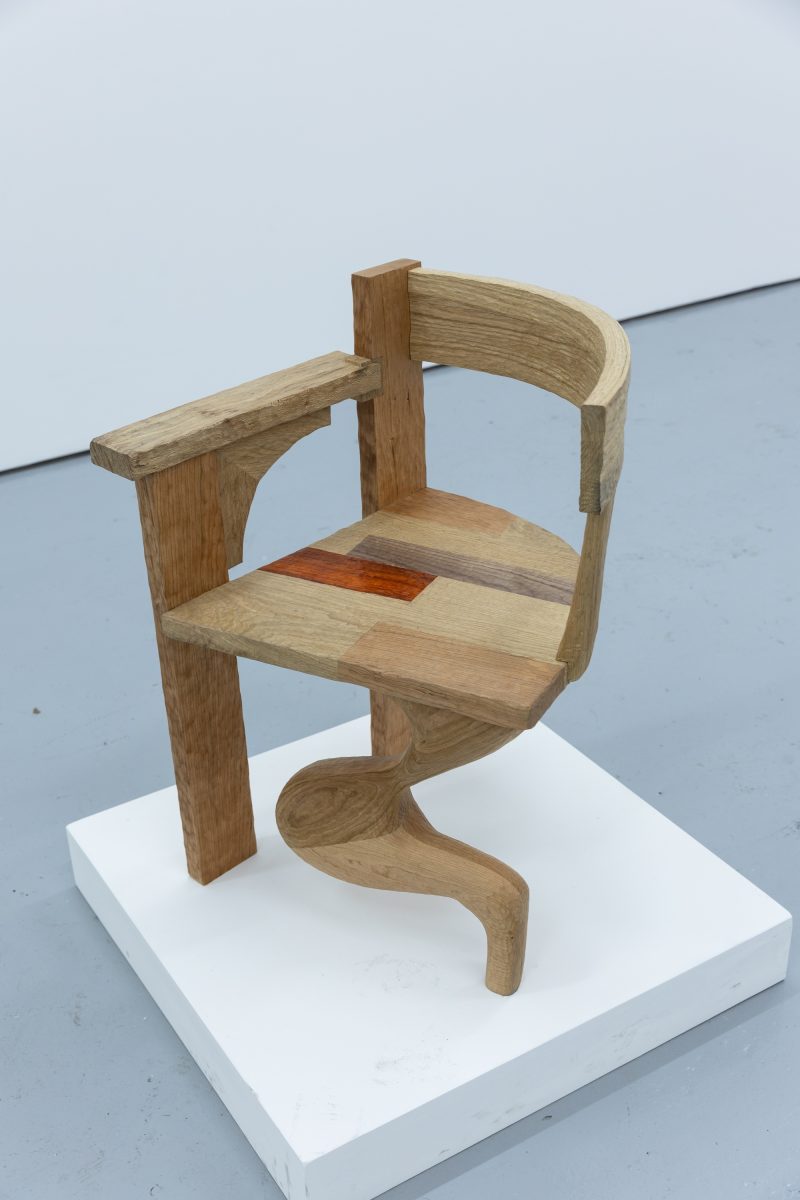
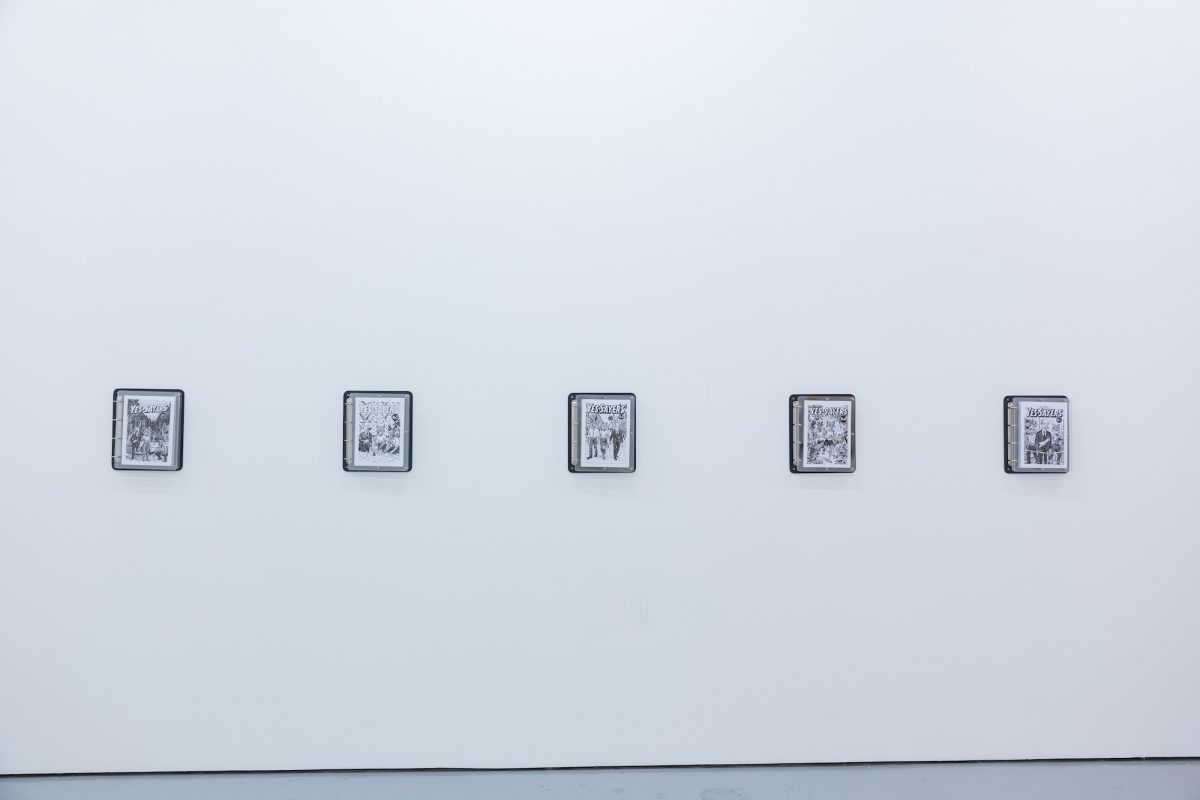
A sculptural chair by Charlie Ford stands in the middle of the gallery space on the opposite side: various upcycled hardwoods – shifting between geometric shapes and fluid hand-carved silhouettes, form a surreal, conflicted collage that pays homage to woodwork and craftsmanship. Vincent Matuschka presents an illustrated comic series about ‘The Yes-Sayers’ which unites humour and critique to reveal a social commentary about the human capacity for critical thinking and individual expression. Further into the gallery space, an abstract landscape by Karimah Hassan – created during a residency in Italy – speaks of light, atmosphere, intuition and longing.
Together, these works reveal the breadth of approaches that coexist within the LAS Community. Though varied in form and intention, each piece contributes a fragment of lived experience, an inquiry into how personal narratives first expand, then connect and ultimately intersect in shared spaces. Their coexistence becomes a living portrait of a community shaped as much by difference as by exchange. The common denominator of the exhibition centres precisely around the collective ground on which it unfolds. In Km Zero – Living Ground and at LAS, personal narratives and lived experiences inevitably intertwine, shaped not only by shared walls but by a shared commitment to finding new ways and structures of creating and working collaboratively.
The term ‘Km Zero’ signals the distance from LAS as a generative epicentre – the first point of a chain reaction that involves all its participants. Coming from distant and diverse locations, including Belgium, England, Italy, Spain, and Wales, all the artists involved have found a shared home within the LAS Community.
Written by LAS member & curator Rosalita Baldassin
KM Zero ‘Living Ground’ extended to January 7th 2026, LAS Gallery, 3 Creekside, London SE8 4SA
Featuring the works of LAS Community members: Charlie Ford, Billy Fraser, Carmen Gray, Karimah Hassan, Bobby Heffernan, Vincent Matuschka, Fabrizio Previti, Florence Sweeney, Gianna T.
Context and Roles within the Community
Km Zero extends beyond the artworks. It reflects the network of people who hold the space together and allow its programme to grow in ways that sit outside the usual framework of artist-led organisations. LAS Community occupies a space between an arts charity and an independent arts organisation, shaped by those who build it from within and those who support it from beyond the studio walls.
As an example, Designer Giulia Moliarov is an out of house member whose commitment to the project has been central. Her work across visual identity, The Menu – an inter-disciplinary art and music festival held last June, digital presence and proposals has created a coherent, recognisable language for the organisation. Through her support, the project extends beyond the physical site and remains legible to wider audiences and future partners.
Another example is in-house artist and writer Fabrizio Previti, who plays an equally vital role in daily life at LAS Community. The platform supports his practice while allowing him to develop LAS Writes. By gathering contributions, shaping texts and being a consistent presence during exhibitions, he strengthens the connection between practice, writing and public engagement. At a time when few spaces support experimental or theoretical publishing, LAS Writes has become a home for a small but growing writing community within the wider ecosystem.
These are only a couple highlights of LAS Community’s unique structure, which allows these roles to sit naturally alongside one another. It echoes historic models such as Cubitt and Studio Voltaire, where artists, curators and cultural workers form a shared body that extends beyond individual practices. Each contribution influences the direction of the project and shapes an ecology of support, experimentation and collective authorship.
In this context, Km Zero – on view until the end of 2025 – offers the first portrait of a new community in formation. The works reflect distinct perspectives, yet they meet on common ground and expand through proximity.
This exhibition marks the beginning of a programme that will grow outward from this point of origin, developing new conversations, partnerships and ways of working.
Written by LAS Community