Remember to Pay Her? When I first heard about this title, the first image that came to mind was someone doing something for someone, and the others needed to pay her. Actually, this is a photographic series created by artist Jiawen Zin Zhang, titled Remember to Pay Her.
Jiawen Zin Zhang is a London-based Chinese artist. Her practice is based on research, and she has long been concerned with migration, gender, and social marginalisation. She mainly uses photography, moving images, and installations to present images, sounds, and texts collected in the field in an organised manner. Focus more on “how to organise viewing” rather than telling stories linearly. Through the presentation of group pictures, the spacing between photos, and the changes in photo size, she guides the audience to think about social structure from concrete experience.
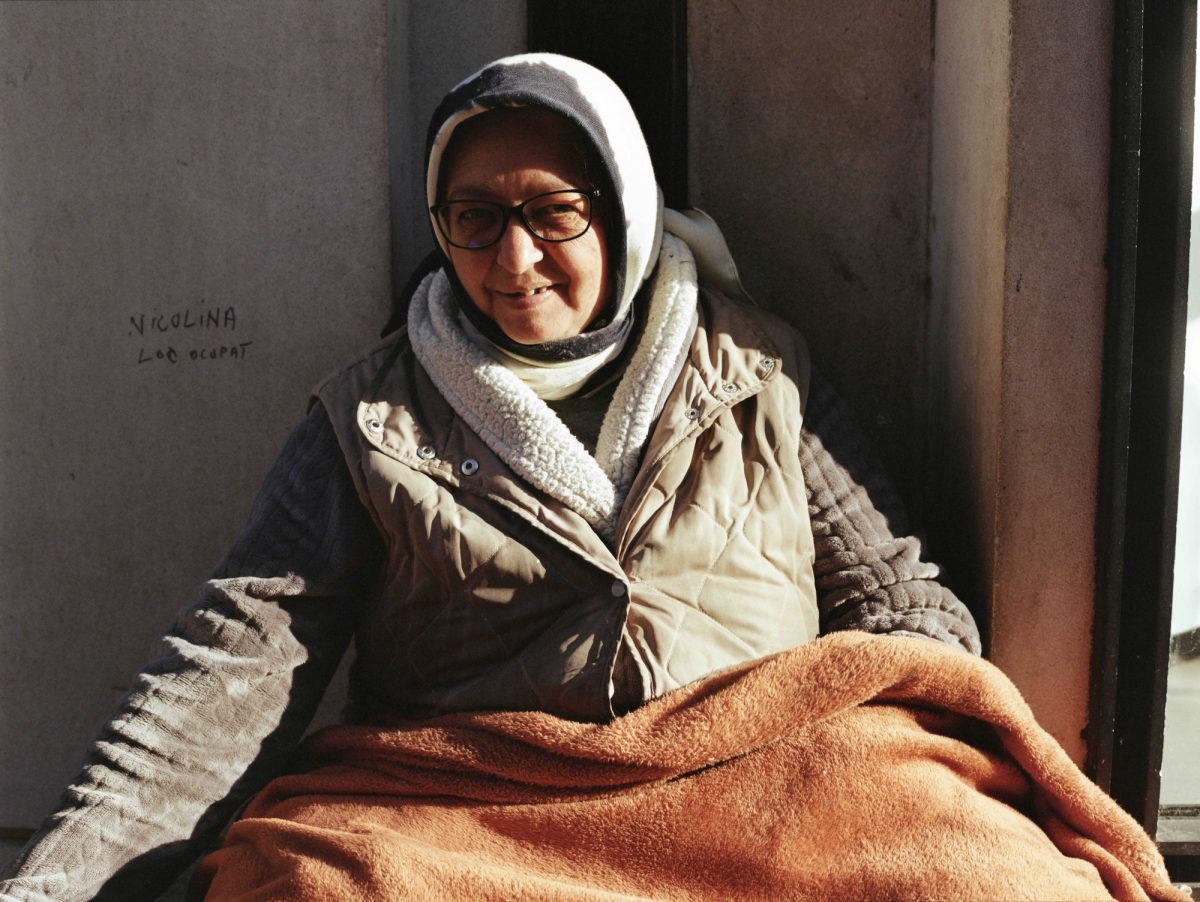
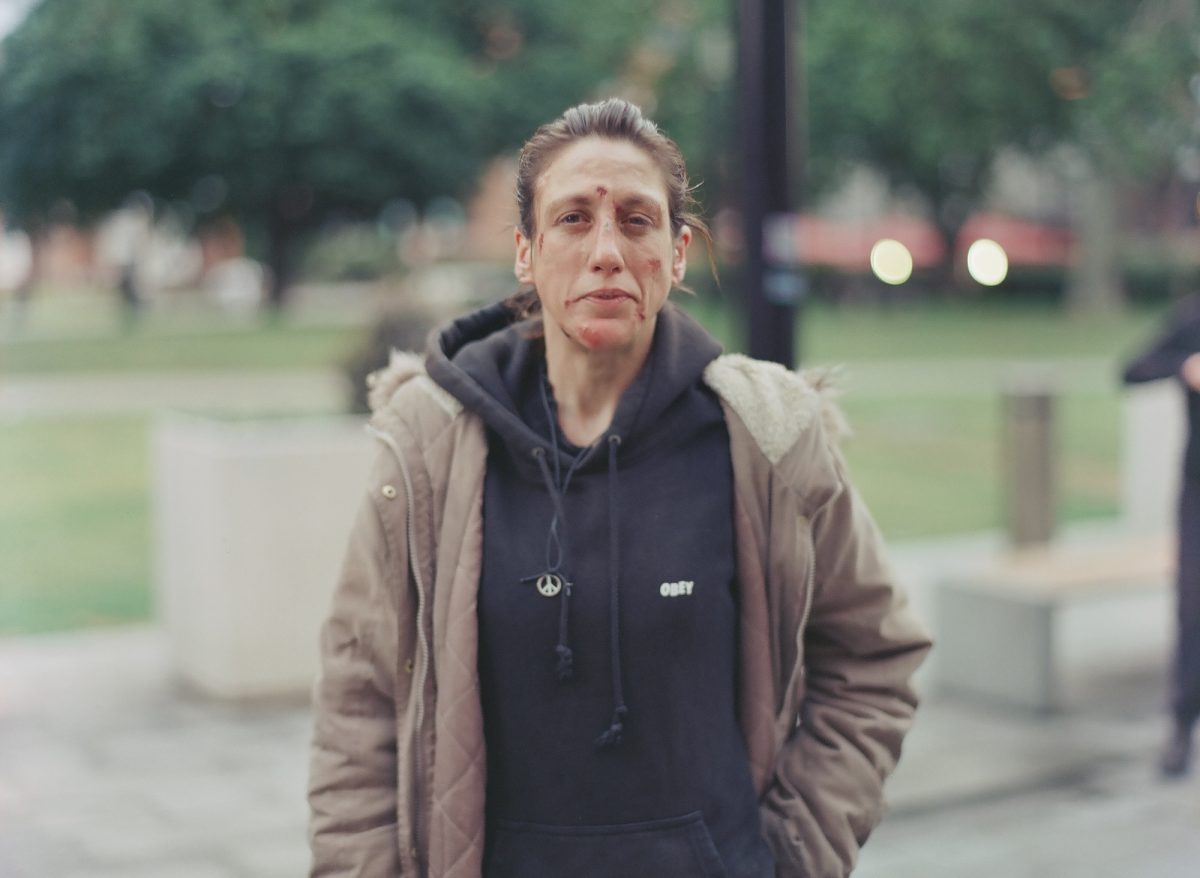
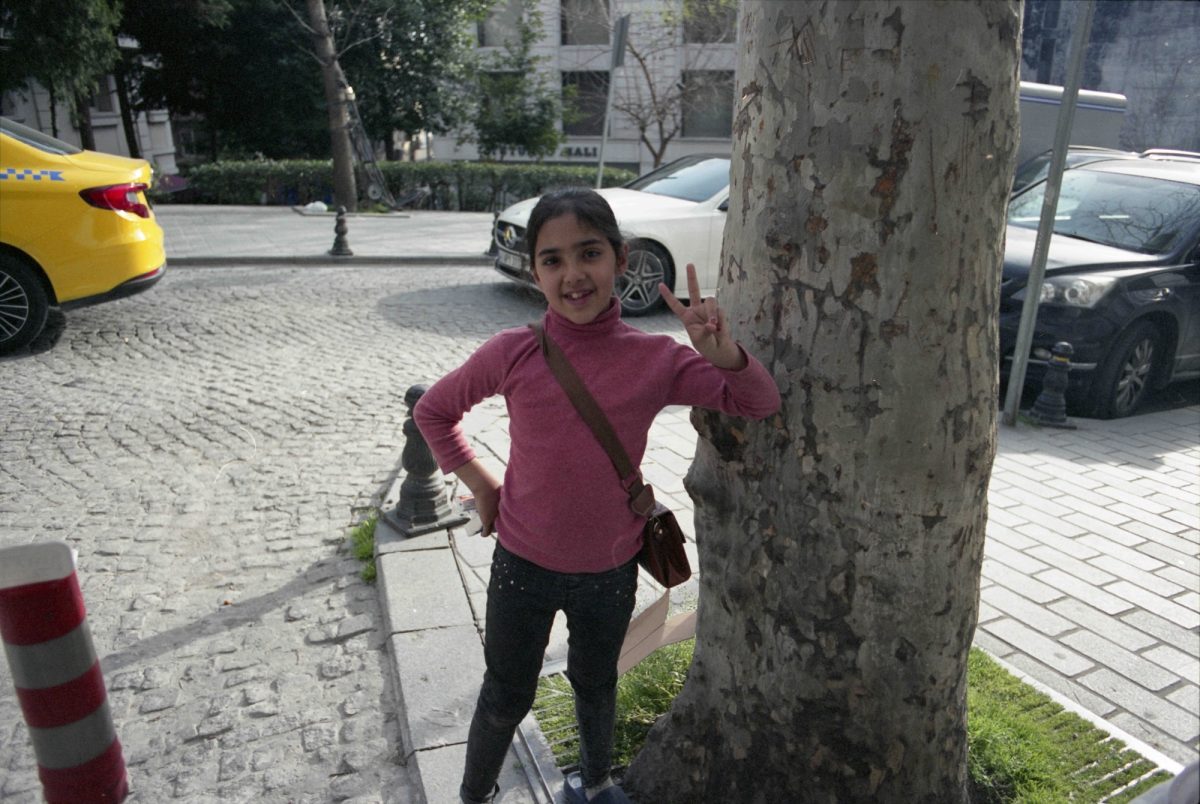
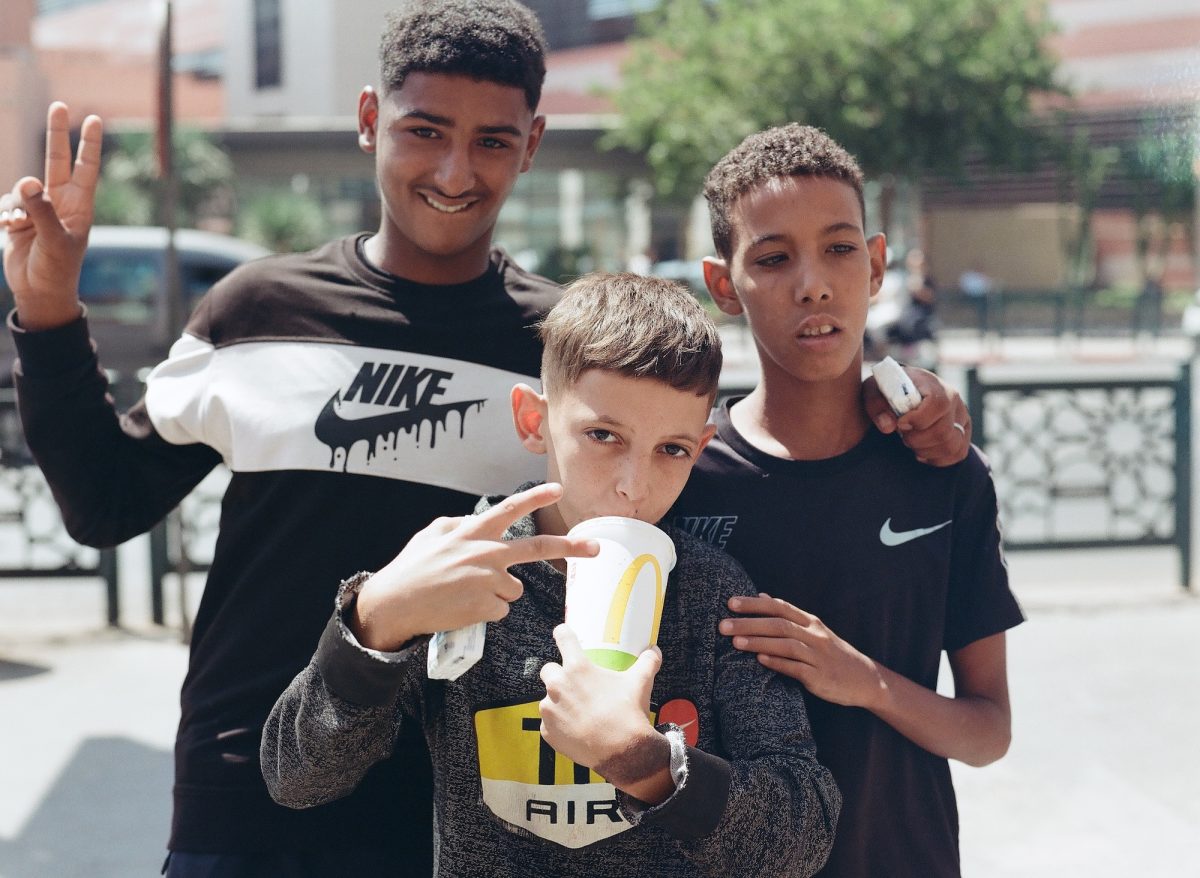
Remember to pay her for the documents and encounters with diverse individuals she met while travelling. She saw some children asking for cigarettes, people requesting items or money, and others striking up casual conversations. She would fulfil their requests in exchange for taking a photograph, thereby capturing their stories.
The most intriguing instance occurred when she encountered an elderly homeless woman bathed in beautiful light. As she took the photograph, a passerby suddenly shouted: “Remember to pay her!” This moment raises ethical questions about whether street photographers infringe upon the rights of individuals in portraits. If we take photos of models, we must pay them. If we take photos of passers-by on the street, we do not.
Passers-by should be grateful to the photographer who wants to take their picture. But this benevolence of the photographer appears unreasonable, because it implies an expectation from the passers-by that they should be grateful to be photographed. And this expectation raises a moral question: if the photographer takes pictures of strangers, is it a form of exploitation?
Zhang’s work is not about the ethics of her position as a street photographer, nor whether she should pay for the portrait rights. It’s deeper and thoughtful about the power in images, money, and people. It comes from her long-standing interest in how relationships and power work. She was interested in family power structures in her earlier works, and for this project, she was interested in how images and capital work in relation to people.
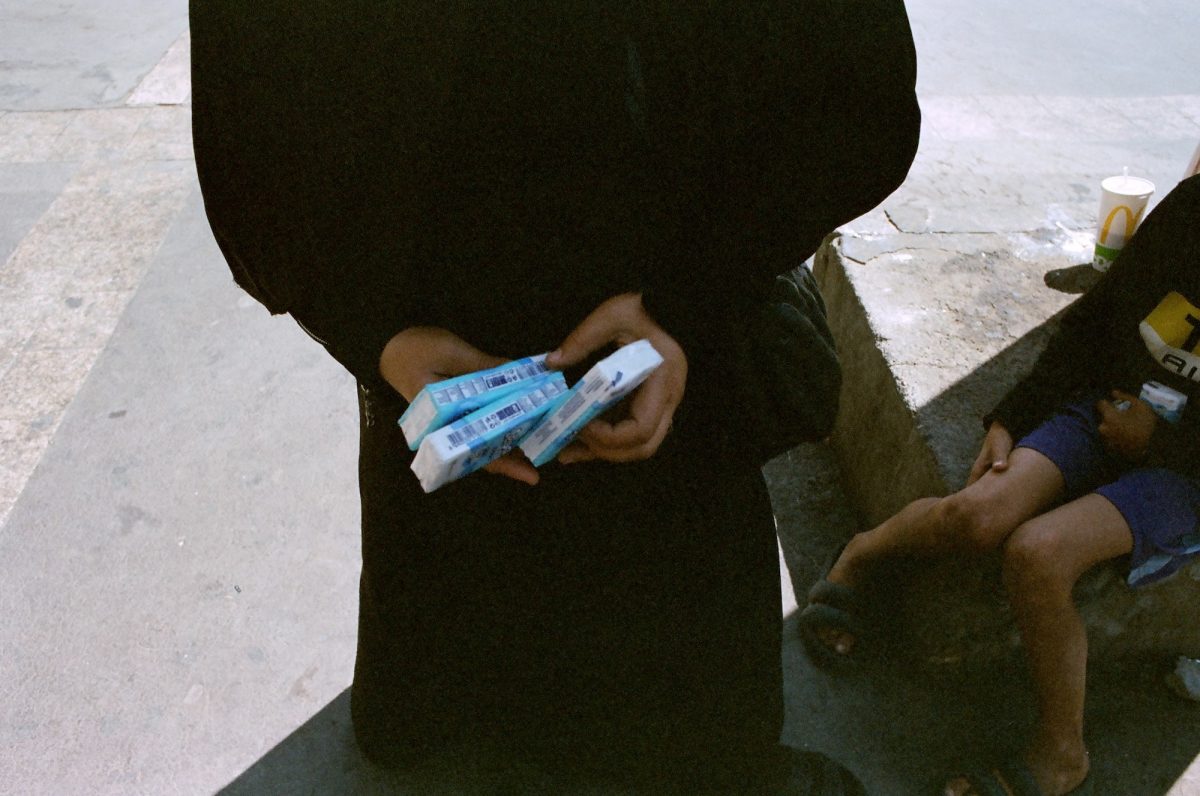
With the camera in her hand, Zhang treats the image like money. She shows us how images can flow and trade like money in a capitalist society. For many ordinary people, and especially for the people on the periphery, like the homeless, the young, or beggars. Their images become like money, something that can be traded. Zhang gives a cigarette, a little food, or some coins in return for a portrait. The moment when marginalised people share their image with us is depicted here. We can see how the logic of capitalism seeped into even the most vulnerable and intimate aspects of our humanity. What she shows us is not how we look, but the social structure behind our willingness to pose for a picture. This is what she has been interested in for a long time: the lives of marginalised people.
Her work often explores this grey area between consent and exploitation. “Remember to pay her” became the moral spark that ignited the entire project. It reminded her that when we take photos, it is not free at all. We are only exchanging something that is not even equal. As a photographer, she receives recognition and creative results; however, the other side only gets a small amount and only temporarily. Zhang stands in both roles – she is part of the system, and she questions it at the same time.
In contemporary art, where concepts are everywhere, her self-questioning is sincere. What makes this series strong is that she has never been a “good” or “kind” artist. She keeps asking, “Am I also exploiting?” and “Is my camera also turning people’s hardship into something to consume?” This doubt is the core of her work. For her, making art is also a way to think and reflect.
At its core, Remember to Pay Her reveals how images flow like capital and how they reflect the power dynamics between artist and subject.
We can trace her creative origins in three ways.
The first is ethical unease. Her work does not begin with curiosity, but with care and concern about what it means to look. “Remember to pay her” is something that reminds her that, as a photographer, she is never neutral. She carries this unease with her. She turns to make the moral act of photography.
Second, there is scepticism regarding the power of images. She’s always asking, ‘Who’s taking the picture?’ Who’s being seen? Who’s deciding what’s shown? For Zhang, taking photos is a simultaneous act of recording and controlling. The camera gives power to decide upon others, and her photos continue to challenge this.
Third, her work has shifted from private to public life. Previously, she looked at power and dependence within the family. Remember to Pay Her shifts this look to the street. It was once a private matter between individuals, but now it’s a social issue. Now she’s asking: when I use my camera to understand others, do I take something from them?
The origin of Jiawen Zin Zhang’s art can be found in an ethical concern between self and other. She uses photos to test the limits of her own gaze, to remain conscious of the line between “seeing” and “taking.” Frankly, she’s not just photographing people, she’s photographing the look itself and all of its associated questions.