Coinciding with Frieze London 2025, White Cube Mason’s Yard presents new work by Andreas Gursky, which delves into his interest in music and ongoing investigation into contemporary culture.
After an extended collaboration with a prominent English musician, during which he was granted exclusive on-stage access at live concerts, Gursky created a new image that serves both as a powerful contemporary document of youth culture and a compelling visual statement on global stardom.
The exhibition also features two new works from the artist’s ongoing ‘chrono capsules’ project, in which he returns to the sites of his earlier photographs to document and reinterpret the passage of time and the transformation of place – made possible by the enhanced capabilities of digital recording technology. In a new image of the Aletsch Glacier in the Swiss Alps, originally captured in 1993, Gursky powerfully reveals the impact of climate change through the glacier’s visibly reduced expanse.
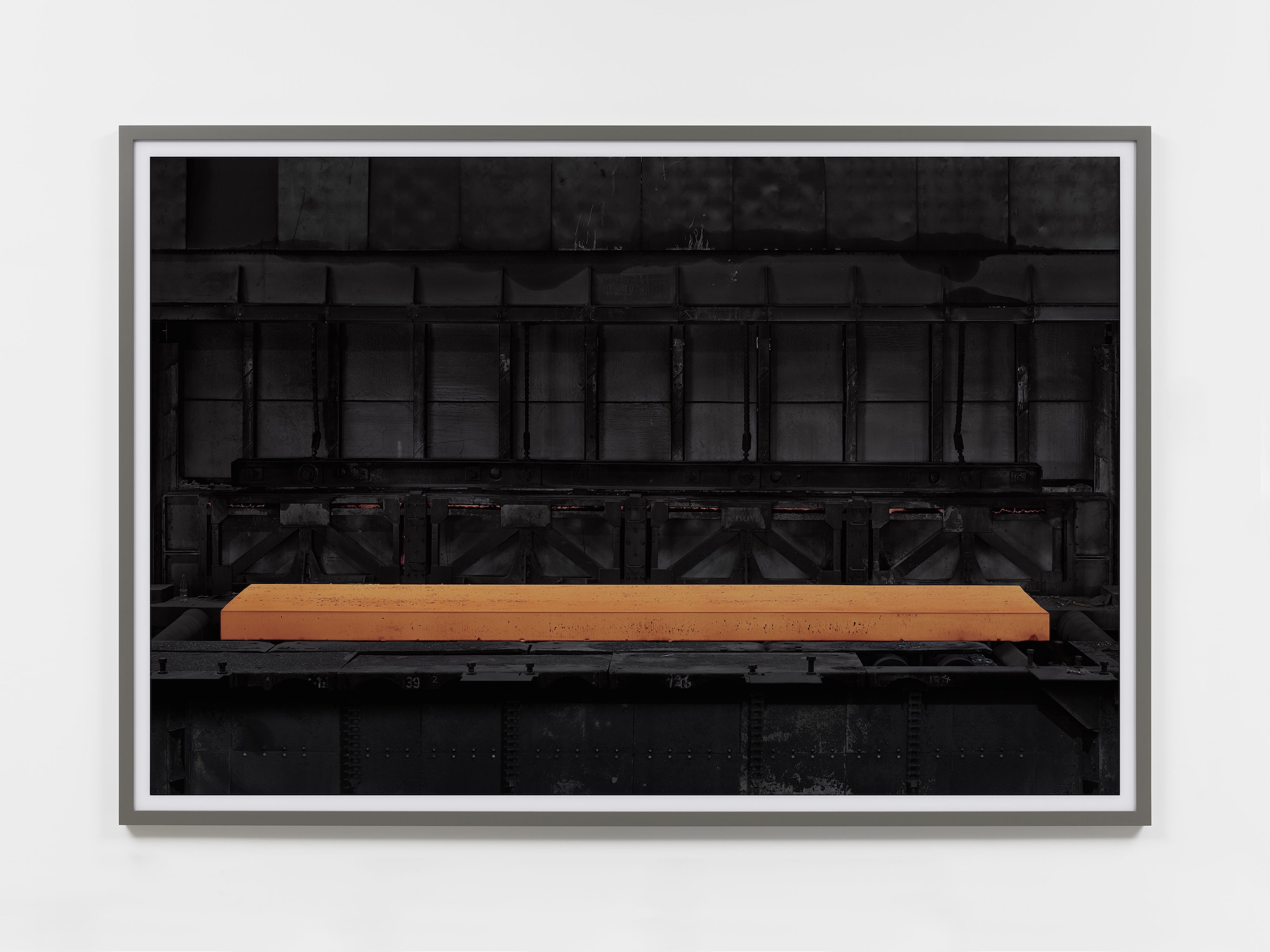
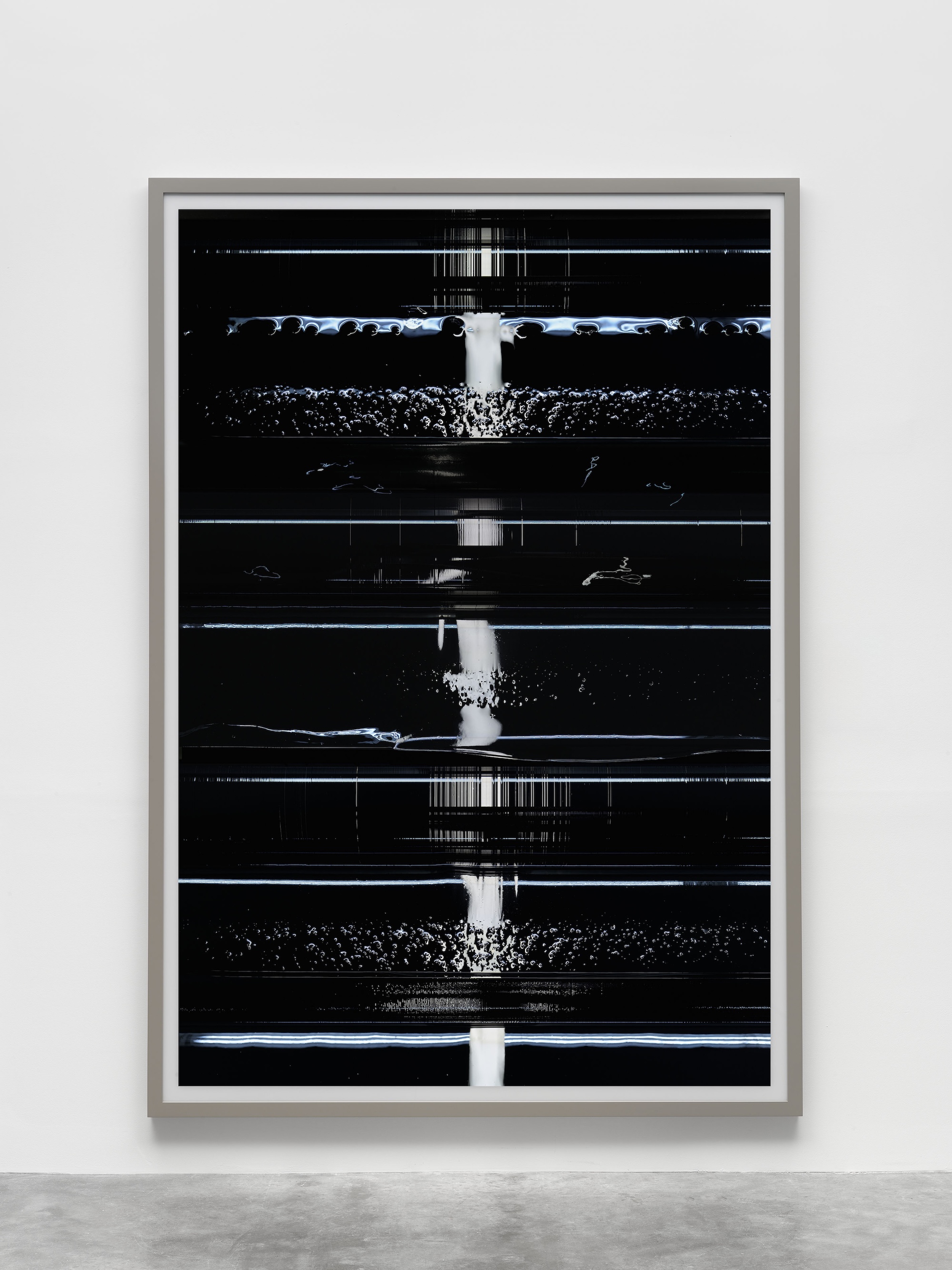
One other recent work, photographed within a German steel manufacturing plant, should be interpreted within the broader context of systemic transformations and associated crises. Overcapacity, the influx of low-cost imports, and the shift toward environmentally sustainable steel production are posing significant challenges to industrial infrastructures all over the world.
Andreas Gursky, 11th October – 8th November 2025 White Cube Mason’s Yard
About the artist
Andreas Gursky is known for his monumental colour photographs that dissect the visual logic of capitalism and globalisation. His images—vast, precise, and meticulously composed—turn the modern landscape of commerce, industry and leisure into a kind of global tableau.
Trained under Bernd and Hilla Becher at the Düsseldorf Kunstakademie in the early 1980s, Gursky first adopted their systematic, black-and-white approach before pivoting to large-scale colour photography. By the mid-1980s, he was capturing scenes of collective leisure—ski slopes, swimming pools, hiking trails—where human figures appear as small actors against immense backdrops.
Since the 1990s, Gursky’s focus has shifted to the architectures of global exchange: stock exchanges, factories, hotel lobbies, and apartment blocks from Shanghai to Los Angeles. His digitally refined compositions echo the grandeur of history painting, yet begin with humble sources—often a press image or an anonymous view—elevated into a coolly critical vision of contemporary life.
Born in Leipzig in 1955, Gursky has exhibited internationally, including solo shows at Museum der bildenden Künste Leipzig (2020); Hayward Gallery, London (2018); Kunstsammlung Nordrhein-Westfalen, K20, Düsseldorf (2016); and The Museum of Modern Art, New York (2001). His work has featured in major biennales including São Paulo (2002), Shanghai (2002), Sydney (2000), and Manifesta 11, Zurich (2016).