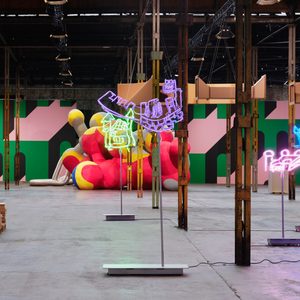
Josefina Sumar’s sculptural practice occupies that precarious, trembling space between corporeal familiarity and emotional tension. Drawing from personal histories of chronic pain, misdiagnosis, and bodily estrangement, her work does not merely seek to depict discomfort, it embodies it. In her recent series “Inners” and “Get Yourself Together,” shown as part of her residencies with MASS in London, Josefina delivers a body of work that is at once tender and tenacious, raw and rigorously composed.
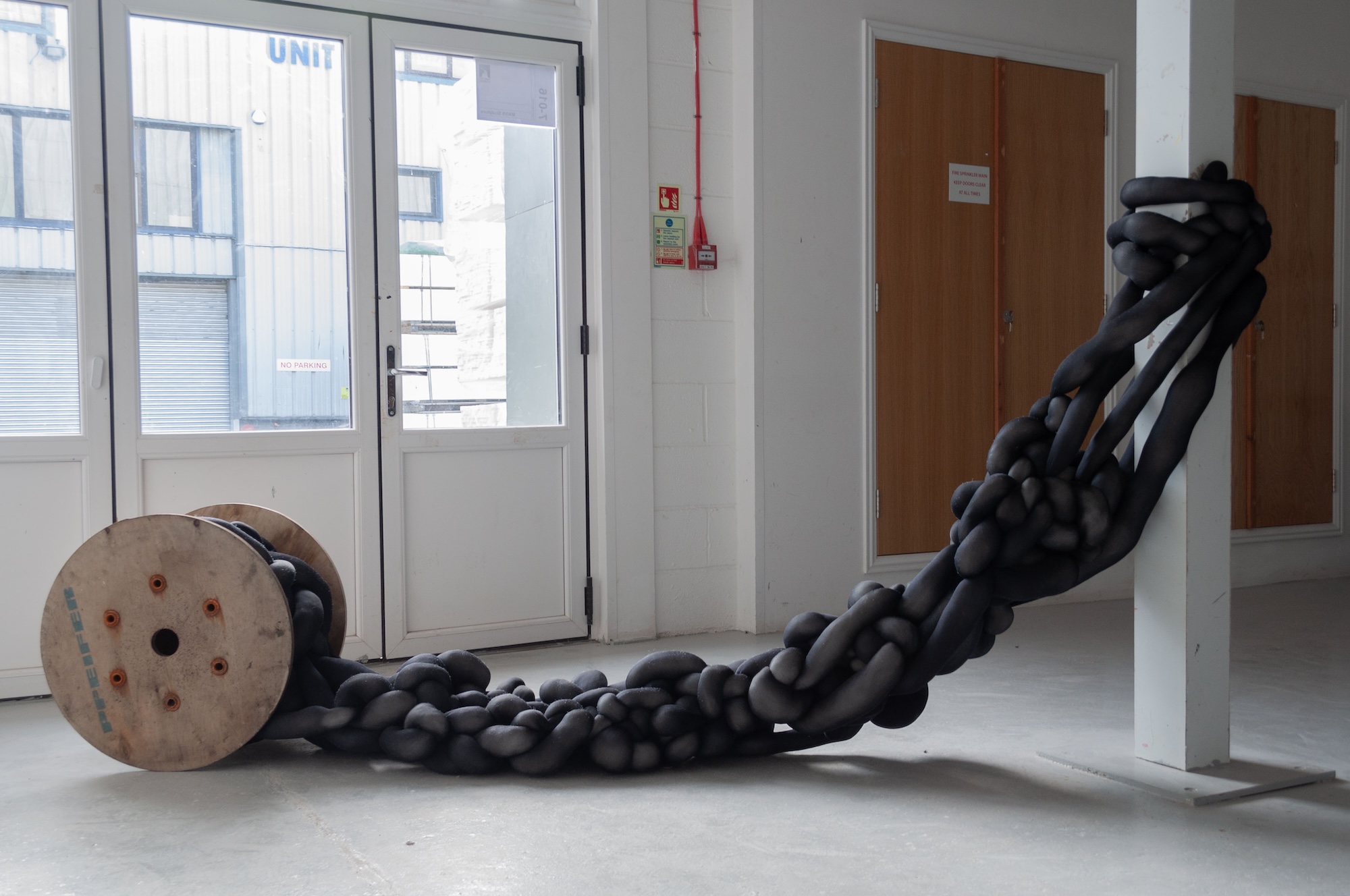
“Inners” begins with ceramic tubes twisted into tangled bodily conduits, evoking organs such as the oesophagus and gut, both as a physiological system and emotional barometer. These are not neat anatomical illustrations, but instead viscid proxies for internal conflict: fragile yet hardened, evocative of both compression and flow. Their sickly curvature resists aesthetic ease; this is sculpture that bristles with discomfort. Josefina’s choice of clay underscores a duality she returns to frequently, the mind-body relationship, the interaction between the tangible and the intangible and how one affects the other.
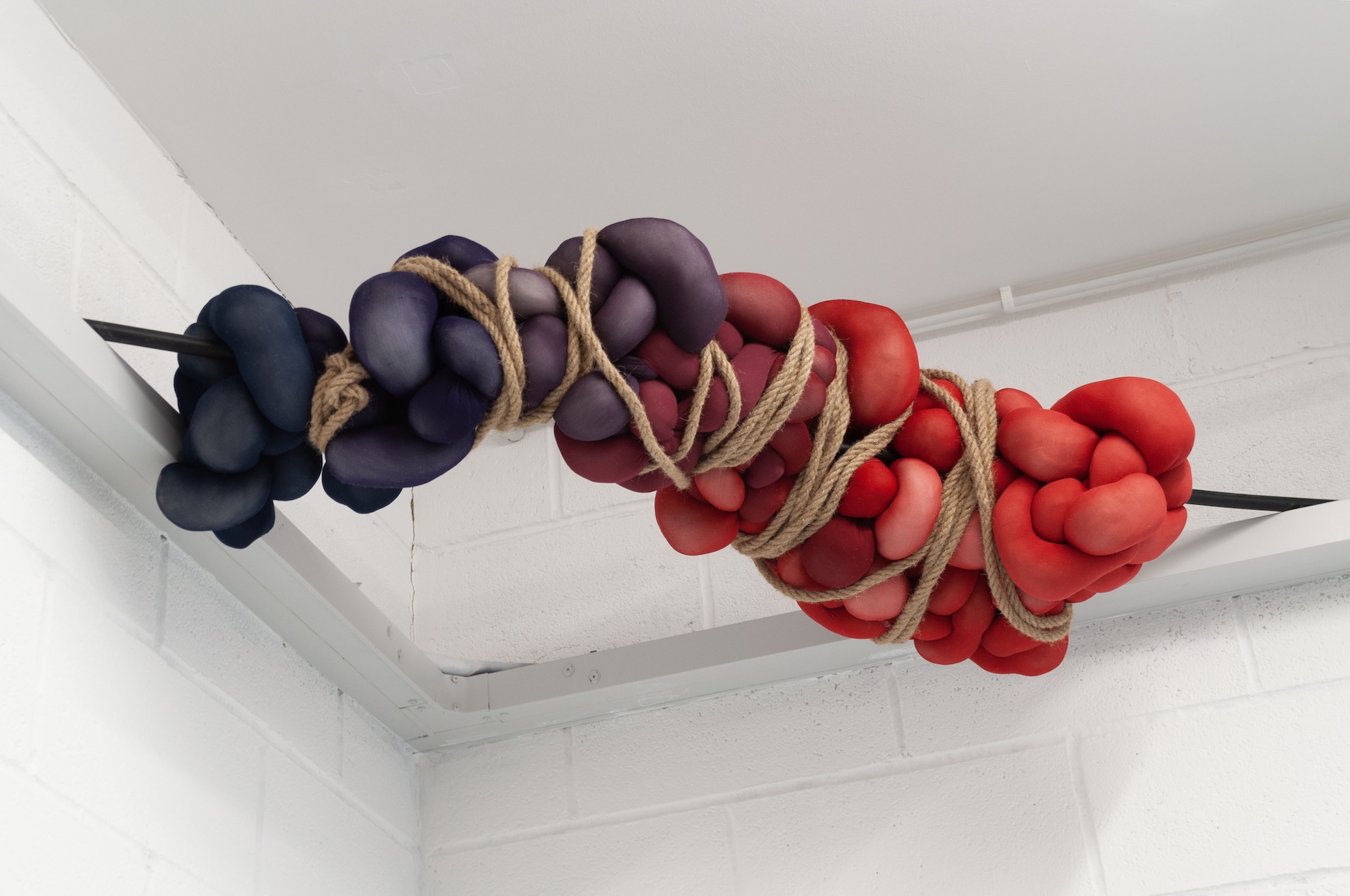
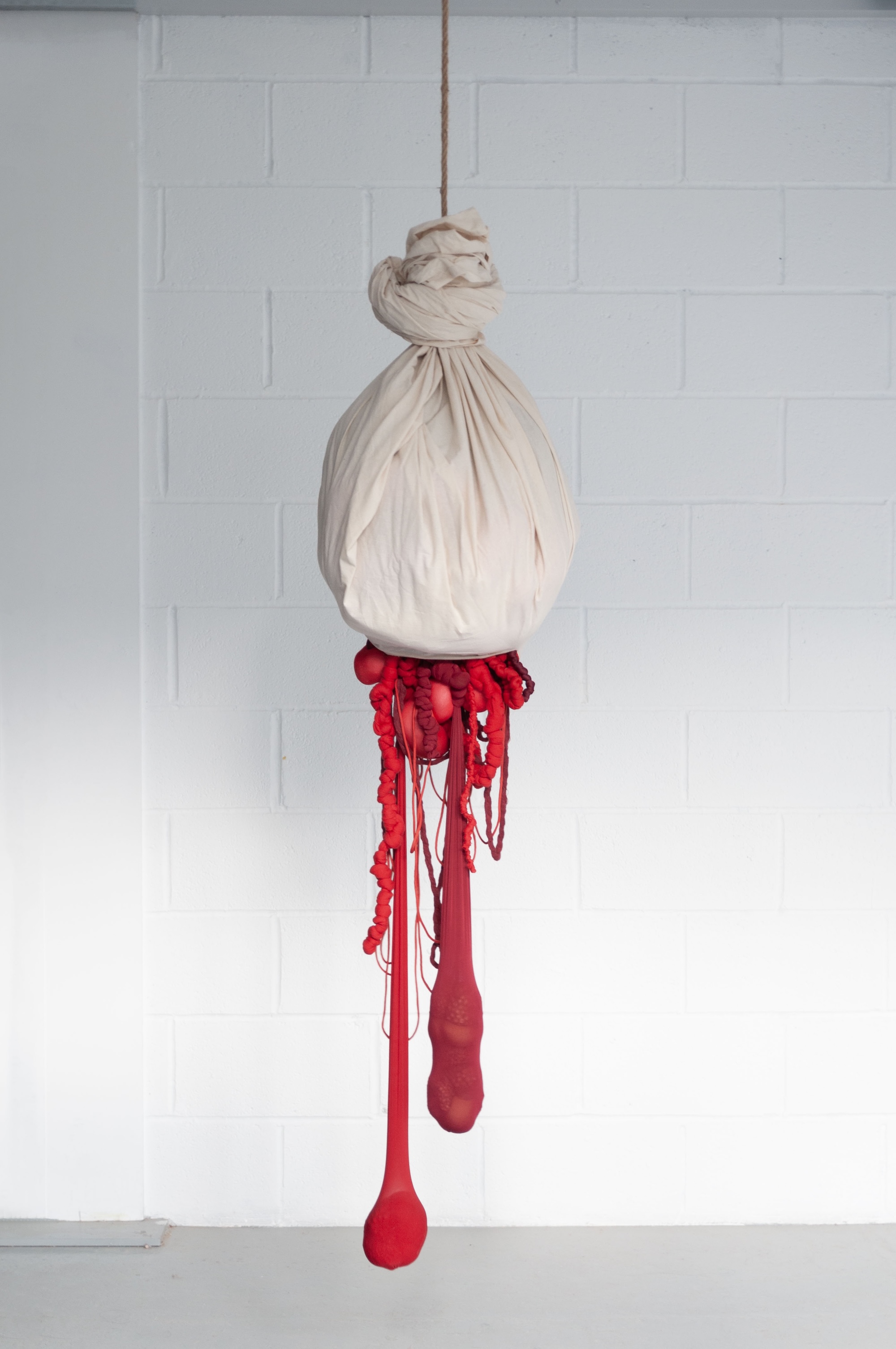
Later works in the series shift to textiles and soft sculpture, abandoning the rigidity of ceramics for something more mutable, more alive. Fabric skins stretch over stuffing, some forms seemingly bursting from their seams. In “Oops” (2025), long appendages of cloth and rope stretch across the floor like discarded organs or domestic entrails. These pieces hover between the grotesque and the absurd, never fully surrendering to either. The viewer is made complicit in their anthropomorphic guessing game: is this a lung? A stomach? A birth? A repressed memory?
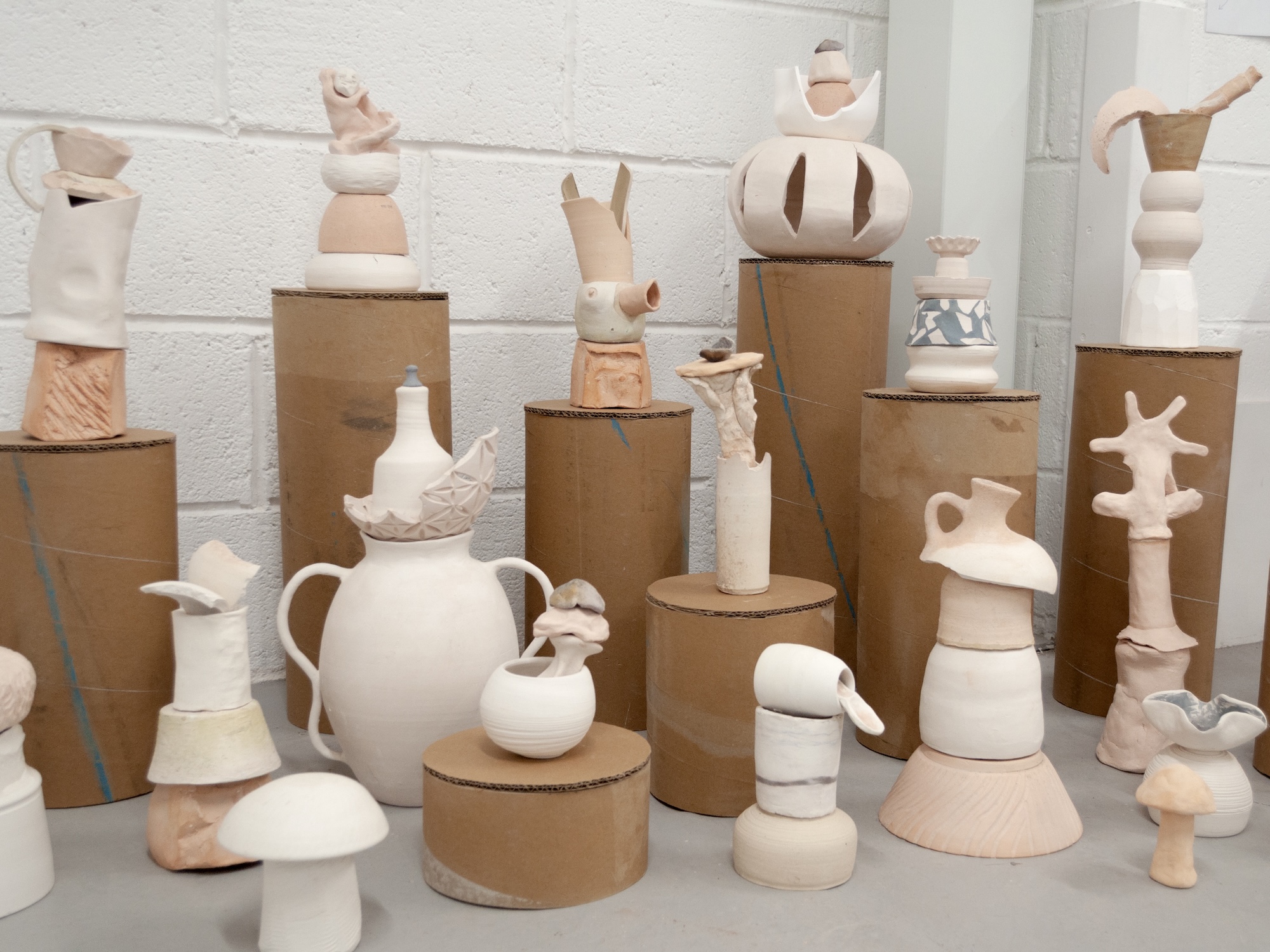
“Get Yourself Together,” meanwhile, is a quiet revelation. Comprised of ceramic fragments discarded by other artists and reassembled into totemic objects, it moves from the internal to the restorative. The salvaged shards, broken yet gleaming, stand in metaphorical witness to the fractured self, patiently reconfigured. There’s a refusal of linear healing here—each plinth (fashioned from used cardboard) rises to a different height, suggesting a rhythm of grief that is syncopated, nonlinear, entirely personal. The work doesn’t preach recovery; it enacts it.
Josefina’s material intelligence is acute. Dough, fabric, rose branches, found objects—nothing enters her installations by accident. This sensitivity extends to her photographic series “Efimeral Bodies,” a suite of contorted self-portraits that place her own body in physical and conceptual tension with everyday objects. These photographs veer toward performance, where the sculptural act becomes not just static but lived. The term “Efimeral”—a linguistic hybrid of Spanish and English—acts as a kind of cipher, underscoring a dissonance of belonging and language that echoes through the entire portfolio.
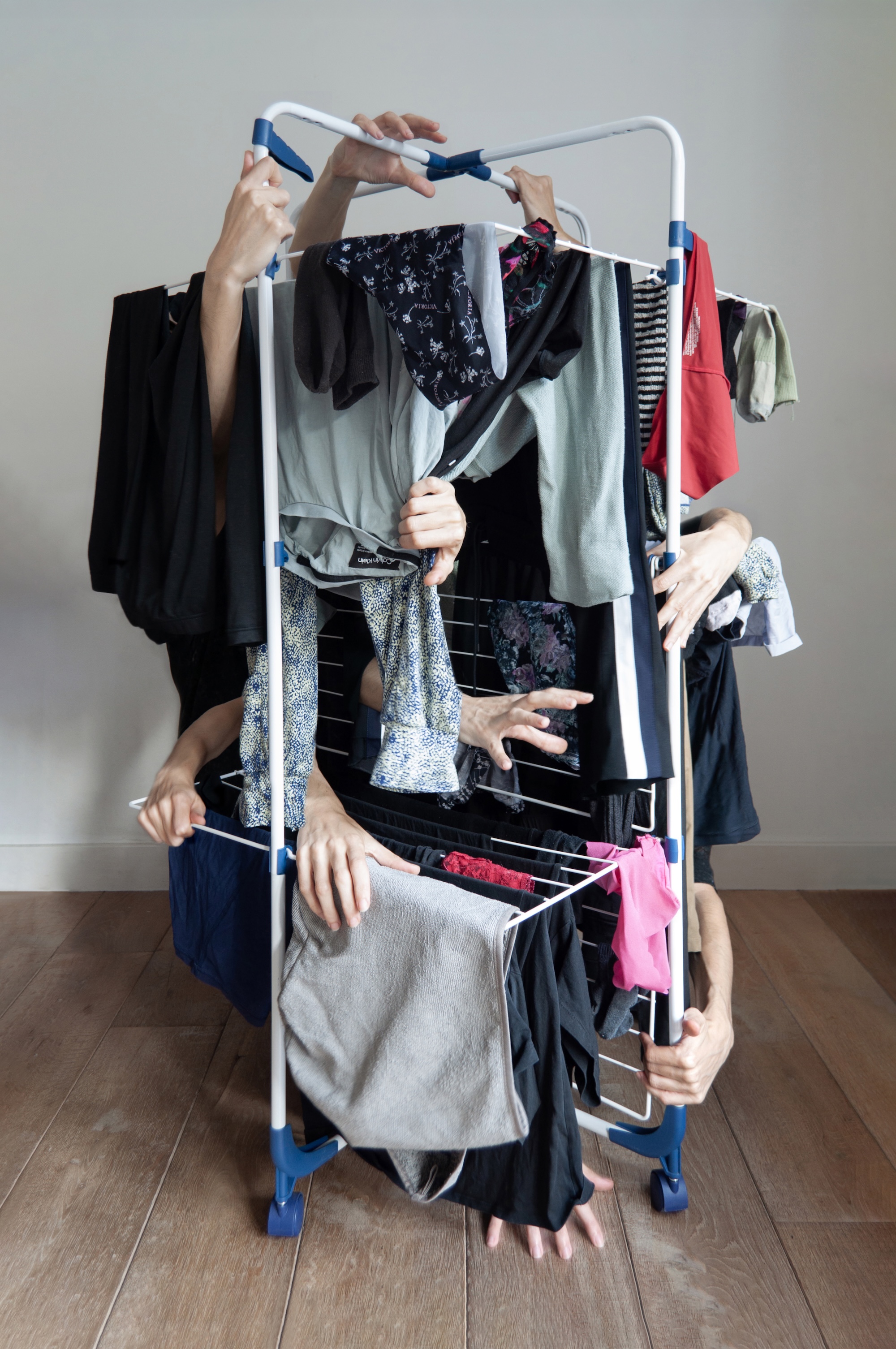
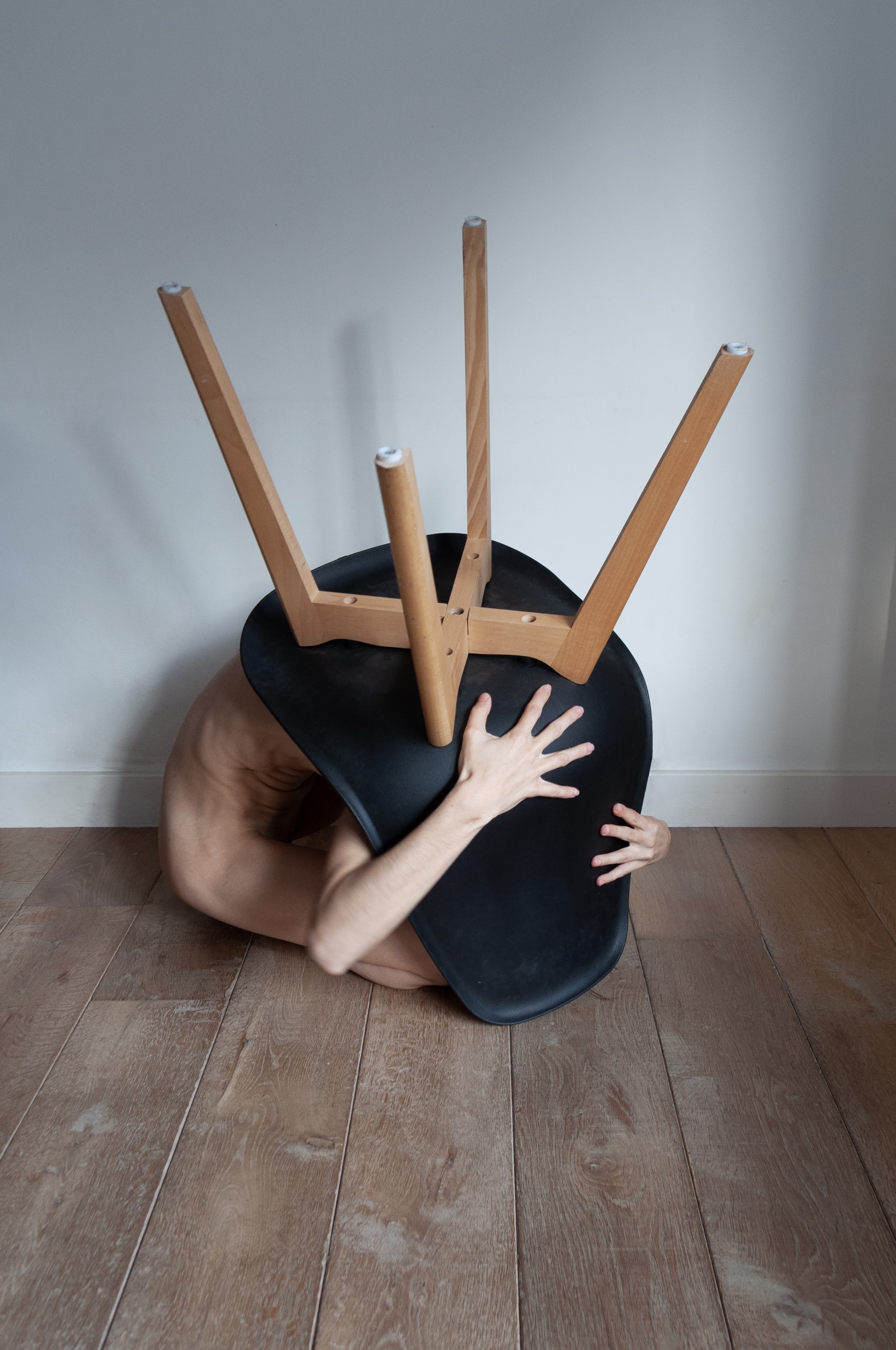
There’s a strange, quiet violence beneath much of Josefina’s work—not of aggression, but of insistence. The insistence of the body to be heard. The insistence of materials to mean more than themselves. The insistence, above all, that the fragile is not synonymous with the weak.
Josefina’s installations are not interested in beauty, at least not in conventional terms. They propose a different kind of aesthetic: one formed through tension, discomfort, recovery, and resilience. Hers is a visceral poetics—of the gut, of the wound, of the stitched-up memory. In an art world increasingly obsessed with polish and digital abstraction, Josefina Sumar gives us work that bleeds, binds, and breathes.
MORE: @jsumar_