Opening up the art world means exposing the systems that most don’t want to see.
I apologise for the pun in my title. The relationship between the fiscal exchange and the physical display of artworks is nothing new. Commercial galleries show work that sells; museums display things which drive ticket sales. That’s the face of it. Beneath these easy correlations, however, lies a more murky relationship. Look at any wall in a museum exhibition and you can catch a glimmer of what I mean: sponsorship indicates market interests. Galleries as well as private individuals ‘gift’ money to institutions in order to develop shows which ultimately bulk an artist’s name, elevating their cachet and, yes, their prices. This doesn’t just happen in museums; the publishing sector is complicit, the biennial, the triennial, and the Art Week sectors are complicit too, investing to situate an artist’s work within a globally connected and systemic social market, aka the Art World. I do not mean to put a downer on things. Acts of philanthropy, be they innocent or otherwise, are vital to the freedom of art. Decentered funding systems prevent ideological monopolies and ultimately the politicisation of aesthetics. Too many cooks spoil the broth, as they say, which is a good thing if you do not want to consume something trumpy.
I seem to be going off the point. I apologise again.
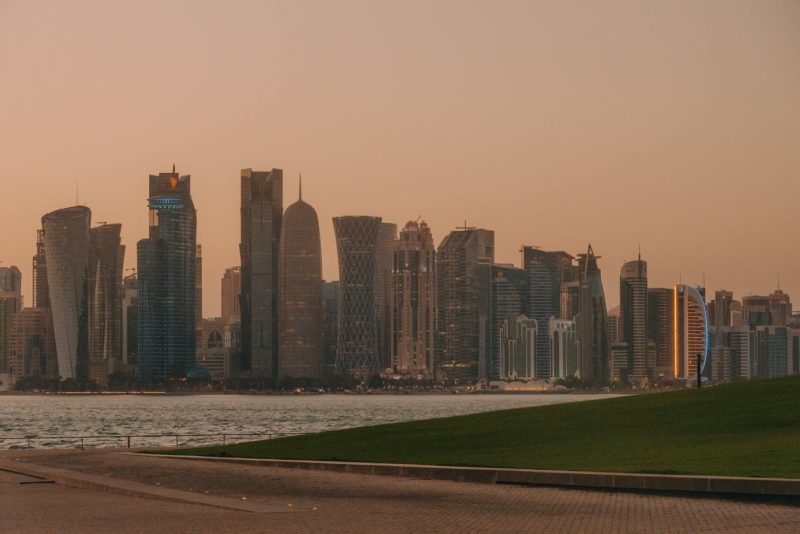
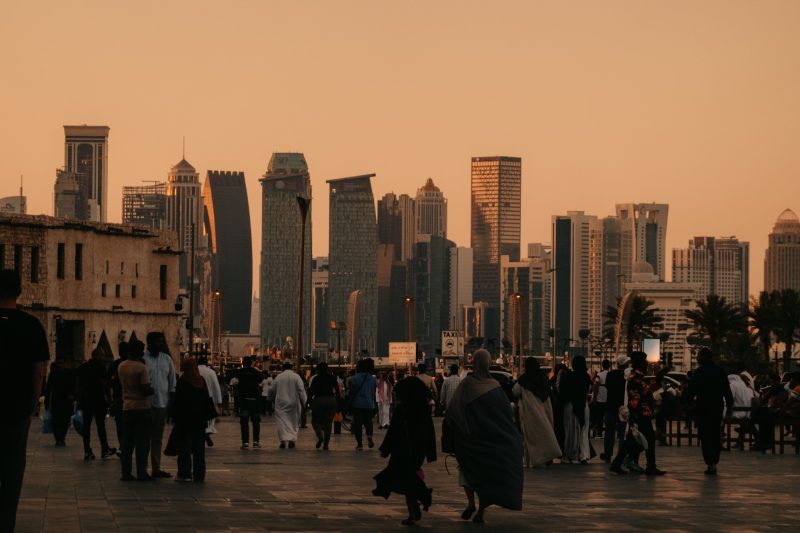
This week Art Basel announced further plans for its newest annual fair: Art Basel Qatar. In March, their first announcement got heads tutting critically, most seeing this as a form of ‘artwashing’: a way for Qatar to mask its poor human rights record and to attract more liberal foreign investments. Born through a partnership between Art Basel’s parent company, MCH Group, and the Qatari-government-backed investment firm Qatar Sports Investments, the fair is billing itself as ‘a platform to foster deeper engagement with leading galleries and artists from the Middle East, North Africa, South Asia, and further afield’. Great. More than a spotlighting of otherness, or a meek gesture of inclusion based upon preexisting terms, the formalities of the new fair suggest a deeper motivation for its production: to open the Art World up to the historically overlooked.
‘…Art Basel Qatar will depart from the traditional booth model to introduce a new fair format grounded in artistic vision and conceptual rigor’. Non-traditional booths and a focus on the conceptual, I want to suggest that what is being planned here is more biennial than an annual business venture; that the new fair will make the hidden relationship between the two more apparent. This will unnerve some.
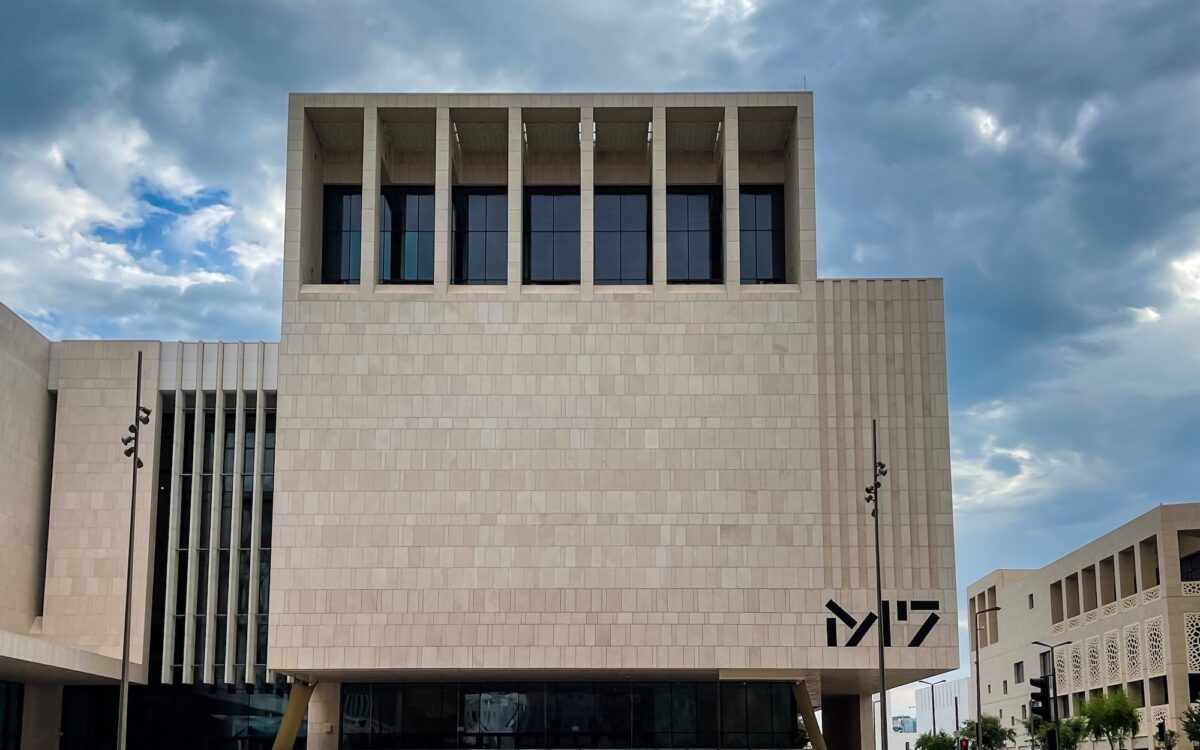
As with most biennales, Art Basel Qatar’s ‘conceptual rigor’ will be provided by an external Artistic Director: Wael Shawky, the Egyptian-born artist whose Pavilion at the 2024 Venice Biennale helped him secure position number 6 in ArtReview’s Power 100 list (for what that is worth). Operating with the overarching theme ‘Becoming’ — a philosophically loaded term which I understand as a reflection on the fluidity of human life, how we are all always constantly changing in relation to that which is around us — Shawky will work with Vincenzo de Bellis (Art Basel’s Chief Artistic Officer and Global Director of Fairs) and the fair’s gallery Selection Committee (Lorenzo Fiaschi, Shireen Gandhy, Daniela Gareh, Mohammed Hafiz, Sunny Rahbar, and Gordon VeneKlasen) to guide Art Basel Qatar’s unfolding across its venues: M7, the Doha Design District, and public sites in Msheireb (Doha’s creative and cultural hub).
Booth-less, in a way, curatorially driven, and physically dispersed, by recalling the formalities of a biennale Art Basel Qatar inadvertently exposes the often occluded relationship between market interests and the manifestation of artworks. That is, instead of offering philanthropic ‘gifts’ to influence what is displayed in public settings, here galleries will be paying upfront to situate their artists’ work within our globally connected, systemic social market. If Basel is making buy-annuals, I wonder if museums should start selling some of the stuff they have sequestered (call it deaccessioning), but that’s another topic the Art World likes to keep hidden.