

At the very beginning of 2026—when the new and the old had just completed their cycle of replacement—January arrived. Beneath the coldness and stillness lingered the faint aftertaste of the New Year’s celebrations that had only just ended. It was the bleakest and darkest moment of the year in the UK. With a learning mindset, I went to Margate to see an exhibition.
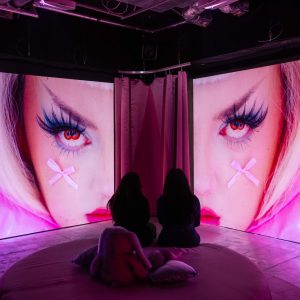
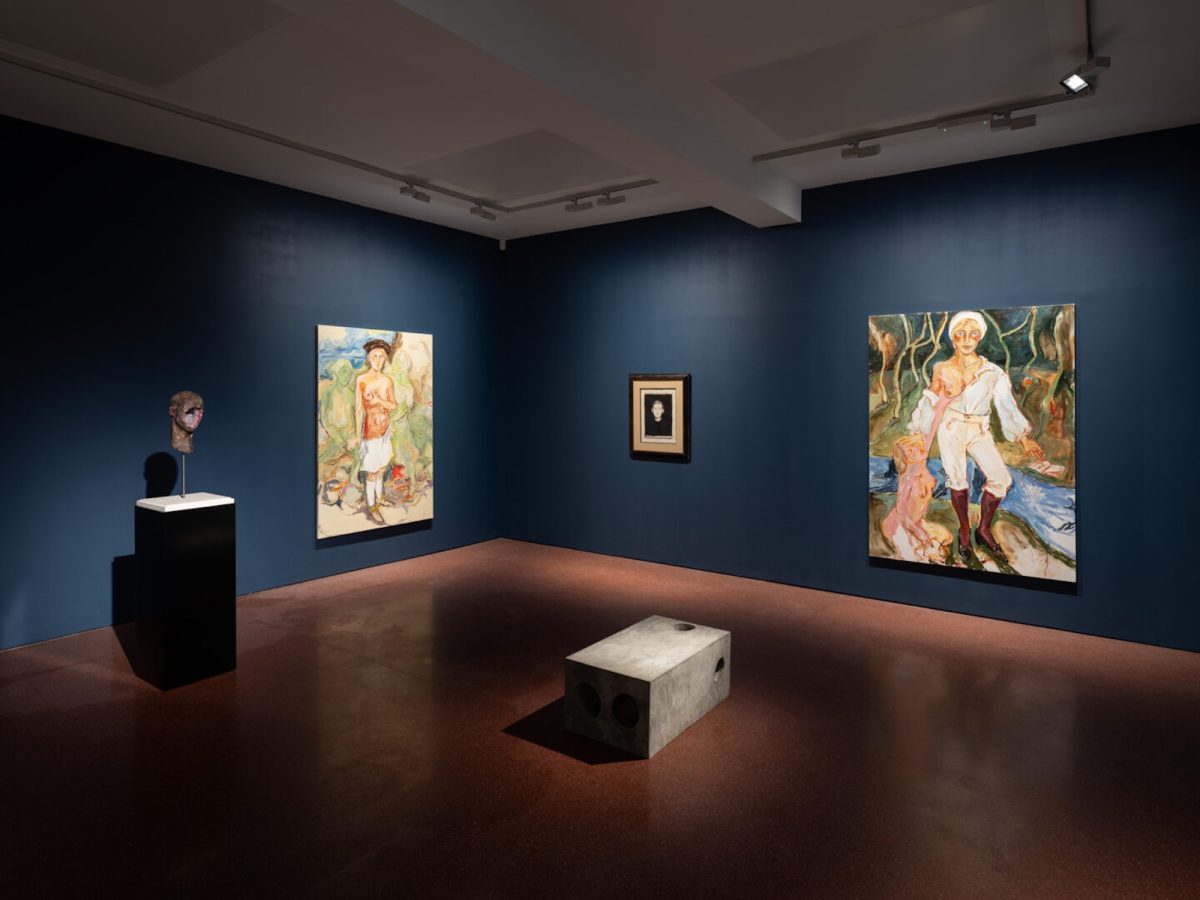
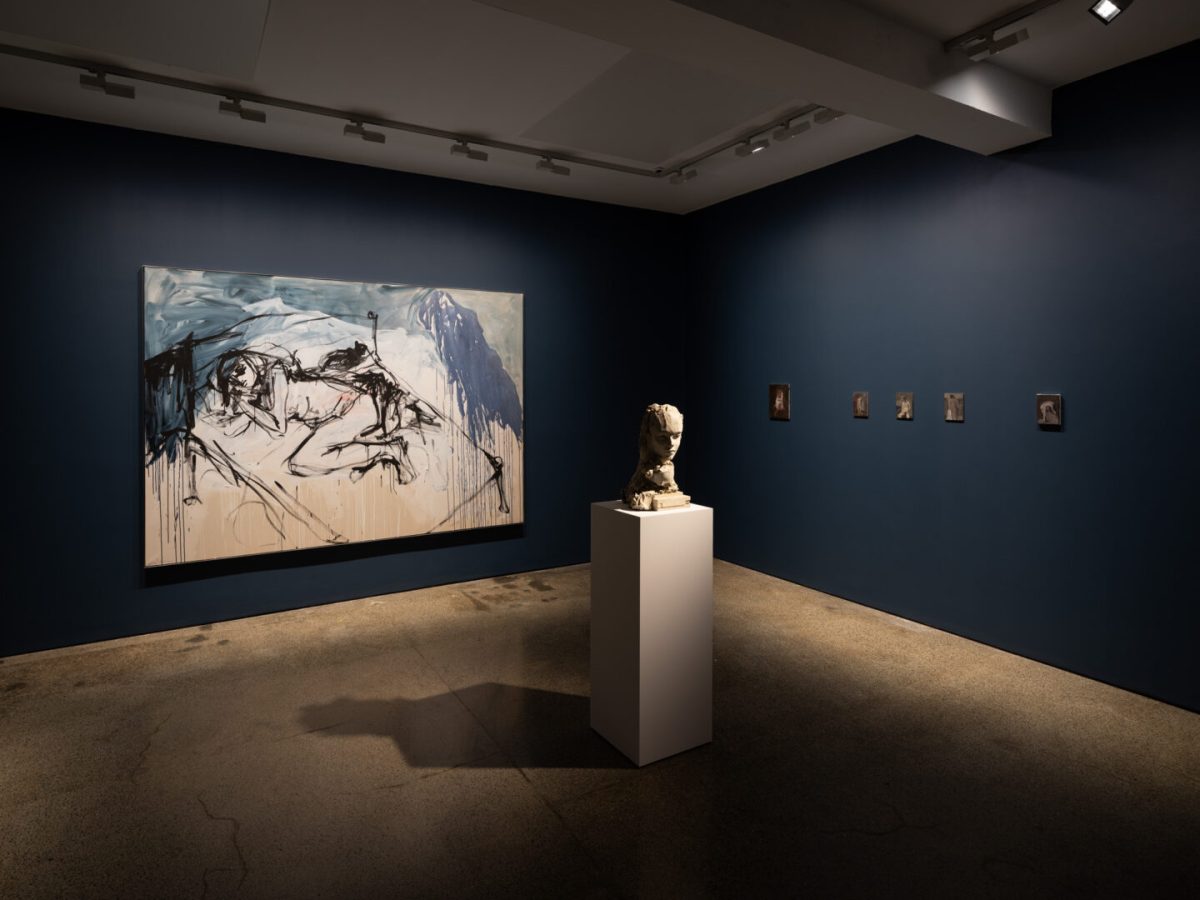
As I entered the space, the lighting was dim. The works seemed to whisper. I couldn’t clearly see everyone’s faces; the darkness covered their eyes, yet amplified another sense. The entire environment felt oppressive, but beneath it there was a quiet resilience, a stubborn vitality. The exhibition’s title, unsurprisingly, felt perfectly apt — Crossing into Darkness.
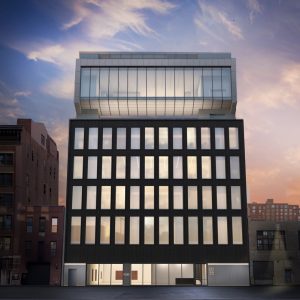
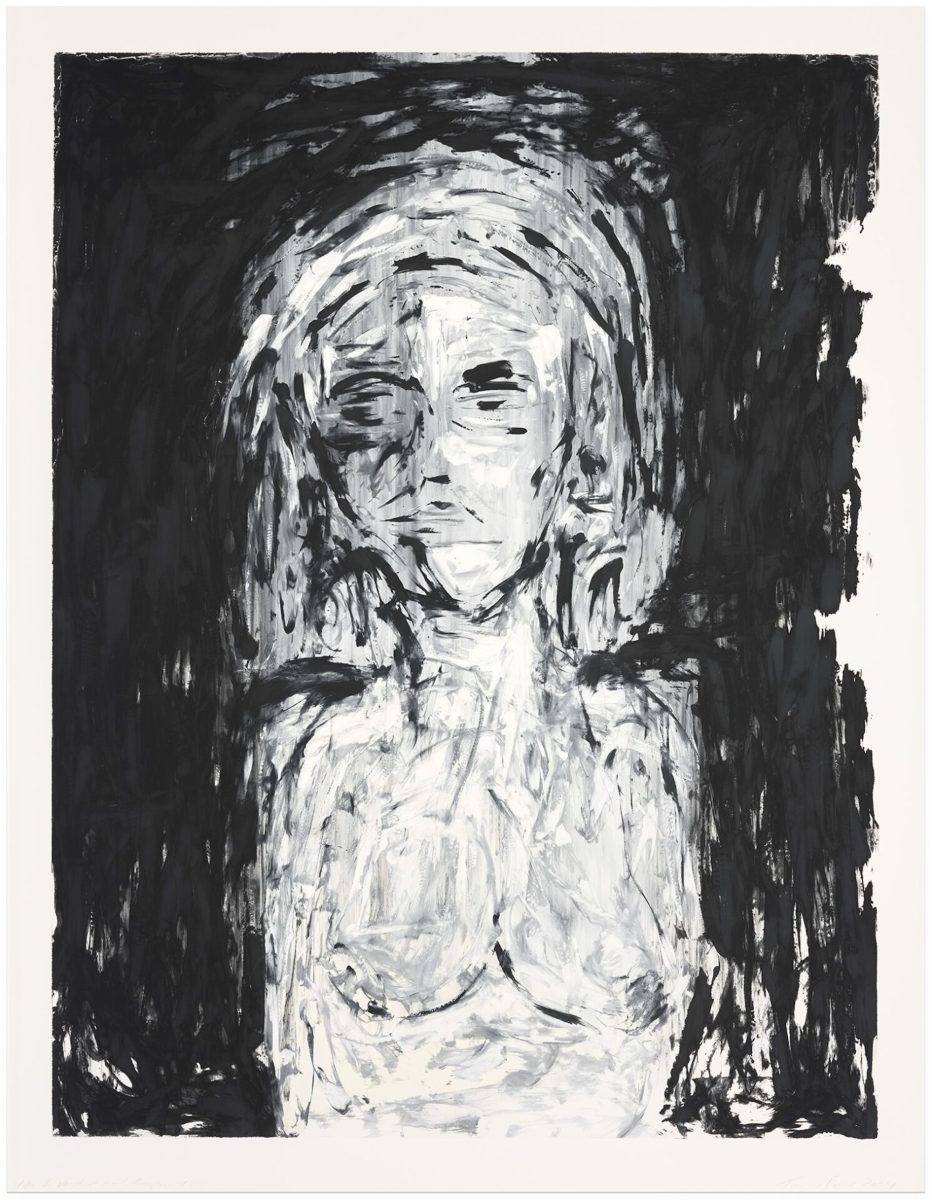
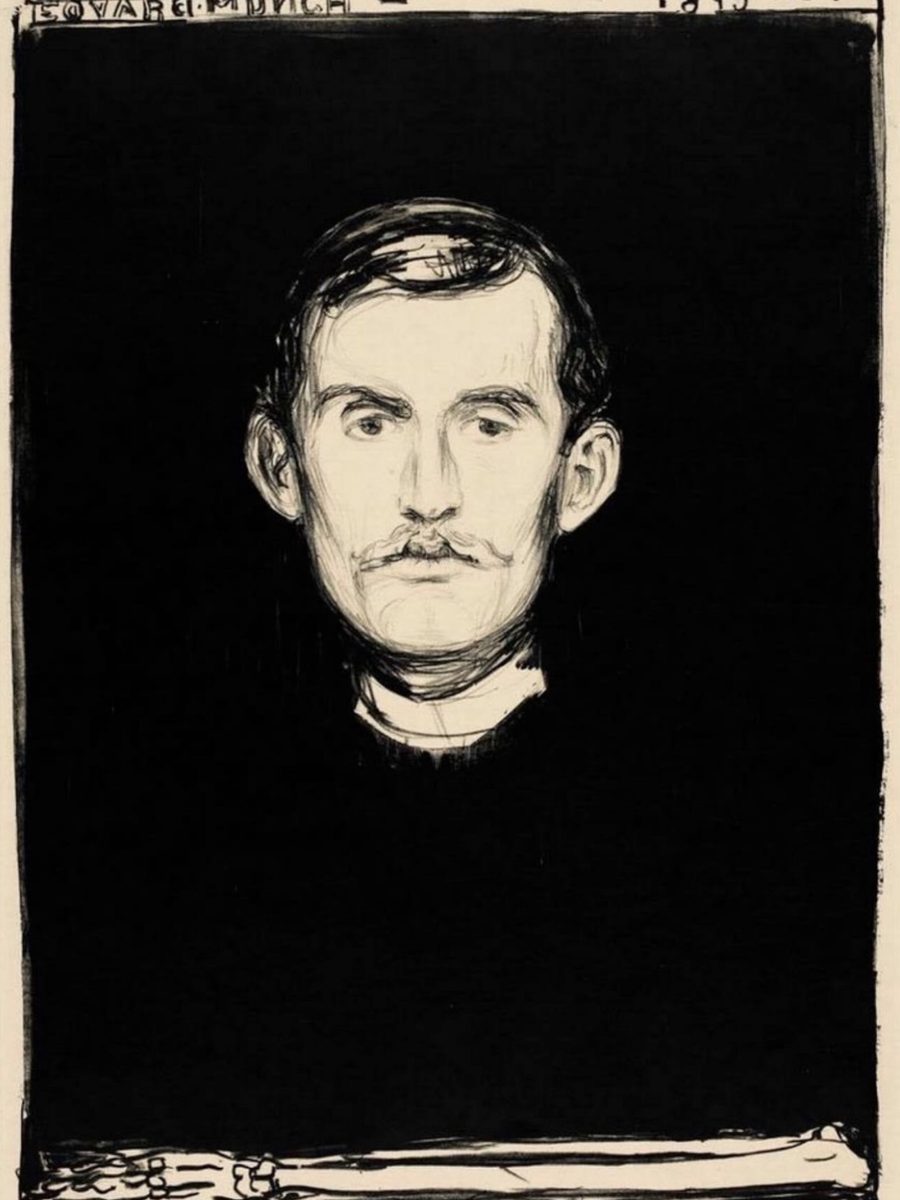
The exhibition was curated by Dame Tracey Emin and held at Carl Freedman Gallery, running for three months (18th January–12th April). In the first room were works by Dutch artist Joline Kwakkenbos, alongside a portrait by Munch. A black-and-white Munch, and Kwakkenbos’s colourful oil paintings — two artists from different eras in conversation with one another. Nearby stood a sculpture by David Altmejd whose face had been hollowed out. At first glance, it looked like a set of painful fangs; on closer inspection, it resembled a crystal cave filled with purifying energy.
You see, Munch suffered deeply during his lifetime, yet he left the world with some of its greatest works. Just like this crystal cave, darkness is the deepest form of purification. It excavates all our shadows and ultimately points straight toward the light.
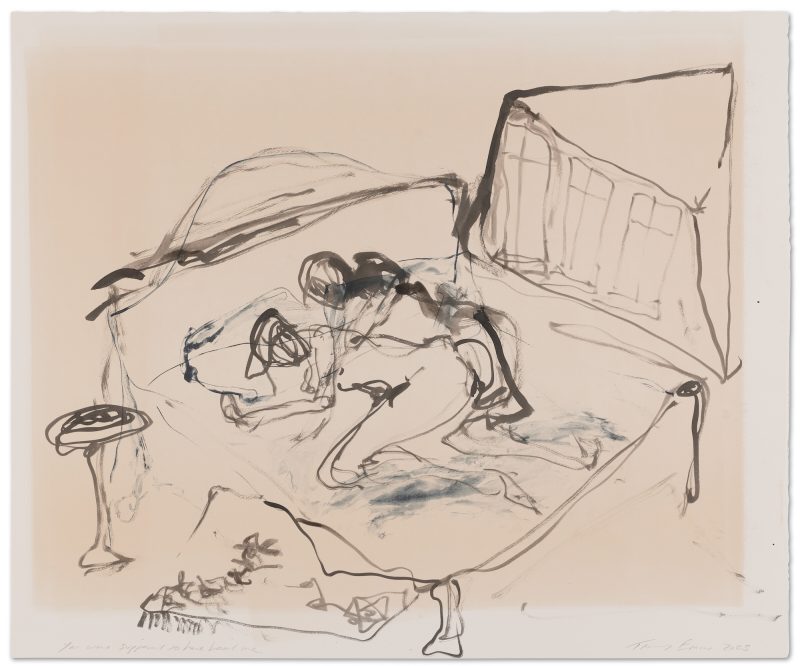
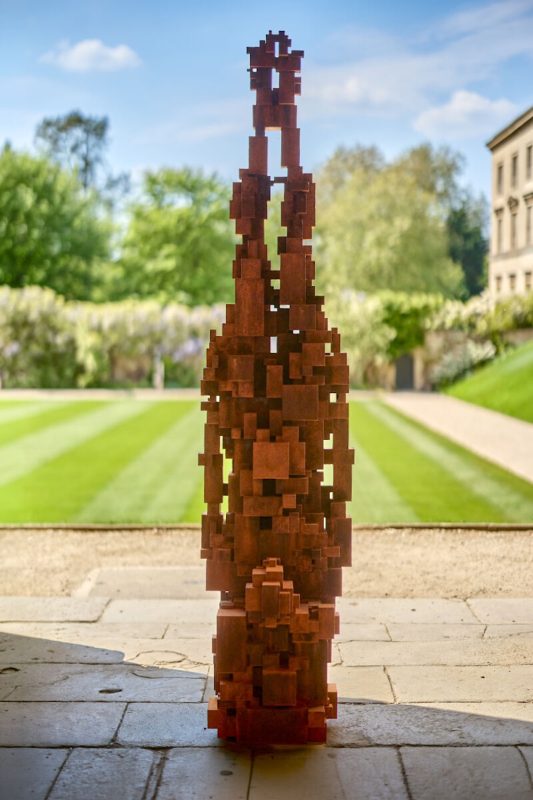
In the following rooms, I encountered, one by one, the works of Georg Baselitz, Louise Bourgeois, Marlene Dumas, Tracey Emin, Laura Footes, Antony Gormley, Francisco Goya, Gilbert & George, Celia Hempton, Anselm Kieter, Mark Manders, Danielle Mckinney, Lindsey Mendick, Juanita McNeely, Hermann Nitsch, Janice Nowinski, Anna Pakosz and Johnnie Shand Kydd.
After carefully examining all these works by artists who walked ahead of us, a realisation suddenly surfaced. Perhaps the importance of art for artists lies in its ability to offer the most direct artistic language for true expression and release. In that process, it functions like a ritual and also like a form of redemption. It is irreplaceable by anything else — a dialogue with the inner self.
Language can lie, just like the necessary social performances we put on in daily life. Even when we are clearly in pain, we still say, “I’m fine.” Good art never lies. It is the artist in their most honest form. And it is precisely this honesty that gives rise to great works. Any trace of falseness disqualifies a work from being truly good.
Standing in front of the artworks, my thoughts drifted away. Two objects appeared in my mind: the eagle and Pluto. Both are connected to rebirth, to darkness. Yet rebirth must pass through tempering — a process of purification — before a new leap can occur. Just as dawn must be preceded by complete and utter darkness.
Perhaps all the artists present here have endured different kinds of suffering. Some have already passed away — like Munch — yet his works remain here, shaking those of us who are still alive. Isn’t that a form of activated power?
In Eastern Buddhist philosophy, it is often said that there are eight sufferings in life: birth, aging, illness, death; separation from loved ones; unfulfilled desire; encountering what one hates; and the burning of the five aggregates. All of these can constitute darkness. But I believe they are merely inevitable paths leading us to the other shore. What matters is whether, in these repeated descents into darkness, we can activate our greatest potential, grasp the truth of existence, and find our true selves – and leave some good things behind on the earth.
The evolution of the soul across lifetimes is driven by a single force. I don’t believe suffering is inherently good or bad — everything has its yin and yang. I choose to see it as an opportunity: a moment closest to truth and awakening.
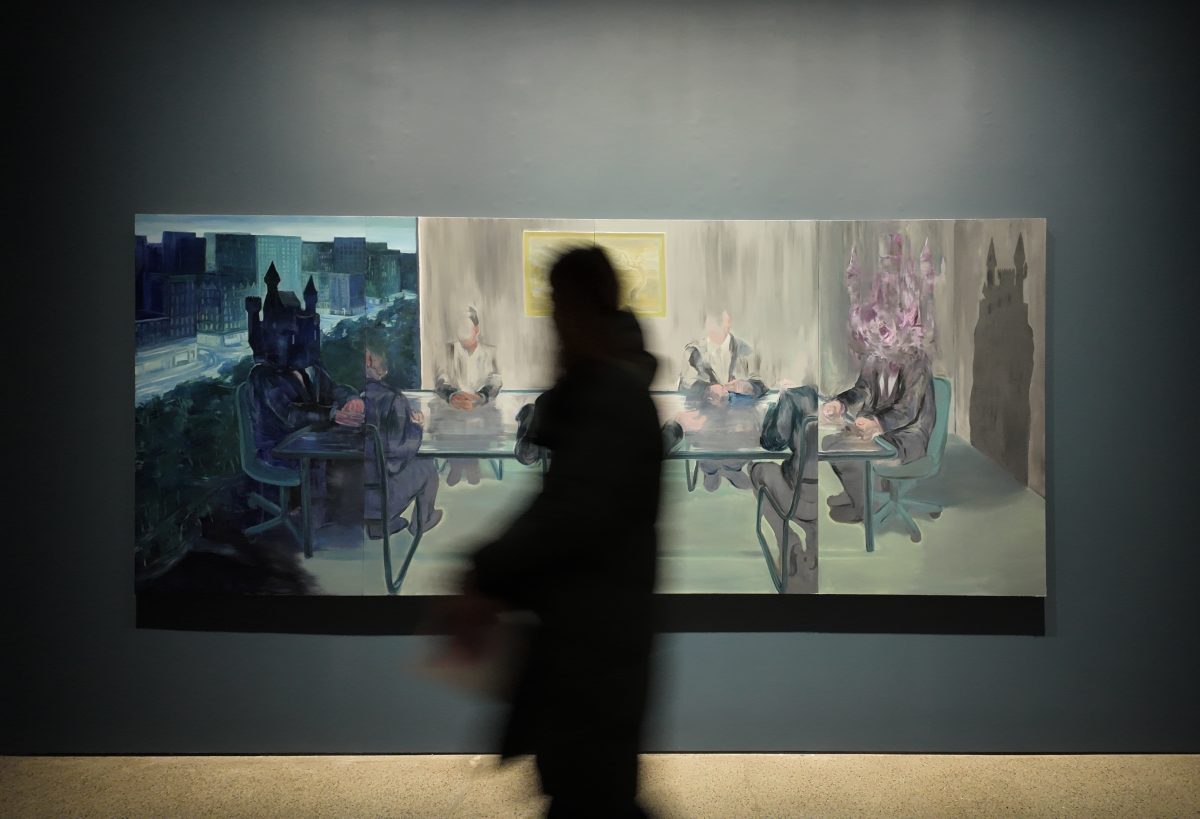
When I came back to myself and looked again at the works in the gallery, a sense of reverence and joy rose within me. Though the exhibition space was dark, I knew that the works on the walls were the most beautiful things left to the world beyond that darkness.
“The title of the show is very self explanatory, especially for the times we are living in. But even so we have always had our own journeys. And I feel that we have to cross into darkness to find light. I’d like this show to be very emotionally immersive and people to feel the strength and vibrations within the works.I want people to know that art isn’t just something that you look at. That it has a deeper purpose and can penetrate all souls. I love the idea of people coming to Margate on the greyest of winter days with gale force winds and crashing waves to make the pilgrimage to see the show.”
– Dame Tracey Emin
Crossing Into Darkness Curated by Dame Tracey Emin 18th January – 12th April 2026 Carl Freedman Gallery