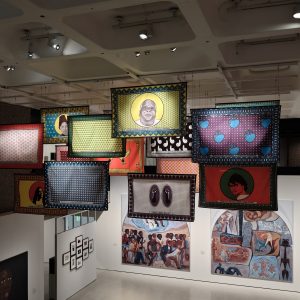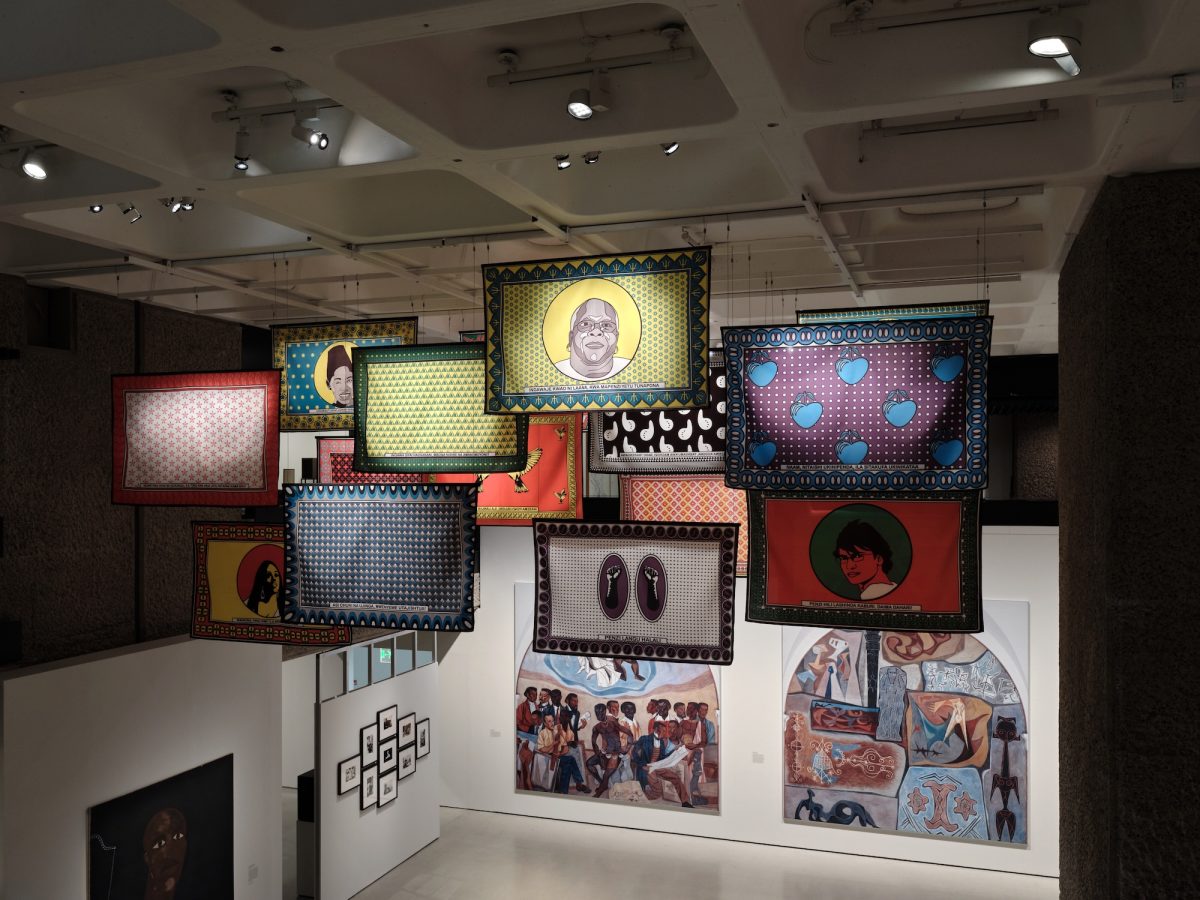
The Barbican opens one of its most ambitious exhibitions of the year tomorrow with Project a Black Planet: The Art and Culture of Panafrica, a major international survey examining how Pan-Africanism has shaped artistic and cultural production across the twentieth and twenty-first centuries.
Bringing together more than 300 works by artists, writers, filmmakers and cultural producers from Africa and its global diasporas, the exhibition is the first major international project to explore both the impact of Pan-Africanism on visual culture and the crucial role artists have played in imagining and shaping Pan-African futures.
Spanning over a century, the exhibition gathers works from across Africa, Brazil, the Caribbean, North America and Western Europe, featuring artists including Lubaina Himid, David Hammons, Simone Leigh, El Anatsui, Chris Ofili, Lynette Yiadom-Boakye, Claudette Johnson, William Kentridge, Samuel Fosso, Marlene Dumas, Kader Attia and Ingrid Pollard.
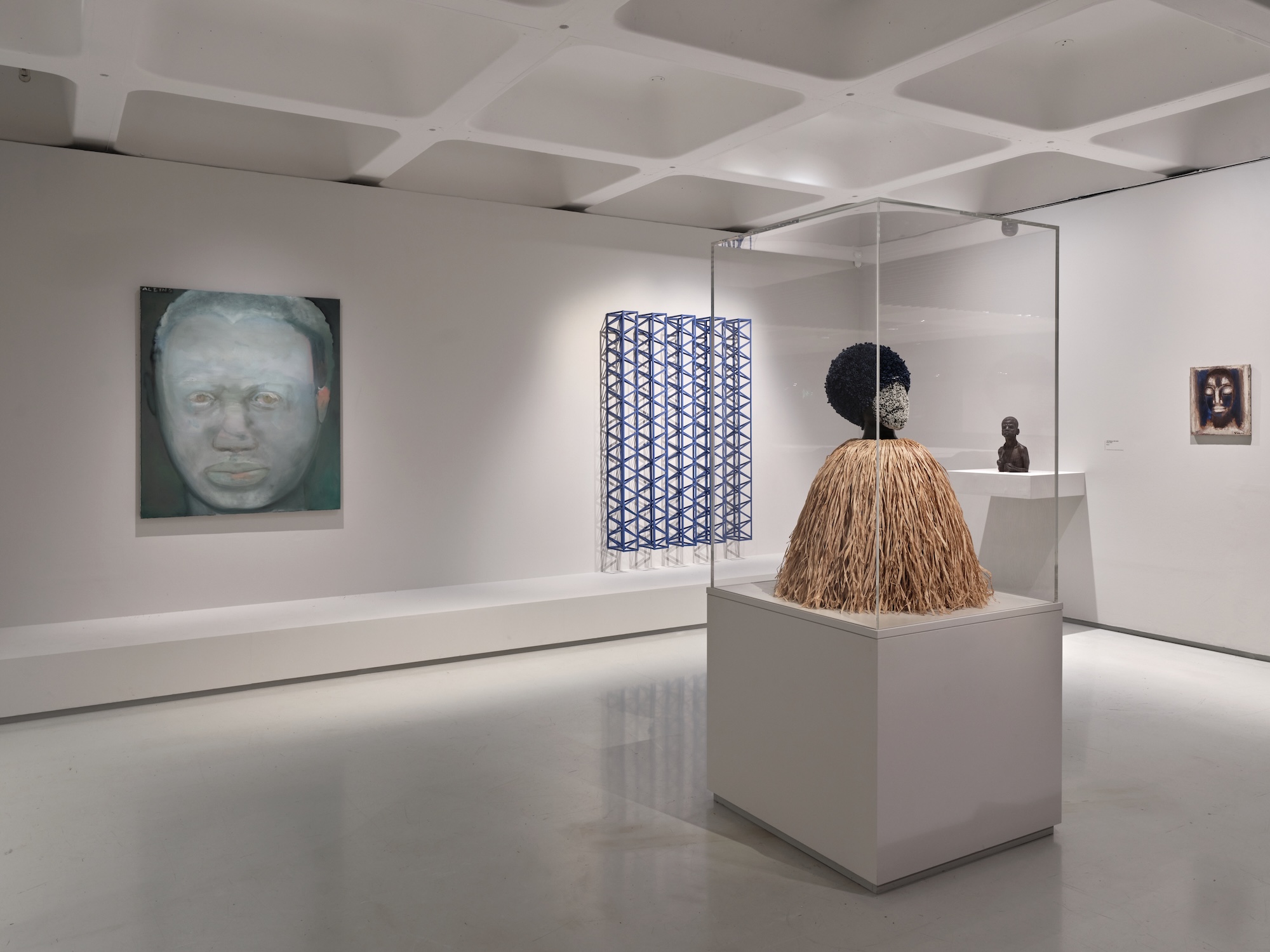
Coined around 1900, Pan-Africanism emerged as a political and philosophical movement advocating for self-determination, anti-colonial resistance and solidarity among people of African descent. Rather than presenting Panafrica as a fixed geography, the exhibition approaches it as a conceptual space shaped by collective imagination, political struggle and cultural exchange.
The exhibition traces key movements that have influenced Pan-African thought, including Garveyism, Négritude and Quilombismo, while also exploring themes of protest, memory, ancestry, identity and interiority. Paintings, sculpture, photography, film, publications, posters and archival materials are brought together to reveal how artists have responded to histories of colonialism, liberation movements and post-independence realities.
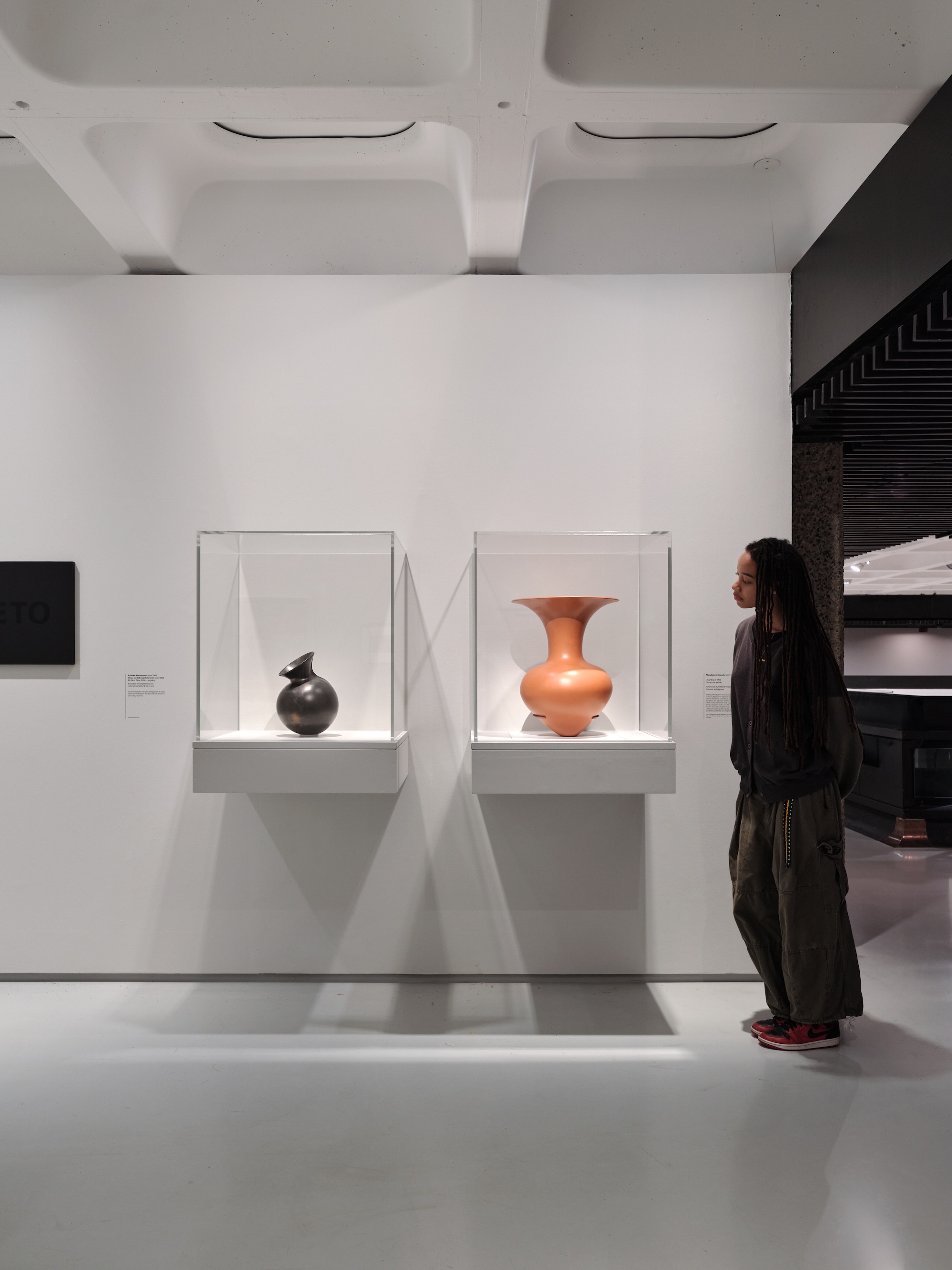
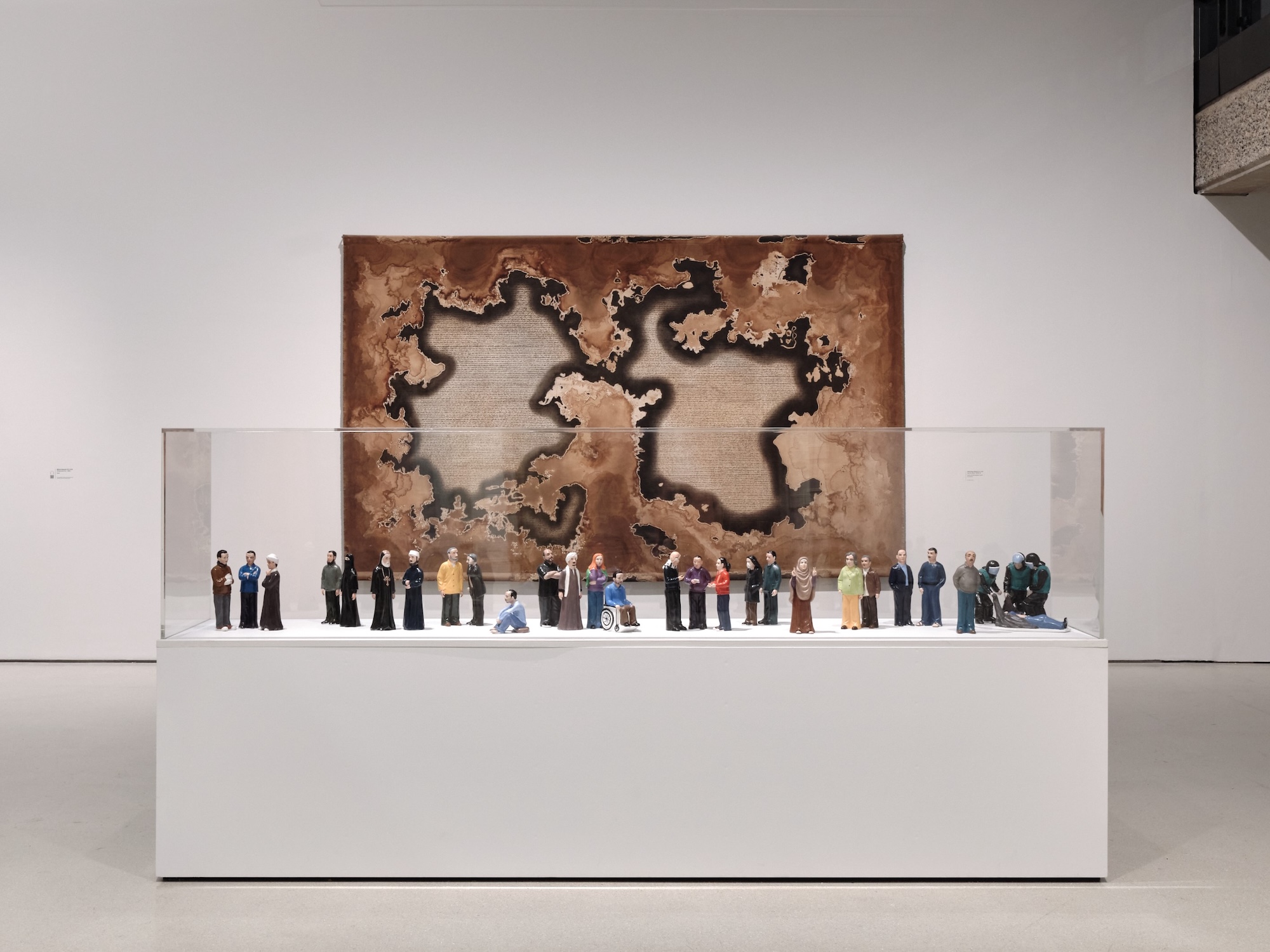
Among the highlights are a new body of paintings and drawings by Lynette Yiadom-Boakye, reflecting on the ways Pan-Africanism has shaped the inner lives of communities across generations. David Hammons’ iconic African-American Flag and Chris Ofili’s Union Black reimagine national symbols through a Pan-African lens, while Simone Leigh’s monumental sculpture Dunham pays tribute to pioneering dancer and choreographer Katherine Dunham.
Other key works include paintings by Wifredo Lam, politically charged works by Egyptian artist Inji Efflatoun, photography by Ingrid Pollard documenting Black British cultural and political life, and Kader Attia’s large-scale installation Asesinos! Asesinos!, which evokes the collective energy of protest movements.
The exhibition also foregrounds the importance of printed matter in the circulation of Pan-African ideas, displaying publications ranging from W.E.B. Du Bois’ The Souls of Black Folk to Angela Davis’ If They Come in the Morning and editions of EBONY magazine.
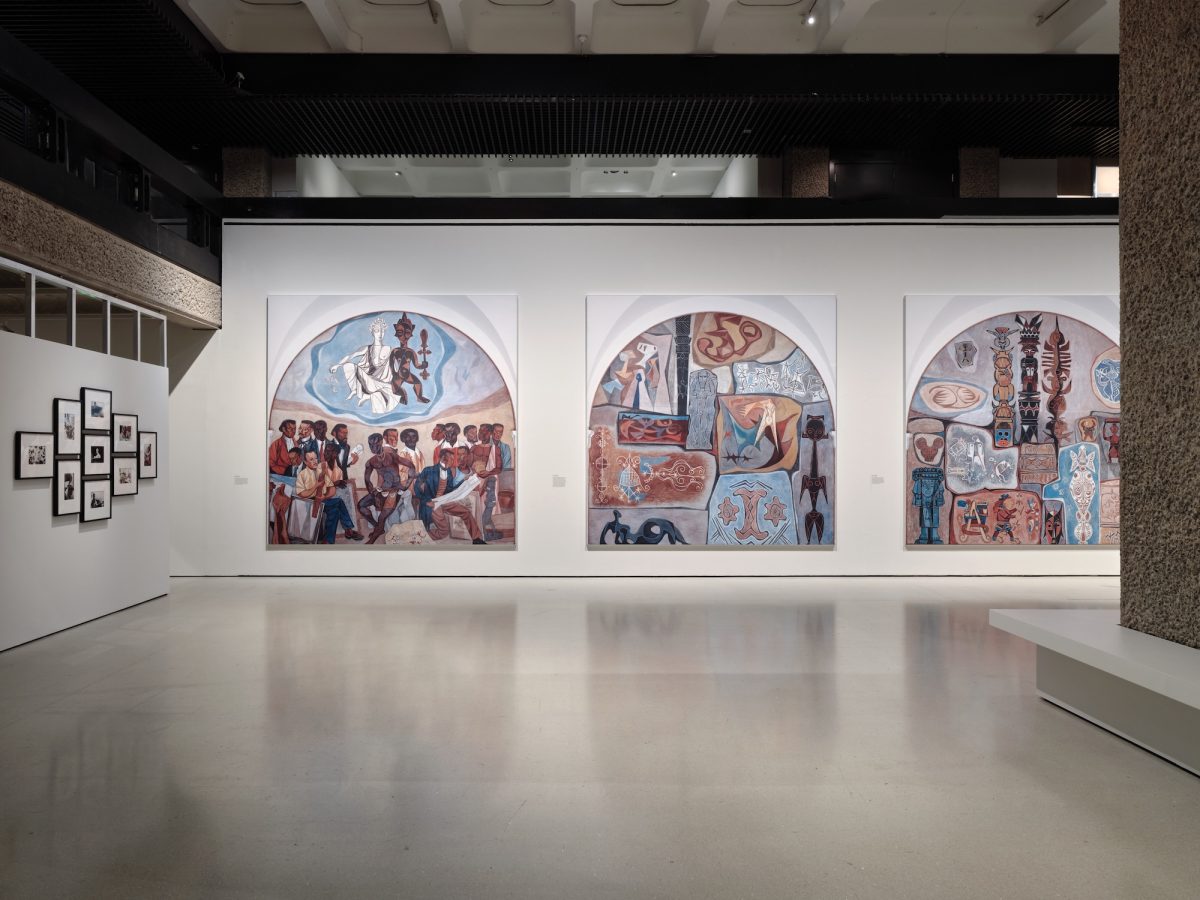
Project a Black Planet extends beyond the gallery walls through a Centre-wide season featuring more than fifty events across film, music, performance, talks and public programmes. Running throughout the summer, the programme brings together artists, thinkers and communities from across the African continent and its diasporas, exploring the continuing relevance of Pan-African thought today.
The season includes a dedicated film programme, live performances, listening sessions, workshops, talks and community events, highlighting the enduring influence of Pan-Africanism on contemporary culture and collective action.
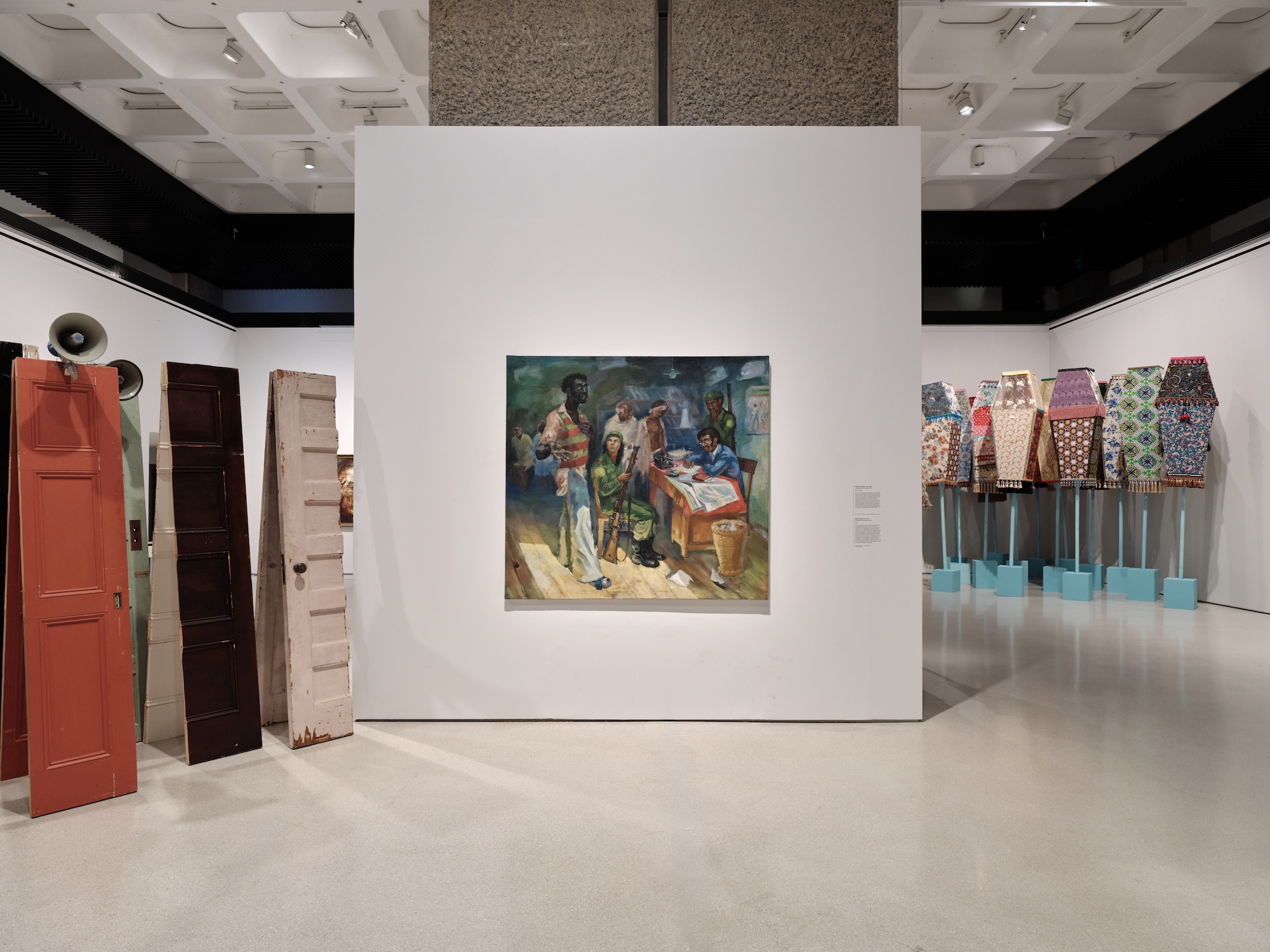
Project a Black Planet: The Art and Culture of Panafrica, 11th June – 6th September 2026
Barbican Art Gallery
This exhibition is curated by Antawan I. Byrd, Associate Curator, Photography and Media (The Art Institute of Chicago), and Assistant Professor, Art History (Northwestern University); Adom Getachew, Professor of Political Science and Race, Diaspora & Indigeneity (University of Chicago); Elvira Dyangani Ose, Director (MACBA Museu d’Art Contemporani de Barcelona); and Matthew S. Witkovsky, Richard and Ellen Sandor Chair and Curator, Photography and Media and Vice President for Strategic Art Initiatives (The Art Institute of Chicago).