Artworks by Ai Weiwei, Andrew Sabin and Jane and Louise Wilson will be installed amidst the iconic architecture of the City of London from this summer as part of the 14th edition of Sculpture in the City, the annual public art exhibition set in the heart of the Square Mile.
Launching on 16th July 2025, the 14th edition of Sculpture in the City continues its mission to transform the City of London into a vibrant open-air gallery, placing world-class public art in the heart of one of the world’s most iconic urban environments.
Sculpture in the City is delivered by the City of London Corporation, alongside LACUNA, a leading cultural studio.
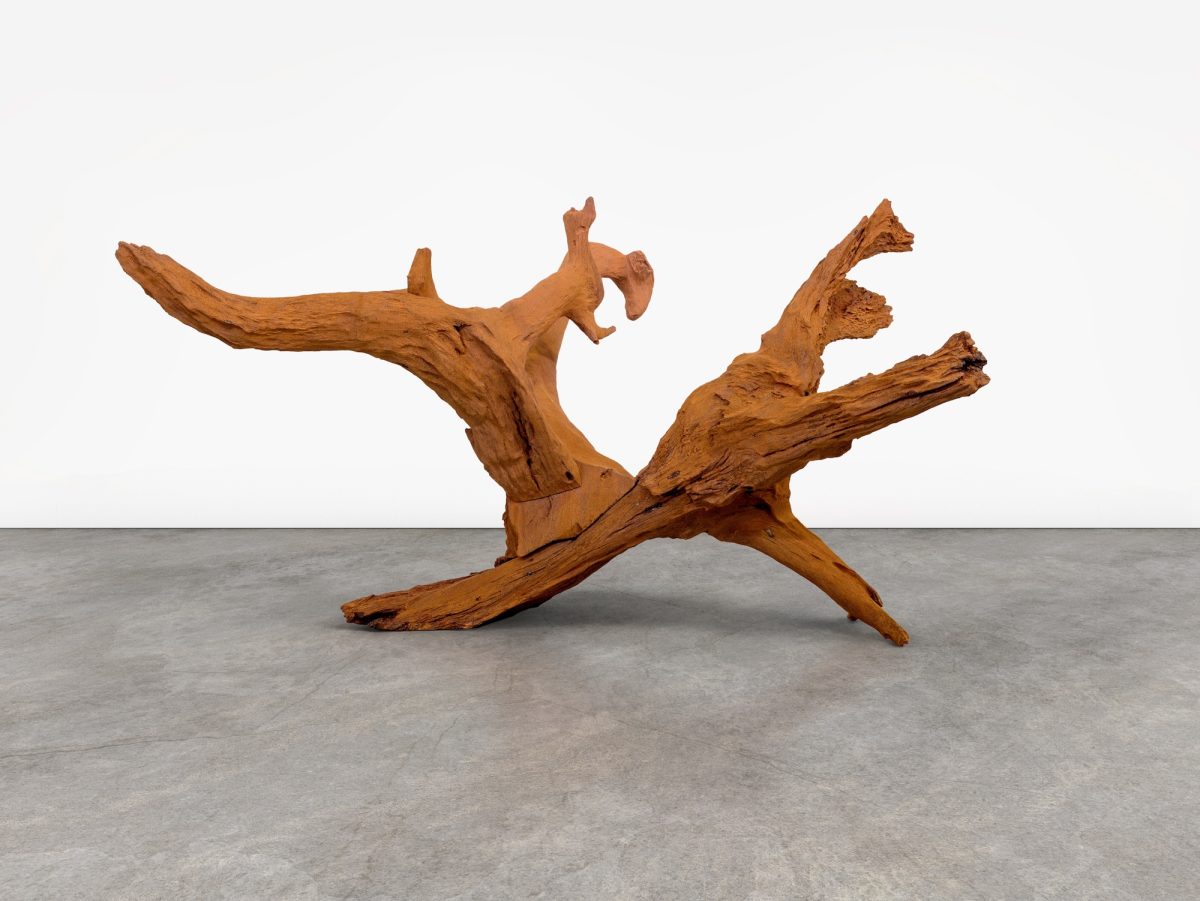
Offering a striking contrast to the surrounding urban landscape, Ai Weiwei’s cast-iron tree root sculpture Roots: Palace will be installed at St Botolph without Bishopsgate. Part of a series created in collaboration with Brazilian artisans and communities by moulding sculptures from the roots and trunks of endangered Pequi Vinagreiro trees, the work explores uprootedness. It references the artist’s personal exile, as well as global refugee crises and the displacement of Brazil’s indigenous peoples. Crafted using ancient “lost wax” casting techniques, elements of these rare tree roots are transformed into evocative compositions that resemble both mythical creatures and fragmented natural forms.
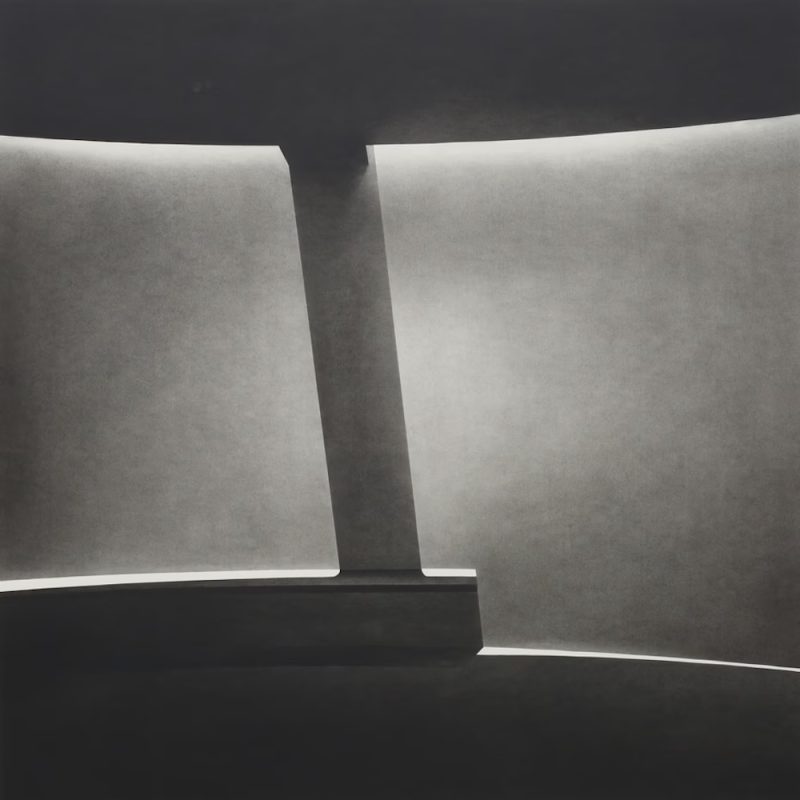
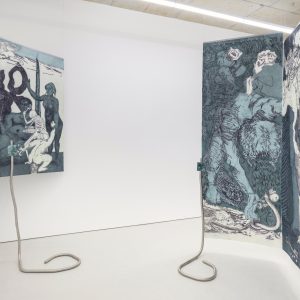
A new work by artist duo Jane and Louise Wilson, Dendrophiles, highlights hidden stories beneath London’s modern architecture, exploring the fragile connection between The City’s high-rise skyline and its ancient past. Situated beneath the escalators of The Leadenhall Building, the work combines ink drawings based on images of DNA with 3D scans of ancient oak wooden samples that date over 2,000 years old. The archaeological material was excavated on the site of Bloomberg’s European headquarters in 2012 and believed to have once supported a crossing over the River Walbrook.
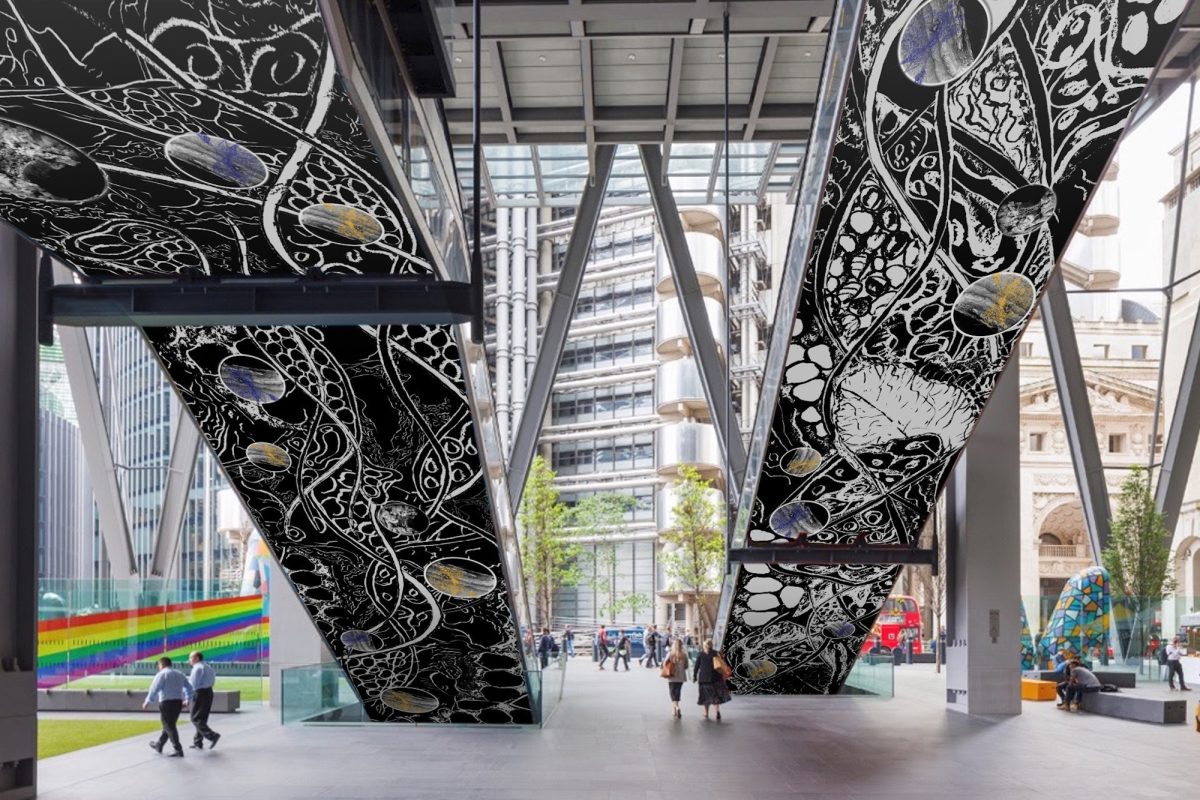
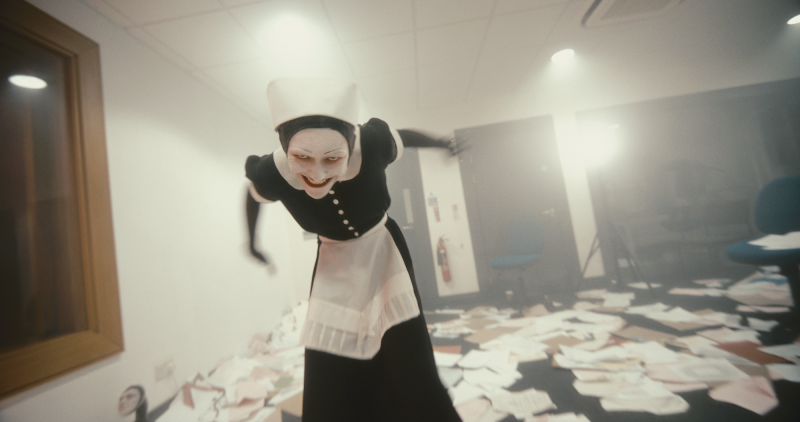
The microscopic imagery was developed with the Department of Biohybrid Architecture at the Royal Danish Academy, Copenhagen and MOLA, London. With this juxtaposition, the artists want to spotlight the loss of hands-on knowledge and remind us that the most important part of technology is often social: learning by transferring skills and techniques from one generation to the next. The sculpture is a continuation of the themes explored in the twins’ upcoming site specific commission, Performance of Entrapment, which will be presented from 17th July at the nearby London Mithraeum Bloomberg SPACE.
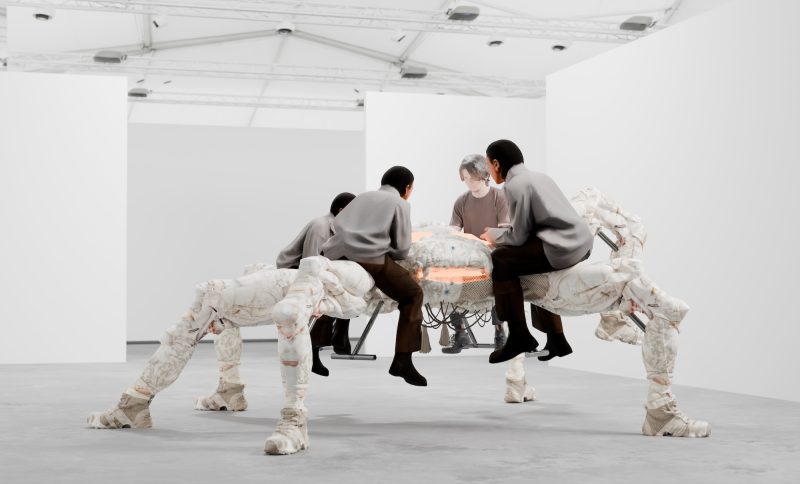
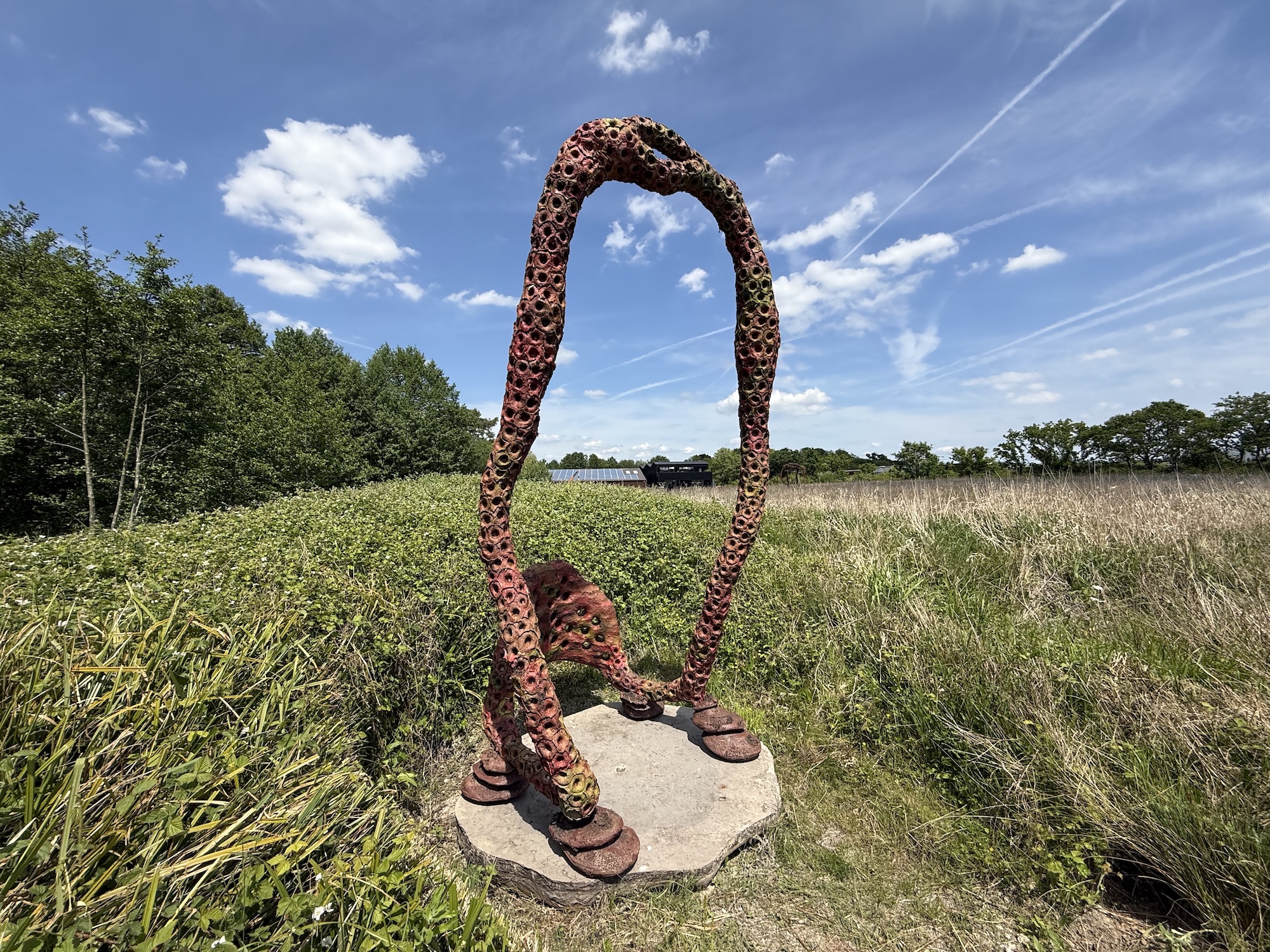
Outside 70 St Mary Axe, a new large-scale sculpture by Andrew Sabin, Looping Loop, was created by first sculpting shapes in soft margarine, which were then used to create moulds. The combination of soft, textured mould surfaces with hard, colourful casting material gives the sculpture a lively, pulsating sensation. Its continuous, rising and falling form traces a gentle path around its circumference, punctuated by shifts in colour, texture, and mood.
The new sculptures will join six works retained from previous editions of Sculpture in the City, along with two permanent acquisitions, highlighting the legacy of the programme in shaping The City of London’s relationship with public art.
Works remaining on show
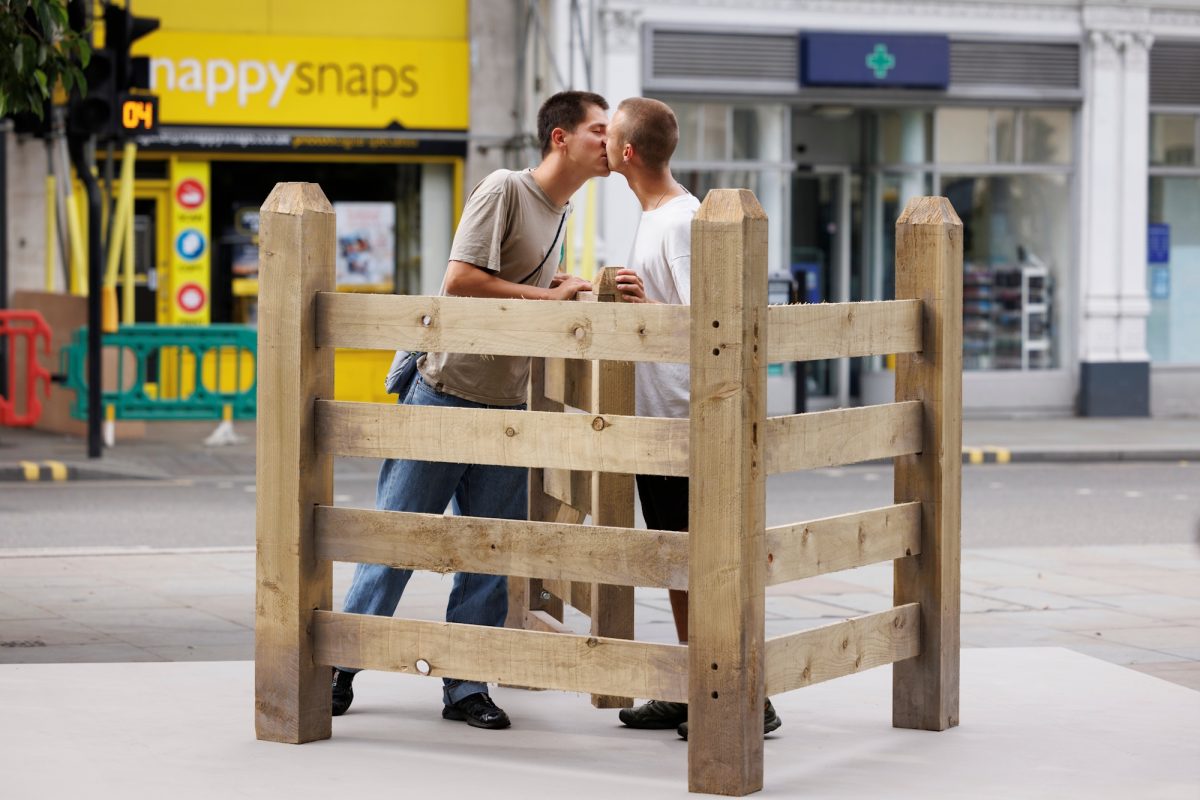
A playful and interactive work first unveiled in 2024, Kissing Gate by Maya Rose Edwards remains on show in Aldgate Square, placing a rural kissing gate into the urban landscape, inviting moments of interaction between city-goers.
Also installed in 2024 as part of the 13th edition of Sculpture in the City, on the corner of 99 Bishopsgate and Wormwood Street, Temple by Richard Mackness turns the humble paper bag into a sculptural, gilded monument, giving a familiar tool of daily errands the reverence of a shrine.
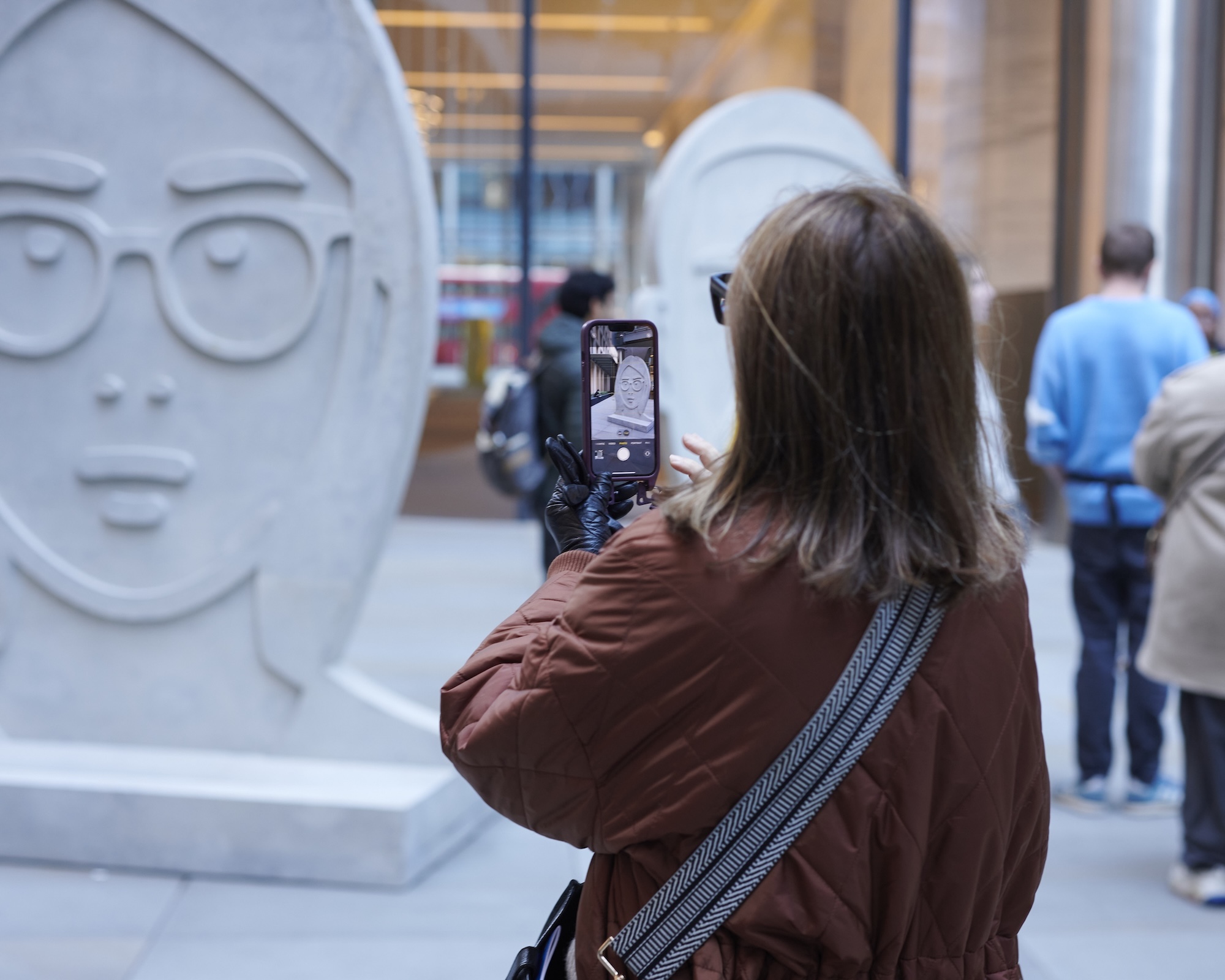
Julian Opie’s four sculptures, Charles, Jiwon, Nethaneel, and Elena, at 100 Bishopsgate, depict diverse faces using strict vertical symmetry, blending classic portrait techniques with the visual language of modern technologies such as facial recognition, while referencing the traditional aesthetics of public monuments.
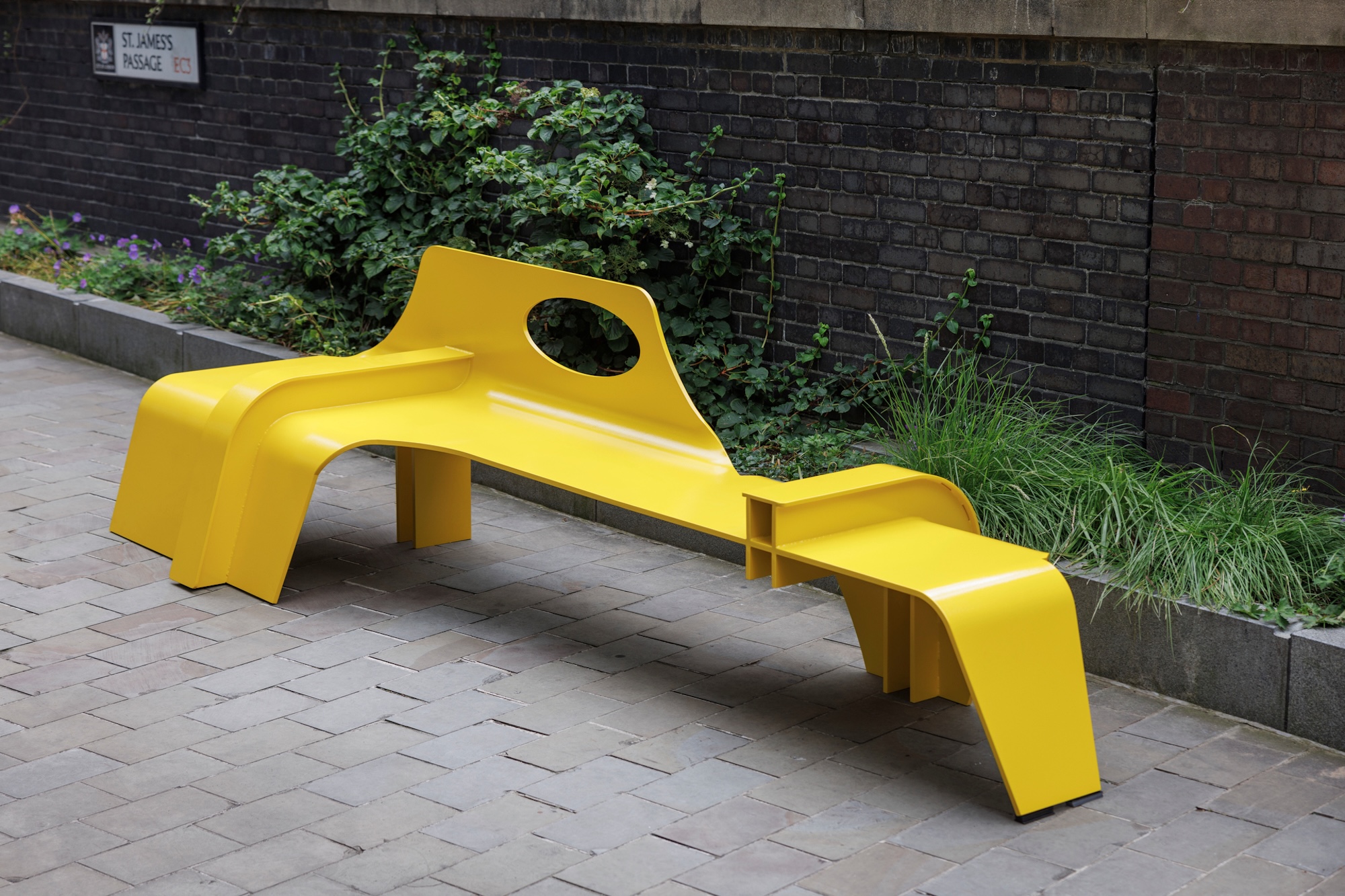
At Mitre Square, CAUCUS, a vibrant yellow sculpture by artist and designer Samuel Ross, who this year is leading the London Design Biennale as Artistic Director, invites interactions from the public with the sculpture, encouraging familiar gestures like sitting, standing, and leaning.
Two sculptures by Daniel Silver, part of his Rock Formations series, present interpretations of the human body inspired by ancient statues and busts. Composed of “collages” of stone and bronze heads placed on pieces of Michelangelo marble, the artworks are situated at 40 Leadenhall (one by the Fenchurch Street entrance and one by the Leadenhall Street entrance).
Permanent acquisitions
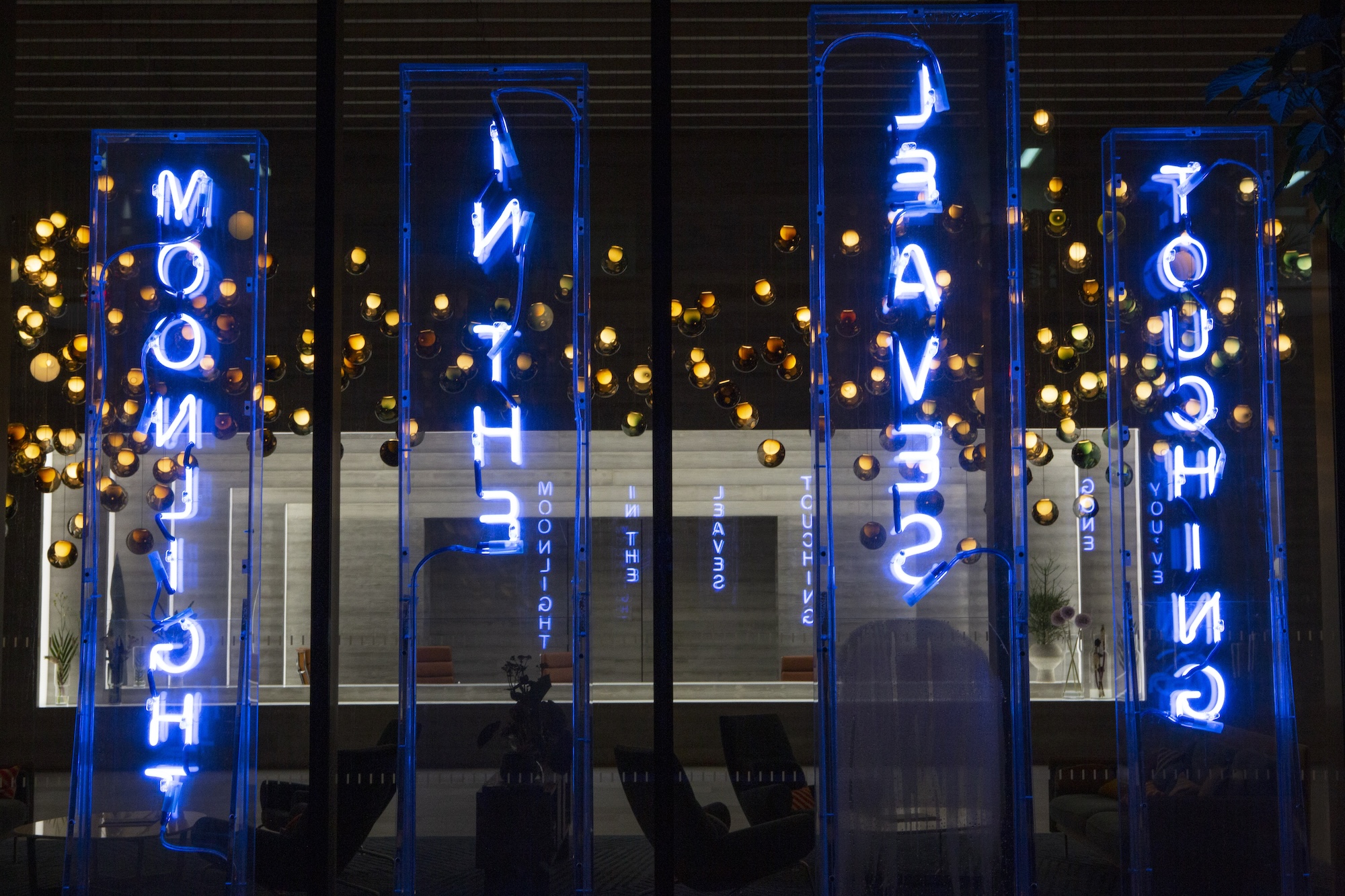
As a testament to Sculpture in the City’s lasting influence, permanent artwork acquisitions have been made through the programme, becoming part of the permanent public art offering in The City of London. This is the case of In Loving Memory by Oliver Bragg, an artwork composed of humorous engraved brass plaques situated on existing benches around the City. The plaques commemorate fictional or abstract ideas with a mix of optimism, humour, and reflection. Also permanent is Elisa Artesero’s The Garden of Floating Words, a poem displayed using neon that appears to be floating amongst the foliage outside 70 St Mary Axe.
Stella Ioannou, Artistic Director of Sculpture in the City and Founding Director of Lacuna, said:
“What continues to excite me even in our 14th edition is how each iteration feels entirely new. Seeing these works come to life in the heart of The City is never just about placing sculpture on site, it’s about the conversations that unfold between people, buildings and ideas. It’s a joy to witness how The City becomes a backdrop, a stage, even a collaborator in the work.”
Chairman of the City of London Corporation’s Culture, Heritage, and Libraries Committee, Brendan Barns, said:
“Sculpture in the City is a powerful example of how we bring culture to life in the Square Mile, opening up extraordinary contemporary art to all who live, work and visit here. The project continues to evolve with ambition and purpose, drawing on The City’s unique blend of heritage, innovation and global reach. We’re proud to support initiatives like this that animate our public spaces and reinforce The City’s position as a vibrant cultural destination.”
Activations Programme
As in previous years, complementing the artworks on display, Sculpture in the City offers a diverse and free activation programme starting this summer and finishing in Spring 2026. Events include a silent disco in partnership with MSCTY, a Cocktail & Create workshop, curated exhibition tours, a BSL guided tour, as well as offering again the popular Little Art Critics TV workshops for children.
To mark International World Mental Health Day, Sculpture in the City will host a long table discussion exploring the power of art for our wellbeing, Sculpting Perspectives: The Art of Connection.
A multimedia guide on the free arts and culture app Bloomberg Connects will allow visitors to explore the artworks with exclusive artwork information. In addition, MSCTY x Sculpture in the City will allow visitors to experience site-specific architecture-inspired music and sound art.
Sculpture in the City is a Founding Partner of London Sculpture Week, a collaboration with Frieze Sculpture, The Line and the Mayor of London’s Fourth Plinth Programme. This year’s edition will run from 20th to 28th September, with plans underway for an expanded programme including a symposium and a new celebratory event.
The City of London Corporation is one of the largest funders of heritage and cultural activities in the UK and invests over £130m every year. The organisation manages a range of world-class cultural and heritage institutions, including the Barbican Centre, Tower Bridge, Guildhall School of Music & Drama, Guildhall Art Gallery, The London Archives, and Keats House. It also supports the London Symphony Orchestra, which is based at the Barbican Centre, and the new London Museum.