

As first reported by The New York Times, Pace Gallery is undertaking a major restructuring that will see approximately 50 artists leave its roster and around 50 staff positions eliminated, signalling one of the most significant recalibrations yet among the world’s mega-galleries.
The move marks a notable shift for one of the world’s largest commercial galleries, which has spent much of the last decade expanding internationally through new locations, larger spaces and an increasingly global programme. Pace currently operates across multiple cities including New York, London, Hong Kong, Seoul, Geneva, Palm Beach, East Hampton and Tokyo.
According to reports, the restructuring is part of what Pace leadership describes as a strategic effort to create a more sustainable business model amid rising operational costs and a softer global art market. The gallery plans to focus more intensively on a smaller group of artists while streamlining internal operations.
The cuts represent a substantial reduction in a roster that has long been among the largest in the commercial gallery sector. Pace currently represents an extensive range of contemporary artists and estates, including figures such as David Hockney, Agnes Martin, Yoshitomo Nara, Elmgreen & Dragset, Robert Longo and many others.
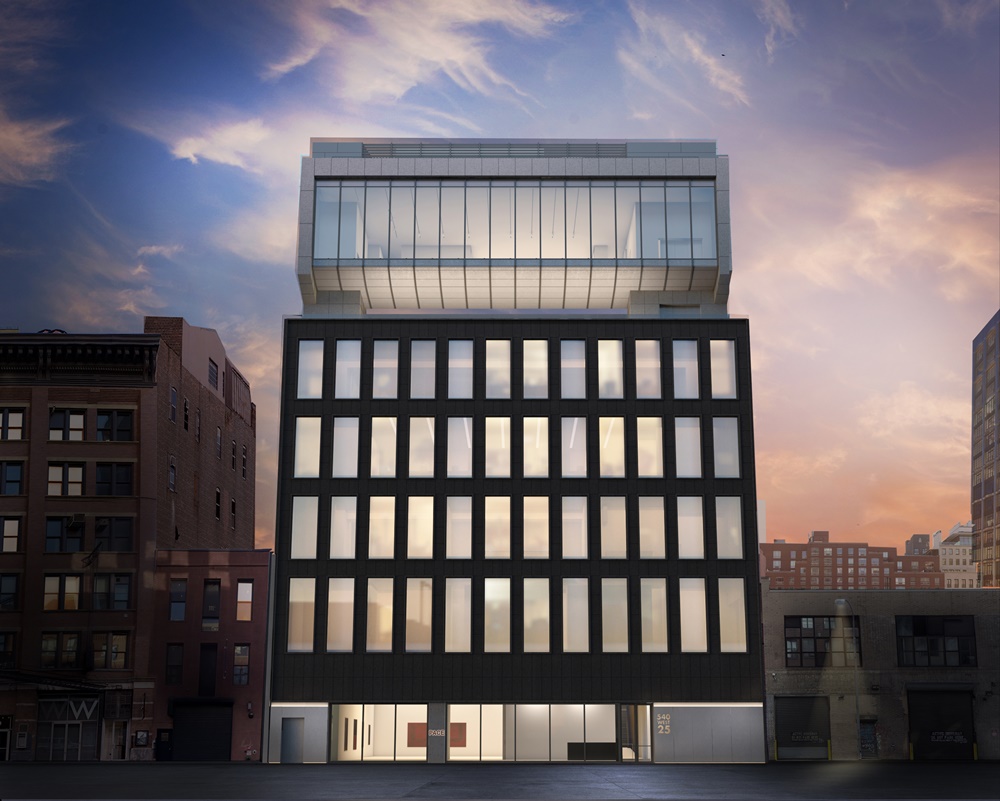
The announcement comes after years of ambitious growth under CEO Marc Glimcher, including the opening of the gallery’s 75,000-square-foot Chelsea headquarters in New York in 2019 and continued international expansion across Europe and Asia. More recently, Pace strengthened its London presence with its Mayfair gallery on Hanover Square and has continued to invest in large-scale exhibitions and institutional partnerships.
While large galleries have traditionally pursued growth through expansion and increasingly broad artist rosters, the latest move suggests a reassessment of that model as the market faces economic uncertainty and shifting collector behaviour.
The restructuring follows a period of broader recalibration across the commercial gallery sector, with businesses increasingly examining costs, staffing levels and representation models in response to changing market conditions.
Despite the reductions, Pace remains one of the most influential players in the international art market. Founded in 1960 by Arne Glimcher, the gallery has built its reputation over more than six decades by representing many of the most important artists of the twentieth and twenty-first centuries.
Details of which artists and departments will be affected have not yet been fully disclosed.