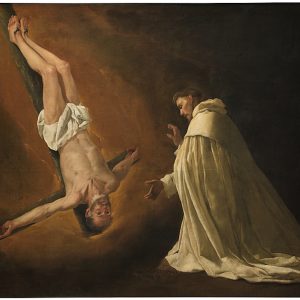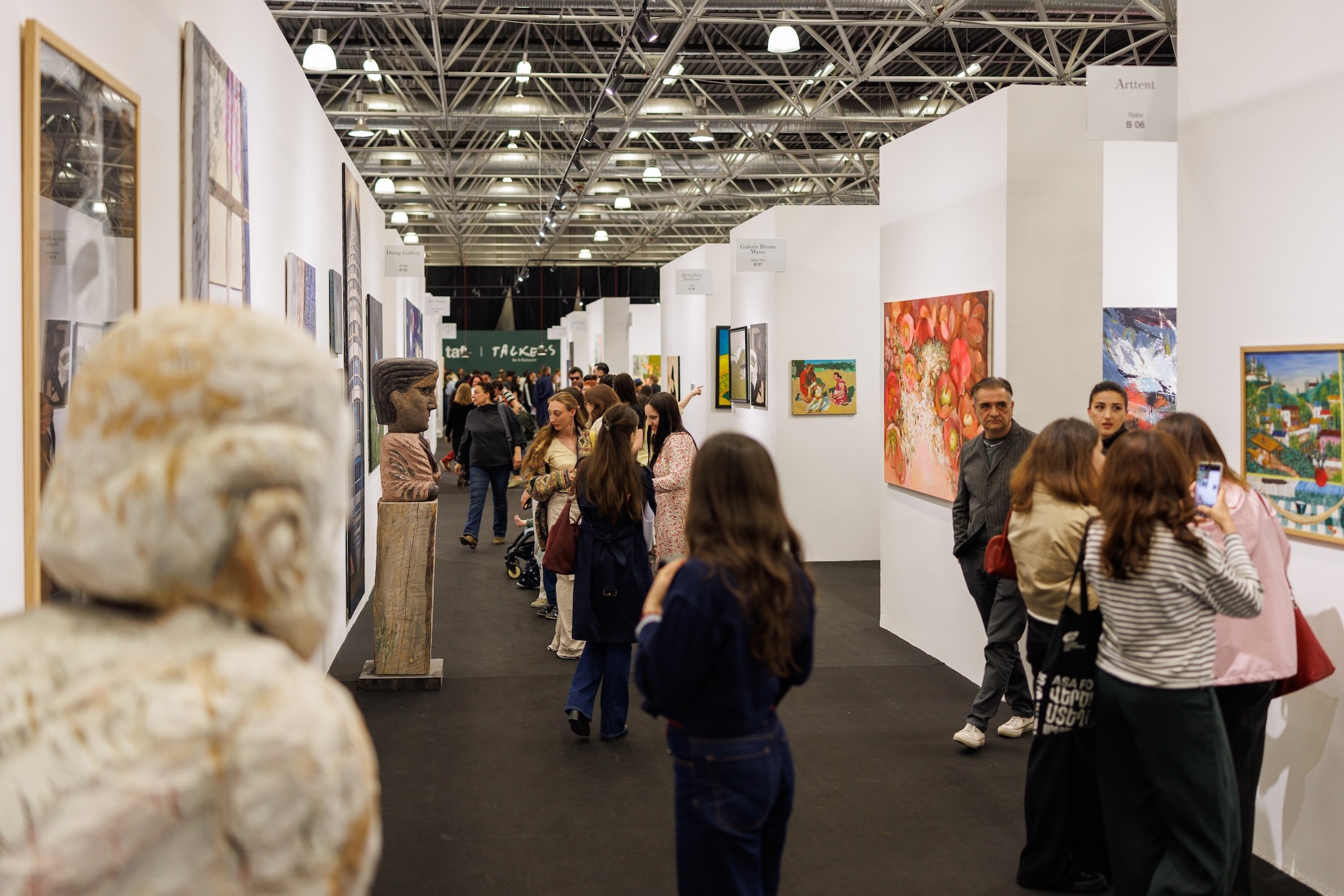
The advantages of travelling to smaller art markets are that you get to see work by artists you wouldn’t normally experience in the global hubs like London, New York and Paris. That’s what brought me to Tbilisi, Georgia, to check out the fifth edition of the Tbilisi Art Fair and the city’s vibrant art scene.
While there is representation from further afield, the main focus is on Georgian artists and galleries, as well as artists from neighbouring countries such as Armenia, Azerbaijan, Ukraine, Kyrgyzstan, Tajikistan, Uzbekistan, Kazakhstan, and Turkmenistan. It’s rare for me to attend an art fair with no UK or US representation and to have not come across any of the artists before, which was refreshing.
The fair is held across a few buildings at the Expo Georgia venue, and the main building follows the standard art fair booth layout, with just over 30 galleries represented, a talks programme, a section on photography, and a generous allocation of space for emerging artists.
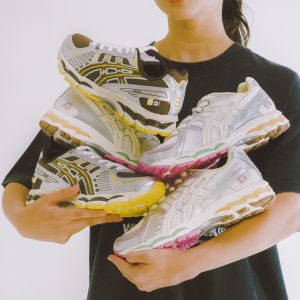
One of the highlights was an installation by Georgian-born and New York-based artist Levan Mindiashvili. His round installation is based on the architecture of traditional circular Georgian homes, and on one side, he has a ‘mother pillar’, the term for the pillars that support these homes’ roofs. The centre mimics a traditional Georgian hearth, yet the whole piece feels very contemporary, with its lit floor and modern seating.
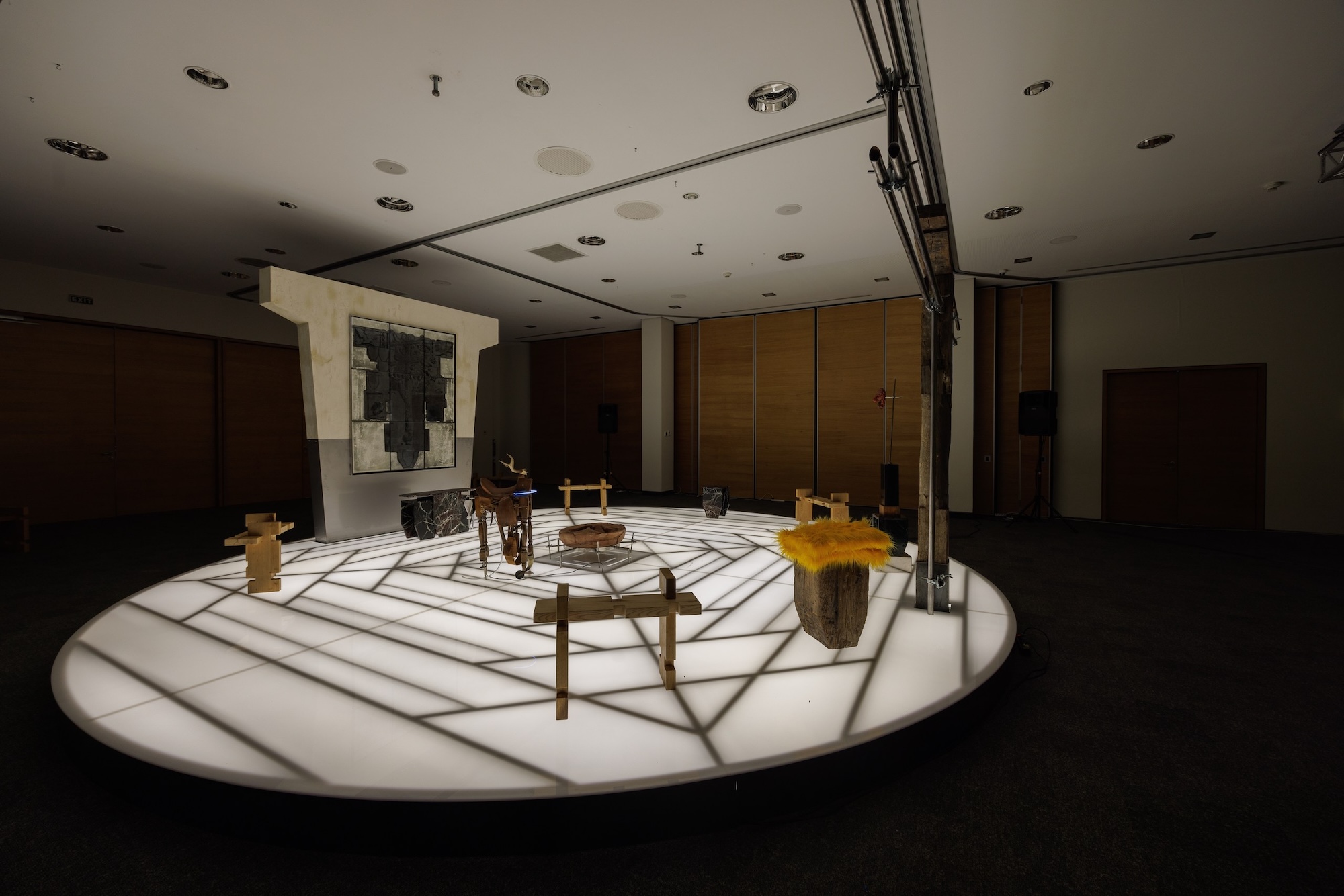
Around the installation is the word “evolution” written in letters that reflect the evolution of the Georgian alphabet, one of the most distinctive alphabets in the world, different to the Latin and Cyrillic alphabets you’ll find in nearby countries. It’s this pride in, and referencing of Georgian culture, heritage and language that I found throughout the Tbilisi art scene.
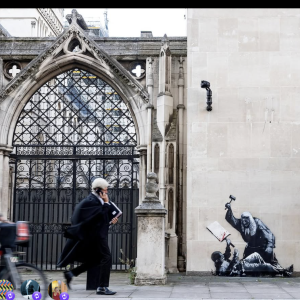
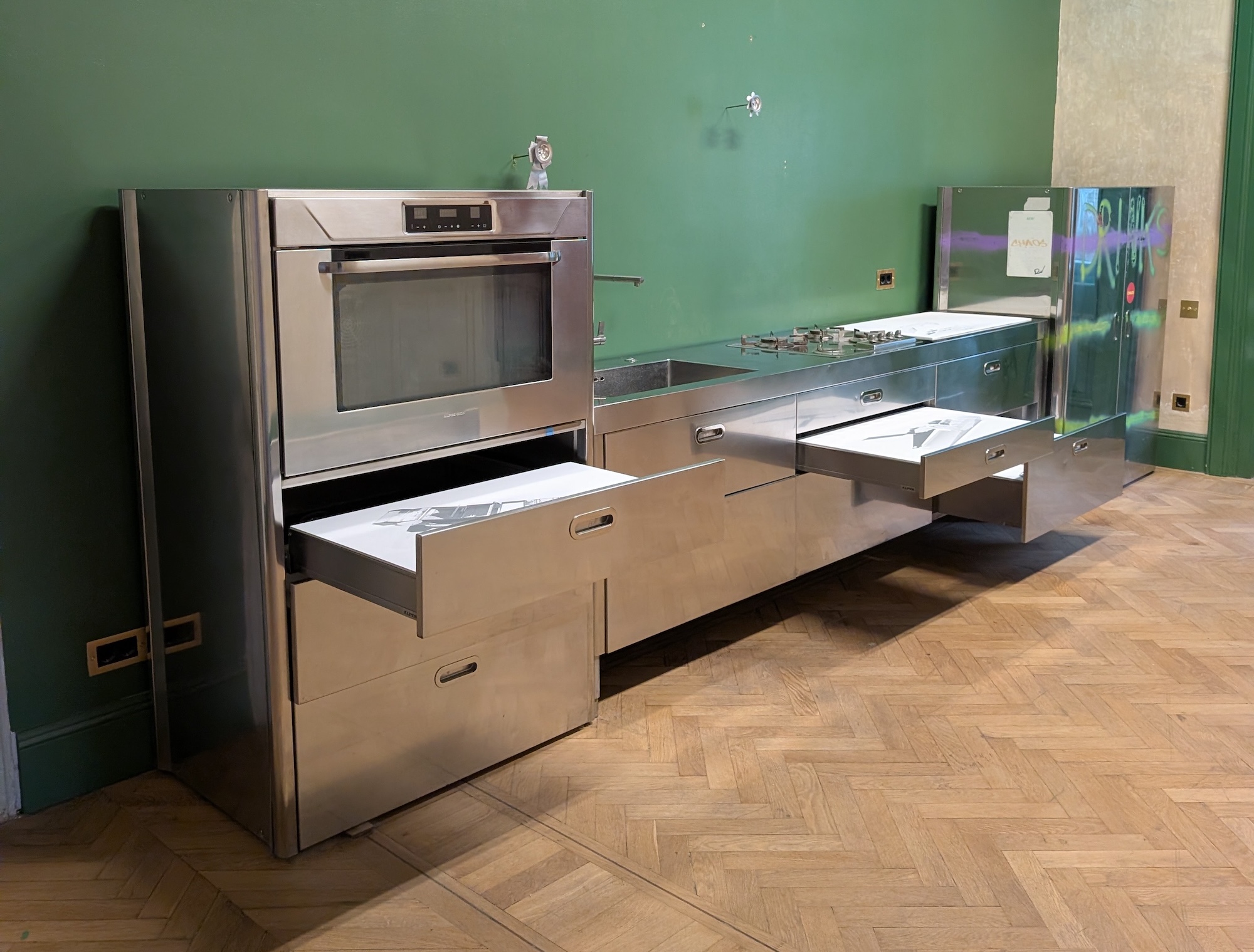
It’s what makes the local art scene different, and I loved discovering this through the off-site exhibitions, which had taken over buildings and integrated contemporary art into their distinctive settings. The ‘chaos junk space’ group show of emerging artists has taken over this fantastic space, with Saba Khechoshvili filling the kitchen drawers with his architectural drawings and the empty fireplace with his clothes.
Mari Makharoblishvili’s work references how Georgia’s unique alphabet meant that online keyword searches came much later to the country, and Anka Bochorishvili’s drawings tell the story of locals whose gardens are now behind the border, in lands now occupied by Russia.
With Russia next door, politics is a major factor, witnessed by the many European flags I saw throughout my visit. One gallery even had a sign on its front door declaring that ‘By entering you agree that Russia is an occupier, responsible for war crimes against innocents and children in Ukraine and Georgia’
LGBT+ rights are an issue that I saw come up repeatedly in work, and while the Government brought in a law in 2024 that banned “LGBTQ propaganda”, it’s clear that the art scene in Tbilisi is resisting and fighting to remain a safe space for LGBT+ representation.
Looking back at historical traditions, many artists reference the use of wool in textile works, reviving practices that are starting to die out. I was particularly drawn to the ReWoven project, which works with Azerbaijani communities in Georgia to preserve the traditions of rug weaving.
During the fair, ReWoven held an exhibition in a church that also houses a mosque and a synagogue. In the middle of the church space were laid out handmade prayer mats from a local mosque, which has since replaced them with more modern carpeting, and some new prayer mats commissioned for this exhibition by artisans still practising the traditional techniques for making them.
Other highlights included an exhibition of works by Karlo Kacharava at the LC Quiesser gallery. Kacharava died tragically at the age of 30 in 1994, yet managed to create over five thousand drawings, journals, and painted canvases, with a small selection on show at the gallery.
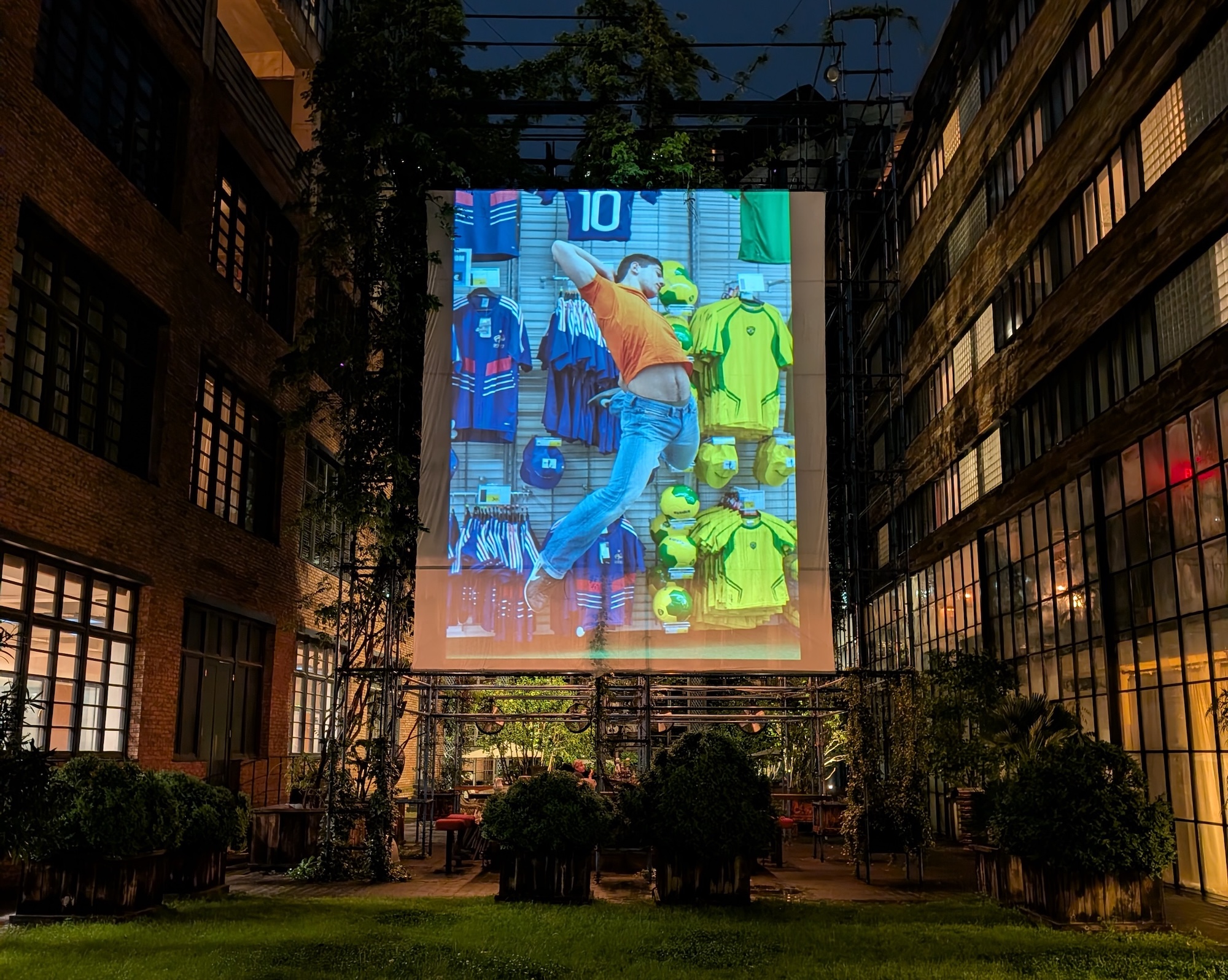
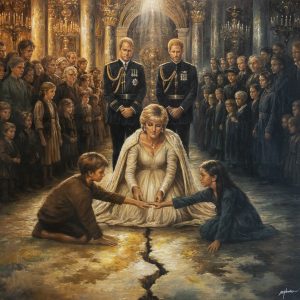
Photography was strongly represented in a building complex that incorporates two hotels, a restaurant and bar, and the Tbilisi Photography & Multimedia Museum, which has an excellent collection and was hosting an exhibition of works by different generations of Georgian and international photographers. In one of the central courtyards was a projection of works by French photographer Denis Darzacq, in which people appear to hover in impossible situations, with supermarkets as a commentary on how consumerism throws us all out of balance.
Another sign that the art scene is growing is the opening of the Anagi Art Foundation last year and the upcoming opening of the Kvareli Foundation this year, both of which celebrate Georgian artists and contribute to the local art scene.
I was impressed by the art and ideas I experienced in Tbilisi, and it feels like a scene that’s only going to get stronger. Tbilisi Art Fair sits at its centre, bringing in international visitors, and it also feels set to continue growing and attract a wider international roster of galleries and artists. I hope it manages to do that without losing its unique focus as being at the crossroads of Europe and Asia, bringing the vast art and cultural heritage from neighbouring countries into one place.
Georgia is a rising tourist destination that’s drawing in visitors for its landscape, food and wine. From my visit, it’s clear that we can add contemporary art to the mix, and I look forward to seeing the evolution of art in Tbilisi and seeing more works by Georgian artists being seen internationally.
Tbilisi Art Fair took place from 21st-24th May @tbilisiartfair
First image is of Tbilisi Art Fair. Photo: Sera Dzneladze. Second image is of Levan Mindiashvili’s installation. Photo: Sera Dzneladze. Third image of Chaos Junk Space. Photo: Tabish Khan. Fourth image of Denis Darzacq’s photography at Rooms Hotel. Photo: Tabish Khan