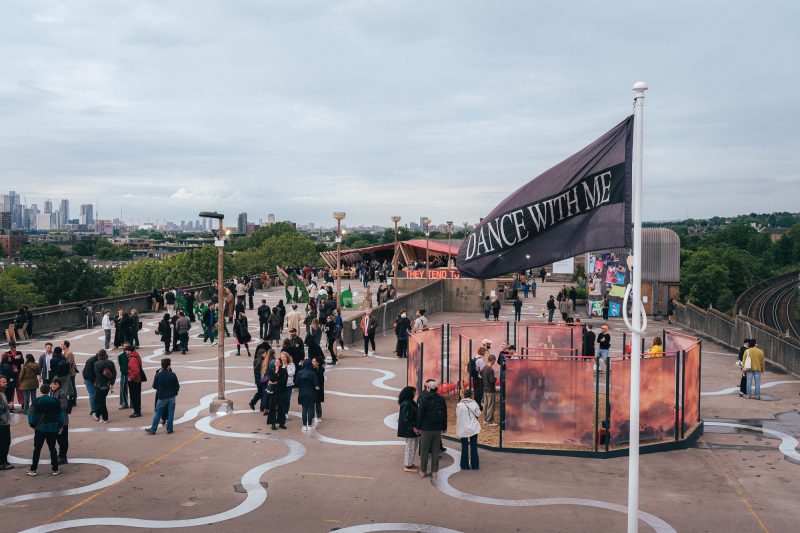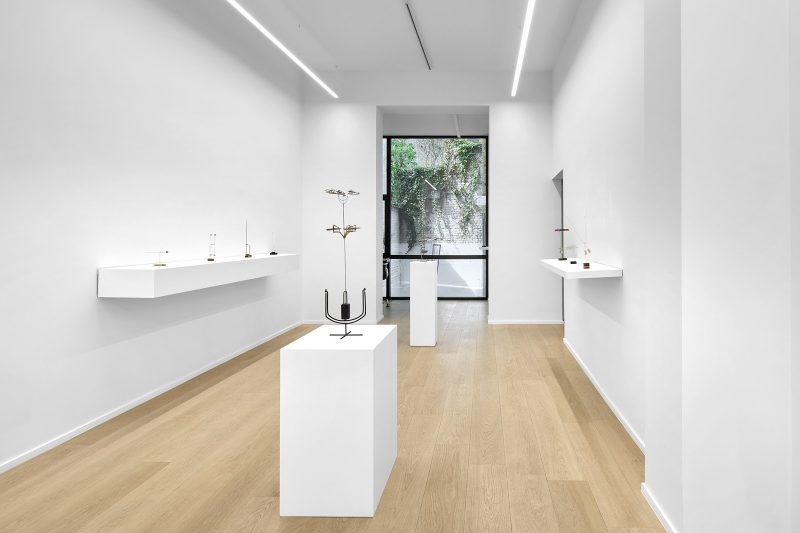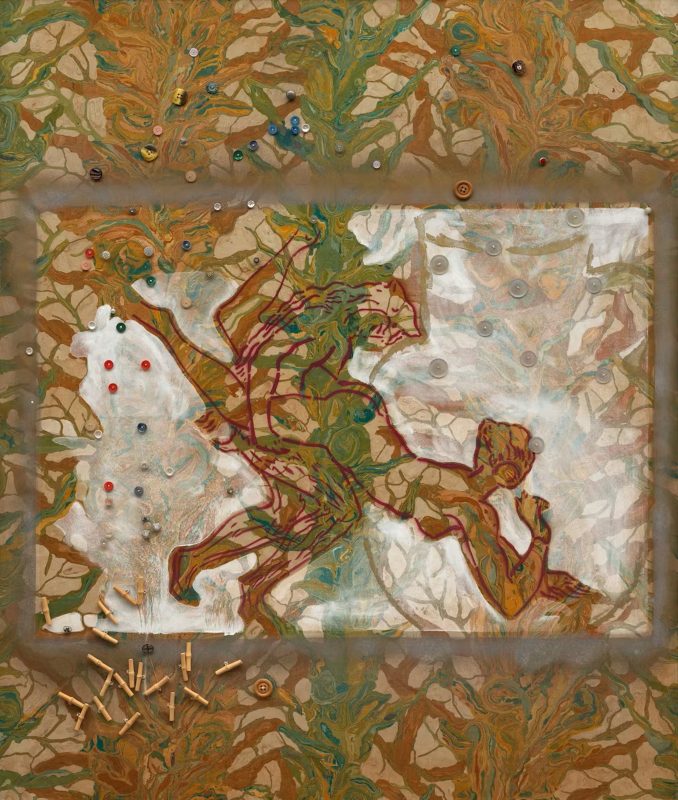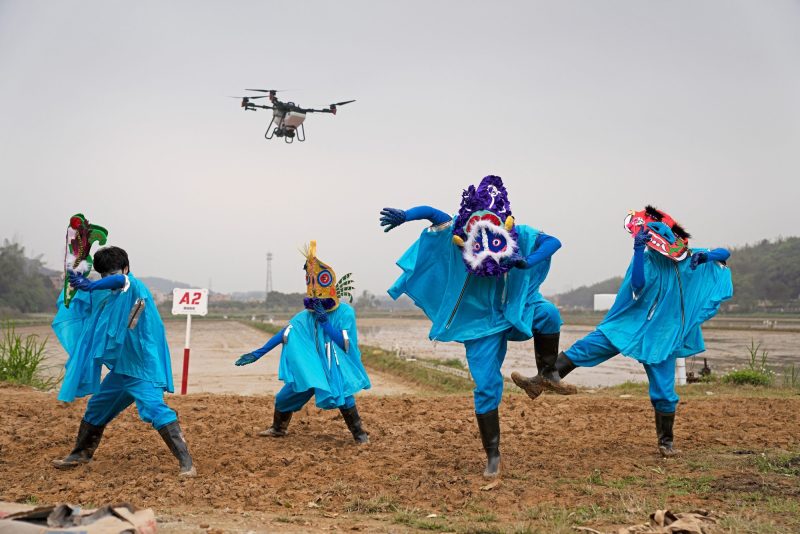

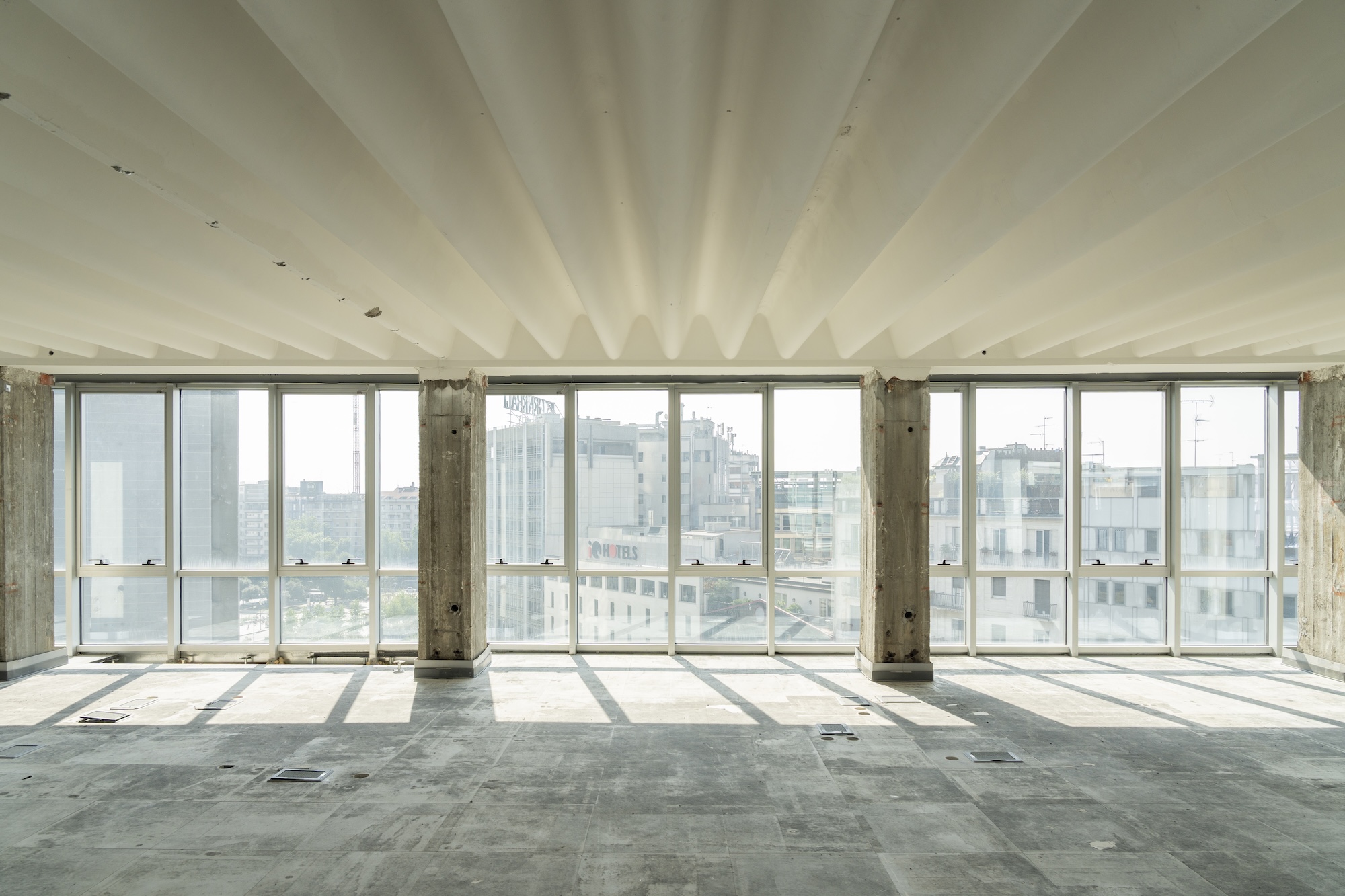
Paris Internationale arrives in Milan this week, marking the first edition of the independent fair outside France and signalling a subtle but significant shift in the European art fair landscape. Taking place from 18th–21st April 2026, with a VIP preview on 17th April, the fair will unfold inside Palazzo Galbani on Via Fabio Filzi—an elegant modernist building that sets the stage for a more focused, curatorial approach to the art fair format.
Founded in Paris in 2015, Paris Internationale has built its reputation as an alternative model—one that privileges dialogue, experimentation and a slower, more attentive viewing experience. Its Milan debut continues this ethos, bringing together 34 galleries from across Europe and beyond during Milano Art Week and the opening days of Milano Design Week.
Paris Internationale Is More Than a Fair — It Is a Pulse, a Heartbeat of Bold Dreams. A Magical Team of Visionaries, Overflowing With Invention and Generosity, Who Dared to Imagine Differently. Their Creativity Inspires, Expresses Freedom, and Celebrates Art in Every Imaginable Form. This Is a Space Where Ideas Flourish, Where Emerging Voices Meet Seasoned Visionaries, and Where Art Is Lived, Shared, and Celebrated Without Limits.
Mouna Mekouar, Curator – Fondation Beyeler
© Aurélien Mole
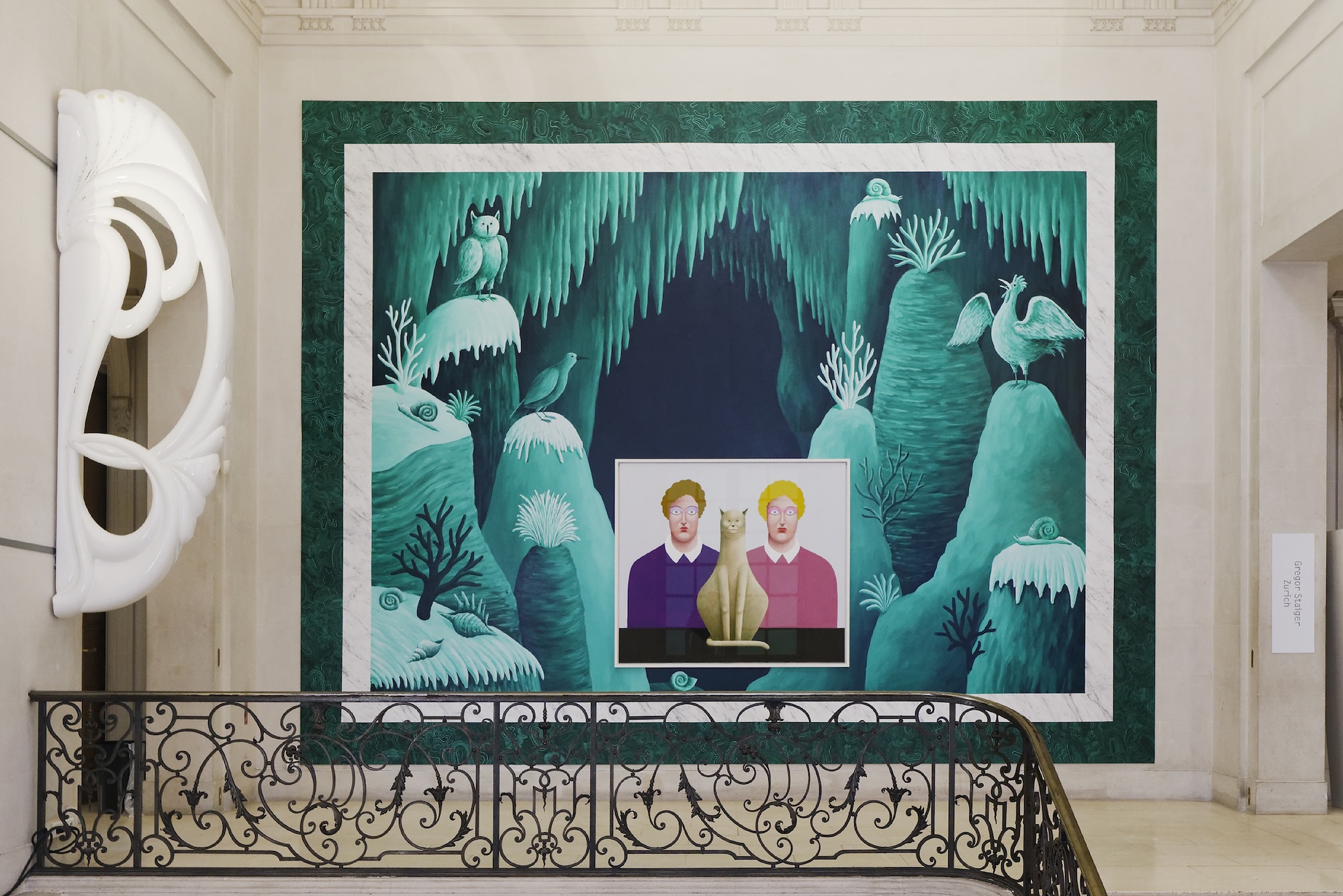
Rather than scale, the fair leans into intimacy. Booths are conceived as exhibition projects—often dedicated to one or two artists—allowing works to unfold in relation to one another and to the architecture itself. The result is a space that feels less like a marketplace and more like a network of interconnected exhibitions.
The selection reflects this balance between emerging practices and established voices. Longstanding participants such as Ciaccia Levi, Crèvecœur, Deborah Schamoni, Gregor Staiger, Stereo and Veda return alongside first-time exhibitors including Emanuela Campoli, Jocelyn Wolff, kaufmann repetto, Luisa Delle Piane and Sylvia Kouvali. Together, they map a cross-section of contemporary practice shaped by different generations, geographies and sensibilities.
Highlights include presentations of Leonora Carrington with Galerie 1900–2000, Prinz Gholam with Jocelyn Wolff, and a dialogue between Caroline Bachmann and Walter Pfeiffer with Gregor Staiger. Elsewhere, Emanuela Campoli stages a museum-scale installation by Nick Mauss in conversation with Benni Bosetto, reinforcing the fair’s commitment to ambitious, exhibition-led formats.
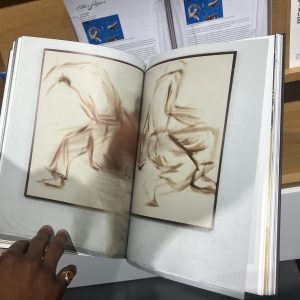
Across the programme, artists such as Martine Bedin, Maria VMier, Nicole Wermers, Ibuki Inoue and Tomasz Kr?cicki point to a continued investment in both historical lineage and emerging voices. Dialogues extend further through pairings such as Gaetano Pesce with Giovanni De Francesco, and a joint presentation of Anna Zemánková and Samuel Haitz.
Beyond the booths, a series of Special Projects activates the building through site-responsive interventions. Works by Anthea Hamilton, Ambra Castagnetti and Anna Franceschini unfold across the architecture, while focused presentations dedicated to Lee Scratch Perry and Robert Mapplethorpe expand the fair’s cultural reach. Additional projects include a collaboration between Keteleer and Lia Rumma, presenting Luca Monterastelli, alongside new photographic works by Cosima von Bonin.
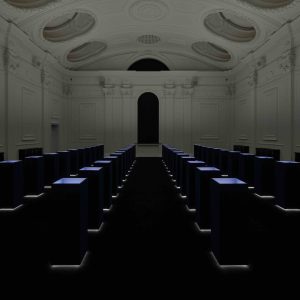
The setting itself plays a central role. Designed between 1956 and 1959 by Eugenio and Ermenegildo Soncini, with engineering by Pier Luigi Nervi, Palazzo Galbani is currently undergoing a careful restoration. The exhibition design, developed with Christ & Gantenbein in collaboration with NM3, introduces a modular system that continues the fair’s evolving spatial identity.
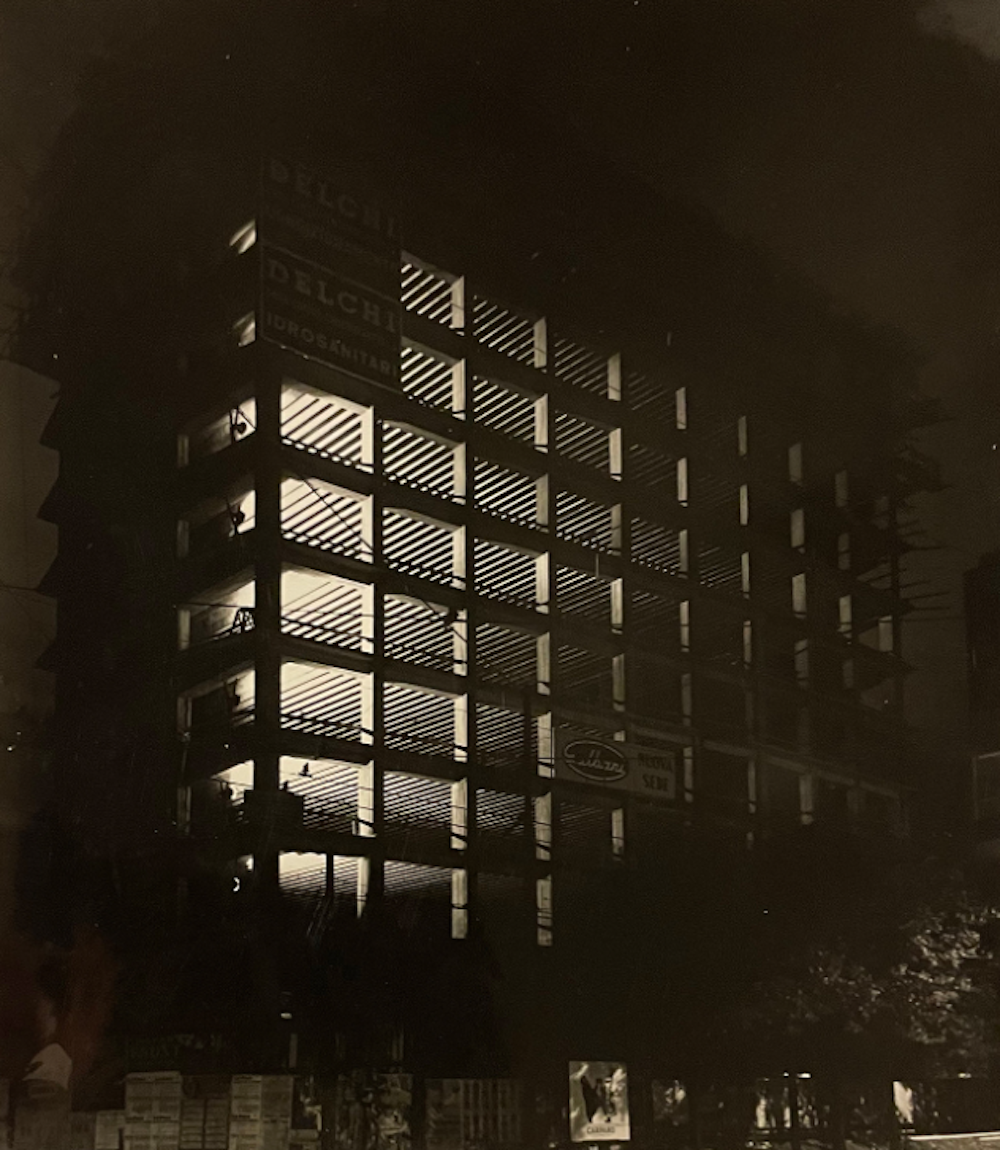
Alongside the gallery presentations, a public programme of talks, workshops and guided “Daily Dérives” invites visitors to engage more deeply with the works on view. These moments of exchange reinforce the fair’s core premise: that contemporary art thrives through conversation as much as display.
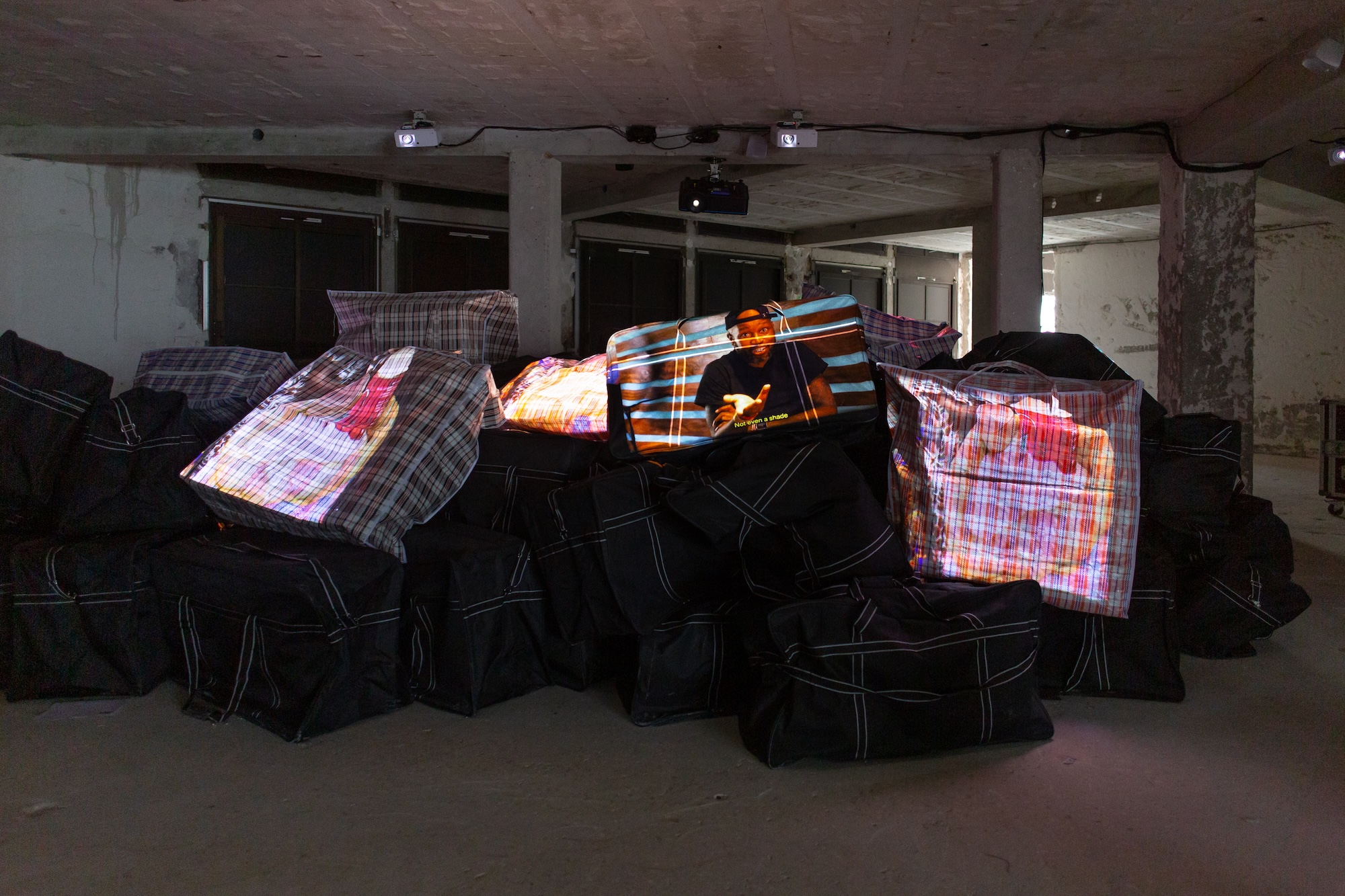
As Milan’s cultural calendar intensifies, Paris Internationale’s arrival feels both timely and deliberate—a move that extends its curatorial model into a new context while remaining faithful to its founding principles.
“It is also a recognition of the work carried out to make our city a point of reference for contemporary art — a place where international energies meet and grow together. Milan boasts a long standing tradition in contemporary art, which in recent years has further strengthened thanks to an increasingly dynamic and interconnected cultural ecosystem.”
Tommaso Sacchi, Deputy Mayor For Culture of the City of Milan
Paris Internationale, 18th–21st April 2026, Palazzo Galbani @aaaahhhparisinternationale
VIP preview on 17th April
Why Milan?
Nerina Ciaccia (Co-founder, Paris Internationale / Galerie Ciaccia Levi, Paris/Milan)
Paris Internationale is launching its first edition outside France in Milan. Why now?
Milan brings together qualities that closely align with Paris Internationale: a strong collecting culture, a long-standing engagement with contemporary art, and a unique proximity between art, design, architecture, and production. More importantly, it feels like the right moment. This wasn’t an opportunistic move, but a considered response to the city’s cultural maturity. During Milan Art Week and Design Week, the city offers both intensity and focus — allowing us to maintain our scale and curatorial approach while positioning ourselves as complementary, rather than additive.
How does the timing shape the project?
The overlap of Milan Art Week and Salone del Mobile creates a powerful moment of visibility and exchange. Within this, Paris Internationale offers a different rhythm — a space where contemporary art enters into dialogue with wider creative industries without losing its specificity.
How does Milan differ from Paris while staying true to the identity?
The core remains unchanged: a rigorous selection, focused format, and strong curatorial vision. What shifts is the context. Milan encourages a different pace of looking and collecting, shaped by its close relationship between disciplines. The fair’s multigenerational model — where emerging and established galleries coexist — continues to foster dialogue, depth, and long-term commitment to artists.
What does it offer collectors?
Clarity and confidence. The selection is precise, and presentations are often exhibition-like, with strong curatorial intent. It attracts collectors who value attention, time, and sustained engagement — where acquisitions mark the beginning of longer relationships.
What opportunities does Milan create for galleries and artists?
An exceptional convergence of international and local collectors, curators, and institutions. It creates meaningful entry points into collections and networks, within a context that supports experimentation, risk-taking, and long-term engagement over short-term visibility.