The organizers of the London International Paste-Up Festival (LIPF) ask for work promoting “peace, love and positive messages.” But beneath this cheerful messaging lies something more subversive: a quiet rebellion against both institutional gatekeeping and the traditional demands of street art for physical risk and stealthy maneuvers.
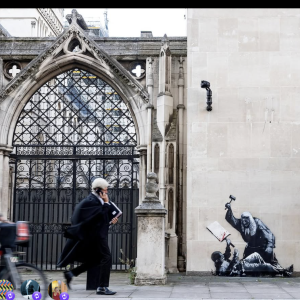
Paste-ups—also known as wheatpastes—are one of the simplest forms of public art: paper-based works glued directly to outdoor walls. Whether hand-painted, screen-printed, block-printed, or digitally designed, they can be created privately and installed in minutes. The medium’s ephemeral nature makes it inherently open to all who want to create. That accessibility has launched street art icons like Shepard Fairey, and for many artists, the medium offers a way to circumvent traditional art world scrutiny.
Taking place 12th–14th September and 27th–28th September across Shoreditch, Brick Lane, and the Banksy Tunnel at Waterloo Station, LIPF’s fifth edition represents a fascinating contradiction:
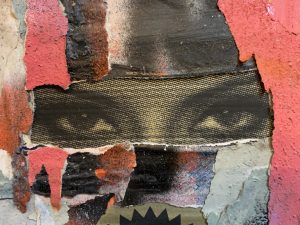
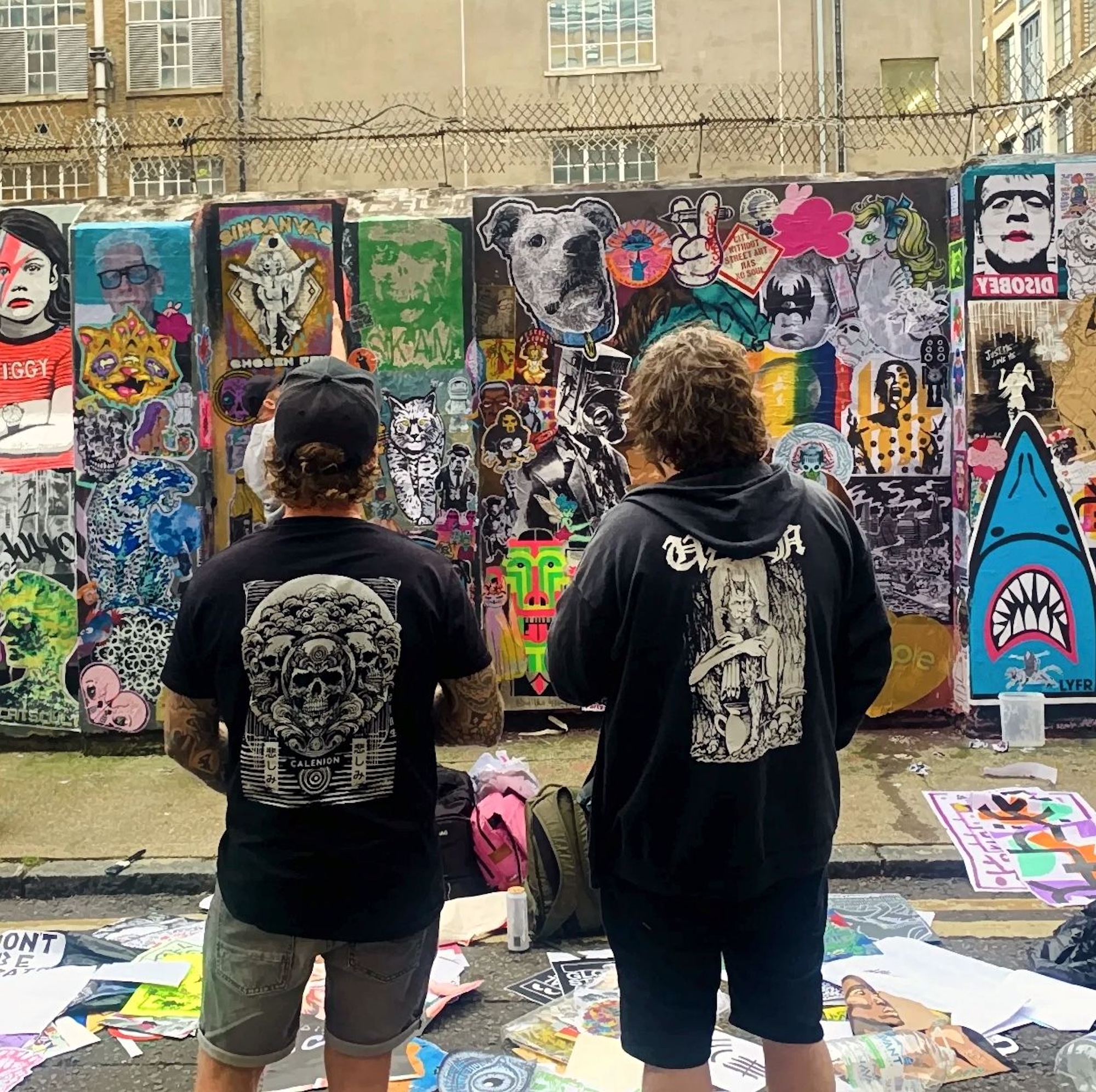
Rather than individually paste their art, participants simply mail it in and let festival organizers handle the installation. Submissions are open until tomorrow 30th August, and according to festival founder Apparan, all entries are accepted. The result is part curation, part collage: individual works are collated and layered into vast wallscapes by a team of artists. The public Is guided by maps and QR codes.
“We are creating a massive piece of work out of all of these little pieces,” explained Apparan, the festival’s principal organizer, in a video interview. Submissions are collaged together into large-scale wall installations, which she described as “very pleasing, beautiful artwork.”
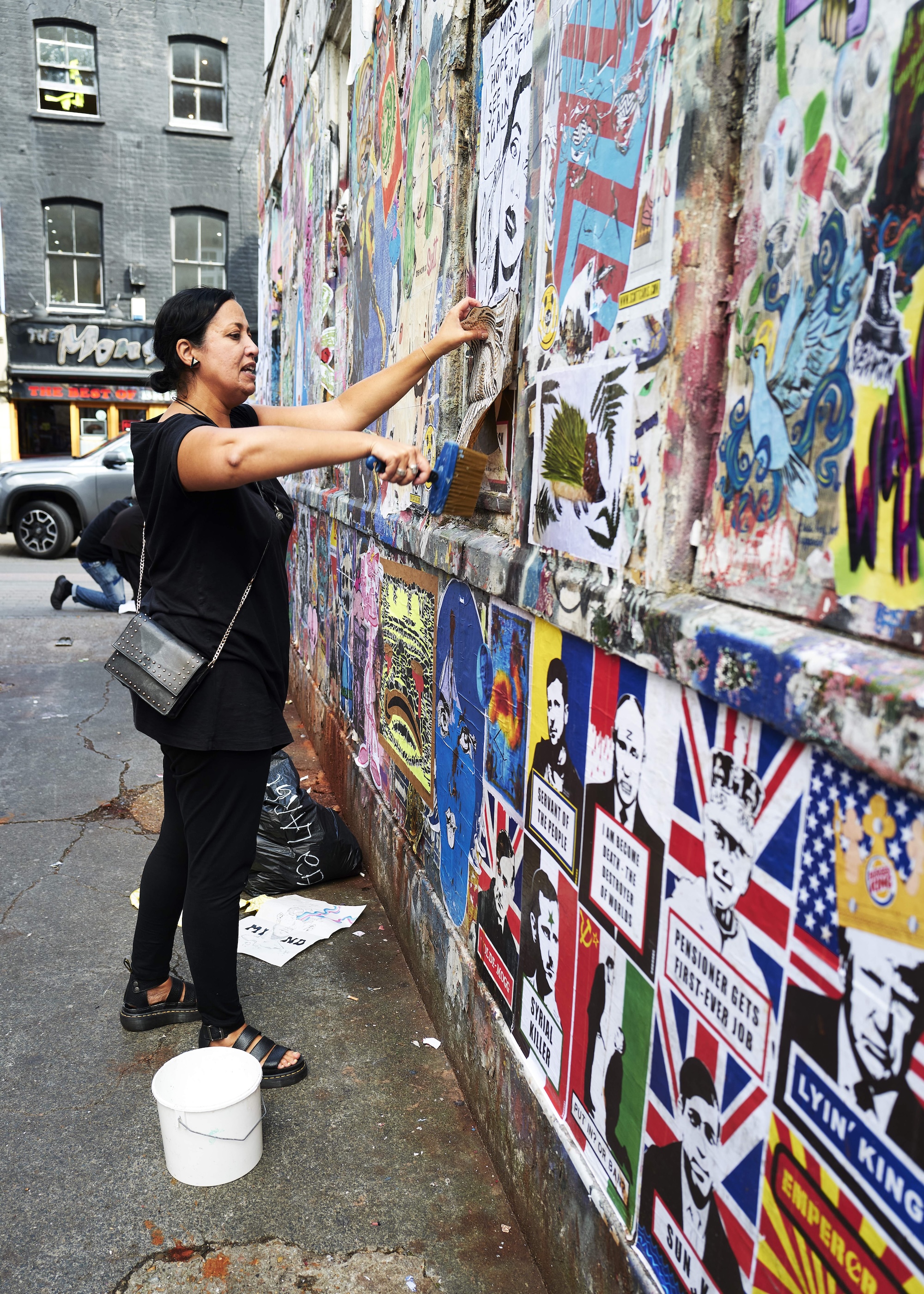
This postal-art-meets-street-art model removes traditional barriers—geography, peril, and even presence—while raising fundamental questions about authenticity. When someone mails their rebellion to be installed by others, what happens to street art’s essential relationship to risk and place?
In the organizers’ view, the whole is greater than the sum of its parts. The final product, which Los Angeles-based artist WRDSMTH (who goes by Brody) described in a video interview as “creating a canvas on the wall” benefits from the curation.
“They (the public) don’t see it as random posters stuck on the walls,” said Apparan.
The Accessible Workaround
For Brody, who has helped organize four festivals, including this year’s, the appeal lies in accessibility. “Any way you can find a way to express yourself, I say go for it,” he said. Known for his typewriter-stenciled aphorisms, Brody’s entry into street art came through stickers, which he designed and pasted throughout Los Angeles.
This year’s LIPF is expected to feature contributions from about 200 artists, including D7606, RXskulls, City Kitty, Perishable Rush, Susi Foxy, 8arms2hug, Eve Obrochta, Tonestencilart, and Hellothemushroom.
“Paste-up is still very underground,” said Apparan. “Not many people know about it, including street artists. What we try to do is to raise the profile of paste-ups to make it known for the street art community, for the street art fans…for everyone.”
The festival’s curated approach—accepting all submissions but emphasizing positivity—also promotes inclusivity.
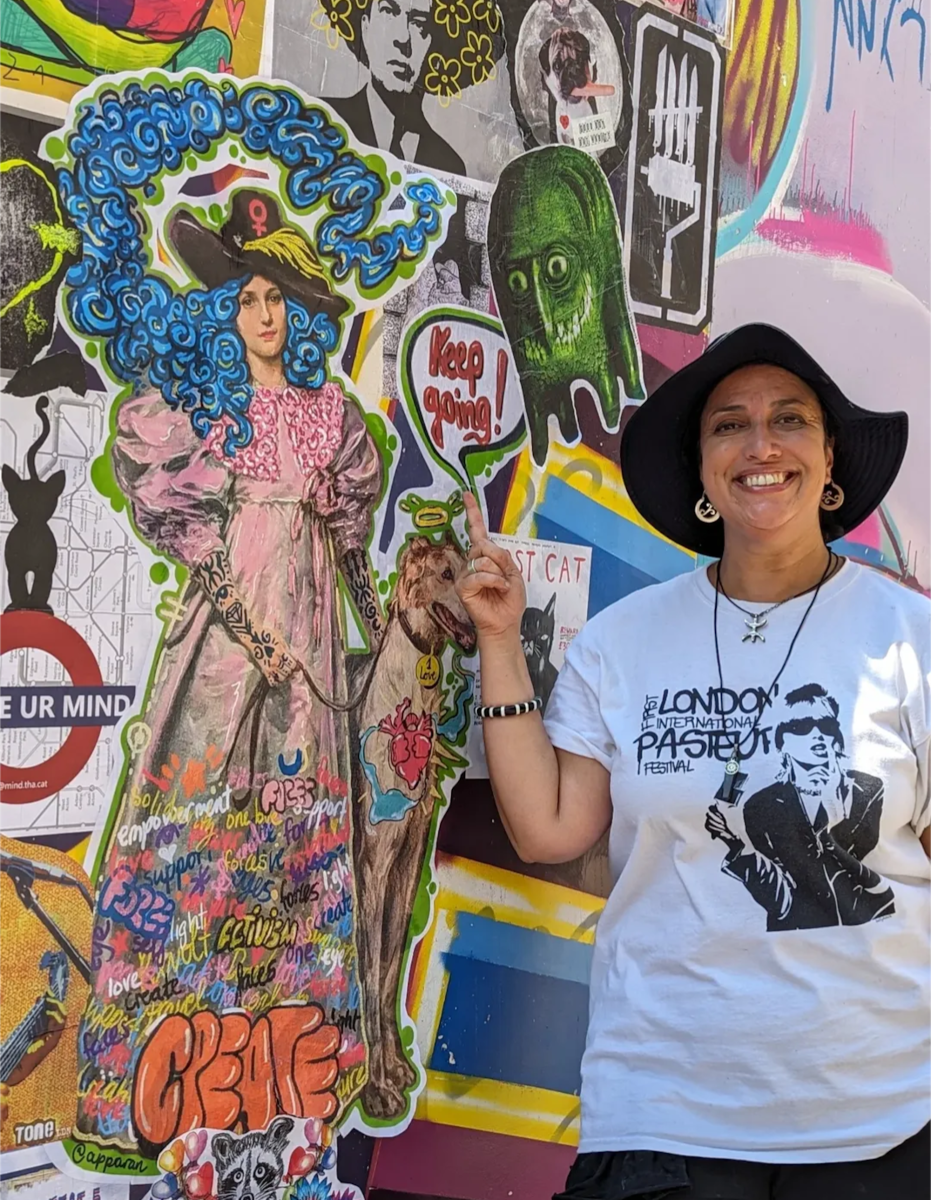
“We don’t really want to see art promoting hatred,” Apparan said, adding that divisive content is typically not submitted. For example, work that came in at the beginning of the Ukraine war reflected the colors of the country’s flag, not specific messages.
This year, themes range from florals—requested as a tongue-in-cheek landlord’s wish—to animals, nature, and, of course, cats. LIPF continues expanding what Apparan calls “the ugly duckling of street art.”
Hailing from the Canary Islands, Apparan also notes the demographic shift: “Paste-up is very female-dominated,” she said, adding that mothers, children as young as 6, and artists worldwide who pool money to mail their work are participating. This contrasts sharply with street art’s traditional white male demographic.
“It’s really easy to create at home…with a limited amount of time,” Apparan explains.
From Surreptitious to Accepted
LIPF sprang from Apparan’s broader organizing efforts, including the Art House Project London, which created art for International Women’s Day. Inspired by Naples’ Paste-Up Festival, she launched LIPF in 2020—illegally at first, before local landlords and shop owners began offering their walls. “What better place to do a festival than London?” she asked. “Brick Lane is a massive area with so many walls—it’s full of art.”
Brody, who lived in London for two years, called the Shoreditch scene “intoxicating,” noting that the community — including merchants — loves the art because it brings people to the area. This commercial embrace represents both liberation and potential co-optation: an organized rebellion that is aesthetically pleasing.
Perfect Timing
The event arrives at a crucial moment. Following similar festivals like “PASTE IT UP! – STREETART AGAINST HATE” in Cologne, paste-up events are emerging as responses to restricted expression. The medium allows what Brody calls “outrage vs. rage”—channeling energy into constructive rather than destructive expression.
“There’s a lot of rage in the world right now,” Brody reflects. “But fighting violence with violence isn’t the answer. But with outrage, you can voice your opinion, get motivated to do things, and try to make a change.”
The festival concludes with an indoor exhibition from 2–5 October at House of Annetta, bringing the street back inside. It will also include an installation and workshops.
That balance between rebellion and uplift is at the heart of paste-up’s appeal. For Brody, it’s also about emotional resonance: “We want to make people smile and take pictures… to make them forget the troubles in the world, even if for a minute.”
Whether mailing your rebellion represents liberation or commodification depends on perspective. But LIPF offers something genuinely subversive: the democratization of dissent, one paste-up at a time.
The London International Paste-Up Festival, 12th–14th September and 27th–28th September @Londonintpasteupfest
Followed by an exhibition 2nd–5th October at House of Annetta