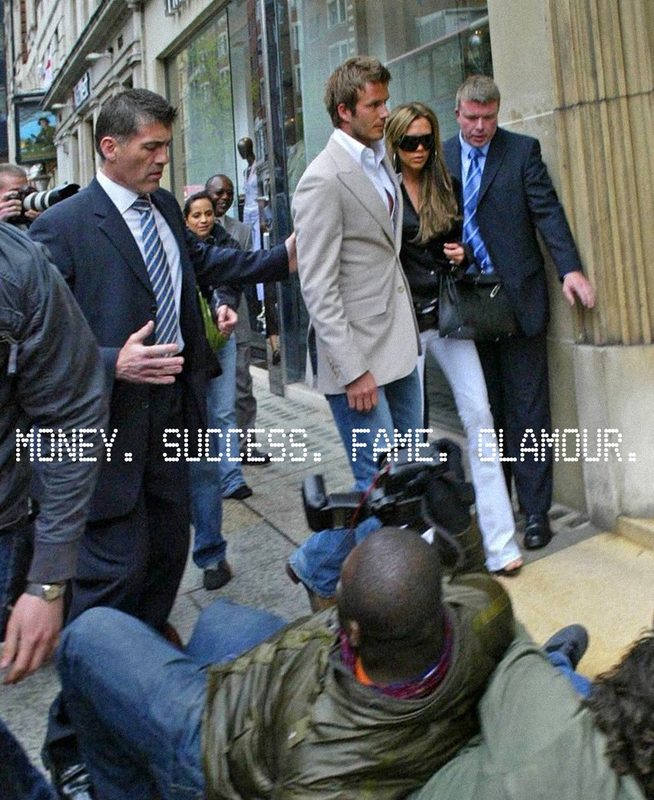
Art Basel Paris will close two days early amid fears of further unrest in the French capital, cancelling its Saturday and Sunday public days. The decision makes sense on safety grounds — but with the VIP previews completed and major sales already made, it also raises an awkward question about who an art fair is ultimately for.
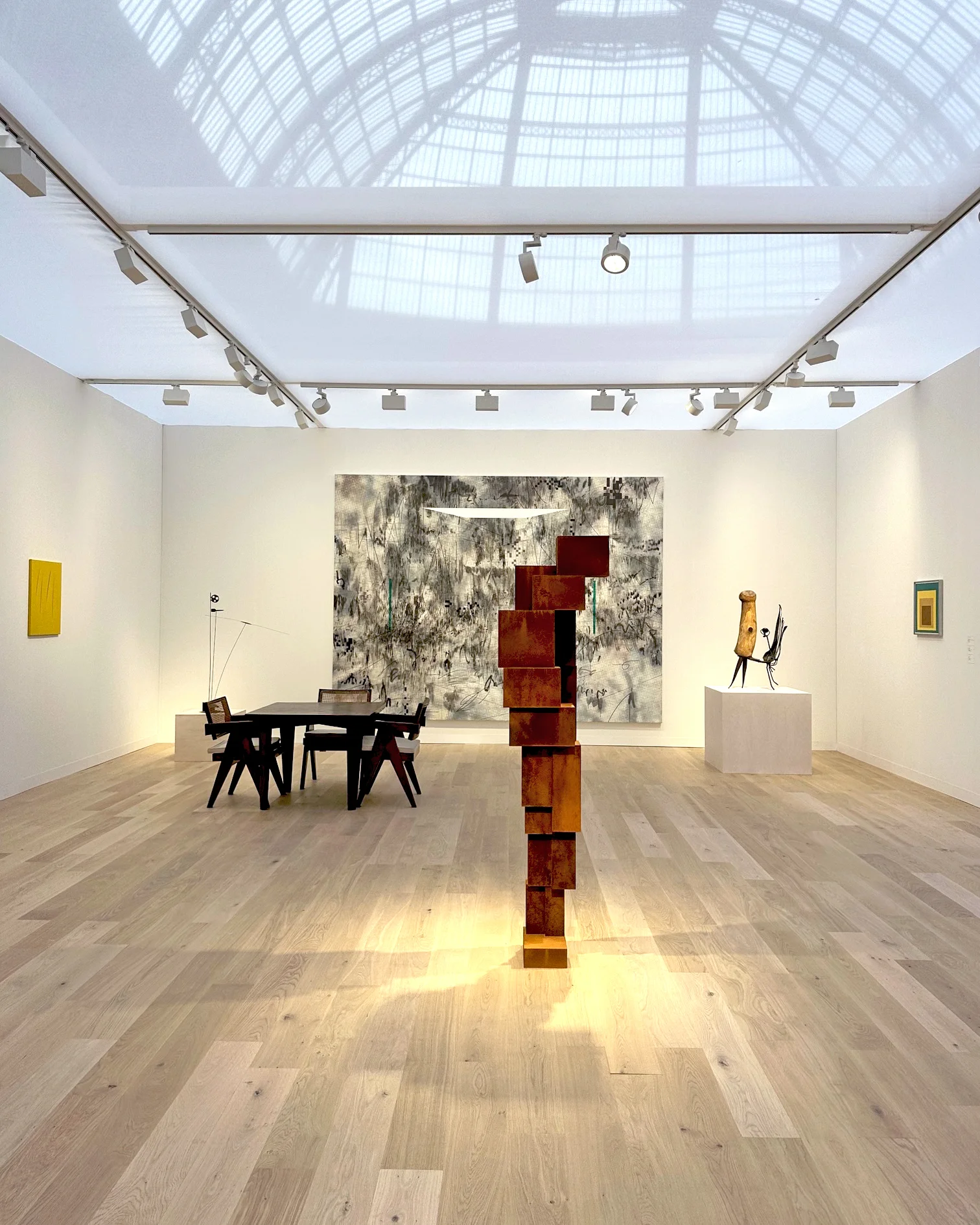
Art Basel Paris will close at 7PM on Friday 23rd October, with the Grand Palais remaining shut on Saturday and Sunday, following a week of protests, riots and heightened security across Paris. Organisers said the decision was taken to safeguard visitors, exhibitors, partners, staff and artworks.
“This decision has not been taken lightly, and the safety of everyone involved in the fair remains our utmost priority,” Art Basel told guests.
Nobody should reasonably expect an art fair to remain open if organisers believe there is a serious risk to visitors, workers or artworks. The decision itself is difficult to argue with.
The timing, though, is worth looking at.
Art Basel Paris began on Tuesday with Avant Première, its invitation-only super-VIP opening, where galleries are permitted to nominate a tiny number of their most important clients. That was followed on Wednesday by the wider VIP preview. By then, the collectors the fair and its galleries most urgently wanted inside the Grand Palais had already been given first access.
And the business happened.
Despite the unrest outside, the opening days produced a rush of seven- and eight-figure sales. Among them was Julie Mehretu’s Rise of the New Suprematists (2001) at White Cube, priced at $7.8 million, while dealers reported significant sales across the fair during the preview period.
Then come the public days.
Art Basel had been scheduled to continue through Sunday, meaning Saturday and Sunday represented two of its three days principally available to general ticket holders. Those are now gone. There is an obvious argument that conditions may simply be expected to deteriorate over the weekend. French authorities have tightened restrictions on demonstrations, police presence around the Grand Palais has increased, anti-ram barriers were installed ahead of the fair, and visitors on Friday are now being asked to carry government-issued identification. Safety has to win.
But the sequence exposes something already built into the structure of the contemporary art fair: risk looks rather different once the people most important to the market have already been through the doors.
The VIPs saw the work. The collectors had their first choice. The major galleries made their headline sales. Only afterwards is most of the general public’s access disappearing. That doesn’t mean Art Basel should keep the Grand Palais open simply to prove a point. If there is a credible threat, it should close. But it does invite a wider question.
Art fairs increasingly talk about audiences, cultural exchange, public programmes and their place within the cities that host them. They are not presented purely as private trading floors for wealthy collectors. Art Basel Paris in particular sits at the centre of a week in which exhibitions, museums, galleries and satellite fairs encourage a far broader public to participate. If that public role matters, then cancelling almost the entire public-facing weekend should matter too.
At the time of writing, Art Basel has not announced what will happen to tickets bought for Saturday and Sunday. ArtReview also reports that no statement has yet been made regarding refunds for public tickets or booth costs.
Meanwhile, the effects of the unrest are spreading beyond the fair. Fondation Cartier is expected to close early on Friday, while exhibitions and events elsewhere in Paris have already been altered or cancelled. Artist Alicja Kwade has also announced the early removal of her outdoor L’Élévation des Mondes installation, citing the threat of violence.
Art Basel Paris is absolutely right not to gamble with people’s safety. But once the art has been seen by the VIPs and much of it has been sold, perhaps the more uncomfortable question is this: how much risk are we prepared to accept for public access when we were prepared to manage that risk for the market?