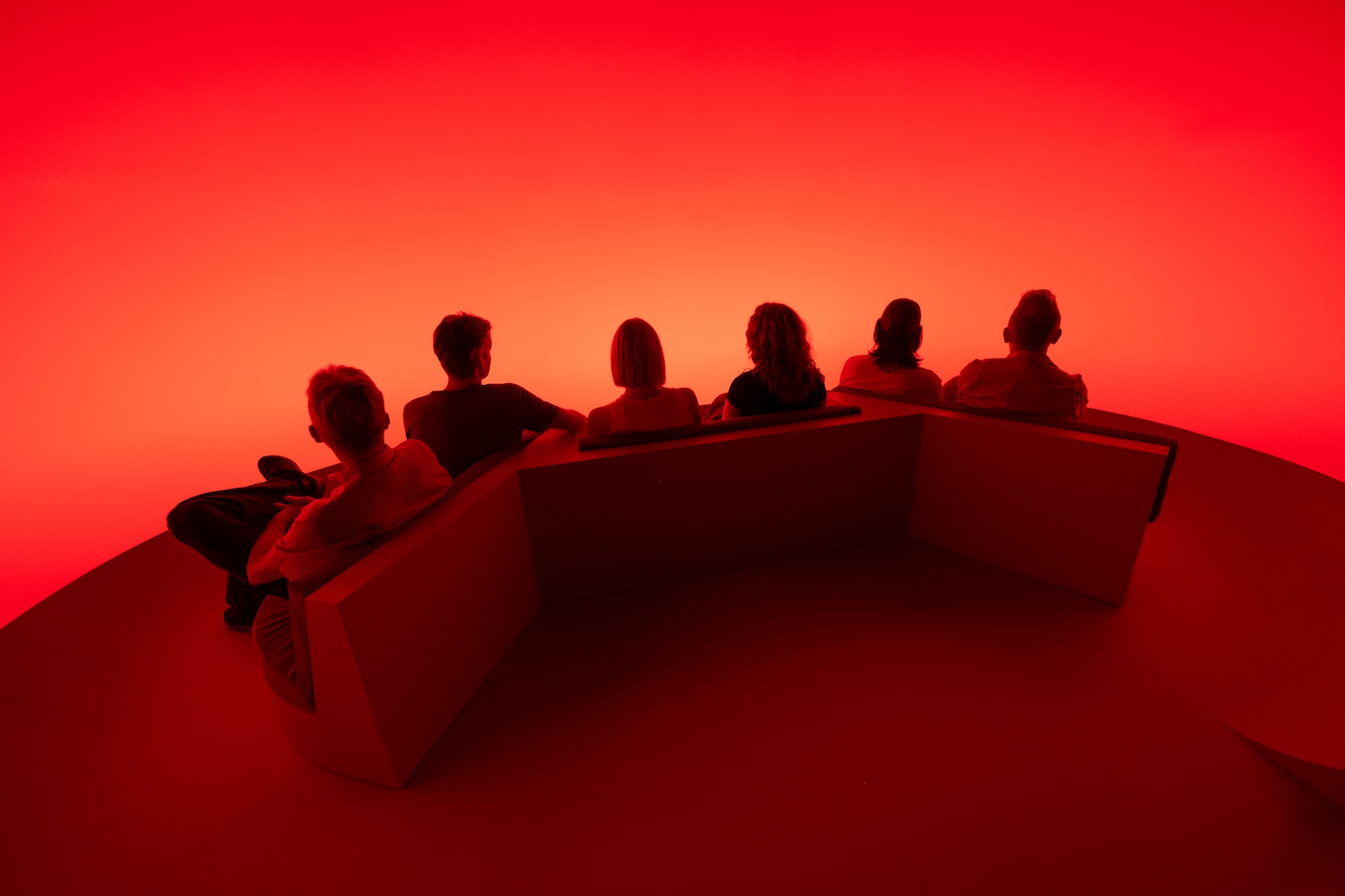
During Frieze Week, when looking can start to feel like a competitive sport, The Light Eaters asks for something very different.
Opening at Town Hall by Bottaccio in King’s Cross, the multisensory project brings together artists including James Turrell, Brion Gysin, Liliane Lijn, Carsten Höller, Trevor Paglen, Chris Levine, Philip Vermeulen, Loie Hollowell, Leo Villareal, Tomás Saraceno and Amanda Feilding to explore light, perception and consciousness.
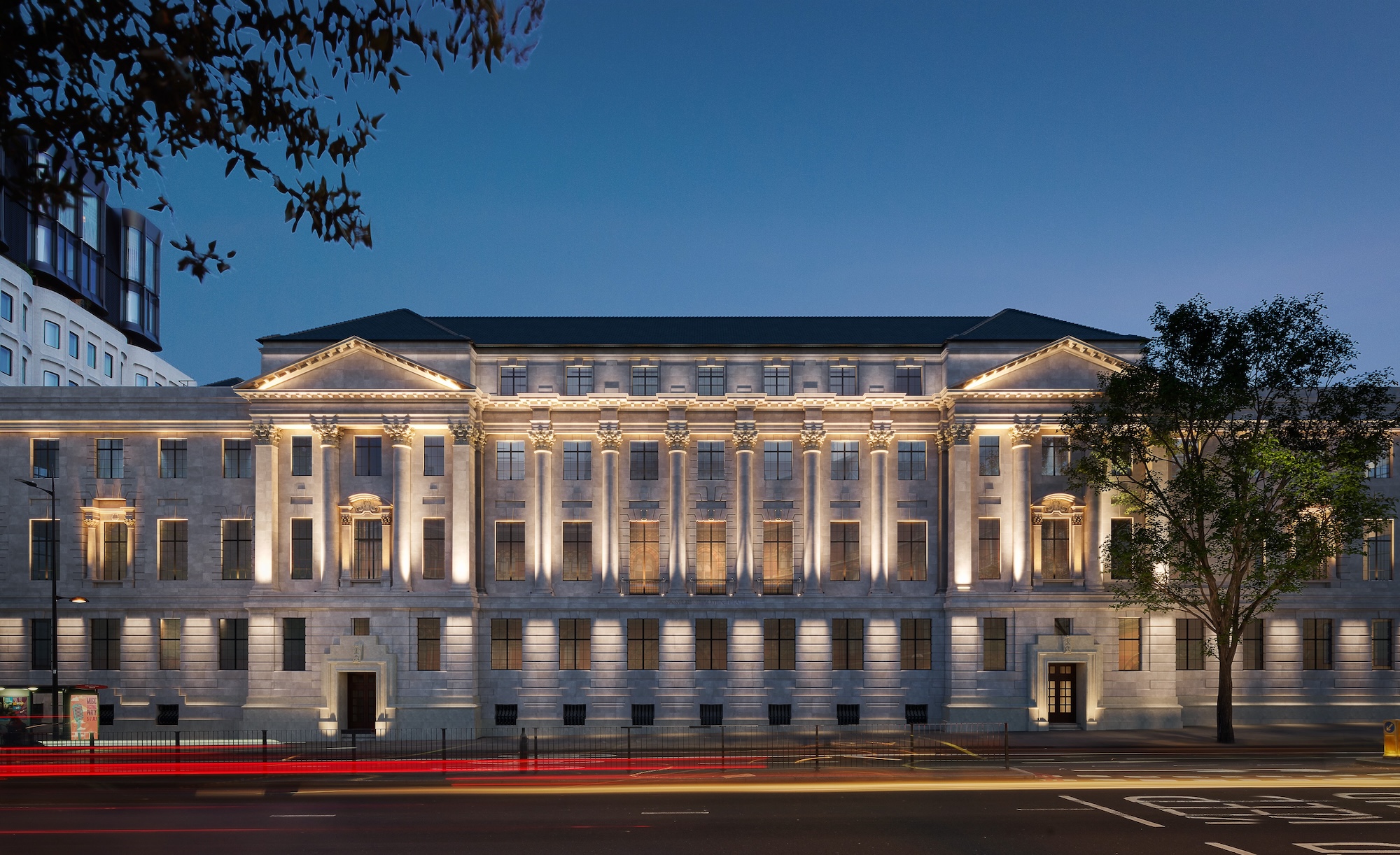
It is also the inaugural project from DoubleMoon, the new platform founded by Mollie Dent-Brocklehurst and Daniel Dolan to produce ambitious immersive art experiences at the intersection of art, science and philosophy.
At the centre of The Light Eaters is a deceptively simple idea: light makes seeing possible, but what we experience is never simply the world as it exists. Everything reaches us through perception, memory, emotion and interpretation.
So the project is less interested in light simply as spectacle than in what happens between an artwork and the person experiencing it.
The project unfolds across several interconnected elements, including The Salon, major installations by Philip Vermeulen and Chris Levine, and a symposium exploring consciousness from the perspectives of art, neuroscience, philosophy and technology.
The Salon
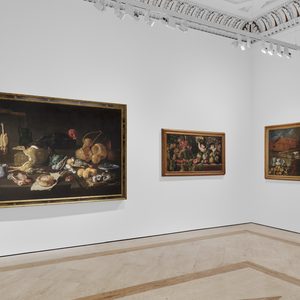
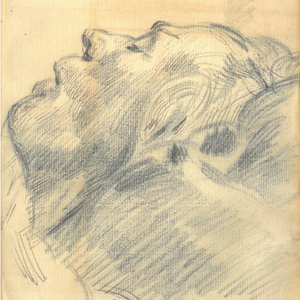
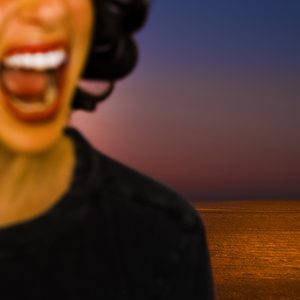
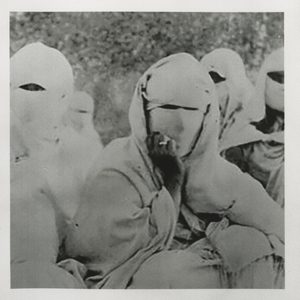
Co-curated by Mollie Dent-Brocklehurst and Virginia Damtsa, The Salon brings together Amanda Feilding, Brion Gysin, Carsten Höller, Philip Vermeulen, Loie Hollowell, Chris Levine, Liliane Lijn, Trevor Paglen, Tomás Saraceno, James Turrell and Leo Villareal, tracing more than six decades of artistic enquiry into perception and consciousness.
For James Turrell, light itself becomes material, stripping away the image until viewers become conscious of the act of seeing — almost allowing us to see ourselves seeing.
Brion Gysin’s Dreamachine pushes further inward, using flickering light to generate visual phenomena behind closed eyes and deliberately turning the artwork into an instrument for altered perception.
Liliane Lijn has long explored the relationship between light, matter, science, spirituality and different states of consciousness, while Carsten Höller treats perception almost like an experiment, creating situations in which our ordinary understanding of reality begins to wobble.
Trevor Paglen takes the question somewhere distinctly contemporary. His work asks what happens when seeing is no longer exclusively human — when cameras, satellites and machine-vision systems begin perceiving and classifying a world beyond our own field of vision.
Suddenly the exhibition’s question is not only how we see, but who — or what — is doing the seeing.
Together, their work suggests that art need not simply represent consciousness. It can interfere with the systems through which we experience the world.
Elsewhere, Loie Hollowell brings perception back towards the body and interior experience, while Leo Villareal uses computation, repetition and light to create visual systems that are continually changing and never fully resolve.
Tomás Saraceno pushes the question beyond the human altogether, connecting spider webs, vibration, networks and cosmic structures, while Amanda Feilding brings altered states of consciousness directly into the wider conversation.
Across these very different practices, consciousness begins to appear less like something fixed and more like something responsive — changed by light, colour, sound, technology, space, attention and the body itself.
Philip Vermeulen: Chasing the Dot
That idea becomes physical in Philip Vermeulen’s Chasing the Dot, which takes over Town Hall’s neoclassical Vision Hall.
The immersive dome installation surrounds visitors with choreographed light and spatial sound, generating open-eye visual phenomena that draw on scientific research into hallucination and synaesthesia.
Vermeulen is interested in light not simply as an aesthetic material, but as something capable of directly affecting perception.
Movement, sound, vibration and colour surround the visitor, making the body part of the work rather than leaving it standing safely outside.
The result is less something you look at than something that happens to you.
Chris Levine: Higher Power
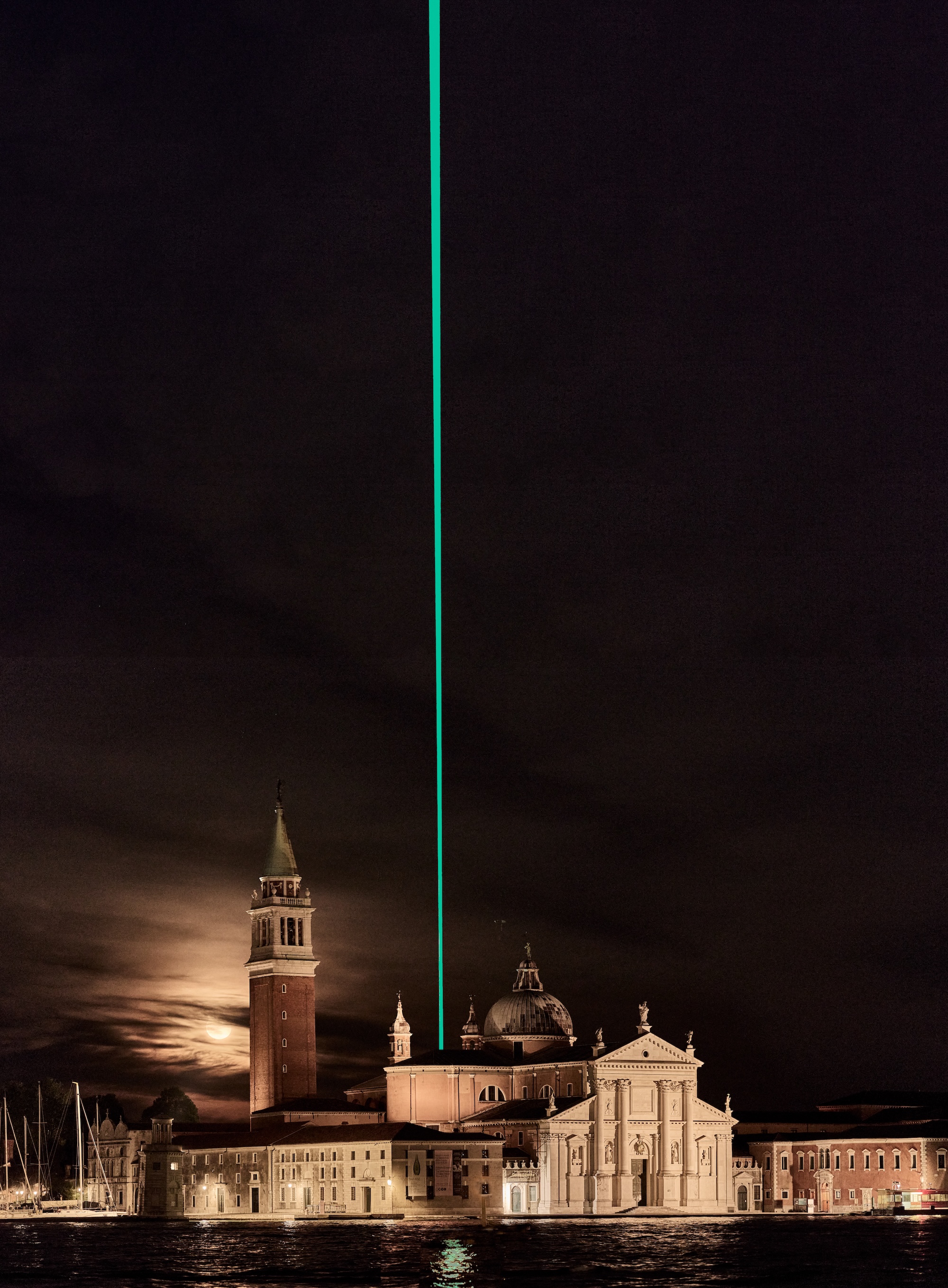
Chris Levine takes light in the opposite direction — out of the building and into the London sky.
Higher Power projects a matrix of high-powered lasers vertically above Town Hall, creating a work visible across parts of the city after dark.
The scale shifts dramatically from the intimate mechanics of perception to something collective and almost celestial.
Where Vermeulen closes the distance between artwork and body, Levine opens it up completely, turning the sky into a shared field of perception and asking us to look upwards and beyond ourselves.
Consciousness inside the artwork
On 17th October, Chasing the Dot becomes the setting for a symposium on consciousness.
Rather than sitting in a conventional lecture theatre, audiences will be immersed inside Vermeulen’s installation while artists, neuroscientists, philosophers and researchers discuss the mind, perception and altered states.
Speakers include psychiatrist and psychedelic researcher Dr David Erritzoe, Chris Levine, contemplative neuroscientist Dr Elena Antonova, psychologist Dr Anjali Bhat, AI art curator Luba Elliott, Beckley Psytech co-founder Cosmo Feilding Mellen, and artist Hana Omori, co-founder of Keiken.
There is something appealingly circular about discussing perception while sitting inside an artwork designed to disrupt it.
The symposium turns the exhibition’s central question into something live: consciousness is no longer simply a subject to be discussed, but something the audience is being made newly aware of while the conversation unfolds.
That may be what makes The Light Eaters particularly interesting during Frieze Week.
The conventional art-fair experience asks us to keep moving — booth to booth, artist to artist, image to image, constantly consuming.
Here, the opposite is encouraged.
At Town Hall, visitors are asked to slow down enough to notice their own perception: their bodies, senses and attention, and perhaps the strange fact of simply being here.
In a world increasingly mediated by screens, algorithms, artificial intelligence and systems capable of seeing without us, The Light Eaters turns the question back on the viewer.
Not simply: what are we looking at? But: what does it mean to see at all?
The Light Eaters, Town Hall by Bottaccio, Bidborough Street, King’s Cross, London WC1H 9AU
Preview: 16th October, 7PM–10PM
Philip Vermeulen: Chasing the Dot: 17th–18th October
Chris Levine: Higher Power: visible after dark, 16th–17th October
The Salon: 17th October–20th December 2026
The Light Eaters Symposium: 17th October
Admission free