More than 60 paintings spanning six decades of Claude Monet’s career are coming to Tate Modern next year, including 20 Water Lilies and rarely seen works from private collections.
Tate Modern is going monumental with Monet in 2027, presenting its first-ever exhibition dedicated to Claude Monet and the largest UK presentation of his work in nearly a decade.
Opening 25th February 2027, Monet: Painting Time will bring together more than 60 paintings made between the 1870s and 1920s, tracing how Monet repeatedly returned to the same places and subjects to capture changes in light, atmosphere, seasons and time. The exhibition opens 100 years after the artist’s death in 1926.
Rather than attempting a straightforward retrospective, the exhibition will use time as a way into Monet’s work — from the increasingly rapid rhythms of industrialised cities to the slower cycles of landscape and nature.
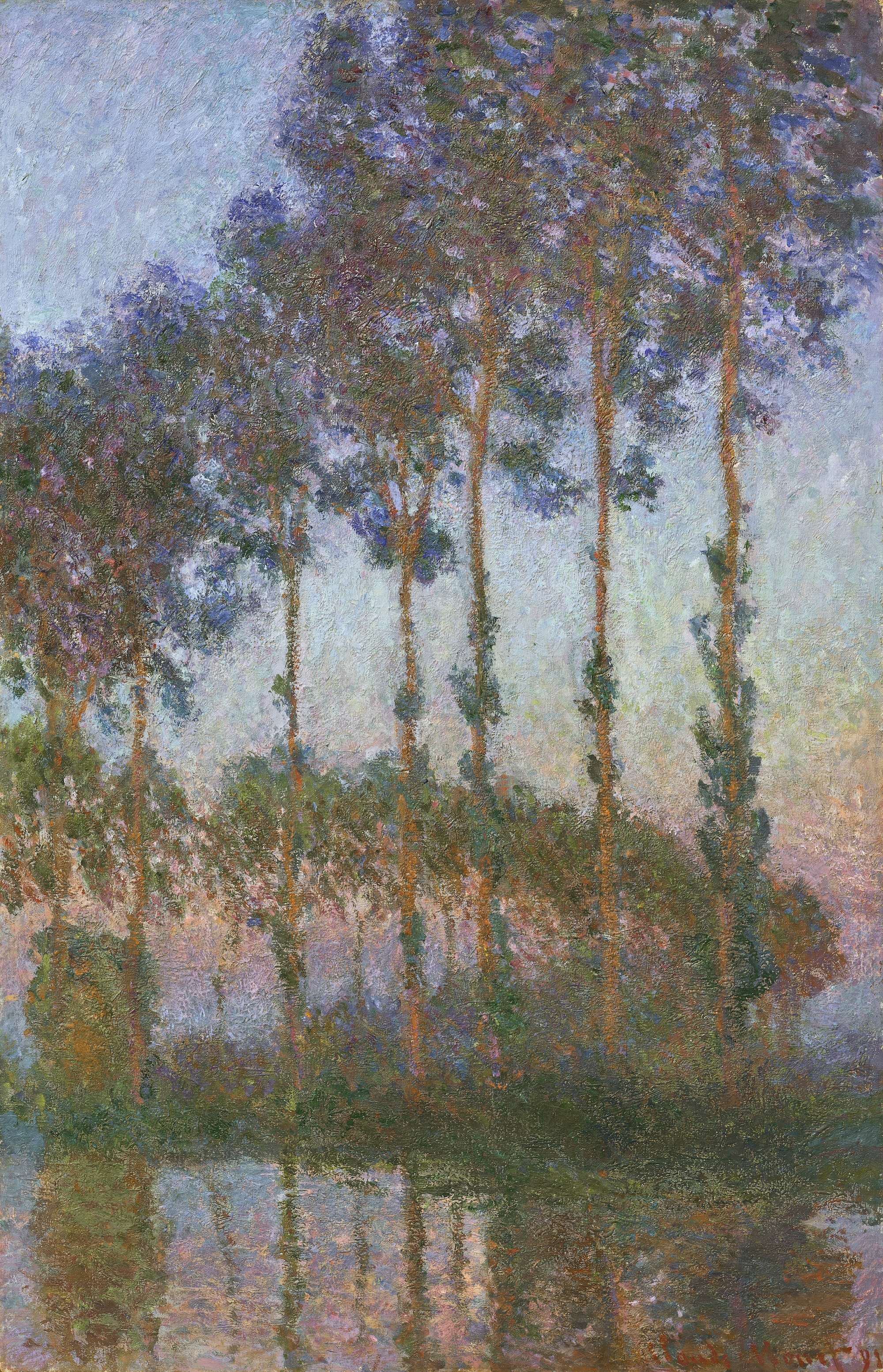
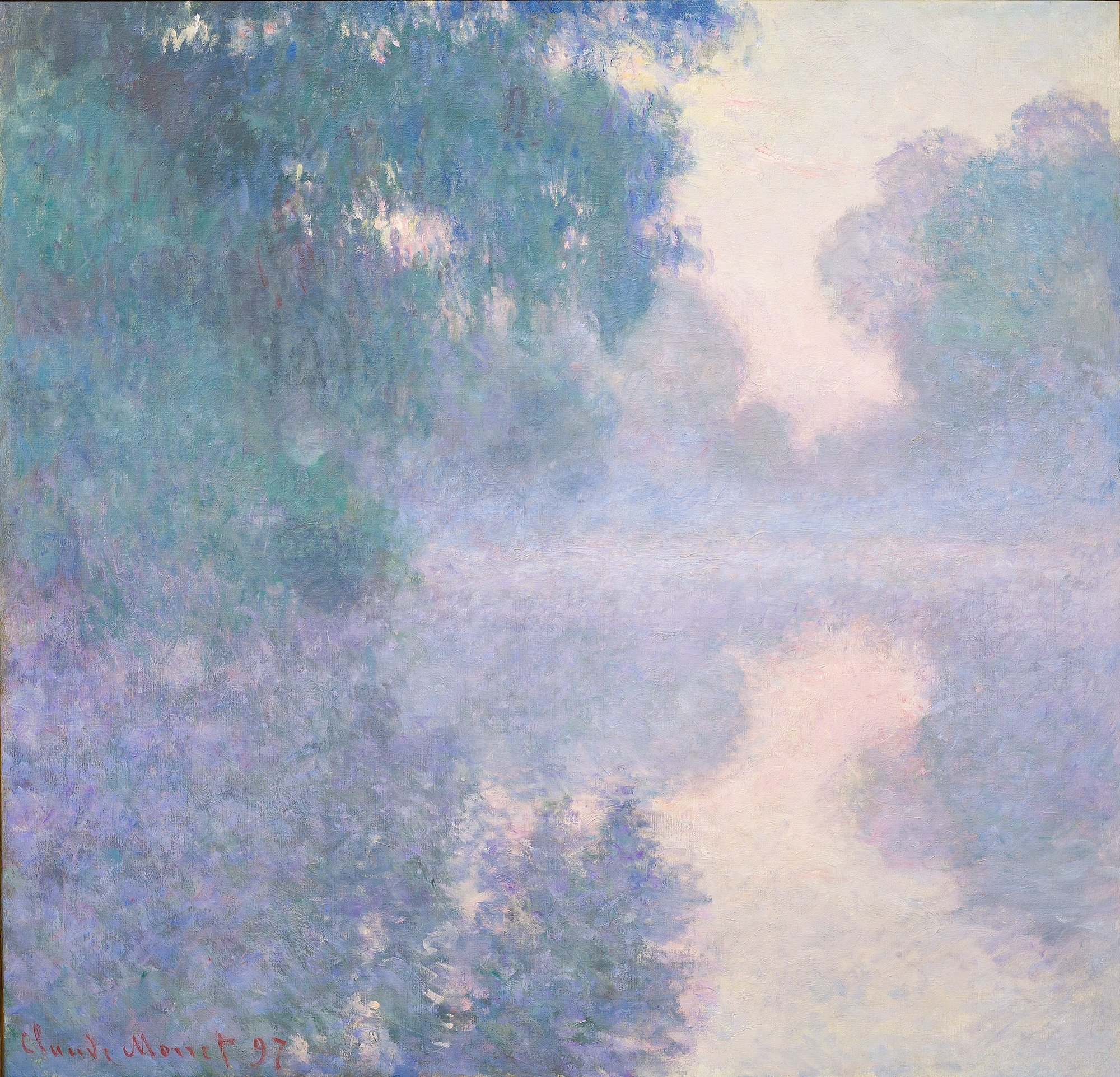
Among the works coming to London will be Cathédrale de Rouen, effet de soleil, fin de journée (1892) and the rarely exhibited Branch of the Seine near Giverny (Sunrise) (1897), alongside paintings from Monet’s celebrated series of Rouen Cathedral, poplars, grainstacks and mornings on the Seine.
Monet’s fascination with time developed alongside dramatic changes in how people experienced it. The expansion of the railways during the 19th century helped drive the introduction of standardised time, while trains, industry and rapidly growing cities accelerated the pace of modern life.
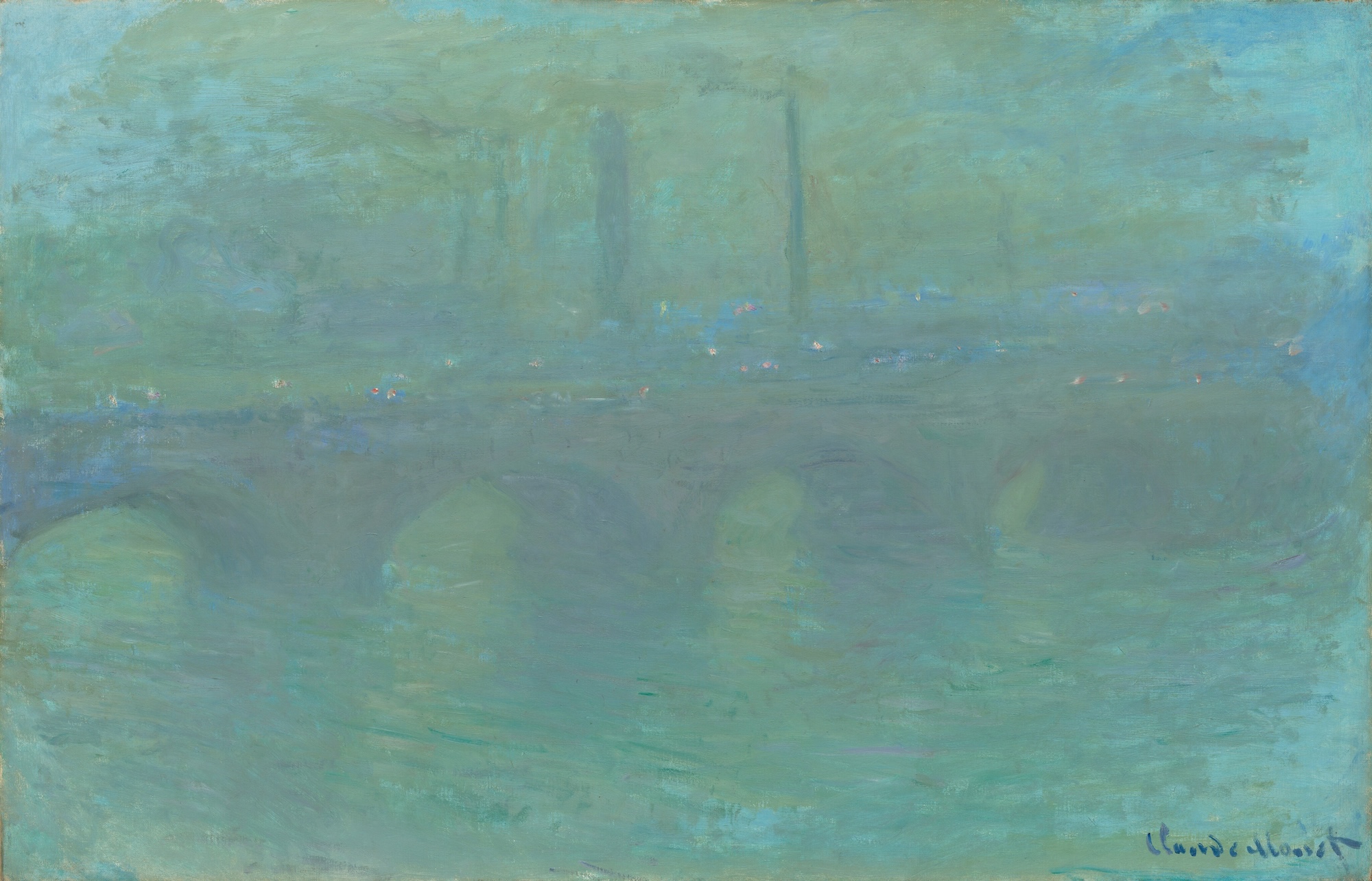
Monet painted that new world. His works depicting Gare Saint-Lazare in Paris captured steam, architecture, movement and changing light around one of the defining technologies of the age. At Tate Modern they will be shown alongside his later paintings of London, including Waterloo Bridge, London, at Dusk (1904) and Charing Cross Bridge, Smoke in Fog, Impression (1902).
The exhibition will also reunite groups of paintings Monet originally conceived in relation to one another. Six works from his Grainstacks series of 1890–91 will travel to London from collections around the world, allowing visitors to see how the same subject was transformed through changing weather, seasons and times of day.
But things get truly monumental towards the end.
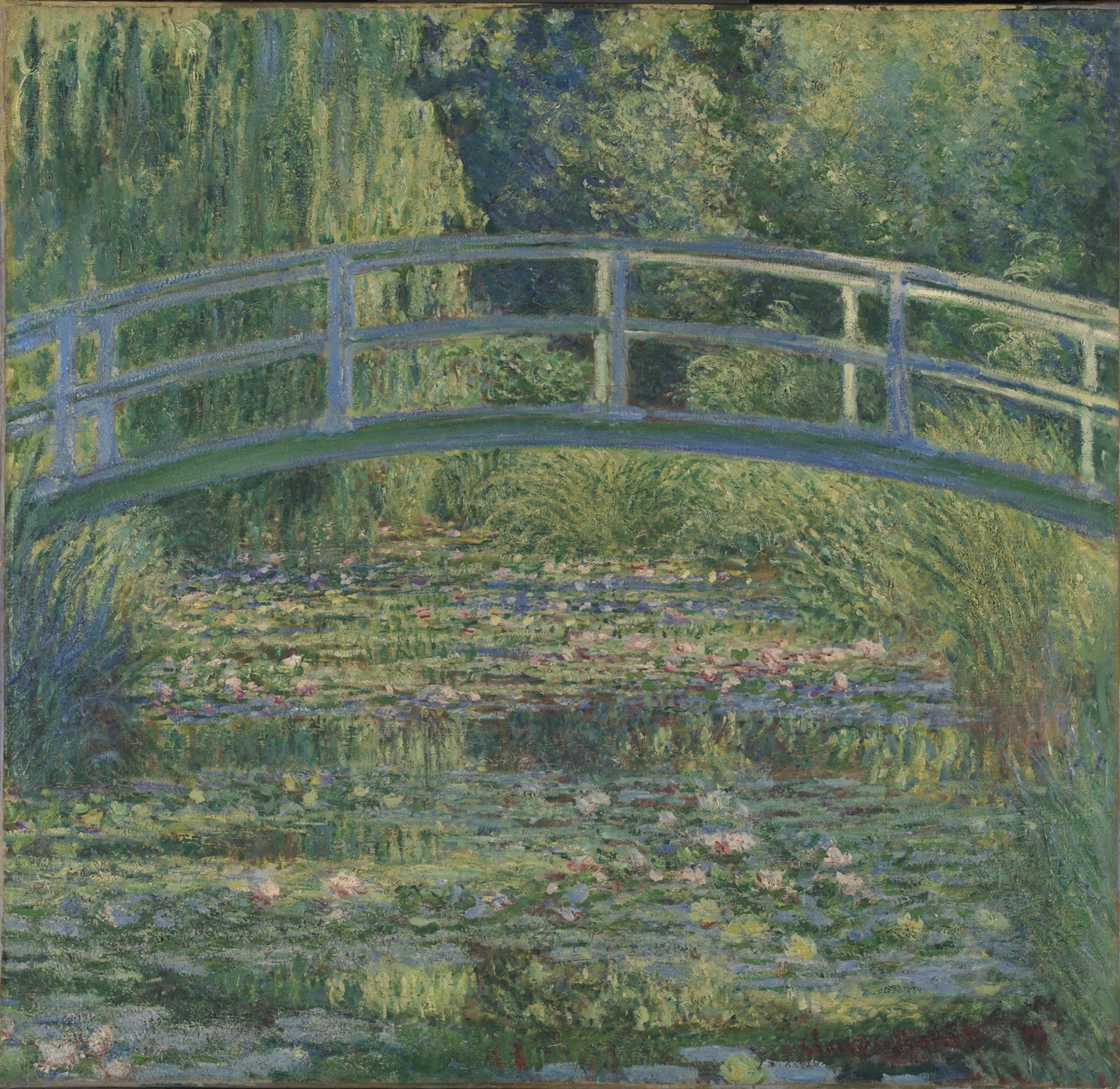
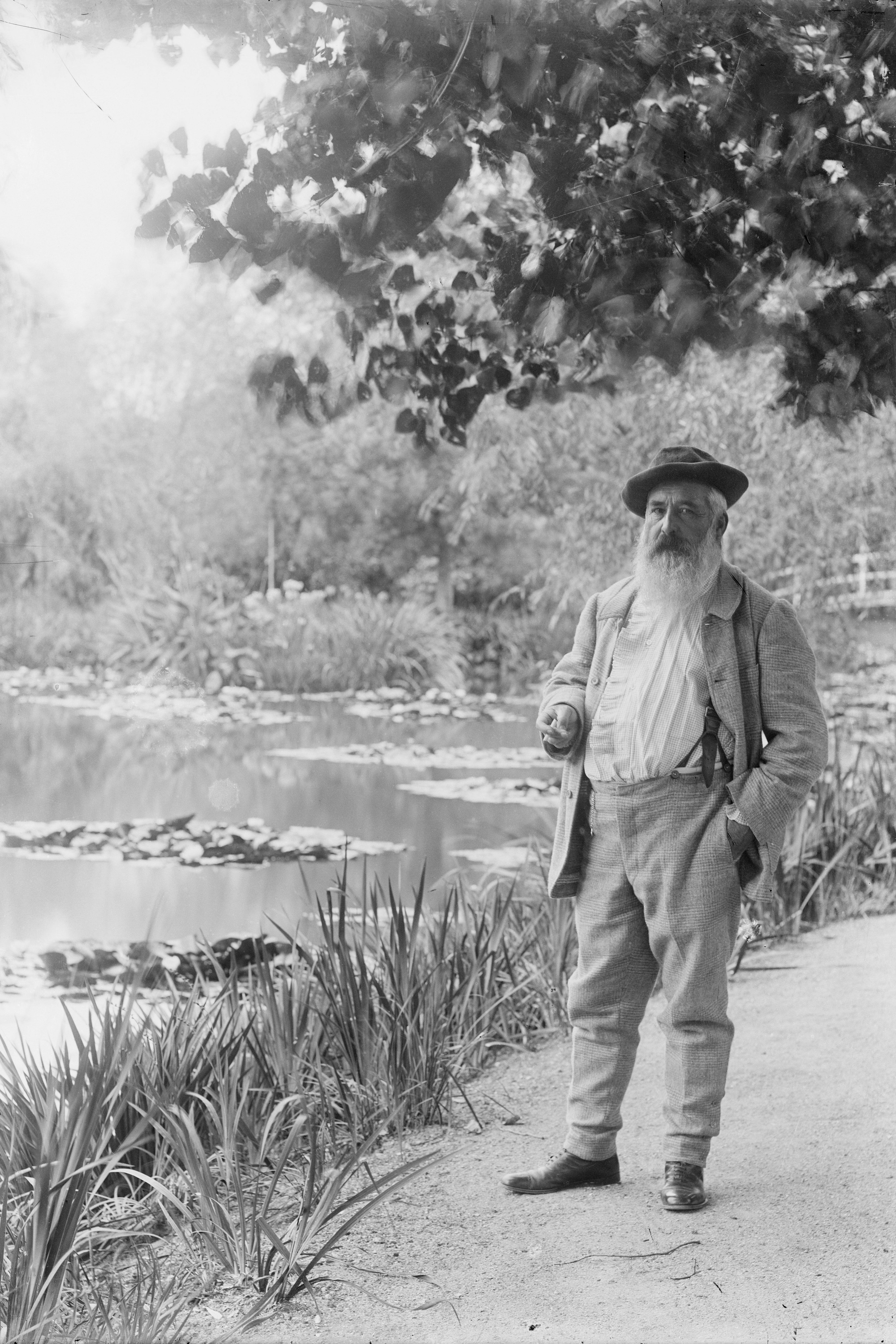
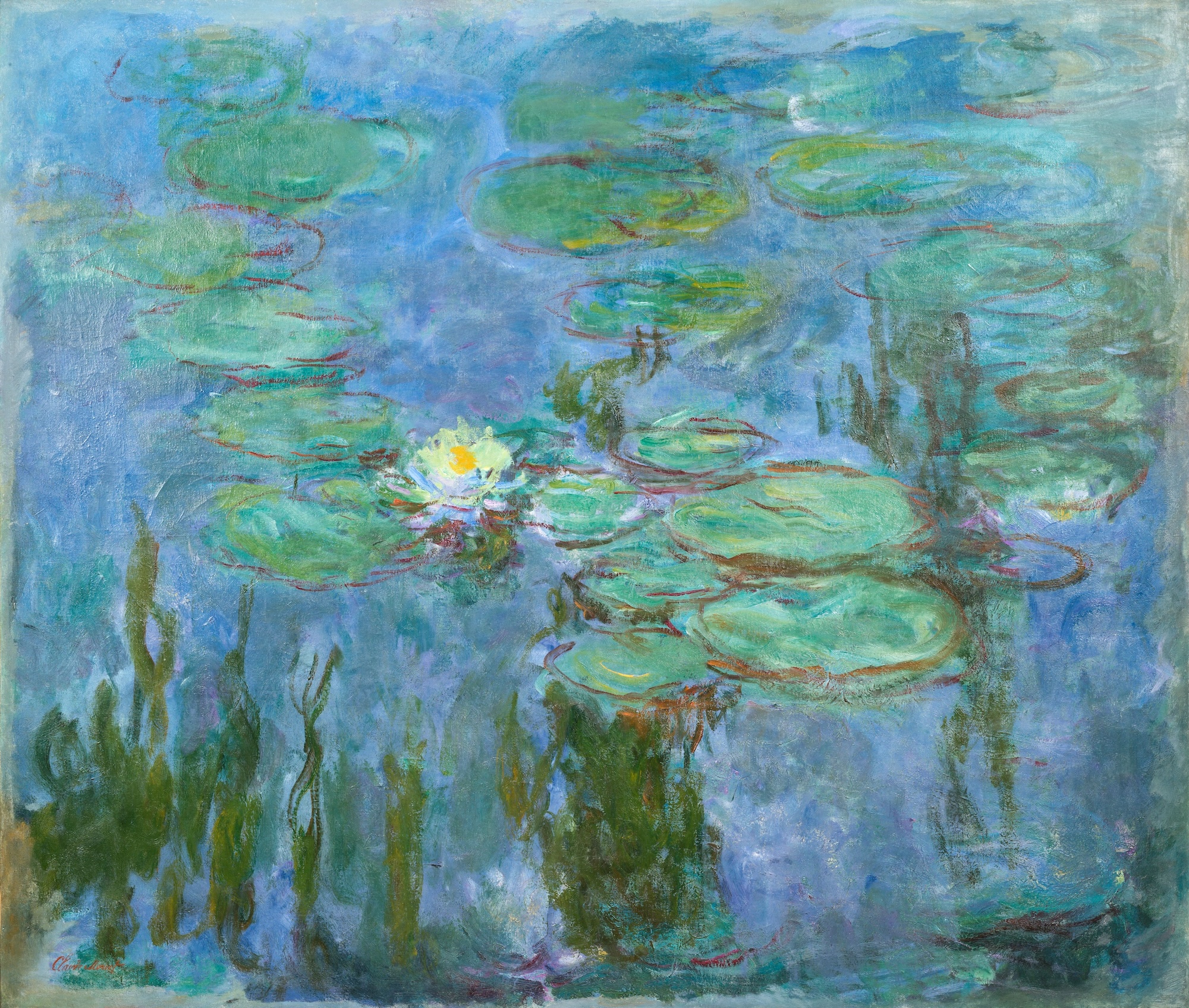
The final decades of Monet’s life were increasingly consumed by the garden and water-lily pond he created at Giverny. Tate Modern will bring together 20 Water Lily paintings, including rare loans from Japanese collections and panoramic canvases such as Water-Lilies (after 1916). Early and late paintings of Monet’s famous garden bridge will also be reunited through loans from the National Gallery in London and Musée Marmottan Monet in Paris. Together they will form the largest group of Monet’s garden paintings seen in the UK for more than a decade.
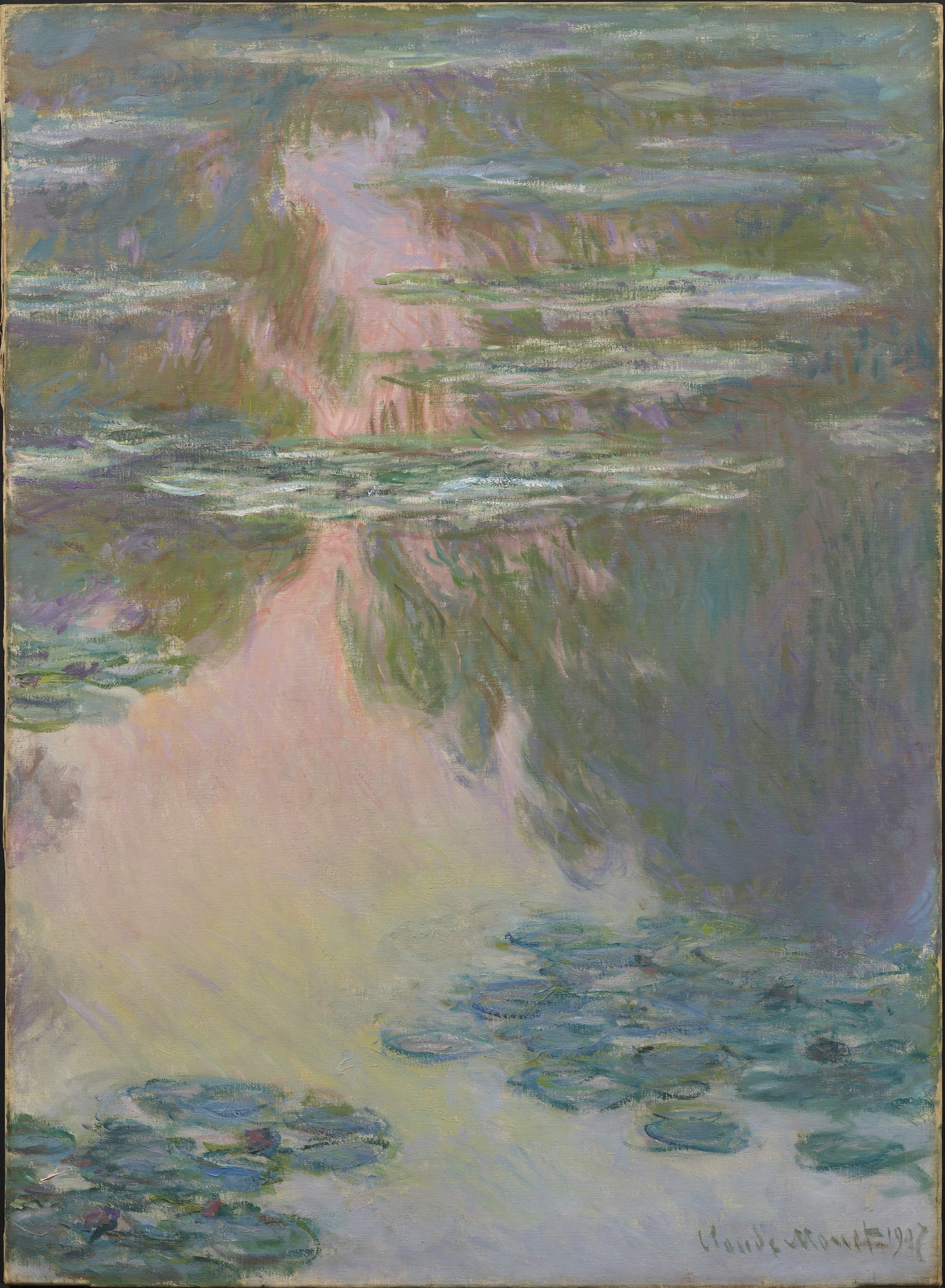
These late works occupied Monet for the final three decades of his life, pushing his painting towards an increasingly immersive field of colour, reflection and surface.
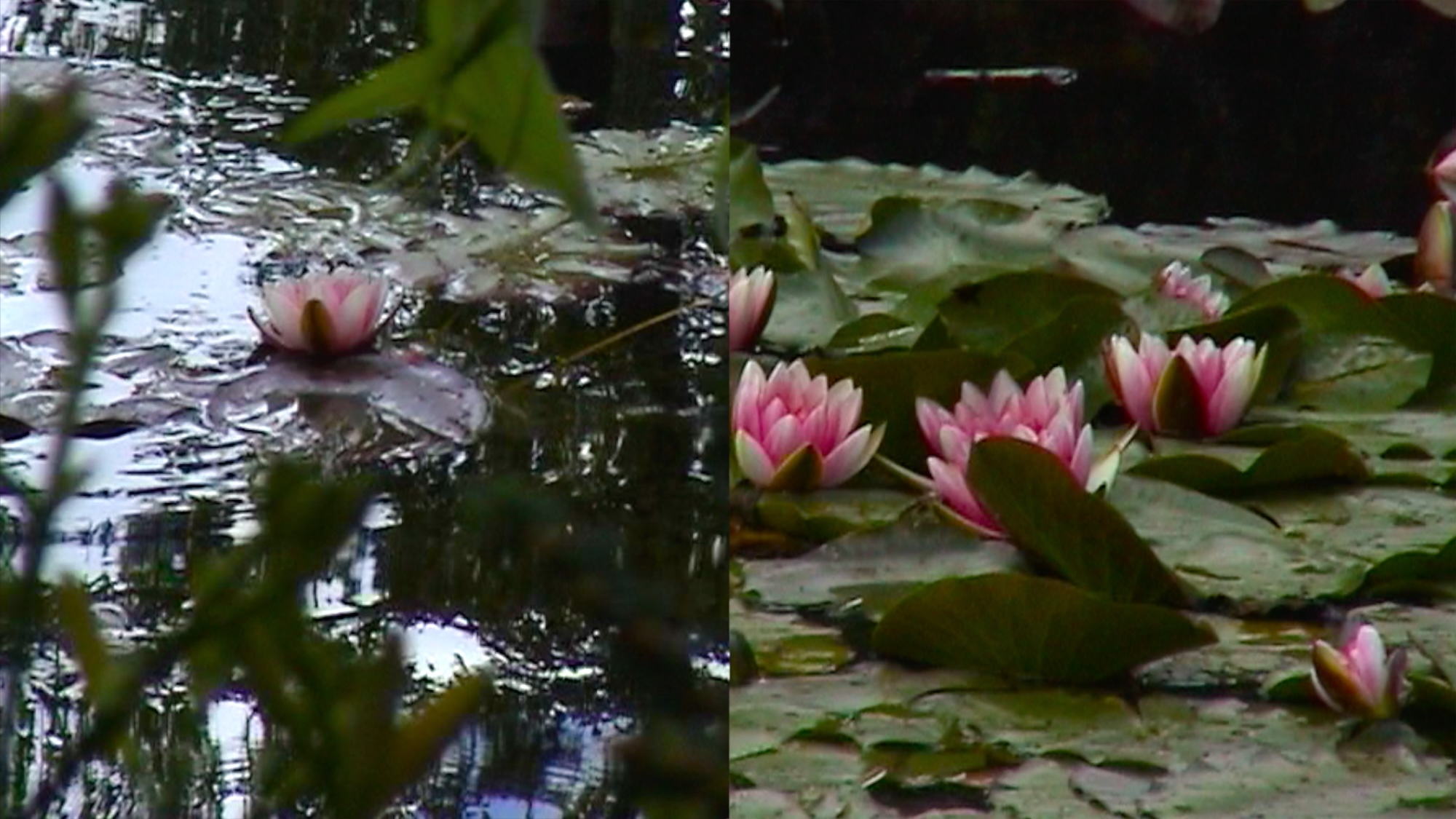
The exhibition will finish by bringing Monet into the present through French contemporary artist Ange Leccia’s (D) Après Monet (2020). Combining moving images of Monet’s paintings with footage of the gardens at Giverny, the projected installation was created in response to the artist’s monumental final Water Lilies at the Musée de l’Orangerie in Paris.
Monet: Painting Time, 25th February–27th June 2027 Tate Modern