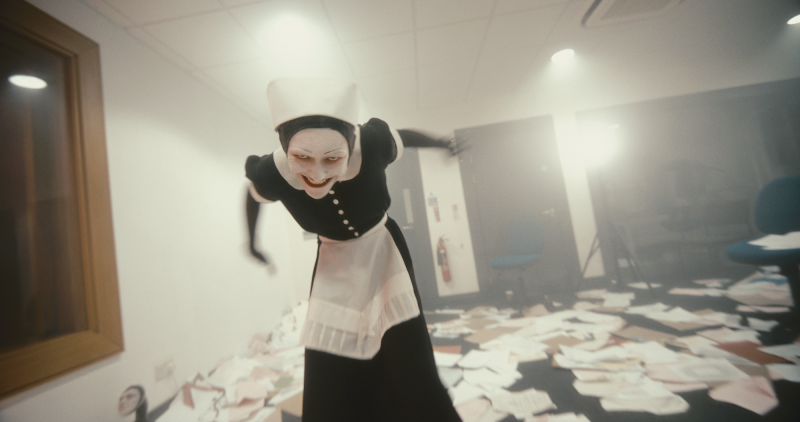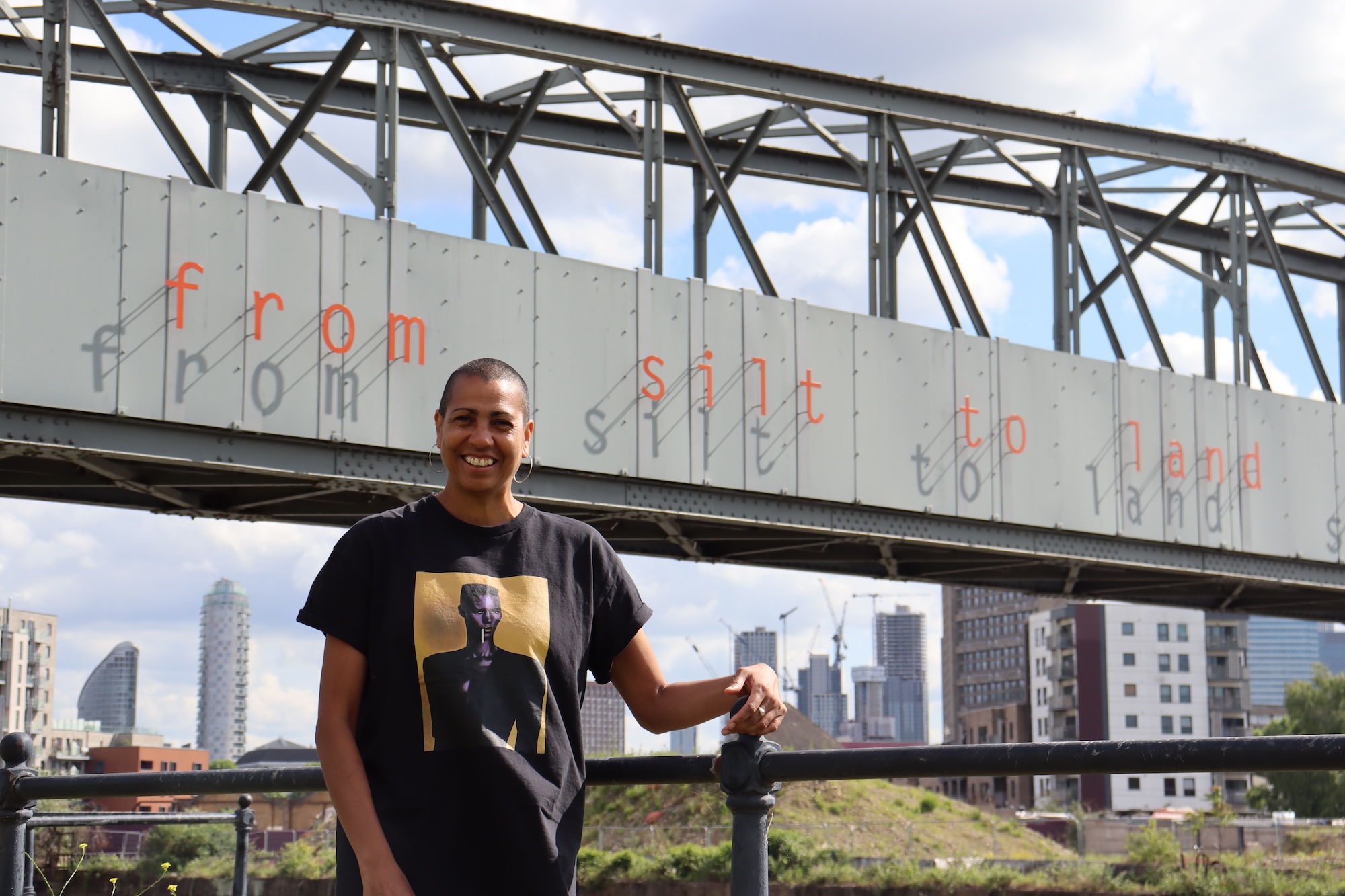
Turner Prize-winning artist Helen Cammock has withdrawn her video installation Persistence from the National Portrait Gallery following a week of intense debate over its depiction of Winston Churchill’s role in the 1943 Bengal famine.
The work, commissioned as part of the National Portrait Gallery’s Artists First programme, had been on display since September 2025 and was due to remain on view until August 2026. The controversy centred on a passage in the film in which Cammock compares Churchill’s role in the Bengal famine with Oliver Cromwell’s campaigns in Ireland. The famine, which claimed an estimated three million lives in British-ruled India, remains the subject of ongoing historical debate.
Criticism intensified after historian and Churchill biographer Andrew Roberts organised a letter signed by more than 50 members of the House of Lords, including Churchill’s grandson Sir Nicholas Soames. The signatories argued that the work presented a misleading account of Churchill’s involvement in the famine and called on the gallery to respond.
Both Cammock and the National Portrait Gallery initially defended the installation. The gallery stated that the commission was presented as an artistic work rather than a documentary and that it supported freedom of artistic expression without necessarily endorsing the views expressed by participating artists. Cammock described the film as a creative response to the Gallery’s collection, examining questions of power, portraiture and whose stories become part of the historical record.
However, the National Portrait Gallery confirmed this week that Persistence had been removed at the artist’s request. In a statement, Cammock criticised what she described as growing pressure on artists and cultural institutions to conform to external demands, arguing that questioning and revisiting history remains an essential role of both art and public institutions.
The episode has reignited wider discussions around artistic freedom, institutional responsibility and the challenges museums face when presenting work that engages with contested histories. While the immediate focus has been Churchill and the Bengal famine, the debate raises broader questions about how contemporary artists engage with historical figures, and how cultural institutions respond when those interpretations become politically charged.
For many observers, the withdrawal of Persistence is likely to become a significant moment in ongoing conversations about artistic expression, public accountability and the role of museums as spaces for debate rather than consensus.