For most of the last century, watercolour was treated as the polite cousin of the art world. Oil had the gravity, acrylic had the energy, and watercolour got filed away as something for botanical studies and seaside postcards. That reputation is fading. Walk through a contemporary group show or look at what design students are bringing to portfolio reviews, and watercolour keeps turning up. Something is shifting, and the reasons are worth paying attention to.
A medium that rewards honesty
Part of the appeal is honesty. Watercolour does not let you hide. Oil can be scraped back and reworked for weeks, but watercolour records every decision in the order it was made. The first wash sits underneath everything that follows, and you cannot fully take it back. For a generation of artists raised on the endless undo button, that permanence feels almost radical. The medium asks for intention and rewards a light touch over brute control. The result is work that looks alive on the page, full of the small accidents that happen when pigment and water are allowed to move on their own.
The slow art movement finds its medium
There is a cultural shift behind the revival. The slow art movement, which encourages people to spend real time looking at and making art rather than consuming it in a thumb scroll, has found a natural match in watercolour. The process cannot be rushed. You lay a wash, you wait for it to settle, you watch the colour bloom and granulate, and then you respond. That rhythm is the opposite of the speed most of us live at, which is exactly why so many people are reaching for it. Galleries have noticed too, giving watercolour and works on paper more wall space than they have had in decades.
Low cost and endlessly portable
Accessibility matters as well. A full oil setup demands solvents, ventilation, drying racks, and a serious financial commitment before you have made a single mark. Watercolour needs paint, paper, water, and a brush. That low barrier has opened the medium up to people who would never have called themselves artists, and many of them are discovering real ability once the intimidation drops away. The portability helps. A small set fits in a coat pocket, which means painting can happen on a train platform, a park bench, or a hotel windowsill rather than only in a dedicated studio.
This portability has created its own movement. Urban sketchers, travel journalists, and nature diarists have built large and devoted communities around the simple act of recording a moment in paint. For them the watercolour set is less an art supply and more a way of paying attention to the world. The finished page is a souvenir of a specific hour and place, imperfections included. That documentary spirit feels very contemporary, somewhere between fine art, journaling, and mindfulness.
From the classroom to the feed
Educators have picked up on the same energy. Art teachers report that students who freeze in front of a blank oil canvas will happily fill a page with watercolour, precisely because the stakes feel lower and the feedback is instant. A wash either works or it does not, and you find out in seconds rather than after hours of labour.
That fast loop of trying, seeing, and adjusting is how people actually learn, and it builds confidence quickly. Some of that confidence then carries back into other media, which is why a growing number of foundation courses now open with watercolour rather than treating it as an afterthought.
Social platforms have amplified all of this. Time lapse videos of a wash blooming across paper are quietly mesmerising, and they travel well, pulling in viewers who have never picked up a brush. What looks like simple content is actually a recruiting tool, because a surprising number of those viewers order a set and try it themselves. Communities have formed around monthly painting challenges and shared sketchbook tours, and the encouragement in those spaces is notably warmer than the usual online tone. For a medium once associated with solitary amateurs, watercolour has become unexpectedly social, and that sense of belonging is keeping newcomers engaged long after the novelty wears off.
How to start watercolour painting
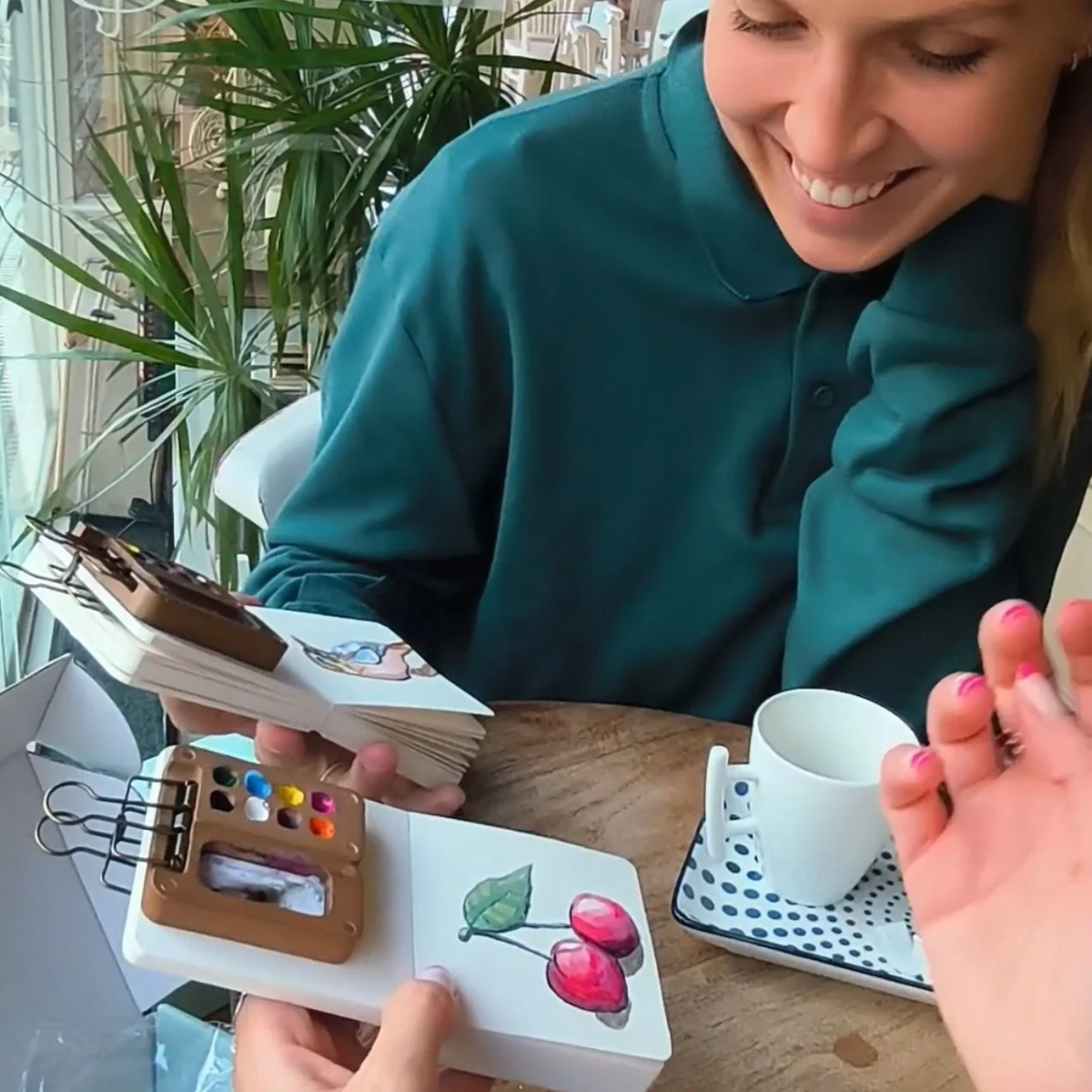
For anyone curious enough to try, the entry point has never been simpler. Beginner-friendly sets now arrive with everything pre-selected, which removes the paralysing first task of choosing paints from a wall of hundreds. Brands built specifically around newcomers, such as tobioskits.com, have leaned into this by pairing a curated palette with a travel format, so the first experience is about making marks rather than making purchasing decisions. It is a small thing, but lowering that initial friction is a large part of why so many people stick with the medium past the first attempt.
None of this means watercolour is easy. Mastery still takes years, and the medium punishes overworking more harshly than almost any other. But the conversation around it has changed. Where it was once dismissed as decorative, it is now being taken seriously as a vehicle for expression and experimentation. Established painters are returning to it for its immediacy, and a wave of newcomers is arriving without the old hierarchy in their heads, which frees them to simply enjoy what the paint does.
A medium suited to the moment
The medium also photographs and reproduces well on screens, which has quietly helped its profile. The luminous quality of light passing through transparent layers of pigment, then bouncing back off white paper, survives the journey to a phone display better than the surface drama of thick impasto. In an age where most art is first encountered digitally, that translation matters more than purists might like to admit.
What we are watching is not a fad. As more people look for creative practices that slow them down and cost little to begin, watercolour fits the brief well. It is humble, portable, and forgiving in spirit if not in technique. The postcard reputation is finally being retired, and in its place is a medium that suits the present moment rather well. If the gallery walls and sketchbook communities are any guide, this revival has some distance left to run.
All images © Instagram @tobioskits