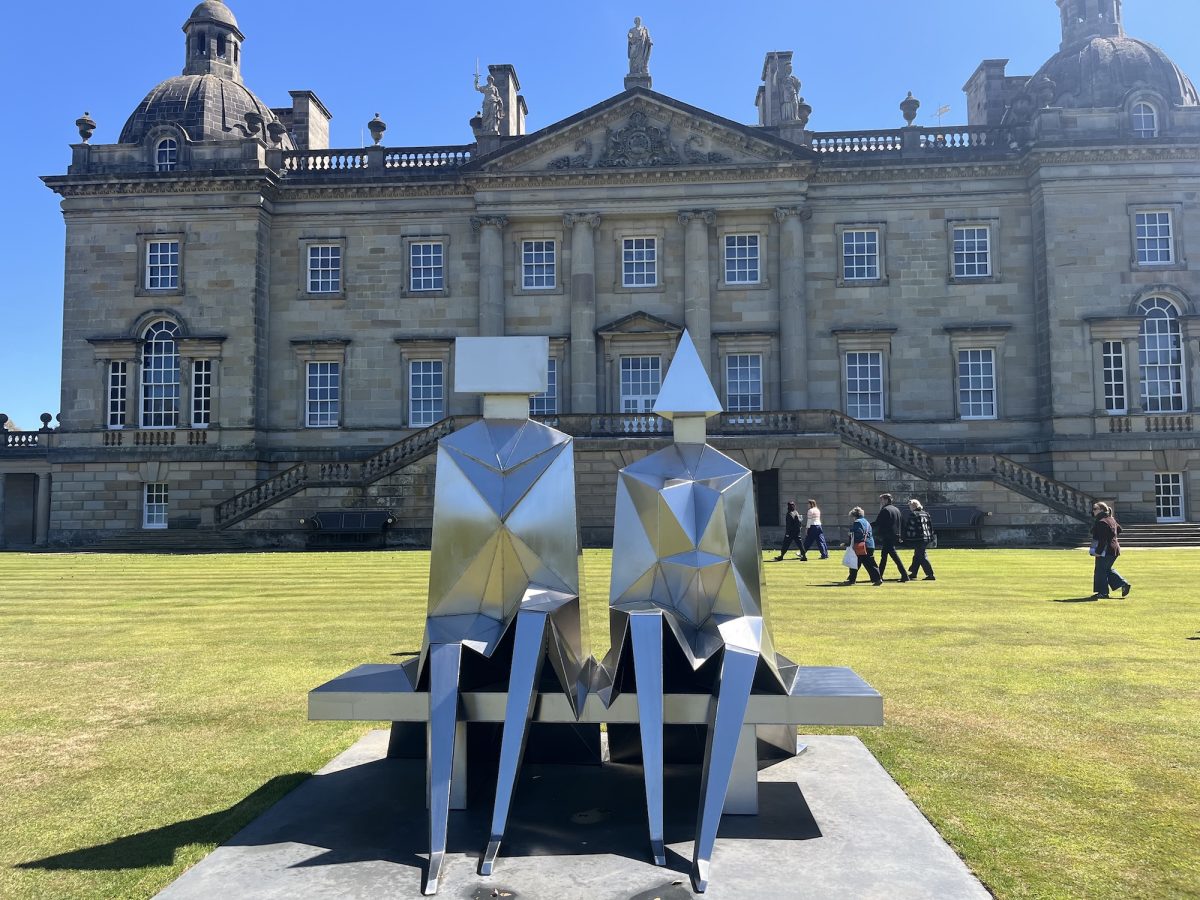
The angular figures, watchful beasts and precariously balanced forms of Lynn Chadwick have taken over Houghton Hall this summer in the largest UK exhibition of the sculptor’s work for more than twenty years.
Now open at the Norfolk estate until 4th October 2026, Lynn Chadwick at Houghton Hall brings together more than 30 sculptures spanning four decades of the artist’s career, from the 1950s through to the 1990s. Installed throughout the grand Palladian interiors and expansive parkland, the exhibition places Chadwick’s distinctive sculptures in dialogue with one of Britain’s most remarkable historic houses.
Curated by Pangolin London, the exhibition includes early works, kinetic sculptures, monumental beasts and Chadwick’s celebrated paired figures, many of which are rarely exhibited. It is the most comprehensive presentation of the artist’s work in Britain since the retrospective held at Tate Britain in 2003, the same year Chadwick died.
For visitors arriving at Houghton, the encounter begins before entering the house. Chadwick’s sculptures punctuate the landscape with an almost theatrical presence, their sharp silhouettes and angular geometries standing in contrast to the soft contours of the Norfolk countryside. Inside, the works appear equally at home, occupying grand interiors with a mixture of elegance, tension and quiet menace.
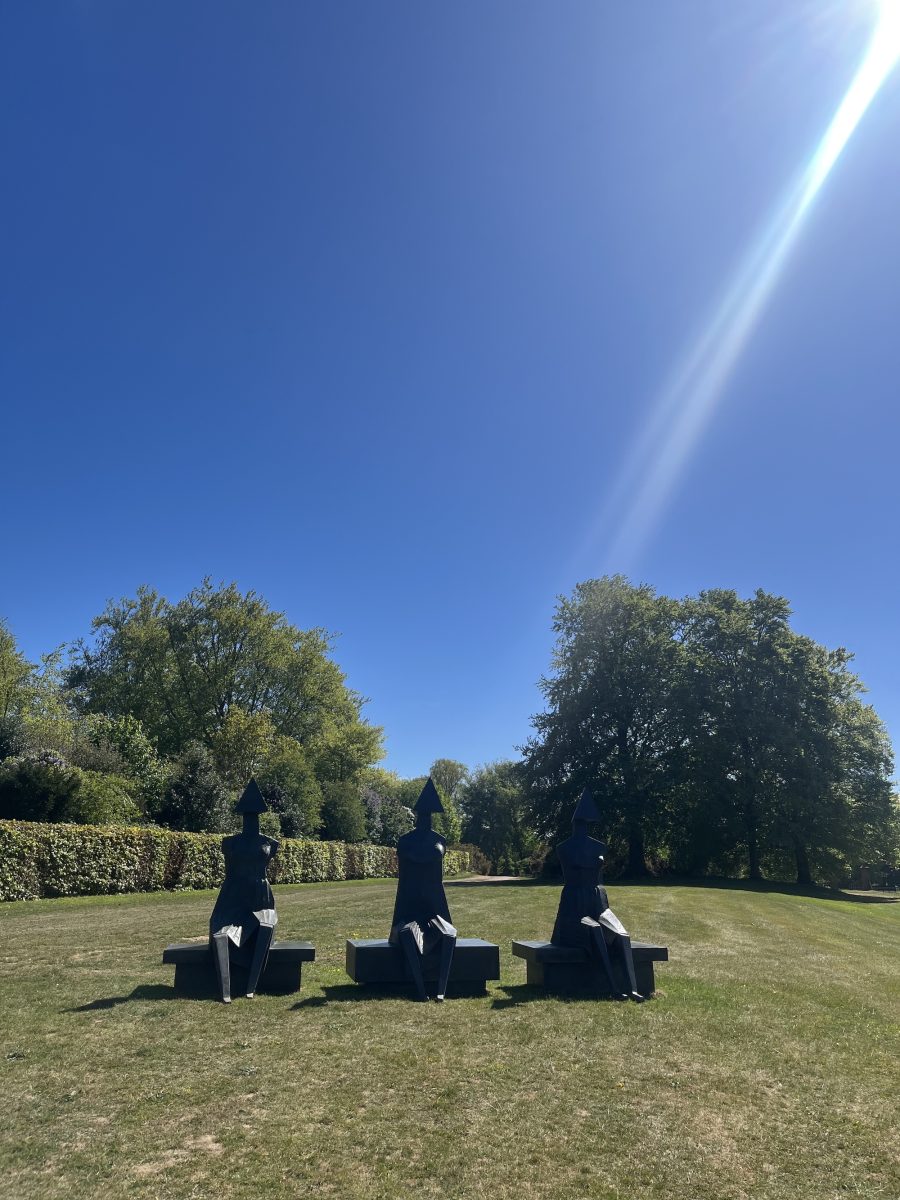
One of the exhibition’s strengths is the way it reveals Chadwick’s sensitivity to space. Though often associated with post-war British sculpture and the so-called “Geometry of Fear” generation, Chadwick was always deeply interested in how sculpture inhabits architecture and landscape. His figures rarely feel static; instead they appear alert, watchful and poised for movement.
That sense of tension stems from Chadwick’s unusual approach to making sculpture. Originally trained as an architectural draughtsman, he arrived at sculpture via mobile constructions and trade-fair commissions rather than traditional art-school training. Unlike many sculptors of his generation, he built rather than modelled. Beginning with welded iron armatures that he referred to as “space frames”, he gradually developed forms using a gypsum-based material before casting them in bronze. The resulting works retain the energy of construction, with surfaces that seem simultaneously engineered and alive.
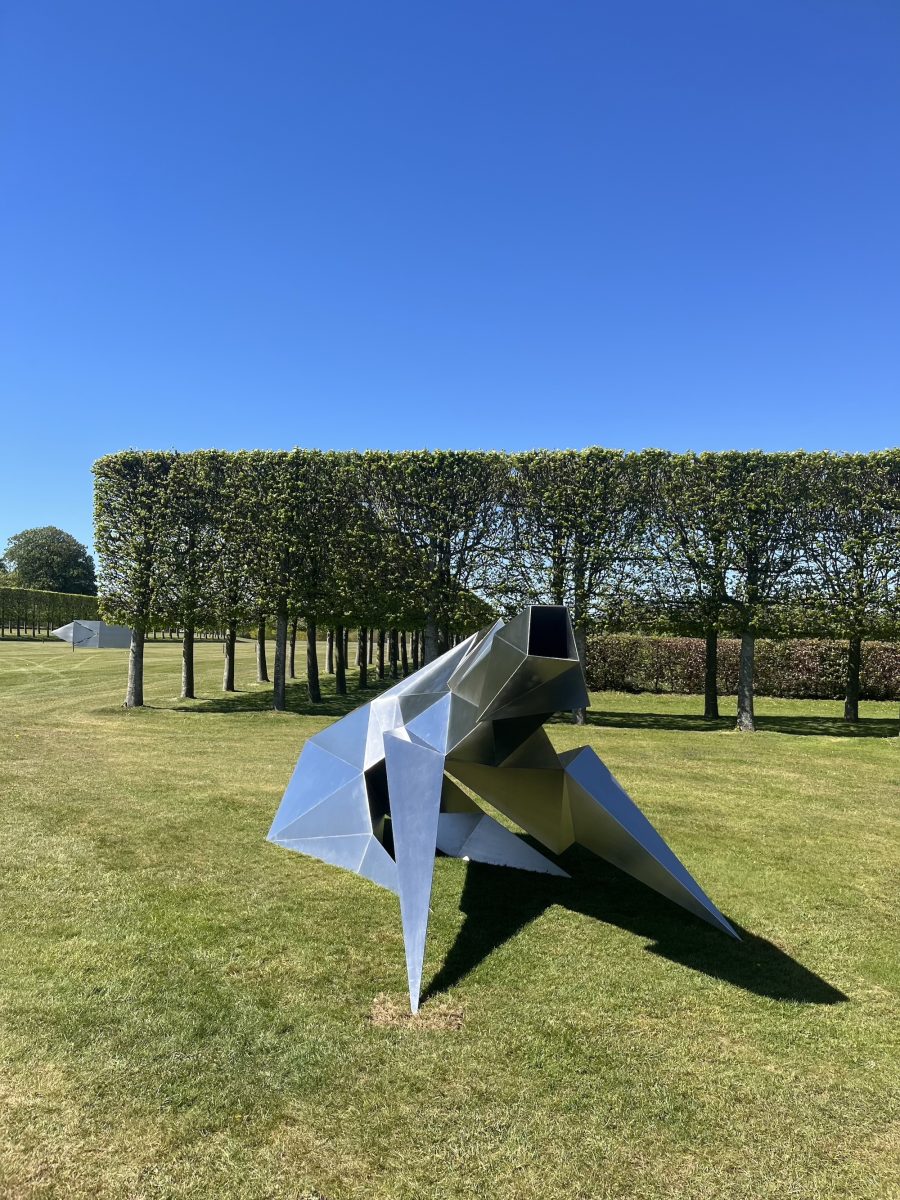
Chadwick’s rise was remarkably swift. Two of his sculptures appeared at the Festival of Britain in 1951, and by 1952 he was included in the British Council’s influential exhibition New Aspects of British Sculpture at the Venice Biennale. Four years later he returned to Venice and won the International Prize for Sculpture, beating Alberto Giacometti and becoming the youngest artist ever to receive the award. Seventy years later, Houghton’s exhibition arrives at an opportune moment to reassess his place within post-war art history.
Particularly striking are the recurring motifs that occupied Chadwick throughout his career. The exhibition includes several of his celebrated “Couples”, faceless figures whose relationships are conveyed entirely through posture and body language, as well as a number of his powerful “Beasts”. Emerging from the anxieties of the post-war era, these animal-like forms combine aggression and vulnerability, appearing both threatening and strangely human. Later works in polished stainless steel demonstrate how Chadwick continued to revisit and reinvent these themes well into the 1990s.
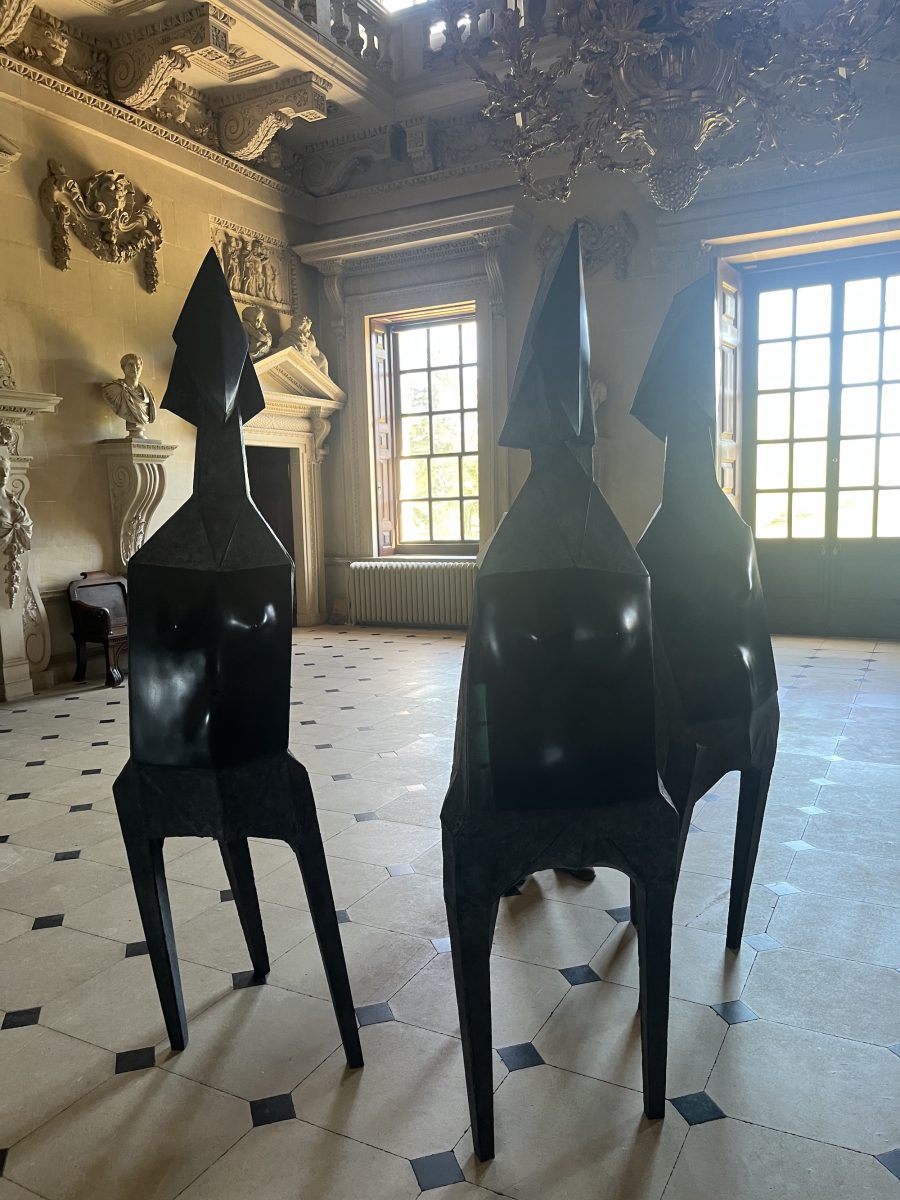
The exhibition also feels particularly well suited to Houghton Hall itself. Over the past decade the estate has established itself as one of Britain’s most significant destinations for contemporary sculpture, hosting acclaimed exhibitions by Richard Long, Damien Hirst, Henry Moore, Anish Kapoor, Antony Gormley, Magdalene Odundo and Stephen Cox. Chadwick’s work joins this lineage while also reinforcing sculpture’s longstanding relationship with the house and its landscape.
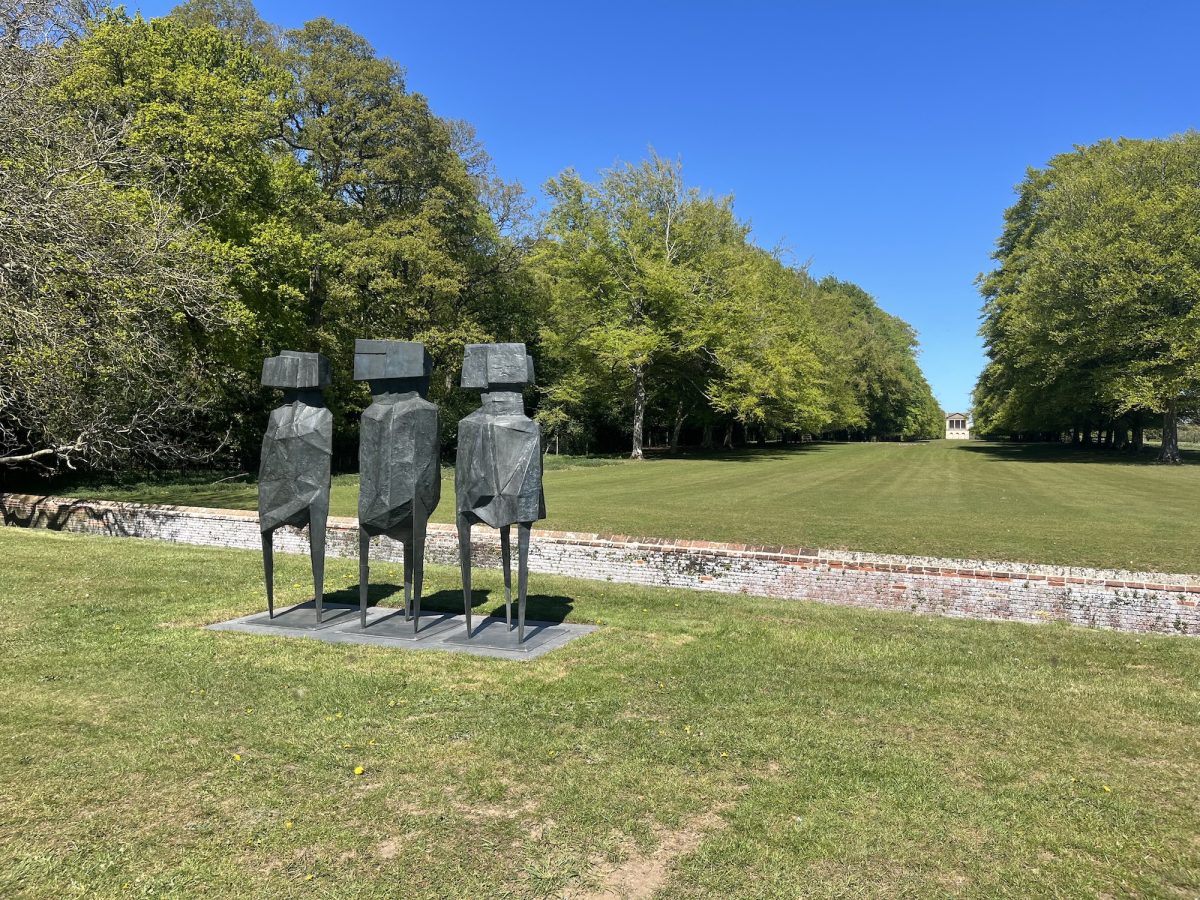
More than twenty years after his death, Chadwick’s sculptures retain their ability to feel contemporary. Their sharp edges, uneasy balances and psychological charge speak as powerfully today as they did in the decades following the Second World War. Seen across the grand rooms and open skies of Houghton Hall, they reveal an artist who understood that sculpture is not simply an object but an active presence within space.
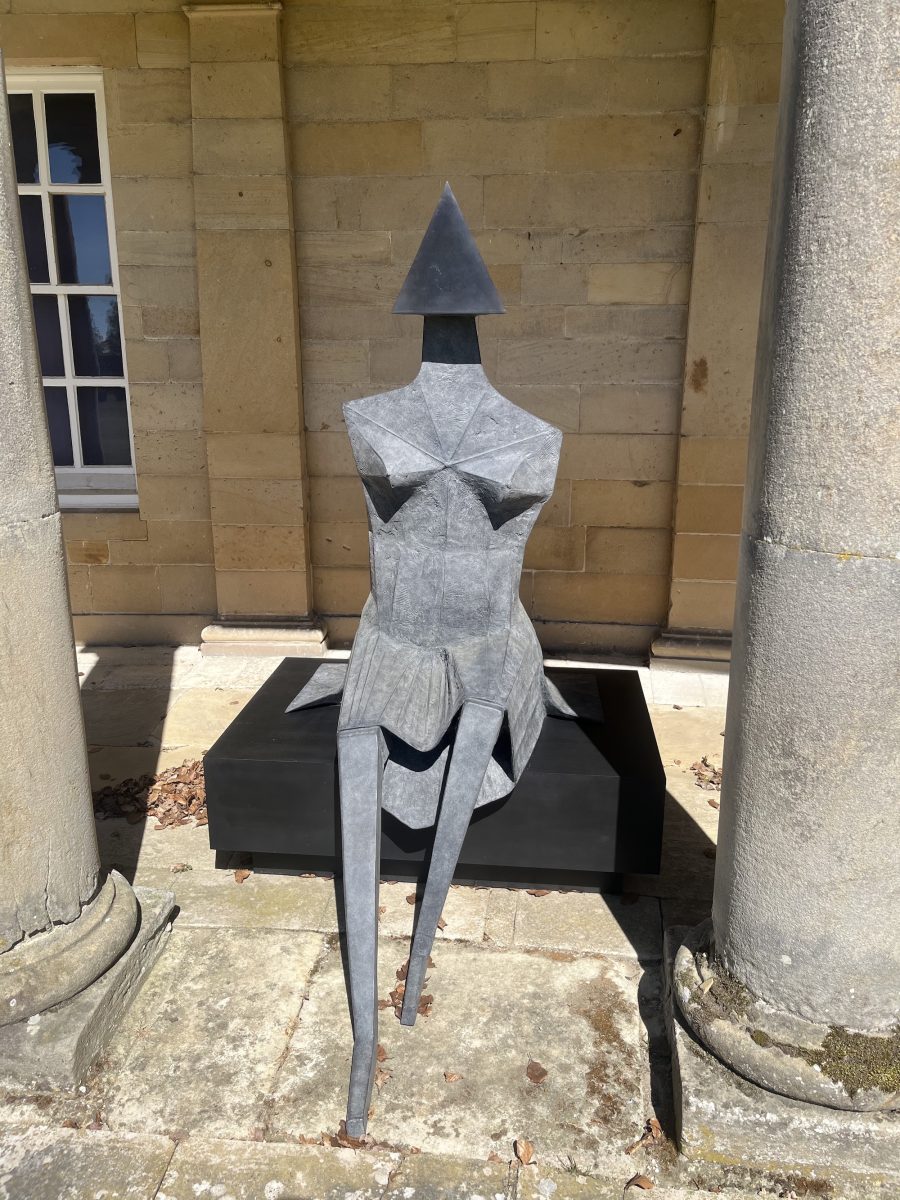
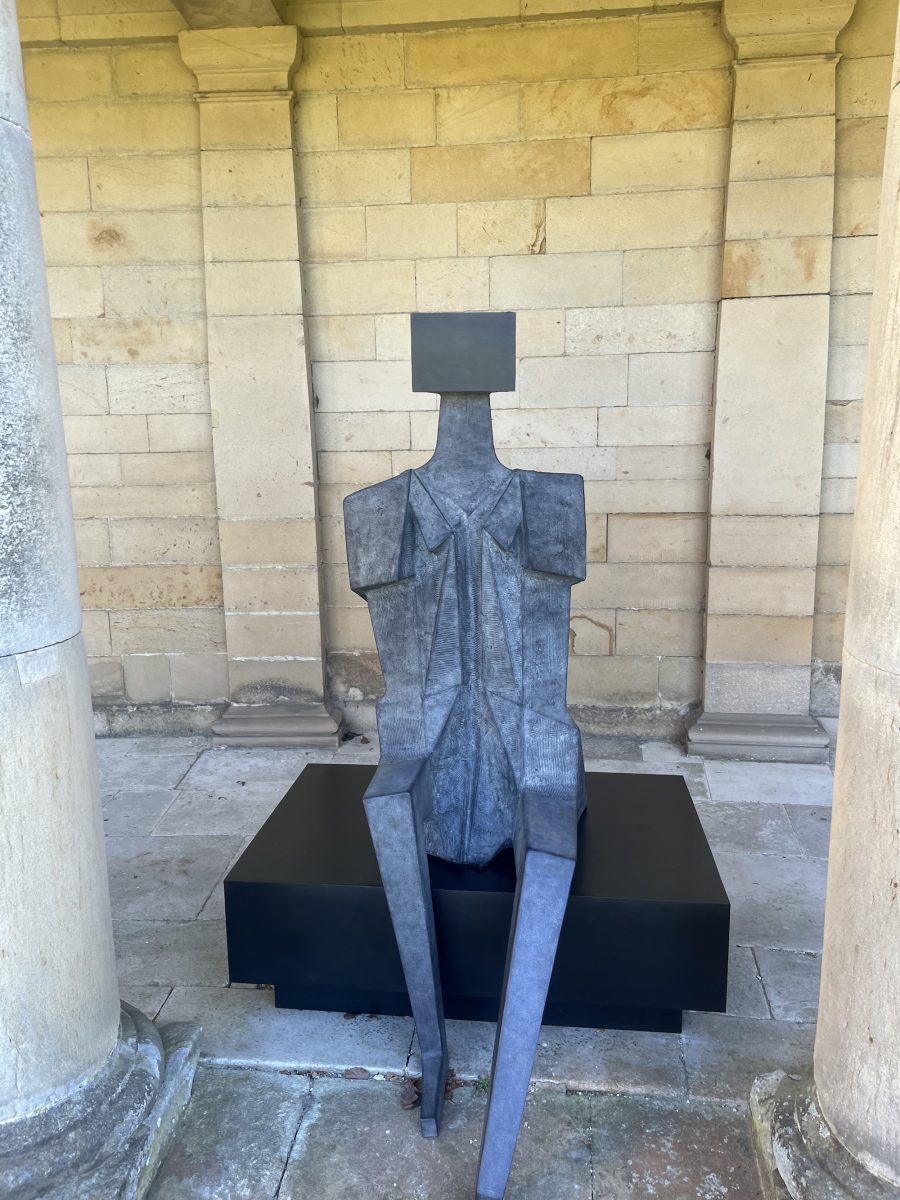
Lynn Chadwick at Houghton Hall, Saturday, 2nd May 2026 – Sunday, 4th October 2026, Houghton Hall
Tickets: £22 when booked online; £24 at the gate. Aged 18 and under go free. Students £10 houghtonhall.com
About the artist
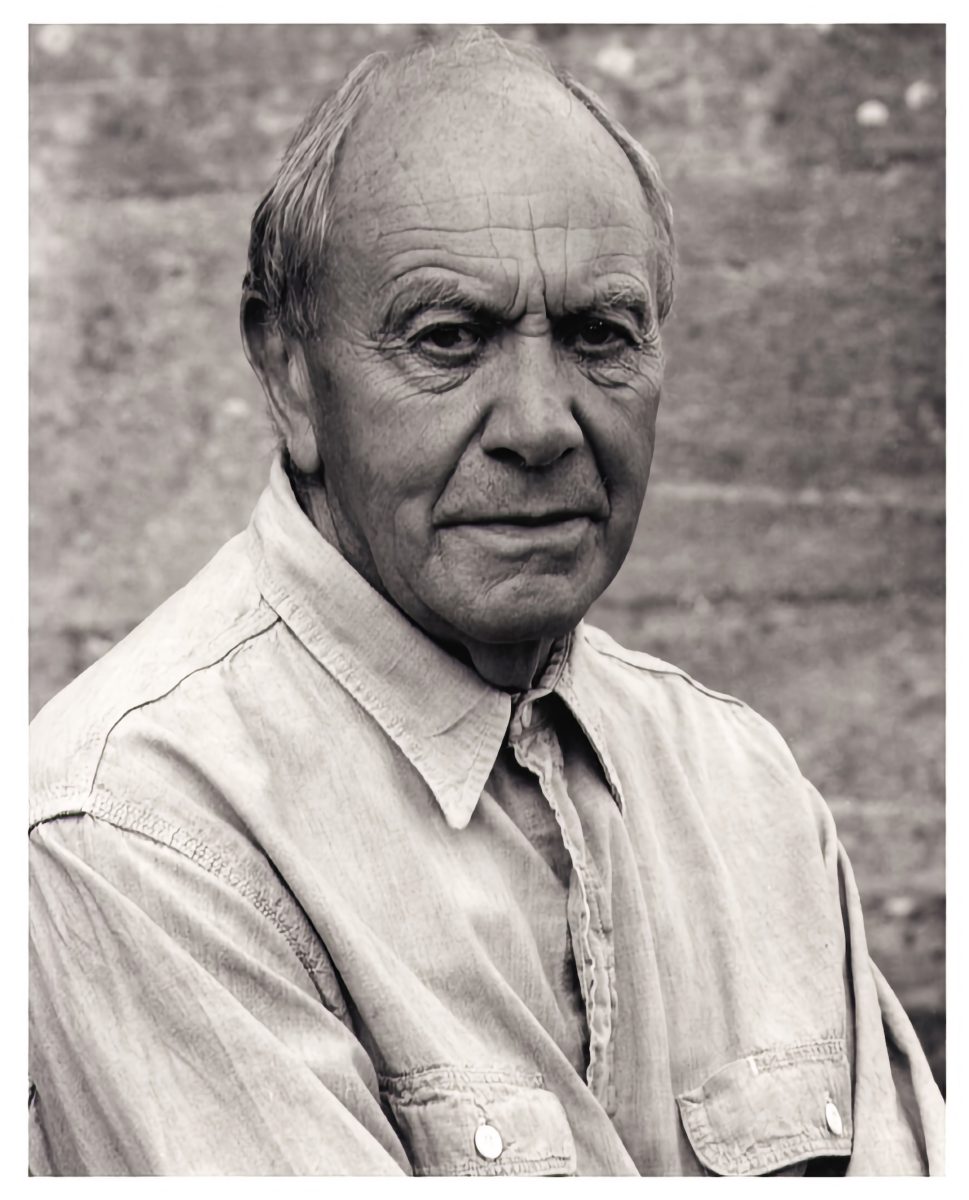
Lynn Chadwick CBE RA (1914, London – 2003, Gloucestershire) came to sculpture through unconventional means, initially working as an architectural draughtsman. He began his sculptural career making mobile constructions for building trade fairs and it was the resulting success of these early mobiles and stabiles, two of which were shown on the South Bank during the Festival of Britain in 1951, that first allowed him to seriously consider becoming a freelance sculptor.
Chadwick’s unique approach was based on construction rather than modelling. First, he welded a linear armature or skeleton onto which he applied a skin, building up the surface to a solid form which would then be cast in bronze. By beginning with an abstract form or ‘space frame’ and investing it with an allusive vitality, Chadwick’s working process is the reverse of most traditional approaches. The results are equally original, and each work has a carefully considered ‘attitude’ communicated through stance, texture and finish. Speaking on the process of making art, Chadwick noted:
“It seems to me that art must be the manifestation of some vital force coming from the dark, caught by the imagination and translated by the artist’s ability and skill… whatever the final stage, the force behind it is… indivisible.”
Chadwick first came to international prominence in 1952 when he was included in the British Council’s New Aspects of British Sculpture exhibition for the 1952 Venice Biennale, alongside Kenneth Armitage, Reg Butler, Bernard Meadows, Geoffrey Clarke, Robert Adam, William Turnbull and Eduardo Paolozzi, a group whose work was labelled by the critic Herbert Read as ‘the geometry of fear’. Representing Britain with a solo exhibition in the 1956 Venice Biennale, he went on to win the International Prize for Sculpture, beating the established favourite, Alberto Giacometti. At 42, he was the youngest sculptor to receive the prestigious prize. Many honours and awards followed this period, and his work was widely collected both privately and by major institutions globally.
In 1958, Chadwick bought an impressive but dilapidated medieval manor house outside Stroud, Gloucestershire. Blessed with space but also faced with the challenges of maintaining a large old building, Chadwick was able to explore creating larger works that could interact with the landscape, later establishing his own personal sculpture park. These large works bridged figurative and geometric abstraction, with the motif of a ‘Couple’ or ‘Watchers’ allowing him to explore the relationships between faceless figures through body language. Another motif to which he was drawn was that of the ‘Beast’, which reflected the broader anxieties in the post-war age. In 1964, he was awarded a CBE and in 2001 was elected a Royal Academician.
During the 1990s, Chadwick revisited his signature beasts, recapturing the spirit of his earlier creations in polished stainless-steel panels. During this period, he also returned to the mobile, this time expanding it to a monumental scale. After a career spanning fifty years, he completed his final sculpture, Ace of Diamonds, in 1996. A major retrospective of his work was held at Tate Britain, London, in 2003. Sadly, Chadwick passed away five months before it opened