David Hockney, one of the most influential and beloved artists of the past century, has died at the age of 88. His representatives confirmed that he passed away peacefully at home on 11th June 2026, one month before his 89th birthday.
Few artists have shaped the visual language of contemporary art as profoundly as Hockney. Across a career spanning more than six decades, he transformed the way we think about painting, photography, landscape, portraiture and, perhaps most importantly, seeing itself.
Born in Bradford in 1937, Hockney emerged in the early 1960s as part of a new generation of British artists. While often associated with Pop Art, he was always something more elusive. His work moved effortlessly between observation and invention, intimacy and spectacle, tradition and experimentation.
For many, Hockney will forever be linked to California. His paintings of swimming pools, bright skies and modern domestic life created some of the defining images of post-war art. Works such as A Bigger Splash and Portrait of an Artist (Pool with Two Figures) became icons of twentieth-century painting, capturing desire, beauty, longing and loss beneath the Californian sun.
Yet those paintings tell only part of the story.
Hockney was one of the rare artists who never stopped changing. He embraced photography when many painters dismissed it, creating his groundbreaking photographic “joiners”. He reinvented landscape painting in Yorkshire, produced monumental panoramas in Normandy, designed opera sets, experimented with fax machines and photocopiers, and became one of the first major artists to fully embrace the iPad as a serious artistic tool. Long before digital art became commonplace, Hockney was already exploring its possibilities.
Throughout it all, his greatest subject remained perception itself.
How do we see? How do we experience space, time and memory? These questions occupied Hockney for decades, whether he was painting a friend, a tree, a swimming pool or an entire season unfolding across the Normandy countryside.
He was also a pioneer in another sense. Openly gay at a time when homosexuality was still criminalised in Britain, Hockney’s work celebrated queer life with a directness and joy that was both personal and quietly radical. His paintings of friends, lovers and chosen family helped expand the possibilities of representation within contemporary art.
What made Hockney exceptional was not simply his technical brilliance or his restless curiosity, but his optimism. At a time when much contemporary art embraced irony and detachment, Hockney remained committed to the pleasures of looking. He found wonder in a flowering tree, a changing season, a familiar face or the quality of morning light.
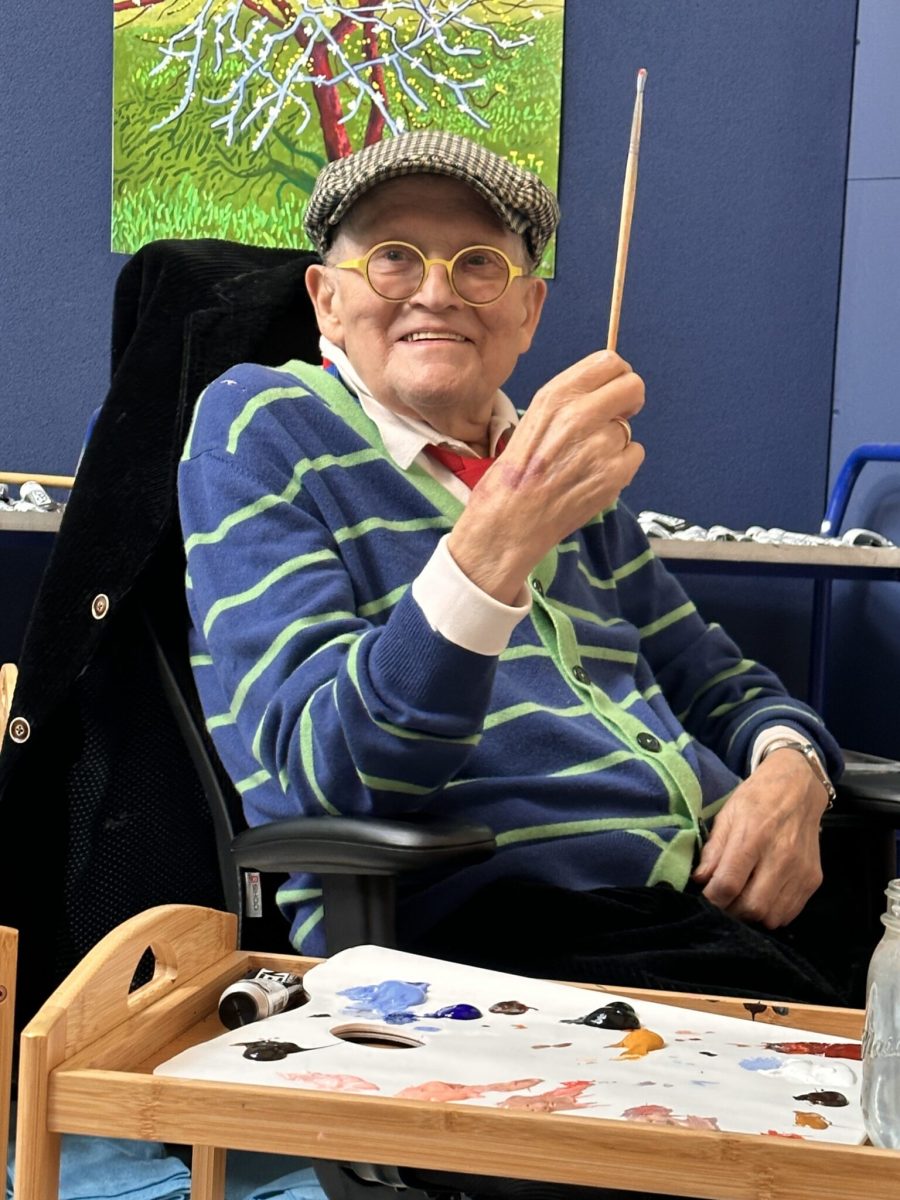
As recently as this year, audiences were still discovering new dimensions of his work through major exhibitions in London and beyond. Even in his late eighties, he continued to paint, draw and experiment, driven by the same curiosity that had defined his practice since childhood.
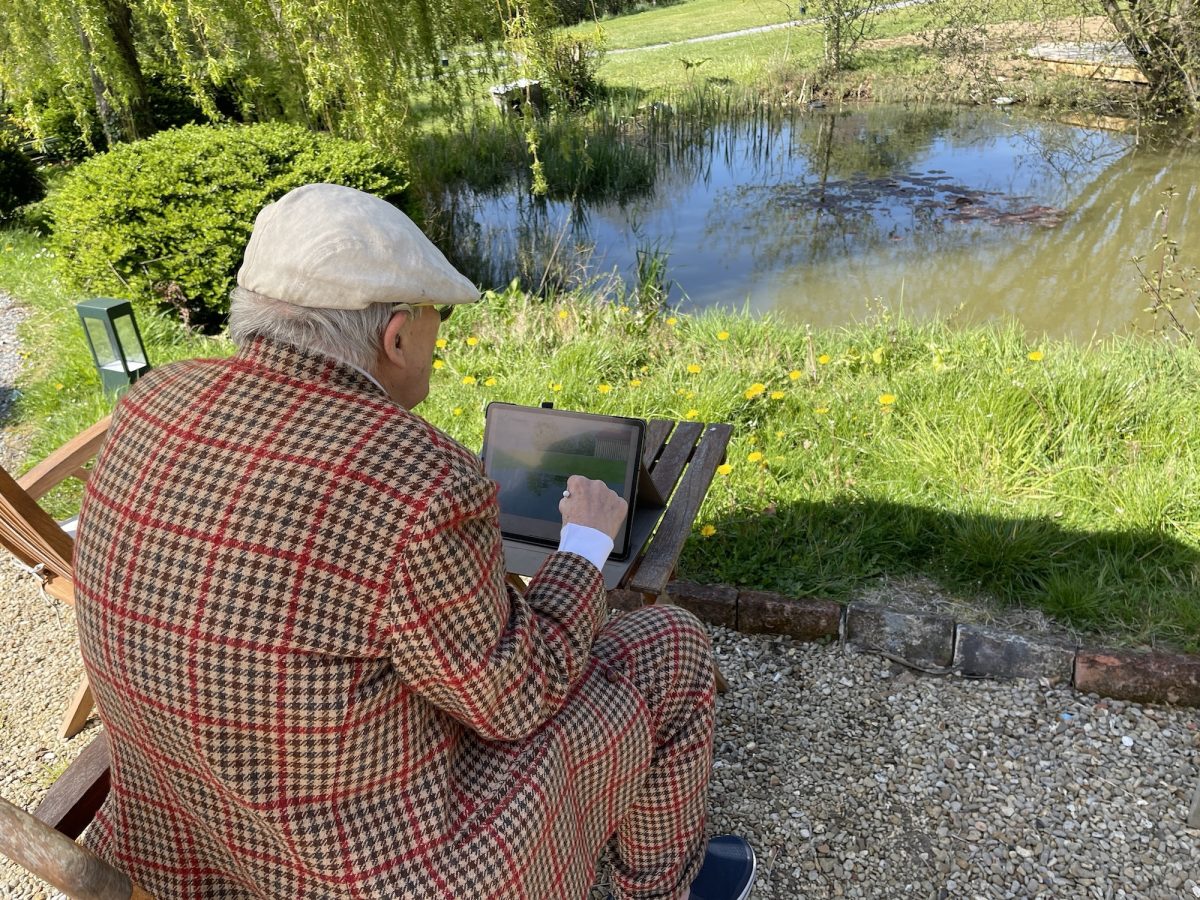
David Hockney leaves behind an extraordinary body of work, but also something rarer: a reminder that art can be intellectually adventurous while remaining deeply human.
His legacy is not simply one of images, but of attention.
He taught generations of artists and viewers alike that looking closely at the world is one of the greatest pleasures we have.
David Hockney
9th July 1937 – 11th June 2026
David Hockney on FAD
David Hockney has been a constant presence on FAD for almost two decades. The first mention of Hockney on the site dates back to 2009, when he was among the earliest major artists experimenting seriously with drawing on the iPhone — a development that would later help redefine digital art for a new generation.
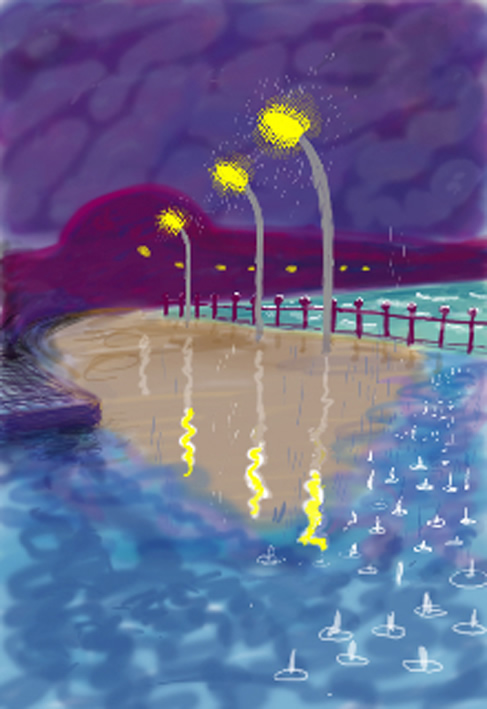
Since then, FAD has published more than 340 articles about, or featuring, Hockney. They have traced his Yorkshire landscapes, his iPad drawings, his exhibitions in London, Paris and Normandy, his investigations into perspective, photography and optics, and his unwavering belief in the importance of looking closely at the world.
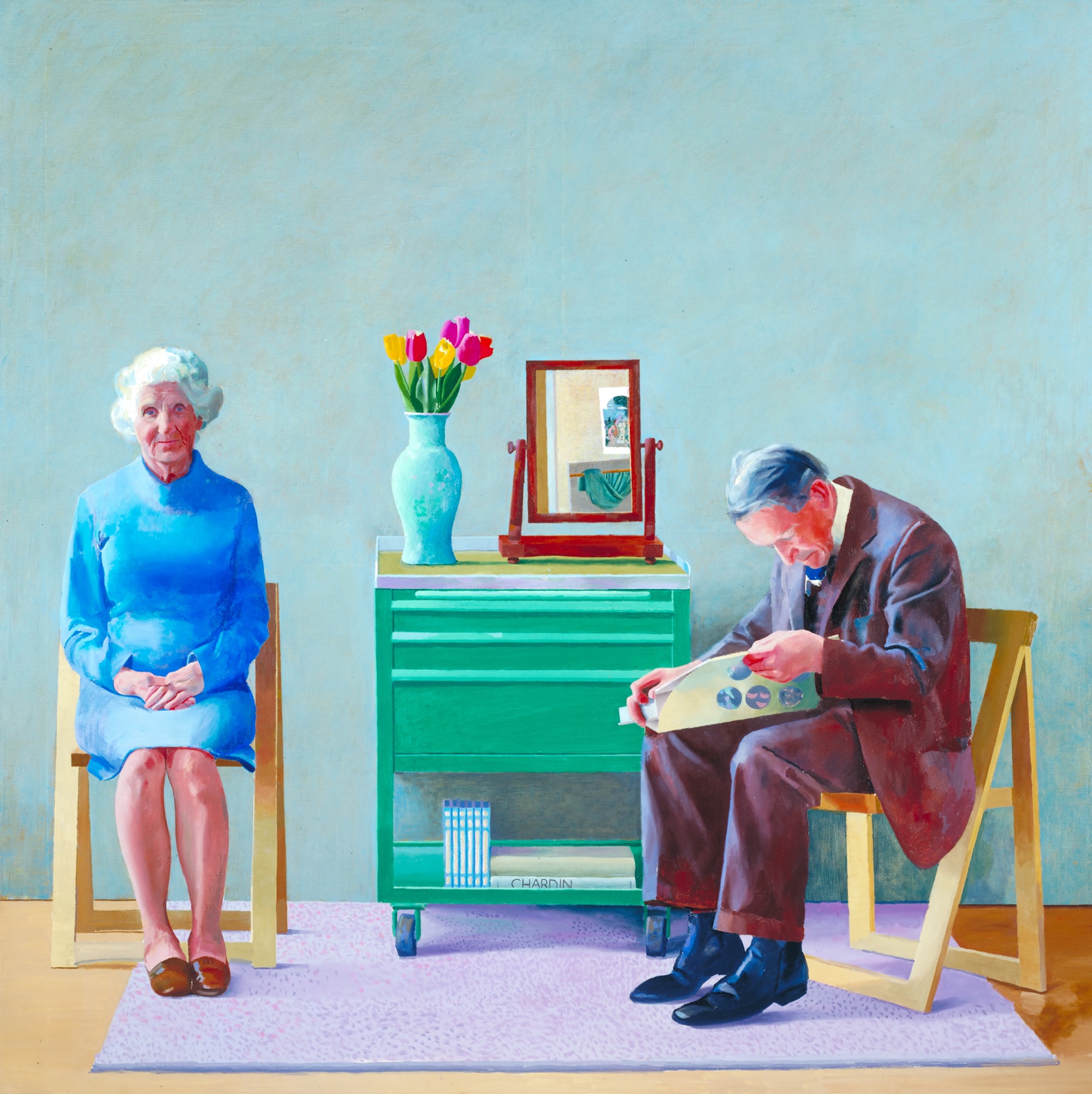
Fittingly, one of the most recent Hockney stories on FAD reported Tate’s double celebration of David Hockney’s 90th birthday across Tate Modern and Tate Britain in 2027. Even in his late eighties, Hockney was still making new work, still exhibiting and still challenging audiences to rethink how they see.
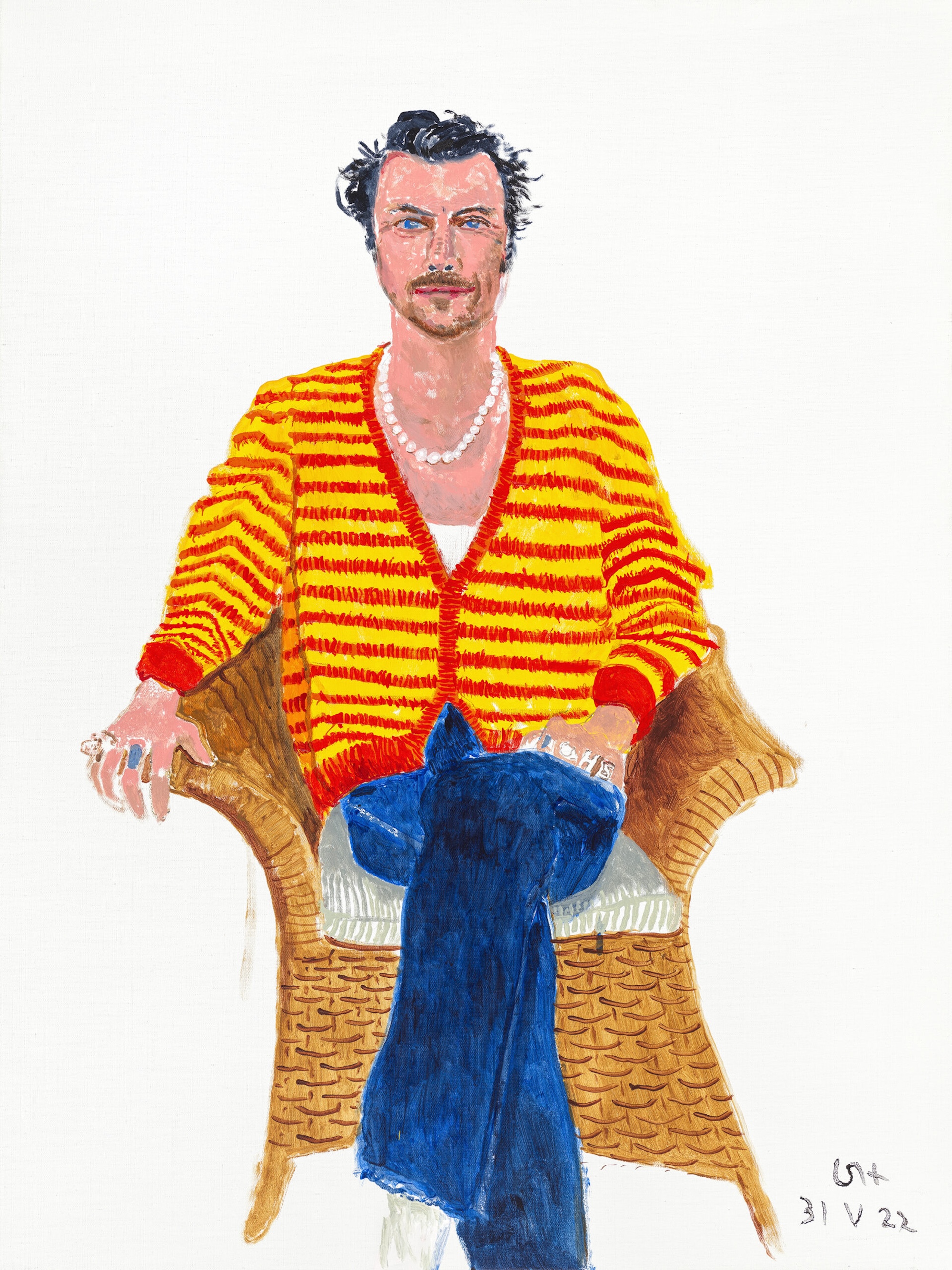
Photo Credit: Jonathan Wilkinson
Across seven decades of artistic production, David Hockney never stopped being curious. That curiosity remains one of his greatest legacies.
Full Chronology: thedavidhockneyfoundation.org/chronology