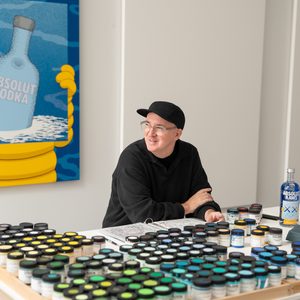
The title of the exhibition, Creative Cross-Pollination, takes its inspiration from the natural world. Just as pollen travels between different plants to create new species, the project asks whether traditional craftsmanship and contemporary creativity can also “cross-pollinate” – generating new possibilities through collaboration across generations, disciplines, and ways of thinking.
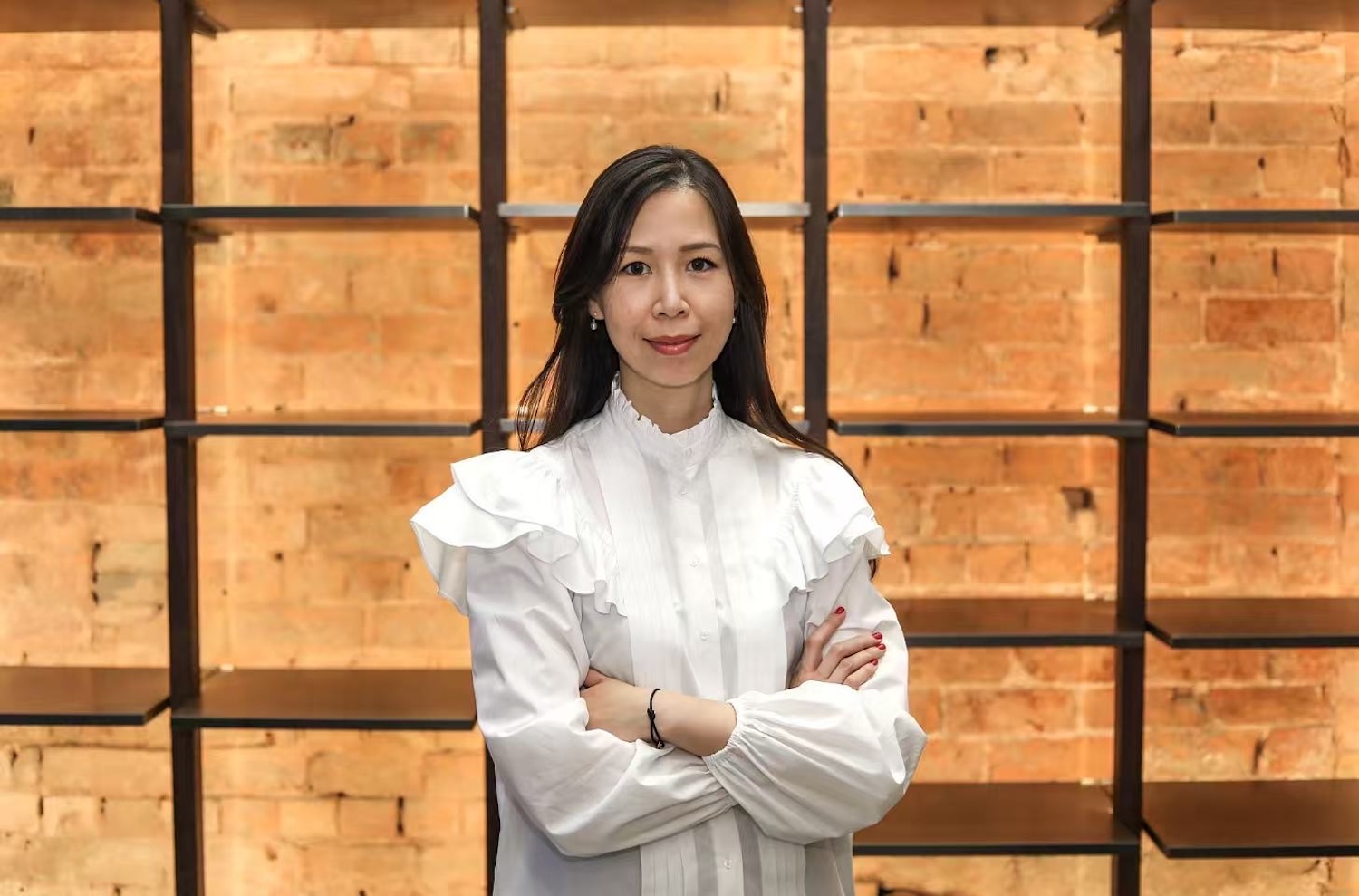
“We started from this simple question,” explains Penelope Luk, Creative Director of Crafts on Peel and curator of the exhibition. “In nature, different plants cross-pollinate and create something entirely new. So in the creative industry, can we do the same?”
At the centre of the project is a long-term effort by Craft on Peel to connect traditional master artisans – or sifu – with younger artists and designers. Since the project began in 2017, the team has spent nearly a decade exploring how endangered crafts might continue to exist within a contemporary artistic context.
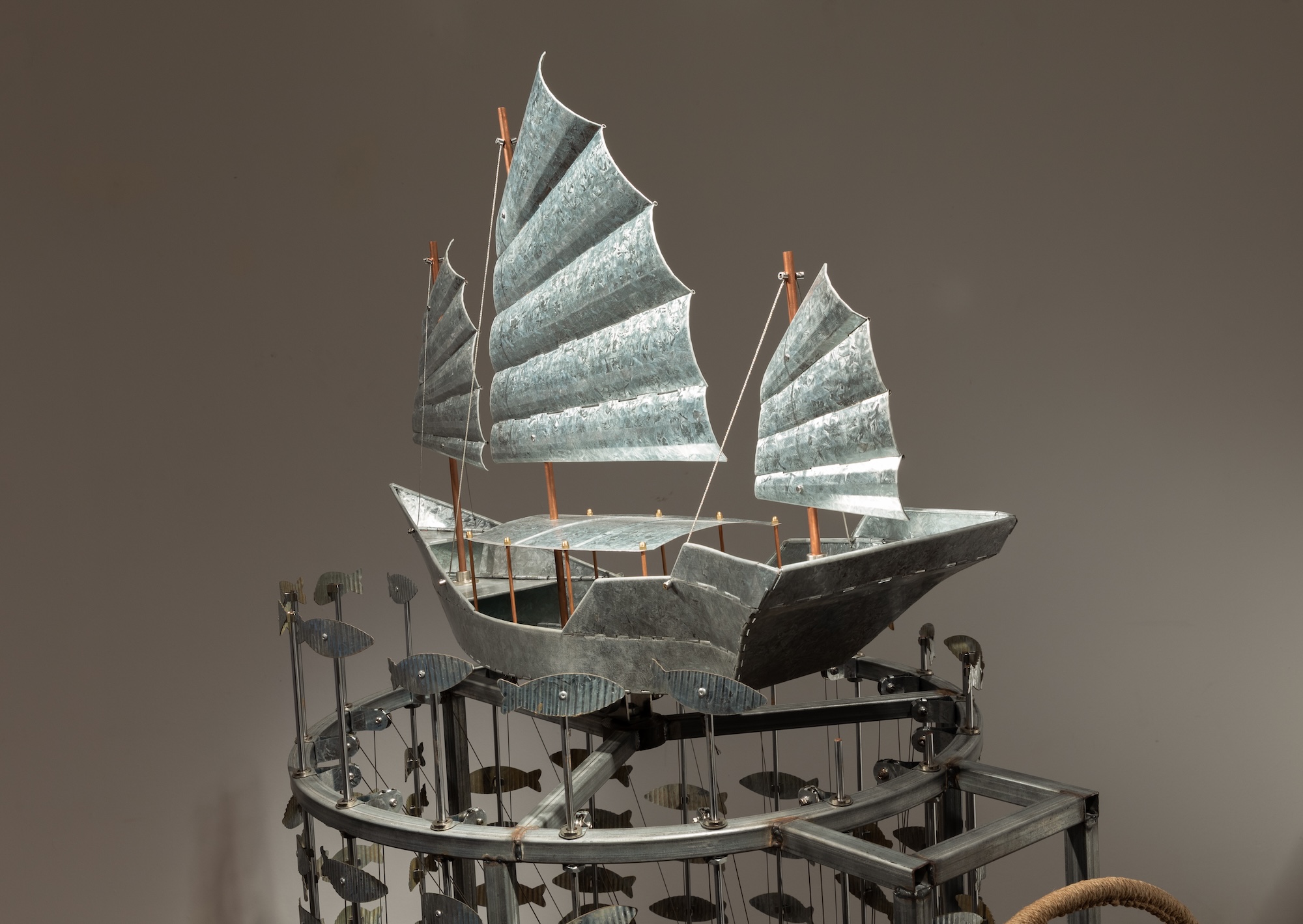
“My job is to meet the master artisans first,” Luk says. “Because we are chasing after time.”
Many of these crafts are disappearing as older generations retire without successors. For years, Luk and her team repeatedly visited craftsmen who initially refused to participate.
“Some artisans said no for five years,” she recalls. “At first they didn’t understand why contemporary artists wanted to work with them. They would say, ‘You are doing art – it has nothing to do with us.’ But we kept going back.”
Over time, those relationships slowly changed. As the artisans approached retirement age, many began reconsidering the future of their knowledge.
“They started to regret not passing things on,” Luk explains. “Some of them later came back and called me, saying: ‘Ten years ago I said no, but now do you still have someone who wants to learn?’”
This emotional turning point became one of the foundations of the project. Rather than preserving craft purely through documentation or institutional programmes, Luk believes the most meaningful transmission happens through direct human exchange.
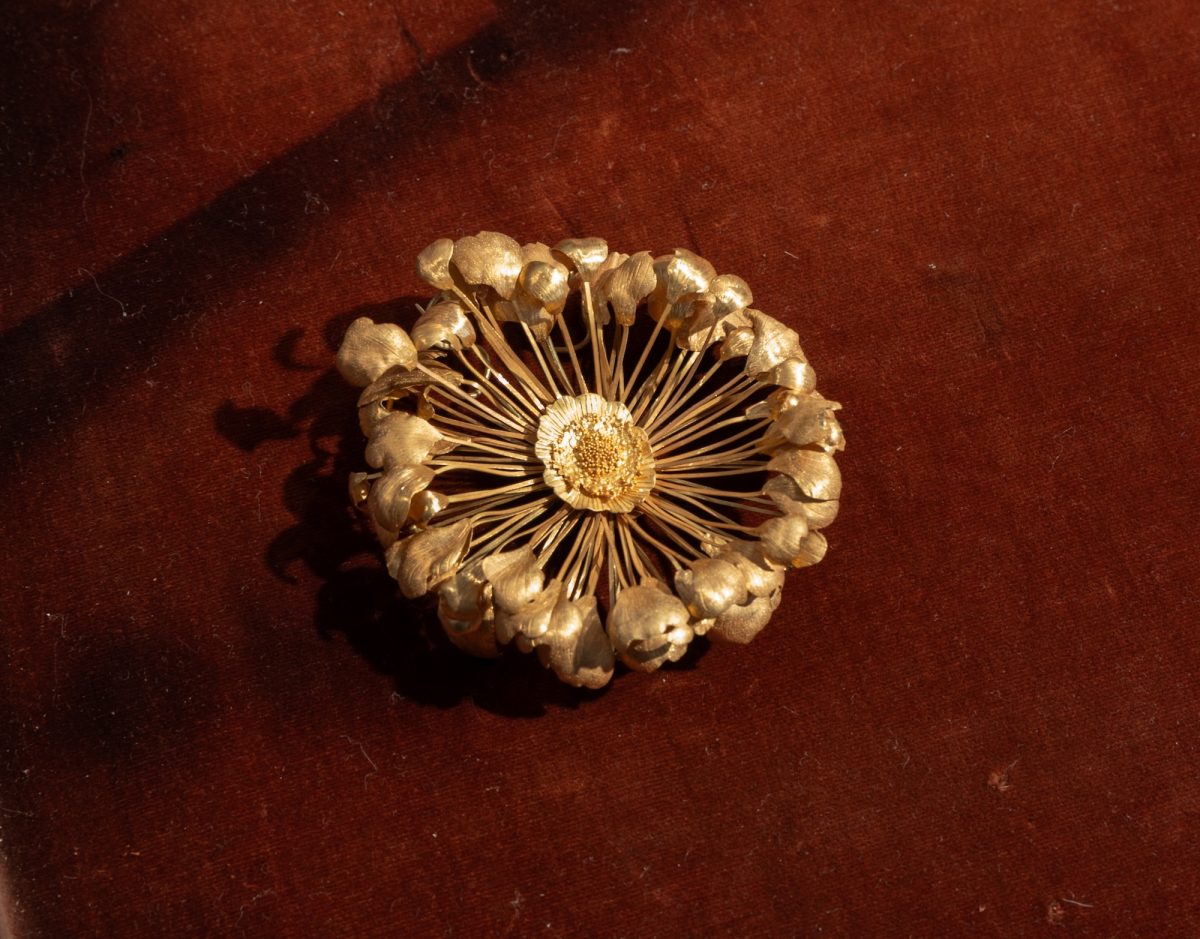
“The proper way is to connect the sifu with the younger generation,” she says. “But it is very emotional, because why would a master teach someone they don’t know? There is no family relationship.”
For many craftsmen, the dilemma is deeply personal. After a lifetime of hardship, some do not want their children to inherit the trade, hoping instead that they pursue more financially stable professions. Yet at the same time, they fear their knowledge disappearing entirely.
This tension shaped the collaborative structure of Creative Cross Pollination. The project functions less as a formal apprenticeship system and more as a space for encounter – a “matchmaking process” between generations.
“We are facilitating this exchange,” Luk explains. “And it becomes beneficial to both sides.”
The younger participants gain access not only to technical knowledge, but also to the philosophies, rhythms, and spiritual attitudes embedded within traditional making processes.
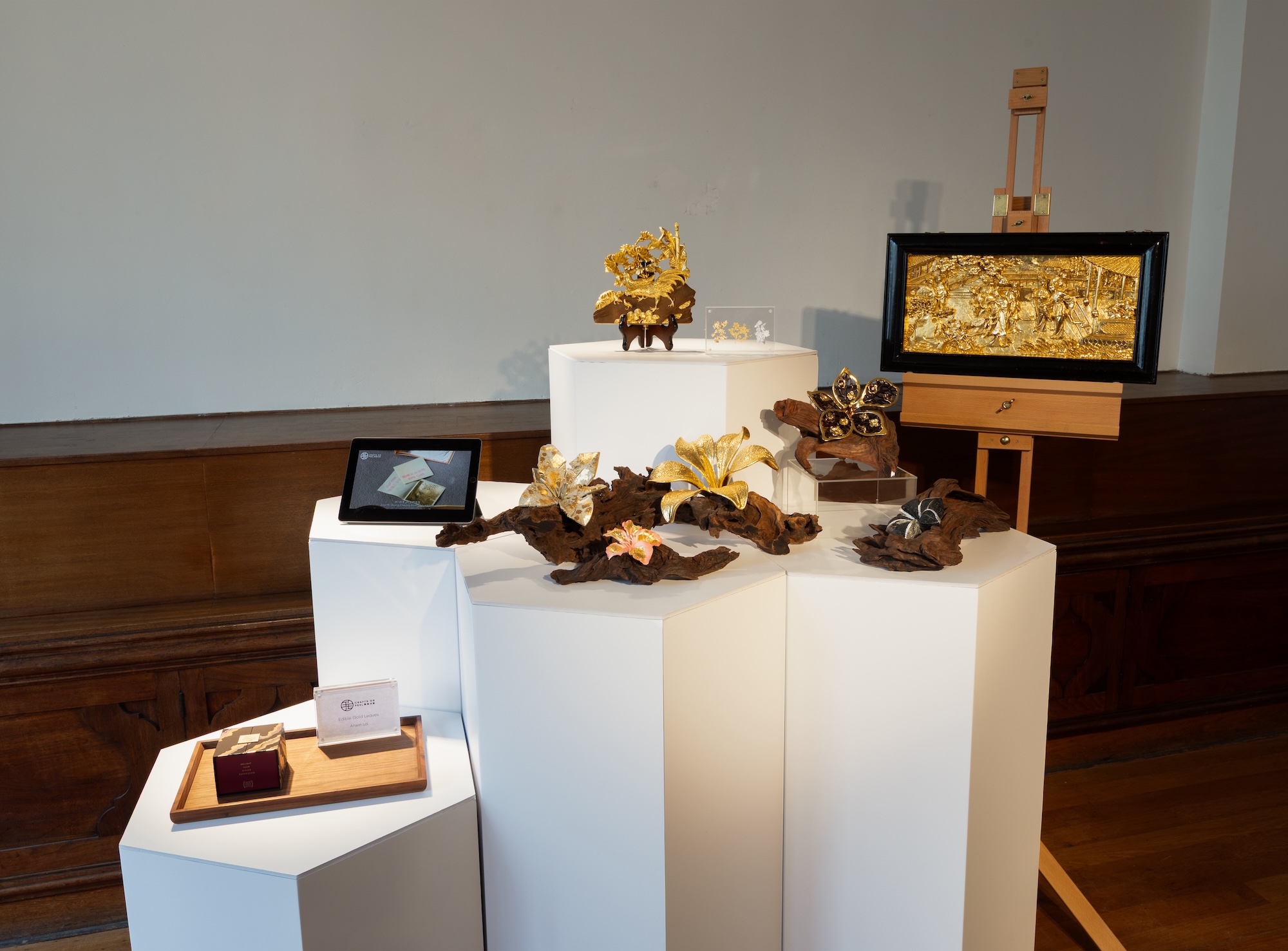
“You can read books and learn the techniques step by step,” Luk says, “but it is completely different when the craftsmen physically guide the younger generation with their hands. They are sharing not only the skill, but also the spirit behind it.”
At the same time, the master artisans themselves begin to see their practices differently through the eyes of younger artists responding to contemporary culture.
“After teaching the younger generation and understanding the needs of modern society, their perspective also shifts,” she explains. “That is something we find fascinating.”
Luk also discussed the importance of building long-term educational structures around these exchanges, especially for younger women entering the creative industries. Rather than treating craft as a nostalgic or static practice, the project imagines it as something adaptive, experimental, and connected to contemporary life.
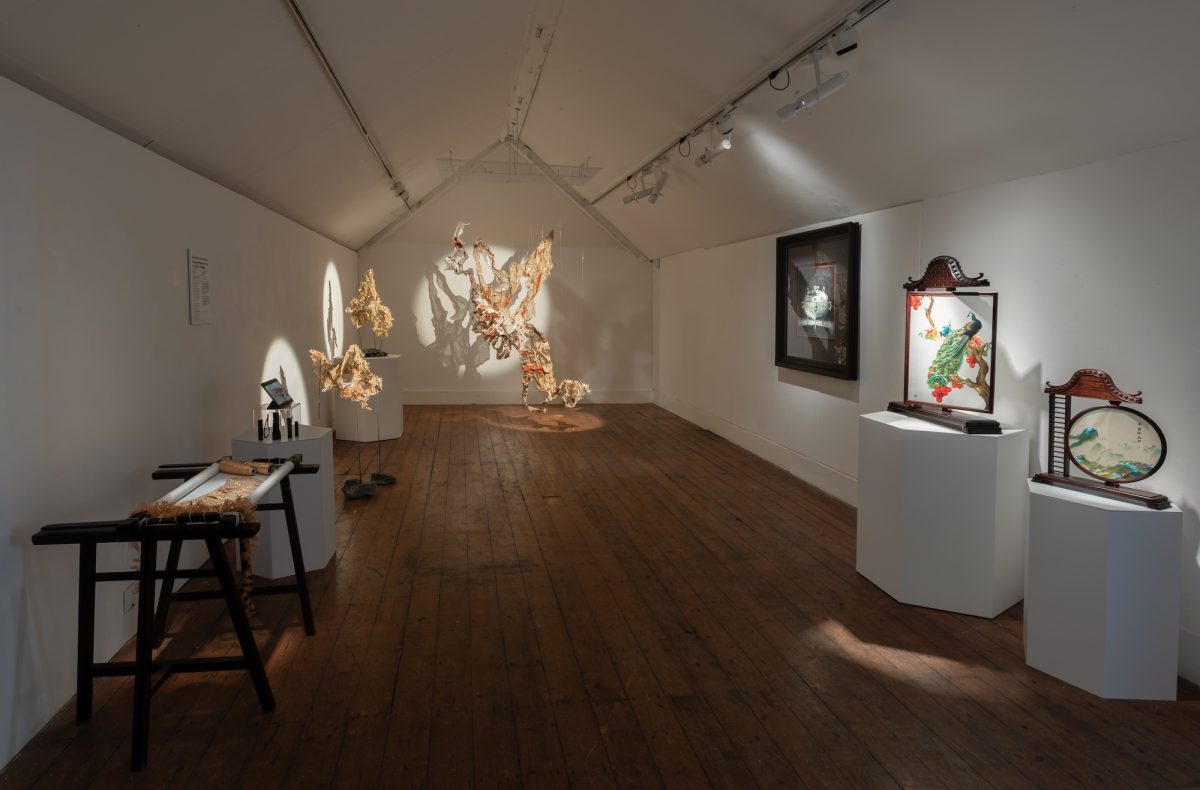
“We have to use imagination, curiosity, and courage,” she says. “We cannot simply repeat the past. We need to look at history in order to think about the future.”
Over the past decade, Craft on Peel has collaborated with more than eighty traditional craft practitioners, helping sustain workshops and create new collaborations between artisans and contemporary creatives.
“We are not the only organisation doing this,” Luk notes. “There should be more organisations supporting emerging artisans who have the courage, patience, and passion to continue these crafts.”
When asked what the most fascinating part of the exhibition has been, Luk returns not to the finished objects, but to the human relationships formed through the process.
“The most fascinating moment is when the master artisans truly open their hearts,” she says. “They spent their entire lives honing a single skill, and then generously shared everything they learned with people they barely knew.”

For Luk, this act of transmission represents more than preservation. It suggests a future model for contemporary craft itself – one rooted not in static heritage, but in dialogue, exchange, and transformation.
“We believe this is the future of contemporary craft,” she concludes. “Without these exchanges, many of these skills would disappear. But through collaboration, they continue to evolve.”