A new social enterprise is stepping in to tackle one of the art world’s biggest challenges: turning climate ambition into action.
Launching on Earth Day 2026, Climate Action Services International (CASI) positions itself as a hands-on consultancy designed to help visual arts organisations implement real, measurable environmental change. Moving beyond pledges and frameworks, CASI focuses on the practical realities of how institutions, galleries and cultural organisations operate day to day.
The initiative arrives at a moment when the sector has already made visible commitments — with thousands of organisations joining the Gallery Climate Coalition and adopting emissions targets — but where translating those ambitions into operational systems remains uneven.
CASI’s model is built around that gap. Working across both commercial and non-profit organisations, it offers carbon measurement aligned with international standards, science-based decarbonisation strategies and tailored support across logistics, production, procurement and governance. The aim is not just to reduce emissions, but to embed environmental responsibility across the full structure of how organisations function.
The consultancy emerges from a pilot phase that has already supported institutions including English Heritage, Hauser & Wirth and Art Fund — signalling both the scale of demand and the complexity of implementation.
Environmental action in the arts is rarely straightforward. It requires a combination of systems thinking and sector-specific knowledge, often stretching organisations that lack the time or internal expertise to manage change across multiple layers at once. CASI’s approach reflects that complexity, addressing not only emissions but also resource use, circularity, exhibition-making and organisational behaviour.
Heath Lowndes, founding partner of CASI and co-founder of the Gallery Climate Coalition, describes the wider role the arts can play:
“The arts have an extraordinary ability to shape culture, and culture in turn shapes behaviour, values and public discourse. That gives the art world a unique role in responding to the climate crisis. This is not just about reducing emissions. It is about influence, storytelling and demonstrating environmental responsibility. Art can engage people in ways that go beyond data and politics, making complex issues human and immediate. CASI was created to help organisations act on that responsibility, supporting the sector to move from intention to meaningful, tangible change.”
Crucially, CASI operates as a social enterprise, with revenue reinvested into the Gallery Climate Coalition’s wider mission — aligning strategic guidance with implementation while prioritising long-term public benefit over profit. In this sense, it positions itself not as a standalone service, but as part of a broader ecosystem of change within the arts.
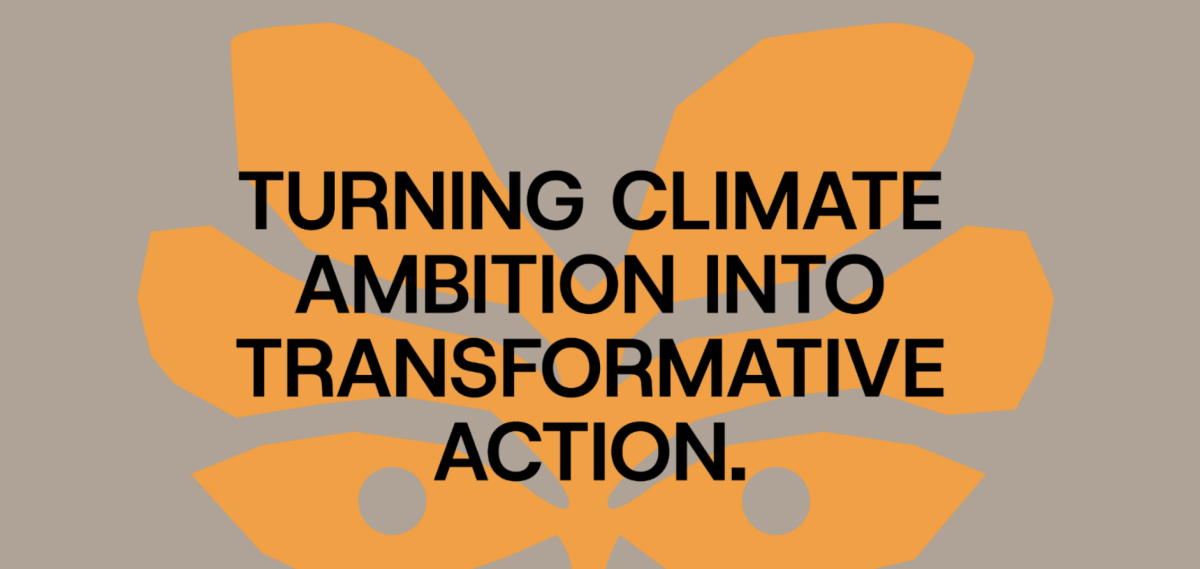
The organisation also reflects a shift in tone around sustainability. Rather than framing environmental responsibility through alarm or guilt, CASI has worked with TEMPLO to develop a visual identity that sits comfortably within the cultural sector, suggesting a more integrated and forward-looking approach.
If the last decade has been about commitment, CASI signals a move into a new phase — one defined less by targets and more by delivery. In an art world increasingly aware of its environmental footprint, the question is no longer whether change is needed, but how it is enacted.
About CASI
CASI is a social enterprise providing environmental consultancy, training and implementation support to the global visual arts sector. Developed by the team behind GCC, CASI delivers tailored strategy and hands-on support to organisations reducing their environmental impact and embedding responsible practice within a more resilient and climate-conscious cultural future.