A group of leading Los Angeles art institutions has announced a joint commitment to climate action through the adoption of the Bizot Green Protocol, a set of sustainability guidelines designed to reduce the environmental impact of museums while protecting artworks and cultural collections.
The consortium includes Getty, Los Angeles County Museum of Art, Museum of Contemporary Art, Hammer Museum and Hauser & Wirth.
Originally introduced in 2015 by the Bizot Group, the Bizot Green Protocol proposes more flexible environmental standards for temperature and humidity in museum spaces, alongside broader measures to reduce carbon emissions across exhibitions, loans and operations. The recommendations have been revised several times to reflect the urgency of climate change and the evolving needs of museums responsible for the long-term care of artworks.
“This is the first time that Los Angeles art institutions have announced together their commitment to these recommendations, and it is our hope that it will motivate others to commit as well,”
Camille Kirk, sustainability director at Getty, speaking on behalf of the group.
The announcement comes at a moment when climate change is increasingly affecting the cultural sector. In a joint statement, the institutions noted that recent Los Angeles-area wildfires—while not directly caused by climate change—were intensified by environmental conditions linked to it, highlighting the vulnerability of cultural infrastructure and artistic communities.
The institutions say the new initiative will involve experimentation with wider climate-control parameters for temperature and relative humidity, alongside revised criteria for art loans, exhibition production and travel. The aim is to significantly reduce energy consumption while maintaining the long-term safety of collections.
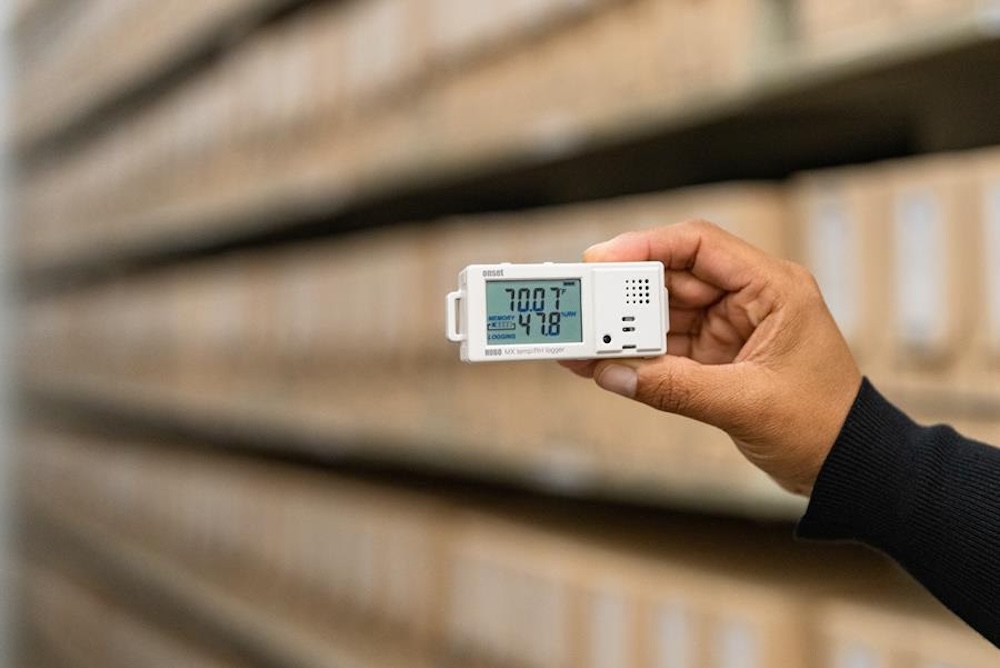
For decades, museums have maintained tightly controlled environmental conditions to prevent damage such as warping, fading and mould. However, these standards are energy intensive, and many museum leaders now question whether such strict parameters are always necessary.
Research from the Getty Conservation Institute has played a central role in developing the Bizot Green Protocol through its Managing Collection Environments initiative, which investigates sustainable approaches to collection care and storage.
Several institutions are already piloting new approaches. At LACMA, the protocol has informed the design of the forthcoming David Geffen Galleries, which aim to balance flexible climate zones with improved energy performance and reduced construction emissions. The new building is designed to achieve LEED Gold certification and incorporates low-carbon materials, radiant heating and cooling systems and natural ventilation.
At MOCA, the museum has begun testing expanded environmental parameters in its galleries as part of an institution-wide effort to reduce energy use. The initiative was first trialled at The Geffen Contemporary during Olafur Eliasson: OPEN, before expanding to additional galleries.
The Hammer Museum has already incorporated the Bizot guidelines into exhibitions and programming, including the climate-focused project Breath(e): Toward Climate and Social Justice. Meanwhile, Hauser & Wirth Los Angeles has been experimenting with operational changes such as overnight HVAC shutdowns, wider temperature ranges and seasonal adjustments to climate systems, reporting measurable reductions in energy consumption.
The joint commitment builds on the Climate Impact Program, developed by artist Debra Scacco and consultant Laura Lupton, which launched under Getty’s PST ART: Art & Science Collide initiative. A report from the programme was released in late 2025 and has informed sustainability strategies across Southern California’s cultural institutions.
While each organisation will implement the guidelines in ways tailored to its own collections and facilities, the group emphasises that collaboration and knowledge-sharing will be essential.
Together, the institutions say the goal is to reduce the cultural sector’s environmental footprint while ensuring museums can continue their core mission: conserving and presenting cultural heritage for future generations.