Thaddaeus Ropac London, to present Listening + Looking, a solo exhibition by Not Vital.
Spanning almost two decades of the Swiss artist’s practice, the exhibition brings together a selection of sculptures from 2009 to the present and his latest series of painted self-portraits, exemplifying Vital’s multidisciplinary approach and his alternative – at times humorous and illogical – strategies of representation.
Rooted in the natural landscape of his native Engadin valley and shaped by the rhythms of his nomadic lifestyle, Vital’s work engages with questions of habitat and environment, as well as the intersections between painting, sculpture and architecture. Over the course of his career, he has challenged traditional notions of depiction, often adopting unconventional logics to represent the human form in its most essential and economic terms.
Since his earliest works, he has treated the body not as a fixed, hermetic object, but as a site of symbiotic exchange between selfhood and environment. In Listening + Looking, this relationship is explored in works that are at once playful and contemplative, as Vital moves between the frameworks of painting and sculpture to expand and ultimately fuse the two.
Noses and ears recur throughout the exhibition to create a distinctly surrealist tenor: they duplicate across the surfaces of sculptures to form irrational, dreamlike anatomies; or protrude from canvases as ‘real’, three-dimensional elements within painted worlds. Abbreviated from the body, and yet capable of representing it, these motifs form part of a sculptural shorthand that Vital has developed over more than four decades.
He first began taking life casts of human and animal body parts in the 1980s, using concise fragments – tongues, feet, hands, hearts and noses – as metonyms, standing in for the body in its entirety. In Untitled with 1 Ear (2015) and Self-Portrait as a Table (2025), the body is communicated through the mere presence of ears. In the former, an enormous ceramic vessel rests on its side, displaying a pincer-sharp base, gaping mouth and single ear in place of a handle. In the latter, a tall, veined marble table is adorned with polished ears.
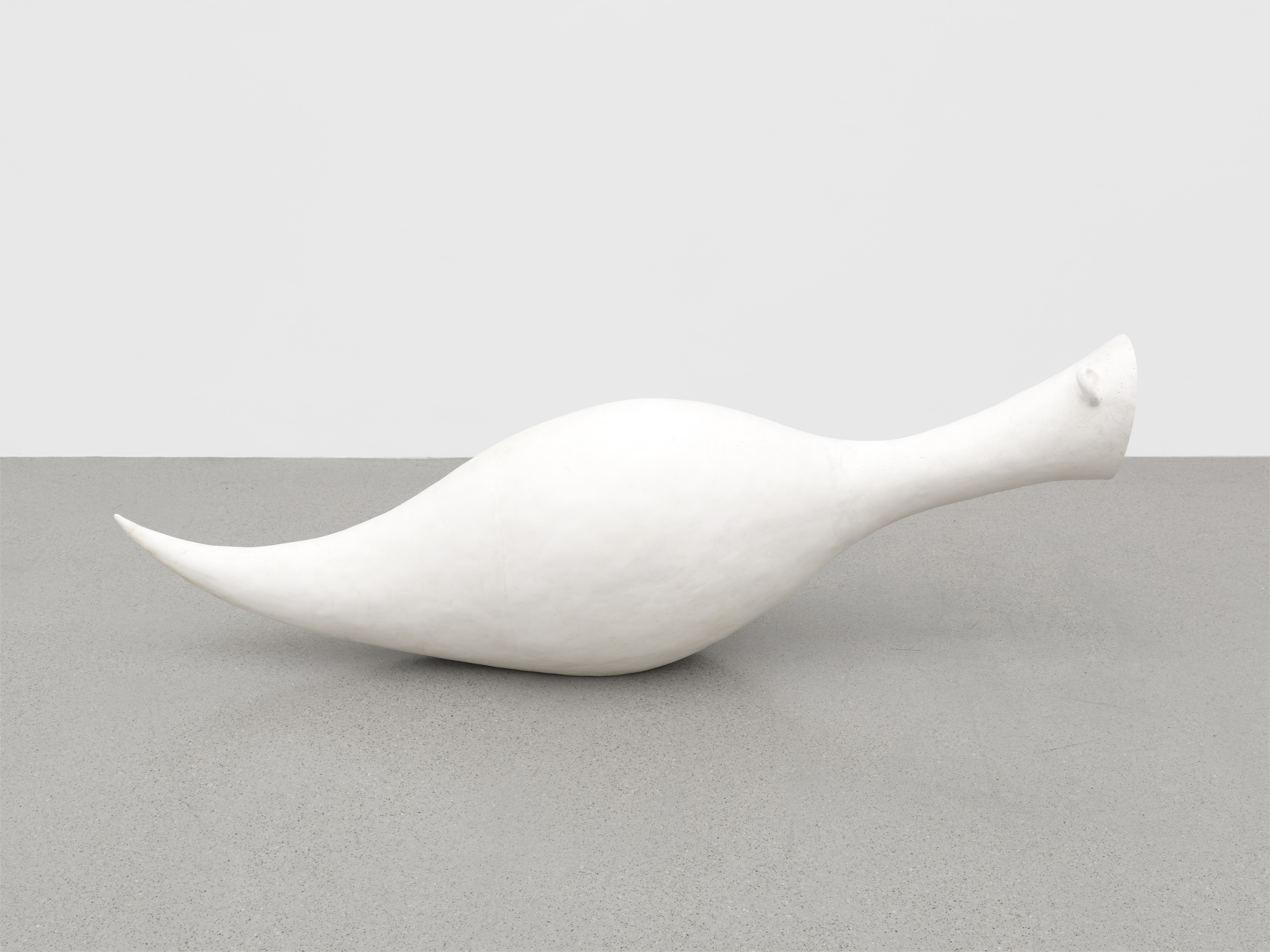
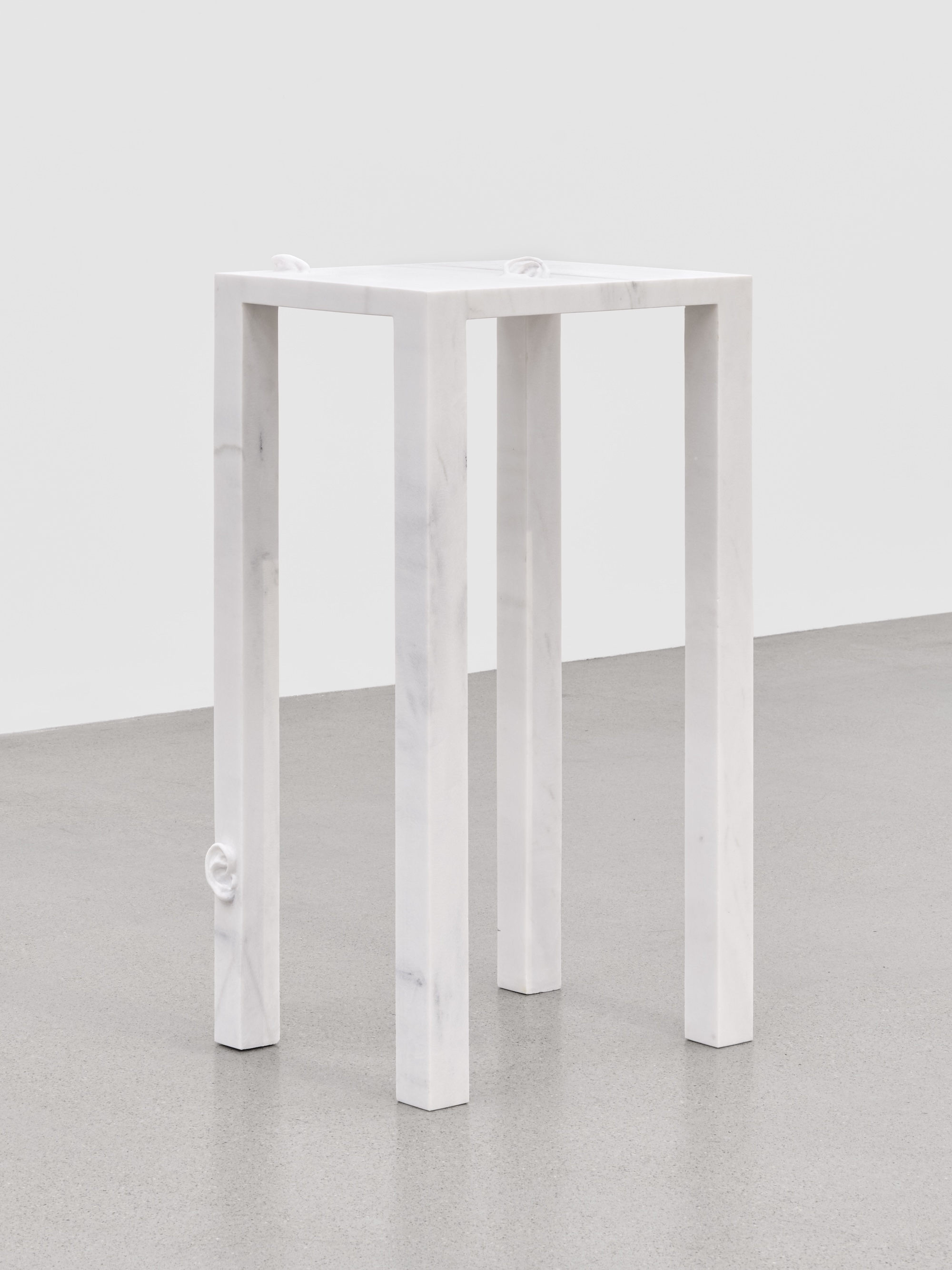
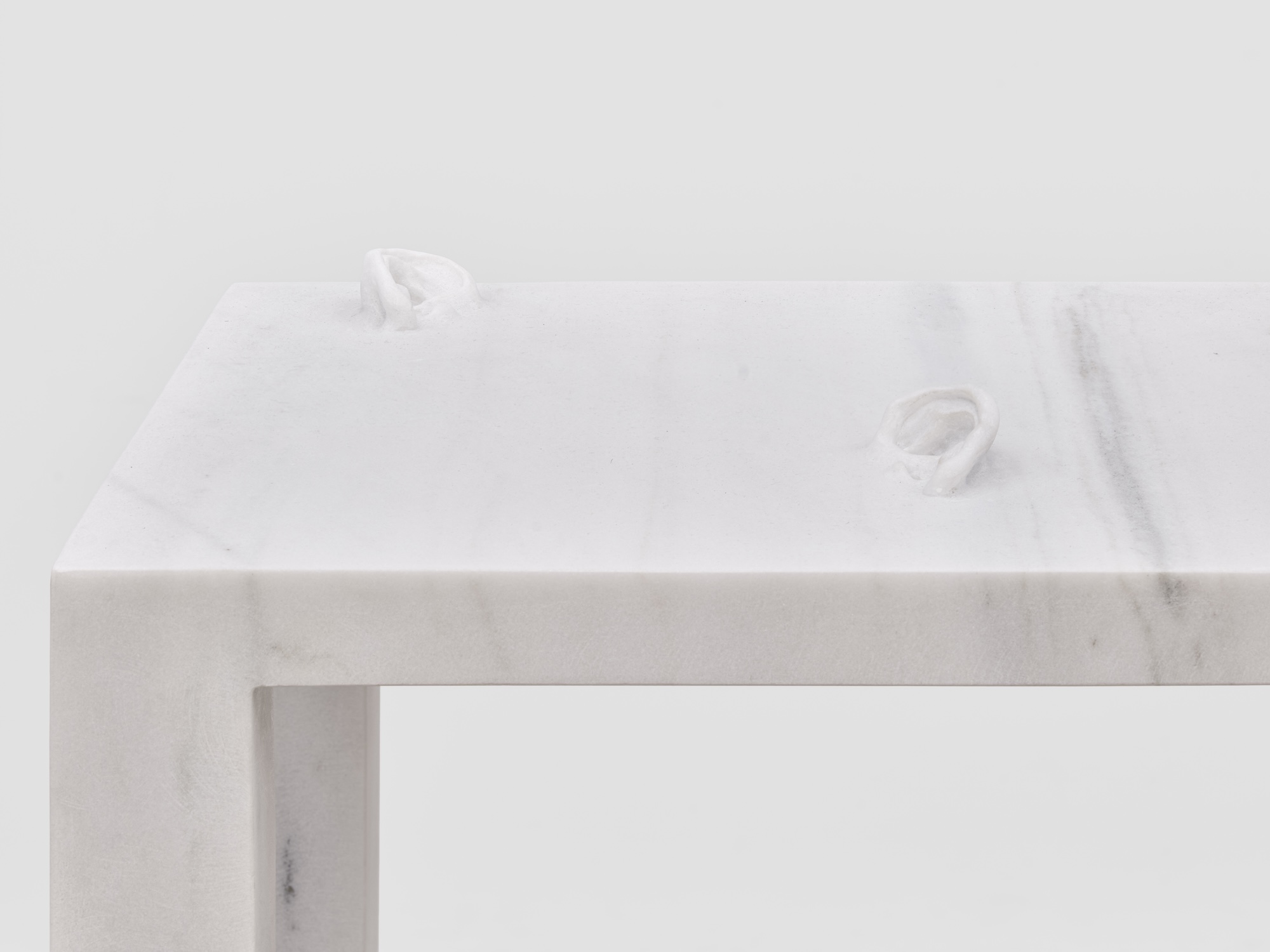
Humanness is not simply transposed onto these everyday domestic objects; rather, their latent anthropomorphism is drawn out, as Vital makes literal the anatomical vocabulary used to describe such inanimate things – a vessel has a lip, neck and shoulder; a table has legs and feet.
In The Inside of My Left & Right Ears (2024), Vital carves the convoluted interior shapes of his ears from two large blocks of white Lasa marble. While the sculpture offers an intimate portrait of the artist through its content, divulging meaning by literally turning the body inside out, it also represents aspects of Vital’s childhood through form and materiality. The sloped marble mounds resemble the rugged, snow-capped mountains of the Engadin region, intertwining bodily and natural topographies.
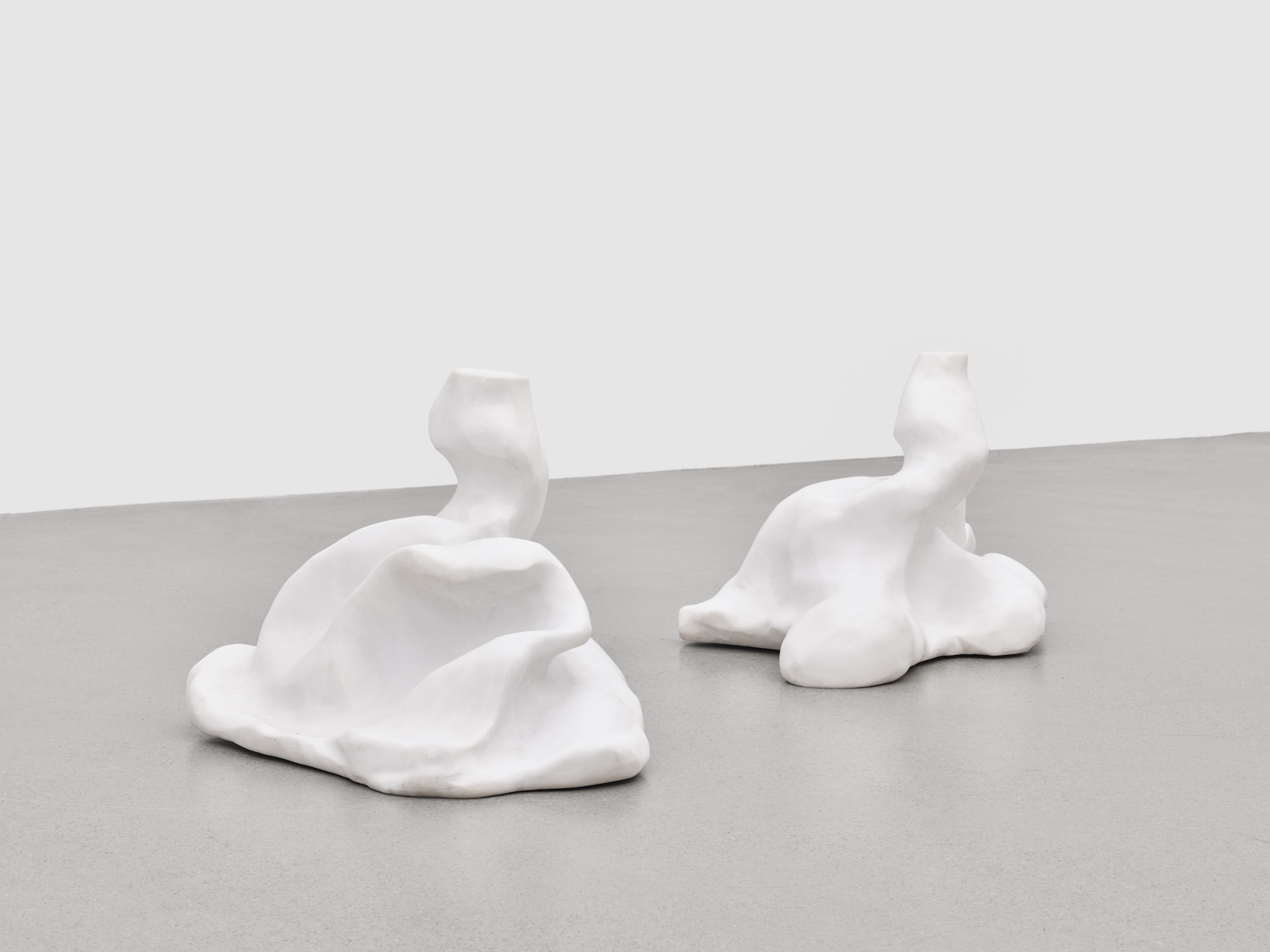
Vital’s inversion of the ear canal also reflects his lifelong fascination with constructing and inhabiting space from within, and his early memories of digging tunnels in the snow outside his childhood home. Here, the body becomes a site of burrowing and excavation – a place where inside and outside meet.
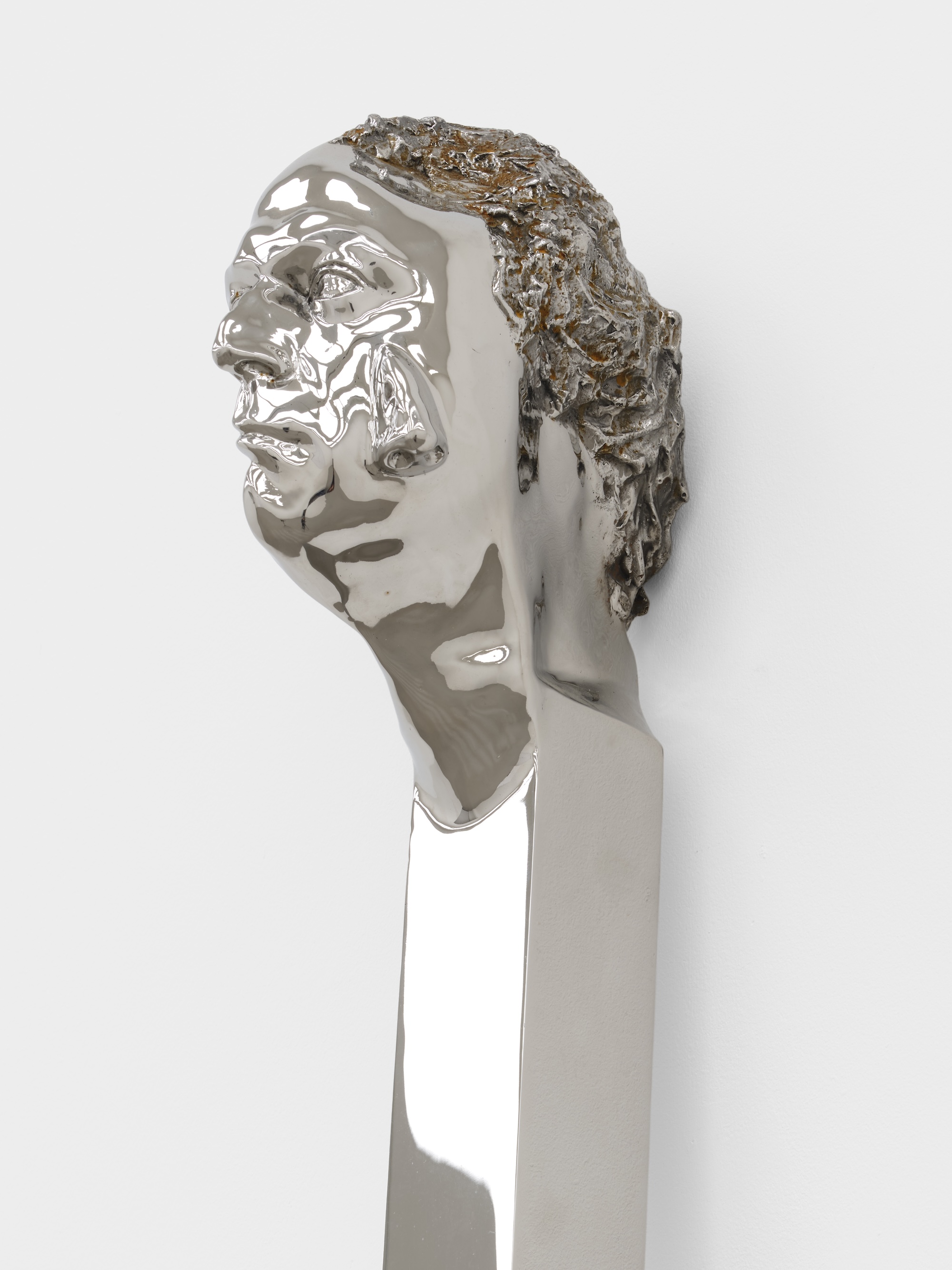
Vital’s natural surroundings are embedded within his explorations of selfhood, informing his choice of medium, scale and form. Self-portrait with 5 ears and Self-portrait with 3 noses (both 2016) belong to a series of stainless steel works produced between 1998 and 2016, in which the artist’s head emerges from columns that stand over three metres tall.
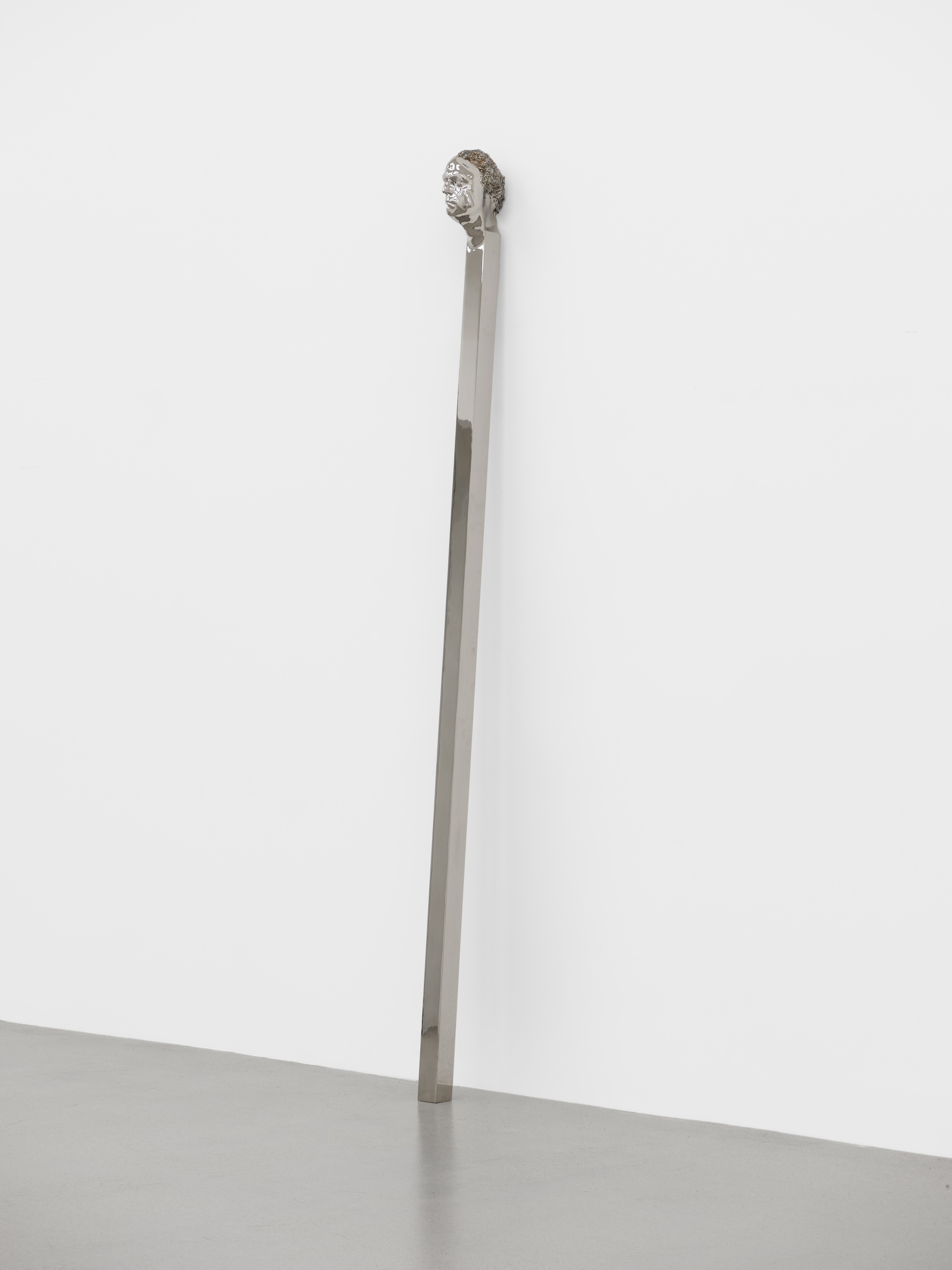
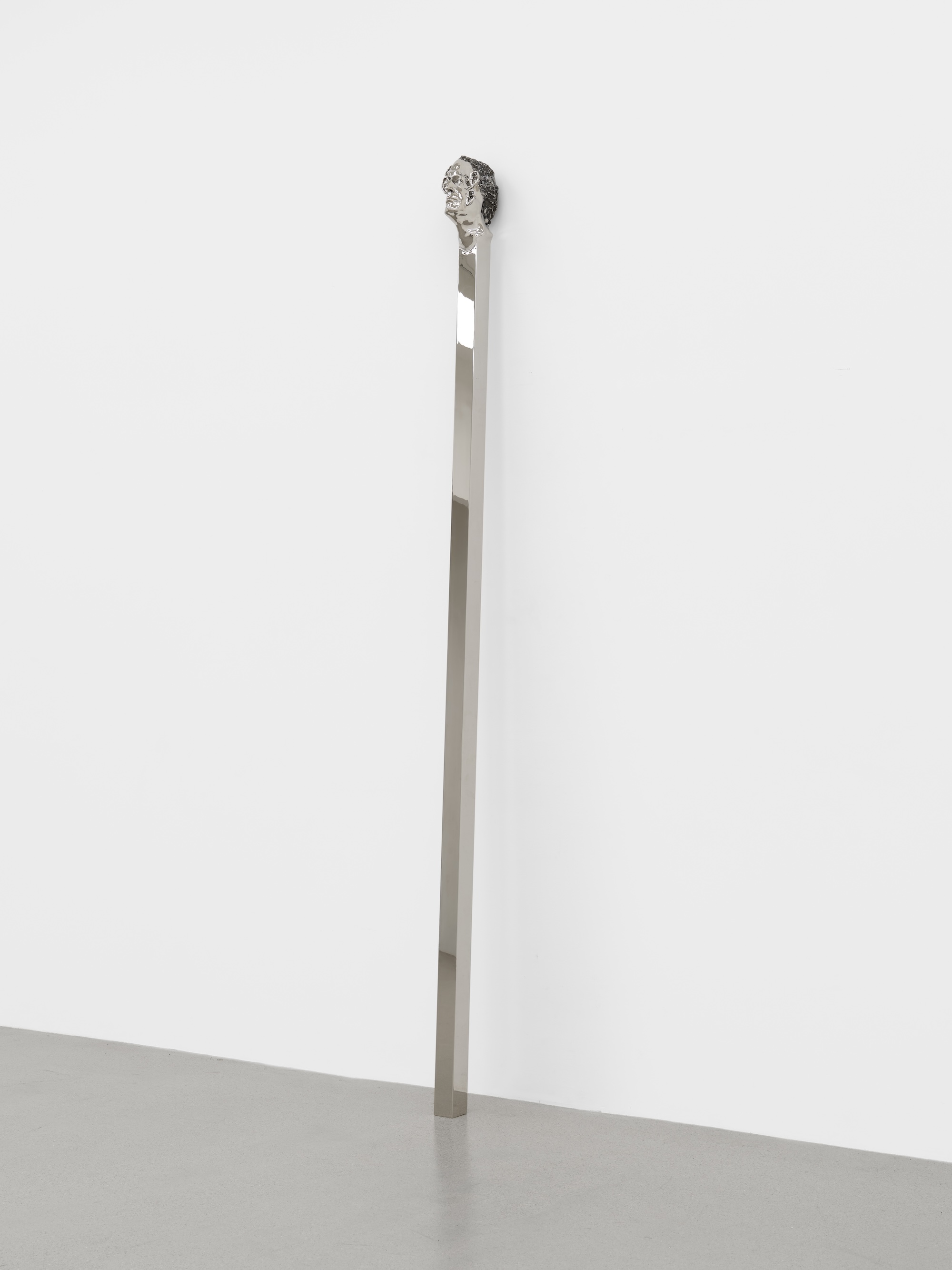
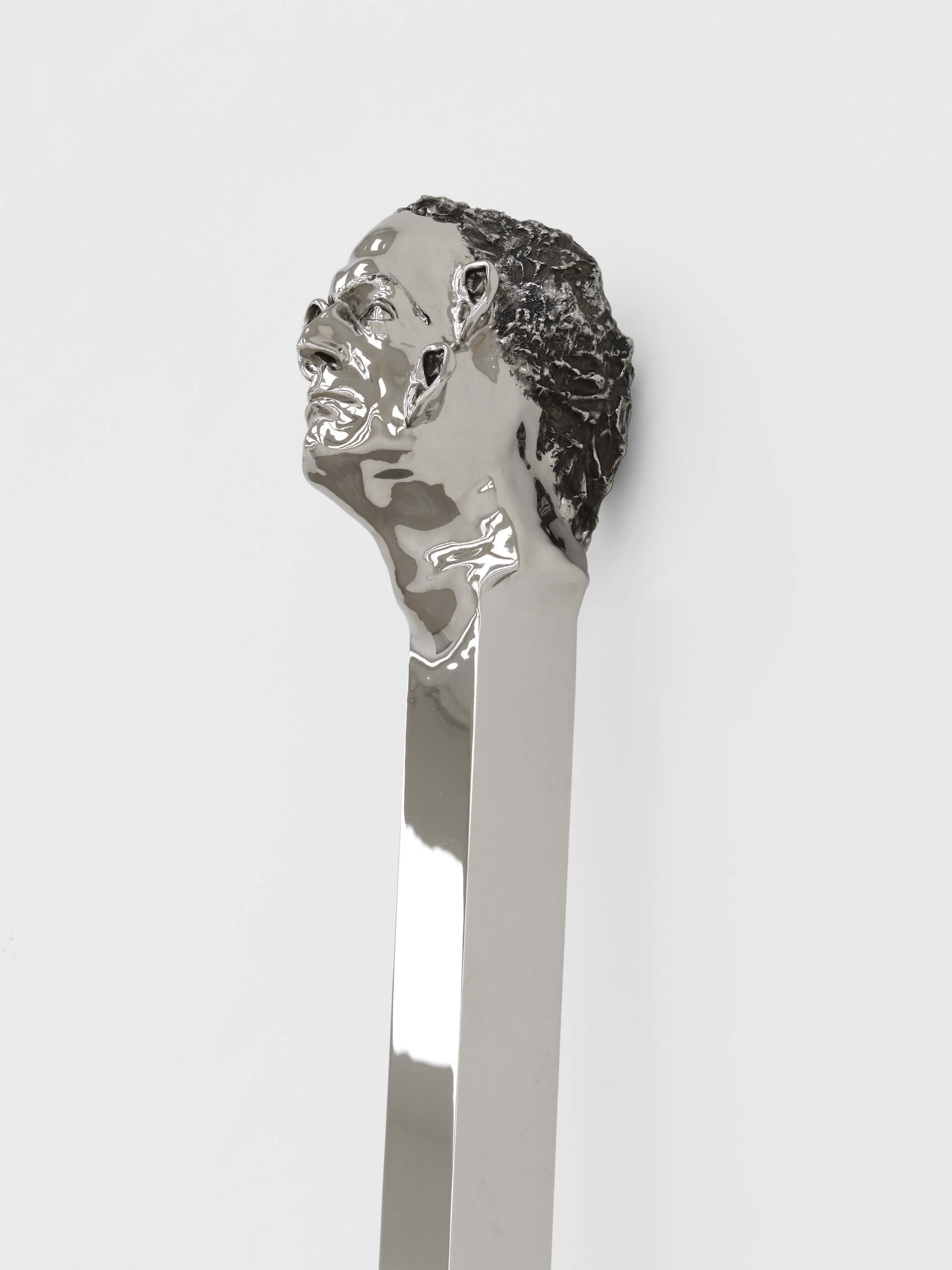
For Vital, this is an ideal sculptural height – positioned well above eye level to mimic the perceptual experience of living in the mountains.
“A pole elevates the project to a height that suits me,”
he says.
“To a mountain-dweller this seems a better viewing angle. Not long ago, it occurred to me that Sent people spend most of their time looking up. That’s where the sun rises and sets, that’s where the chamois are, and that’s where the first snow falls.”
Sourced regionally, Vital’s materials are likewise related to the geographical context in which he finds himself. He became increasingly drawn to stainless steel when he moved to Beijing, interested in its capacity both to record and reflect back likeness on one surface.
In works such as Velázquez (2012), Vital’s experimental approach to portraiture comes to the fore. Part of a series begun in 2006, these silver works depict the figure as two freestanding blocks stacked vertically, one on top of the other. While their simple geometric configurations loosely resemble heads and bodies, the portraits do not function through principles of visual likeness but through numerology: the dimensions of the silver blocks are determined by the day, month and year of the subject’s birth.
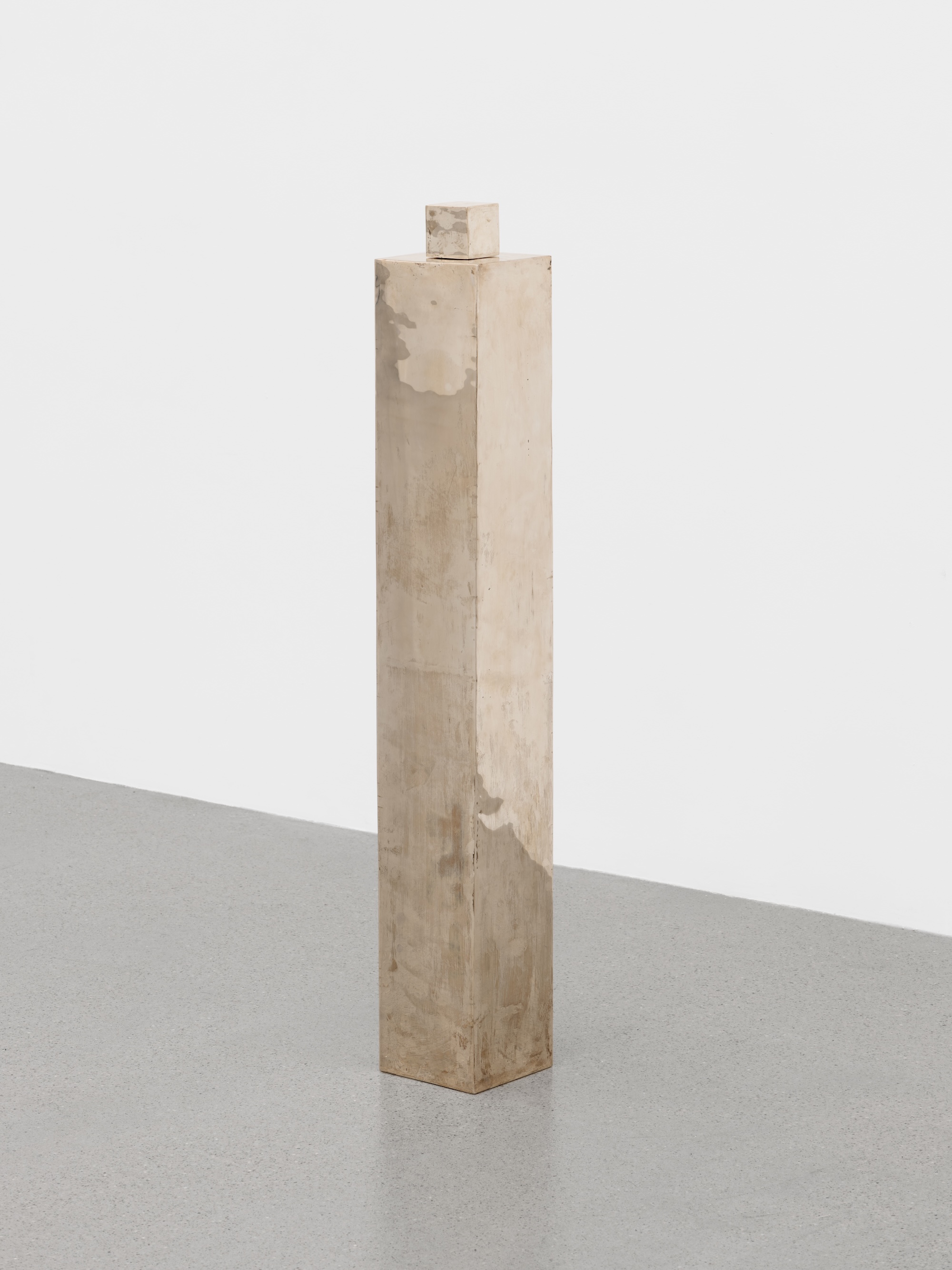
Diego Velázquez, born 6th June 1599, is portrayed by a small upper block measuring 6 by 6 centimetres, and a larger base measuring 15 by 99 centimetres. Through these numerical representations, Vital encrypts biographical details within ostensibly abstract forms – a process he has described as “giving Minimalism a soul.”
Painting is the best way for me to see, feel and smell light.
— Not Vital
Presented alongside Vital’s sculptures are a group of self-portraits in which recurring, luminous faces float like orbs against vast indigo grounds, their blue-tinged illuminations soft and diffuse, as if flickering from deep within the painted surface.
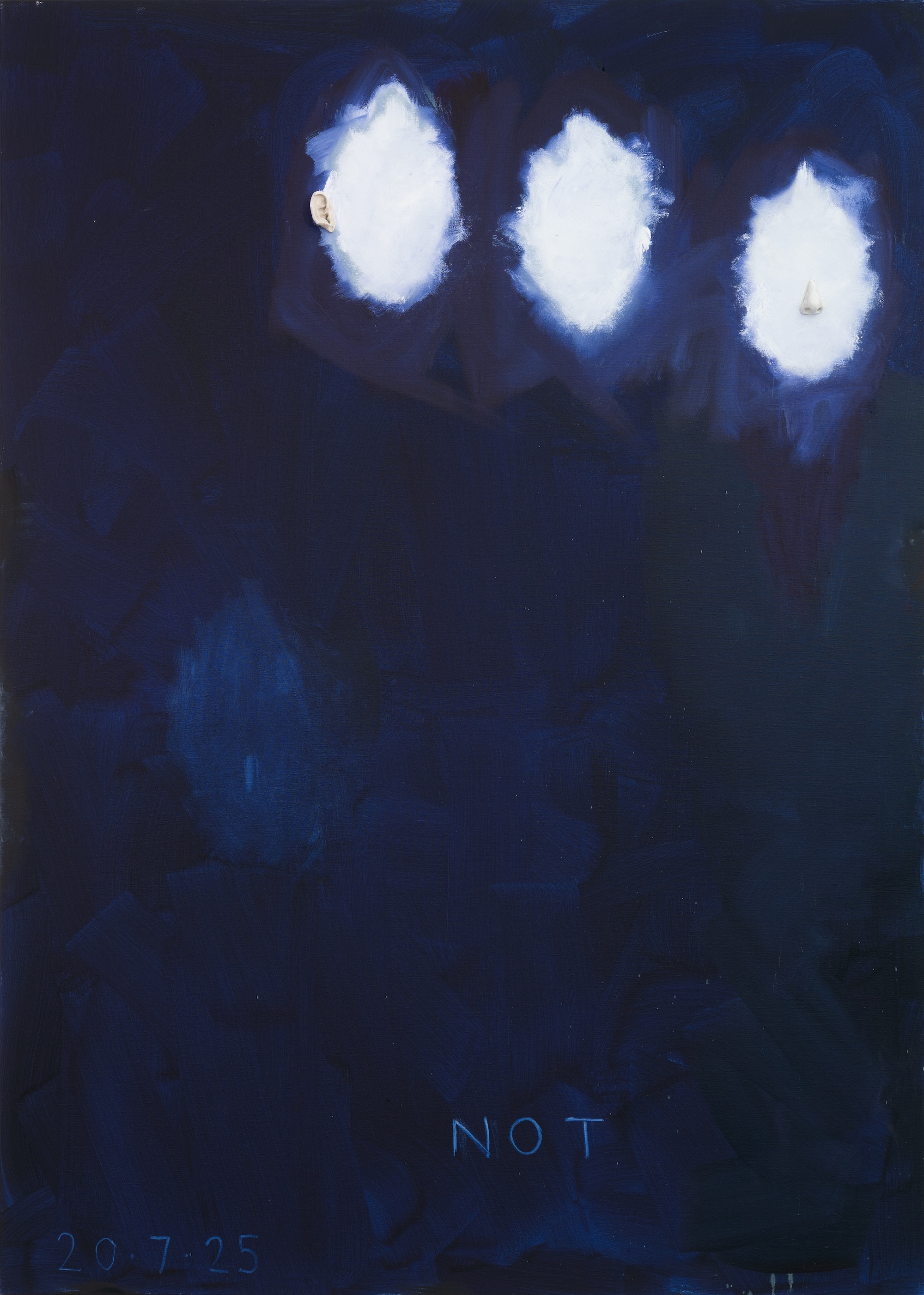
Vital likens the experience of looking at his paintings to attempting to see in the dark. As art historian Susanna Pettersson explains:
“First, we encounter just the darkness, and then, after all the senses are already alerted to their maximum capacity, we begin to see something.”
The artist cites Mark Rothko’s Black Paintings as a key influence in these works – particularly Untitled (White, Blacks,Grays on Maroon) (Kunsthaus Zürich; 1963) – as well as Velázquez, whose The crucified Christ (Museo Nacionaldel Prado, Madrid; 1631) is a touchstone in his practice.
Painting is the best way for me to see, feel and smell light.
Not Vital
Pared back and ethereal, Vital’s canvases offer quiet meditations amid the dynamic games of his sculptures. And yet, Vital paints like a sculptor, repeatedly applying and removing layers of paint as though to build form from the medium itself. He carries into his painting practice the same sensitivity to spatial depth that informs his sculptures. ‘Whatever you put in the canvas stays in the canvas,’ he says. ‘Even though you might paint over it, it’s contained in the layers.’ Like his stainless steel and silver works, glass frames incorporate the reflection of the viewer within Vital’s paintings, while preserving a corporeal and three-dimensional quality. ‘I like that the glass becomes like a skin,’ he says. ‘It gives life to the painting. It attracts, but also it inflects and reflects.’
Not Vital: Listening + Looking, 10th April–23rd May 2026, Thaddaeus Ropac, London
Art Opening, Friday 10th April, 6PM—8PM
About the artist
Born in 1948 in Sent, Switzerland, Vital lives and works between his hometown and Rio de Janeiro, Brazil. He grew up among the mountains and forests in the Engadin valley near the border of Switzerland, Austria and Italy, but has spent much of his time travelling and living in places including China, Niger, Italy, Indonesia and the USA.
He studied visual arts at the Université Expérimentale de Vincennes, Paris from 1968–71 and moved to New York in 1974, where he began his artistic career.
In 2003, Vital established a foundation in Ardez, a small historic village in the Engadin, with the aim of preserving the cultural assets of the valley and creating a local sculpture park. Over the course of his career, he has realised many buildings for contemplation all over the world, including the NotOna Tunnel (2009) on NotOna Island in Patagonia, Chile, and his Houses to Watch the Sunset, one of which he has created on every continent.
Vital’s work has been featured in numerous international exhibitions, including the 49th Venice Biennale (2001), curated by Harald Szeemann, and the 17th International Architecture Biennale, Venice (2021). He is one of the few artists to have exhibited his work in both the Art and the Architecture Biennale. In 2013, the large-scale installation 700 Snowballs was on view on the island of San Giorgio Maggiore in Venice.
His first major UK exhibition, and his largest museum project to date, was held at the Yorkshire Sculpture Park in 2016. Major solo exhibitions of his work have also been held at institutions including proyectoamil, Lima (2025); Museu de Arte Contemporânea de Niterói, Rio de Janeiro (2025); Museum Langmatt, Baden (2021); Abbazia di San Giorgio Maggiore, Venice (2021); Museum der Moderne, Salzburg (2020); Ateneum, Helsinki (2018); Bündner Kunstmuseum Chur (2017); Museo d’arte Mendrisio (2014–15); UCCA Center for Contemporary Art, Beijing (2011); The Arts Club of Chicago (2006); and Kunsthalle Bielefeld (2005).