If that seems a surprising subject, I should mention that I’m dealing with two books: ‘Goethe is Back’ by Nicole Simon, and ‘Prostitution’ by Bettina Flitner, photo-based publications which arrived together from the German publisher Kehrer. Could they possibly be connected?
Goethe (1749-1832) is famous for his productivity and range. When his works were first collected there were 143 volumes, embracing four innovative novels; many dramatic works; novellas; a famed fairy tale; the richest body of lyric poetry in German; an immense autobiography; extensive aesthetic and historical criticism; epistolary writing; plus his explorations in such fields as anatomy, botany, geology, meteorology and colour theory – Goethe himself ranked his scientific achievements above his literary ones. So did he have time for sexual pursuits? Not for a while, it seems: it is generally believed that his ten-year love affair with Charlotte von Stein – to whom he wrote twice daily for ten years from 1775 – was unconsummated, and that he did not lose his virginity until his late thirties. That was with a prostitute in Rome, so suggesting one possible connection. His rather atypical cycle of poems ‘Erotica Romana’ (c. 1790), sets sexual pursuits in classical surrounds – consistent, perhaps, with his Italian experiences. It concludes with the hope that ‘your glorious rod (dear poet) / Proudly shall strut from your loins, when but your dearest commands, / Nor shall your member grow weary until you’ve enjoyed the full dozen / Artful positions the great poet Philainis describes.’
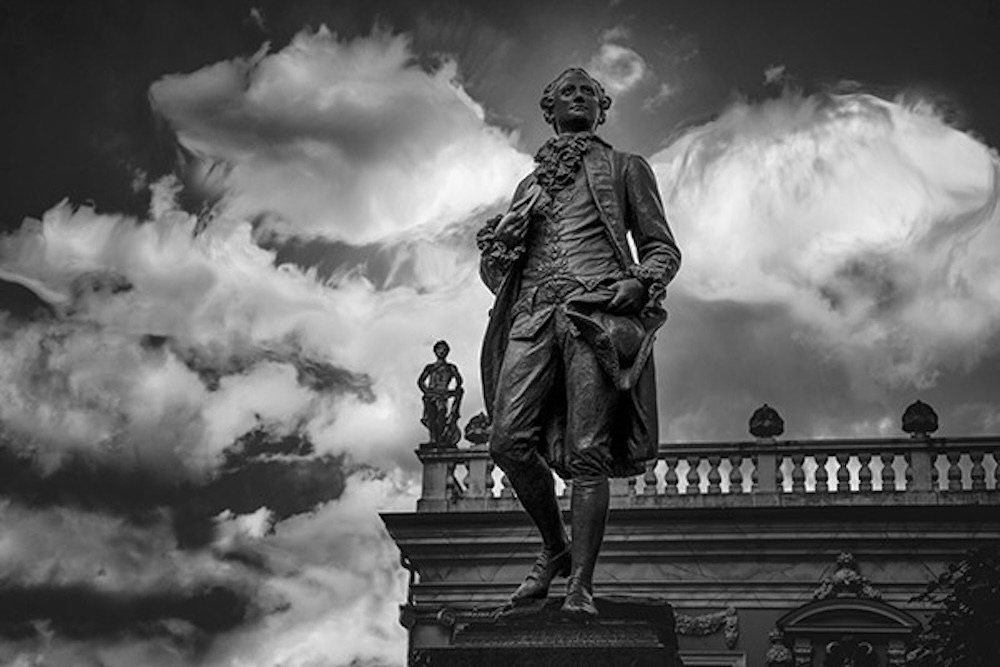
None of which, I concede, tells us much about ‘Goethe is Back’: classical meets modern tellingly in a coffee-table book of atmospheric black-and-white images of sites across Germany associated with Goethe, complemented by essays on his continuing relevance and quotes from the great man himself. My assessment of that are limited as, despite the English title, the book is in German, which is not my strong suit. Still, it is a handsome volume.
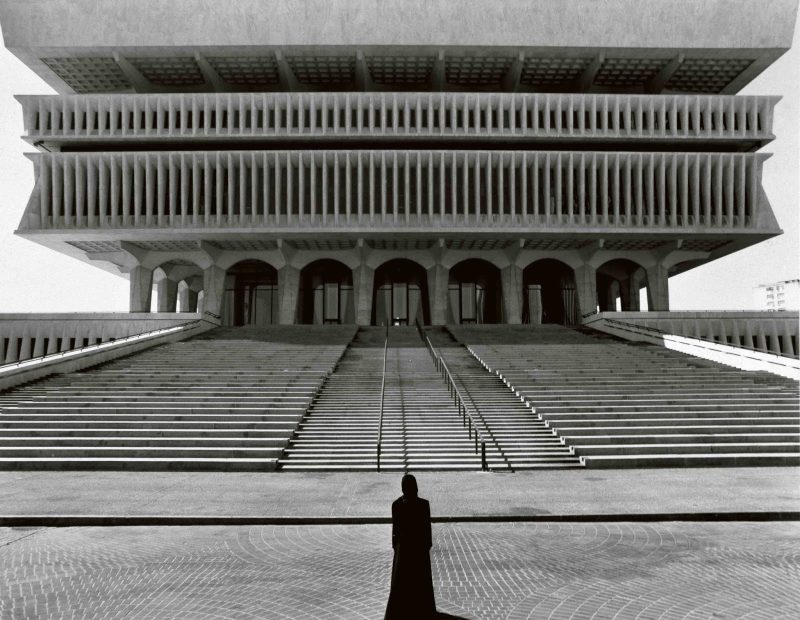
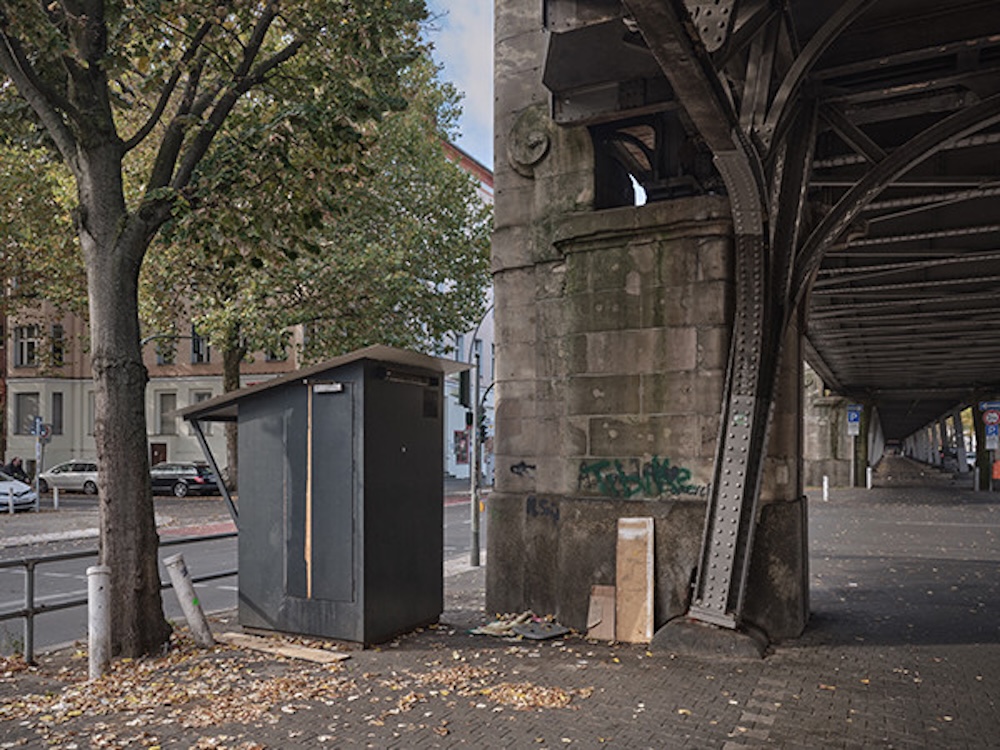
As for ‘Prostitution’, it brings together three projects by the widely respected documentary-style photographer Bettina Flitner. For ‘Johns’, shot in a large brothel in Stuttgart in 2013, she achieved the surprising feat of persuading clients – if not, presumably, a wholly representative sample – to allow themselves to be photographed and to explain why they were there. The 2014 photo essay ‘Women’ takes a comparable approach to depict sex workers on the notorious European route E 55, seen as ‘the longest street prostitution route in Europe’. And, ‘Places’, from 2024, brings rigorous composition to documentation of the locations used — such as so-called ‘appointment apartments’ and functional ‘service boxes’.
Flitner’s photographs bring something of the Düsseldorf School’s dispassionate style to the charged subject matter, suggesting that we are looking at a more objective account than usual. The accompanying text and essays provide views from clients and providers of sexual services. What comes across most clearly is the disjuncture between how the clients think of prostitution – a job like any other, and not without its enjoyments if they are the customer – with the prostitutes’ take on their own beleaguered realities, triggered by Flitner asking what their dreams are. Take 55-year-old client Guether: ‘I don’t like women who are too professional, I prefer the ones who make it only sometimes. They perform better. My last time is one week ago. She said that it was the best sex ever.’ As opposed to Saskia: ‘I started doing this about seven years ago, in a massage club in Chemnitz. My husband sits at home with the kids and waits for the money.’ Any temptation to embrace the former viewpoint is further undermined by the dispiritingly utilitarian locations depicted.
Flitner’s book, then, can be taken as evidence in considering the morality of transactional sex. Is it simply wrong because such men are paying for the abnegation of a woman’s dignity, selfhood, and will? Or is it, rather, the respect for and labour rights of sex workers that needs to change? That’s a rather large topic to tackle here, but that’s the book’s central question.
What would Goethe have said? He acknowledged the tension between spirit and flesh, suggesting that conflicts between them were not a matter for simple judgment or likely to lend themselves to easy solutions. Perhaps the two books together do make some sense…
Nicole Simon: ‘Goethe is Back’, Kehrer Verlag, 2025, €80.00
Bettina Flitner: ‘Prostitution – Clients, Women, Places’, Kehrer Verlag, 2025, £40