

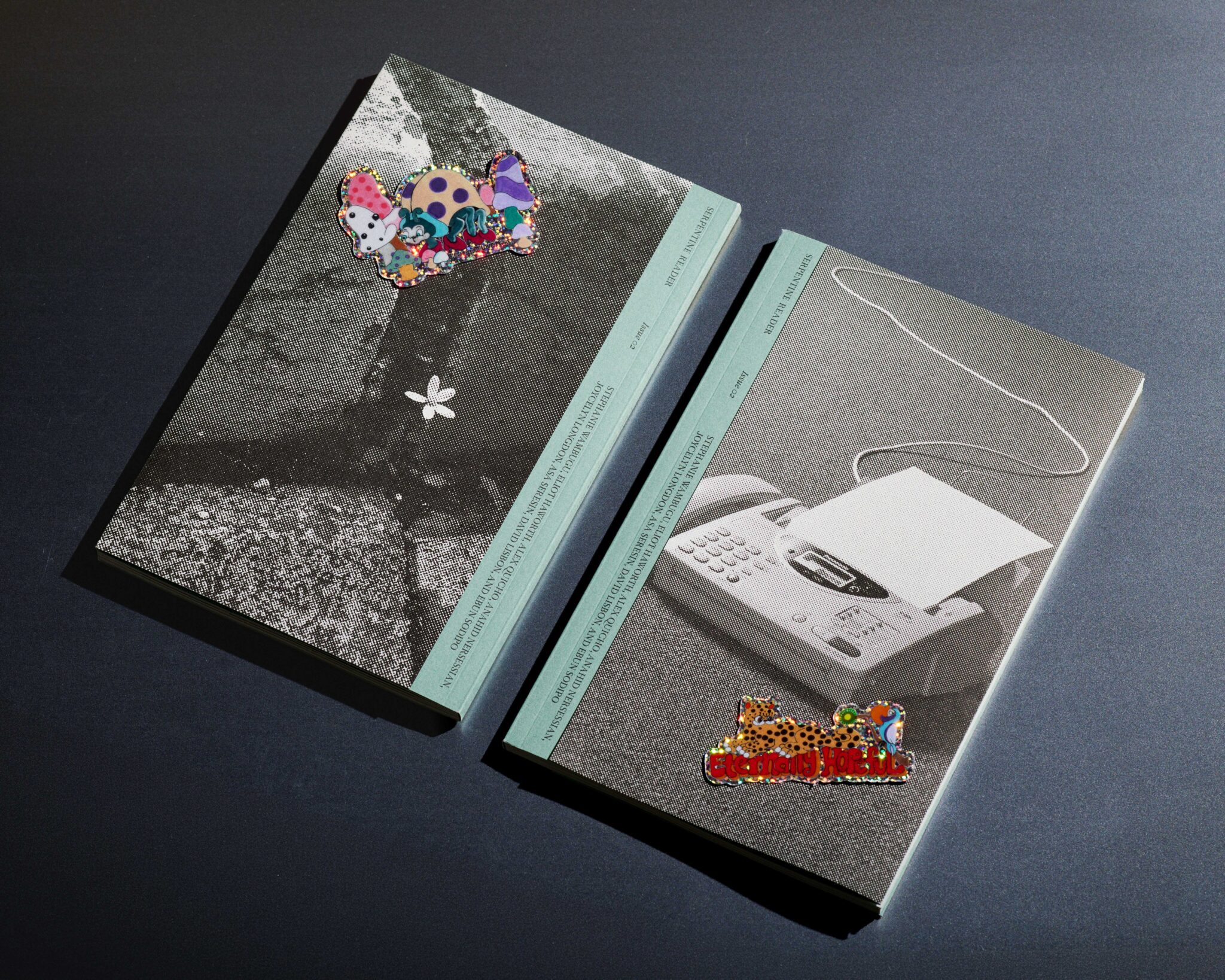
Serpentine has launched the second edition of its annual publication, Serpentine Reader. Titled Issue 02: I Hope This Finds You Well, the new volume gathers essays, fiction, poetry and experimental writing that rethinks the language of self-help in an era shaped by climate anxiety, technological upheaval and social fragmentation.

Contributors to the new issue include Stephanie Wambugu, Eliot Haworth, Alex Quicho, Anahid Nersessian, Joycelyn Longdon, Asa Seresin, David Lisbon and Ebun Sodipo.
Produced as part of Serpentine’s commitment to slow publishing and long-form research, the annual Reader creates space for extended reflection across different literary forms. Bringing together both emerging and established voices, the publication explores how storytelling and criticism can respond to contemporary cultural conditions.
Following the first issue, Circulation, which examined the movement of water, bodies, images and power, the new volume turns its attention to the familiar phrase “I hope this finds you well.” The issue asks what wellness means at a moment when systems of care—from healthcare to social support—appear increasingly strained or commodified.
Across the collection, writers explore how the language of wellbeing has become embedded in everything from automated email greetings to corporate mindfulness programmes and AI companions. Rather than offering traditional advice, the texts investigate how ideas of self-improvement and resilience circulate within broader economic and technological systems.
Several contributions take unexpected approaches to the topic. In “My Fourth or Fifth Time,” Stephanie Wambugu follows a character disillusioned with therapy who begins to seek care in more uncanny and unconventional places. Eliot Haworth’s “The Year in Animals” catalogues every animal-related story published in The New York Times over a year, revealing how nonhuman life is often framed through human interests.
Elsewhere, Alex Quicho’s “Refinement” examines emotional relationships between humans and large language models, while Anahid Nersessian revisits mid-twentieth-century experiments in collective psychiatric care. Joycelyn Longdon draws on the African practice of palaver, a form of ritualised dialogue, as a model for communal problem-solving and ecological responsibility.
The publication also addresses the politics of care more directly. Asa Seresin considers how divorce has been reframed as a lifestyle choice shaped by privilege, while Ebun Sodipo documents self-help as a survival strategy for transgender people navigating the UK’s healthcare system.
Alongside the texts, artist **Alake Shilling contributes a series of illustrated characters paired with affirmations. Each copy of the publication includes one of five limited-edition motivational stickers from Shilling’s series Everything is good, and rather splendid (2025).
Through essays, stories and speculative reflections, Serpentine Reader: I Hope This Finds You Well asks how ideas of wellness are produced, circulated and contested—and whether self-help might still offer a collective language for imagining survival in uncertain times.
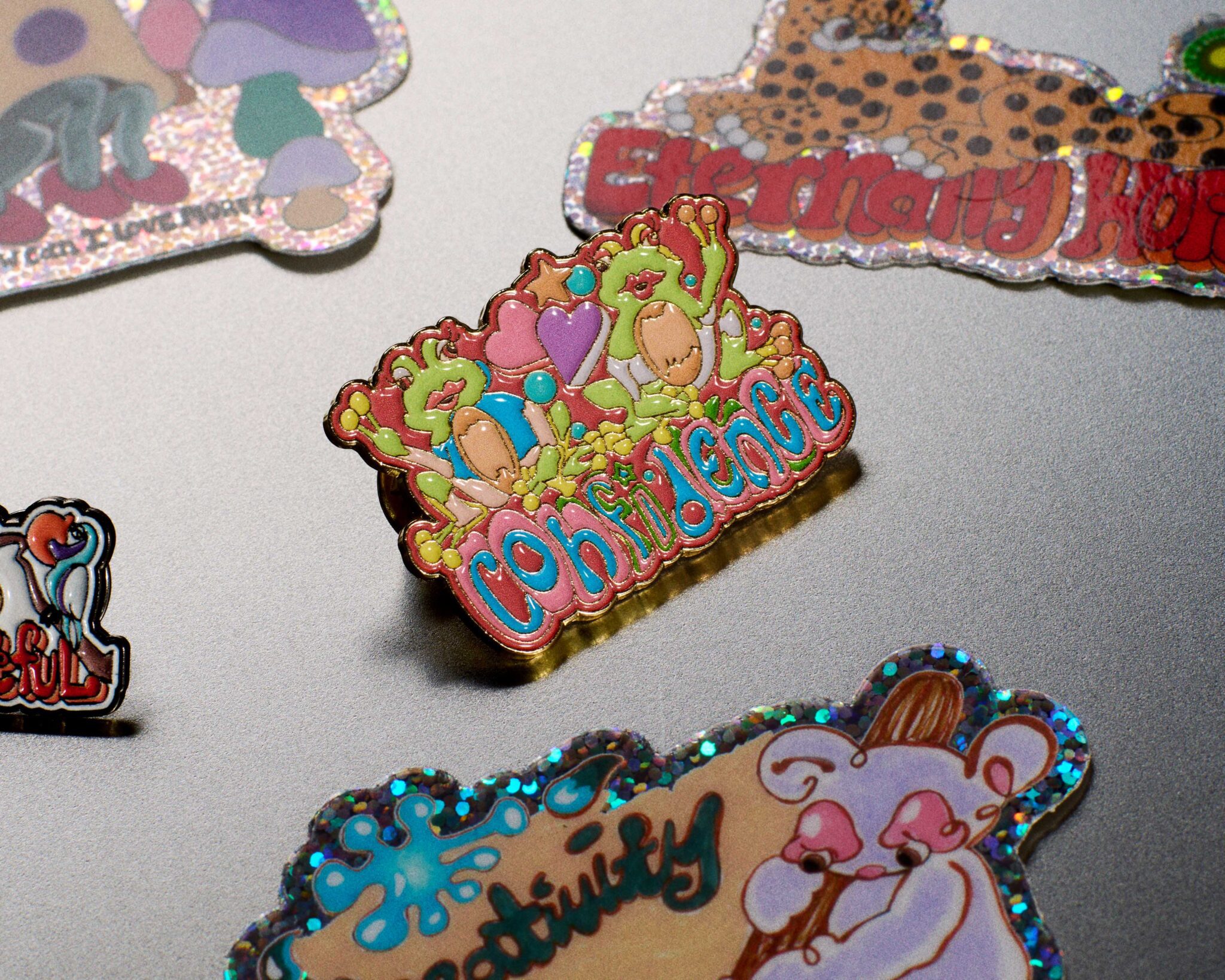
“Sometimes I feel guilty making art while the world around me burns. But I am here for the small bit of joy I can contribute. The stickers I made for Issue 02 hold that irony, how we try to have hope, even joy, while feeling like we have one foot in the grave. Life is duality; nothing is absolute. For me, I hope this finds you well is both sincere and questioning. I think the best care you can take of yourself is choosing to look toward the light, even when it’s dark. That’s something I practice often.”
Alake Shilling
You can order Print Copies: HERE