Deep beneath Copenhagen, in the vast underground chambers of Cisternerne, Marina Abramovic stages her own demise — not once, but seven times.
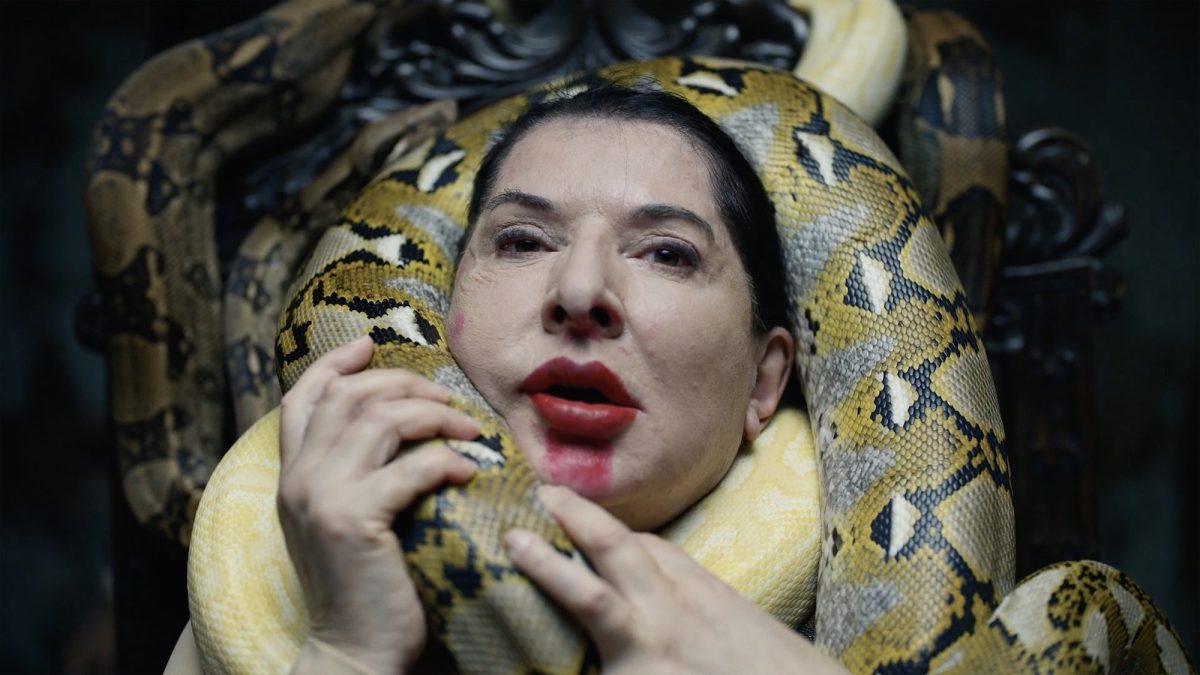
In Seven Deaths, Abramovic reanimates opera’s most iconic female death scenes, placing them inside the cavernous darkness of the former water reservoir. The result is not simply a screening, but a total environment: an immersive, cinematic procession through love, loss and fear. Visitors move physically through the work, encountering each staged death in shifting sequences of shadow and sound.
“The atmospheric surroundings of Cisternerne bring a new emotional depth to Seven Deaths,”
Abramovic says.
“Its darkness and resonance create a space where the work can unfold with greater intensity, and the audience becomes physically and emotionally present with each death.”
Maria Callas: Voice, Myth, Mirror
At the heart of the work is Maria Callas — not only as voice, but as alter ego.
Callas, the uncompromising diva of the 20th century, embodied opera’s extremities: devotion, heartbreak, collapse. Abramovi? has long identified with her. The resemblance is not merely physical. Both artists surrendered themselves to their practice, both paid a price for total artistic commitment.
In seven films, Abramovi? casts herself as opera’s doomed heroines, accompanied by Callas’ voice. Opposite her stands Willem Dafoe, amplifying the drama of each fatal climax. Role and biography blur. Theatre becomes confession. Death is both performance and personal reckoning.
Endurance, Presence, Echo
The work draws directly from Abramovi?’s lifelong investigation of the body, vulnerability and extreme presence. But here, the intensity is refracted through opera — spectacle meeting mortality.
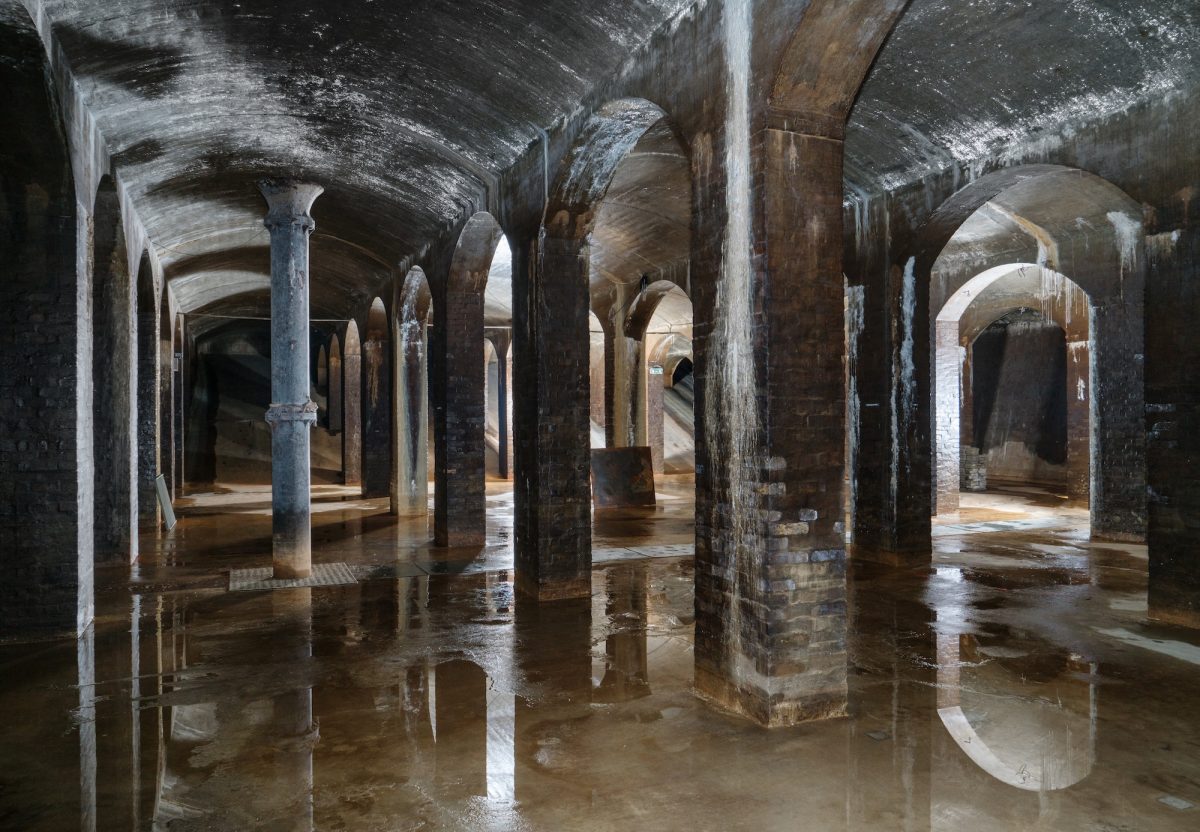
Cisternerne itself becomes collaborator. The permanent darkness and 17-second reverberation transform sound into atmosphere, turning Callas’ voice into something almost architectural. This is the first time Seven Deaths has been staged as a total installation — an hour-long experience navigated through space rather than watched passively.
Chief curator Tine Vindfeld describes it as a confrontation with “love, loss, longing, and fear” — emotions that refuse to stay contained within the theatrical frame.
A Year of Milestones
2026 marks a pivotal year for Abramovic. She turns 80 on 30th November — the final day of the exhibition — and will also open a solo exhibition at the Gallerie dell’Accademia in Venice, becoming the first living woman to do so.
In Seven Deaths, however, the focus is not on celebration, but on reckoning. Opera’s grand finales dissolve into something quieter, darker and more intimate — a meditation on what it means to give your life to art.
Marina Abramovic, Seven Deaths, 14th March – 30th November 2026 Cisternerne, Copenhagen
About the artist
Marina Abramovic (b. 1946, Belgrade) is widely considered a pioneer of performance art. Since the 1970s, she has pushed the boundaries between body, mind, and audience, creating works such as Rhythm 0 (1974) and The Artist Is Present (MoMA, New York, 2010). In Denmark, her work has been shown at Louisiana, including The Cleaner (2017). She lives and works in New York.
About Cistenerne
Cisternerne is an underground exhibition space in Søndermarken, Copenhagen and a former 19thcentury water reservoir.
Today, its dark, cold and humid chambers provide the setting for site-specific exhibitions by internationally acclaimed artists. Here, art is experienced with the whole body, in close interaction with architecture, acoustics, climate and the unique stalactite formations.
Cisterns were constructed between 1856 and 1859 as part of the modernization of Copenhagen’s water supply and played a crucial role in the city’s development. After standing unused for decades, the underground spaces were opened to the public in 2001 and relaunched as an exhibition venue in 2013,
when Frederiksbergmuseerne took over operations.
Facts: Humidity: constantly just below 100% Temperature: approx. 4°C in winter and up to 16°C in summer Area: 4,320 m² divided into three equally sized chambers. Reverberation time: 17 seconds Ceiling height: 4.2 metres Original capacity: approx. 16 million litres of water
Cisternerne are part of The Frederiksberg Museums, along with Bakkehuset, STORM, and Møstings. The exhibition is made possible through the support of Det Obelske Familiefond, the New Carlsberg Foundation, Augustinus Fonden, Frederiksbergfonden, and Aage og Johanne Louis-Hansen Fond.