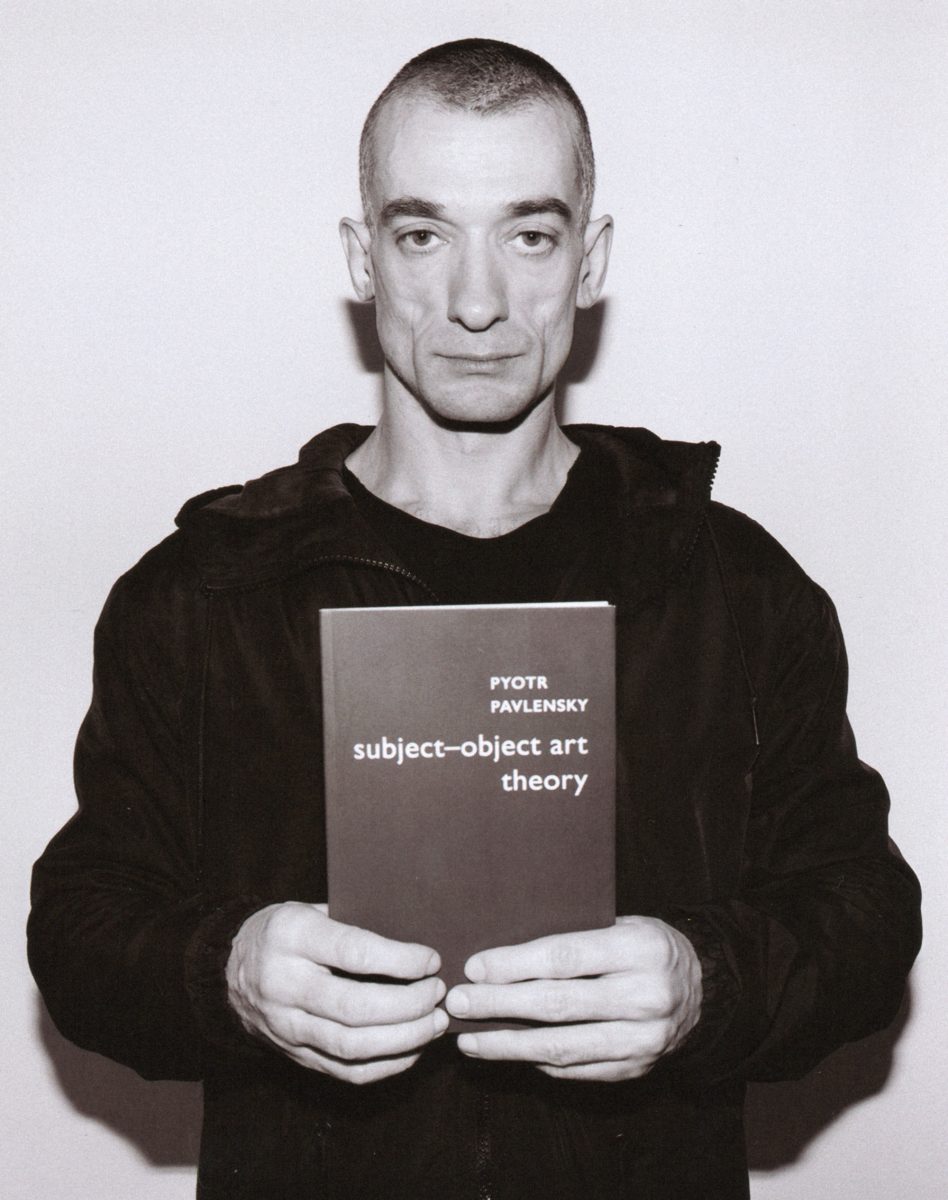
Seagull Books announces the publication of Subject–Object Art Theory, the first comprehensive account of Pyotr Pavlensky’s philosophical and methodological framework.
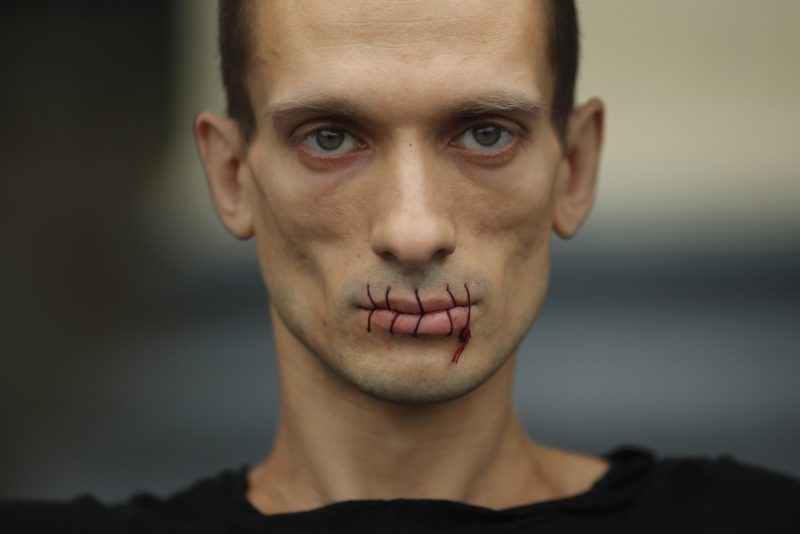
Known internationally for his charged public events, Pavlensky now sets out the theory that underpins his practice, examining how state structures, institutions and representatives of power become material components of an artwork.
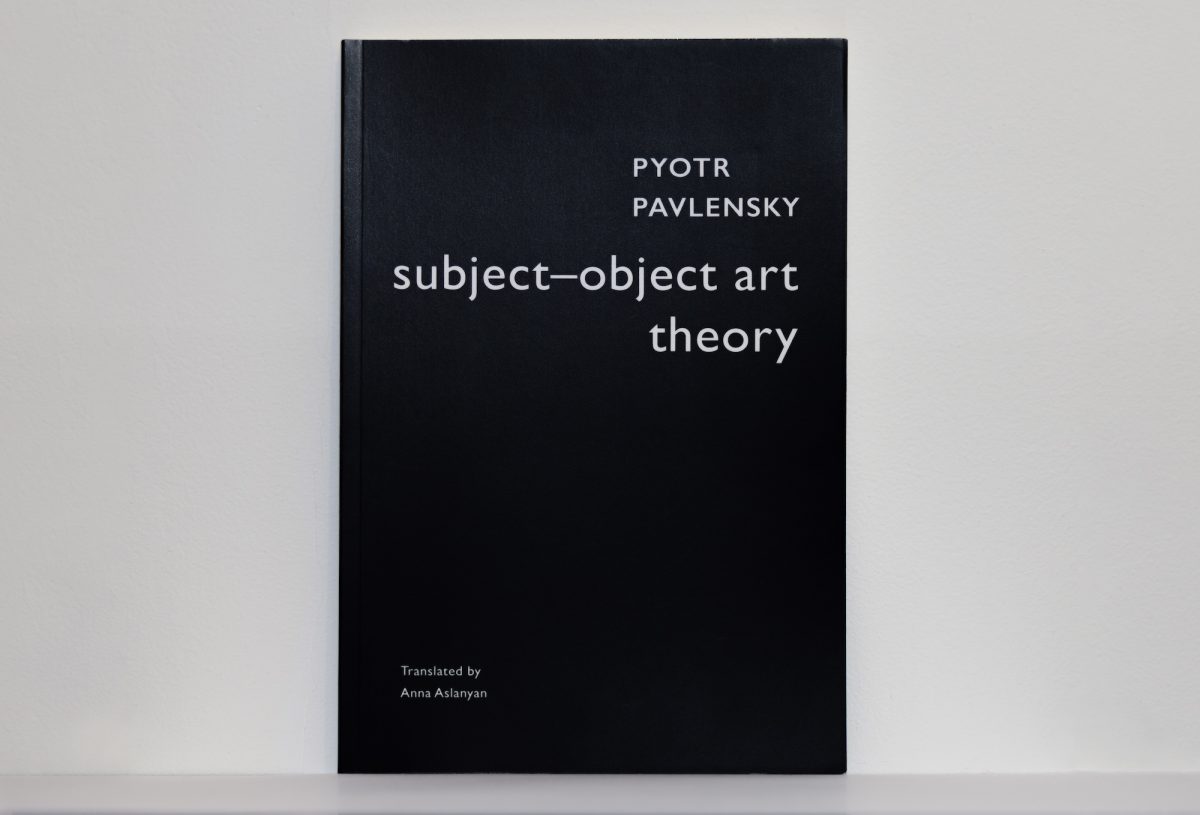
Across fourteen chapters, Pavlensky presents a sustained analysis of what he terms subject–object art. The book argues that when representatives of power intervene in an artist’s event, they, while remaining subjects of power, simultaneously become objects of art. Drawing directly from a decade of work in which police, courts, investigators, psychiatric structures, media systems and political actors became unwilling participants, Pavlensky describes the mechanics through which power begins to work for art rather than upon it. This includes detailed discussion of how state procedures produce images and texts that become precedents for subsequent works, and how the process of subject–object art extends long beyond the initial event into the judicial, bureaucratic and public spheres.

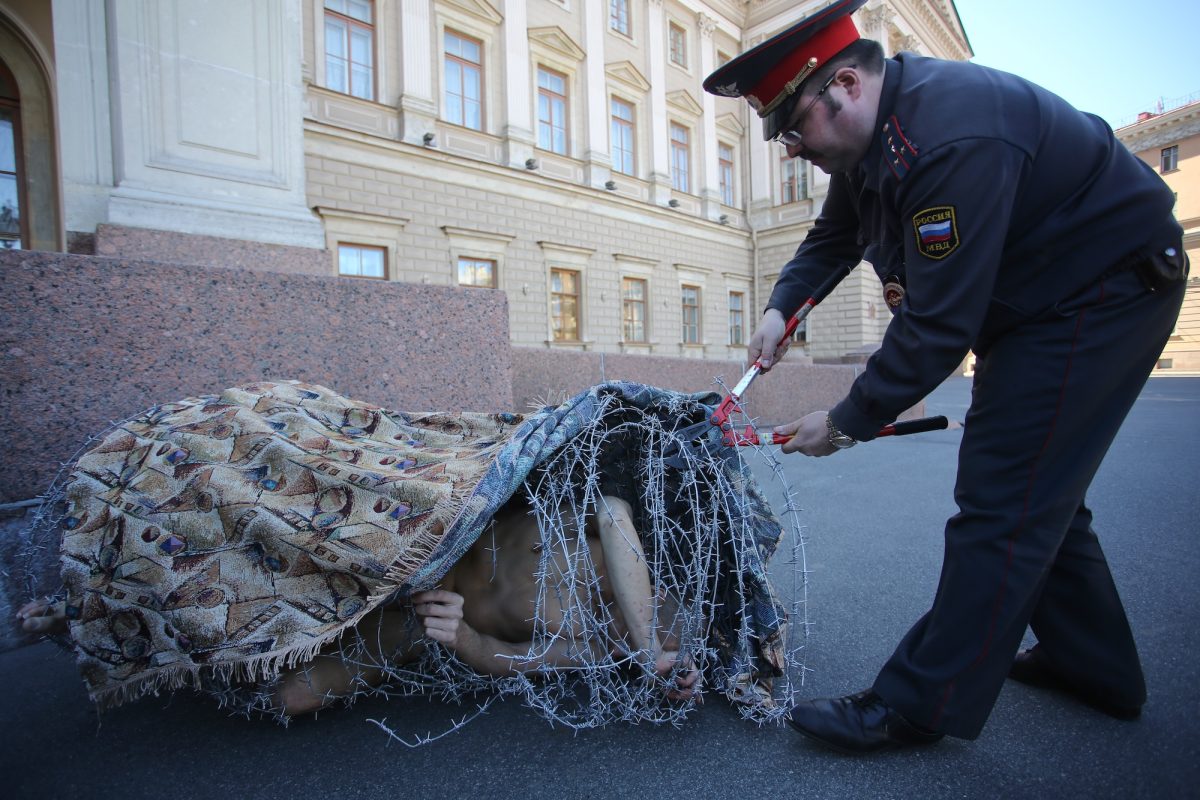
Neither a memoir nor a retrospective, Subject–Object Art Theory is written as both method and manifesto. It traces the tensions between art and power from antiquity to the present day, situating subject–object art within a lineage of radical avant-garde movements while insisting on the specificity of its form. Pavlensky’s account draws on examples including Fixation and Freedom, illustrating how subject–object relationships unfold when representatives of power activate the procedures of the state and, in doing so, generate the very images, narratives and consequences that constitute the artwork.
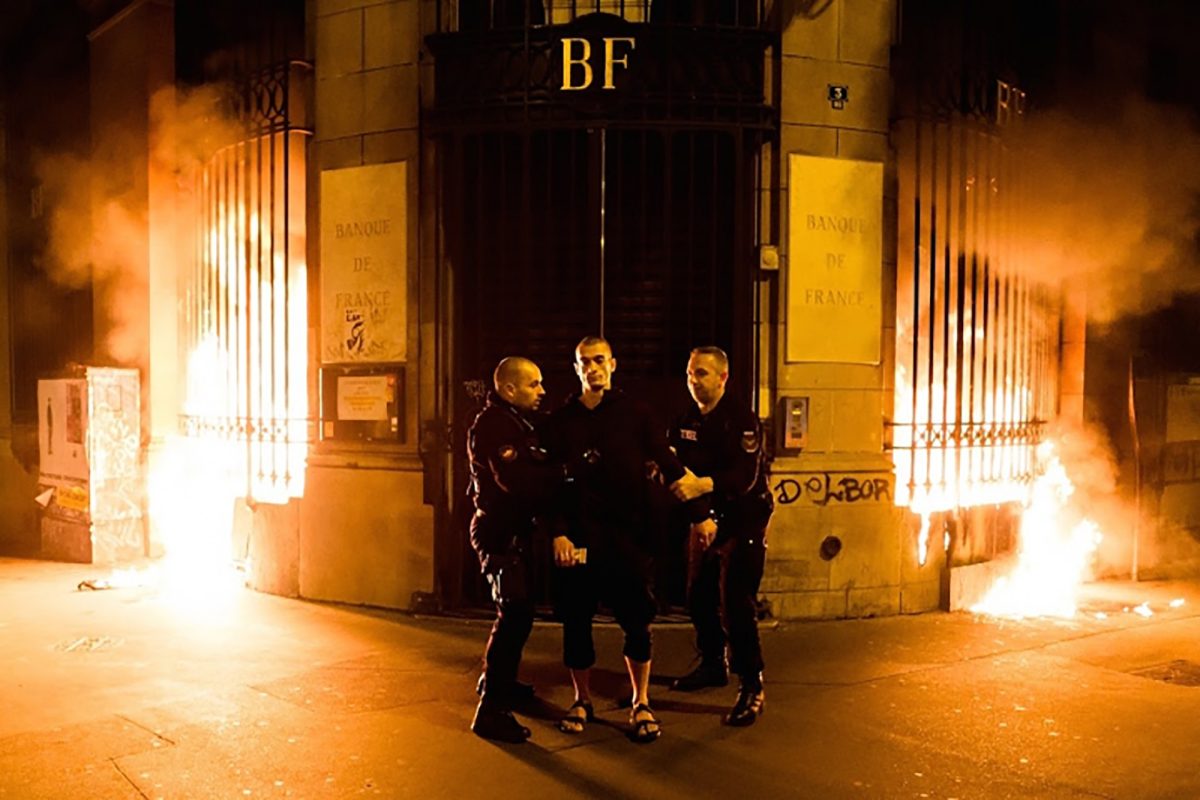
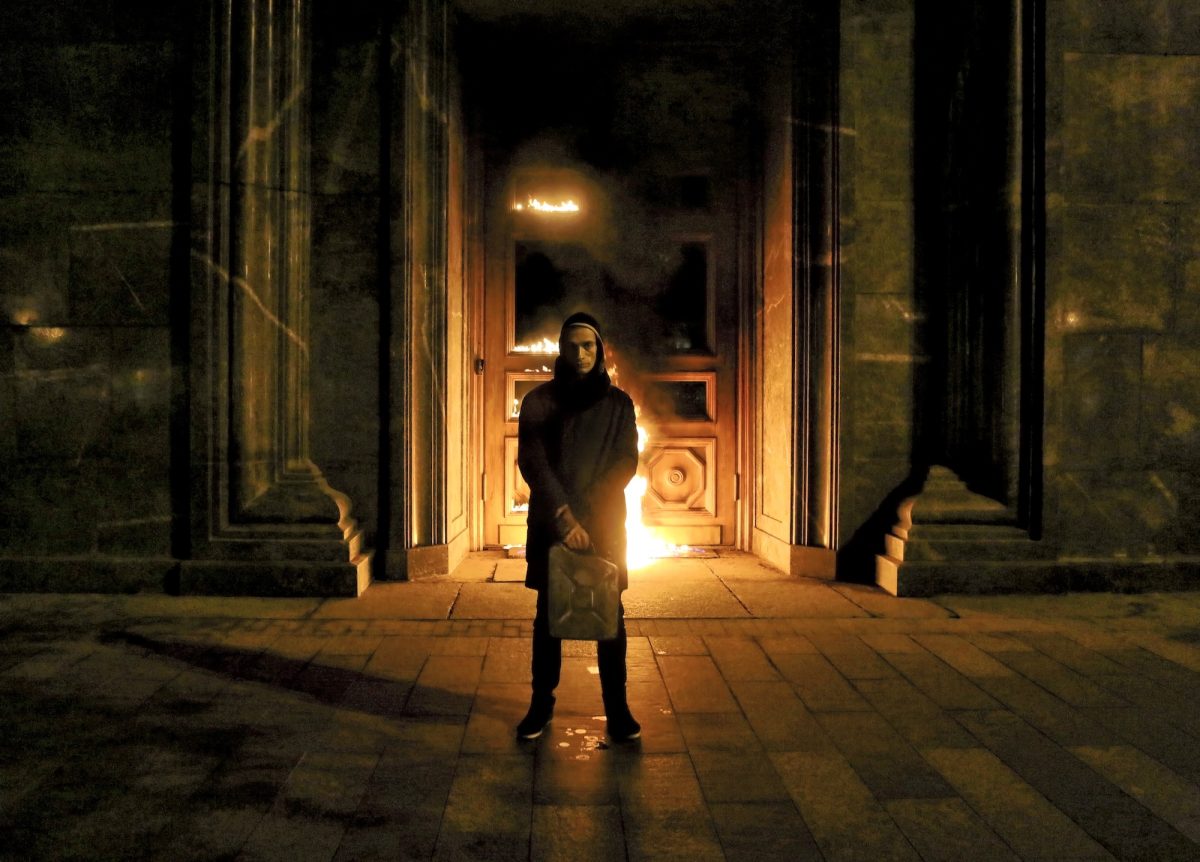
The text also examines concepts such as decontextualisation and recontextualisation, the production of precedents through police and judicial processes, and the distinction between decorative art, art about politics, and political art. The book challenges prevailing models of spectatorship and authorship in contemporary art theory, and argues for an understanding of artistic freedom grounded not in abstraction but in direct confrontation with mechanisms of control.
Subject–Object Art Theory is the result of nearly ten years of theoretical work. As Pavlensky notes in the preface, the term provides the most accurate description of both the essence and the totality of his practice, reflecting a system in which the artist relinquishes control while authorities, following their own procedures, involuntarily develop and expand the artwork’s form.
The book will be launched at A/POLITICAL (The Bacon Factory, London) on 16th December 6.30PM – 8.30 PM
The launch event for Subject–Object Art Theory will include an artist talk by Pyotr Pavlensky
followed by a Q&A. Attendance is free but RSVP is essential. Please confirm via info@a-political.org
All audience members will receive a complimentary copy of the book.
About
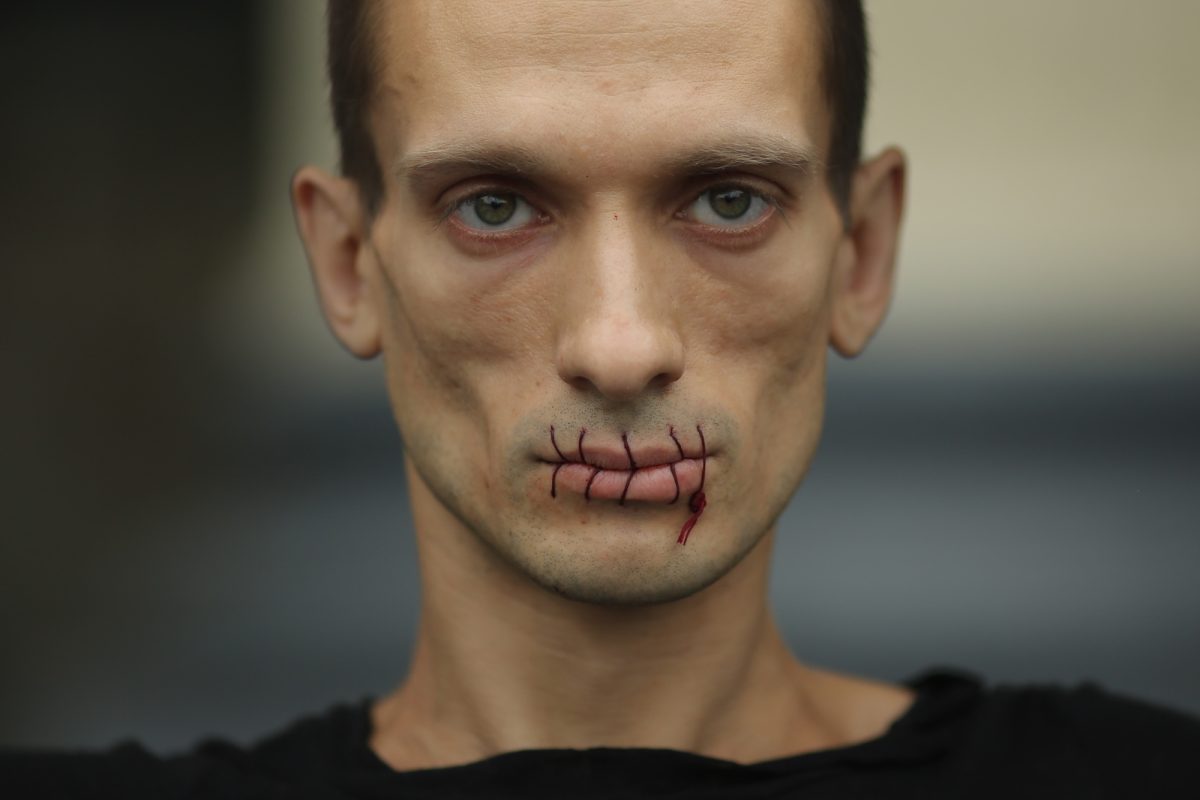
Pyotr Pavlensky is a Russian-born artist whose work examines the relationship between art and power. His public events have involved direct engagement with state structures, in which institutions and representatives of authority become material participants in the realisation of the artwork. His practice has been widely discussed across art, politics, and human rights, and Subject–Object Art Theory marks the first complete publication of his theoretical framework. @pyotr.pavlensky
Seagull Books is an independent publisher based in Calcutta, London and New York. Its list
spans philosophy, critical theory, literature and the arts. The Enactments series, edited by
Richard Schechner, publishes significant texts in performance and contemporary cultural theory.